Cheapest PA Schools in the US for 2026
If you are thinking about pursuing your Physician Assistant (PA) degree in 2026, finding a program that fits both your academic goals and your budget matters more than ever. With over 320 accredited PA programs across the country and tuition rising at most institutions, identifying the cheapest PA schools in the United States requires up-to-date information and careful comparison. This post breaks down the most affordable PA programs available right now, what they cost, what they require, and how to evaluate whether a lower-cost school is the right fit for you. Whether you are comparing PA school requirements or weighing financial aid options, the numbers here will help you plan with confidence.
PA School Cost Trends in 2026
Before reviewing specific programs, it helps to understand where PA school costs stand nationally and where they are heading.
According to data compiled from the AAPA, PAEA, and NCCPA, the average cost of attending a PA program in the 2025-2026 cycle is approximately $98,075 for resident students and $107,288 for non-resident students across all program types. These figures have risen steadily; over the past five years, resident tuition increased by an average of 5.33% annually, while non-resident tuition rose by about 3.5% per year. If those trends hold, projected tuition for the 2026-2027 cycle could approach $103,300 for residents and $111,000 for non-residents.
The type of institution matters significantly. Public university PA programs charge an average of roughly $56,718 for in-state students and $88,168 for out-of-state students. Private institutions, which now make up approximately 62.5% of all PA programs, charge an average of about $91,639 regardless of residency. This means that for students willing to attend a public university in their home state, the savings can be substantial.
Graduate debt is another part of the picture. The average anticipated debt load from PA school alone now ranges from $112,500 to $116,773, and that figure does not include undergraduate debt, which averages $36,300 for PA students entering graduate programs. These numbers make it clear: choosing an affordable program is not just a preference but a financial decision with consequences that last well beyond graduation.
One more factor worth noting in 2026 is a significant policy change affecting federal student loans. Grad PLUS Loans will no longer be available for new borrowers as of July 1, 2026. Students who already hold a Grad PLUS loan disbursed before June 30, 2026, can continue borrowing under existing terms through the 2028-2029 academic year. But for incoming students, this change means fewer federal borrowing options and a greater need to shop carefully for affordable programs and alternative funding sources.
The Average Cost of PA School in the US
Attending a Physician Assistant school is expensive, but it can offer a significant return on investment given the profession’s strong salary outlook. The cost of PA school varies depending on several factors: whether the institution is public or private, whether you qualify for in-state tuition, the length of the program, and the region of the country.
As of 2025-2026, the average cost of PA school is approximately $98,075 for resident students and $107,288 for non-resident students, according to data compiled from the American Academy of Physician Associates (AAPA), PAEA, and NCCPA. These averages reflect all program types, including both public and private institutions.
PA programs typically run between 24 and 30 months, with tuition structured by semester or by credit hour. Depending on the program and the state, per-semester costs can range from roughly $5,000 to over $20,000. Out-of-state tuition is generally higher than in-state rates due to differences in state funding and subsidies.
The most expensive states to pursue a PA degree in 2026 include California, Massachusetts, Connecticut, Rhode Island, and Tennessee, where average tuition costs range between $90,000 and $110,000. The most affordable states include Kansas, Texas, Alabama, Iowa, and Wisconsin, where costs typically fall between $50,000 and $80,000. For a more detailed look at how PA school tuition and fees break down, these state-level differences are worth examining closely.
In addition to tuition and fees, other costs associated with attending a PA school include living expenses. These expenses include the following:
- Housing and Meals
- Books and Supplies
- Transportation Expenses
- Medical Insurance (required by many programs; for example, UW-Madison’s student health insurance plan runs approximately $3,800 annually for single coverage)
- Licensing Fees
- Uniforms
- CASPA Application Fees ($184 plus $61 for each additional program)
- Seat Deposits ($150 to $1,000 depending on the school)
- Other Miscellaneous Expenses
Some schools also charge lab fees or require students to purchase specialized equipment or software. These additional costs may add up to $3,000 or more per semester. As a student, you should factor in all of these when calculating the true cost of attendance before committing to a particular program.
Cheapest PA Schools in the US
There are real options for finding an affordable PA school without sacrificing the quality of your education. From small private colleges to large public universities, the programs below represent some of the lowest tuition rates among accredited PA schools in the country. For each school, we cover academic offerings, admission requirements, tuition figures, and financial aid so you can compare effectively. If you are still early in the process, you may also want to review how to get into PA school for a broader view of what competitive applicants need.
1. Wichita State University
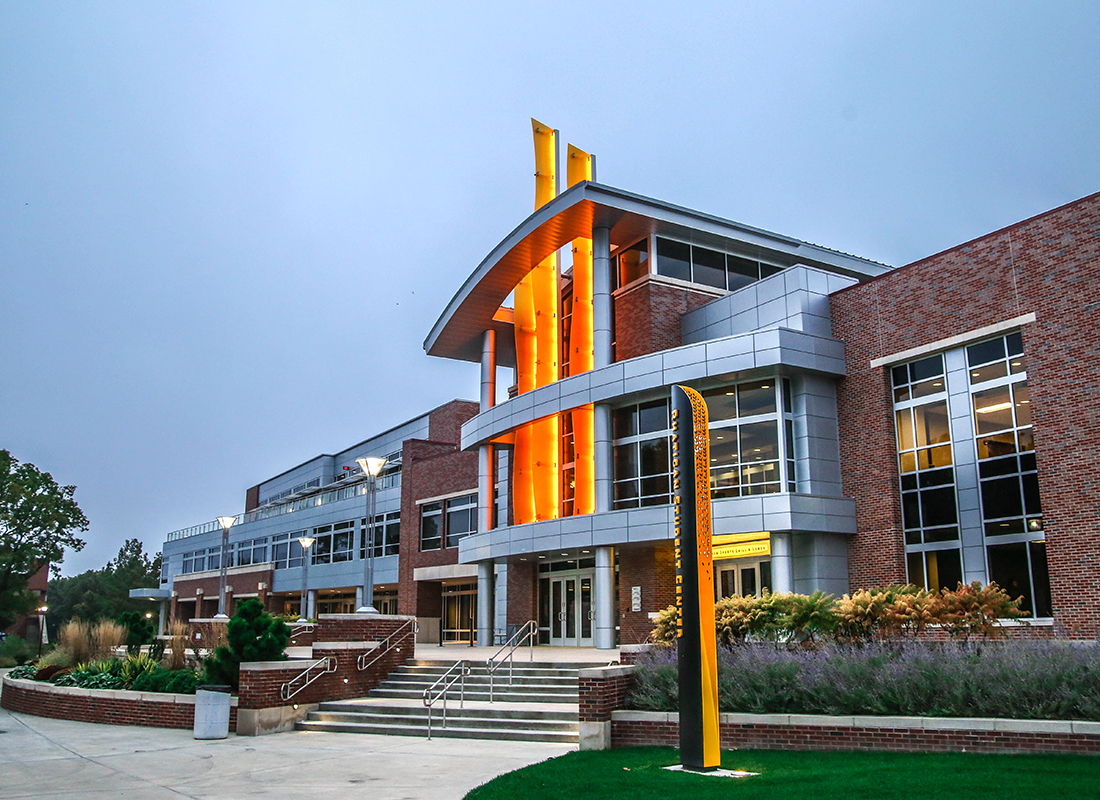
Wichita State University remains one of the cheapest PA schools in the US for 2026. The university now awards a Masters of Physician Associate (MPA) degree, reflecting the profession’s national name transition. The program runs 26 months in a lock-step format, meaning all students move through the curriculum together on a fixed schedule.
The PA program at Wichita State University offers comprehensive academic coursework, including courses in the following fields:
- Anatomy
- Physiology
- Clinical Medicine
- Pharmacology
- Medical Ethics
In addition to these core courses, students complete electives such as healthcare policy and administration, legal issues in healthcare, and community health promotion.
To be eligible for admission, applicants need a minimum GPA of 3.00 on a 4.0 scale for both overall coursework and science coursework. An important change for the 2026 application cycle: the prerequisite for Human Anatomy with lab and Human Physiology has increased to 8 credit hours (or 12 quarter hours), up from the previous 5 credit hours. GRE scores are not required to apply to Wichita State.
The estimated tuition for the full program is approximately $61,085 for Kansas residents. Shocker Select, Midwest Exchange, and Global Select students pay approximately $76,834, while full non-resident students pay approximately $106,969 over the program’s duration.
WSU also offers notable tuition discounts for certain out-of-state students. Shocker City Partnership students (residents of selected major metropolitan areas in Arkansas, Colorado, Illinois, Iowa, Missouri, Nebraska, Oklahoma, and Texas) and Legacy Tuition students qualify for regular in-state rates. Shocker Select and Midwest Student Exchange students (residents of states including Arkansas, Colorado, Illinois, Indiana, Iowa, Minnesota, Missouri, Nebraska, North Dakota, Ohio, Oklahoma, Texas, and Wisconsin) receive a 33% discount on out-of-state tuition. These regional agreements can significantly lower the cost for students coming from neighboring states.
2. Texas Tech University Health Sciences Center (TTUHSC)
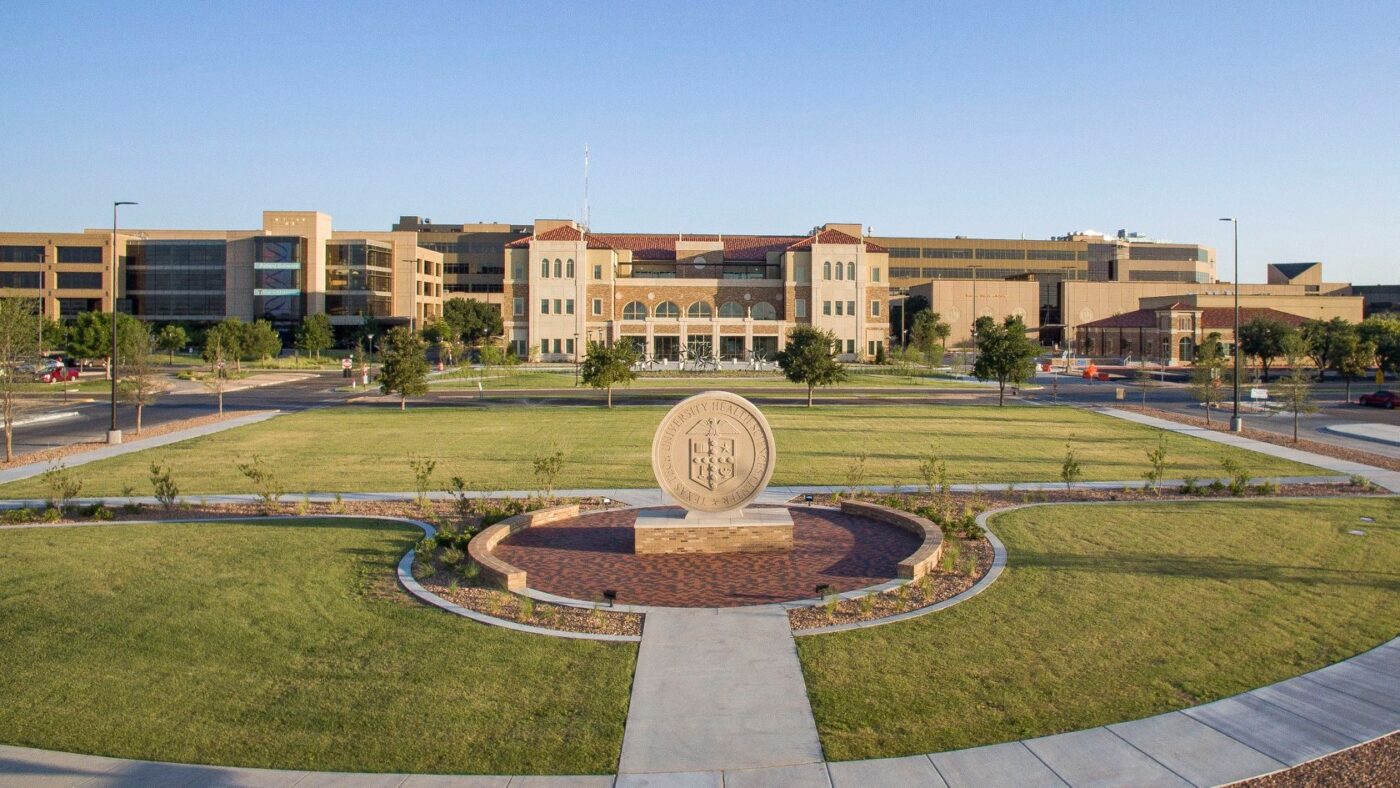
Texas Tech University Health Sciences Center (TTUHSC) continues to offer one of the most affordable PA programs in the country, though costs have risen since prior years. Located with its academic phase in Midland, Texas, the program awards a Master of Physician Assistant Studies degree following 27 months of intensive training. The first 15 months consist of academic coursework conducted in a dedicated facility in Midland, followed by 12 months of clinical rotations at sites throughout west Texas.
Admission requirements for the TTUHSC PA program remain competitive. Applicants must have completed their undergraduate degree, maintain a minimum cumulative GPA of 3.0, have taken required prerequisite courses, and submit GRE scores from within the last five years. Applicants must also demonstrate an aptitude for healthcare and complete an interview process, including one-on-one sessions with faculty members.
The estimated total tuition and fees for the full program is $49,843 for Texas residents and $100,468 for non-residents. Other program-related costs for all students are estimated at an additional $6,300. These represent increases from earlier figures, reflecting broader tuition trends across PA education.
Students accepted into the program may be eligible for various financial aid options, including:
- Federal Direct Subsidized/Unsubsidized Loans
- Federal Supplemental Educational Opportunity Grant (SEOG)
- Federal Pell Grant
- Direct PLUS Loan (note: Grad PLUS Loans will not be available for new borrowers after July 1, 2026)
Private loans through banks and credit unions are also available. Scholarships through organizations such as the National Health Service Corps (NHSC) can provide loan repayment assistance for graduates who serve primary care needs in underserved areas.
3. CUNY York College
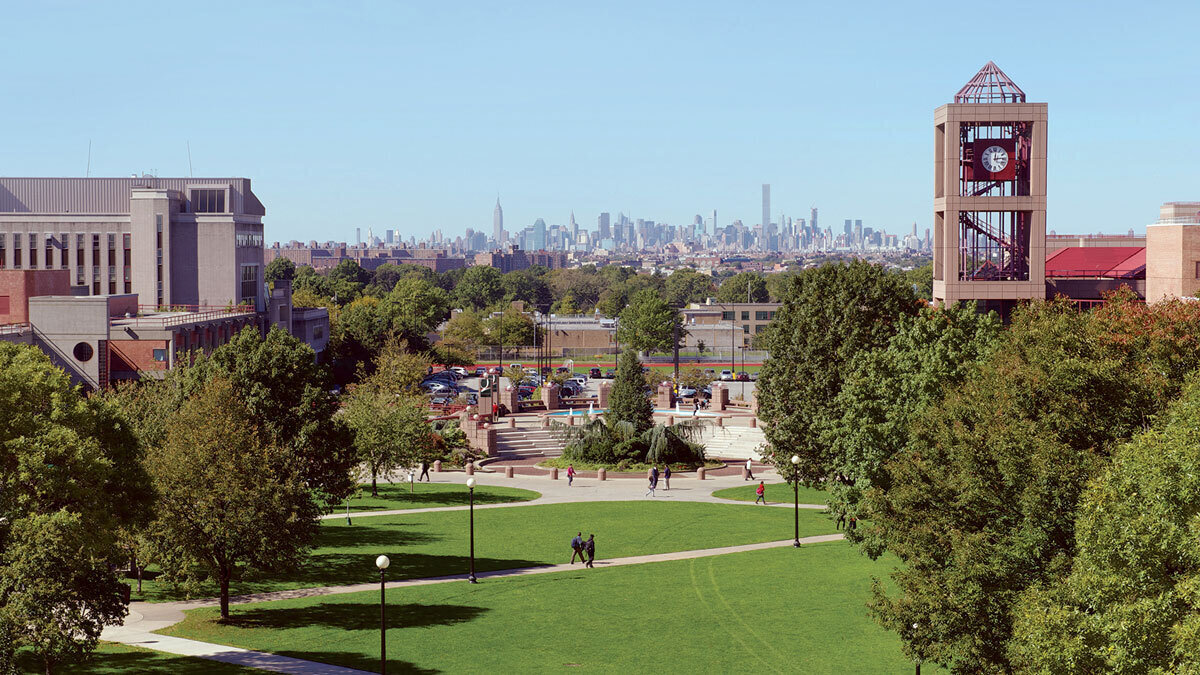
CUNY York College offers one of the cheapest PA programs in the United States, and its tuition has remained notably stable. The program is a full-time, 28-month curriculum designed to prepare students as competent, entry-level Physician Assistants. Graduates earn a Master of Science (MS) degree in Physician Assistant Studies, and the program accepts a maximum of 30 students per year.
The ARC-PA has granted Accreditation-Continued status to York College’s PA program, confirming compliance with national accreditation standards. The next validation review is scheduled for approximately April 2028. The program’s track record is strong: the Class of 2025 achieved a 100% first-time PANCE pass rate, and the five-year average stands at 93%.
The curriculum includes courses in the following topics:
- Anatomy
- Physiology
- Pharmacology
- Pathology
- Clinical Medicine
- Medical Ethics
To be accepted, students must have a minimum GPA of 3.0 from an accredited undergraduate institution. Scores from the MCAT or GRE may be required. International applicants who did not attend school in the US must submit additional documentation, including transcripts translated into English and proof of English language proficiency such as TOEFL scores.
The school’s tuition costs remain among the lowest in the nation. For in-state students, tuition for the entire program is approximately $36,655; for out-of-state students, it is approximately $74,385. According to tuition comparison data, these rates have remained unchanged for over four years. The graduate tuition per credit hour is $470 for New York residents and $855 for out-of-state students. The total estimated cost of the program, including living expenses, is approximately $50,170 for in-state students and around $88,660 for out-of-state students.
In addition to these low tuition costs, CUNY York College offers financial aid packages to help offset expenses. These include need-based grants such as Federal Pell Grants and Federal Supplemental Educational Opportunity Grants (FSEOG), as well as Federal Direct Subsidized and Unsubsidized Loans. The school also offers a student loan repayment program as an incentive for PA program graduates.
4. University of Wisconsin-Madison
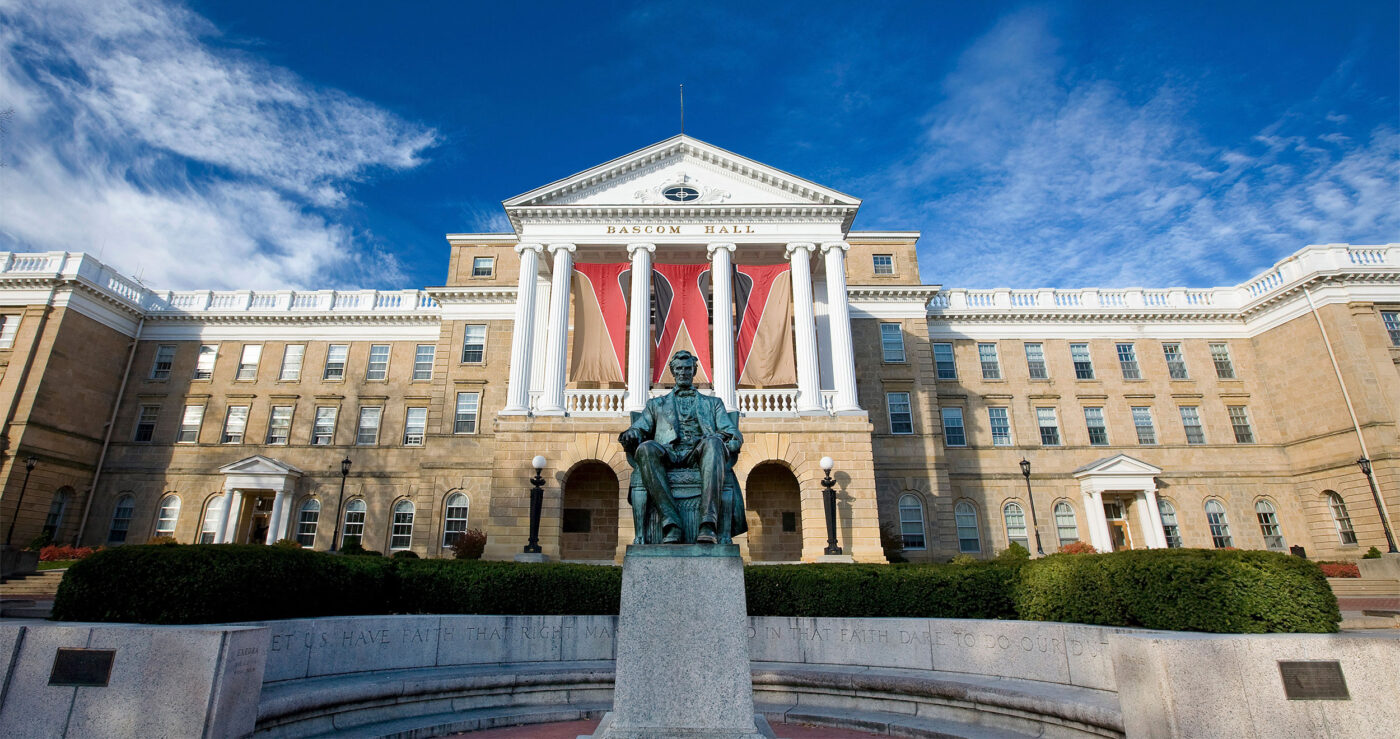
The University of Wisconsin-Madison is one of the top choices for students looking for affordable PA programs in 2026. Founded in 1848, the university offers a range of health-related educational opportunities, and its PA program is known for both strong academics and competitive pricing.
The PA program at UW-Madison provides students with a rigorous academic experience combining theoretical knowledge and hands-on clinical skills development. The curriculum covers topics such as:
- Human Anatomy
- Pharmacology
- Clinical Medicine
- Nutrition
- Integrated Courses in Communication
- Ethics and Research Design
To be eligible for admission, applicants must meet the following requirements:
- Minimum GPA of 3.2 on all college courses
- Completed prerequisite coursework
- At least 1,000 hours of direct patient experience from paid employment, volunteering, or clinical research
The GRE is not required to apply to UW-Madison. If accepted, students complete approximately 105 credit hours over 27 months before graduating with a Master’s degree in Physician Assistant Studies.
The most popular option is the campus track, with tuition estimated at approximately $40,797 for in-state students and $82,832 for out-of-state students. A distance track option is also available. These fees cover items such as departmental fees, technology fees, and library access. Health insurance is required; students not covered by parents, spouse, or partner can expect to pay approximately $3,800 annually for single coverage through the student health insurance plan. The official tuition schedule is updated annually and should be checked for the most current semester-by-semester breakdown.
UW-Madison has also expanded access to its PA curriculum through a partnership with UW-Platteville, which began accepting students in 2023 and has gradually increased cohort sizes. This expansion is designed to train physician assistants to meet the healthcare needs of Wisconsin and surrounding communities.
In addition to competitive tuition, UW offers several financial aid packages, including scholarships, grants, loans, and payment plans. Scholarships range from merit-based to need-based awards. The university also offers payment plans that allow students to spread costs over several months.
5. University of Texas Southwestern Medical Center
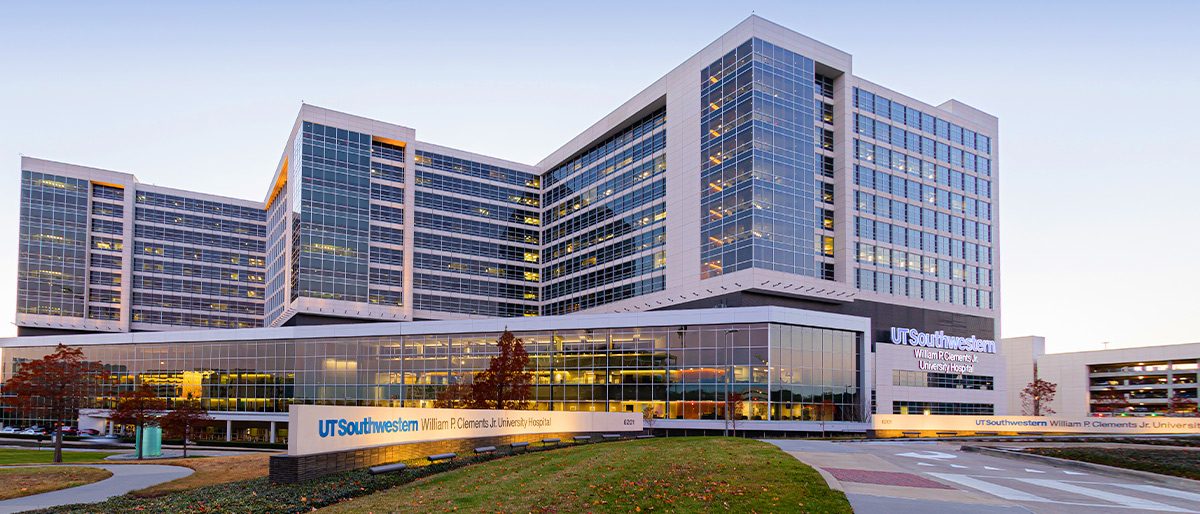
The University of Texas Southwestern Medical Center remains among the most affordable and respected PA schools in the US in 2026. Established in 1972, it is one of the longest-running PA programs in the country. UT Southwestern was ranked eighth in the nation by U.S. News & World Report in its “America’s Best Graduate Schools 2025” edition, and for the past five years, 97% of its students have passed the PANCE on their first attempt.
At UT Southwestern’s Physician Assistant Program, students complete a full-time, 30-month curriculum that begins once a year in May and concludes with graduation in December. The program includes four semesters of lecture and bedside demonstration in medical and behavioral sciences, followed by four semesters of clinical rotations in a wide range of disciplines and settings. The curriculum covers foundational topics such as:
- Anatomy and Physiology
- Pathophysiology
- Pharmacology
- Signs and Symptoms
- Medical Diagnosis
- Clinical Skills
- Medical Ethics and Professionalism
The program also includes simulated encounters with standardized patients and mannequins onsite, as well as clinical rotations at hospitals and clinics in the Dallas/Fort Worth area. The maximum cohort size is 60 students, and the program has received more than 2,000 applications in each of the past three years, making it highly competitive.
In-state students enrolled in the PA program can expect to pay approximately $39,648 for the entire 30-month program. Out-of-state tuition is estimated at approximately $90,831. Note that UT Southwestern’s published tuition and fees are estimates; the most current figures should be verified directly through the school’s financial aid office.
UT Southwestern offers several financial aid packages including federal loans, scholarships, grants, and work-study programs. The institution also provides a Loan Repayment Program that allows graduates to join an approved community organization or practice and receive loan repayment funding over two years after graduation, which can be an effective way to reduce post-graduation debt.

6. Indiana State University
Indiana State University offers an accredited physician assistant program through its College of Nursing, Health, and Human Services. ISU’s PA program was established in 1999 and awards an accredited Master of Science degree. The program features an affordable seven-semester curriculum and small class sizes, giving students more direct access to faculty. The curriculum is designed to prepare graduates with the knowledge, skill sets, and clinical experience required for various Physician Assistant career paths.
The program consists of didactic education as well as clinical experiences in a variety of healthcare settings. Core courses include the following:
- Anatomy and Physiology
- Health Assessment
- Pharmacology
- Pediatrics and Geriatrics
- Medical Ethics and Jurisprudence
To be accepted into the PA Program at Indiana State University, applicants must meet the following requirements:
- Completion of all prerequisite courses with a C or higher grade
- Hold a bachelor’s degree from an accredited college or university with a minimum cumulative GPA of 3.0 or higher
- Completed the Graduate Record Examination (GRE) within three years before the application date
- Proof of 40 hours of volunteer work in healthcare settings
Indiana State University offers one of the most competitive tuition costs for a PA program in the United States. For in-state students, tuition costs for the entire two-year course of study are $40,734, while out-of-state students pay a total of $80,073. It costs $438 per credit hour for in-state students and $861 for out-of-state students, with 93 credit hours to cover across the seven-semester program.
The school also offers financial aid packages to help make the program more accessible. Students have access to loans, grants, scholarships, and other forms of financial assistance. The university encourages prospective PA students to apply for these funds early to ensure maximum savings on tuition.
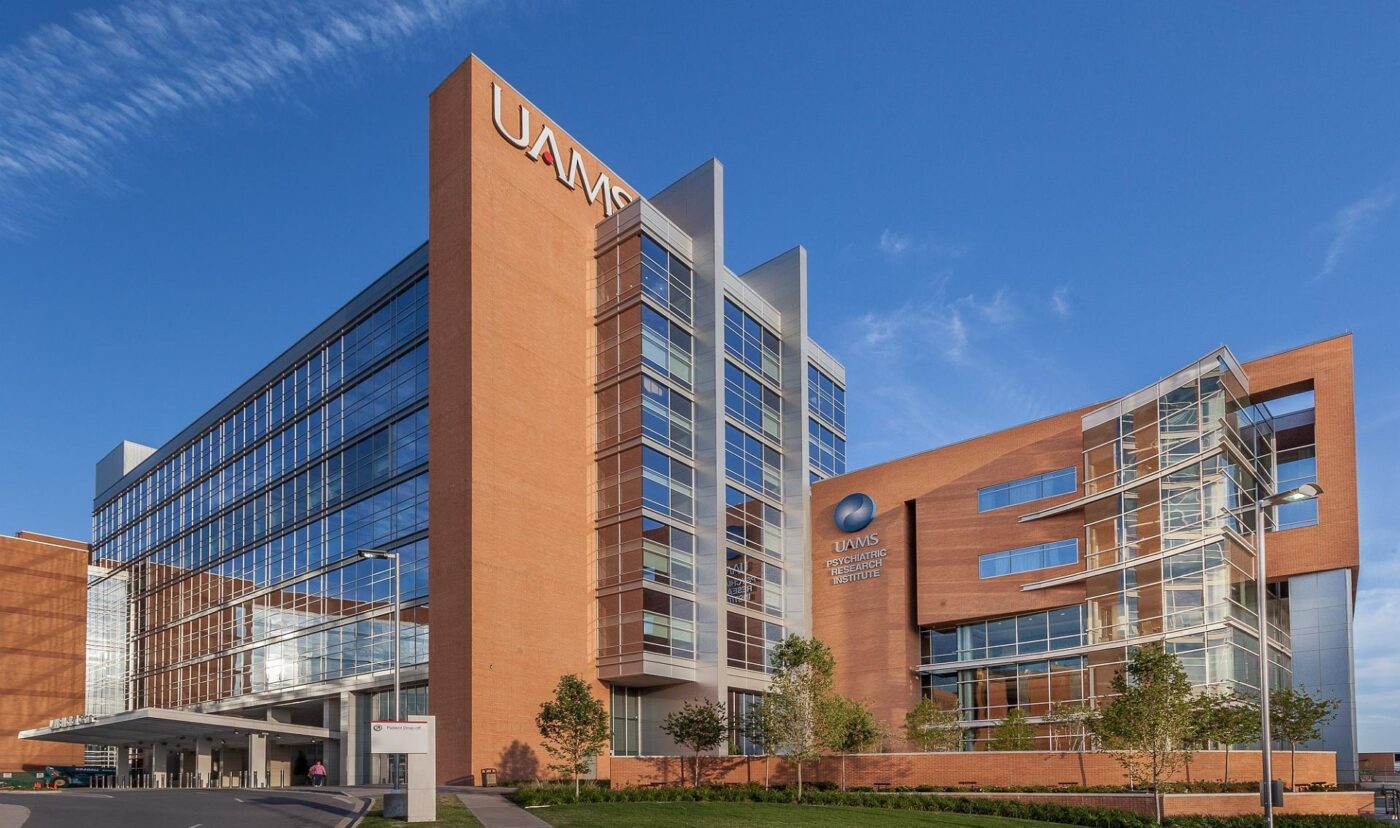
7. University of Arkansas for Medical Sciences (UAMS)
The University of Arkansas for Medical Sciences (UAMS), located in Little Rock, Arkansas, continues to offer an affordable PA program with strong ties to community health systems. UAMS emphasizes hands-on, patient-centered education, and its tuition costs are among the lowest of all PA programs in the United States.
The program’s curriculum emphasizes problem-based learning and focuses on knowledge and skills in the following areas:
- Clinical Medicine
- Pharmacology
- Pathology
- Anatomy/Physiology
- Physical Diagnosis
- Healthcare Delivery Systems
- Professional Communication Skills
Academic requirements for admission include a minimum GPA of 3.0 in all undergraduate coursework and a minimum score of 500 on the GRE. The university also requires two additional science courses such as biochemistry or genetics. A strong background in humanities is preferred but not required.
The University of Arkansas for Medical Sciences offers some of the most competitive tuition costs in the country. Throughout the program, in-state students can expect to pay approximately $46,669 in tuition; out-of-state students will pay approximately $73,500.
In addition to low tuition rates, UAMS offers several financial aid options including federal and state grants, loans, and scholarships from private entities or organizations. The Office of Student Financial Aid assists current and prospective students with all matters related to paying for their education, and UAMS provides resources specifically targeted toward helping PA students manage educational debt after graduation.
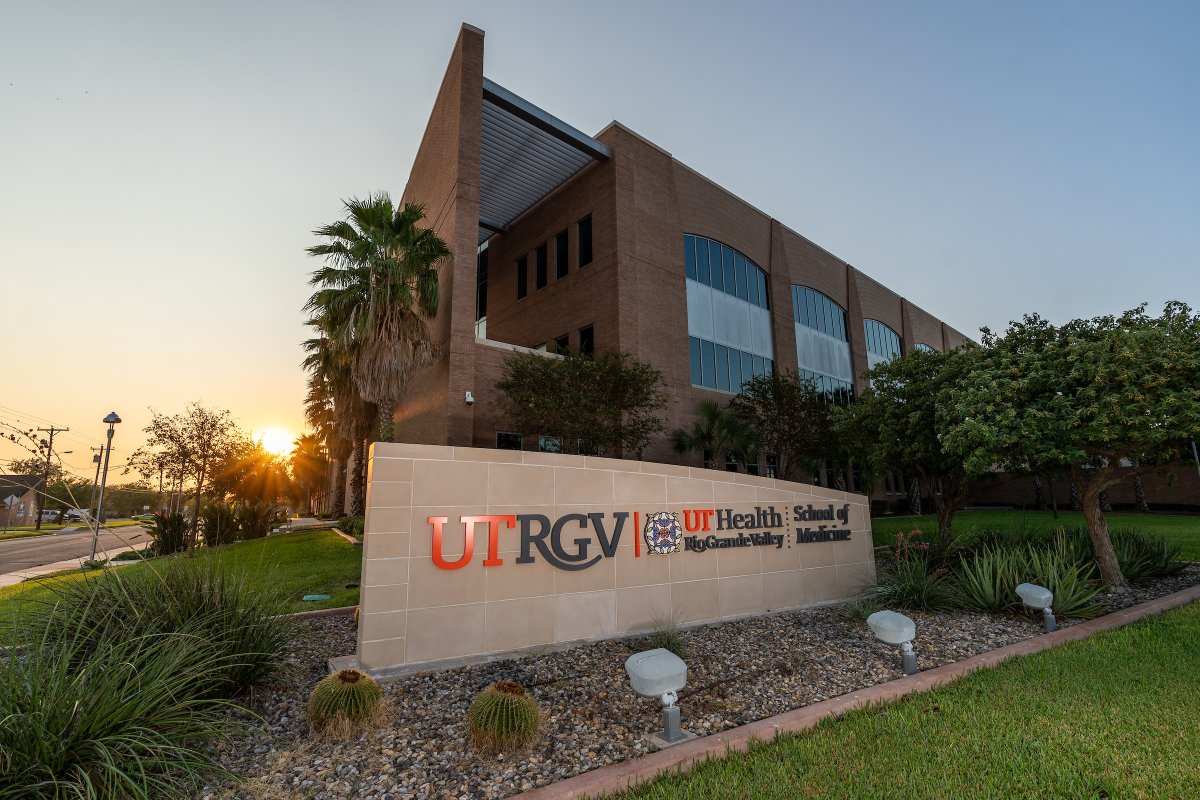
8. University of Texas Rio Grande Valley (UTRGV)
The University of Texas Rio Grande Valley (UTRGV) is one of the cheapest PA schools in the US in 2026. Located in Edinburg, Texas, UTRGV’s School of Medicine provides a comprehensive program that equips students with the skills needed to succeed as Physician Assistants, with particular strengths in bilingual training and serving underserved populations.
The school’s PA program curriculum covers the following areas:
- Clinical Practice
- Epidemiology
- Diagnostic and Therapeutic Procedures
- Pharmacology
- Medical Ethics and Law
- Research Methodology
- Medical Informatics
The program emphasizes evidence-based practice and Problem-Based Learning (PBL). In addition to classroom instruction and supervised clinical experiences during two years of study, students must complete clinical rotations approved by the AAPA.
To be admitted into UTRGV’s PA program, applicants must meet certain academic requirements, including:
- A minimum GPA of 3.2 on all college coursework
- Completion of prerequisites such as anatomy & physiology I & II, general biology I & II, and general chemistry I & II
- Completion of 500 hours or more shadowing experienced PAs or MDs
- Three letters of recommendation from current PAs or MDs
This university offers one of the most affordable paths to obtaining a PA degree. In-state students’ tuition for the 28-month program is $47,925. Out-of-state students are charged $83,269.
The school offers financial aid, grants, and scholarships for those who need help reducing costs. The university awards merit scholarships based on academic performance and need-based grants such as the Federal Pell Grant Program or State Tuition Aid Grants (STAG). Some employers may also offer reimbursement opportunities to help offset tuition further.

9. Missouri State University
Missouri State University is a strong option for prospective PA students who want quality education at an affordable cost in 2026. The university offers the only accredited Physician Assistant program in Missouri, providing students with direct access to highly qualified faculty members.
The PA program at Missouri State University is designed to provide comprehensive academic knowledge alongside clinical skills and experiences. The curriculum encompasses two years of rigorous coursework, with core PA subjects such as:
- Anatomy
- Physiology
- Pharmacology
- Pathology
- Medical Microbiology
- Biostatistics
- Clinical Practice
For admission, prospective students must have at least a 3.0 cumulative GPA from an accredited college or university, along with undergraduate courses in anatomy & physiology plus one year of college-level chemistry with lab experience.
With tuition rates among the lowest in the nation, Missouri State offers strong value. The program’s tuition is $31,581 for in-state residents and $60,465 for out-of-state students. When you add other expenses, the cost is approximately $50,973 for in-state students and $79,857 for out-of-state students. This makes it one of the least expensive PA schools in the country.
In addition to competitive tuition, the university offers a range of financial aid options, including grants, scholarships, federal loans, and work-study programs. Nearly 80 percent of all MSU PA students receive financial assistance during their studies.
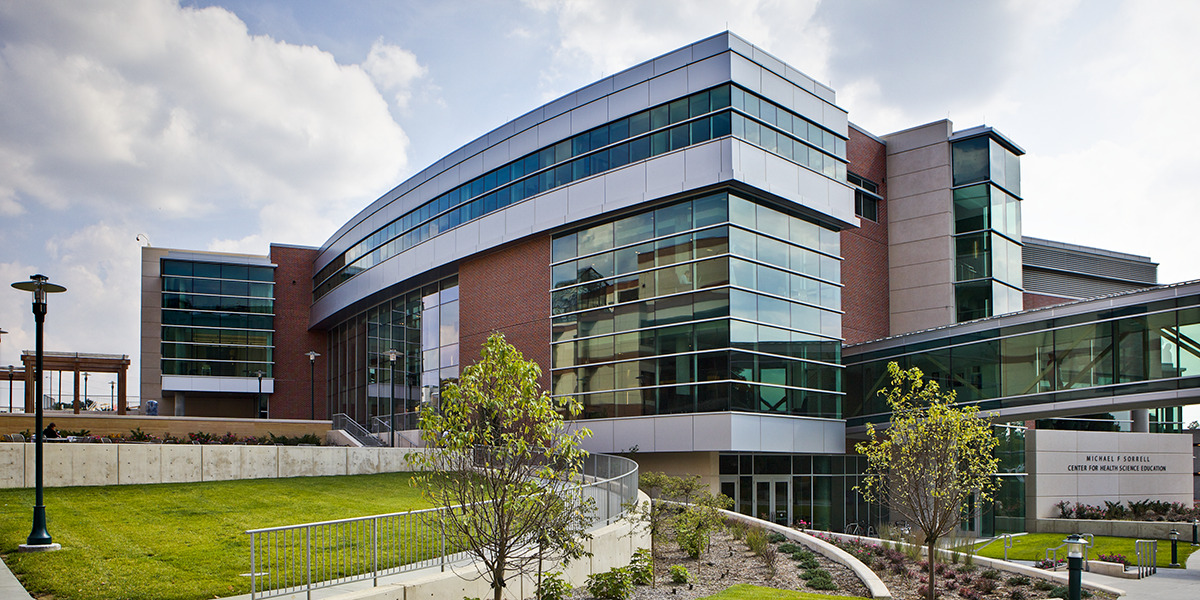
10. University of Nebraska Medical Center (UNMC)
The University of Nebraska Medical Center (UNMC) offers a comprehensive PA program with a strong emphasis on clinical education and interprofessional learning. UNMC prepares students for a wide range of specialties through immersive clinical experiences. Through rigorous academic and clinical training, students are prepared to become excellent, autonomous healthcare providers.
The PA program at UNMC provides an in-depth academic experience. Its coursework focuses on diagnosing and treating patients, pharmacology, pathology, physiology, and medical ethics. In addition to completing multiple clinical rotations during the second year of the program, students gain experience in areas such as:
- Obstetrics and Gynecology
- Pediatrics
- Surgery
- Emergency Medicine
- Mental Health Care
- Geriatrics/Gerontology
The academic requirements for admission into UNMC’s PA program are extensive. Prospective students must have completed an accredited baccalaureate degree before being considered. Applicants must also have earned at least 500 hours of healthcare experience before enrollment and submit scores from the GRE or MCAT exams as part of their application packet.
The cost of tuition at UNMC varies depending on residency status. For in-state students, the entire program cost approximates $55,545. Out-of-state students pay a total of approximately $87,135.
In addition to these standard tuition rates, UNMC offers various financial aid options for qualifying students, including:
- Need-based Grants Such as Pell Grants
- Federal Work-Study Programs
- Merit-based Scholarships
- Private Loans
- Parent Plus Loans
- Veterans’ Benefits
- State-sponsored Scholarships
- Employer Reimbursement Plans
All accepted students are encouraged to schedule counseling sessions with the university’s financial aid office to understand the full range of funding available to them.
Table of Cheapest PA Schools in the US for 2026
The table below provides a comparison of the most affordable PA schools in the US with their estimated tuition costs. Note that figures may reflect the most recently published data from each institution; always confirm directly with the school’s financial aid office for the latest numbers.
| School Name | Residents | Non-Residents |
|---|---|---|
| Missouri State University | $31,581 | $60,465 |
| CUNY York College | $36,655 | $74,385 |
| University of Texas Southwestern Medical Center | $39,648 | $90,831 |
| Indiana State University | $40,734 | $80,073 |
| University of Wisconsin-Madison | $40,797 | $82,832 |
| University of Arkansas for Medical Sciences | $46,669 | $73,500 |
| University of Texas Rio Grande Valley | $47,925 | $83,269 |
| Texas Tech University Health Sciences Center | $49,843 | $100,468 |
| University of Nebraska Medical Center | $55,545 | $87,135 |
| Wichita State University | $61,085 | $106,969 |
How PA Salaries Compare to Education Costs
One of the strongest reasons to pursue a PA career, even with significant tuition costs, is the profession’s earning potential and job security. Understanding the return on investment helps put program costs in perspective.
According to the Bureau of Labor Statistics, the median annual wage for physician assistants was $133,260 as of May 2024. The lowest 10 percent earned less than $95,240, and the highest 10 percent earned more than $182,200. Earning potential also varies by work setting: PAs working in outpatient care centers earned a median wage of $144,160, those in general medical and surgical hospitals earned $132,580, and PAs in physicians’ offices earned $127,910.
The AAPA reported that PA base compensation (without bonuses) increased 5.8% from 2022 to 2023, reaching $127,000 in base salary. The top-paying states include California ($150,000), Alaska ($141,000), and Hawaii ($140,000).
The job outlook is also exceptionally strong. Employment of physician assistants is projected to grow 20% from 2024 to 2034, far outpacing the average for all occupations. Physician assistants held about 162,700 jobs in 2024, and healthcare and social assistance as a sector is projected to have the largest job growth of any industry at 8.4% over the decade. For more detail on what you can expect to earn by specialty and setting, see this breakdown of PA salaries in the USA.
What does this mean for the cost of PA school? Consider: if you attend one of the programs on this list at the in-state rate, your total tuition might range from $31,581 to $61,085. With a starting salary well above $90,000 and a median above $133,000, many graduates can begin paying off student loans aggressively within the first few years of practice. Compared to medical school, where average debt often exceeds $200,000 and residency delays full earning potential by three to seven years, the PA route offers a faster path to positive financial returns.
That said, debt-to-income ratio still matters. Borrowing $100,000 or more at a private institution creates a meaningfully different financial picture than borrowing $40,000 at a public school. The programs on this list represent the most favorable end of that equation.
Financial Aid and Loan Forgiveness Options for PA Students in 2026
Tuition is only one part of the cost equation. Understanding your financial aid options can significantly reduce what you actually pay out of pocket, and some programs can eliminate debt entirely after graduation.
Federal Financial Aid
Most PA students fund their education through a combination of federal loans and grants. Federal Direct Unsubsidized Loans are the most common borrowing tool for graduate students. For the 2025-2026 academic year, graduate students can borrow up to $20,500 per year in Direct Unsubsidized Loans. If your cost of attendance exceeds that amount, you may need supplemental funding.
A critical change for 2026: Grad PLUS Loans will no longer be available to new borrowers as of July 1, 2026. If you are planning to start a PA program in fall 2026 or later, this means one major federal borrowing option will be off the table. Students who already received a Grad PLUS loan before June 30, 2026, can continue borrowing under current terms through the 2028-2029 academic year. This change makes it even more important to choose an affordable program, apply for scholarships and grants early, and consider private loan options carefully.
Scholarships and Grants
Many PA programs offer institutional scholarships, and external organizations provide funding specifically for PA students. The National Health Service Corps (NHSC) Scholarship Program covers tuition, fees, and provides a living stipend in exchange for a commitment to practice in an underserved area after graduation. State-level programs may offer similar incentives. Additionally, the AAPA, PAEA, and various medical foundations offer competitive scholarships for PA students based on merit, need, leadership, or commitment to serving specific populations.
Loan Forgiveness and Repayment Programs
After graduation, PAs have access to several loan forgiveness pathways. The Public Service Loan Forgiveness (PSLF) program forgives remaining federal loan balances after 120 qualifying payments (roughly 10 years) for borrowers who work for qualifying nonprofit or government employers. Given that many hospitals, community health centers, and VA facilities qualify, this is a realistic option for PAs.
The NHSC Loan Repayment Program provides up to $50,000 in loan repayment for PAs who commit to two years of full-time service in a Health Professional Shortage Area (HPSA). Extensions are possible for additional service years. State-level loan repayment programs also exist in many states and can be stacked with federal programs in some cases.
If you are weighing how to fund your PA education, comparing scholarship and forgiveness opportunities alongside tuition rates gives you a more complete picture of each program’s true cost. For a deeper comparison of funding strategies, see this guide to PA school scholarships vs. loans.
The Benefits of Attending a Low-Cost PA School
When comparing different physician assistant schools, tuition fees are likely to play an important role in your decision-making process. Low-cost PA schools offer several clear advantages:
- Lower Tuition Costs: Low-cost PA schools often have tuition substantially lower than the national average. This allows students to get the same quality education without paying as much as they would at more expensive institutions. Given that the national average for resident tuition now exceeds $98,000, a program costing $35,000 to $50,000 represents a significant savings.
- Reduced Debt Burden: Students can reduce their total debt upon graduation by attending a low-cost program. Lower tuition means less money borrowed and lower monthly payments after graduation. This is especially beneficial for those who may not have access to additional financial resources or scholarships.
- More Financial Aid Opportunities: Affordable PA programs typically have more financial aid opportunities available relative to their cost of attendance. This allows students to take advantage of grants and scholarships that can cover a larger share of their total expenses.
- Same Quality Education as Higher-Cost Programs: One of the biggest misconceptions about low-cost PA schools is that they provide an inferior education. This is not necessarily true. Many low-cost programs maintain excellent PANCE pass rates and strong clinical training. For example, CUNY York College’s 100% first-time PANCE pass rate for its most recent graduating class demonstrates that affordability and quality can coexist. If you want to compare programs beyond cost alone, reviewing PA schools by competitiveness can provide additional perspective.
- Accessible Location: Many low-cost schools are located in areas with convenient transportation options or proximity to local airports and major cities. This can benefit out-of-state students who may want to travel home during breaks.
- Improved Student Support Services: Many affordable programs offer strong student support services such as counseling, career services, tutoring, and library access. These resources can help make the program more manageable both academically and personally.
- Flexible Scheduling: Some lower-cost programs offer hybrid course options (online plus in-person), which can give students more flexibility when balancing personal obligations with academic requirements.
Attending a low-cost program does not mean sacrificing quality or receiving inferior instruction. These programs provide strong educational experiences while offering added financial protection through scholarships, grants, flexible schedules, and support services. For PA students, the combination of lower debt and strong earning potential creates a compelling financial foundation for a long career.
How to Apply to a Low-Cost PA School in 2026
Applying to affordable PA schools takes research and planning, but the process is straightforward if you break it into clear steps.
Step 1: Choose the Right PA Program
Start by researching which accredited PA programs offer the lowest tuition in your state or region. Compare programs based on their accreditation status, curriculum, faculty-student ratio, location, PANCE pass rates, and graduation rates. Do not rely solely on price; also consider whether the program’s clinical rotation sites, class size, and training approach align with your goals. Resources like the ARC-PA’s list of accredited programs can help you verify accreditation status.
Step 2: Gather Required Documents
Once you have identified your target programs, start gathering all required documents. This typically includes transcripts from previous educational institutions, letters of recommendation from professors or employers, and a resume outlining relevant healthcare experience and certifications. Most programs require application through CASPA (the Central Application Service for Physician Assistants), which charges $184 plus $61 for each additional program. You may also want to prepare for common PA school interview questions that are likely to come up during the admissions process.
Step 3: Take the GRE and Other Required Tests
Some programs require the GRE or MCAT, while others have dropped standardized test requirements entirely. For example, Wichita State University and UW-Madison do not require GRE scores, while Indiana State and TTUHSC still do. Check each program’s current prerequisites before investing time and money in test preparation.
Step 4: Prepare Your Application Package Carefully
When preparing your application, make sure it is accurate and free of errors. Pay attention to detail in your personal statement, supplemental essays, and any required forms. Follow each program’s specific instructions carefully, as small errors can slow down the review process or weaken your application.
Step 5: Submit Your Application and Monitor Updates
After submitting through CASPA and any supplemental portals, keep track of upcoming deadlines and check regularly for interview invitations or requests for additional information. Seat deposits for PA programs range from $150 to $1,000 and are typically due shortly after an acceptance offer, so plan your finances accordingly.
Practical Advice for Choosing an Affordable PA Program in 2026
Picking the cheapest option on a list is not the same as making the smartest financial decision. Here are several factors worth weighing as you compare programs.
Look at total cost of attendance, not just tuition. Tuition is the largest expense, but housing, meals, insurance, supplies, and transportation costs vary widely by location. A program with slightly higher tuition in a low-cost-of-living area may be cheaper overall than a program with low tuition in an expensive city.
Understand your residency options. Some public universities offer regional tuition agreements or metropolitan discounts that can cut out-of-state tuition significantly. Wichita State’s Shocker City Partnership and Midwest Exchange programs are good examples. Before ruling out an out-of-state school, check whether you qualify for any reduced-rate arrangements.
Factor in program length. PA programs range from 24 to 30 months. A longer program means additional months of tuition, living expenses, and lost earning potential. A 24-month program that costs slightly more per semester could still be cheaper overall than a 30-month program with lower per-semester rates.
Consider loan forgiveness eligibility. If you plan to work in an underserved area or for a qualifying public-service employer after graduation, programs with higher upfront costs may still be affordable over time through NHSC loan repayment or Public Service Loan Forgiveness. But these programs require commitment and specific employment conditions, so do not count on forgiveness as a sure thing unless you are genuinely planning to meet the requirements.
Check PANCE pass rates. A program that costs less but has a low PANCE pass rate may not be a bargain. If graduates are not passing the certification exam on their first attempt, they face additional study time, exam fees, and delayed employment. Look for programs where first-time PANCE pass rates are consistently at or above the national average.
Start building clinical hours now. Several programs on this list require 500 to 1,000 hours of direct patient care experience. Accumulating these hours early reduces the risk of application delays and strengthens your candidacy. If you are still building your clinical background, structured experiences like those described in PA internship programs can help you gain meaningful, documented hours.
Making a Smart Decision About PA School Costs
Attending PA school does not have to mean taking on six figures of debt. The programs listed here represent the most affordable accredited options in the country, and several offer strong clinical training, competitive PANCE pass rates, and meaningful financial aid.
The landscape is shifting in 2026. Average tuition continues to rise, the Grad PLUS Loan program is closing to new borrowers, and the number of PA programs nationwide (now over 320 accredited by the ARC-PA) keeps growing. These changes make it more important than ever to compare programs carefully, apply for financial aid early, and choose a school where the total cost of attendance, not just the sticker price, makes sense for your situation.
At the same time, the PA profession’s fundamentals remain strong. With a median salary above $133,000, job growth projected at 20% over the next decade, and demand rising across nearly every healthcare setting, a PA degree is one of the more financially sound investments in healthcare education. The key is entering the profession without more debt than you need to carry.
If you are in the early stages of building your application or want structured clinical and mentorship experience before applying, International Medical Aid offers Pre-PA programs designed to help you gain meaningful exposure, build your clinical hours, and strengthen your candidacy. Reach out to learn how structured preparation can help you take the next step toward your PA career with clarity and confidence.