


Pre-Med Internships Abroad
Reviewed by
Mark Jones, Managing Director, Program Admissions
Last reviewed October 15, 2026
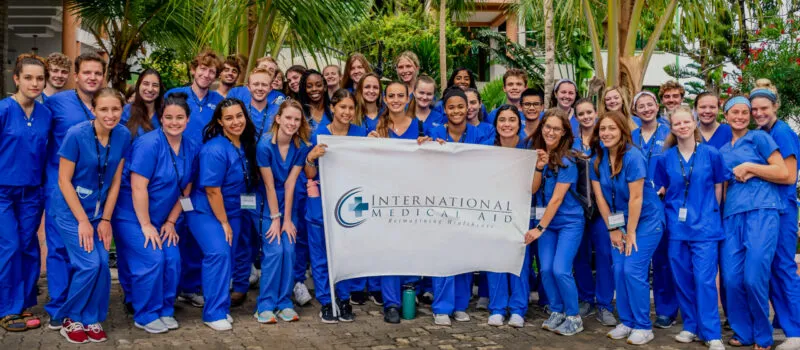
Take your medical career global with International Medical Aid
01
Interns will have the opportunity to work alongside experienced physicians and healthcare professionals in hospitals and clinics in various countries around the world. They will gain first-hand clinical experience in a wide range of medical specialties, including but not limited to internal medicine, emergency medicine, surgery, dermatology, and oncology. Additionally, interns will have the opportunity to observe medical procedures and surgeries and participate in patient rounds.
The program was developed at Johns Hopkins University and is designed to provide a comprehensive learning experience for interns. It combines hands-on clinical experience with classroom instruction, allowing interns to gain a deep understanding of medical theory and practice. The program is customized to meet the unique needs and goals of each intern, and provides opportunities for personal and professional growth.
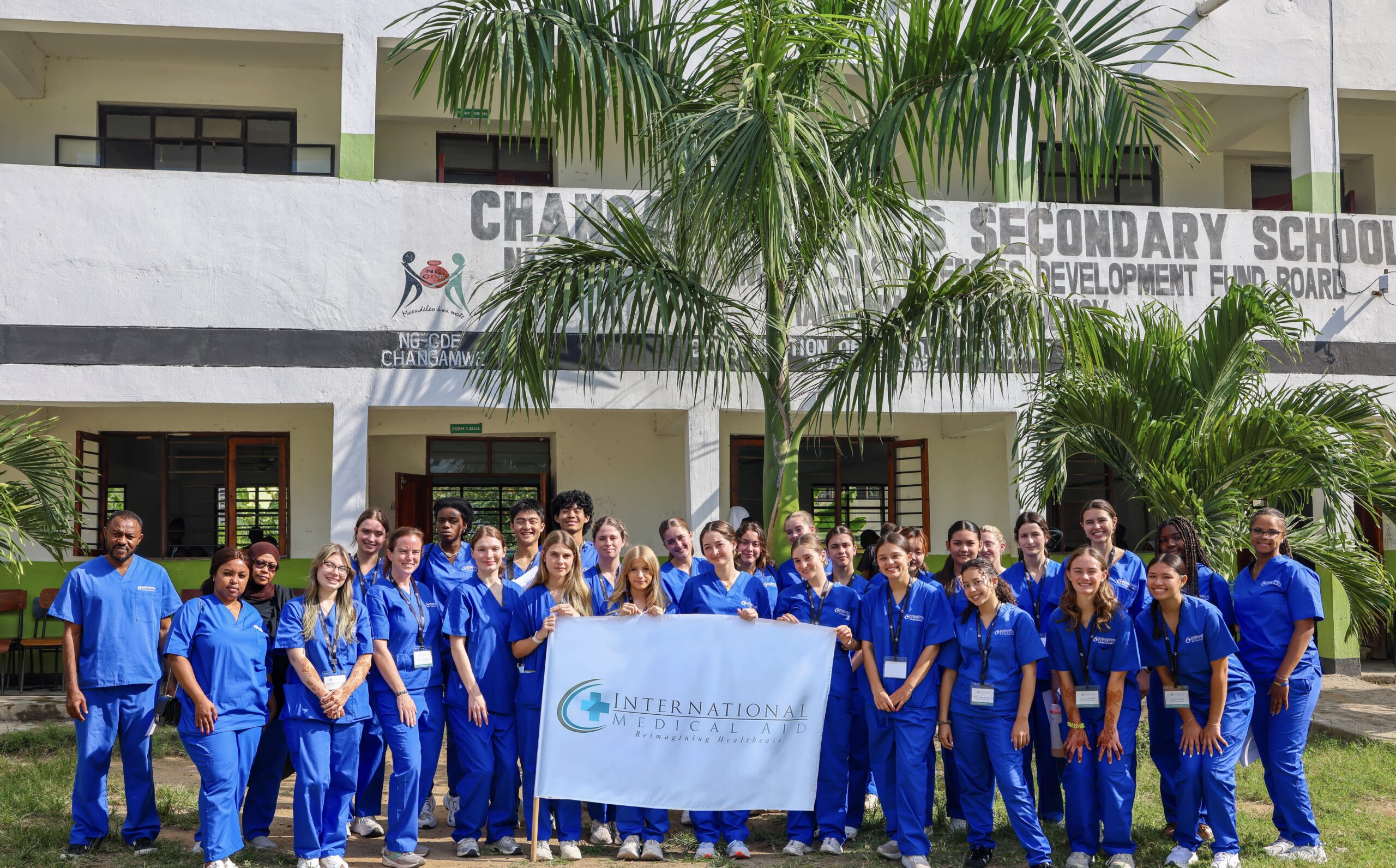
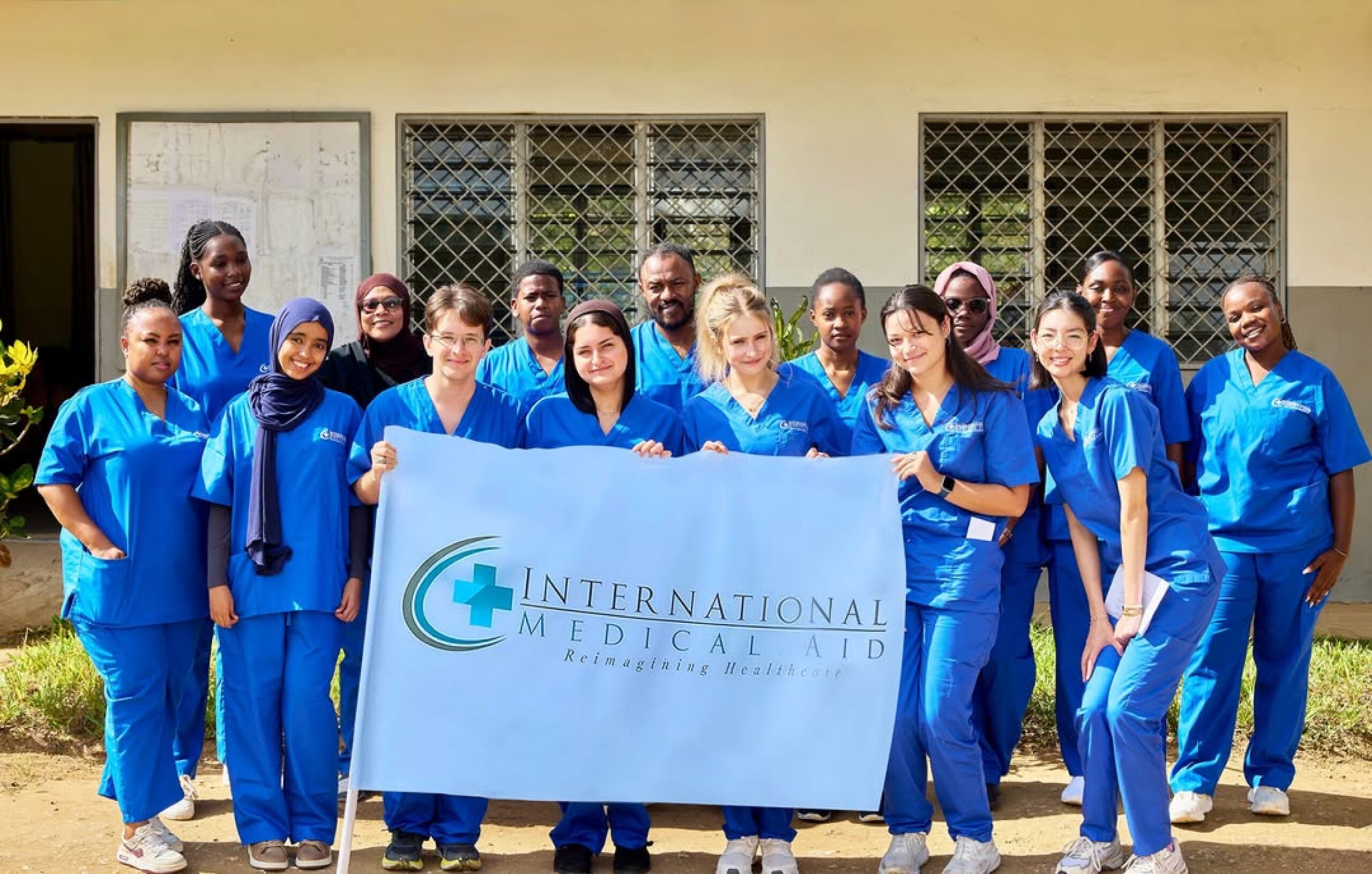
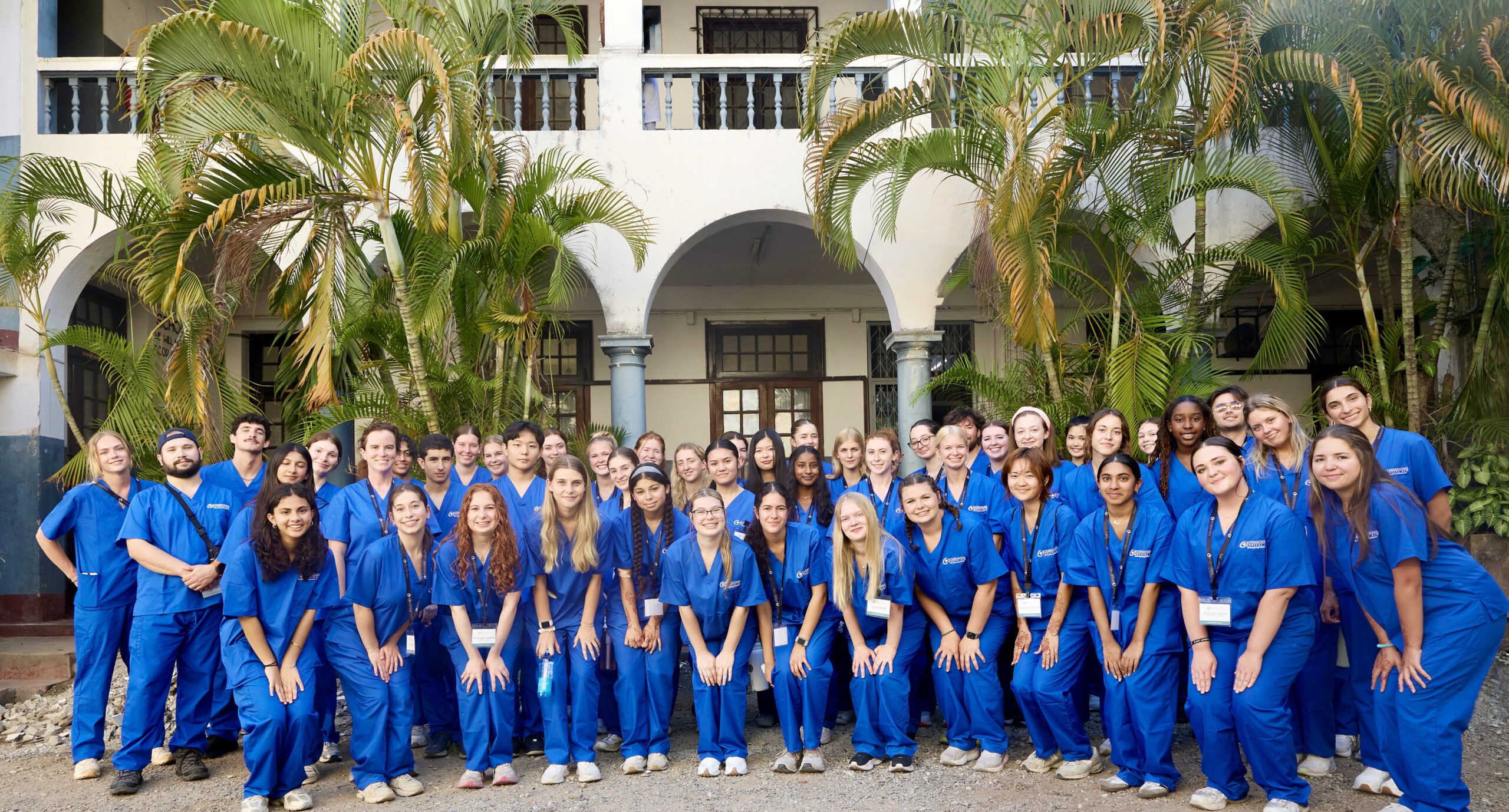
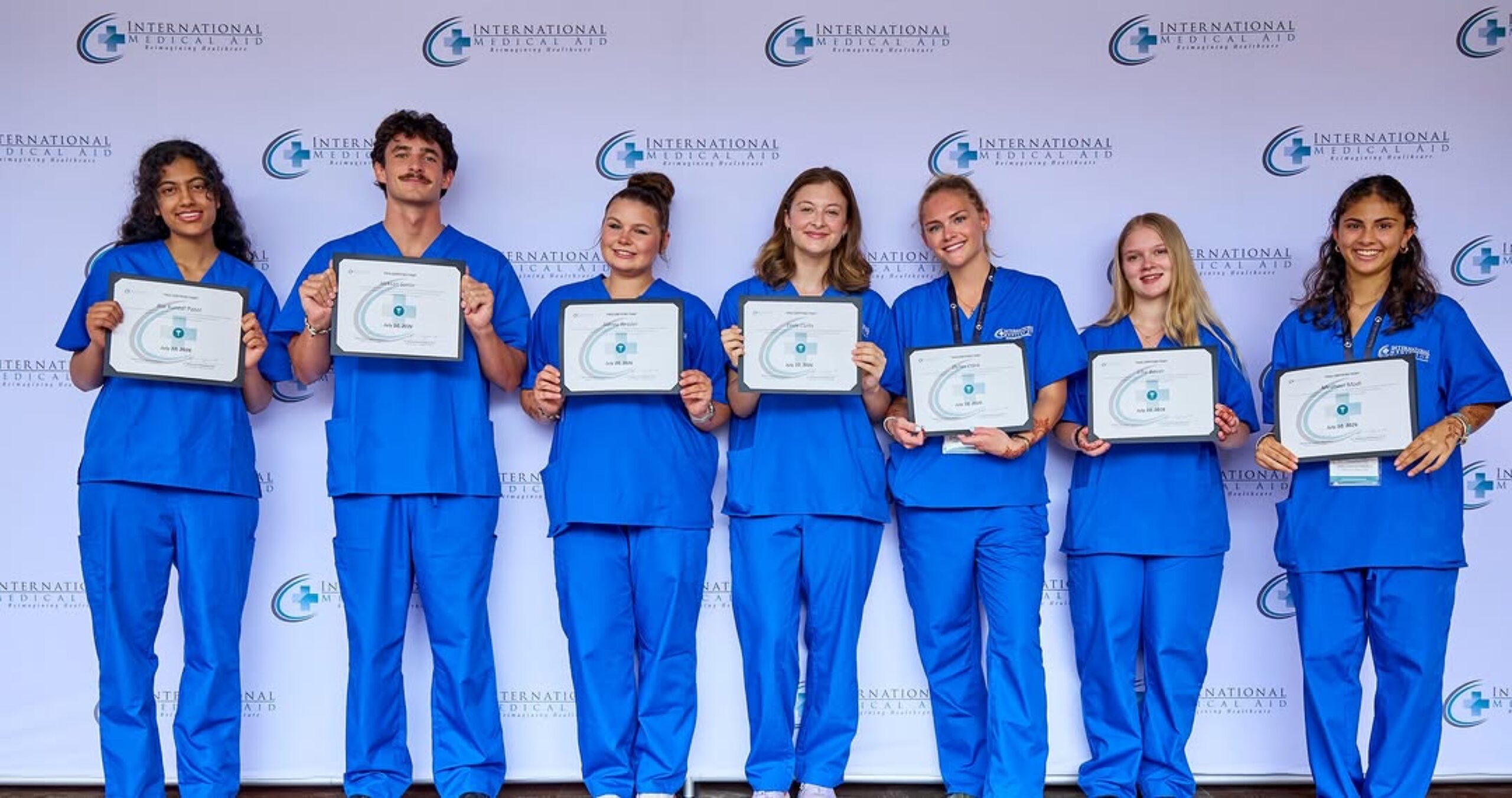
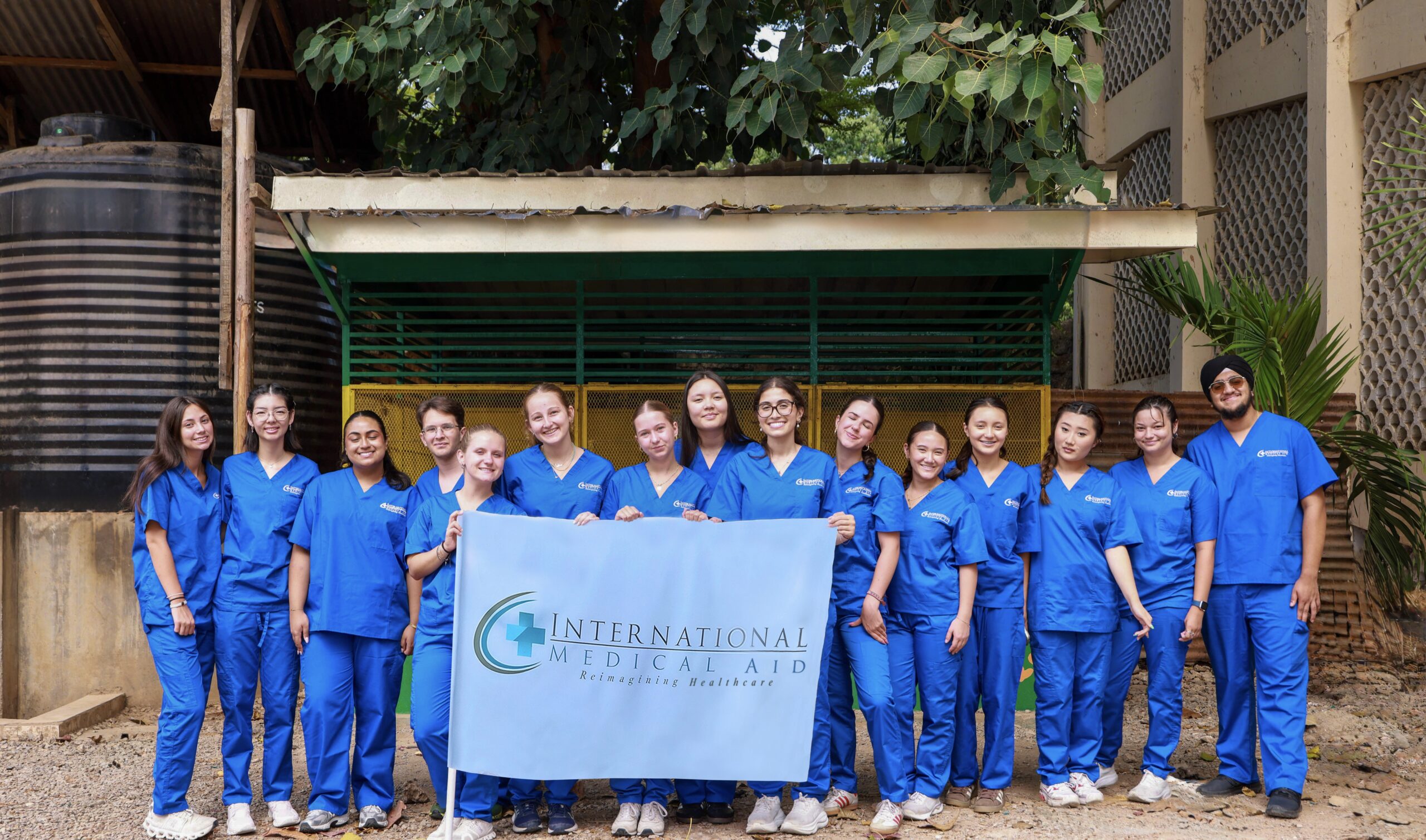
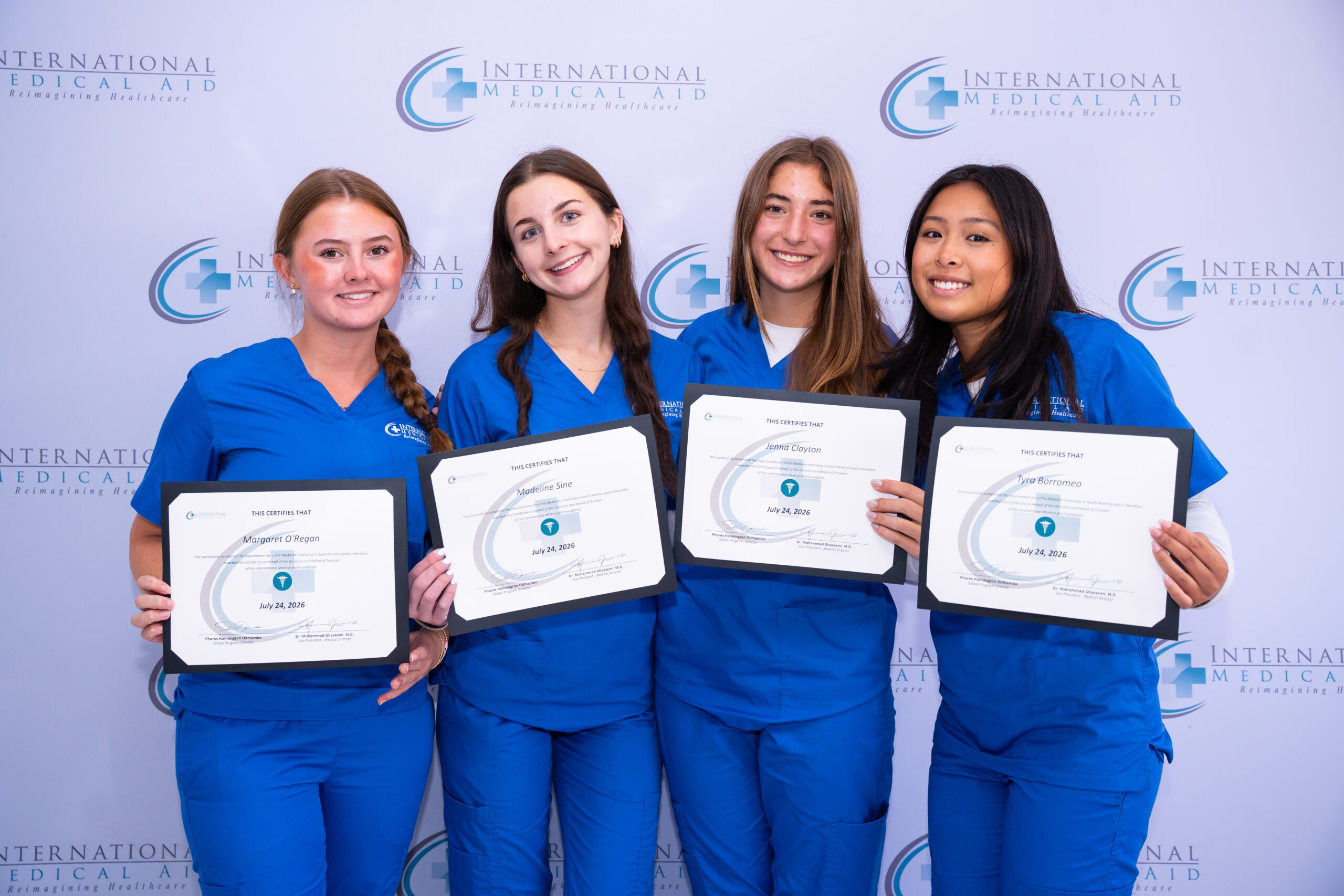
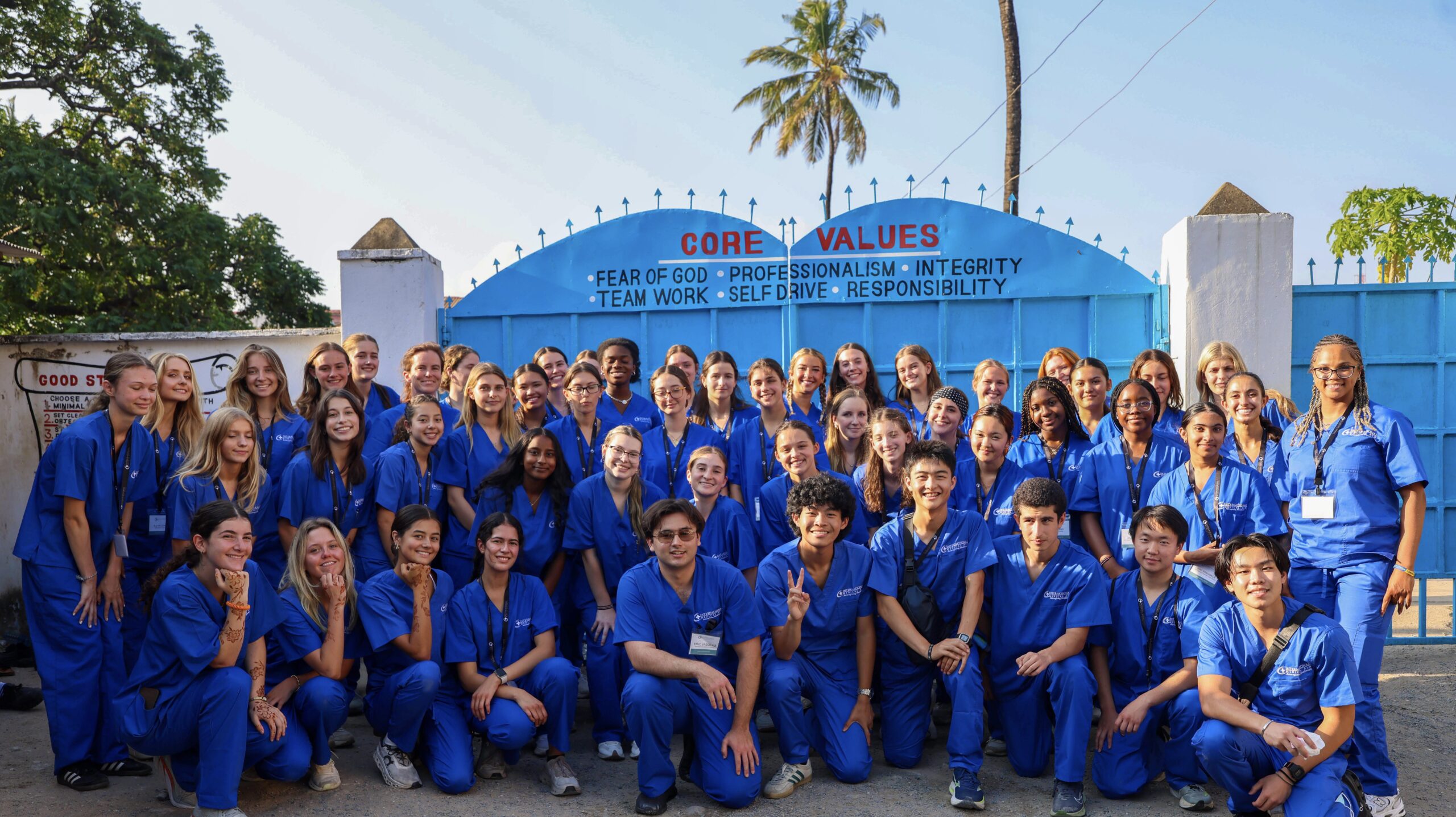
What Pre-Med Interns Do in the Hospital
02Clinical Internships for Pre-Med Students
A medicine internship with IMA starts with a physician-led orientation on the local health system, how the hospital runs, safety and infection control and the cultural context of your placement. Then the rotations begin, one department a week. A typical weekday includes six to eight hours in the hospital, such as 8 AM to 4 PM. After you are admitted, you build your schedule with your Program Mentor.
Program at a Glance
| Program at a glance | What to expect |
|---|---|
| Who can apply | Pre-med undergraduates, gap year students, recent graduates and medical students |
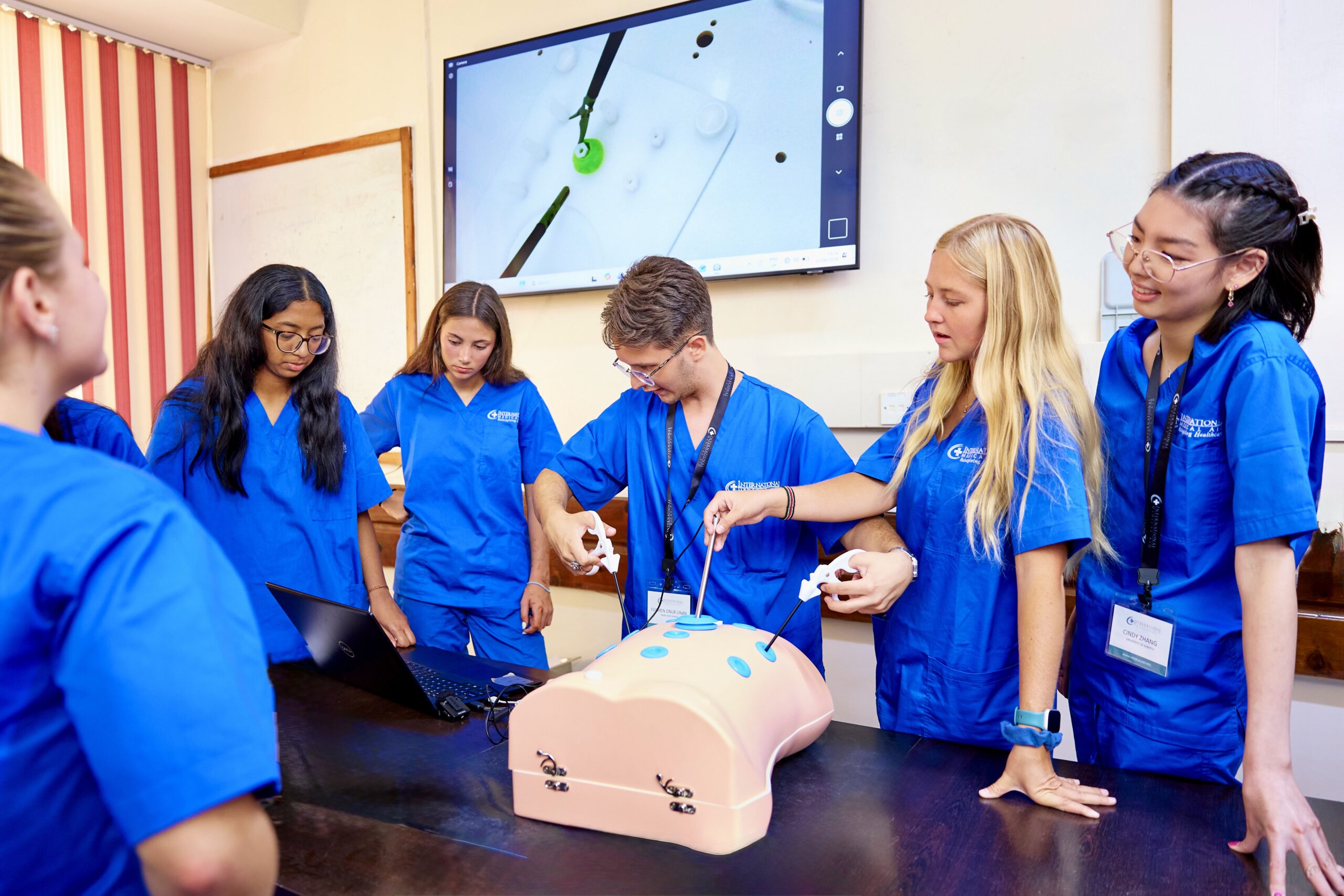
| Clinical learning | Physician shadowing on ward rounds, department rotations, clinical simulations and the Global Health Lecture Series |
| Beyond the hospital | Community medical clinics, hygiene and health education in schools and a weekly cultural activity |
| Program length | From two weeks. Kenya runs year-round for 2 to 12 weeks. Cusco runs fixed sessions of two to four weeks |
| Locations | Mombasa, Kenya (Coast General Teaching and Referral Hospital) and Cusco, Peru (Hospital Nacional Adolfo Guevara Velasco) |
| Support | Hospital placement, pre-departure guidance, a gated residence, three meals a day, daily transport and staff on call 24/7 |

What Is Included in IMA's Pre-Medical Internships
03Clinical learning and mentorship. Hospital or clinic placement, physician-led orientation, structured rotations, the Global Health Lecture Series, clinical simulations and a Program Mentor.
Housing, meals and transport. A shared room in a gated program residence, three meals a day from an in-house chef, airport transfers and private daily transport to your placement.
Preparation and support. Pre-departure guidance, $1,000,000 in travel medical insurance and staff on call 24/7, in country and in the United States.
Community and cultural learning. Weekly community outreach and a weekly cultural activity. Optional treks and safaris are arranged and paid for separately.

Hospital Placement and Clinical Rotations

Physician-Led In-Country Orientation

Dedicated Clinical Mentorship

Global Health Lectures and Clinical Simulation

Gated Residence With 24/7 Security

Three Daily Meals From an In-House Chef

Airport Transfers and Daily Transport

24/7 In-Country and U.S.-Based Support

Pre-Departure Support and Flight Guidance

Travel Medical Insurance ($1,000,000 Coverage)

Weekly Community Outreach

Weekly Cultural Treks
Program offerings vary by location. For specific inquiries, please contact [email protected].
Safety, Residences and Personal Spending
04
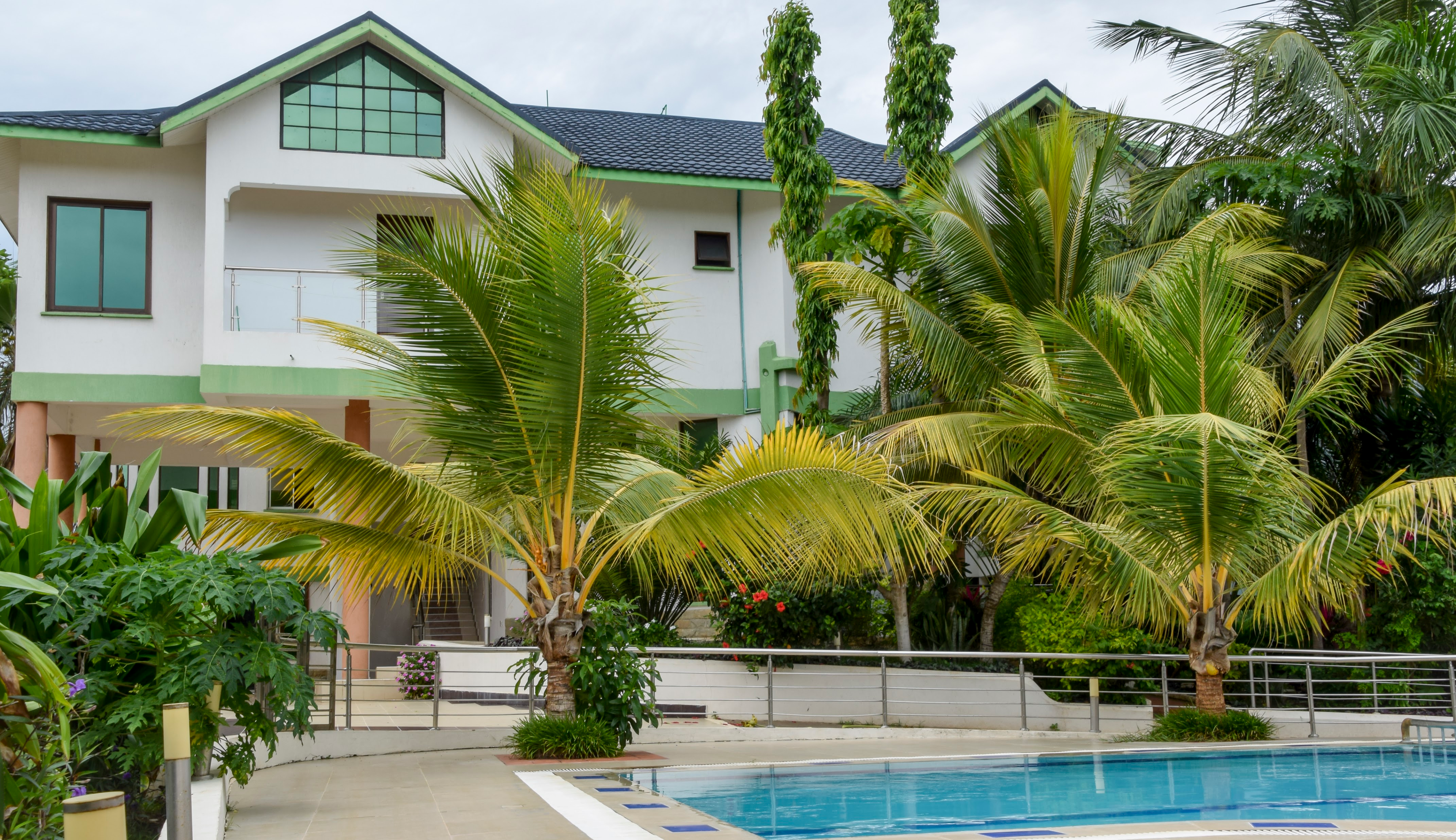

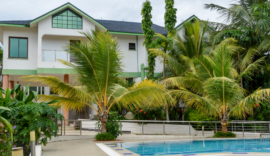
Parents usually ask about safety first, so here are the specifics. For the full picture, read IMA’s program safety and security page. The Parent’s Guide answers the questions families ask most.
Why Choose IMA for Your
Healthcare and Pre-Health Internship?
05
International Medical Aid (IMA) offers high-quality, ethical, and impactful internship opportunities designed to benefit both our interns and the communities they serve. By choosing IMA for your Healthcare and Pre-Health Internship, you can expect the following:
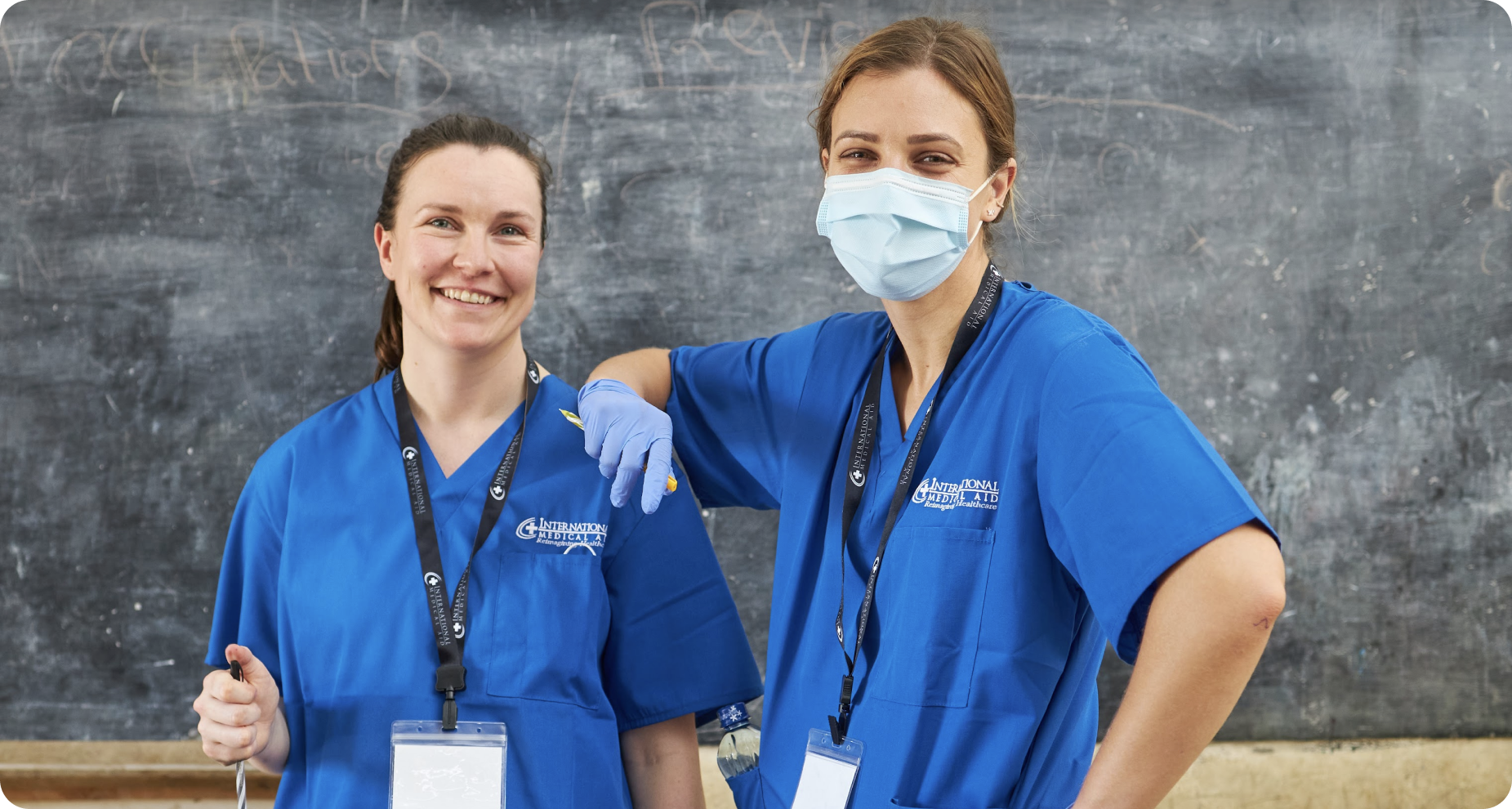
IMA places interns in public and private hospitals and in the community programs it runs with local partners. Your placement reflects the location, your dates and your level of training.
Hospitals
You shadow physicians on ward rounds, in outpatient clinics and in the emergency department, and you can watch surgery from inside the operating room.
Clinics
In outpatient clinics you sit in on consultations and see how primary care, routine examinations and patient education work day to day.
Community Health Programs
You join IMA’s community medical clinics and help teach hygiene and health education sessions in local schools alongside program staff.
Specialty Departments
With a longer stay you can spend time in departments that match your interests, such as pediatrics, oncology, orthopedics or mental health, where the host hospital offers them.
Your Program Mentor sets your rotation schedule with you after you are admitted.
 Summer
Pre-Med Summer Internships
IMA’s pre-med summer internships for undergraduates fit between spring finals and the fall semester. Applications for the 2027 pre-medical summer internships are open now. Places on summer internships for pre-med students often fill months in advance, so apply three to six months before you want to start.
Kenya accepts interns all summer for stays of 2 to 12 weeks. Cusco, Peru runs fixed summer sessions of two, three and four weeks. Most students stay four to six weeks. Two weeks covers the emergency department and maternity. Four weeks or more gives you time in several departments.
This summer internship program is built around hospital time, so most of your summer goes to shadowing and clinical experience. If you want research experience as well, tell the team in your application: interns can join ongoing research projects led by local medical teams or international partners, helping with data collection and literature reviews. If you are also studying for the MCAT or working in a lab, choose a session of two or three weeks at the start or end of summer. That keeps the rest of your break open, with a few days on either side for travel. See summer dates and fees.
 Gap Year
Pre-Med Gap Year Internships
A pre-med gap year internship works best as one block inside a bigger plan that also holds a job, research or MCAT prep. Unlike year-long pre-med gap year programs, the Kenya program runs year-round for stays of 2 to 12 weeks, so you can go in the fall, winter or spring.
The questions you bring are different from a first-year’s: which clinical settings hold your interest, what you have learned about working with people and where your experience is still thin. Recent graduates and post-baccalaureate students are welcome. Among pre-med gap year programs, note that this is one you pay to attend. It is not a paid job or a funded fellowship.
The timing can help your application year. Pick dates that clear your application deadlines and interviews. Interns who complete the program get IMA’s admissions support at no additional cost, including personal statement review, interview coaching and letters of recommendation. For the bigger picture, read IMA’s guide to gap year options before medical school.
 Study Abroad
Pre-Med Study Abroad Programs and Academic Credit
This is a pre-med study abroad program built around a hospital instead of a classroom. Students who look for medical study abroad programs often want credit. Many IMA interns have earned it through general internship credit or an independent study course with a supervising professor at their own universities.
IMA holds affiliation agreements with many universities and can set up new ones. It supplies the syllabus, learning objectives, evaluations and proof of hours your school will ask for, and the team will speak with your advisor directly. Take the paperwork to your advisor before you enroll so the approval is settled first. Advisors can start with IMA’s page for university and pre-health advisors.
 A Typical Day
 in a Pre-Med Internship
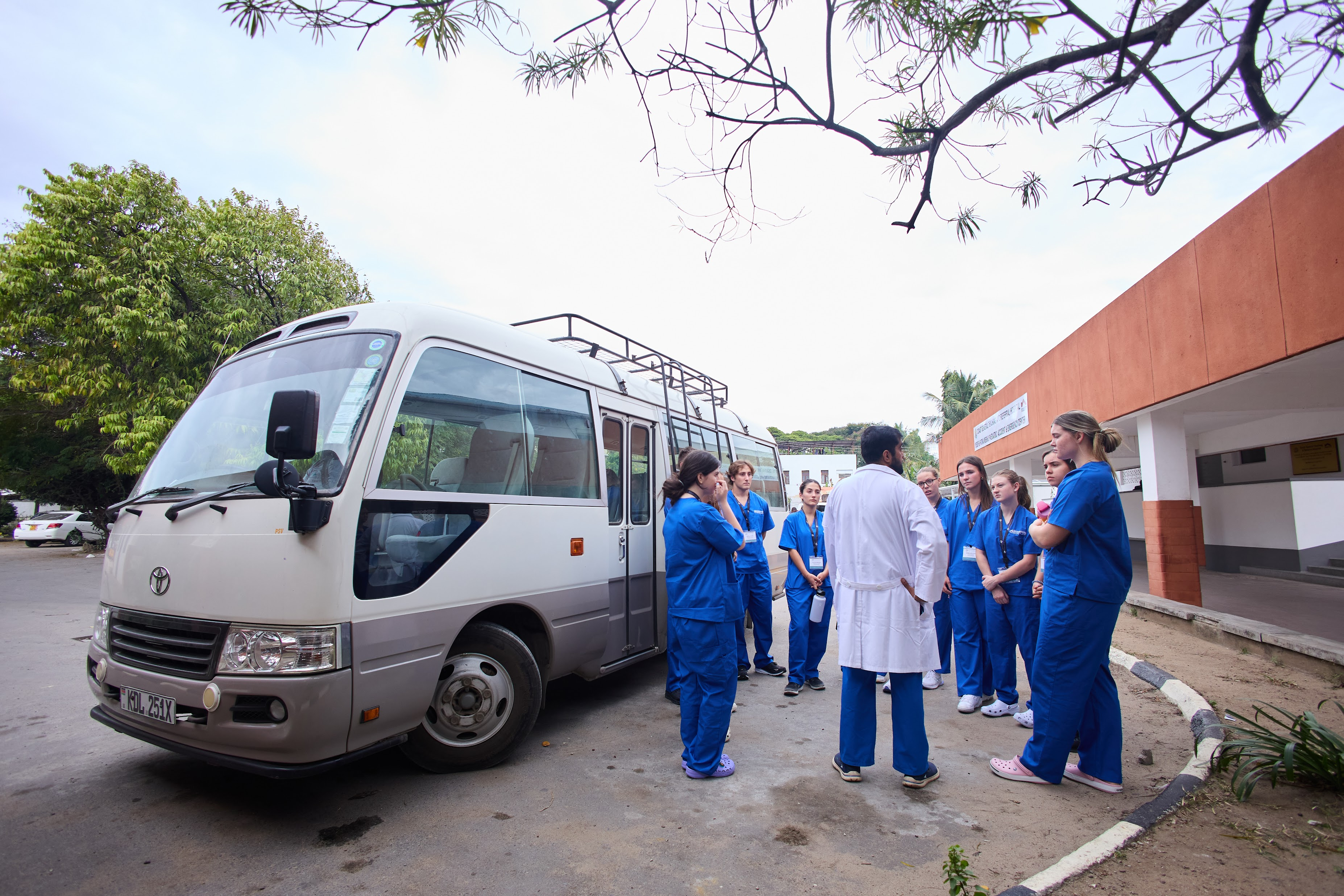
Your day starts at the residence with breakfast from the in-house chef, and a private program vehicle takes you to the hospital. Most interns are on the wards from about 8 AM to 4 PM. You spend six to eight hours in an assigned department, where you follow rounds, watch consultations and procedures and note questions for your mentor.
In the afternoon you may return to the wards, help at a mobile clinic or teach a hygiene lesson at a school. Global health lectures and simulation sessions take place during the week. Evenings are for dinner at the residence and time with the other interns. One night shift a week is optional, and weekends are free for treks or extra time at the hospital. In Cusco you arrive on a Saturday, attend orientation on Sunday and start at the hospital on Monday.
Keep notes as you go. Record dates, departments, who supervised you and what you learned. Leave out anything that identifies a patient.
 Certificates and Hours
Certificates and Medical School Preparation
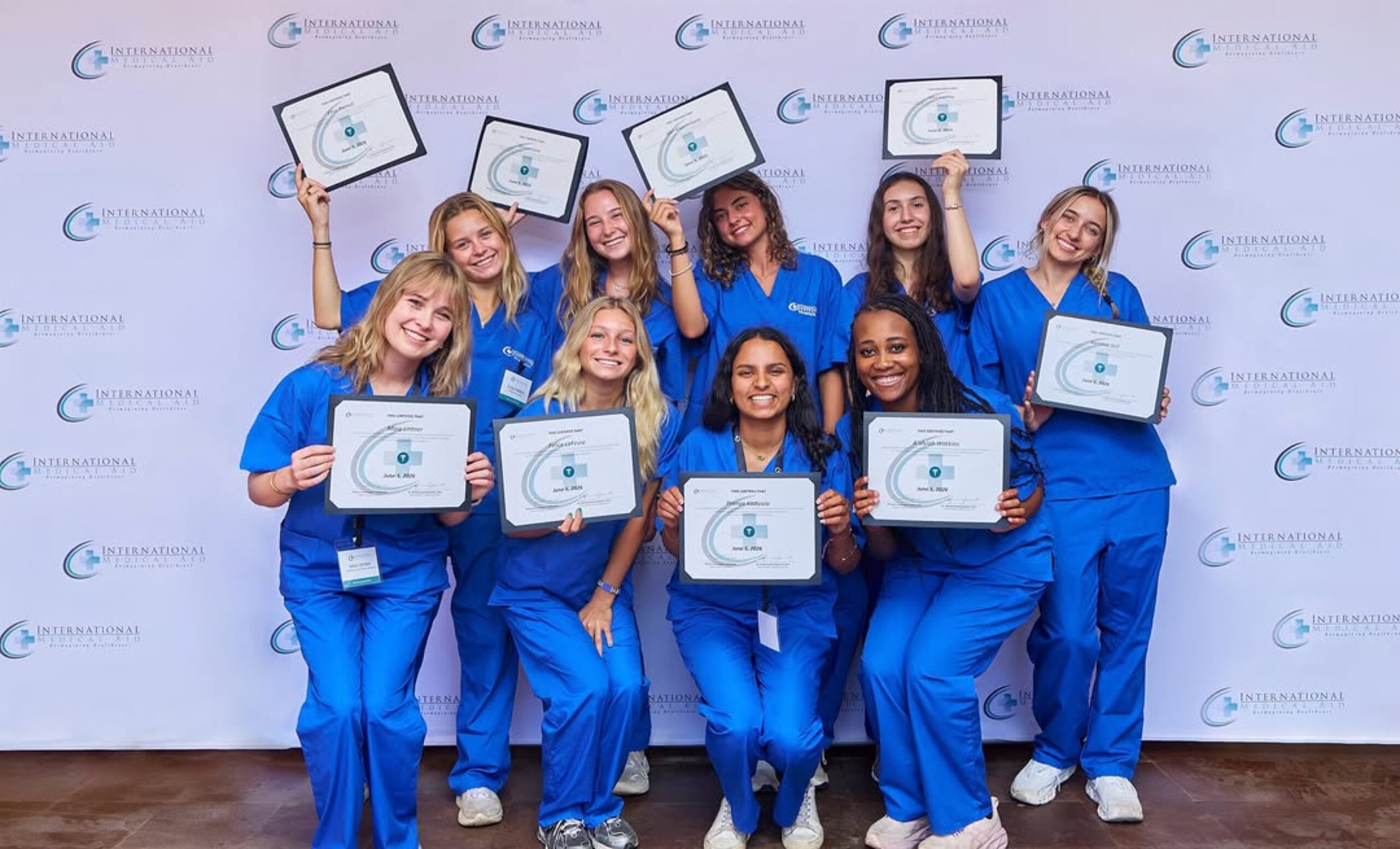
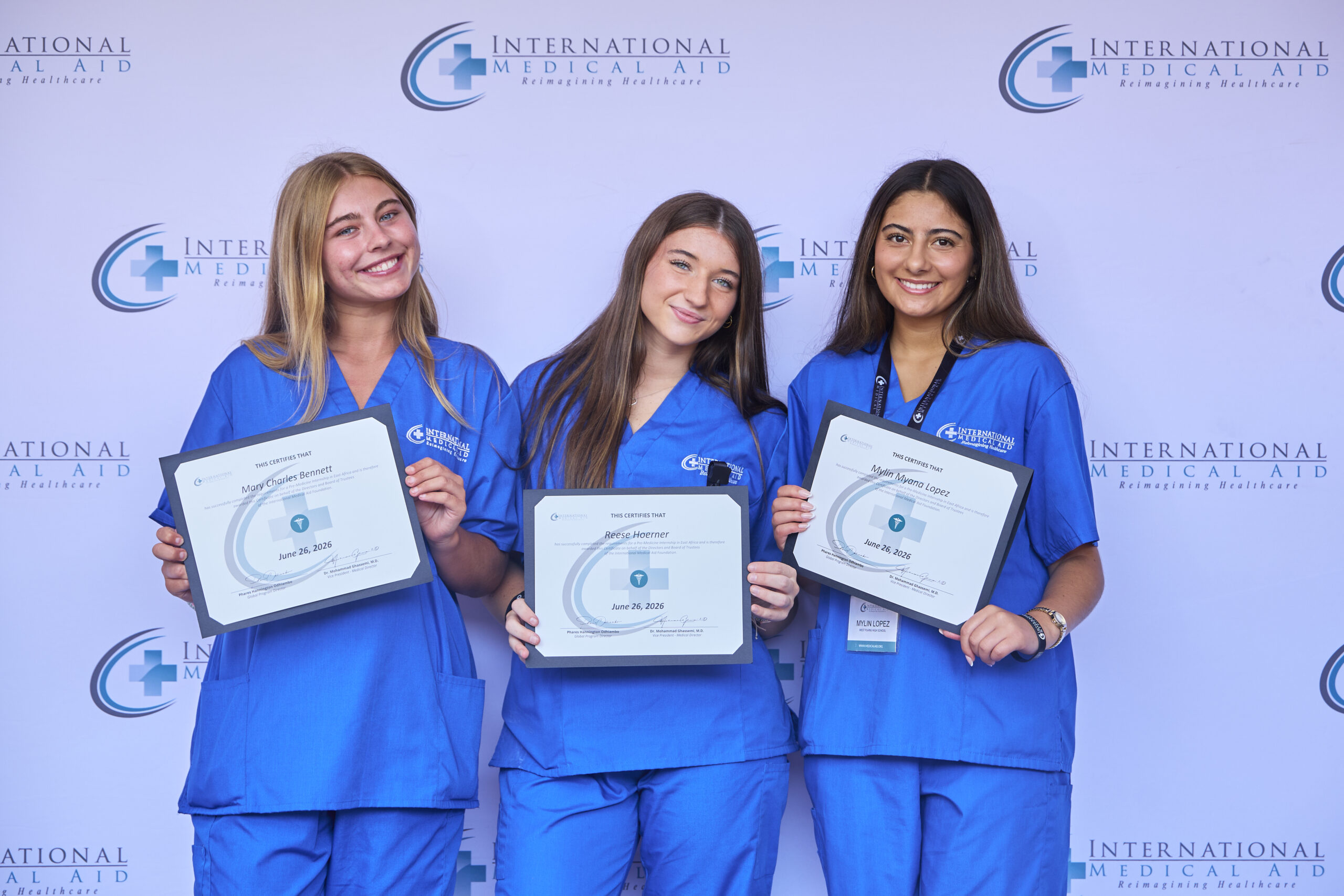
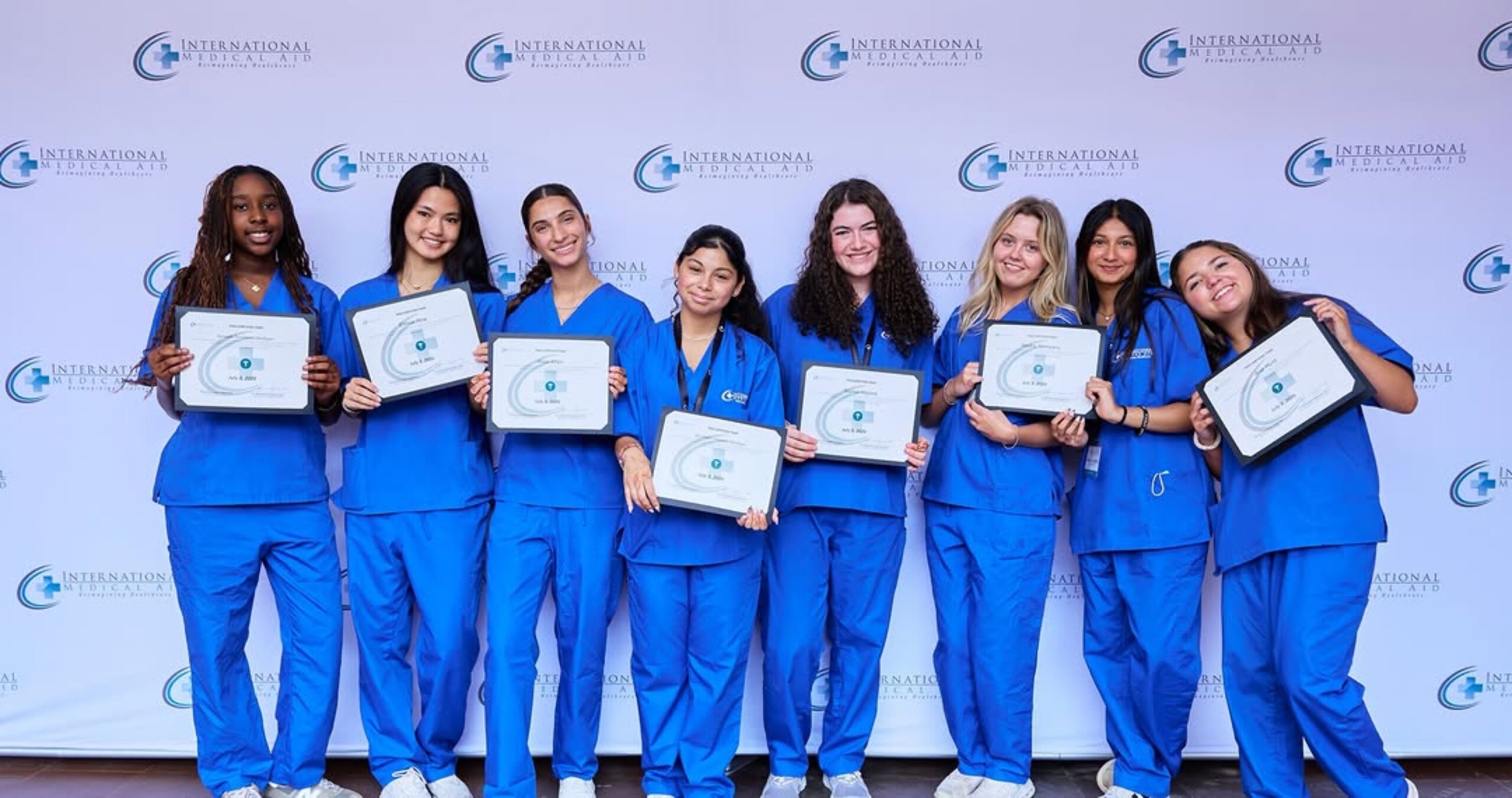
Every intern who completes the program receives a certificate of completion and a letter of recommendation from IMA. If you want a pre-med internship that gives certification, this certificate is proof that you completed the program. It is not a clinical license or a professional credential.
Your shadowing hours are recorded each day by date, department and specialty. Your supervising physician signs them, and IMA’s Medical Director in the United States validates them. The AAMC’s guidelines for clinical shadowing experiences for premedical students set out what good shadowing looks like, and the program follows the same principles. In your own records, keep physician shadowing, simulations and community service separate, because applications ask about them separately. IMA’s guides to tracking clinical and volunteer hours and how many clinical hours medical schools expect show how to record and present what you did.
Support continues after you fly home. Interns who complete the program can work with IMA’s admissions advisors, a group that includes physician educators and former medical school admissions committee members, at no additional cost. You also join IMA’s alumni network, with virtual meetups, speaker sessions and chances to mentor new interns. IMA alumni come from more than 1,250 universities. For more help with your application, IMA also offers medical school admissions consulting.

Hear From Our Alumni
Don’t just take our word for it—listen to the experiences of our past healthcare and pre-health interns. Our alumni have pursued successful careers, using the skills and knowledge gained during their internships to make meaningful contributions to their communities.
Here are some of our alumni's success stories:
Tyra Dennis
East Africa [Mombasa, Kenya]
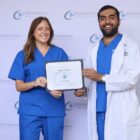
Kayla McBride
East Africa [Mombasa, Kenya]
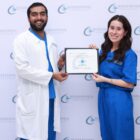
Grace Munoz
East Africa [Mombasa, Kenya]
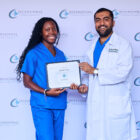
Ija Mumford
East Africa [Mombasa, Kenya]
Alumni Experiences & Testimonials
Five words. That’s it. The ultimate definition of short and sweet. At the end of each week during debriefing, we were asked to present the group with five words that encompassed our experience in our respective departments. Every Friday, this…
Pre-Med Internship Destinations and Program Fees
07
Tailored for students aspiring to become physician assistants, this internship provides clinical experience across multiple fields, including primary care, emergency medicine, and surgery. Interns work under the guidance of experienced PAs and physicians.

This program offers nursing students and pre-nursing students the chance to work in diverse healthcare settings, gaining hands-on experience in patient care, medical procedures, and community health projects. Interns are mentored by experienced nurses and healthcare professionals.
Designed for students and professionals in dietetics and nutrition, this internship involves working with dietitians in hospitals and clinics to promote community health through nutrition education, dietary planning, and public health initiatives.
This program is aimed at students and professionals in occupational therapy, providing hands-on experience in helping patients recover and improve their ability to perform daily activities. Interns work in hospitals, rehabilitation centers, and community health settings.
Interns in this program work alongside physical therapists to assist patients in recovering from injuries and improving mobility. The internship includes clinical rotations, rehabilitation programs, and community health projects.
Focused on psychology, psychiatry, and social work, this internship allows students to work in mental health clinics, hospitals, and community health centers, providing support and treatment to individuals with mental health issues.
This program offers pre-CRNA students, graduate nurse anesthesia students, and licensed CRNAs the chance to work in anesthesia departments in hospitals, gaining hands-on experience in anesthesia administration and patient monitoring.
Designed for pre-optometry students, graduate optometry students, and licensed optometrists, this internship involves working in eye clinics and hospitals to diagnose and treat eye conditions, conduct vision screenings, and provide patient care.
This program provides students and professionals in radiologic technology with experience in medical imaging, including X-rays, CT scans, and MRIs. Interns work in hospitals and imaging centers, gaining practical skills in diagnostic imaging.
Aimed at pre-chiropractic students, chiropractic students, and licensed chiropractors, this program offers hands-on experience in chiropractic care, including spinal adjustments, patient consultations, and community health initiatives.
This program is designed for pre-midwifery students, graduate midwifery students, and licensed midwives/nurse-midwives. Interns work in bustling international healthcare environments, providing prenatal care, managing labor and delivery, and addressing postpartum issues under the mentorship of experienced midwives and healthcare professionals. Interns also participate in public health education and community health initiatives, focusing on improving maternal and child health outcomes.
Pre-Med Internship Fees
The program fee for a pre-med internship covers housing, three meals a day, in-country transport, your hospital placement and weekly cultural activities. It does not cover international airfare, visa fees or personal spending. Fees rise with the length of your stay.
Starting from

What the Program Fee Covers
READY
Preparing for Your Healthcare
Pre-Medicine Internship Abroad
Pre-med undergraduates, medical students and recent graduates can apply. Admission is by application and interview.
Your application includes:
- The online application form with short written responses
- A current resume or CV
- Unofficial transcripts
There is no minimum GPA. Previous clinical, research or volunteer experience helps your application but is not required.
Two-week programs start at $3,295, plus a separate $995 program deposit. Fees vary by location and length of stay.
IMA offers flexible, interest-free payment plans, and Program Mentors give specific guidance on the plans available for your program dates. IMA also offers need-based and merit-based scholarships.
Every intern in Kenya needs an entry visa, which IMA processes through its visa intake form once your flights are booked. Most U.S., Canadian and European citizens need no visa for Peru.
Kenya runs year-round for stays of 2 to 12 weeks, in English. Cusco, Peru runs fixed summer and winter sessions of two to four weeks and needs at least two years of Spanish study.
Submit personal details, resume, unofficial transcripts, and written responses online.
Participate in a one-hour interview to assess suitability.
Receive a decision within two weeks, completing the admissions process.
Apply Now
OPEN FOR 2027IMA reviews applications for its pre-med internship opportunities as they arrive, and places often fill months ahead. Start with the online form. It takes about 45 minutes.
Pre-Med Internship FAQs
International Medical Aid Internship Opportunity
International Medical Aid provides an exceptional opportunity for students pursuing healthcare and pre-med internships abroad. By offering hands-on clinical experience, cultural competency, and exposure to global health and healthcare policy, IMA sets its interns apart as competitive and well-rounded medical school candidates.
We encourage students to apply or contact us with any questions they may have about the program. With a commitment to safety, cultural immersion, and academic excellence, IMA offers an unparalleled opportunity for students to gain invaluable experience and make a meaningful impact in their field.










We welcome questions about our programs and respond within 24 hours.
Thank you for your request
We appreciate your interest in our program. Our team will review your message and get back to you as soon as possible. If you have any urgent questions, feel free to reach out to us directly at our contact information provided on our website.