GLOBAL HEALTHCARE — INITIATIVES
Community-Aligned Healthcare Support Across East Africa and South America

How Our Global Health
Initiatives Are Built
We do not run a copy-and-paste programme from one country to the next. Each site has its own priorities, constraints, and capacity. What remains consistent across locations is the structure, supervision, and expectations. We build initiatives alongside local clinicians, educators, and community leaders. That partnership matters because barriers to care are not abstract. They show up as distance from clinics, limited preventive education, strained hospital capacity, and gaps that hit families hardest in maternal health, child health, and preventable disease.
On-the-Ground Partners
We design programs with on-the-ground partners who understand local needs and local workflow.
Consistent Standards
We maintain consistent standards for supervision, professionalism, and boundaries for student participation.
Patient Safety First
We keep patient safety at the center of how students are introduced to clinical environments and community work.
Realistic & Responsible
If an initiative cannot be supervised well, staffed responsibly, and supported safely, it is not included in the programme.
What Our Initiatives
Commonly Include
While every country has its own mix, our initiatives across East Africa and South America often include four connected pillars. The mix changes by site. The programme logic does not.
Mobile & Community-Based Clinical Outreach
Mobile and community clinics reduce the distance barrier to care. In many settings, care is delayed simply because reaching a facility is time-consuming, expensive, or unreliable. Outreach models help bring basic screening, consultation, and follow-up closer to where people already live and work.
These clinics also help local teams identify patterns early. When the same issues show up repeatedly, the next step is not guessing. It is improving prevention messaging, strengthening referral pathways, and tightening follow-up processes in ways the community can sustain.
Health Education People Can Use Right Away
Many initiatives start with practical habits that reduce preventable illness, then expand into more targeted topics as local partners identify the next priority. School-based sessions and community demonstrations are common because they reach families through existing routines.
This is not generic public health advice. It is designed around what local clinicians and educators see every day, and it is delivered in ways people can act on quickly.
Women’s & Adolescent Health Support
In communities where gaps in women’s health and adolescent health are identified by local partners, initiatives often include education and support around prevention, early awareness, and realistic access planning. In certain settings, that includes menstrual health education and support that helps students stay in school.
This work is practical by design. It respects local norms while still addressing problems that affect attendance, safety, and long-term health outcomes.
Mental Health Awareness & Early Support
Where local partners identify a need, initiatives may include mental health awareness programming built around practical coping skills, stigma reduction, and earlier help-seeking behaviour. The goal is simple: improve the odds that someone asks for support sooner rather than later.
In many environments, mental health is not ignored because people do not care. It is ignored because resources are limited and stigma is high. When education is done well, it changes what people are willing to talk about and what they are willing to seek.
Learning Hospitals &
Clinical Training Hubs
This is the backbone of how our student Programs stay structured. In our model, a learning hospital is a high-volume clinical setting with a built-in culture of education, supervision, and department structure. That matters because it creates the conditions for a supervised observership that protects patients and protects students.
Students learn inside real teams with real workflows. They are not operating independently.
Rotations follow host-facility availability and department capacity. This is how healthcare works, and students see it up close.
Mentors are accustomed to teaching and setting boundaries. Expectations are clear early.
Students are not placed in situations where they are expected to improvise clinical activity.

Consistency in Learning
Learning hospitals create consistency. Students see how triage works, how nurses and physicians communicate, how documentation supports decision-making, and how departments coordinate care when resources are stretched. Those are the real lessons that carry forward into future training.
Simulation & Structured Teaching
We pair hospital-based learning with controlled educational environments where appropriate, including structured teaching and clinical simulation. Simulation supports skill development in a setting designed for learners, without putting patients into a teaching role.

How Learning Hospitals Connect To Community Initiatives
Hospital-based learning and community initiatives are tied together in real ways. Students see how community access issues show up inside the hospital. Delayed presentations. Preventable complications. Follow-up challenges. Barriers that have nothing to do with motivation and everything to do with logistics and systems.
They also see the reverse. A well-run education session, a consistent outreach pathway, or a school-based health programme can reduce the load on acute care by preventing problems earlier. This is why our initiatives are structured the way they are. Community Programs and clinical learning are stronger when they reinforce each other, and when both are supervised responsibly.
available community locations
If you are considering a placement, start by selecting a region, then read the country page that matches your goals and the type of clinical environment you want to learn within. Each country page explains what the initiative mix looks like on the ground and how the supervised training environment is structured.
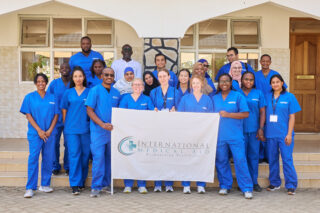
East Africa
Across East Africa, our initiatives commonly pair outreach care and prevention education because access barriers are persistent and the cost of delayed care is high. This is also where our partnerships support consistent structures that connect hospital-based learning and community programming.
East Africa
Across East Africa, our initiatives commonly pair outreach care and prevention education because access barriers are persistent and the cost of delayed care is high. This is also where our partnerships support consistent structures that connect hospital-based learning and community programming.

Kenya
In Kenya, our initiatives reflect practical needs tied to infectious disease burden, sanitation gaps, and maternal health pressures. Community-aligned work often includes outreach clinics, hygiene and sanitation education, nutrition support, and mental health awareness programming designed around real constraints.
At the same time, Kenya is a strong example of how learning hospitals anchor our supervised training model. Students are placed within structured clinical environments where department workflow, mentorship expectations, and professionalism standards are clear.
Students see how clinical teams function in high-volume settings. They also see why outreach matters when distance and access barriers delay care. That connection is one of the most important parts of the experience.

Uganda
In Uganda, our initiative structure reflects similar access constraints, with an emphasis on outreach and education that reduces preventable illness and supports earlier care-seeking behavior. Programs commonly include sanitation and hygiene education, nutrition-related support where appropriate, and mental health awareness efforts that fit the local setting.
The point is not to overwhelm communities with information. It is to deliver simple, usable education and support through systems people already trust, including schools and community clinics.

Tanzania
In Tanzania, our initiatives similarly include mobile medical and hygiene clinics, sanitation and hygiene education, mental health initiatives, and nutrition and food security projects where local partners identify a need.
These programs exist because prevention and access support are not extras. They are central to improving outcomes in settings where distance, cost, and infrastructure limitations shape what care looks like.

South America
In South America, access barriers are often shaped by geography, regional system capacity, and the practical challenge of consistent follow-up care in remote areas. Our programming in the region is built to match that reality: supervised hospital-based learning paired with community-aligned outreach and education.
South America
In South America, access barriers are often shaped by geography, regional system capacity, and the practical challenge of consistent follow-up care in remote areas. Our programming in the region is built to match that reality: supervised hospital-based learning paired with community-aligned outreach and education.

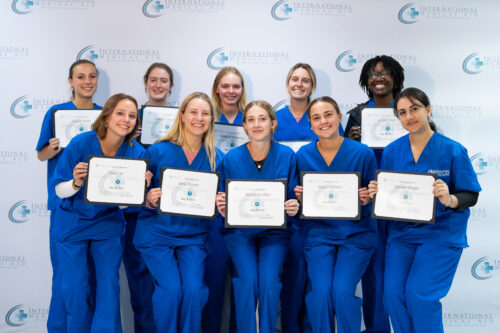
How This Connects To Our Internship Programs
Our Global Healthcare Initiatives are not separate from the student experience. They are one of the reasons the experience is structured, supervised, and taken seriously by local partners. Students participate as learners inside clinical systems and community Programs with clear boundaries.
In practical terms, this means students build clinical literacy by seeing how teams work, how workflow decisions are made, and how public health realities show up in patient care. It also means they learn what ethical participation looks like in a global setting, with clear supervision and accountability.
- ✓ They observe respectfully and follow site rules
- ✓ They protect privacy and consent standards
- ✓ They stay within a student role
- ✓ They communicate professionally with staff, mentors, and peers
Safety, Support & Accountability
Strong Programs are built on preparation and oversight, not good intentions. Across established locations, we provide structured pre-departure guidance, in-country coordination, and on-the-ground support designed to help students stay safe, stay professional, and get the most educational value from the experience. Expectations are set early, and escalation paths exist when something is unclear.
We also keep the student role clear. That protects patients. It protects students. It protects the integrity of the programme and the trust local partners place in us.
Explore Our Internship Programs
Each country page explains what the initiative mix looks like on the ground and how the supervised training environment is structured. Select a programme that aligns with your career aspirations and academic background.
Where To Start?
If you are considering a placement, start by selecting a region, then read the country page that matches your goals and the type of clinical environment you want to learn within. Each country page explains what the initiative mix looks like on the ground and how the supervised training environment is structured.
Globally Trusted, Alumni Approved







Premier Partner