
Paid medical internships abroad for undergraduates are rare. Clinical roles that pay usually require a license, so most paid options are research placements with a stipend, such as DAAD’s RISE Germany, or awards like Fulbright. Hospital shadowing programs abroad are learning programs, not paid positions, so judge them on supervision and learning.
That answer surprises many students, because search results are full of listings that promise “paid” medical work overseas. This guide explains the three kinds of opportunity you will find, which ones really pay, how to check eligibility and where to search. If you are still deciding what kind of experience you need, our guide to what internships a pre-med student should do compares clinical, research and service options.
Why an Internship Matters for Your Career
An internship is an important step on any healthcare path. Many degree programs encourage or require practical experience, and employers and admissions committees look for evidence that you have applied what you learned in class. For pre-health students, experience also answers a personal question: is this the work you want to do every day?
Interning abroad adds another layer. You see how care works in a different health system, learn to communicate across cultures and adapt to new routines. That is why so many students look for opportunities overseas, and why it is worth understanding what is actually available before you start searching.
Why Paid Clinical Internships Abroad Are Rare
Many students assume overseas medical experience is only for those with plenty of resources, and they hope a paid role will close that gap. The obstacle is not demand. It is who is allowed to do the work.
In most countries, anyone who examines, diagnoses or treats patients must be licensed or registered as a health professional. Undergraduates are not, so they cannot be hired into patient care roles, at home or abroad. Ethical programs follow the same rule. Under the AAMC guidelines that IMA follows, pre-med students abroad observe and learn under supervision rather than providing care. A role that pays an undergraduate to treat patients in another country should be a warning sign, not an opportunity.
That leaves three real categories, and only some of them pay.
The Three Kinds of Opportunity
| Type | What you do | Is it paid? | Who it suits |
|---|---|---|---|
| Funded research placement | Join a lab or research team on a defined project | Often, through a stipend or award | Students who want research experience and meet field and citizenship rules |
| Employment abroad | Work a paid job, often outside patient care | Yes, but you need work authorization in that country | Graduates with skills an employer needs, such as lab or administrative work |
| Clinical observation program | Shadow licensed clinicians and attend teaching sessions | No. These are learning programs, not jobs | Students who want to see patient care and how a health system runs |
Read every listing carefully. The word “paid” is sometimes used loosely. Confirm in writing whether the role pays you a wage or stipend, what the hours are and who supervises you.
Funded Research: The Most Realistic Paid Route
Research placements are where most paid opportunities for undergraduates abroad sit. A few verified examples:
- RISE Germany (DAAD): DAAD’s RISE Germany program offers undergraduates from North American, British and Irish universities a summer research internship in fields such as biology, chemistry, physics, earth sciences and engineering. DAAD provides a monthly stipend for three months, and the program is funded by the German Federal Foreign Office. The 2027 application window runs October 15 to November 30, 2026.
- Fulbright U.S. Student Program: Fulbright’s Study/Research awards ask candidates to design a proposal for a specific country. U.S. citizens enrolled in degree programs can apply through their institution, and others can apply if they will hold a bachelor’s degree by the award start date. Fulbright-Fogarty Fellowships in Public Health are open to MD and other professional degree students and to some PhD candidates.
- NSF-funded international research: NSF’s IRES program has supported U.S. students on international research projects. Students do not apply to NSF directly. They apply to the investigators who hold IRES awards, so check whether those projects are still recruiting.
For undergraduates who want experience closer to home first, our guide to getting research experience in undergrad explains how to approach labs and faculty.
Scholarships That Support Experience Abroad
Some awards do not pay you as an employee but support you while you study or intern abroad. The Gilman Scholarship is one example. According to its eligibility rules, applicants must receive a Federal Pell Grant, be undergraduates in good standing at an accredited U.S. institution and be applying to or accepted by a credit-bearing study abroad or internship program. Your study abroad office can tell you which other awards your school supports.
An Eligibility Check Before You Apply
Use these questions on any opportunity, paid or not:
| Question | Why it matters |
|---|---|
| Am I eligible by year of study, field and citizenship? | Research programs often limit fields and nationalities |
| Is the role paid, and is that stated in writing? | It confirms the opportunity is what it claims |
| Do I need work authorization in that country? | A paid job usually requires it |
| Will I be asked to provide patient care? | If yes, and you are not licensed, do not take it |
| Who supervises me, and what are their credentials? | Supervision determines what you learn and keeps patients safe |
| When is the application window? | Funded programs often close months before they start |
1. Use Your School’s Career and Study Abroad Offices
Organizations that recruit interns often contact universities directly, especially those with strong programs in health and science. Your school may then post opportunities on its website or share them with students. Check regularly and apply early.
Many schools also have a study abroad office, either campus-wide or in your department. This is where you will find information about funded programs, credit and scholarships. Ask the advisors which paid or funded opportunities past students have used and how to apply for them.
2. Contact Organizations of Interest
Make a list of international organizations you would like to work with, such as universities, research institutes and public health agencies. Research each one online to see whether it takes students and in what roles. Have your cover letter and resume ready to send when you find a match.
If you cannot find enough information, email the organization and ask. If there are no openings, express your interest in future positions and ask what experience would make you a stronger candidate.
3. Use Internship Search Platforms With Care
Searching organization by organization takes time, especially during the semester. Internship search platforms can speed things up by gathering listings in one place. Use them as a starting point, then verify every listing directly with the host organization, using the eligibility check above. Be wary of any platform listing that promises paid patient care for students.
4. Network With Fellow Students and Faculty
Networking matters at every stage of a career. Ask international students in your classes about universities, research groups and public health organizations in their home countries. A personal introduction can open a door that a cold email cannot.
Faculty are another strong source. Many have collaborators abroad and know which labs take undergraduates. If you work with a faculty member, they may also write a recommendation letter that strengthens your application to a competitive research program.
When a Learning Program Is the Better Choice
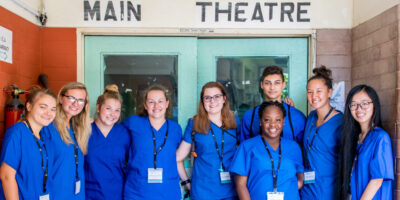
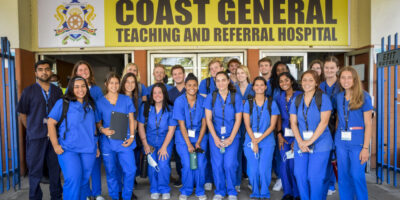
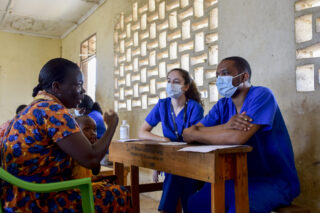
If your goal is to understand patient care, a funded research placement may not give you what you need, because you will spend your time in a lab rather than on hospital wards. A structured clinical observation program fills that gap. IMA’s pre-med internships abroad place students in teaching hospitals in Mombasa, Kenya and Cusco, Peru, where they shadow physicians, rotate through a new department each week and join global health lectures and clinical simulations. These are learning programs, not paid positions, and interns observe under supervision rather than providing care.
Many students combine both: a funded research summer one year and a clinical observation placement another. Our guide to preparing for a medical internship abroad covers the planning for either route, and you can check upcoming program dates if a clinical placement fits your goals.
Final Thoughts
Paid medical internships abroad for undergraduates exist mainly as funded research placements and awards, not as paid clinical jobs. Start with your school’s offices, search funded research programs early, check eligibility carefully and be skeptical of listings that promise paid patient care. If you want to see clinical medicine, choose a supervised learning program. You can explore IMA’s medical internships abroad to see how that works.
Frequently Asked Questions
Are There Paid Medical Internships Abroad for Undergraduates?
Rarely in clinical settings, because patient care roles require a license. Most paid options for undergraduates are research placements with a stipend, such as DAAD’s RISE Germany, or awards such as Fulbright.
Can I Get Paid to Shadow Doctors Abroad?
No. Shadowing is observation for your own learning, so it is not a paid job. Clinical observation programs abroad are learning programs, and interns observe under supervision rather than providing care.
What Is RISE Germany?
RISE Germany is a DAAD summer research internship for undergraduates from North American, British and Irish universities in fields such as biology, chemistry, physics, earth sciences and engineering. DAAD provides a monthly stipend for three months.
Can Undergraduates Apply for Fulbright?
Yes. U.S. citizens enrolled in undergraduate or graduate degree programs can apply through their institution, and others can apply if they will hold a bachelor’s degree by the award start date.
Should I Accept a Paid Role That Involves Treating Patients?
No, not unless you are licensed for that work. Taking on clinical tasks beyond your training puts patients at risk and can harm your medical school application.
Where Should I Start Looking?
Start with your school’s career and study abroad offices, then search funded research programs and ask faculty about collaborators abroad. Check eligibility and application windows early, since many close months before they start.
Does a Paid Internship Matter More to Medical Schools?
Not by itself. Admissions committees look at what you learned and how you reflect on it. A well-supervised experience you can describe clearly is more valuable than whether the role was paid.