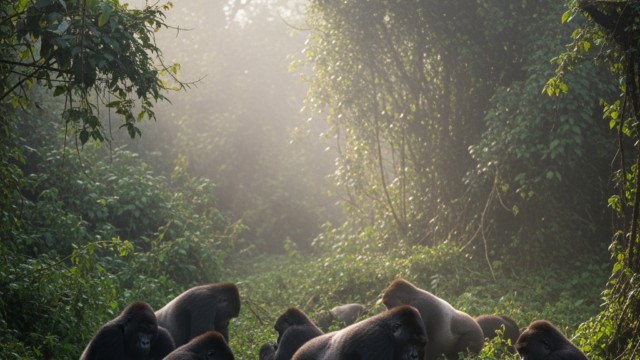
Bwindi Impenetrable National Park
3 to 4 Days · High · Gorilla Trekking
A tightly controlled conservation extension where permits, health rules, and pacing matter as much as fitness.

Extension Guide
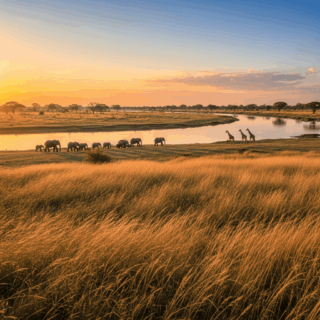

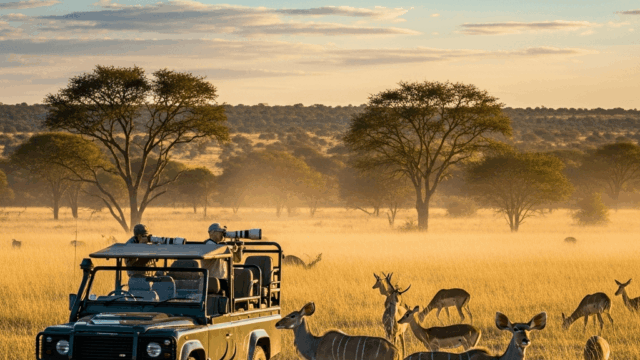
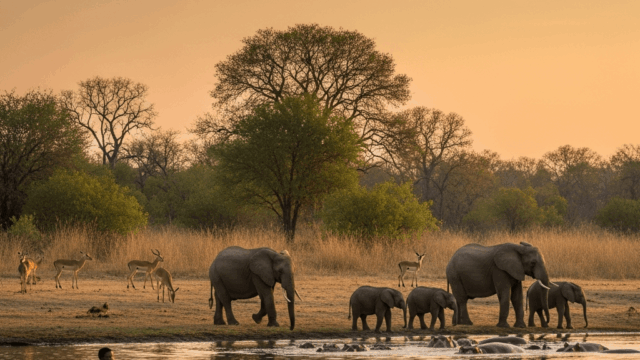
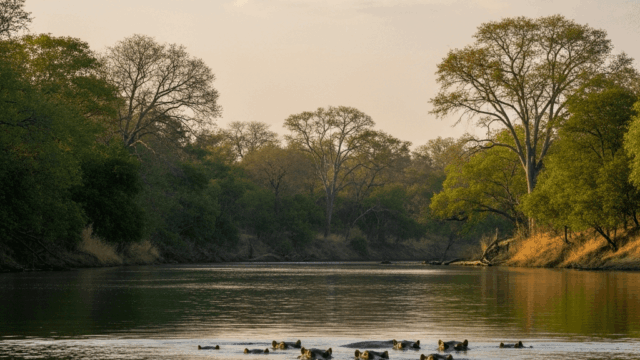
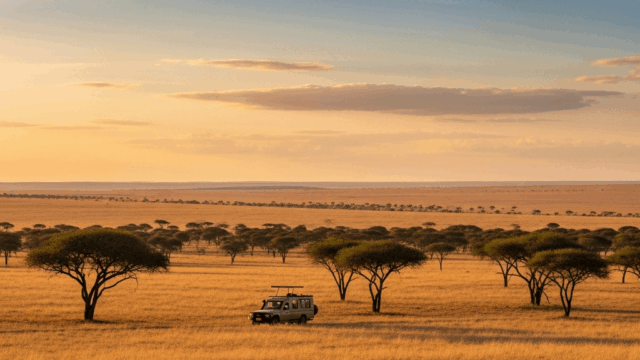
Kafue is a strong choice if you want a safari extension that feels spacious. It is known for big terrain, diverse habitats, and a slower pace than some of the highest-traffic parks. That combination is ideal after clinic weeks because the daily structure stays simple: early drive, midday rest, late drive.
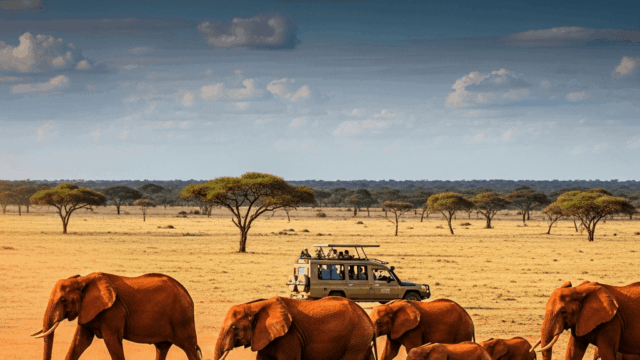
The goal is not to rush from sighting to sighting. The value comes from time in the field with good guiding, distance that respects wildlife, and room to watch behavior instead of chasing a close-up.
Three days can be meaningful if transfers are clean. Four to five days is where it starts to feel calm. You spend less time moving between places and more time letting the park reveal itself.
The Best Approach: Plan a minimum of three days, aim for four or five when possible, and keep the daily rhythm consistent so your body actually recovers.
Kafue makes “systems thinking” feel real. Land use, water access, conservation policy, tourism economics, and vector ecology all influence community health. When you step out of a clinical setting and look at how an environment is managed, you start connecting your placement experience to upstream drivers.
Many students also use Kafue as a reflection block after an intense schedule. A simple routine helps: three notes at night is enough. What you noticed. What surprised you. What you want to follow up on when you get home.
Duration
3 to 5 Days
Effort Level
Low to Moderate
Primary Focus
Landscapes & Variety
Structure
Structure
The best days in Kafue are not built around a checklist. They are built around observation. You may spend time tracking a single area, watching birds and antelope move through a wetland edge, or sitting quietly near water as animals rotate through. That kind of patience is the foundation of ethical viewing.
If your guide team is doing it right, you will feel the difference. No crowding. No pressure to get closer. No “we have to see everything today.” You follow park rules, keep distance, and let wildlife set the terms.
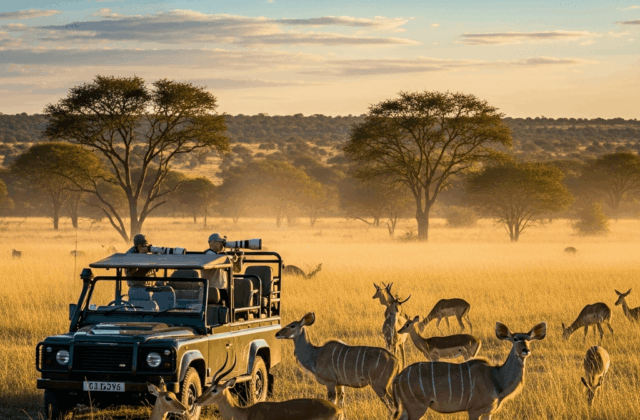
A strong fit with consistent supervision and clear rules. The daily rhythm is predictable and can be kept early-to-bed.
Ideal if you want a classic safari feel with fewer crowds and a calmer pace.
Works well after clinically demanding weeks because it is exciting without being physically exhausting.
Transfer in, settle, and take an afternoon drive when temperatures drop and movement picks up.
Early drive, midday rest, late drive. This is the core rhythm that keeps the pace predictable.
Another full day with routing based on conditions. Repeat days are often when you see the most.
Morning drive, breakfast, and transfer out with buffer time.
Three days works when transfers are clean. Five days is best if you want a true recovery day built in.
Keep exploring
3 to 4 Days · High · Gorilla Trekking
A tightly controlled conservation extension where permits, health rules, and pacing matter as much as fitness.
1 to 2 Days · Moderate · Active Park Day
A rare Kenya park day where biking and walking change how you see wildlife and landscape.
3 Days, 2 Nights · Low · Culture & Rest
A calm coastal culture extension with a low-effort pace after internship weeks.
3 to 4 Days · Low to Moderate · River Viewing
A river-first safari extension built for calm observation and strong structure.
3 to 5 Days · Low to Moderate · Marine Recovery
A coastal reset with marine time, culture, and real recovery after your internship.
2 to 4 Days · Low to Moderate · Coastal Recovery
A low-effort coastal reset that works well after clinic weeks.
4 to 6 Days · High · Altitude Trek
A high-effort, safety-first alpine trek that fits a shorter extension window.
6 to 9 Days · Very High · Altitude & Pacing
A high-effort, safety-first summit trek extension after your internship.
2 to 3 Days · Low to Moderate · Crater Wildlife
A structured two to three day extension built around a single high-impact crater day.
3 To 4 Days · Low To Moderate · River Ecosystems
Southern Tanzania Safari Extension With A River-And-Woodland Focus
4 Days, 3 Nights · Moderate · Wildlife Behavior
A structured safari extension built for IMA students who want big landscapes, ethical wildlife viewing, and a clean plan after internship weeks.
3 To 4 Days · Low To Moderate · Wildlife And Landscapes
A classic safari extension that keeps the schedule realistic after clinical weeks.
2 To 3 Days · Low To Moderate · Views And Photos
A two to three day extension that fits cleanly after your clinical internship.
International Medical Aid provides an exceptional opportunity for students pursuing healthcare and pre-med internships abroad. By offering hands-on clinical experience, cultural competency, and exposure to global health and healthcare policy, IMA sets its interns apart as competitive and well-rounded medical school candidates.
We encourage students to apply or contact us with any questions they may have about the program. With a commitment to safety, cultural immersion, and academic excellence, IMA offers an unparalleled opportunity for students to gain invaluable experience and make a meaningful impact in their field.