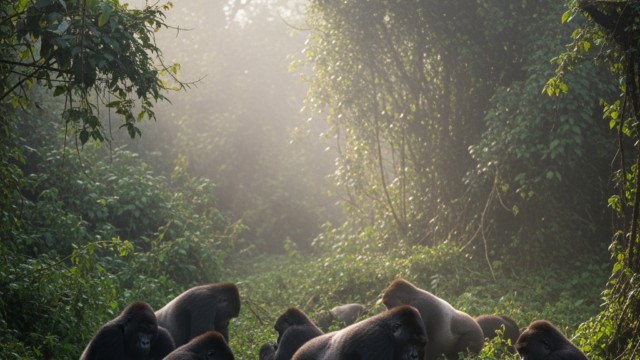
Bwindi Impenetrable National Park
3 to 4 Days · High · Gorilla Trekking
A tightly controlled conservation extension where permits, health rules, and pacing matter as much as fitness.

Extension Guide
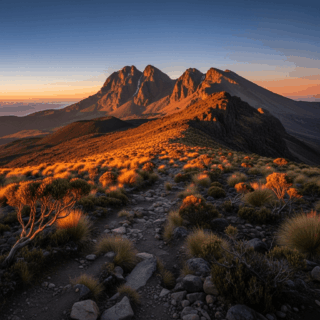

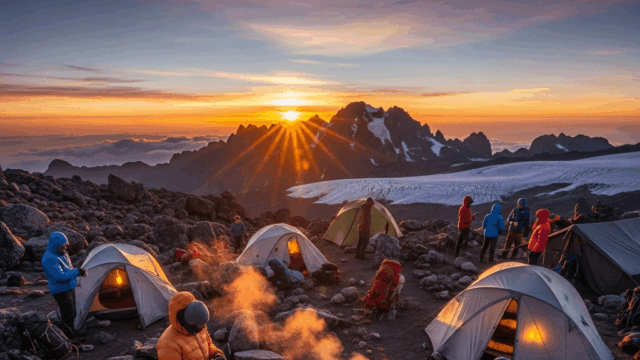
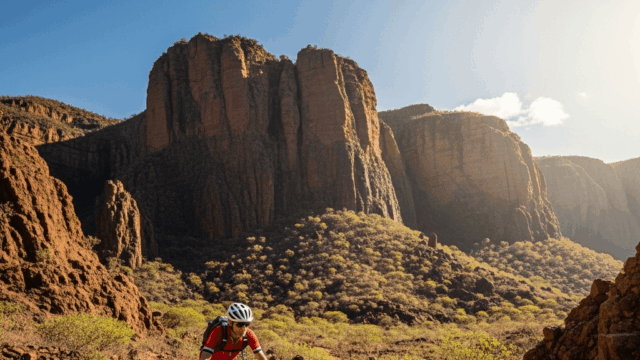
Mount Kenya is the second-highest mountain in Africa, and it is a serious trek even on the non-technical routes. For most students, the goal is Point Lenana. It is still high altitude. You still need pacing, hydration, sleep discipline, and the confidence to speak up early if symptoms show up.
This extension fits well when you want a real alpine experience but you do not have the time window for a longer summit plan. The mountain gives you changing terrain in a short span: forest, bamboo, moorland, and a cold, thin-air summit push that starts before sunrise. The best plans keep the structure simple and avoid tight travel connections afterward.
A good Mount Kenya trek feels earned without becoming chaotic. If your plan turns into rushed transfers, skipped rest, and pressure to hit a time goal, you are doing it wrong. The mountain rewards consistency, not ego.
The Best Approach: Choose a route length that supports acclimatization, build in a buffer day before and after, and treat the summit as optional based on how you are doing, not as a demand.
This trek makes physiology feel real. You experience how altitude can affect breathing, sleep, hydration, appetite, and decision-making. You also see how a strong team works under pressure: clear communication, honest reporting, and conservative decisions when needed.
Many students use the routine to reflect on their placement. A multi-day trek gives you quiet time to process what you saw in clinics, what challenged you, and what you want to carry forward into your training.
Duration
4 to 6 Days
Effort Level
High
Primary Focus
Altitude Trek
Structure
Guided Trek
Mount Kenya works best when your plan has a clear rhythm. Hike, eat, rest, and repeat. The goal is steady effort, not dramatic effort. Altitude headaches, nausea, sleep disruption, and fatigue can appear even in strong hikers, especially if they under-eat or under-hydrate. Saying something early is a strength. It lets your guide team make small adjustments before symptoms escalate.
The technical peaks, Batian and Nelion, require climbing skills and a different type of plan. This page focuses on the common trekking approach that targets Point Lenana, with a safety-first structure and realistic expectations for students coming off demanding internship weeks.
Usually not recommended. If permitted, it should be older students with strong preparation, conservative routing, and clear supervision.
A strong fit if you train in advance, choose a route length that supports acclimatization, and plan recovery time afterward.
A good capstone extension if you want an alpine challenge without adding complex logistics. Conservative planning matters.
Day 1
Arrive, gear check, briefing, and an early night to protect sleep.
Day 2
Trek day one with controlled pacing and conservative breaks.
Day 3
Trek day two with altitude adjustment and early rest. Eat even if appetite drops.
Day 4
Pre-dawn summit attempt for Point Lenana if conditions and health allow, then descent to camp.
Day 5
Final descent and recovery. Plan a calm day, not same-day long transfers.
A 4-day plan can work for very tight schedules, but 5 to 6 days usually feels better for acclimatization and recovery. Buffer days on both sides are strongly recommended.
Keep exploring
3 to 4 Days · High · Gorilla Trekking
A tightly controlled conservation extension where permits, health rules, and pacing matter as much as fitness.
1 to 2 Days · Moderate · Active Park Day
A rare Kenya park day where biking and walking change how you see wildlife and landscape.
3 to 5 Days · Low to Moderate · Landscapes & Variety
A wide-open safari extension built for calm pacing, big landscapes, and ethical viewing.
3 Days, 2 Nights · Low · Culture & Rest
A calm coastal culture extension with a low-effort pace after internship weeks.
3 to 4 Days · Low to Moderate · River Viewing
A river-first safari extension built for calm observation and strong structure.
3 to 5 Days · Low to Moderate · Marine Recovery
A coastal reset with marine time, culture, and real recovery after your internship.
2 to 4 Days · Low to Moderate · Coastal Recovery
A low-effort coastal reset that works well after clinic weeks.
6 to 9 Days · Very High · Altitude & Pacing
A high-effort, safety-first summit trek extension after your internship.
2 to 3 Days · Low to Moderate · Crater Wildlife
A structured two to three day extension built around a single high-impact crater day.
3 To 4 Days · Low To Moderate · River Ecosystems
Southern Tanzania Safari Extension With A River-And-Woodland Focus
4 Days, 3 Nights · Moderate · Wildlife Behavior
A structured safari extension built for IMA students who want big landscapes, ethical wildlife viewing, and a clean plan after internship weeks.
3 To 4 Days · Low To Moderate · Wildlife And Landscapes
A classic safari extension that keeps the schedule realistic after clinical weeks.
2 To 3 Days · Low To Moderate · Views And Photos
A two to three day extension that fits cleanly after your clinical internship.
International Medical Aid provides an exceptional opportunity for students pursuing healthcare and pre-med internships abroad. By offering hands-on clinical experience, cultural competency, and exposure to global health and healthcare policy, IMA sets its interns apart as competitive and well-rounded medical school candidates.
We encourage students to apply or contact us with any questions they may have about the program. With a commitment to safety, cultural immersion, and academic excellence, IMA offers an unparalleled opportunity for students to gain invaluable experience and make a meaningful impact in their field.