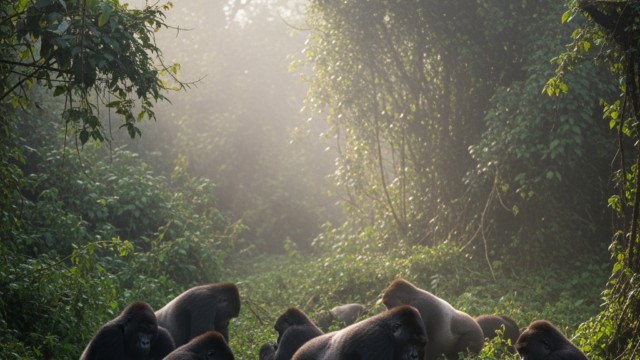
Bwindi Impenetrable National Park
3 to 4 Days · High · Gorilla Trekking
A tightly controlled conservation extension where permits, health rules, and pacing matter as much as fitness.

Extension Guide
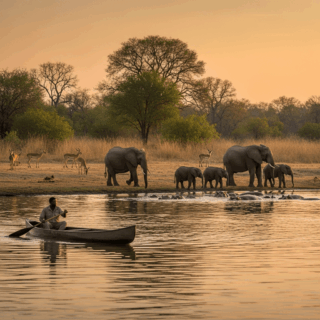

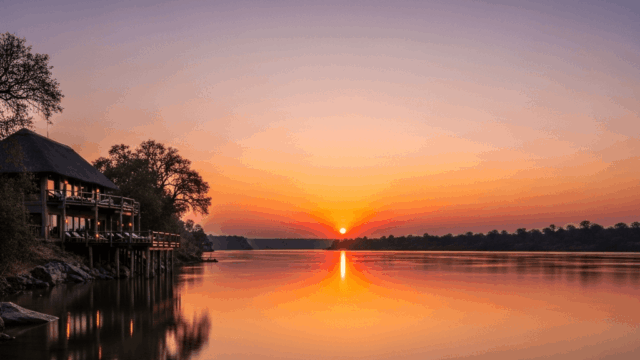
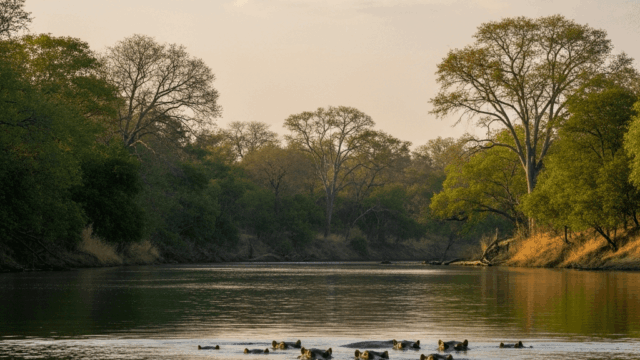
If you want a safari extension that feels different from standard game drives, the Lower Zambezi is a strong choice because the river changes the rhythm. You still have classic vehicle viewing, but the highlight is watching wildlife from the water. It is calmer, more observational, and often less crowded.
This extension fits an IMA schedule because it can be completed in a compact window and still feel complete. Days tend to follow a clean structure: early activity, midday rest, late activity, and sleep. That structure matters when you are coming off long clinical days and you want something exciting without chaos.
Not everyone wants canoe time, and that is fine. A good plan matches your comfort level and keeps safety rules tight. Boat viewing and game drives can carry the trip on their own.
The Best Approach: Build the itinerary around two main river blocks and one drive block, then leave real rest time in the middle of the day.
The Lower Zambezi is a clear example of how environment shapes health. River systems affect agriculture, water access, vector patterns, and tourism economies. Even on an extension, you can connect the dots between ecosystem management and real community outcomes.
Many students also use these days as a reflection window. The pace is slower than a typical safari circuit, which makes it easier to process what you observed during placement and what you want to carry forward.
Duration
3 to 4 Days
Effort Level
Low to Moderate
Primary Focus
River Viewing
Structure
Water Safari
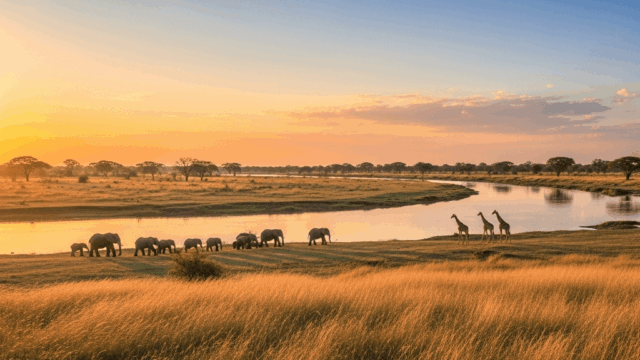
River environments create natural viewing opportunities. You often spend less time searching and more time observing. Hippos and crocodiles are part of the landscape, elephants and antelope come down to drink, and birdlife can be constant depending on season.
The best operators keep distances respectful and let the river do the work. If a plan feels rushed or aggressive, it is not worth it. This is a place where patience pays.
Works best with clear supervision, conservative water choices, and strict rule-following. Skip any activity that feels unnecessary.
A strong fit if you want a quieter safari that still delivers serious wildlife viewing without a packed schedule.
A clean capstone when you want structure and recovery after intense clinical weeks.
Arrive, settle, and take a late river activity when light is softer and animals begin moving again. Early dinner and sleep.
Early river block, midday rest, late activity. Most students prefer one river session and one drive session in a day so it stays varied without feeling packed.
Short morning activity, breakfast, and depart with buffer time for transfers.
Canoe activities should be optional and based on comfort and conditions. A safe plan never forces water time.
Keep exploring
3 to 4 Days · High · Gorilla Trekking
A tightly controlled conservation extension where permits, health rules, and pacing matter as much as fitness.
1 to 2 Days · Moderate · Active Park Day
A rare Kenya park day where biking and walking change how you see wildlife and landscape.
3 to 5 Days · Low to Moderate · Landscapes & Variety
A wide-open safari extension built for calm pacing, big landscapes, and ethical viewing.
3 Days, 2 Nights · Low · Culture & Rest
A calm coastal culture extension with a low-effort pace after internship weeks.
3 to 5 Days · Low to Moderate · Marine Recovery
A coastal reset with marine time, culture, and real recovery after your internship.
2 to 4 Days · Low to Moderate · Coastal Recovery
A low-effort coastal reset that works well after clinic weeks.
4 to 6 Days · High · Altitude Trek
A high-effort, safety-first alpine trek that fits a shorter extension window.
6 to 9 Days · Very High · Altitude & Pacing
A high-effort, safety-first summit trek extension after your internship.
2 to 3 Days · Low to Moderate · Crater Wildlife
A structured two to three day extension built around a single high-impact crater day.
3 To 4 Days · Low To Moderate · River Ecosystems
Southern Tanzania Safari Extension With A River-And-Woodland Focus
4 Days, 3 Nights · Moderate · Wildlife Behavior
A structured safari extension built for IMA students who want big landscapes, ethical wildlife viewing, and a clean plan after internship weeks.
3 To 4 Days · Low To Moderate · Wildlife And Landscapes
A classic safari extension that keeps the schedule realistic after clinical weeks.
2 To 3 Days · Low To Moderate · Views And Photos
A two to three day extension that fits cleanly after your clinical internship.
International Medical Aid provides an exceptional opportunity for students pursuing healthcare and pre-med internships abroad. By offering hands-on clinical experience, cultural competency, and exposure to global health and healthcare policy, IMA sets its interns apart as competitive and well-rounded medical school candidates.
We encourage students to apply or contact us with any questions they may have about the program. With a commitment to safety, cultural immersion, and academic excellence, IMA offers an unparalleled opportunity for students to gain invaluable experience and make a meaningful impact in their field.