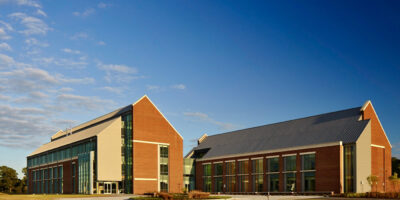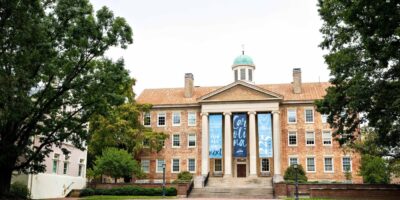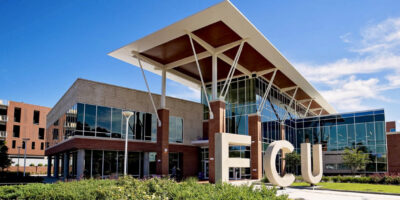

North Carolina now has six places to earn a medical degree: five MD programs and one osteopathic (DO) school. Duke University School of Medicine, the University of North Carolina School of Medicine, Wake Forest University School of Medicine and the Brody School of Medicine at East Carolina University have been joined by the Methodist University Cape Fear Valley Health School of Medicine in Fayetteville, which holds preliminary accreditation and welcomed its first class of 64 students in July 2026. Campbell University’s Jerry M. Wallace School of Osteopathic Medicine in Lillington remains the only osteopathic medical school in the state.
This guide compares all six programs side by side: where each one teaches, the latest class MCAT and GPA averages each school publishes, what the first year costs in 2026-27, and the rule that matters most for many applicants, which schools admit students who are not North Carolina residents. Each school profile ends with a link to IMA’s full admissions guide for that school where one exists.
Key Takeaways
- North Carolina has five MD programs (Duke, UNC, Wake Forest, Brody at ECU and Methodist University Cape Fear Valley Health) and one DO program (Campbell).
- The Methodist University Cape Fear Valley Health School of Medicine is the state’s newest medical school. Its first class of 64 students, 31 from North Carolina and 33 from 15 other states, began classes in July 2026.
- Brody considers only North Carolina residents and applicants who earned a bachelor’s degree from a UNC System institution within the last five years. UNC gives preference to residents, and about 15% to 18% of each entering class comes from out of state.
- Wake Forest, Duke, Campbell and Methodist have no state residency rule. At Wake Forest, 147 of the 193 students in the Class of 2030 came from outside North Carolina.
- The latest published class MCAT averages are 512 at UNC, 511 at Wake Forest, 511 at Brody and 505 at Campbell. Duke and Methodist do not post class averages.
- UNC charges North Carolina residents $35,094 in tuition and fees for 2026-27, compared with $63,419 for nonresidents. Duke’s Year 1 tuition of $72,297 is the highest in the state.
- Wake Forest teaches its MD program on two four-year campuses, in Winston-Salem and Charlotte, and UNC places students at clinical sites across the state, including Charlotte, Asheville and Wilmington.

Application Strategies for North Carolina Medical Schools
Our primary mission at International Medical Aid (IMA) has always been to help aspiring physicians research, apply to and earn acceptance to the medical school of their choice. That was our motivation for this guide, which reviews each of the six medical schools in North Carolina. Perhaps you came across it by searching online for “medical schools near me” and were flooded with information but very little guidance for sorting through it. That can be overwhelming. This guide takes that information and summarizes it into one accessible review of the medical colleges in North Carolina, so you can make the right choice for you.
No two medical schools or admissions committees are the same. Each has its own standards, testing requirements and medical program options, and each is looking for specific qualities in an applicant. It is important to research every school you are interested in thoroughly, and our detailed medical school guides can help with that process.
Every admissions committee looks for certain things in an application: good grades in required coursework, a competitive MCAT score and evidence that you understand what a physician’s work involves. Each school also sets the basic requirements an applicant must meet to reach the secondary application or the interview stage. You will have taken the prerequisite or recommended science courses at an accredited college or university, and you will be asked about the clinical experience and volunteer work you have done in medicine. In North Carolina, three of those basic requirements differ more than many applicants expect:
- Citizenship. UNC, Wake Forest, Brody, Campbell and Methodist require applicants to be U.S. citizens or permanent residents for admission, and Campbell asks permanent residents for a copy of their green card before admission. Duke considers international students, and UNC considers international applicants in its out-of-state pool.
- Where you studied. Duke requires an undergraduate degree from an accredited American college or university, or at least 48 credit hours at one if the degree is from abroad, and it reviews applicants who studied in Canada the same way as U.S. citizens. UNC, Wake Forest and Brody ask for a bachelor’s degree from an accredited institution in the U.S. or Canada (Wake Forest asks applicants whose premedical coursework was done elsewhere to complete some coursework in the U.S. or Canada first), and Methodist requires a bachelor’s degree from a U.S.-accredited institution.
- State residency. Brody considers North Carolina residents and recent UNC System graduates only, and UNC gives preference to North Carolina residents. This is covered in detail below.
Medical schools in North Carolina can be challenging to matriculate into, and you will want to be as prepared as possible. These schools are used to highly qualified applicants, so give your full effort at every step if you want to earn one of those seats. Admissions committees also weigh clinical experience and service heavily. Brody, for example, asks for two of its three letters to come from clinical experiences, preferably from a physician or another member of a clinical team who can speak to your patient-facing work. College students who are still building those experiences can look at medical internships for undergraduates alongside volunteer and work roles closer to home.
When you do your “medical schools near me” search and select a few schools to apply to, spend some time getting to know the overall atmosphere of each school. What are the focus, mission and goals of the medical program, and do they align with your own? Will you be able to make a valuable contribution to the student body, or do you feel you would go unseen? These are good questions to think through as you research. IMA’s guide on how many medical schools to apply to can help you decide how many North Carolina programs belong on your list next to schools in other states.
Selecting the right medical school is vital. Applicants come across as enthusiastic, confident and dedicated when they are passionate about the school and what it stands for. Buy-in matters: every admissions committee wants to know you will be fully on board with its mission, and in North Carolina those missions range from biomedical research at Duke to primary care for eastern North Carolina at Brody and rural and underserved care at Campbell.
Make Your Application Count: Medical School Admissions Consulting
When it comes to applying to the medical school you have your sights set on, you want to make that application count by being as prepared and thorough as possible. There is a great deal of information on the internet about how to submit a good application, but none of it compares to the preparation that comes from working one-on-one with a professional medical school admissions consultant.
At IMA, we have learned that every application to medical school needs to be as unique as the applicant submitting it. That is why personalized guidance through the process, step by step, is so valuable. Your application needs to stand out from the thousands of others in front of the admissions committee. IMA’s medical school admissions consulting meets each applicant in the middle of their own story and guides them through the application process to give them the best chance of being accepted.
Our consulting services include:
- Strategy planning
- Essay editing and guidance
- Interview preparation
- Mock interviews when needed
Our medical school experts will help you present yourself as a candidate who is prepared, memorable and committed, so that you stand out to the admissions committee. To learn more, visit IMA’s Medical School Admissions Consulting page and schedule your own initial consultation.
North Carolina Medical Schools: Pre-Med Considerations
Planning early for medical school admissions is a wonderful idea, and there are things you can do now that will add to the quality of your application. If you are reading this guide early in the planning process, the following advice will help you get ready ahead of time:
- Take high-level science classes. Take quality science courses that are likely to be prerequisites or recommended coursework, such as biology, biochemistry, general and organic chemistry and physics. Campbell requires a full year, with labs, of biology, general chemistry and organic chemistry, while Duke, Wake Forest and Methodist list recommended rather than required courses. Brody does not accept online courses or AP credit for its prerequisites.
- Keep your GPA as high as possible. The admissions committee will look closely at it. Check out IMA’s Medical School GPA Calculator for help, including with the science (BCPM) GPA that Wake Forest, UNC and Methodist use in their screens.
- Prepare thoroughly for the MCAT and plan when you take it. Your score is extremely important, so study hard and leave yourself plenty of time. North Carolina schools set different limits on how old a score can be, so check the school-by-school rules below before you book a test date.
- Get involved on campus. Participating in clubs and extracurricular activities looks good on a medical school application. Admissions committees like to see students who engage with their peers and the student body. Student government and sports are good options, and clubs related to the sciences, particularly medical science, are ideal.
- Build clinical experience. Volunteer or sign up for clinical experiences as often as possible. You can work in a doctor’s office in almost any role, get involved in a medical research project or volunteer at a community clinic in an underserved part of the state. The more clinical and medical experience you gain, the better.
Here is how the MCAT rules differ for the 2026-27 application cycle:
| School | MCAT rule for the current cycle |
|---|---|
| Duke | Minimum score of 500 to be reviewed; Duke sees every score and does not combine section scores |
| UNC | Taken within three years of matriculation; a competitive in-state applicant has 500 or higher, a competitive out-of-state applicant 514 or higher |
| Wake Forest | Oldest score accepted for 2027 admission is from January 2023; 500 or higher to receive a secondary; latest test considered September 12, 2026 (July 11, 2026 for Early Decision) |
| Brody (ECU) | Minimum 500; take the test in the spring, and no later than the fall, of the year before you plan to matriculate |
| Methodist University Cape Fear Valley Health | 500 or higher within the last three years; earliest MCAT accepted June 2023, latest October 2026 |
| Campbell | Valid MCAT required, from up to three years before matriculation; most competitive applicants score at the 50th percentile or higher |
Most applicants plan their MCAT date and their clinical experience around the same calendar. If you are a year or two from applying, the summer before you submit is often the best window for both: study blocks in the spring, a test date that leaves time for a retake before the school’s cutoff, and pre-med summer internships or local clinical work once the exam is behind you.
Clinical experience is where many North Carolina applicants can set themselves apart. Brody’s letter rules show how much it values patient-facing work, Campbell weighs an applicant’s interest in serving rural and underserved populations, and Methodist’s admissions team encourages applicants to show meaningful volunteering, clinical and shadowing experiences. None of the six schools publishes a minimum number of hours, but every one of them reads your experiences for evidence that you understand patient care. Clinical internships for pre-med students are one way to add structured, supervised hours to the experiences you build at home in North Carolina.
IMA offers one such opportunity. Our healthcare internships abroad have become some of the most popular of their kind, immersing students in new cultures where the medical needs of the people vary greatly. Participants experience a health care system that works very differently from the one in North Carolina or anywhere else in the United States, and many come home inspired to serve where medical professionals are sorely needed. IMA’s pre-med internships abroad place interns in teaching hospitals in Mombasa, Kenya and Cusco, Peru, where they take vitals, help with patient intake and triage and assist with direct care under the supervision of local physicians and nurses. If you are interested in learning more about the communities IMA works with, visit our global health initiatives page.
Most medical school admissions committees look at a lot more than test scores when deciding whether an applicant is a good fit. They look at each candidate as an individual, not defined by numbers alone. Still, every committee considers GPA and MCAT scores, so keep your grades up and prepare as much as possible for the MCAT. Among the North Carolina schools that publish class averages, the latest average GPAs run from 3.60 at Campbell (class entering 2026) to 3.82 at Wake Forest (Class of 2030), with Brody at 3.74 for its 2026 incoming class and UNC’s matriculants averaging a BCPM GPA of 3.6 to 3.7. Calculate your own GPA and check our medical school guides to learn what your school of choice expects. Our Medical School GPA Calculator can help a lot.
IMA has also compiled the average GPA and MCAT score for every medical school in the US. This information is very helpful and can motivate you to keep your scores high enough to meet the standards of medical schools in North Carolina.
Ultimately, if you want to get into one of the best medical schools in North Carolina, get your GPA as high as possible and be ready for the MCAT.
Which North Carolina Medical Schools Admit Nonresidents?
Residency shapes your chances in North Carolina more than almost any other factor. Here is where each program stands for the 2026-27 cycle:
- Brody School of Medicine at East Carolina University: North Carolina residents and recent UNC System graduates only. Brody considers legal residents of North Carolina and applicants who earned a bachelor’s degree from a UNC System institution within the last five years. North Carolina residents complete the NC Residency Application, and all applicants must be U.S. citizens or permanent residents.
- UNC School of Medicine: preference for North Carolina residents. UNC accepts nonresident applicants, but as a state-assisted institution it gives preference to North Carolina residents, and about 15% to 18% of matriculating students each year are nonresidents. Its description of a competitive out-of-state applicant is also higher: an overall GPA of 3.59, a BCPM GPA over 3.49 and an MCAT of 514 or higher, compared with a BCPM GPA over 3.2 and an MCAT of 500 or higher in state. International applicants are reviewed in the out-of-state pool.
- Wake Forest University School of Medicine: no state preference, and most students come from out of state. Of the 193 new matriculants in the Class of 2030, 46 were from North Carolina and 147 from out of state. Wake Forest charges one tuition rate and accepts applications from U.S. citizens and permanent residents only.
- Duke University School of Medicine: no state preference. Duke is private, charges one tuition rate and considers international applicants without regard to their country of origin, provided they hold an undergraduate degree from an accredited American college or university or have completed at least 48 credit hours at one. Its 2025 entering class came from 66 universities and 28 states. The MD/PhD program does not consider international candidates.
- Campbell University School of Osteopathic Medicine: no state requirement. In the class entering in 2026, 53% of students were North Carolina residents. Campbell draws students from North Carolina, the Southeastern United States and the nation, and it does not accept applicants who require an F-1 student visa.
- Methodist University Cape Fear Valley Health School of Medicine: no state requirement. The first class includes 31 students from North Carolina and 33 from 15 other states. Applicants must be U.S. citizens or permanent residents, and the admissions committee considers a geographic tie to the Fayetteville area and military affiliation among its review factors.
If you live outside North Carolina, your realistic options are Wake Forest, Duke, Campbell and Methodist, with UNC as a reach that depends on a strong application and a clear reason to train in the state. Brody is open to you only if you earned a bachelor’s degree from a UNC System school within the last five years. If you are a North Carolina resident, you can apply to all six, and UNC and Brody were built with you in mind.
North Carolina Medical School Profiles and How to Get Accepted
Below is an alphabetical list of the medical schools in North Carolina. Click a link to read IMA’s full guide to that school, with details on the application process, what the school looks for in a candidate, campus life, interviews and secondary essay prompts with sample answers.
- Campbell University School of Osteopathic Medicine
- Duke University School of Medicine
- ECU Brody School of Medicine
- Methodist University Cape Fear Valley Health School of Medicine (profile below)
- University of North Carolina School of Medicine
- Wake Forest School of Medicine
North Carolina Medical Schools Admissions Profile
| School | Degree, type and campuses | Average MCAT | Average GPA | Class size | Applications and outcomes | Class or cohort | Source |
|---|---|---|---|---|---|---|---|
| Duke University School of Medicine | MD, private; Durham; LCME full accreditation (next review 2032-33) | Not published | Not published | Not published (523 MD students enrolled across all years, 2026-27) | Not published | 2025 entering class came from 66 universities and 28 states | Duke 2025 MD Admissions Statistics page and Facts and Figures, checked November 10, 2026 |
| University of North Carolina School of Medicine | MD, public; Chapel Hill, with clinical campuses in Charlotte, Asheville and Wilmington and Central sites | 512 (matriculants) | 3.6 to 3.7 (BCPM, matriculants) | 230 | About 7,000 apply; about 750 interviewed; 3% to 5% admitted | Typical year; cohort year not stated | UNC SOM Admissions Requirements, checked November 10, 2026; UNC SOM Admissions FAQs, checked October 23, 2026 |
| Wake Forest University School of Medicine | MD, private; four-year campuses in Winston-Salem and Charlotte | 511 | 3.82 | 193 | 14,403 applicants; 724 interviewed | Class of 2030 (entered 2026) | Wake Forest MD Class Profile, checked November 10, 2026 |
| Brody School of Medicine at East Carolina University | MD, public; Greenville | 511 | 3.74 (undergraduate; science 3.65) | 96 | 2,516 applicants | 2026 incoming class | Brody School of Medicine Matriculants Dashboard, checked October 23, 2026 |
| Methodist University Cape Fear Valley Health School of Medicine | MD, private; Fayetteville; LCME preliminary accreditation | Not published | Not published | 64 | Not published | Class of 2030 (first class, entered July 2026) | Methodist SOM home page and news release of September 11, 2026, checked November 10, 2026 |
| Campbell University School of Osteopathic Medicine | DO, private; Lillington, plus regional clinical campuses | 505 | 3.60 (cumulative; science 3.52) | 162 | Not published | Class entering 2026 (most recent class) | Campbell CUSOM Student Profile, checked November 10, 2026 |
North Carolina Medical Schools Cost and Residency Rules
| School | First-year tuition | First-year cost of attendance | Who may apply | North Carolina residents in the latest class | Source |
|---|---|---|---|---|---|
| Duke University School of Medicine | $72,297 for every student (2026-27, Year 1) | $110,892 (2026-27, Year 1) | No state preference; international applicants considered with a U.S.-accredited degree or at least 48 U.S. credit hours | Not published | Duke Financial Aid MD; Duke MD Admissions FAQs, checked November 10, 2026 |
| University of North Carolina School of Medicine | $35,094 tuition and fees for NC residents; $63,419 for nonresidents (2026-27) | $69,704 for residents; $98,029 for nonresidents (2026-27) | Preference to NC residents; nonresidents and international applicants considered in the out-of-state pool | About 82% to 85% (15% to 18% nonresidents each year) | UNC SOM 2026-2027 Cost of Attendance and Admissions FAQs, checked October 23, 2026 |
| Wake Forest University School of Medicine | $66,895, one rate (2026-27) | $107,224 in Winston-Salem; $110,304 in Charlotte (2026-27, first year) | No state preference; U.S. citizens and permanent residents | 46 of 193 (Class of 2030) | Wake Forest MD Costs and Financial Aid; Class Profile; Application Requirements, checked November 10, 2026 |
| Brody School of Medicine at East Carolina University | $11,488.50 per semester ($13,094.80 with university fees), Spring 2027 schedule for full-time students | No 2026-27 budget posted with the schedule | NC residents, or UNC System bachelor’s graduates within the last five years; U.S. citizens and permanent residents | Not published on the dashboard | ECU Financial Services BSOM Tuition and Fees 2026-2027; Brody Admission Requirements, checked November 10, 2026 |
| Methodist University Cape Fear Valley Health School of Medicine | $68,000, one rate (2026-27), with $40,000 in gift aid over four years for every student in the first two classes | $105,248 (2026-27) | No state requirement; geographic tie and military affiliation considered; U.S. citizens and permanent residents | 31 of 64 (Class of 2030) | Methodist SOM Estimated Cost of Attendance, Admissions page and Class of 2030 news release, checked November 10, 2026 |
| Campbell University School of Osteopathic Medicine | $61,180 plus $2,210 in fees, one rate (2026-27) | $98,361 (2026-27, first year) | No state requirement; U.S. citizens and permanent residents with a green card; no F-1 visa applicants | 53% (class entering 2026) | Campbell CUSOM Estimated Cost of Attendance, Student Profile and Admissions FAQ, checked November 10, 2026 |
A few notes on reading these tables. An acceptance rate is the number of applicants offered admission divided by the number who applied. Of the six schools, only UNC states an admit rate, between 3% and 5% in a typical year. Wake Forest publishes applicants and interviews (724 interviews on 14,403 applications for the Class of 2030, about 5%), but not offers, so its acceptance rate cannot be calculated from its own figures. Brody publishes applicants and matriculants but not offers. Dividing matriculants by applicants understates the real acceptance rate, because some admitted students enroll elsewhere. Duke and Methodist do not post class MCAT or GPA averages, and Campbell posts class averages but not its applicant or offer counts. IMA’s guide to the cost of medical school explains how tuition, fees and living costs add up over four years.
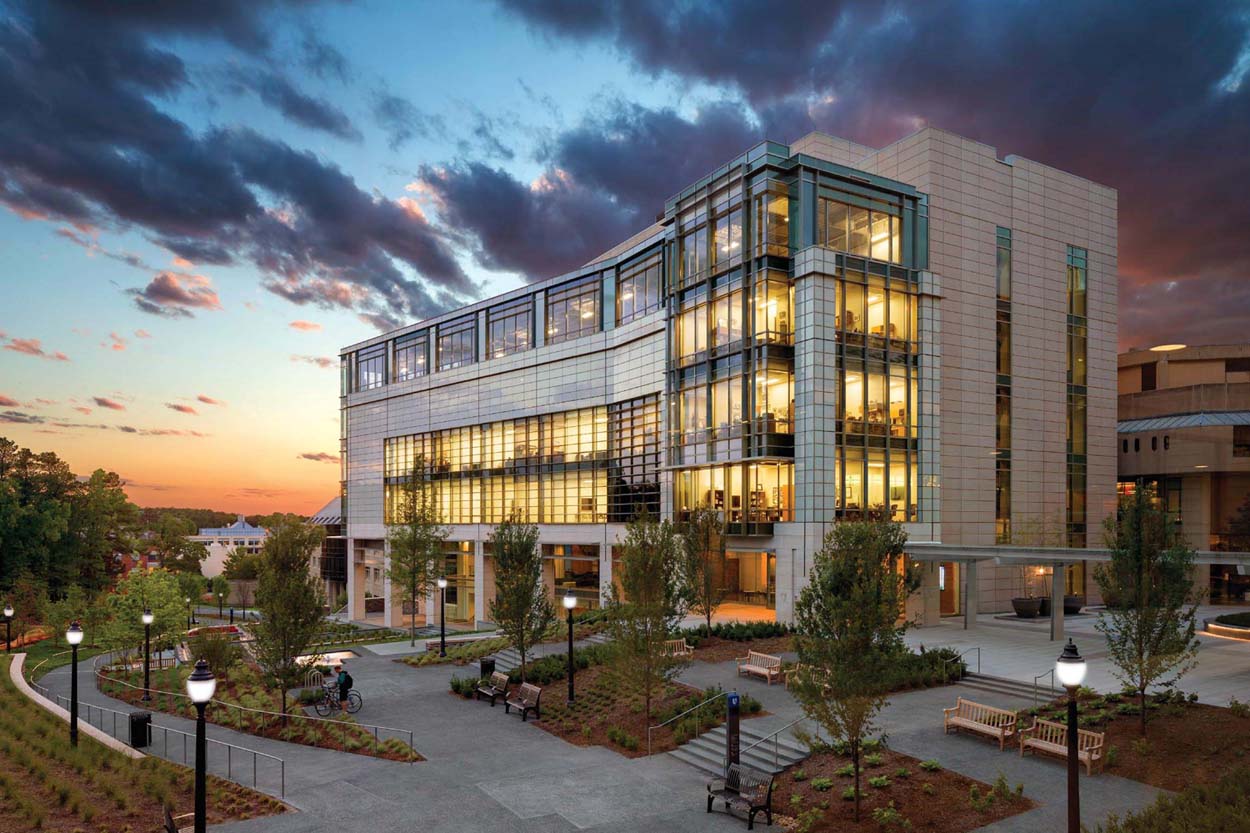
Duke University School of Medicine
Since its opening in 1930, Duke University School of Medicine has been a national leader in training medical professionals and sending them out to serve the communities of North Carolina and beyond. Planning for the school began in 1925, when James Buchanan Duke left $4 million to establish the School of Medicine along with the Duke University School of Nursing and Duke University Hospital. Today the school has nearly 2,800 regular rank faculty physicians and researchers, over 2,300 students in more than 40 health professions and graduate degree programs and more than 5,500 staff, and they make Duke the special place it is. Duke provides a wide range of health professions education programs and is recognized nationally for its patient-focused curriculum and strong programs. Its MD program holds full accreditation from the Liaison Committee on Medical Education (LCME), granted for a full eight-year cycle after a 2024-25 visit, with the next review in 2032-33.
Medical Degrees
- Doctor of Medicine (MD)
- Medical Scientist Training Program (MSTP, MD/PhD)
- Doctor of Physical Therapy (DPT)
- Occupational Therapy Doctorate (OTD)
- Physician Assistant Program (MHS, PA)
- Master of Health Sciences in Clinical Research (Clinical Research Training Program)
- Master of Biomedical Sciences (MBS)
- Master of Biostatistics
- Master of Management in Clinical Informatics
- Master of Science in Medical Physics
- Master of Science in Population Health Sciences
- Pathologists’ Assistant Training Program (MHS)
Duke University School of Medicine Highlights
Here are a few key points about Duke University School of Medicine that set it apart from other North Carolina medical schools.
Patient-centered curriculum. While most medical schools talk about being patient-centered, Duke has built that mindset into its MD curriculum, called Patient FIRST. The result is a smooth flow between academic learning and patient-focused clinical experience.
The nation’s first Physician Assistant program. Being the first school in the country to offer a Physician Assistant (PA) program is no small accomplishment. Duke paved the way for similar programs around the country and the world, making it easier for students to get the education and training needed to meet the medical needs of millions of people in the United States. Students weighing a PA career next to medicine can explore pre-PA internships to see how PAs work on a clinical team.
Scale of education. In the 2026-27 academic year, Duke enrolls 523 students in its MD program and 69 in the Medical Scientist Training Program, alongside 298 in physical therapy and 185 in its PA program.
Duke University School of Medicine Selection Factors
These are the factors the Duke admissions committee looks at closely when determining your eligibility as a candidate.
GPA. Duke’s fast-paced curriculum requires a minimum GPA of 3.0 for an application to be reviewed and evaluated by the committee. Duke does not publish the average GPA of its entering class.
MCAT. The minimum MCAT score for applicants is 500. Duke sees all of your MCAT scores and does not combine section scores from different test dates to make a higher total.
Letters of recommendation. Applicants must submit four letters of recommendation, or one committee letter, which meets the whole letter requirement. Letters should show significant familiarity with you, must be on letterhead, dated and signed, should focus on your experiences and not only your academic achievements, and are due by November 15.
Application and timing. For the 2026-27 cycle, Duke received completed and verified AMCAS applications through October 15 and accepts DukeMed secondary applications through November 15, 2026. A complete application includes the verified AMCAS application, the DukeMed secondary, four letters of recommendation, official MCAT scores and a $100 application fee.
How Competitive is Duke University School of Medicine?
Duke University School of Medicine is one of the more challenging medical schools in North Carolina to earn acceptance into, and the applicants who succeed are the ones who planned ahead, prepared as much as possible and completed each application with careful attention to detail. Duke draws a national applicant pool: its MD, Primary Care Leadership Track and MSTP interviewees for the 2025 entering class came from 138 universities and 47 states, and the entering class itself came from 66 universities and 28 states.
- Minimum MCAT: 500
- Minimum GPA: 3.0
- MD students enrolled across all four years (2026-27): 523
- Class MCAT, GPA, applications and offers: not published by Duke
Because Duke does not post applications or offers, its acceptance rate cannot be calculated from its own figures. For more information and helpful tips about applying successfully, check out How to Get Into the Duke University School of Medicine: The Definitive Guide.

University of North Carolina School of Medicine
The University of North Carolina School of Medicine was established to prepare physicians to meet the medical needs of the people of North Carolina, especially in rural and underserved regions. Its mission today is “to improve the health and well-being of North Carolinians and others whom we serve,” and its stated vision is to be the nation’s leading public school of medicine. Faculty and staff are committed to diversity in the student body and professionalism in all areas. Located in Chapel Hill, the school works closely with UNC Health, which gives students excellent clinical experiences, and it delivers about half of its clinical education through Area Health Education Center (AHEC) sites across the state.
Medical Degrees
- Doctor of Medicine (MD)
- Combined degrees: MD/PhD, MD/MPH and MD/MBA (students can earn the MD and MBA in five years, and 20 to 30 students earn an MPH each year)
- Physician Assistant (PA)
- Physical Therapy
- Occupational Therapy
- Speech-Language Pathology
The University of North Carolina School of Medicine Highlights
Here are a few key pieces of information about the University of North Carolina School of Medicine that set it apart from other North Carolina medical schools.
Focus on research. UNC School of Medicine reports $647 million in total research grants and contracts, which gives students many tools and opportunities to take part in significant medical research. Its faculty includes two Nobel Prize laureates and 23 members of the National Academies.
Statewide clinical training. In the third-year Application Phase, students spend 12 months completing core clerkships in psychiatry, surgery, pediatrics, obstetrics and gynecology, internal medicine and family medicine at one of six sites, including the Central sites (cross-regional, Raleigh and Greensboro) and campuses in Charlotte, Asheville and Wilmington. Students also rotate through hospitals such as Moses Cone Hospital in Greensboro, Carolinas Medical Center in Charlotte, New Hanover Regional Medical Center in Wilmington, Nash General Hospital in Rocky Mount, Mission Memorial Hospital in Asheville and WakeMed in Raleigh.
Diversity and service. The admissions committee looks for talented applicants of all backgrounds and for a genuine commitment to serving others, which it calls a core value of the medical profession. UNC also states that, on average, its medical students graduate with less student loan debt than peers across the country.
The University of North Carolina School of Medicine Selection Factors
The UNC School of Medicine admissions committee focuses on a few key factors when considering your eligibility and suitability as a candidate.
GPA. UNC describes a competitive in-state applicant as having a BCPM GPA over 3.2, and a competitive out-of-state applicant as having an overall undergraduate GPA of 3.59 and a BCPM GPA over 3.49. These are descriptions of a competitive applicant, not published minimums. Matriculants average a BCPM GPA of 3.6 to 3.7. UNC also requires at least 30 credit hours of AMCAS-designated BCPM coursework with letter grades.
MCAT. A competitive in-state applicant has an MCAT of 500 or higher, and a competitive out-of-state applicant 514 or higher. Matriculants average 512. The MCAT should be completed within three years of matriculation.
Letters of recommendation. UNC requires three letters of recommendation and accepts two optional letters, for a total of five. Letters from professors are recommended for at least two of them, letters from faculty and organizations must be on letterhead and signed, and a Pre-Health Committee letter may count as all three required letters. All letters are submitted through the AMCAS Letter Service.
Other rules. UNC requires a bachelor’s degree from a regionally accredited institution in the U.S. or Canada, strongly prefers in-person coursework and does not participate in the AMCAS Early Decision Program.
How Competitive is the University of North Carolina Medical School?
The University of North Carolina School of Medicine is a very challenging school to gain acceptance to, and its higher bar for out-of-state applicants adds an extra level of competition.
- Applicants: about 7,000 in a typical year
- Interviews: about 750
- Matriculants: 230
- Average MCAT of matriculants: 512
- Average BCPM GPA of matriculants: 3.6 to 3.7
- Nonresident share of each class: about 15% to 18%
UNC states that it typically admits between 3% and 5% of applicants, which makes it one of the more difficult North Carolina medical schools to get into. For more information and helpful tips about applying successfully, check out How to Get Into the University of North Carolina School of Medicine: The Definitive Guide.

Wake Forest School of Medicine
Wake Forest University School of Medicine has long been a leader in medical education, including through its Physician Assistant program, established in 1968, and its nurse anesthesia program, which dates to a certificate program founded in 1942. Its curriculum balances compassion for all patients with a foundation in evidence-based science and research: students learn from patients from day one, work in small groups and train alongside PA, nurse anesthesia and graduate students. At Wake Forest, patients are always the central focus, and research is a core mission. The school was founded in 1902 as a two-year program in the town of Wake Forest and moved to Winston-Salem as the four-year Bowman Gray School of Medicine in 1941. Today MD students choose between two four-year campuses: Winston-Salem, based at the Bowman Gray Center for Medical Education and Atrium Health Wake Forest Baptist Medical Center, and Charlotte, based at the Howard R. Levine Center for Education and Atrium Health Carolinas Medical Center in The Pearl innovation district.
Medical Degrees
- Doctor of Medicine (MD)
- MD/PhD and MD/MS in Translational and Health System Science
- Physician Assistant (PA)
- Doctor of Nursing Practice (DNP)
- Nurse Anesthesia (CRNA)
- Professional development and research programs
- Biomedical graduate programs
Wake Forest University School of Medicine Highlights
Here are a few key pieces of information about Wake Forest University School of Medicine that set it apart from other North Carolina medical schools:
Center for Experiential and Applied Learning (CEAL). CEAL gives students the opportunity to practice the skills they are learning through simulation, in a setting where safety is guaranteed and protocols can be learned hands-on. It provides simulation-based education for medical students, residents and fellows, and its Program for Medical Ultrasound reflects the institution’s role in developing ultrasound teaching in 1975.
Teaching compassionate care. Wake Forest emphasizes the compassion side of practicing medicine. Its Delivering Equal Access to Care (DEAC) Clinic is a student-run, physician-staffed free clinic for people who cannot afford health insurance and do not qualify for government assistance, serving underserved communities in and around Winston-Salem while giving medical students valuable clinical experience.
A national class. For the Class of 2030, Wake Forest received 14,403 applications, interviewed 724 applicants and enrolled 193 new students, 147 of them from outside North Carolina.
Wake Forest School of Medicine Selection Factors
The Wake Forest admissions committee focuses on a few key factors when considering your eligibility and suitability as a candidate.
GPA. To be reviewed by admissions, applicants need a minimum biology, chemistry, physics and math (BCPM) GPA of 3.2 with at least 20 BCPM credit hours. Applicants below 3.2 who have completed at least 20 hours of post-baccalaureate or graduate BCPM coursework with a BCPM GPA of 3.2 or above are reviewed by the Dean of Admissions. At least 90 hours of college coursework are required to apply, and a bachelor’s degree is required at matriculation.
MCAT. The minimum MCAT score for review is 500, and an applicant needs a 500 MCAT and the 3.2 BCPM GPA to be sent a secondary application. For 2027 admission, the oldest MCAT accepted is from January 2023, and the highest of your attempts is reviewed.
Casper. All MD applicants must complete the Casper situational judgment test for the 2026-27 cycle. Results are valid for one admissions cycle, so reapplicants retake it.
Letters and deadlines. Letters of evaluation are submitted through AMCAS and are due November 15, 2026, the same day as the Wake Forest secondary application. The AMCAS deadline was October 15, 2026, and the Early Decision deadline was August 3, 2026.
How Competitive is Wake Forest School of Medicine?
Wake Forest University School of Medicine is a very selective school.
- Applicants: 14,403
- Interviewed: 724
- New matriculants: 193 (46 from North Carolina, 147 from out of state)
- Average MCAT: 511
- Average GPA: 3.82
- Average age: 24
About 5% of applicants were interviewed for the Class of 2030, and Wake Forest does not publish the number of offers, so its acceptance rate cannot be calculated from its own figures. For more information and helpful tips about applying to this competitive program, take a look at How to Get Into Wake Forest University School of Medicine: The Definitive Guide.
ECU Brody School of Medicine
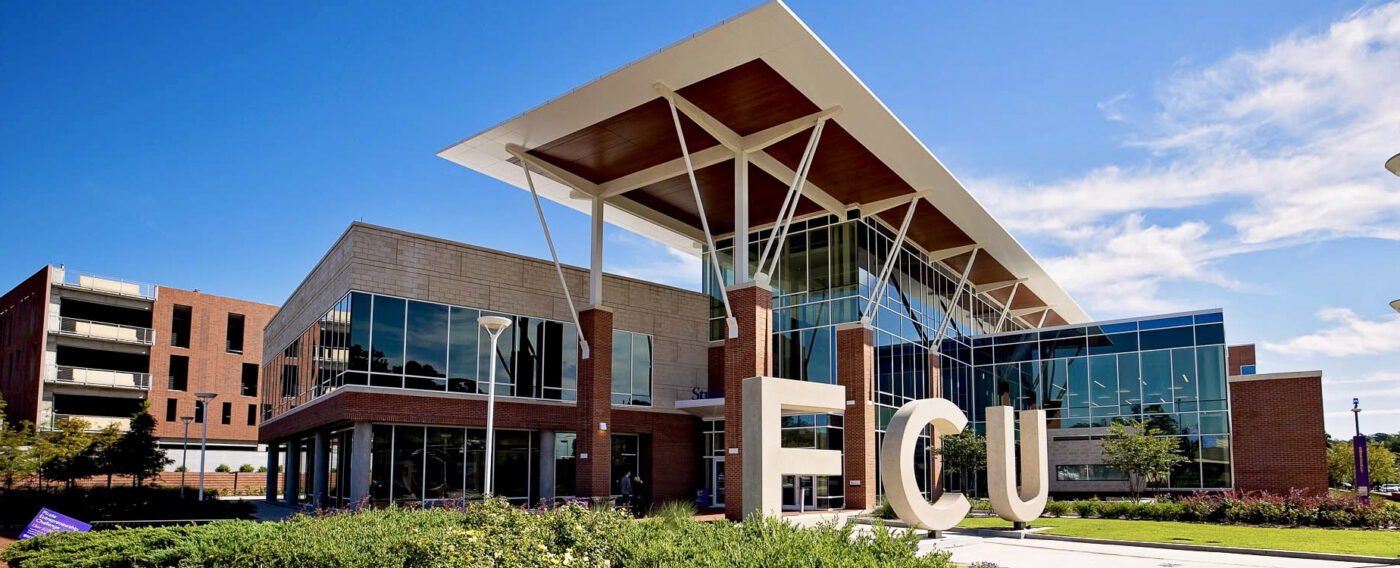
The ECU Brody School of Medicine is located in Greenville, North Carolina, and it is a popular choice among aspiring medical students from across the state. Brody offers a comprehensive education that weaves academic foundations together with hands-on clinical experience. One of its key strengths is the one-on-one, personal approach of its faculty, and its classes are small, with 96 students in the 2026 incoming class, so each student receives the attention needed. The school’s first 20 students, all North Carolinians, enrolled in a one-year program in 1972, and its charter four-year class of 28 began in 1977. Brody holds full LCME accreditation, with its next full survey in 2027-28.
Medical Degrees
- Doctor of Medicine (MD)
- PhD graduate programs
- Dual degree programs (MD/MBA, MD/MPH)
- Master of Public Health (MPH)
ECU Brody School of Medicine Highlights
The following are a couple of key strengths that set Brody apart from other North Carolina medical schools:
Personalized education. Faculty at Brody are intentional about spending as much one-on-one time with each student as possible, which is part of the school’s model. They believe more personalized education and teacher interaction lead to better prepared graduates.
Community service. Brody is known near and far as a school that prioritizes serving the community. In 2016 it was one of seven schools around the globe honored by the Association for Medical Education in Europe with an ASPIRE to Excellence Award, recognizing its social accountability.
Who it serves. Wake, Mecklenburg, Pitt, Forsyth and Guilford counties were the top home counties of the 2026 incoming class, and biology was the most common major, at 33% of the class.
ECU Brody School of Medicine Selection Factors
The admissions committee at Brody pays particular attention to a few key factors when considering your application:
Eligibility. Brody considers legal residents of North Carolina and applicants who earned a bachelor’s degree from a UNC System institution within the last five years. All applicants must be U.S. citizens or permanent residents.
GPA. The minimum undergraduate science GPA is 3.0. Applicants below the minimum must complete graduate or post-baccalaureate coursework above the average, with at least 24 hours completed at the time of application. The 2026 incoming class averaged a 3.74 undergraduate GPA and a 3.65 science GPA.
MCAT. The minimum MCAT score is 500, and the 2026 incoming class averaged 511. Brody asks applicants to take the test in the spring, and no later than the fall, of the year before they plan to matriculate.
Prerequisites. All prerequisite coursework needs a grade of C or above, core science coursework in biology, chemistry and biochemistry must have been completed within the last five years, and Brody does not accept online courses or AP credit for prerequisites.
Letters of recommendation. Brody requires three letters submitted through AMCAS: two clinical experience references, preferably from a physician or another member of a clinical team who can speak to your patient-facing work, and one professional or academic reference from someone such as a professor, research mentor, employer or advisor. Letters cannot come from family members. Alternatively, you can submit a letter from your college’s Pre-Medical Advisory Committee plus one clinical letter. Because two of those letters must speak to patient care, supervised clinical roles, from local health care jobs to pre-health internships, are worth planning early.
Application and fee. For the 2026-27 cycle, Brody accepted AMCAS applications from May 1 to October 1, 2026, and letters were due to AMCAS by October 1. Invited applicants complete a supplemental application with a non-refundable $100 fee, which is waived for AAMC Fee Assistance Program participants.
How Competitive is ECU Brody School of Medicine?
Getting an acceptance letter from Brody is no simple task. Applications have more than doubled in recent years, from 1,115 in 2024 to 2,516 in 2026, while the class has stayed small.
- Applications received: 2,516
- Matriculants: 96
- Average MCAT: 511
- Average undergraduate GPA: 3.74
- Average science GPA: 3.65
Brody does not publish the number of interviews or offers for the 2026 class, so its acceptance rate cannot be calculated from its own figures. For more information and helpful guidance about matriculating to Brody, take a look at How to Get Into ECU Brody School of Medicine: The Definitive Guide.
Campbell University School of Osteopathic Medicine
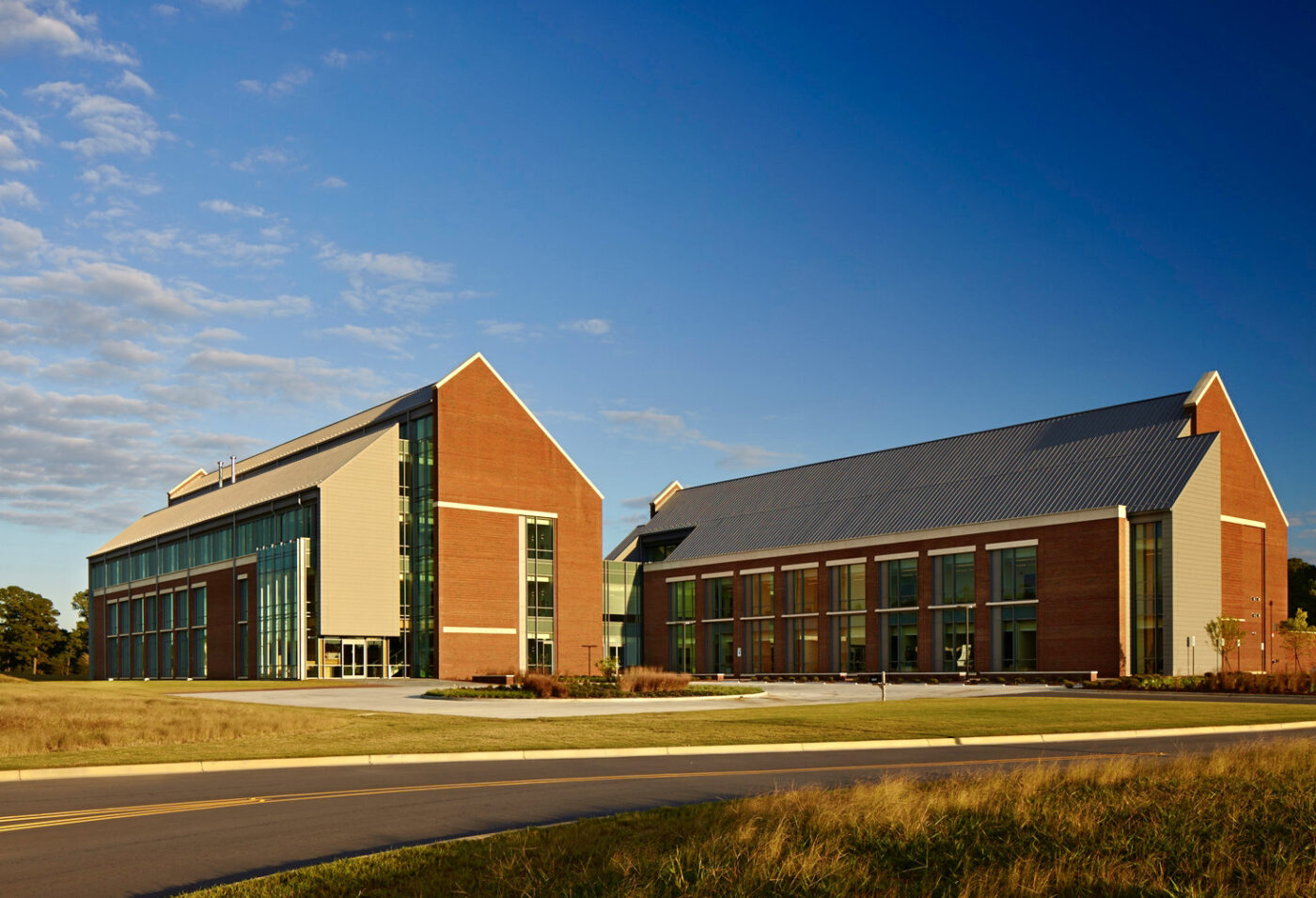
With an approved class of 150 and 162 new students in its most recent class, Campbell University School of Osteopathic Medicine (CUSOM), now named the Jerry M. Wallace School of Osteopathic Medicine, has earned a good reputation for educating and sending out well-trained osteopathic physicians since its founding in 2011. Its first class matriculated in 2013. The school made history as the first osteopathic school of medicine in North Carolina, and it is still the only one. CUSOM holds accreditation from the Commission on Osteopathic College Accreditation (COCA), and it has built an atmosphere of teamwork, professionalism, integrity, diversity and respect for all people.
Medical Degrees
- Doctor of Osteopathic Medicine (DO)
- DO/MSPH dual degree, focused on rural health, starting fall 2027
- Doctor of Behavioral Health (DBH)
- Master of Science in Biomedical Sciences (MSBS), paused for restructuring in 2026-27
- Master of Health Professions Education (MHPE); confirm current availability with the school
Campbell University School of Osteopathic Medicine Highlights
Here are a few key pieces of information about CUSOM that set it apart from other North Carolina medical schools:
Rural practice. From the beginning, CUSOM has had one prominent purpose. Its mission is “to educate and prepare community-based osteopathic physicians in a Christian environment to care for the rural and underserved populations in North Carolina, the Southeastern United States and the nation.” The school sets out to recruit and graduate students who will help close gaps in health care access for residents of rural areas and other underserved communities, and it considers an applicant’s interest in serving rural and underserved populations during admissions. Students who want early exposure to that kind of care can look at pre-med internships in settings where resources are limited.
Osteopathic medicine. Osteopathic medicine focuses on the whole patient, not just a handful of symptoms. CUSOM reviews each applicant as a whole person, “Mind, Body, and Spirit,” and promotes osteopathic medicine as a way to support healthy living and to stop illness before it happens whenever possible.
A North Carolina class. In the class entering in 2026, 53% of students were North Carolina residents, and the rest came from the Southeast and across the nation.
Campbell University School of Osteopathic Medicine Selection Factors
The CUSOM admissions committee focuses on a few important factors in your application when deciding whether you move on to the next stage.
GPA. Applicants should have at least a 3.2 science GPA and a 3.2 overall cumulative GPA on a 4.0 scale. The most competitive applicants have higher GPAs, and higher GPAs and MCAT scores may increase your chances of acceptance. The class entering in 2026 averaged a 3.60 cumulative GPA and a 3.52 science GPA.
MCAT. Campbell has no published minimum MCAT score, but most competitive applicants have MCAT scores at the 50th percentile or higher, and MCAT scores from up to three years before matriculation are accepted. The class entering in 2026 averaged 505.
Prerequisites. Required courses, each with a C or higher, include a year of English, a year of biological sciences with lab, a year of physics, a year of general or inorganic chemistry with lab and a year of organic chemistry with lab (one semester of biochemistry can replace one semester of organic chemistry).
Letters of recommendation. Applicants may submit up to seven letters of recommendation: two required letters and up to five additional letters of support. Letters may not be written by relatives. One required letter must come from a physician, and CUSOM encourages a letter from an osteopathic physician (DO), although a letter from an MD also meets the requirement. The other must come from a pre-health committee, a pre-health advisor or a faculty member with a doctoral degree. A pre-health committee packet is accepted, and letters can be sent through AACOMAS, Interfolio or by mail.
Application and deadlines. CUSOM uses AACOMAS and rolling admissions. Primary applications are accepted through March 1, invited applicants complete a secondary application with a $50 fee (AACOMAS fee waivers are accepted) by March 15, and interviews take place at virtual Applicant Days. If you are new to the osteopathic application service, IMA’s guide to AACOMAS walks through each section.
How Competitive is Campbell University School of Osteopathic Medicine?
Campbell University School of Osteopathic Medicine is a challenging school to gain admission to, with high standards for GPA and MCAT scores. Here is the profile of its most recent class:
- Class size: 162
- North Carolina residents: 53%
- Average MCAT: 505
- Average cumulative GPA: 3.60
- Average science GPA: 3.52
Campbell does not publish its number of applicants or acceptances, so its acceptance rate cannot be calculated from its own figures, but competition among applicants is strong. For more information and helpful tips about applying successfully to CUSOM, take a look at How to Get Into Campbell University School of Osteopathic Medicine (CUSOM): The Definitive Guide.
Methodist University Cape Fear Valley Health School of Medicine
The Methodist University Cape Fear Valley Health School of Medicine (MU CFVH) in Fayetteville is North Carolina’s newest medical school. It holds preliminary accreditation from the LCME, which listed it in 2025 with its next full survey in 2027-28, and Methodist University’s accreditor, the Southern Association of Colleges and Schools Commission on Colleges (SACSCOC), has approved the addition of the medical education program. Its first class of 64 students began classes in July 2026 in a new $65 million School of Medicine building and received their white coats at the school’s inaugural White Coat Ceremony on September 11, 2026. The school describes its curriculum as patient-forward, with clinical experience from day one and community-engaged education, and its students train across eight hospitals and more than 90 ambulatory sites with more than 160 credentialed faculty.
Medical Degrees
- Doctor of Medicine (MD)
Methodist University Cape Fear Valley Health School of Medicine Highlights
Community-engaged education. The school’s founding dean, Dr. Hershey Bell, describes a mission that is socially accountable, community engaged and equity focused. Students explore health equity and the factors that shape the health of communities in southeastern North Carolina.
Founding-class scholarship. Every student in the first two entering classes receives a total of $40,000 in institutional gift aid, spread across the four-year program and applied directly to tuition.
A mixed in-state and national class. The Class of 2030 includes 31 students from North Carolina and 33 from 15 other states.
Methodist University Cape Fear Valley Health School of Medicine Selection Factors
GPA. Applicants need a science GPA of 3.2 or higher, as calculated by AMCAS, and a total GPA of 3.2 or higher.
MCAT. An MCAT score of 500 or higher from within the last three years is required. For 2027 entry, the earliest MCAT accepted is from June 2023 and the latest from October 2026.
Coursework. The school has no required prerequisites or required major. It publishes a list of suggested coursework and experiences and welcomes applicants from a wide range of academic backgrounds.
Letters of recommendation. Applicants submit one committee packet or three letters of recommendation through the AMCAS Letter Service.
What the committee weighs. The admissions committee considers academic performance, extracurriculars and experiences, military affiliation and a geographic tie to the area. Its admissions staff encourage applicants to tell the story behind their path to medicine and to show growth, such as an improved MCAT score on a retake or a higher grade in a repeated course.
Application and deadlines. For the Class of 2031, which starts in fall 2027, review of candidates began July 1, 2026. The AMCAS application is due November 16, 2026 and the secondary application, with a $100 fee that can be waived for AAMC Fee Assistance Program participants, is due November 30, 2026. Secondary applications and interviews are by invitation only, and applicants must be U.S. citizens or permanent residents.
How Competitive is Methodist University Cape Fear Valley Health School of Medicine?
The school plans a class of 64 students for the Class of 2031, the same size as its first class. It has not posted class MCAT or GPA averages or its applicant and offer counts, so its acceptance rate cannot be calculated from its own figures. Its published minimums (3.2 science and total GPA, 500 MCAT) give a starting point, and its emphasis on a geographic tie and military affiliation makes it a natural fit for applicants with roots in the Fayetteville region or a connection to the military community there. First-year tuition for 2026-27 is $68,000, with a total estimated cost of attendance of $105,248.
Good Luck!
As you do your due diligence in researching which of the best medical schools in North Carolina is right for you, whether MD schools or DO schools in North Carolina, we are confident this guide will help you make the right decision. We hope the information here gives you a sense of peace as you decide on the right medical school. If you are still searching for the answer to the question “What are the best medical schools near me?”, explore our other medical school guides. Applicants looking at neighboring states can also read IMA’s guide to medical schools in Virginia.
Reach out to us at IMA if you are interested in learning more about our medical school admissions consulting services or if you would like more information about gaining clinical experience through our international healthcare internships. IMA’s medical internships abroad also include programs for nursing, pre-PA, mental health and other health careers. We are here to help you apply to the North Carolina medical schools that fit you best.
Frequently Asked Questions
How many medical schools are in North Carolina?
North Carolina has six medical schools: five MD programs (Duke University School of Medicine, the University of North Carolina School of Medicine, Wake Forest University School of Medicine, the Brody School of Medicine at East Carolina University and the Methodist University Cape Fear Valley Health School of Medicine) and one DO program, Campbell University’s Jerry M. Wallace School of Osteopathic Medicine. Wake Forest teaches on two four-year campuses, in Winston-Salem and Charlotte.
What is the newest medical school in North Carolina?
The Methodist University Cape Fear Valley Health School of Medicine in Fayetteville is the newest. It holds preliminary LCME accreditation, and its first class of 64 students began classes in July 2026. It is now recruiting its second class, the Class of 2031, which starts in fall 2027.
Is there a DO school in North Carolina?
Yes, one. Campbell University’s Jerry M. Wallace School of Osteopathic Medicine in Lillington is the first and only osteopathic medical school in North Carolina. It enrolled 162 students in its most recent class, 53% of them North Carolina residents.
Which medical schools in North Carolina accept out-of-state students?
Wake Forest, Duke, Campbell and Methodist all admit students from outside North Carolina, and Wake Forest’s Class of 2030 was about three-quarters out of state (147 of 193). UNC accepts nonresidents but gives preference to North Carolina residents, and about 15% to 18% of each class is from out of state. Brody considers only North Carolina residents and applicants who earned a bachelor’s degree from a UNC System institution within the last five years.
What MCAT score do I need for medical school in North Carolina?
It depends on the school. The latest published class averages are 512 for UNC matriculants, 511 at Wake Forest (Class of 2030), 511 at Brody (2026 incoming class) and 505 at Campbell (class entering 2026). Minimums also differ: Duke, Wake Forest, Brody and Methodist all set 500 as the score needed for review or for a secondary, UNC describes a competitive out-of-state applicant as scoring 514 or higher, and Campbell says most competitive applicants score at the 50th percentile or higher.
Which is the cheapest medical school in North Carolina?
For North Carolina residents, the public schools cost the least. Brody’s Spring 2027 schedule lists tuition of $11,488.50 per semester for full-time students ($13,094.80 with university fees), and UNC charges North Carolina residents $35,094 in tuition and fees for 2026-27. Among private schools, Campbell has the lowest tuition, at $61,180 plus $2,210 in fees, followed by Wake Forest at $66,895, Methodist at $68,000 and Duke at $72,297. UNC charges nonresidents $63,419.
What is the hardest medical school to get into in North Carolina?
Duke and UNC are usually seen as the most selective. UNC states that it admits 3% to 5% of its roughly 7,000 applicants, with a higher bar for out-of-state applicants. Duke does not publish its applicant or offer counts, but it requires at least a 3.0 GPA and a 500 MCAT and draws a national pool, with 2025 interviewees from 138 universities and 47 states. Wake Forest interviewed about 5% of its 14,403 applicants for the Class of 2030.
Do North Carolina medical schools accept international students?
Duke considers international students who hold an undergraduate degree from an accredited American college or university, or who have completed at least 48 credit hours at one, and it considers applicants who studied in Canada in the same way as U.S. citizens. UNC considers international applicants in its out-of-state pool. Wake Forest, Brody, Methodist and Campbell consider only U.S. citizens and permanent residents.
IMA Resources
International Medical Aid (IMA) offers useful tools and memorable experiences to pre-health students, medical students and clinicians. These internships for pre-med students run in teaching hospitals, where interns take vitals, do intake and triage and help with direct care under supervision, and they never perform tasks that would require a medical license in the United States. This clinical experience will stand out to the admissions committees of medical schools in North Carolina.
IMA also offers medical school admissions consulting to help applicants gain acceptance to the medical school of their choice, and our Medical School Secondary Essay Prompts Database collects the secondary essay questions schools ask. Take the secondary essay section seriously: it gives admissions committees a glimpse of what makes you unique and what kind of physician you are likely to become.
Sources
- Duke University School of Medicine: MD Program overview; About the MD Program (accreditation); Academic Expectations; MD application requirements; Admissions FAQs; Important Dates (2026-2027); 2025 MD Admissions Statistics; Financial Aid MD (2026/2027 Estimated Cost of Attendance); Facts and Figures (enrollment for 2026-2027). Checked November 10, 2026.
- University of North Carolina School of Medicine: Admissions Requirements, checked November 10, 2026; Admissions FAQs, 2026-2027 Cost of Attendance and About (facts and figures), checked October 23, 2026.
- Wake Forest University School of Medicine: MD Class Profile (Classes of 2027 to 2030); MD Program overview; Costs and Financial Aid (2026-2027 cost of attendance); Application Requirements and Technical Standards; How to Apply (2027 admission timeline); DEAC Clinic; Center for Experiential and Applied Learning; joint degree programs; nursing programs; graduate programs; history. Checked November 10, 2026.
- Brody School of Medicine at East Carolina University: Admission Requirements; Application Process and Timeline (2031 entering class); ECU Financial Services BSOM Tuition and Fees 2026-2027 (Spring 2027), checked November 10, 2026; BSOM Matriculants Dashboard (Incoming Class Year 2026) and History of the Brody School of Medicine, checked October 23, 2026.
- Campbell University Jerry M. Wallace School of Osteopathic Medicine: Student Profile; Estimated Cost of Attendance (2026-27); Osteopathic Medicine Admissions; Admissions FAQ, checked November 10, 2026; Mission, Values and Goals and Campbell News, “Campbell medical school welcomes Class of 2030” (July 22, 2026), checked October 18, 2026.
- Methodist University Cape Fear Valley Health School of Medicine: School of Medicine home page; Admissions; Admission Requirements; Admissions FAQ; Applicant Review Process; Estimated Cost of Attendance (2026-27); Methodist University news, “Class of 2030 Receives White Coats” (September 11, 2026). Checked November 10, 2026.
- Liaison Committee on Medical Education, Directory of Accredited Programs (updated November 2, 2026).
- Commission on Osteopathic College Accreditation, Colleges of Osteopathic Medicine directory (September 2026) and Candidate Status directory. Checked November 10, 2026.
See more of our guides in your Google results: add International Medical Aid as a preferred source on Google.