

Getting into Ivy League medical schools is a highly competitive process that requires a bit of strategy. It requires detailed preparation, exceptional academic performance, and a well-rounded portfolio that highlights your commitment to the field of medicine. Here are some expert tips to guide you through this challenging journey.
Ivy League medical schools are among the most prestigious and competitive medical schools in the world. Their demanding academic programs, renowned faculty, and research opportunities attract thousands of applicants each year. Harvard Medical School alone received 7,734 applications for its entering class of 2026. Getting accepted into one of these schools is a challenging but rewarding endeavor.
Seven of the eight Ivy League universities run an MD program. Princeton is the exception: it has no medical school. The seven are the Warren Alpert Medical School of Brown University, Columbia University Vagelos College of Physicians and Surgeons, Weill Cornell Medicine, the Geisel School of Medicine at Dartmouth, Harvard Medical School, the Perelman School of Medicine at the University of Pennsylvania and Yale School of Medicine. All seven hold full accreditation from the Liaison Committee on Medical Education (LCME).
Each of the Ivy League medical schools has unique strengths and offers exceptional opportunities for aspiring physicians. Below you will find a side-by-side comparison of the latest class statistics, 2026-27 costs, residency and international rules and 2026-2027 deadlines, followed by a profile of each Ivy League medical school with strategic tips to strengthen your application and improve your chances of acceptance. Every school profile links to IMA’s full admissions guide for that school.
Key Takeaways
- Seven Ivy League universities have a medical school: Brown, Columbia, Cornell (Weill Cornell Medicine), Dartmouth (Geisel), Harvard, Penn (Perelman) and Yale. Princeton does not.
- The highest published class MCAT figures belong to Yale (median 523 for the MD Class of 2029), Penn (median 522 for the 2026 entering class) and Harvard (average 521.07 for the entering class of 2026).
- Harvard made 215 offers of admission from 7,734 applications for its entering class of 2026, an offer rate of about 2.8%. Yale reports a 4.4% acceptance rate for its MD Class of 2029.
- First-year tuition for 2026-27 ranges from $73,294 at Weill Cornell to $76,828 at Harvard. Total first-year cost of attendance runs from $105,580 at Geisel to $121,950 at Harvard.
- None of the seven charges a different tuition rate by state of residence. Weill Cornell states that it gives no admissions preference to residents of any state.
- International applicants are considered at all seven, but most require at least one year of coursework at a U.S. or Canadian college, and need-based aid for non-citizens varies widely.
- Brown does not publish class MCAT or GPA figures. It requires a minimum cumulative GPA of 3.00 and admits about 45% of its MD’30 class through its eight-year Program in Liberal Medical Education (PLME).

Some Stats of Each Ivy League Medical School
Before getting into the specifics of each Ivy League medical school, let’s take a look at a comparative overview. This table outlines key statistics, including location, the newest class MCAT and GPA each school publishes, class size and applicant numbers, providing a snapshot of the competitive landscape and academic expectations at each institution. Each school publishes different measures for different classes, so the cohort and the measure (average, median or range) are shown in every row. Where a school does not publish a figure, the table says so. If you want to compare these numbers with schools outside the Ivy League, IMA keeps a list of medical school GPA and MCAT averages for every MD program.
| School | Location | Class described | MCAT | GPA | Class size | Applicants and selection | Source |
|---|---|---|---|---|---|---|---|
| Harvard Medical School | Boston, MA | Entering class of 2026 | 521.07 average | 3.96 average | 165 (135 Pathways, 30 HST) | 7,734 applications; 757 interviewed; 215 offers | HMS Admissions at a Glance, checked Nov. 11, 2026 |
| Yale School of Medicine | New Haven, CT | MD Class of 2029 (entered 2025) | 523 median | 3.94 median | 104 | 6,206 applicants; 4.4% acceptance rate (school-reported) | YSM Facts & Figures, checked Nov. 11, 2026 |
| Columbia University Vagelos College of Physicians and Surgeons | New York, NY | Class of 2030 (entered 2026); offer ranges for the 2026 cycle | 508-528 range of applicants offered admission | 3.53-4.0 range of applicants offered admission | 140 | 7,591 applicants | CUIMC news, Aug. 12, 2026 and VP&S FAQs, checked Nov. 11, 2026 |
| Perelman School of Medicine at the University of Pennsylvania | Philadelphia, PA | 2026 entering class | 522 median (mean 521.4) | 3.98 median (mean 3.95) | 154 (129 MD, 25 MD/PhD) | Not published on the class profile | Penn 2026-27 Entering Class Profile, checked Nov. 11, 2026 |
| Weill Cornell Medicine | New York, NY | Class of 2030 (entered 2026) | 518 median | 3.94 median | 106 (89 MD, 17 MD-PhD) | Over 9,000 applications; 700-750 MD interviews | WCM Admissions, Class of 2030, checked Nov. 11, 2026 |
| Geisel School of Medicine at Dartmouth | Hanover, NH | Incoming MD class on Geisel’s fast facts (updated March 2026); class size is the MD Class of 2030 | 515 median (range 503-526) | 3.82 median | 96 | 8,374 complete applications; 661 interviewed | Why Geisel fast facts, checked Nov. 11, 2026 |
| Warren Alpert Medical School of Brown University | Providence, RI | MD Class of 2030 (entered 2026) | Not published | Not published (minimum 3.00 to apply) | 144 | Not published | Brown AMS Class Profile, checked Nov. 11, 2026 |
This comparative overview highlights the admission standards across the Ivy League medical schools. A few patterns stand out. The schools that publish medians or averages report class MCAT figures between 515 and 523 and class GPAs between 3.82 and 3.98. Columbia publishes ranges instead of a midpoint: the applicants it offered admission in the 2026 cycle ranged from 508 to 528 on the MCAT and from 3.53 to 4.0 in GPA, which is a useful reminder that a median is not a minimum. Only Harvard and Yale publish enough to state an acceptance figure, and both show that fewer than one applicant in twenty receives an offer. While each institution has its unique attributes and strengths, all share a commitment to academic excellence, groundbreaking research, and the development of future leaders in medicine.
Numbers alone will not decide your list. IMA’s guide on building a medical school list explains how many programs to apply to and how to balance reach schools like these with others.

Ivy League Medical School Costs for 2026-27
Every Ivy League medical school has posted its 2026-27 student budget. Tuition is the largest single item, but housing in New York, Boston, Philadelphia or New Haven adds a great deal, so the total cost of attendance is the better number for comparing schools. All figures below are for a first-year MD student in the 2026-27 academic year.
| School | 2026-27 tuition | First-year cost of attendance | Secondary fee | Source |
|---|---|---|---|---|
| Harvard Medical School | $76,828 | $121,950 (Pathways Year 1, 10 months) | $100 | HMS Cost of Attendance 2026-27, checked Nov. 11, 2026 |
| Yale School of Medicine | $76,700 | $120,448 (M1) | $110 | YSM 2026-2027 Budget, checked Nov. 11, 2026 |
| Columbia Vagelos College of Physicians and Surgeons | $76,336 | $117,049 (first year, 10 months) | $110 | VP&S 2026-27 Estimated Budget, checked Nov. 11, 2026 |
| Warren Alpert Medical School of Brown University | $75,162 | $108,047 (MD’30, 10 months) | $120 | Brown AMS 2026-2027 Cost of Attendance, checked Nov. 11, 2026 |
| Geisel School of Medicine at Dartmouth | $75,110 | $105,580 (Phase 1, Year 1, 10 months) | $130 | Geisel Cost of Attendance 2026-2027, checked Nov. 11, 2026 |
| Perelman School of Medicine at the University of Pennsylvania | $73,852 | $117,173 (Year 1, 10 months) | $100 | Penn PSOM Student Budget 2026-2027, checked Nov. 11, 2026 |
| Weill Cornell Medicine | $73,294 | $110,316 (Class of 2030) | $100 | WCM MD Cost of Attendance 2026-2027, checked Nov. 11, 2026 |
The sticker prices are close: only $3,534 separates the highest and lowest tuition. What differs more is how each school meets financial need. Columbia’s Vagelos Scholarship Program meets 100% of demonstrated need with scholarships and no loans for students who qualify. Weill Cornell meets the full calculated need of eligible students with a WCM Scholarship that covers the gap between the cost of attendance and the family’s expected contribution. Yale meets need first with a $10,000 student loan and covers the rest with scholarships, so many students with need can graduate with as little as $40,000 of debt. Penn awards about 35 full-tuition merit scholarships each year, and Geisel provides $7 million in scholarships annually. Compare the financial aid offers you receive, not just the tuition line.
Do Ivy League Medical Schools Admit Out-of-State and International Applicants?
State residency matters far less at the Ivy League medical schools than at public medical schools. None of the seven publishes a separate in-state tuition rate; each 2026-27 budget lists one tuition figure for every student. Weill Cornell states plainly that it does not give admissions preference to residents of any state and that tuition and fees are equal for all students. Columbia’s Class of 2030 came from 30 U.S. states, Weill Cornell’s from 26 states and Brown’s from 35 states and territories. The one residency-based route is at Brown, whose Early Identification Program (EIP) offers provisional admission to promising Rhode Island residents enrolled at Providence College, Rhode Island College or the University of Rhode Island.
International applicants face more variation:
| School | International applicant policy | Source |
|---|---|---|
| Brown | Considers international applicants who have completed at least one year of coursework at an accredited U.S. or Canadian school. International students are not eligible for need-based institutional funding but may receive limited merit funding. | Brown Requirements and Criteria, checked Nov. 11, 2026 |
| Columbia | Requires premedical training at a U.S. institution; admitting students from foreign universities is rare. Nonresidents of the U.S. cannot receive federal aid. | VP&S Admissions FAQs, checked Nov. 11, 2026 |
| Weill Cornell | Welcomes international applicants, including those with degrees from abroad (WES transcript evaluation required). Financial aid goes only to U.S. citizens and permanent residents. | WCM Admissions FAQs, checked Nov. 11, 2026 |
| Geisel (Dartmouth) | Admits and enrolls international students who meet the prerequisites, which include three years of study at U.S. or Canadian colleges. | Geisel Admissions FAQ, checked Nov. 11, 2026 |
| Harvard | Applicants with academic work outside the U.S. or Canada need at least one year of college study in the U.S. or Canada; those without a U.S. or Canadian degree are rarely accepted. | HMS Eligibility, checked Nov. 11, 2026 |
| Penn | Applicants with a bachelor’s degree from outside the U.S. or Canada must complete a full-time year of biology, chemistry, biochemistry, physics and math coursework before applying. | Penn Admissions FAQ, checked Nov. 11, 2026 |
| Yale | Applicants educated outside the U.S. are eligible, but required courses must be completed at an accredited U.S., U.K. or Canadian college. International students are evaluated for need-based aid and can receive Yale scholarship funds. | YSM Pre-med Requirements, checked Nov. 11, 2026 |
2026-2027 Application Deadlines at Each Ivy League Medical School
These are the deadlines for the 2026-2027 cycle (fall 2027 entry). Several have already passed. If you are planning for the next cycle, expect similar dates but confirm them on each school’s site when AMCAS opens.
| School | AMCAS deadline | Secondary deadline | Notes | Source |
|---|---|---|---|---|
| Brown | Before October 7 | November 1, 2026 (with letters) | Interviewed candidates only are considered for admission | Brown AMCAS/MCAT, checked Nov. 11, 2026 |
| Columbia | October 15 | October 22 | Supporting documents due October 29; offers in early March | VP&S Process and Timeline, checked Nov. 11, 2026 |
| Weill Cornell | October 15, 2026 | November 16 | Virtual interviews September to February; no Early Decision | WCM Admissions Timeline, checked Nov. 11, 2026 |
| Geisel | November 2, 2026 | November 16, 2026, 11:59 PM EST | Secondary sent to applicants with an MCAT of 503 or higher | Geisel Important Dates, checked Nov. 11, 2026 |
| Harvard | October 15 | October 22 (all materials) | Decisions sent by email in early March | HMS Admissions Timeline, checked Nov. 11, 2026 |
| Penn | October 15 | November 15 (complete application) | Small Early Decision program: AMCAS by August 1, complete by August 15 | Penn Application Procedure, checked Nov. 11, 2026 |
| Yale | October 15 | November 15 (with letters) | All applicants notified by March 15 | YSM How to Apply, checked Nov. 11, 2026 |

Brown University Warren Alpert Medical School
- Location: Providence, Rhode Island
- Program type: MD (plus the MD-ScM Primary Care-Population Medicine program and MD/PhD)
- Class size: 144 (MD Class of 2030)
- Strengths: Scholarly Concentrations program, Primary Care-Population Medicine program, international exchange programs, the eight-year PLME route
- Class MCAT and GPA: not published; minimum cumulative GPA of 3.00 to apply
- 2026-27 tuition: $75,162
Brown’s MD Class of 2030 came from 57 colleges and universities and 35 U.S. states and territories, and 43% came to medical school directly from college. About 44% of the class entered through the standard AMCAS route and about 45% through the Program in Liberal Medical Education (PLME), Brown’s combined eight-year baccalaureate and MD program, which exceptionally strong candidates apply to while still in high school. High school students weighing a route like PLME can look at medical internships for high school students as an early way to test their interest in medicine. Brown’s medical school was first accredited by the LCME in 1963, the most recent initial accreditation year of the seven Ivy League medical schools.
The Brown AMS Difference
Brown’s Warren Alpert Medical School (AMS) stands out in medical education due to several distinctive factors. First, its Scholarly Concentrations Program allows students to explore specific areas of interest, aligning their medical studies with their passions, whether that is medical humanities, global health, or other fields. Demonstrating a clear connection between your chosen concentration and your previous experiences can significantly strengthen your application.
AMS places a pronounced emphasis on primary care and population medicine. The clearest example is the Primary Care-Population Medicine (PC-PM) program, a dual degree program that awards both an MD and a Master of Science. It has 16 openings, and sixteen members of the MD Class of 2030 are enrolled in it. You apply to it by choosing the MD-ScM option on Brown’s secondary application, which adds extra essay questions. If you have a demonstrated commitment to these areas, such as working with underserved populations, participating in community health initiatives, or researching health disparities, make sure these experiences are prominently showcased in your application materials.
Brown also gives its medical students international experience through exchange programs with partner schools in Brazil, China, Germany, Ghana, Haiti, Israel, Italy, Japan, Kenya, South Korea and Taiwan. Brown students can have tuition waived for projects, courses or research at the exchange institution. That makes Brown a strong choice for applicants with international experience or a strong interest in global health equity. Highlighting such experiences or aspirations during your application and interviews can underscore your alignment with this core aspect of Brown AMS. Applicants who have spent time in pre-med internships abroad can draw on what they learned about care in a different health system.
Brown University is known for its Open Curriculum, in which undergraduates develop a personalized course of study instead of completing a set of core courses. That philosophy values independent thinking, intellectual curiosity, and exploration. Show the admissions committee that you embody this ethos by detailing how you have taken initiative in your learning, pursued unique projects, or forged your own path beyond the conventional pre-med track.
Strategies for a Standout Brown Medical School Application
Crafting a compelling application to Brown AMS involves several strategic considerations. The Admissions Committee says it especially values intellectual curiosity, prior experience in research or the clinical realm, a demonstrated commitment to serving others, integrity, and enthusiasm. While research experience is generally valued, try to go beyond the norm by connecting your research to primary care, public health, or community-based initiatives. Explain how your findings could potentially translate to improving the health of underserved populations or addressing pressing health disparities.
When discussing your community engagement, focus on quality over quantity. Rather than listing numerous volunteer experiences, select a few where you have made a substantial, sustained impact. Demonstrate leadership, initiative, and a genuine passion for serving others, qualities that resonate with Brown AMS’s values.
Your personal statement and secondary essays offer a valuable opportunity to share your unique story and showcase your fit with the school. Brown’s secondary carries a nonrefundable $120 fee and must be in by November 1, and incomplete files are not reviewed. Use these essays to paint a vivid picture of yourself as not just an academically accomplished student, but also as someone deeply committed to the principles of primary care, public health, or global health. Draw upon experiences that illustrate your interest in these areas and your potential to contribute to the school’s mission.
Brown AMS interviews are often conversational in nature, so be prepared to engage in meaningful discussions about your experiences, passions, and reasons for choosing Brown. Only candidates who are interviewed are considered for admission, and all candidates should hear their interview status by early March. Express your enthusiasm for collaborative learning, research, and community engagement, all hallmarks of the Brown AMS experience.
Brown requires either one composite letter from your premedical committee or at least three individual letters (a maximum of six). Connecting with current students or alumni can offer valuable insights into the school’s culture, the application process, and what it takes to thrive as a Brown AMS student. Their perspectives can help you shape your application to best reflect your alignment with the school’s values and aspirations.
Be genuine in your application and interviews, and don’t try to mold yourself into what you think the admissions committee wants to see. Brown AMS seeks students who are passionate about medicine, committed to making a difference, and ready to embrace the school’s unique learning environment. By showcasing your individuality, your dedication to service, and your passion for learning, you’ll increase your chances of becoming part of this exceptional medical community.
Columbia University Vagelos College of Physicians and Surgeons Overview
Location: New York City, New York Program Type: MD Class Size: 140 (Class of 2030, chosen from 7,591 applicants) Strengths: Health equity mission, strong research programs, diverse patient population Offer ranges, 2026 cycle: MCAT 508-528, GPA 3.53-4.0 2026-27 tuition: $76,336
Columbia University Vagelos College of Physicians and Surgeons (VP&S) in New York City has unique strengths, including its commitment to urban health and health equity, groundbreaking research programs, and the opportunity to engage with a diverse and dynamic patient population. Its MD program states that it strives to educate physician leaders who will serve neighboring, national, and global communities through the lens of health equity. Aspiring medical students who are drawn to these aspects of VP&S can take specific steps to make their applications stand out. The 140 members of the Class of 2030 include 73 men and 67 women from 30 U.S. states.
Academic Excellence: Key to Admission
Maintain a High GPA
A high GPA is crucial for admission to VP&S. Applicants who received an offer in the 2026 application cycle had GPAs from 3.53 to 4.0, so aim for a GPA of 3.8 or higher, with strong performance in science courses such as biology, chemistry, and physics. These courses form the foundation of medical knowledge and demonstrate your ability to handle the rigorous medical school curriculum. If your college grades were uneven, Columbia’s FAQs explain how the committee views graduate coursework.
Achieve a High MCAT Score
The MCAT is a critical component of your application. Applicants offered admission in the 2026 cycle scored from 508 to 528, and if you have taken the test more than once, Columbia looks only at your highest overall score. To be competitive, aim for a score of 515 or higher. This standardized test assesses your knowledge of biological and biochemical foundations, chemical and physical foundations, psychological and social foundations, and critical analysis and reasoning skills.
Structured Study Plans: Create a detailed study schedule. Practice Tests: Regularly take practice exams to gauge your progress. Review Courses: Consider enrolling in MCAT prep courses if needed.
Gaining Clinical Experience
Shadow Physicians
Shadowing physicians offers insight into the medical profession and helps you understand the day-to-day responsibilities of a doctor. Aim to shadow doctors in various specialties to gain a broad perspective on the field. Shadowing shows you the work, but admissions committees also look for hands-on patient contact. Healthcare internships abroad with IMA place pre-health students in clinical settings where they take vitals, do patient intake and triage and help with direct care under the supervision of local clinicians.
Volunteer at Hospitals or Clinics
Volunteering demonstrates your commitment to healthcare and allows you to interact with patients and healthcare professionals. Look for long-term volunteer opportunities in diverse settings, such as emergency rooms, community clinics, and specialized departments. If your local options are limited, clinical internships for pre-med students can add supervised patient-care hours to the volunteer work you do at home.
Emphasis on Urban Health at Columbia University Medical School
One of VP&S’s defining features is its emphasis on urban health and health equity. Its stated mission is to educate physician leaders who serve neighboring, national, and global communities through the lens of health equity. This translates into training that looks closely at the health challenges faced by urban populations, from social determinants of health to health disparities.
If you have a demonstrated interest in urban health through volunteer work, research, or community engagement within urban settings, highlighting these experiences in your application can significantly bolster your candidacy. Showcase your understanding of the complexities of urban healthcare and your commitment to improving the lives of those living in urban environments.
Engage in Research
Participate in Scientific Research
VP&S is renowned for its robust research programs, covering a wide spectrum of medical disciplines. Students have access to cutting-edge research facilities and opportunities to collaborate with world-class faculty on groundbreaking projects. If you have a passion for research, be sure to emphasize this in your application materials.
Detail your research experiences, publications, presentations, and any awards or recognitions you have received. Highlight your ability to think critically, conduct independent research, and contribute meaningfully to the advancement of medical knowledge.
Seek Out Opportunities to Publish or Present Your Research
Publishing your research or presenting it at conferences adds significant value to your application. It showcases your dedication to science and your ability to communicate complex ideas.
Publications: Aim to co-author papers in reputable journals. Conferences: Present your findings at academic conferences and symposiums.
Leadership and Extracurricular Activities
Take on Leadership Roles
VP&S highly values leadership experience. Take on roles in student organizations, community service projects, or other extracurricular activities that demonstrate your ability to lead and inspire others.
Show Dedication to Activities
Consistency in extracurricular activities reflects your passion and perseverance. Participate in activities that align with your interests and show long-term commitment.
Sports: Participation in team sports can demonstrate teamwork and discipline. Arts: Involvement in artistic endeavors shows creativity and balance.
Strong Personal Statement and Essays
Write Compelling Personal Statements
Your AMCAS personal statement should convey your unique story, motivations, and aspirations. Be genuine and reflect on significant experiences that shaped your decision to pursue medicine.
Highlight Unique Experiences
In secondary essays, discuss experiences that set you apart from other applicants. Highlight your understanding of urban health, research experiences, and interactions with diverse populations.
Excellent Letters of Recommendation
Select Strong Recommenders
Choose professors, physicians, or research mentors who know you well and can provide detailed and enthusiastic endorsements of your capabilities.
Ensure Letters Highlight Your Strengths
Provide your recommenders with a comprehensive overview of your achievements, strengths, and career goals. This will help them write more personalized and impactful letters.
Preparing for the Interview
Practice Common Medical School Interview Questions
Prepare for your interview by practicing common questions and discussing your experiences, motivations, and knowledge of the medical field.
Be Prepared to Discuss Your Experiences
Review your application materials thoroughly and be ready to discuss any aspect of your background and achievements in detail.
Unique Opportunities at Columbia University Medical School VP&S
Diverse Patient Population
VP&S offers the invaluable opportunity to work with a diverse patient population that reflects the rich tapestry of New York City itself. This diversity exposes students to a wide range of medical conditions, cultural backgrounds, and socioeconomic factors that influence health outcomes.
If you have experience working with diverse populations or a demonstrated commitment to cultural competency, emphasize this in your application. Showcase your ability to communicate effectively, build trust, and provide culturally sensitive care to patients from all walks of life.
New York City as a Learning Environment
New York City itself serves as a living laboratory for VP&S students. The city’s vast network of hospitals, clinics, and community health centers offers unparalleled clinical training opportunities. If you are drawn to the energy, diversity, and cultural richness of New York City, express your enthusiasm for living and learning in this dynamic metropolis.
Show the admissions committee that you are ready to embrace the challenges and rewards of practicing medicine in one of the world’s most vibrant urban centers.
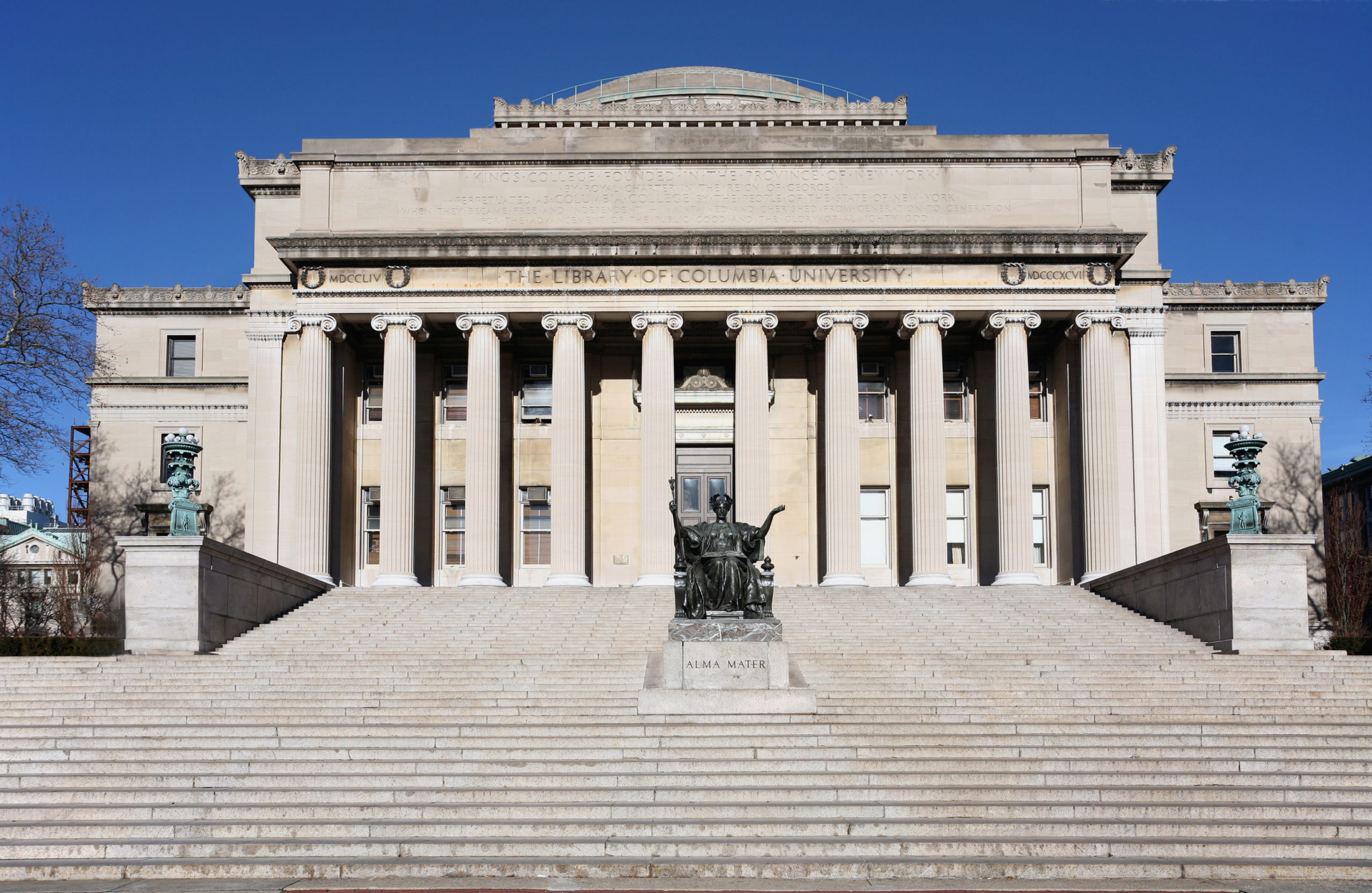
Columbia University Vagelos College of Physicians and Surgeons MD Programs
Traditional MD Program
The four-year MD program is the most common track at VP&S. It provides a comprehensive education in medical sciences and clinical practice.
3-Year PhD-to-MD Program
This program offers an accelerated path to an MD degree for people who have already completed a PhD in a biological or related science. It is tied to a residency program at NewYork-Presbyterian Hospital, so applicants need authorization to work in the United States.
Medical Scientist Training Program (MSTP)
This dual-degree program allows students to earn both an MD and a PhD, emphasizing research and clinical practice.
Columbia-Bassett MD Track
The Columbia-Bassett Program combines the full VP&S core curriculum with rural and systems-based learning. Students spend their first eighteen months on the New York City campus, then complete their major clinical year in Cooperstown, New York, where each student follows a panel of patients across many clinical events for the full year. It is a strong fit for applicants interested in rural health care and in improving how health systems work.
MD-OMFS Program
This program is designed for dental graduates. It combines oral and maxillofacial surgery training with medical education and leads to the MD.
Dual-Degree Programs
Columbia offers several dual-degree programs that students apply to after matriculating in the MD program, including MD-MS in Biomedical Sciences, MD-MPH with the Mailman School of Public Health, MD-MBA with Columbia Business School, MD-MS in Biomedical Engineering with Columbia Engineering, and MD-MA in Biomedical Informatics.
Columbia University Medical School Tuition and Scholarships
Cost of Attendance
For the 2026-27 academic year, VP&S tuition is $76,336. With fees, health insurance, educational expenses and living costs, the estimated first-year budget for a single student is $117,049 for a 10-month year. The budget assumes monthly rent of $1,475.
Scholarship Programs
In 2017, Columbia announced the Vagelos Scholarship Program, which made VP&S the first medical school in the nation to meet 100 percent of demonstrated financial need with scholarships for all students who qualify. Dr. P. Roy and Diana Vagelos committed more than $300 million to Columbia, $150 million of which went to the scholarship endowment, and the program began in the 2018-19 year. Need-based packages under the program do not include loans. Since 2019-2020, families with total annual income below $125,000 are assessed a zero contribution from income, although a parental contribution may still be assessed on assets.
Columbia University Medical School Admissions Requirements
Prerequisite Coursework
- English: Two semesters (writing-intensive courses can qualify).
- Biology: Two semesters with labs.
- General Chemistry: Two semesters with labs.
- Organic Chemistry: Two semesters with labs.
- Biochemistry: One semester; a lab is recommended but not required.
- Physics: Two semesters with one semester of lab.
Columbia accepts community college credits for prerequisite courses, and all prerequisites should be completed with a letter grade.
MCAT
Columbia accepts MCAT scores from up to three years before you apply. For the 2027 application cycle, September 2026 is the last month in which you can take the MCAT, and all supporting documents, including MCAT scores, must reach the Office of Admissions by October 29.
Holistic Review
Columbia seeks well-rounded individuals with a mix of academic excellence, healthcare commitment, and a passion for serving others. Key areas include clinical experience, research participation, leadership roles, and unique interests or talents.
Columbia Medical School Application Timeline
These are Columbia’s dates for the 2027 application cycle (fall 2027 entry):
- May: AMCAS application becomes available.
- July to October: Columbia secondary application invitations sent to all applicants who select Columbia.
- Mid-August to January: Interview invitations sent.
- September: Last month to take the MCAT for the 2027 cycle.
- October 15: AMCAS application deadline.
- October 22: Secondary application deadline ($110 fee).
- October 29: Deadline for supporting documents, including the secondary fee, MCAT scores, and letters of recommendation.
- Early March: Admission offers sent and waitlist opens.
- April 15: Admitted students withdraw from all but three schools.
- April 30: Admitted students planning to enroll select “Plan to Enroll.”
- May to August: Waitlist applicants reviewed.
- June 15: Matriculating students select “Commit to Enroll.”
Gaining admission to Columbia University Vagelos College of Physicians and Surgeons requires a comprehensive and strategic approach. By excelling academically, gaining extensive clinical and research experience, demonstrating leadership, and crafting a compelling application, you can improve your chances of success.
Remember, the journey is as important as the destination. Stay focused, seek support, and remain committed to your goal of becoming a physician. With determination and perseverance, you can achieve your dream of attending an Ivy League medical school.
By highlighting your experiences and aspirations that align with VP&S’s unique strengths (its health equity mission, robust research programs, diverse patient population, academic excellence, and commitment to service), you will significantly improve your chances of joining this esteemed medical institution. For a full walkthrough of the school, read IMA’s complete guide to Columbia Vagelos College of Physicians and Surgeons.
Be true to yourself, express your genuine passions, and showcase your unique qualities that will make you a valuable addition to the VP&S community.
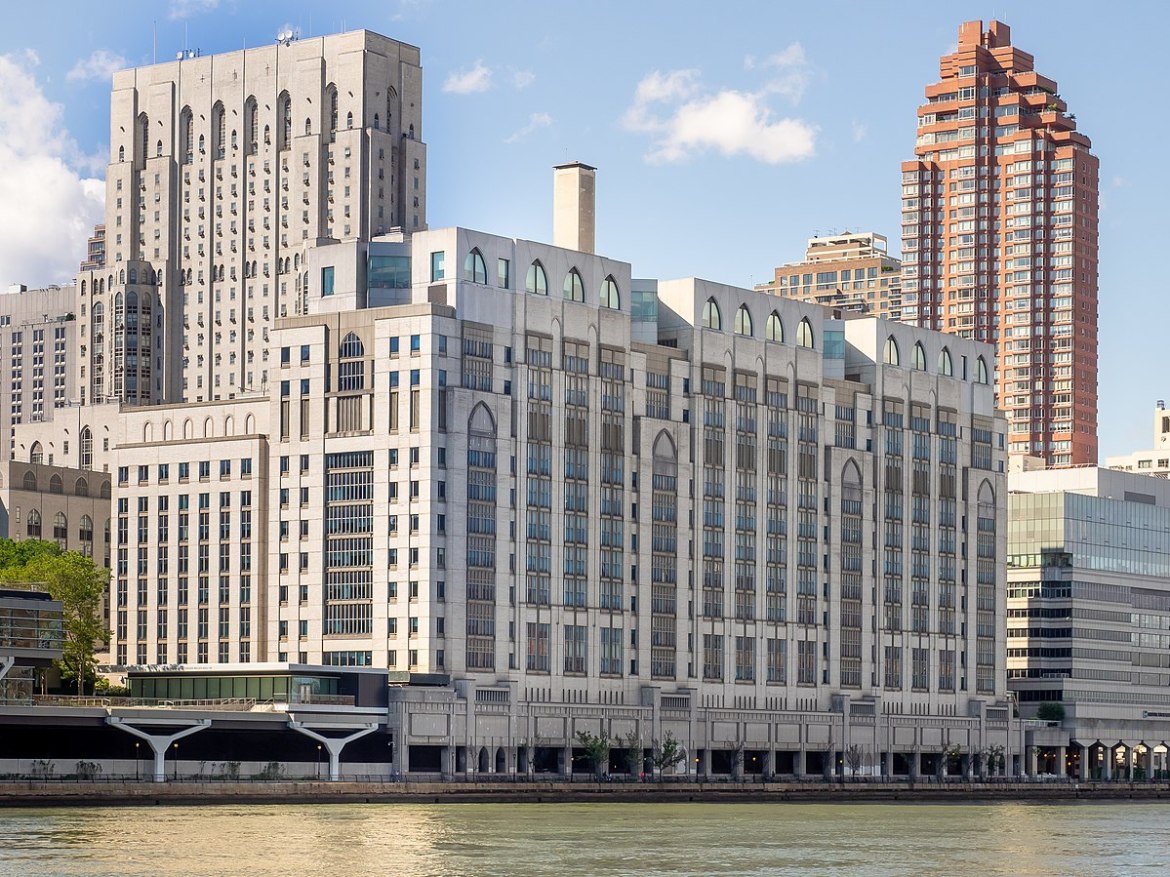
Cornell University Weill Cornell Medical School
Location: New York City, New York Program Type: MD and Tri-Institutional MD-PhD Class Size: 106 (89 MD, 17 MD-PhD; Class of 2030) Median MCAT and GPA: 518 and 3.94 (Class of 2030) Strengths: Research-intensive environment, small class size, close faculty-student relationships Applications: over 9,000 for 106 positions; 700-750 MD interviews each year 2026-27 tuition: $73,294
For those with their sights set on this prestigious medical school, there are several key strategies to consider when crafting your application. Weill Cornell’s Class of 2030 came from 41 colleges and 26 states; 81% were science majors, 17% held advanced degrees, and together the class had 60 publications.
Emphasize Your Research Experience
Weill Cornell’s Committee on Admissions looks for applicants who can critically evaluate complex issues, formulate research questions and perform research to answer them. It values research experience in basic science, social science or the liberal arts, and it encourages research in the biomedical sciences. Students are immersed in a rich environment of scientific inquiry, with opportunities to engage in research across various medical disciplines.
If you have a passion for research, be sure to highlight this prominently in your application. Detail your research experiences, publications, presentations, and any awards or honors you have received. Showcase your ability to design experiments, analyze data, and draw meaningful conclusions. Your research experiences should demonstrate not only your intellectual curiosity but also your dedication to pushing the boundaries of medical knowledge.
Highlight Collaboration and Teamwork
Weill Cornell boasts a remarkably small class size, fostering a close-knit community of learners and facilitating meaningful interactions between students and faculty. Emphasize your collaborative spirit and your ability to thrive in a tight-knit academic environment. Share examples of how you have worked effectively in teams, mentored peers, or contributed to a supportive learning community. Highlighting your interpersonal skills and your ability to build strong relationships with your classmates and professors will resonate with the admissions committee.
Engage with Faculty and Mentorship Opportunities
Weill Cornell’s faculty is known for its accessibility and dedication to student mentorship. Professors often take a personal interest in their students’ academic and professional development, providing guidance and support throughout their medical journey. When crafting your application, consider reaching out to faculty members whose research aligns with your interests. Express your admiration for their work and inquire about potential opportunities to collaborate or learn from them. This proactive approach can demonstrate your initiative, intellectual curiosity, and genuine interest in Weill Cornell’s academic environment.
Take Advantage of Clinical Training in New York City
Weill Cornell’s location in New York City offers exceptional clinical training opportunities. Students are exposed to a diverse patient population, a wide range of medical conditions, and the latest advancements in medical technology. Weill Cornell also asks applicants to explore medicine before medical school, through volunteer work, preceptor experiences or summer employment, and it says it wants meaningful rather than perfunctory participation. If you are drawn to the energy, diversity, and cultural richness of New York City, express your enthusiasm for living and learning in this vibrant city. Showcase your understanding of the unique health challenges faced by urban populations and your commitment to addressing them.
Demonstrate Academic Excellence and Diverse Interests
Weill Cornell seeks well-rounded individuals with diverse interests and experiences. While academic excellence is a given, highlighting your extracurricular activities, volunteer work, leadership roles, or creative pursuits can add depth and dimension to your application. Showcase your passion for medicine through your essays and interviews, sharing personal anecdotes and experiences that have shaped your path toward becoming a physician.
Cornell University Medical School Detailed Admissions Requirements
Academic Prerequisites
Weill Cornell requires applicants to complete specific coursework to ensure they have a strong foundation in the sciences. All prerequisites must be finished by January 31 of the year you plan to enroll and within 10 years of applying, and Weill Cornell prefers biology courses taken within five years. The required courses are:
- Biology: Two semesters, typically with lab and typically covering molecular biology, cell biology, and genetics.
- General Chemistry: Two semesters, typically with lab.
- Organic Chemistry: Two semesters, typically with lab.
- Physics: Two semesters, typically with lab. AP credit is accepted for physics only.
- Writing-intensive Courses: Two semesters.
You do not need to be a science major. Many Weill Cornell students majored in the liberal arts, and the school recommends that non-science majors take at least two terms of a basic science beyond the introductory level.
MCAT Score
The Class of 2030 had a median MCAT score of 518, but Weill Cornell states that there are no cutoffs for MCAT scores and that scores do not outweigh other parts of the application. Scores should not be older than three years at the time of application. For 2027 matriculation, Weill Cornell considers MCAT scores from January 2023 through September 12, 2026.
Financial Aid and Scholarships
Tuition and Cost of Attendance
For the 2026-27 academic year, Weill Cornell’s tuition for first-year MD students is $73,294. Including fees, housing, food, personal expenses, transportation and health insurance, the cost of attendance for the Class of 2030 is $110,316. Weill Cornell states that tuition and fees are equal for all students, so these costs are the same for New York residents and everyone else.
Financial Aid and Scholarships
Weill Cornell meets the full calculated financial need of its MD students with a WCM Scholarship that covers the gap between the cost of attendance and the family’s expected contribution, as measured through the FAFSA and CSS Profile. Institutional aid is available to U.S. citizens, eligible noncitizens and DACA students. This approach allows students from financially diverse backgrounds to attend the program and pursue careers in their areas of interest.
Additionally, all students are guaranteed housing. First-year students who are not married typically live in individual dormitory-style rooms, and the first-year budget assumes students live in Olin Hall, with shared Medical College apartments after that.
Strategies for a Successful Application to Cornell University Medical School
Show Passion for Research
Weill Cornell values applicants who demonstrate a strong commitment to research. Highlight your research experiences in your application, including any projects you have worked on, publications you have contributed to, and presentations you have given. Discuss how these experiences have prepared you for a career in medicine and how you plan to continue your research at Weill Cornell.
Emphasize Teamwork and Collaboration
Given the small class size and collaborative environment at Weill Cornell, it is important to demonstrate your ability to work well with others. Provide examples of team projects, leadership roles, and mentorship experiences. Show that you can contribute positively to the Weill Cornell community.
Highlight Clinical and Volunteer Experience
Clinical and volunteer experiences are crucial in demonstrating your commitment to medicine. Discuss any shadowing, volunteering, or work experiences in healthcare settings. Highlight how these experiences have shaped your understanding of the medical profession and prepared you for medical school.
Craft Compelling Personal Statements and Essays
Your personal statements and essays are your opportunity to showcase your unique qualities and experiences. Be genuine and reflective in your writing. Share personal anecdotes that illustrate your motivations for pursuing medicine and your understanding of the challenges and rewards of a medical career.
Obtain Strong Letters of Recommendation
Choose recommenders who know you well and can speak to your strengths, character, and suitability for a medical career. Provide them with detailed information about your achievements and goals to help them write compelling letters of recommendation.
Prepare for the Interview
If you are invited to interview at Weill Cornell, preparation is key. For the 2026-2027 season, interviews are virtual and held on Tuesdays and Thursdays. The day includes an information session with an admissions dean or director, a Q&A with medical students and two 30-minute interviews with members of the Committee on Admissions. Review your application thoroughly and be ready to discuss your experiences, motivations, and aspirations in depth. Practice common interview questions and think about how you can convey your enthusiasm for Weill Cornell and its unique offerings.
Getting into Cornell Medical School
Weill Cornell Medical School offers a challenging and rewarding path for aspiring physicians. By emphasizing your research experiences, demonstrating your ability to work in a collaborative environment, engaging with faculty, and showcasing your commitment to urban health, you can enhance your chances of admission. Remember to highlight your diverse interests and experiences, and approach the application process with authenticity and passion. With determination and strategic preparation, you can achieve your goal of joining the esteemed community at Weill Cornell Medicine.

Dartmouth College Geisel School of Medicine
Location: Hanover, New Hampshire Program Type: MD and dual degrees Class Size: 96 (MD Class of 2030) Median MCAT and GPA: 515 and 3.82 (incoming class on Geisel’s fast facts) Strengths: Rural setting, strong sense of community, health care delivery science, primary care Applications: 8,374 complete applications; 661 interviewed 2026-27 tuition: $75,110
Dartmouth College’s Geisel School of Medicine offers a unique learning environment for aspiring physicians who are drawn to rural medicine, a strong sense of community, and a dedication to primary care. Its curriculum blends science, clinical skill, research, community engagement, learning collaboratives and health care delivery science. For those with their sights set on this prestigious institution, a carefully crafted application strategy can significantly increase your chances of admission.
Emphasize Rural Medicine
Geisel’s distinctive character comes partly from its setting in rural Hanover, New Hampshire. Recognizing the unique healthcare challenges faced by rural communities is a natural theme for students there, and applicants who understand those challenges and want to serve these often underserved populations fit the school well.
If you have a demonstrated interest in rural health, perhaps through volunteer work, research, or personal experiences in rural settings, highlighting these aspects of your background in your application can make a powerful impression. Share stories that demonstrate your understanding of rural health disparities, your empathy for rural communities, and your commitment to improving healthcare access in these areas.
Foster a Sense of Community
Geisel fosters a close-knit community atmosphere, where students and faculty alike value collaboration, support, and shared learning experiences. Its fully integrated Learning Collaboratives are designed to build a strong, supportive community and team-based learning. This emphasis on community translates into a supportive learning environment where students feel connected to their peers, faculty, and the broader community of Hanover.
To resonate with this aspect of Geisel’s culture, emphasize your collaborative spirit, your ability to build strong relationships, and your willingness to contribute to a supportive learning environment. Share examples of how you have worked effectively in teams, mentored peers, or fostered a sense of community in your previous academic or extracurricular pursuits.
Highlight Primary Care Passion
Geisel places a strong emphasis on primary care, recognizing its pivotal role in promoting health and well-being. If you have a passion for primary care, be sure to showcase this in your application materials. Highlight any experiences you have had shadowing primary care physicians, volunteering in primary care settings, or conducting research related to primary care. Express your understanding of the challenges and rewards of primary care practice, and articulate your commitment to providing comprehensive, compassionate care to individuals and families.
Leverage the Location
Geisel’s location in rural New Hampshire also plays a significant role in shaping the student experience. The natural beauty of the surrounding area, coupled with a strong sense of community, creates a unique learning environment where students can focus on their studies while also enjoying outdoor activities and engaging with the local community.
If you are drawn to the tranquility and natural beauty of rural settings, be sure to express your enthusiasm for living and learning in Hanover. Share your experiences with outdoor activities, your appreciation for nature, or your desire to contribute to the well-being of a small community.
Demonstrate Commitment to Service
While academic excellence is a given, highlighting your community involvement, leadership experiences, and volunteer work can significantly strengthen your application. Geisel seeks students who are not only academically accomplished but also deeply committed to serving others. Share examples of how you have made a positive impact in your community, whether through volunteering at local health clinics, organizing community health initiatives, or advocating for underserved populations.
Dartmouth Geisel School of Medicine MD Programs
Dartmouth offers several programs through which students can earn an MD degree:
- Traditional MD Program: The standard MD program.
- MD/PhD Program: For those interested in becoming physician-scientists.
- MD/MBA Program: A joint degree with Dartmouth’s Tuck School of Business, focusing on clinical leadership, health-sector strategy and entrepreneurship. It typically takes five years, with an option for six.
- MD/MPH Program: Focused on public health.
- MD/MHA Program: Focused on health administration.
- MD/MS Program: Focused on research and health care delivery.
- MD/MEng Program: A Master of Engineering from Dartmouth’s Thayer School of Engineering, integrating engineering with medical education. Students usually complete the MEng largely in year four and finish the MD in year five.
Dartmouth Medical School Tuition and Financial Aid
For the 2026-27 academic year, tuition at Geisel is $75,110. Including fees, housing, food, books, travel, health insurance and other expenses, the first-year (Phase 1, Year 1) cost of attendance is $105,580 for a 10-month budget. Students entering Year 1 are expected to contribute $5,000 from summer earnings. Although these costs appear high, Geisel offers need-based financial aid in the form of both loans and scholarships and awards $7 million in scholarships each year.
Dartmouth Medical School Admissions Statistics
Gaining admission to Dartmouth Medical School is highly competitive. Geisel’s fast facts for its incoming MD class show 8,374 complete applications and 661 applicants interviewed, with two 30-minute interviews each. The MD Class of 2030 has 96 first-year students. The incoming class on the fast facts had a median GPA of 3.82 and a median MCAT score of 515 (range 503 to 526), and Geisel’s FAQ gives an average GPA of 3.77 and average MCAT of 516 for its entering class. Note that applicants must earn an MCAT score of 503 or higher to receive a secondary application from Dartmouth.
Dartmouth Medical School Admissions Requirements
The specific academic requirements to apply to Geisel include:
- Biology: One year (8 credit hours or equivalent).
- Physics: One year (8 credit hours or equivalent).
- Chemistry: Two years (16 credit hours or equivalent) in total: one year of any chemistry, plus one semester of organic chemistry and one semester of biochemistry.
- Math: One half-year (3 credit hours or equivalent), including either calculus or statistics.
Candidates should also have completed at least three years of study at a U.S. or Canadian college or university and earned a bachelor’s degree. Applicants should also align their applications with Geisel’s mission, which emphasizes creating leaders, revitalizing education and research, and connecting diverse people and ideas.
Dartmouth Medical School Application Timeline
Here is the admissions timeline for the 2026-2027 cycle at Geisel School of Medicine:
- May 5, 2026: AMCAS applications open.
- May 28, 2026: AMCAS applications can be submitted.
- August 2026: Interviews begin.
- November 2, 2026: AMCAS submissions close.
- November 16, 2026, 11:59 PM EST: Final deadline for secondary applications ($130 fee).
- March 2027: Interviews end.
Although you can submit your AMCAS application until November 2, the earlier you submit, the better.
Getting Into Dartmouth Medical School
By showcasing your interest in rural health, your collaborative spirit, your passion for primary care, your appreciation for rural communities, and your commitment to service, you will significantly enhance your chances of joining the ranks of this esteemed medical institution. Remember, authenticity is key. Be true to yourself, express your genuine passions, and showcase your unique qualities that will make you a valuable addition to the Geisel community.

Harvard Medical School Overview
Location: Boston, Massachusetts Program Type: MD (Pathways and HST tracks) and MD-PhD Class Size: 165 (135 Pathways, 30 HST; entering class of 2026) Average MCAT and GPA: 521.07 and 3.96 (entering class of 2026) Strengths: Renowned faculty, diverse research opportunities, extensive global health network Selection: 7,734 applications, 757 interviewed, 215 offers (about 2.8%) 2026-27 tuition: $76,828
Harvard Medical School (HMS) is an unparalleled institution renowned globally for its contributions to medical education, research, and clinical care. It serves as a beacon for aspiring physicians driven by intellectual curiosity, innovation, and a deep-seated commitment to improving the lives of patients worldwide. Its entering class of 2026 ranged in age from 21 to 33 (median 23), and 74% majored in science, math or engineering. For those with their sights set on this prestigious institution, a carefully crafted and thoughtful application is essential.
Emphasize Intellectual Curiosity and Academic Excellence
HMS has a renowned faculty made up of leading researchers and leaders in their fields. These faculty members not only share their knowledge and expertise with students but also foster an environment of intellectual rigor and scientific inquiry. To demonstrate your alignment with this academic culture, showcase your intellectual curiosity, your passion for learning, and your ability to engage in complex scientific discussions. Highlight your academic achievements, research experiences, and any interactions you have had with renowned scholars or scientists.
Highlight Extensive Research Opportunities
HMS offers a breadth and depth of research opportunities that few medical schools can match. Students have access to modern research facilities, new technologies, and a vast network of collaborators across many disciplines. To stand out, look closely at the specific research areas that match your interests. Identify faculty members whose work aligns with your passions and articulate how you envision contributing to their ongoing projects. Showcase your research experiences, publications, presentations, and any awards or honors you have received. By demonstrating your research ability and your potential to contribute to the advancement of medical knowledge, you will increase your appeal to the admissions committee. IMA’s guide to research experience for medical school explains how many hours applicants typically log and how to describe them.
Engage in Global Health Initiatives
In addition to its research strength, HMS has an extensive global health network, with partnerships and programs around the world. This emphasis on global health offers students unique opportunities to engage in research, clinical care, and advocacy efforts aimed at addressing pressing health challenges worldwide. If you have a strong interest in global health, be sure to highlight your experiences with international travel, volunteer work, research, or advocacy related to global health issues. Time spent in medical internships abroad can give you concrete patient stories to discuss. Share your understanding of the complexities of global health challenges and your commitment to improving health outcomes in underserved populations around the world. Consider reaching out to faculty members involved in global health initiatives to express your interest and ask about potential opportunities for collaboration or involvement.
Demonstrate Leadership and Compassion
While academic and research achievements are essential, HMS also values leadership potential, compassion, and a clear vision for your medical career. Share examples of how you have taken initiative, mobilized others, or effected change in your academic, professional, or personal life. Articulate your long-term career goals, whether they involve clinical practice, research, public health, or a combination thereof. Demonstrate your commitment to serving others, your passion for medicine, and your vision for how you will contribute to the field.
Craft a Compelling Personal Statement
In crafting your personal statement and secondary essays, focus on telling your unique story and showcasing your fit with HMS’s values and mission. Highlight experiences that demonstrate your intellectual curiosity, your passion for research, your commitment to global health, your leadership potential, and your compassion for others. Connect your personal narrative to the specific opportunities and resources that HMS offers, demonstrating how you will thrive in this environment and contribute to the school’s legacy of excellence.
Prepare for the Interview
During interviews, be prepared to engage in meaningful conversations about your experiences, interests, and aspirations. Express your enthusiasm for collaborative learning, research, and global health initiatives. Showcase your interpersonal skills, your ability to work effectively in teams, and your commitment to diversity and inclusion. By demonstrating your intellectual curiosity, your passion for medicine, your commitment to service, and your potential to become a future leader in the field, you will significantly enhance your chances of joining the ranks of this prestigious institution.
Detailed Admissions Requirements
Academic Prerequisites
Harvard requires specific coursework to ensure a strong foundation in the sciences:
- Biology: One year with lab experience, including cellular and molecular aspects. AP credits cannot be used.
- Chemistry/Biochemistry: Two years (four courses) covering inorganic chemistry, organic chemistry, and biochemistry, with lab experience.
- Physics: One year, with lab preferred. HST applicants must take college-level physics and are strongly encouraged to take calculus-based physics.
- Math: Pathways applicants are encouraged to complete one year, including one semester each of calculus and statistics (preferably biostatistics). HST applicants are strongly encouraged to take upper-level mathematics.
- Writing: One year, with writing-intensive courses preferred. AP credits cannot be used.
- Behavioral Sciences: Encouraged (for example, psychology or sociology).
Applicants who studied outside the U.S. or Canada need at least one year of college or university study in the U.S. or Canada.
Extracurricular Activities
Harvard values a strong extracurricular background. This includes:
- Research: Research experience is a common thread among HMS students, and HST applicants in particular are expected to show strong quantitative and research preparation.
- Shadowing and Patient Exposure: Gaining patient exposure and shadowing physicians is essential.
- Community Service and Volunteering: Longstanding and meaningful community service is highly valued.
- Leadership: Demonstrating leadership potential through various roles and initiatives.
Letters of Recommendation
HMS allows up to six letters of recommendation and requires at least three individual letters or a committee letter, including:
- At least two letters from science professors whose classes you took.
- At least one letter from a professor who is not in the sciences.
- A committee letter/packet from your school, if applicable, counts as one letter.
Letters from research supervisors may go beyond the six-letter maximum.
Application Timeline
Here are the important dates for applying to Harvard Medical School:
- Early May: AMCAS application opens.
- Early June: AMCAS application can be submitted.
- Early July: HMS secondary application opens.
- September: Interviews begin.
- October 15: AMCAS application deadline.
- October 22: HMS secondary application deadline and deadline for all materials, including letters and MCAT scores ($100 fee).
- October 30: AMCAS transcript deadline.
- January: Interviews conclude.
- Early March: Admissions decisions sent by email to all applicants on the same date.
Getting Into Harvard Medical School
Harvard Medical School offers an unparalleled education and a path for aspiring physicians to make a significant impact on the world. For 2026-27, Pathways first-year students face $76,828 in tuition and a total cost of attendance of $121,950. By emphasizing your intellectual curiosity, research experiences, global health interests, leadership skills, and compassion, you can improve your chances of admission. Approach the application process with authenticity and passion, and with strategic preparation, you can achieve your goal of joining the esteemed community at Harvard Medical School.
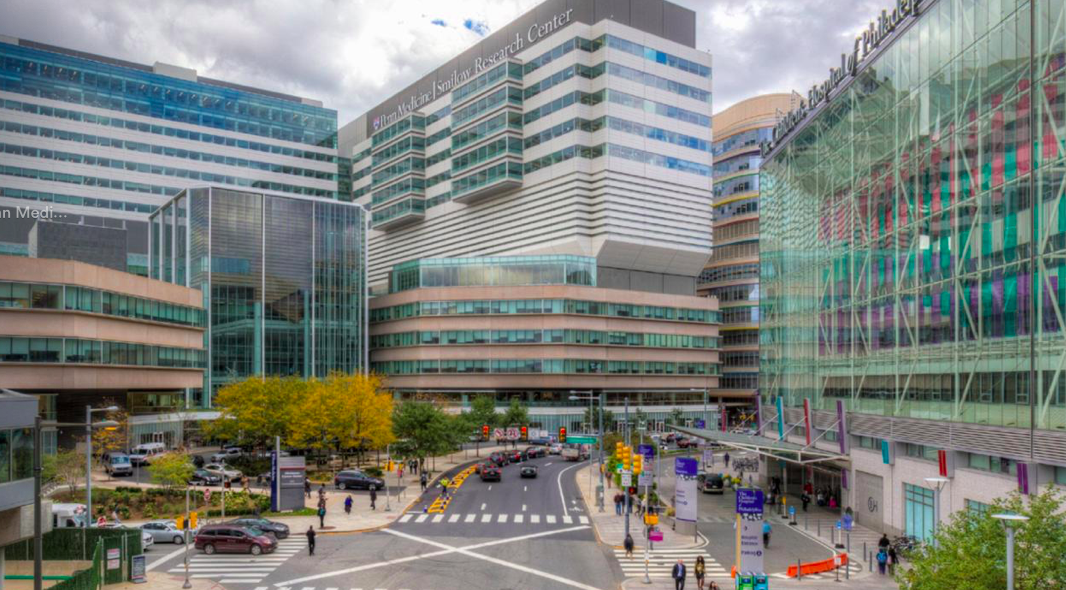
University of Pennsylvania Perelman School of Medicine Overview
Location: Philadelphia, Pennsylvania Program Type: MD and MD/PhD Class Size: 154 (129 MD, 25 MD/PhD; 2026 entering class) Median MCAT and GPA: 522 and 3.98 (2026 entering class) Strengths: Strong clinical training, translational research emphasis, diverse patient population 2026-27 tuition: $73,852
The Perelman School of Medicine (PSOM) is known for strong clinical training, an emphasis on translational research and a diverse patient population. Its 2026 entering class had a median MCAT of 522 (mean 521.4), a median GPA of 3.98 (mean 3.95), an MCAT range of 510 to 528 and a GPA range of 3.66 to 4.00. Students came from 29 states and 67 undergraduate schools, 19% were non-science majors and 72% had post-college experience. Aspiring physicians who find themselves drawn to these pillars of PSOM can strategically position their applications to maximize their chances of acceptance.
Emphasize Strong Clinical Training
PSOM’s reputation for strong clinical training is rooted in its robust curriculum and access to a wide array of clinical settings. Students are immersed in hands-on patient care from early on in their medical education, gaining exposure to a diverse range of medical conditions and treatment modalities. To showcase your alignment with this clinical focus, emphasize your clinical experiences in your application. Detail your shadowing experiences, volunteer work in healthcare settings, or any direct patient care experience you have gained.
Go beyond simply listing your experiences; provide specific examples of how you interacted with patients, collaborated with healthcare teams, and learned valuable clinical skills. Demonstrating your passion for patient care, your clinical aptitude, and your ability to apply medical knowledge in real-world settings will resonate with the admissions committee.
Highlight Translational Research Experience
PSOM’s emphasis on translational research sets it apart. The school fosters an environment where scientific discoveries are rapidly translated into clinical applications, ultimately benefiting patients. To demonstrate your interest in this unique approach, highlight any research experiences you have had that bridge the gap between basic science and clinical practice. Share examples of how your research has contributed to improving patient care or has the potential to do so in the future.
Consider reaching out to faculty members involved in translational research to express your interest and inquire about potential opportunities for collaboration. Your enthusiasm for research, your ability to think critically, and your commitment to improving patient outcomes through scientific inquiry will make a lasting impression.
Demonstrate Commitment to Serving a Diverse Patient Population
PSOM serves a diverse patient population, reflecting the rich cultural and socioeconomic diversity of Philadelphia. This diversity provides students with invaluable exposure to a wide range of medical conditions, cultural backgrounds, and socioeconomic factors that influence health outcomes.
To demonstrate your commitment to serving this diverse population, highlight your experiences working with underserved communities, your understanding of health disparities, and your ability to provide culturally competent care. Share examples of how you have engaged with diverse communities, learned from different perspectives, and adapted your communication style to meet the unique needs of each patient. Your sensitivity to cultural differences, your commitment to equity, and your ability to build rapport with patients from all walks of life will resonate with the admissions committee.
Showcase Academic Excellence and Leadership Potential
In addition to these core strengths, PSOM values academic excellence, leadership potential, and a deep-rooted commitment to service. Ensure your application reflects not only your stellar academic record but also your leadership roles in extracurricular activities, volunteer work, or community organizations. Demonstrate your passion for medicine through your essays and interviews, sharing personal anecdotes and experiences that have shaped your path towards becoming a physician.
Leverage the Dynamic Environment of Philadelphia
Philadelphia itself serves as a vibrant backdrop for PSOM students. The city’s rich history, diverse cultural scene, and thriving medical community offer a unique learning environment outside the classroom. If you are drawn to the energy and diversity of Philadelphia, express your enthusiasm for living and learning in this dynamic city. Showcase your understanding of the unique challenges and opportunities presented by urban healthcare and your commitment to contributing to the well-being of the city’s diverse population.
Detailed Admissions Requirements
Academic Prerequisites
Perelman School of Medicine does not require specific courses but expects applicants to demonstrate competency in the following areas:
- Biology
- Chemistry
- Biochemistry
- Physics
- Mathematics
Coordinate with your pre-health advisor on how to show these competencies. If you earned your bachelor’s degree outside the United States or Canada, you must complete a full-time year of biology, chemistry, biochemistry, physics and math coursework before applying.
The MCAT must be taken within three years of applying. For admission in fall 2027, applicants must have taken the MCAT between January 2023 and September 2026.
Financial Aid and Scholarships
Tuition and Costs
Tuition at Penn Medicine for the 2026-27 academic year is $73,852, and tuition plus required university and school fees comes to $80,511. Including health insurance, room, board, books, personal expenses and transportation, the first-year student budget is $117,173.
Financial Aid
Penn offers need-based scholarships and fixed-interest loans. Through the Twenty-First Century Scholars Program, it awards approximately 35 full-tuition scholarships each year based on student excellence, and every accepted student is considered. The average educational debt of MD students graduating in 2024 was about $150,000.
Application Timeline
To apply to Penn’s medical school for fall 2027 entry, follow this timeline:
- Before June 1: Early Decision candidates consult the Office of Admissions.
- August 1: AMCAS deadline for approved Early Decision applicants.
- August 15: Early Decision applications complete with Penn.
- September to January: Interviews conducted.
- October 15, 11:59 p.m. ET: AMCAS application deadline.
- November 15, 11:59 p.m. ET: Deadline for complete applications, including the $100 supplemental application.
- March: Admissions decisions released.
Penn describes its Early Decision Program as extremely selective and very limited in scope: candidates must meet the average GPA and MCAT of the previous entering class. Although you can submit your Penn application well into the fall, it is in your best interest to submit your materials as early as possible. Competitive applicants often submit their personal statements and supplemental essays as early as June or July.
Getting Into the University of Pennsylvania Medical School
The Perelman School of Medicine at the University of Pennsylvania offers a distinguished medical education that combines strong clinical training, a focus on translational research, and a commitment to serving a diverse patient population. By emphasizing your clinical experience, research involvement, dedication to serving diverse communities, academic excellence, and leadership potential, you can improve your chances of gaining admission. Approach your application with authenticity and passion, and you will be well on your way to joining the esteemed community at the Perelman School of Medicine. IMA also publishes a second, longer Perelman School of Medicine admissions guide with secondary essay examples.
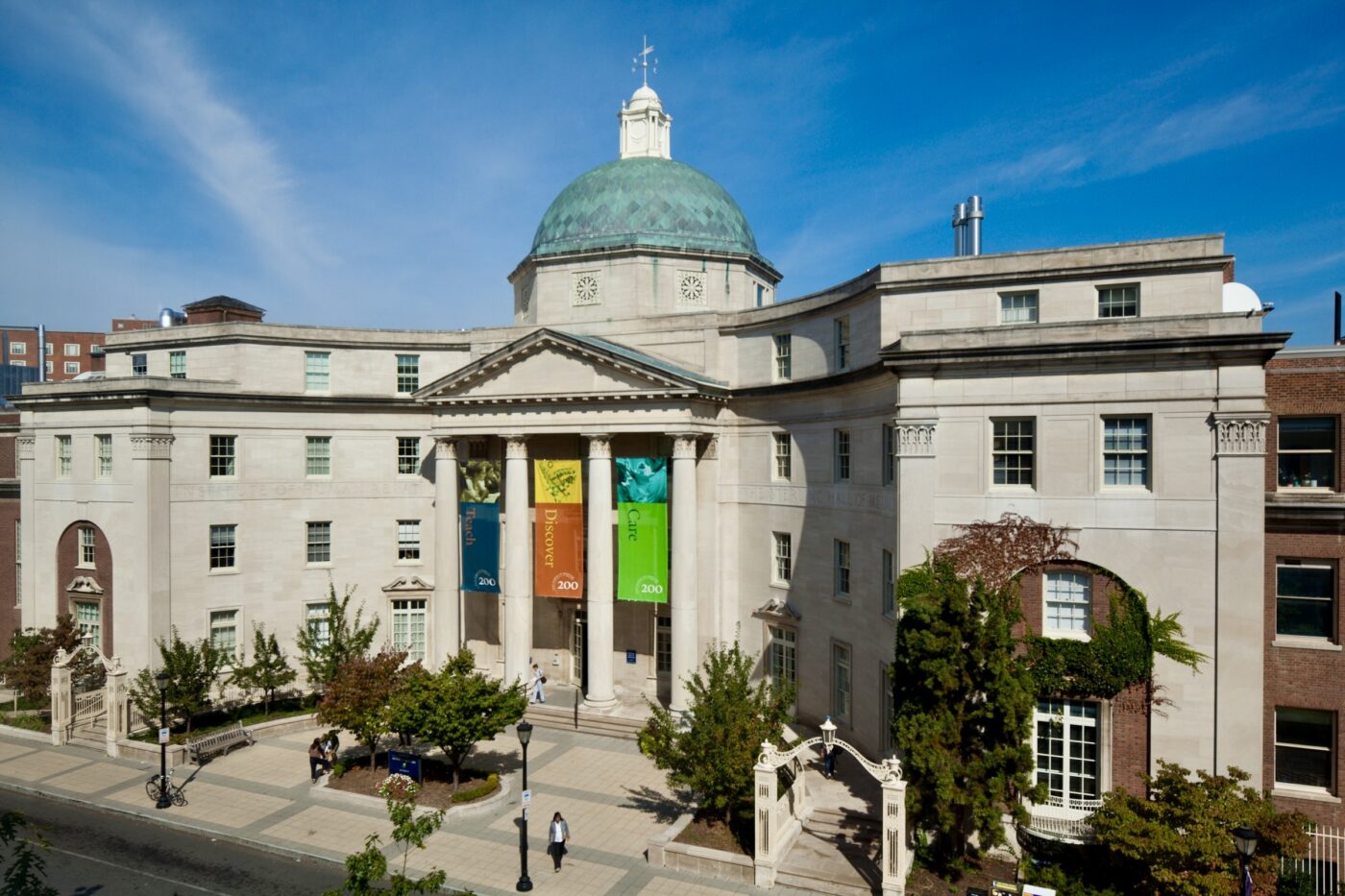
Yale School of Medicine Overview
Location: New Haven, Connecticut Program Type: MD, MD-PhD, MD/MHS and joint degrees Class Size: 104 (MD Class of 2029) Median MCAT and GPA: 523 and 3.94 (MD Class of 2029) Acceptance rate: 4.4% (MD Class of 2029, school-reported) 2026-27 tuition: $76,700
Yale School of Medicine Acceptance Rate and Admission Insights
Yale School of Medicine (YSM) stands as a leader in academic excellence, renowned for its research-intensive curriculum, strong mentorship, and collaborative learning environment that fosters innovation and discovery. YSM ranks fourth among medical schools in funding from the National Institutes of Health. The Yale acceptance rate is highly competitive: Yale reports a 4.4% acceptance rate for its MD Class of 2029, which entered in 2025, making it one of the most selective medical schools in the country. That class of 104 was chosen from 6,206 applicants. This low Yale rate of acceptance reflects the school’s high standards and the caliber of students it attracts. Understanding the Yale percentage of acceptance can help applicants set realistic expectations and prepare thoroughly.
Yale School of Medicine Tuition and Financial Aid
The Yale tuition for the medical program is significant, reflecting the comprehensive education and resources available to students. For the 2026-27 academic year, tuition at Yale is $76,700. When including fees, books, housing and food, health coverage, travel to rotations and other costs, the total first-year budget is $120,448.
Despite these high costs, Yale offers substantial financial aid packages, including need-based scholarships. For students with need, need is first met with a $10,000 student loan each year, and Yale scholarships cover the rest, so many students with calculated need can graduate with as little as $40,000 of debt. Starting in fall 2027, there is no expected parent contribution for families with an annual household income of $150,000 or less (with typical assets). Prospective students should also consider the Yale application fee of $110 for the secondary application when budgeting for their application process; it is waived automatically for applicants with an AMCAS fee waiver.
Academic Excellence at Yale School of Medicine
Prospective students must meet rigorous academic requirements to be considered for admission. The Yale GPA requirements are high: the MD Class of 2029 had a median cumulative GPA of 3.94 and a median MCAT score of 523. These Yale University GPA requirements reflect how well-prepared students are for the challenging curriculum. Knowing the answer to what GPA do you need to get into Yale is crucial for applicants to assess their readiness.
Clinical and Research Opportunities
Yale School of Medicine provides extensive clinical and research opportunities. The school’s curriculum emphasizes hands-on patient care early in the education process, giving students practical experience in diverse medical settings. Yale’s research programs are equally impressive, offering students the chance to engage in cutting-edge studies and contribute to significant medical advancements. This emphasis on research and clinical practice helps explain what is Yale known for in the medical community.
Application Process and Deadlines
The application process for Yale is detailed and requires careful planning. The Yale application deadline for the AMCAS application is October 15, and the Yale secondary application and letters of recommendation are due November 15. It’s crucial to submit materials early to improve your chances of admission. The Yale application requirements include a comprehensive review of academic transcripts, MCAT scores, personal statements, and letters of recommendation. Additionally, understanding how hard is it to get into Yale can help applicants prepare thoroughly. Key Yale deadlines and the Yale admission deadline should be marked on applicants’ calendars.
Unique Aspects of Yale School of Medicine
One of the distinctive features of Yale’s medical program is the “Yale System” of medical education, established in the 1920s. No course grades or class rankings are given in the first two years, examinations are limited, and students are expected to carry out independent investigation. Since 1839, Yale medical students have written a thesis based on original research. This system fosters a collaborative and non-competitive learning environment. Yale’s mission emphasizes innovation, leadership, and service, guiding students to become compassionate and skilled healthcare professionals.
Preparing a Strong Application
To increase your chances of acceptance, it’s essential to present a well-rounded application. Highlight your academic achievements, clinical experiences, and research projects. Demonstrating leadership through extracurricular activities and community service can also strengthen your application.
Strong letters of recommendation and a compelling personal statement are critical components that reflect your passion for medicine and fit with Yale’s values. Consider also how you meet the Yale University requirements and the Yale University admission requirements.
Yale School of Medicine MD Programs
Yale School of Medicine offers several tracks for its students to achieve their MD:
- The MD program
- The MD-PhD program, one of the original NIH-funded Medical Scientist Training Programs
- The joint MD-Master of Health Science (MHS), supported by a one-year research fellowship
- The MD/MPH program
Additionally, Yale offers joint degree programs with other professional schools, including Law (MD/JD), Management (MD/MBA), Engineering and Divinity. Many students take an optional extended year for research, clinical electives or a joint degree.
How Hard Is It to Get Into Yale School of Medicine?
With an acceptance rate of Yale of 4.4% for the MD Class of 2029, YSM is highly selective. For that class, Yale received 6,206 applications and enrolled 104 students. Here are the academic statistics for the MD Class of 2029:
- Median GPA: 3.94
- Median MCAT: 523
- Median MCAT section score: 131
Yale Medical School Admissions Requirements
To apply to Yale School of Medicine, applicants must complete at least three academic years at an accredited college and the following coursework, complete with lab:
- General biology or zoology: 2 semesters
- General chemistry: 2 semesters
- Organic chemistry: 1 semester
- Biochemistry: 1 semester (laboratory recommended but not required)
- General physics: 2 semesters
- Biostatistics or statistics: 1 semester, recommended for the 2026-27 application year and required beginning in the 2027-28 application year
Prerequisites do not need to be finished when you apply, but they must be completed before you enroll. For applications submitted in 2026, the MCAT score must be from an exam taken between January 2023 and the final test date in 2026.
Yale Medical School Application Timeline
You’ll submit your Yale School of Medicine application via AMCAS. Here are the key dates and deadlines for the 2026-2027 cycle:
- Early July: Yale secondary application opens; invitations arrive within two weeks of submitting AMCAS
- October 15: AMCAS application deadline
- November 15: Yale secondary application deadline; letters of recommendation deadline
- March 15: Applicants notified of admissions decisions by this date
- April 15: Accepted applicants narrow their offers to three schools
- April 30: Accepted applicants respond to their offer
- June 15: Applicants who “plan” to enroll must “commit” to enroll
Timeliness is crucial; submit your AMCAS primary application as soon as possible after the system opens to ensure a timely review.
Preparing a Strong Application
For aspiring physicians who resonate with YSM’s core strengths, a strategic and well-planned approach to the application process can significantly improve their chances of admission. At the heart of Yale School of Medicine’s identity lies its unwavering commitment to research. The school’s curriculum is designed to immerse students in a rich environment of scientific inquiry, providing them with the tools and opportunities to conduct original research across a wide spectrum of medical disciplines.
Highlight Your Research Experience
Yale Med students are encouraged to focus on their past research projects, detailing their specific contributions, the methodologies employed, and the impact of their findings. Showcase any publications, presentations, or awards that stem from your research endeavors. If you have conducted independent research projects or demonstrated initiative in seeking out research opportunities, emphasize this in your application materials. By demonstrating your passion for research, your critical thinking skills, and your potential to contribute to the advancement of medical knowledge, you will align yourself with the school’s core values and mission.
Emphasize Mentorship Opportunities
Another hallmark of YSM is its robust mentorship program. The school fosters a culture of mentorship, where students are paired with experienced faculty members who provide guidance, support, and opportunities for professional growth. When crafting your application, research the faculty members whose research interests align with your own and reach out to them to express your admiration for their work. Inquire about potential research opportunities or shadowing experiences. Demonstrate your initiative, intellectual curiosity, and genuine interest in learning from these accomplished mentors. By showcasing your willingness to seek out guidance and your eagerness to collaborate with faculty, you will demonstrate your potential to thrive in YSM’s mentorship-rich environment.
Showcase Collaborative Skills
Furthermore, YSM prides itself on its collaborative learning environment. Students are encouraged to work together, share ideas, and learn from each other’s diverse perspectives. To highlight your ability to thrive in this collaborative setting, emphasize your experiences working in teams, your ability to communicate effectively, and your willingness to learn from others. Share examples of how you have collaborated on group projects, contributed to team efforts, or mentored your peers. By showcasing your interpersonal skills, your ability to build strong relationships, and your commitment to teamwork, you will demonstrate your alignment with YSM’s emphasis on collaboration.
Demonstrate Academic Excellence
In addition to research, mentorship, and collaboration, YSM values academic excellence and a passion for scientific inquiry. Ensure your application reflects your strong academic record, your dedication to learning, and your intellectual curiosity. Highlight any academic awards, honors, or scholarships you have received. Use your personal statement and secondary essays to articulate your passion for medicine, your desire to understand the complex mechanisms of disease, and your vision for how you will contribute to the field.
Express Enthusiasm for New Haven
Lastly, New Haven itself offers a unique and enriching environment for YSM students. The city boasts a rich history, a vibrant cultural scene, and a strong sense of community. If you are drawn to the charm of New Haven, express your enthusiasm for living and learning in this dynamic city. Highlight any experiences you have had in the city or any connections you have to the local community. Demonstrate your understanding of the unique health challenges faced by the city’s diverse population and your commitment to addressing them.
Trying to Get Into Yale Medical School
Yale School of Medicine offers a world-class education for aspiring physicians, with competitive acceptance rates, substantial tuition costs, and comprehensive financial aid options. By familiarizing yourself with the Yale acceptance rate, Yale tuition, and other key aspects, prospective students can better prepare their applications and enhance their chances of joining this prestigious institution. Remember to emphasize your alignment with Yale’s core values, showcase your unique qualities, and prepare diligently to become a part of the YSM community.
General Tips for Getting Accepted Into Ivy League Medical Schools
Excel Academically
Excelling academically is the cornerstone of a strong medical school application. Ivy League medical schools hold high academic standards and expect applicants to demonstrate outstanding performance throughout their undergraduate studies. This involves not only maintaining a high GPA but also achieving a competitive MCAT score. By prioritizing your academic achievements, you can present yourself as a well-prepared and capable candidate ready to tackle the rigors of medical school.
Maintain a High GPA
A strong academic record is essential for admission into Ivy League medical schools. Aim for a GPA of 3.8 or higher. These institutions scrutinize your undergraduate performance, particularly in science courses. Ensure you excel in biology, chemistry (both general and organic), physics, and mathematics.
Achieve a High MCAT Score
The Medical College Admission Test (MCAT) is another critical component of your application. Aim for a score of 515 or higher. The MCAT assesses your knowledge in biological and biochemical foundations, chemical and physical foundations, psychological and social foundations, and critical analysis and reasoning skills. To achieve a competitive score, follow a structured study plan, regularly take practice tests, and consider enrolling in MCAT prep courses if needed.
Gain Clinical Experience
Gaining clinical experience is a vital part of your preparation for medical school. It allows you to understand the practical aspects of patient care, develop essential skills, and demonstrate your commitment to the medical profession. By immersing yourself in clinical settings, you can gain valuable insights into the daily responsibilities of healthcare providers and strengthen your application.
Shadow Physicians
Shadowing physicians allows you to watch the day-to-day responsibilities of a doctor up close and gain insights into the medical profession. Aim to shadow physicians in various specialties to broaden your understanding and demonstrate your interest in multiple fields. Pair shadowing with roles where you work with patients yourself. Pre-med internships through IMA put students on hospital teams where they take vitals, do intake and triage and help with direct care under supervision.
Volunteer at Hospitals or Clinics
Volunteering at hospitals or clinics shows your dedication to healthcare and your willingness to serve others. Look for opportunities that allow you to interact with patients and healthcare professionals, as this experience will be invaluable in your medical training. Long-term volunteering is more impressive than short-term stints, and volunteering in different settings such as emergency rooms, community clinics, and specialized departments can provide a diverse range of experiences. Many students use the break between semesters for this work; pre-med summer internships are one way to add concentrated clinical hours before an application cycle.
Engage in Research
Engaging in research is a critical component of your medical school application. It not only demonstrates your commitment to advancing medical knowledge but also showcases your ability to think critically, solve problems, and contribute to scientific discoveries. By actively participating in research, you can deepen your understanding of medical science and strengthen your credentials as an aspiring physician.
Participate in Scientific Research
Involvement in research projects demonstrates your ability to engage in scientific inquiry and contributes to the advancement of medical knowledge. Seek opportunities to work with professors or researchers on projects related to your interests.
Seek Out Opportunities to Publish or Present Your Research
Publishing your research or presenting it at conferences adds significant value to your application. It showcases your dedication to science and your ability to communicate complex ideas. Aim to co-author papers in reputable journals and present your findings at academic conferences and symposiums.
Leadership and Extracurricular Activities
Demonstrating leadership and engaging in extracurricular activities are essential aspects of your medical school application. Ivy League medical schools seek candidates who exhibit strong leadership skills, dedication, and a well-rounded character. By actively participating in and committing to various activities, you can showcase your ability to manage responsibilities, work in teams, and contribute positively to your community.
Take on Leadership Roles
Leadership experience is highly valued by Ivy League medical schools. Take on roles that demonstrate your ability to lead, manage, and inspire others. Hold positions such as president, vice president, or committee chair in student organizations, or lead community service projects or initiatives.
Show Dedication to Activities
Consistency and commitment to extracurricular activities reflect your passion and perseverance. Choose activities that align with your interests and stick with them over time. Participation in team sports can demonstrate teamwork and discipline, while involvement in artistic endeavors shows creativity and balance.
Strong Personal Statement and Essays
Crafting a compelling personal statement and well-written medical school essays are crucial elements of your medical school application. These components offer a unique opportunity to convey your personal journey, motivations, and aspirations. By presenting your story effectively, you can differentiate yourself from other applicants and demonstrate your passion for medicine.
Write Compelling Personal Statements
Your personal statement is your opportunity to convey your unique story, motivations, and aspirations. Write a narrative that reflects your journey, challenges, and growth. Be genuine and honest in your writing, and reflect on significant experiences that shaped your decision to pursue medicine.
Highlight Unique Experiences
In your secondary application essays, highlight experiences that set you apart from other applicants. Discuss specific instances where you demonstrated resilience, empathy, or innovation. Explain why you chose medicine as a career and discuss how your experiences have prepared you for medical school. Your AMCAS Work and Activities section is where these experiences first appear, so describe them well there too; IMA’s AMCAS Work and Activities guide shows 40 examples.
Excellent Letters of Recommendation
Securing strong letters of recommendation is a vital part of your medical school application. These letters provide admissions committees with third-party validation of your abilities, character, and potential as a future physician. They offer insight into your academic performance, work ethic, and interpersonal skills, helping to paint a comprehensive picture of you as a candidate.
Obtain Strong Letters
Select recommenders who know you well and can provide detailed and enthusiastic endorsements of your capabilities. Choose professors who have taught you in relevant courses, physicians you have shadowed or worked with, and research mentors if you have been involved in research.
Ensure Letters Highlight Your Strengths
Provide your recommenders with a comprehensive overview of your achievements, strengths, and career goals. This will help them write more personalized and impactful letters. Ask them to highlight your integrity, compassion, work ethic, and potential as a future physician.
Prepare for the Interview
The medical school interview is a critical step in the admissions process. It’s an opportunity for you to showcase your interpersonal skills, articulate your motivations for pursuing medicine, and demonstrate your fit for the school. Thorough preparation is essential to make a strong impression and increase your chances of acceptance.
Practice Common Medical School Interview Questions
Preparation is key to acing your medical school interview. Practice answering common questions to articulate your thoughts clearly and confidently. Be prepared to explain your motivation for pursuing a medical career, discuss ethical dilemmas in healthcare, and talk about your clinical, research, and volunteer experiences in detail.
Be Prepared to Discuss Your Experiences
During the interview, you should be able to discuss any aspect of your application in depth. Review your personal statement, essays, and resume to ensure you can speak confidently about your background and achievements.
More Tips for Success in Getting Into Ivy League Medical Schools
Stay Organized
Maintain an organized approach throughout the application process. Keep track of deadlines, requirements, and important documents. Use spreadsheets or application management tools to stay on top of your tasks.
Seek Guidance
Seek advice and feedback from mentors, advisors, and peers. They can provide valuable insights and help you refine your application materials.
Be Persistent
The journey to medical school can be long and challenging. Stay persistent and resilient, even in the face of setbacks. Reapplication is common, and improving your application each cycle can eventually lead to success. Brown allows applicants to apply a maximum of three times, so use each year between cycles well. Reapplicants who need more patient contact often use pre-med gap year programs to strengthen the clinical side of their application.
Stay Informed
Keep yourself updated on the latest trends and changes in medical school admissions. Follow relevant blogs, forums, and official medical school websites for the most current information.
Demonstrate a Commitment to Lifelong Learning
Ivy League medical schools look for candidates who are committed to continuous learning and self-improvement. Engage in activities that demonstrate your intellectual curiosity and desire for personal growth. Enroll in online courses or certifications related to medicine and stay informed about medical advancements by reading journals and books. If you are still in college, internships for pre-med students that place you in another country’s hospitals are another way to keep learning about how care is delivered.
Frequently Asked Questions About Ivy League Medical Schools and Admission Processes
What are the best medical schools in the world?
There is no single official answer. Ranking publishers use different methods, so the best medical school for you depends on what you want from your training: research, primary care, a particular city or a particular cost. The schools most often named among the best are known for their research, distinguished faculty, and comprehensive medical education programs, and they offer students the chance to take part in major research and clinical practice.
The Ivy League medical schools, including Harvard, Yale, Columbia, Penn and Cornell, are widely considered among the best medical schools in the world. They provide excellent medical education and have extensive networks and resources that help their graduates succeed in many medical fields. When you compare schools, look past the ranking at the class profile, the curriculum and the cost tables earlier in this guide.
Which Ivy League school is the easiest to get into?
Among the Ivy League medical schools, every program is extremely competitive, and only some publish enough data to compare. Yale reports a 4.4% acceptance rate for its MD Class of 2029, and Harvard made 215 offers from 7,734 applications for its entering class of 2026, about 2.8%. Weill Cornell receives over 9,000 applications for 106 places, and Geisel had 8,374 complete applications for a class of 96. Among the schools that publish a class MCAT midpoint, Geisel’s median of 515 is the lowest, so Geisel may be a slightly more realistic target for applicants with a strong but not top-percentile score. It still interviews only a small share of its applicants.
Despite this, it’s essential to understand that all Ivy League medical schools maintain high standards for admission. Prospective students should focus on presenting a strong application that highlights their academic excellence, research experience, and commitment to medicine. This approach is crucial regardless of which Ivy League school is the easiest to get into.
What is the best Ivy League school?
Determining the best Ivy League school depends on various factors, including personal preferences, specific academic interests, and career goals. Schools like Harvard, Yale, and Princeton are frequently highlighted as the best Ivy League schools due to their prestigious reputations, comprehensive academic programs, and extensive alumni networks.
Moreover, each Ivy League school offers unique strengths. For example, Harvard is renowned for its medical and law programs, while Princeton is known for its undergraduate education and research opportunities but has no medical school. Therefore, the best Ivy League school for one student may differ from another based on their individual aspirations and needs. For medical school specifically, the best choice is the program whose mission, curriculum and cost fit you.
What are the best Ivy League schools?
The best Ivy League schools are often considered to be Harvard, Yale, and Princeton, given their top rankings, historical prestige, and comprehensive academic offerings. These institutions provide robust undergraduate and graduate programs, extensive research opportunities, and a vibrant campus life that contributes to an enriching educational experience.
Other Ivy League institutions like Columbia, Cornell, Dartmouth, Brown, and the University of Pennsylvania also rank highly and are known for their exceptional programs and resources. Collectively, the best Ivy League schools offer students unparalleled opportunities for academic and personal growth.
Does Princeton have a medical school?
Princeton University does not have a medical school, and no Princeton program appears in the LCME’s directory of accredited MD programs. That is why there are seven Ivy League medical schools rather than eight. Princeton is known for a rigorous undergraduate education, and many Princeton graduates go on to attend medical schools across the country, including other Ivy League medical schools.
Students at Princeton, like students at any college without a medical school, prepare through premedical coursework, clinical experience, research and advising, then apply through AMCAS like everyone else.
Which Ivy League is the easiest to get into?
The ease of gaining admission to Ivy League schools varies from year to year, and Cornell University often has a reputation as the most accessible Ivy League college for undergraduates. At the medical school level, the picture is different: Weill Cornell’s Class of 2030 had a median MCAT of 518 and a median GPA of 3.94, and it receives over 9,000 applications for 106 places.
However, it is important to note that all Ivy League schools, including Cornell, have very competitive admissions processes. Applicants should strive to present strong academic records, compelling personal statements, and relevant extracurricular experiences to improve their chances of admission, regardless of which Ivy League is the easiest to get into.
What are the best Ivy League colleges?
The best Ivy League colleges are frequently cited as Harvard, Yale, and Princeton, due to their top-tier academic programs, influential faculty, and extensive resources. These colleges are known for their rigorous academic environments, diverse student bodies, and robust alumni networks.
Other notable Ivy League colleges include Columbia University, University of Pennsylvania, Dartmouth College, Brown University, and Cornell University. Each of these institutions offers unique strengths and opportunities, making them some of the best Ivy League colleges for students with diverse interests and career aspirations.
What are Ivy League medical schools?
Ivy League medical schools are the medical schools of Ivy League universities. There are seven: the Warren Alpert Medical School of Brown University, Columbia University Vagelos College of Physicians and Surgeons, Weill Cornell Medicine (whose MD-granting school is Weill Cornell Medical College), the Geisel School of Medicine at Dartmouth, Harvard Medical School, the Perelman School of Medicine at the University of Pennsylvania and Yale School of Medicine. These schools are renowned for their rigorous academic programs, groundbreaking research, and prestigious faculty.
Students attending Ivy League medical schools benefit from a wealth of resources, extensive clinical opportunities, and the prestige associated with these institutions. Graduating from an Ivy League medical school can significantly strengthen one’s career prospects in the medical field.
What is the Dartmouth medical school ranking?
Rankings change from year to year and differ by publisher, so check the current edition of any ranking you rely on. Dartmouth’s Geisel School of Medicine is highly regarded among U.S. medical schools. Its incoming class on the school’s fast facts had a median MCAT of 515 and a median GPA of 3.82, and the MD Class of 2030 has 96 students.
Geisel School of Medicine offers a supportive learning environment with a focus on innovation and collaboration. Its strong reputation is further supported by its dedicated faculty, comprehensive curriculum, health care delivery science training and the success of its graduates in many medical specialties.
Which is the cheapest Ivy League school?
For medical school, Weill Cornell has the lowest 2026-27 tuition among the Ivy League medical schools at $73,294, and Geisel has the lowest first-year cost of attendance at $105,580. Harvard has the highest tuition ($76,828) and the highest first-year cost of attendance ($121,950). The gap in tuition is only about $3,500, so financial aid usually matters more than the sticker price.
While tuition and fees at Ivy League schools are generally high, their financial aid programs can significantly reduce the overall cost for many students. Columbia meets full demonstrated need with scholarships and no loans, Weill Cornell meets full calculated need with a WCM Scholarship, and Yale’s need-based packages start with a $10,000 yearly loan. Prospective students should explore financial aid options at each institution to determine the most affordable choice for their circumstances.
Why do they call it Ivy League?
The term “Ivy League” began in sports writing. Sportswriters used it for this group of older northeastern colleges as early as 1933, and it became official in 1954 when the Ivy League athletic conference was formed. The eight members are Brown, Columbia, Cornell, Dartmouth, Harvard, the University of Pennsylvania, Princeton and Yale. Over time, the Ivy League schools became associated with academic excellence, social prestige, and selective admissions.
The name refers to ivy, which these older colleges traditionally planted in campus ceremonies; Yale is one of the schools where ivy-planting ceremonies are recorded. Today, Ivy League schools are recognized globally for their outstanding academic programs and influential alumni networks.
When are Ivy Day results announced?
Ivy Day is the day the Ivy League colleges release their regular decision results to undergraduate applicants, and the colleges announce the date each admissions season. The name also has an older meaning: it was the ceremonial day when a graduating class planted ivy or unveiled a class memorial. Ivy Day applies to college admissions, not medical school. The Ivy League medical schools each send decisions on their own schedule: Harvard sends all decisions by email on the same date in early March, Columbia sends offers in early March, and Yale notifies all applicants by March 15.
Applicants eagerly await these dates because they mark the culmination of a long application season. Those who are accepted can then compare financial aid offers before the April 30 deadline to choose a school.
Do Ivy League medical schools prefer in-state applicants?
No. None of the seven Ivy League medical schools charges a different tuition rate by state, and Weill Cornell states that it gives no admissions preference to residents of any state. Brown is the only one with a residency-based route, its Early Identification Program for promising Rhode Island residents enrolled at three Rhode Island colleges. Most Brown students from Rhode Island still apply through AMCAS like everyone else.
Do Ivy League medical schools accept international students?
Yes, all seven consider international applicants, but the rules differ. Most require at least one year of study at a U.S. or Canadian college (Geisel asks for three years, and Yale accepts required courses from U.S., U.K. or Canadian colleges). Columbia requires premedical training at a U.S. institution. Financial aid is the bigger hurdle: Weill Cornell offers aid only to U.S. citizens and permanent residents, Brown offers international students no need-based institutional funding, while Yale evaluates international students for need-based scholarships.
Which Ivy League medical school has the highest MCAT?
Among the figures each school publishes, Yale’s median MCAT of 523 for the MD Class of 2029 is the highest, followed by Penn’s median of 522 for its 2026 entering class and Harvard’s average of 521.07 for its entering class of 2026. Weill Cornell’s Class of 2030 median is 518 and Geisel’s incoming-class median is 515. Columbia publishes a range (508 to 528 for applicants offered admission in the 2026 cycle), and Brown does not publish class MCAT figures.
What is the minimum MCAT for Ivy League medical schools?
Most of these schools do not set an MCAT cutoff. Weill Cornell says there are no cutoffs for MCAT scores. Geisel is the clear exception: it sends its secondary application only to applicants with an MCAT of 503 or higher. Brown sets a minimum cumulative GPA of 3.00 rather than an MCAT minimum. In practice, the published medians of 515 to 523 tell you more than any cutoff.
How much are secondary application fees at Ivy League medical schools?
For the 2026-2027 cycle, the fees are $100 at Harvard, Penn and Weill Cornell, $110 at Columbia and Yale, $120 at Brown and $130 at Geisel. Applicants with an AMCAS fee waiver can have the fee waived at most of these schools, so check each school’s policy before you pay.
Do any Ivy League medical schools offer Early Decision?
Penn runs a small Early Decision Program that it calls extremely selective and very limited in scope, with an August 1 AMCAS deadline. Weill Cornell states that it does not participate in Early Decision. For the other schools, plan on the regular deadlines listed in the deadline table above.
How can I get clinical experience before applying to an Ivy League medical school?
Start with steady, local roles such as hospital volunteering, scribing or clinical work, and add shadowing across specialties. Many applicants also complete pre-health internships during a summer or gap year to get supervised, hands-on patient contact. What matters most to admissions committees is what you did, what you learned and how you reflect on it in your essays and interviews.
How to Get Into Ivy League Medical Schools
Gaining admission to an Ivy League medical school requires a comprehensive and strategic approach. By excelling academically, gaining extensive clinical and research experience, demonstrating leadership, and crafting a compelling application, you can improve your chances of success. Remember, the journey is as important as the destination. Stay focused, seek support, and remain committed to your goal of becoming a physician. With determination and perseverance, you can achieve your dream of attending an Ivy League medical school.
Clinical experience is one area where many strong applicants fall short. International Medical Aid runs clinical internships that place pre-health students in hospitals in Kenya and Peru. Interns work under the supervision of local doctors and nurses, taking vitals, doing patient intake and triage and helping with direct patient care. These programs are not affiliated with any of the Ivy League medical schools and do not affect admissions decisions, but they can give you real patient experiences to reflect on in your essays and interviews. College students can join as one of IMA’s medical internships for undergraduates.
International Medical Aid also offers support to aspiring medical students through its admissions advisors. Here are 20 reasons why! Our experienced advisors provide personalized assistance to help you stand out in this competitive field. Contact us today to take the first step toward your medical career and ensure you have the guidance you need to succeed.
Sources
School figures in this guide come from each school’s own pages, checked November 11, 2026, unless noted:
- Accreditation: LCME directory of accredited programs (updated November 2, 2026).
- Brown: Class Profile (MD Class of 2030), Routes of Admission, Requirements and Criteria, Secondary Application, AMCAS/MCAT, Admissions FAQ, 2026-2027 Cost of Attendance, International Exchange Programs; Brown University Open Curriculum page.
- Columbia: CUIMC news, “VP&S Welcomes 140 Future Physicians at White Coat Ceremony” (August 12, 2026); VP&S Admissions FAQs; Application Requirements and Process and Timeline (2027 cycle); 2026-27 Estimated Student Budget (July 2, 2026); Vagelos Scholarship Program; MD Dual Degrees and Special Programs; Columbia-Bassett Program.
- Weill Cornell: Admissions page (Class of 2030 profile); Admissions FAQs; Selection Criteria and Requirements; Admissions Timeline; How to Apply; MD Cost of Attendance 2026-2027; Medical Degree Program financial aid.
- Geisel: Why Geisel fast facts (updated March 2026); White Coat Ceremony news (September 29, 2026); Admissions FAQ; Admissions Requirements; How to Apply; Important Dates; Dual Degree Programs; Cost of Attendance 2026-2027.
- Harvard: Admissions at a Glance (Entering Class of 2026) and Cost of Attendance 2026-27, read October 18, 2026; Prerequisite Courses, Submitting an Application, Eligibility and Admissions Timeline pages.
- Penn: 2026-27 Total Enrollment and Entering Class Profile; Student Budget AY 2026-2027; Application Procedure; Admissions FAQ; Financial Aid Overview; How to Apply for Aid.
- Yale: YSM Facts & Figures (updated September 3, 2026); MD Academic Year 2026-2027 Budget; How to Apply; Pre-med Requirements; Affording Medical School; Financial Aid FAQ; International Students.
- Origin of the Ivy League name: Ivy League (Wikipedia).
See more of our guides in your Google results: add International Medical Aid as a preferred source on Google.