The Alice L. Walton School of Medicine (AWSOM) is not just another entry in the expanding list of new medical schools. This medical school is a purposeful reinvention of what medical education can and should be. Founded in 2021 in Bentonville, Arkansas, AWSOM sets out to challenge many of the longstanding norms in medical training. With a curriculum built on Whole Health principles, a commitment to community and rural health, and a deeply embedded culture of self-care and empathy, AWSOM is positioning itself as an agent of change in modern medicine.
Overview of the School
This is not the kind of school that simply follows tradition. It doesn’t center prestige or research rankings. Instead, it aims to create future physicians prepared to serve real people in real communities, especially in parts of the country where access to care is inconsistent or nonexistent. The emphasis is on producing graduates who are competent, compassionate, and resilient, trained in settings that resemble the environments where they will eventually practice.
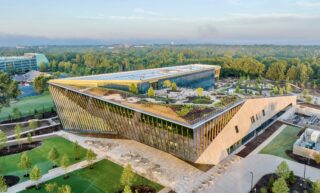
Located in a growing corner of Northwest Arkansas, the AWSOM campus offers more than just beautiful surroundings. It provides a model for how learning environments can support well-being and collaboration. The facility is custom-built to accommodate small-group, flipped-classroom learning and features wellness spaces, simulation labs, collaborative study areas, and outdoor access. From the layout of classrooms to the integration of mindfulness practices, AWSOM’s campus was built to match its mission.
Most notably, AWSOM is offering full tuition and most fees waived for its first five cohorts of students. This is a conscious strategy to remove financial barriers for students who want to serve without being saddled by six-figure debt. Combined with a comprehensive financial wellness program, this makes AWSOM one of the most accessible MD programs in the country.
What follows in this guide is a detailed look at how AWSOM operates, what it values, how it selects students, and what you can expect if you are admitted. We’ll walk through each stage of the process, from deadlines to interviews, and cover the curriculum, financial aid, student life, and the core philosophies that distinguish AWSOM from peer institutions. If you’re looking for a medical school where whole-person care applies not just to patients but to physicians in training and where empathy and evidence-based practice stand side-by-side AWSOM may be the right fit for you.
What’s In This Guide
- Intro and School Overview
- Mission Statement / Educational Philosophy
- Curriculum Structure
- Key Stats & School Profile
- Application Timeline & Deadlines
- Application Requirements & Process
- Secondary Essays
- Interview Process
- Financial Aid
- Student Life
- Research / Capstone
- Campus Environment & Community
- Community Partnerships
- Student Clubs & Extracurriculars
- FAQs / Final Advice
Mission Statement and Vision
AWSOM’s mission is direct, but expansive in its reach: to train physicians who are devoted to transforming the health of medically underserved and rural communities in Arkansas, the surrounding states, and beyond. This mission is about action applying a whole-person approach to care, deploying technologies in new ways, and bridging gaps where the healthcare system has long fallen short.
The school’s vision is to equip and support physicians and health professionals to successfully tackle the healthcare challenges of the 21st century. That means moving beyond the rote memorization of medical facts and diving deeply into how healthcare is delivered, how health is defined, and how physicians can lead system-level change from wherever they practice. In AWSOM’s eyes, doctors are not just clinical experts. They are community leaders, problem-solvers, and change agents.
Everything at AWSOM flows from six foundational values:
- Empathy – Cultivating a deep understanding of patients’ lived experiences.
- Self-Care – Prioritizing physician well-being as a component of patient care.
- Inclusivity – Training physicians to serve diverse populations with cultural humility.
- Humanism – Respecting the dignity of every patient and colleague.
- Entrepreneurialism – Encouraging innovation in healthcare delivery.
- Community Focus – Serving with purpose in areas of critical need.
These are not just guiding principles tucked into a website footer. They are present in the classroom, on clinical rotations, in the design of the school building, and in the types of partnerships AWSOM cultivates across the region. You will not just learn these values, you will be expected to live them.
Educational Approach
Medical education at AWSOM doesn’t start with PowerPoints and end with shelf exams. Instead, it begins with context and connection. The school uses an active, student-centered approach to learning, favoring flipped classrooms, small-group discussions, case-based learning, and early clinical immersion. You will come to class prepared and then engage directly with peers and faculty to apply, question, and practice what you’ve studied.
Students are introduced to clinical environments within the first month of Phase 1 and continue to engage with standardized patients and real-world clinical settings throughout the pre-clinical years. The goal is not to delay patient interaction and to make it routine from the beginning. In the AWSOM model, every learning moment should feel relevant to what you’ll eventually do with real patients.
Note: AWSOM does have minimum academic requirements (MCAT 500, GPA 3.4) and highly recommends the PREview test.
The ARCHES curriculum, short for Art of Healing, Research, Clinical Practice, Health Systems Science, Embracing Whole Health, and Science of Medicine, is not siloed. Each theme is integrated across all four phases of the curriculum. Rather than boxing off topics like ethics, healthcare disparities, or mental health into single modules, these elements are layered into every system and skillset taught.
Phase 1 focuses on foundational sciences, clinical skills, and the Integrated Principles of Medicine (IPM), a longitudinal course that ties everything together. Phase 2 builds on this with organ-system-based blocks and more advanced clinical training. Phase 3 introduces core clerkships in family medicine, surgery, internal medicine, pediatrics, psychiatry, OB/GYN, and more, rotating students through regional hospitals and clinics across Northwest Arkansas. Phase 4 allows students to focus on electives, complete a scholarly project, and prepare for residency applications with a dedicated prep course and mentoring.
Assessment is competency-based. In the first two years, students are graded on a Pass / Pass with Remediation / Fail scale. In the final two years, clinical performance is assessed on an Honors / High Pass / Pass / Fail scale. Students are ranked in quartiles for the purposes of the Medical Student Performance Evaluation (MSPE), but internal ranking is otherwise de-emphasized.
This is not an easy curriculum, but it is a thoughtful one. It’s designed to produce doctors who are excellent clinicians, critical thinkers, and advocates for patients and communities.
Key Statistics
Because AWSOM is still in its early years, many statistics are not yet publicly available. However, here’s what we know based on current admissions data and institutional disclosures:
- Year Founded: 2021
- Degree Offered: MD (Doctor of Medicine)
- Campus Type: Suburban
- Primary Location: Bentonville, Arkansas
- Application Service: AMCAS
- Combined Degree Options: None currently offered (MD-only program)
- Class Size: Not published
- MCAT Range Accepted: Oldest MCAT considered is January 2022; latest is September 13, 2025
- Tuition: Fully waived for the first five student cohorts (tuition-free through all four years)
- Deposit Required: No
- Interview Format: Two 30-minute one-on-one interviews via Zoom; interviewers are blinded to GPA, MCAT, and biographical data
- First Day of Class: July 13, 2026
- Primary Application Deadline: November 1, 2025
- Secondary Application Deadline: December 1, 2025
AWSOM does not currently report median GPA or MCAT scores for admitted students, and there is no public data yet on acceptance rates, number of interviews, or average applicant profiles. This may change as the program matures and publishes more metrics. For now, the emphasis in their admissions process is clearly on alignment with mission and values over sheer academic performance.
Curriculum and Clinical Training Highlights
The Alice L. Walton School of Medicine’s curriculum is split into four clearly defined phases. It is competency-based and holistic by design. What makes it stand out from other schools is not just what is taught but how and why it’s taught.
Phase 1: Students begin their medical education with a focus on foundational sciences and the Integrated Principles of Medicine course (IPM). Simultaneously, they begin working with standardized patients to develop communication, empathy, and clinical reasoning skills. Whole Health concepts are embedded from day one, giving students a framework for care that extends beyond disease management.
Phase 2: This stage follows an organ-system format and focuses on building upon the knowledge and clinical reasoning introduced in Phase 1. Students continue working with mentors and standardized patients, now using their scientific understanding in more complex, layered case discussions. Wellness and health systems science remain integrated throughout.
Phase 3: Students enter full-time clinical clerkships in major specialties, including:
- Internal Medicine
- Family Medicine
- Surgery
- Pediatrics
- Psychiatry
- Obstetrics and Gynecology
These rotations occur across regional partner hospitals and clinics. Early clinical exposure prepares students for this phase by giving them months of guided, structured patient interaction.
Phase 4: Students explore electives, select rotations that support their intended specialty, and complete their scholarly research project. A required residency preparation course walks students through the ERAS process, interview practice, and specialty-specific guidance. There’s also time to finalize and submit a research paper or project for presentation.
Curriculum and Instructional Design
At the Alice L. Walton School of Medicine, curriculum is not a rigid, inherited structure it is a living, adaptive framework built to reflect the needs of 21st-century healthcare. It is not simply about completing modules or memorizing pathophysiology for board exams. Instead, it is centered around six core domains that define the AWSOM experience: the Art of Healing, Research, Clinical Practice, Health Systems Science, Embracing Whole Health, and the Science of Medicine. These are not electives or tracks. They are the foundation of the curriculum, present in every semester, in every phase, for every student.
The curriculum is built into a four-phase model that spans the traditional four-year MD track. However, the way these phases are taught is anything but traditional. Instead of large-group lectures, AWSOM leans on a flipped-classroom model where students arrive to learning sessions already familiar with content and use class time to engage, apply, and challenge each other’s understanding through discussion, simulation, and problem-based learning.
More About Phase I
In Phase I, students dive into foundational biomedical sciences while also developing early clinical and professional skills. Unlike other medical schools that delay patient contact, AWSOM introduces students to standardized patients within the first month and to supervised clinical settings midway through the first year. Topics in biochemistry, cell biology, anatomy, and physiology are taught alongside patient narratives and Whole Health frameworks. Students learn not only what diseases are, but how they manifest across individuals and communities with attention to social determinants, trauma-informed care, and systems barriers.
The Integrated Principles of Medicine (IPM) course runs longitudinally throughout Phases I through III, weaving ethical reasoning, narrative medicine, communication skills, and reflective practice into the structure of every block. Students are also assigned a wellness coach early in their training not as remediation, but as a proactive part of building professional identity and resilience.
More About Phase II
In Phase II, students transition to system-based modules that connect organ-specific pathophysiology to patient care models. For example, a cardiology unit will integrate cardiovascular anatomy, physiology, pathology, pharmacology, clinical management, social factors affecting cardiovascular risk, and the roles of interprofessional teams. The goal is not only integration of science and clinical knowledge, but a deeper understanding of how context shapes care.
More About Phase III
By the time students reach Phase III, the core clerkship year, they have developed clinical communication skills, practiced whole-person assessments, and completed early fieldwork in primary care. Clerkships include internal medicine, pediatrics, surgery, OB/GYN, psychiatry, emergency medicine, family medicine, and community medicine. These take place in a network of regional hospitals, rural health clinics, and partner sites throughout Northwest Arkansas and nearby states. Students receive support and feedback not only from clinical faculty but also from Whole Health mentors and peer leaders.
More About Phase IV
Phase IV includes sub-internships, electives, a formal residency preparation course, and finalization of the scholarly Capstone project. This phase is highly customizable. Students may pursue global health electives, conduct advanced research, or engage in community advocacy projects that reflect the school’s mission. A two-week “Transition to Residency” capstone course focuses on practical skills, from managing call schedules and handling adverse events to applying for medical licensure and understanding hospital finance.
Assessment at AWSOM does not rely solely on high-stakes exams. Instead, students are evaluated through a variety of formative and summative tools: OSCEs, written reflections, clinical evaluations, peer feedback, simulation performance, and team-based projects. Grades in Phases I and II are Pass/Fail with the option of Pass with Remediation, while Phases III and IV introduce Honors, High Pass, Pass, and Fail categories. Students receive continuous coaching from academic advisors and participate in individualized learning plan development at least once per semester.
Interwoven through all phases is the principle that medical students are not just learners they are people in need of support. AWSOM requires mindfulness practice and self-care as part of its curriculum. Weekly group reflection is required, as are wellness check-ins and attendance at physical health programs (such as yoga or group fitness). No student is left to “sink or swim” in silence. Instead, the school treats its learners with the same compassion and intentionality it teaches them to give to patients.
Research, Capstone Project, and Scholarly Opportunities
Although Alice L. Walton School of Medicine is a relatively new institution, its vision for scholarship is not small. The school is built upon the idea that excellent physicians are not only informed by science they are contributors to it. But AWSOM also broadens the traditional scope of “research” to include meaningful inquiry into clinical outcomes, patient experience, public health, advocacy, education, systems design, and healing practices that fall outside of typical biomedical paradigms. Students are not forced to choose between laboratory research and community engagement; they are invited to integrate them.
All students at AWSOM are required to complete a Capstone Project, a multi-year longitudinal scholarly effort that begins in Phase I and concludes in Phase IV. The Capstone is not a last-minute poster session it is a rigorous, mentored endeavor intended to produce publishable, presentable, or scalable work that reflects the values of the school and the passions of the student.
Capstone Project Structure
The Capstone begins with structured workshops in Phase I where students are exposed to research methodologies, implementation science, qualitative and quantitative design, literature review strategies, and project planning. By the end of the first year, each student selects a general area of interest and is paired with a faculty mentor whose work aligns with their goals.
In Phase II, students are expected to submit a formal project proposal that outlines their research question, methodology, stakeholder engagement plan, and anticipated outcomes. Institutional Review Board (IRB) applications, data collection instruments, and community partner agreements are developed with guidance from the school’s Office of Research and Scholarly Innovation.
The majority of data collection and project implementation occurs in Phase III. Students typically complete Capstone work during elective periods, evenings, or integrated clinical placements. Whether the focus is a community-based assessment of maternal health disparities, a clinical decision-making tool for rural ERs, or a visual storytelling project documenting patient experiences in underinsured populations, the work must be rigorous, ethical, and tied to real-world impact.
In Phase IV, students finalize their analysis and submit a scholarly manuscript or project portfolio. Most present their work during the AWSOM Capstone Symposium, and many submit to academic journals, public health agencies, or community organizations for dissemination. Students are also encouraged to present at national conferences in medical education, integrative health, or their specialty of focus.
Research Tracks and Support
While the Capstone is required, AWSOM also supports additional, optional research pathways. Students interested in traditional biomedical or translational research can apply for summer fellowships, often in collaboration with external institutions or regional clinical partners. Likewise, those drawn to health equity research may work with faculty at the Whole Health Institute or community stakeholders in the Arkansas Department of Health to conduct policy-oriented studies.
Key research areas include:
- Health disparities and equity in rural populations
- Behavioral health and chronic disease management
- Nutrition science and integrative therapies
- Trauma-informed care and patient outcomes
- Community resilience and environmental health
- Medical education and systems reform
- Health communication and design thinking in care delivery
The school also houses a growing database of curated community health data from Benton and Washington counties, allowing students to engage in longitudinal studies of health trends in real time.
Faculty Mentorship
Mentorship is not passive at AWSOM. All students are paired with an academic advisor and a Capstone mentor by the end of their first year. These relationships are nurtured through regular check-ins, quarterly feedback, and a culture of partnership rather than hierarchy. Capstone mentors are selected based on project relevance, but also for their commitment to Whole Health principles. Many are affiliated with the Whole Health Institute, regional hospitals, or interdisciplinary research centers.
Students also have access to biostatistics consultation, library services for systematic reviews, poster and graphic design support, and writing workshops tailored to academic publishing.
Research Output and Recognition
Although AWSOM has not yet graduated a class, the early Capstone pilot cohort already includes projects being prepared for submission to JAMA Network Open, Annals of Family Medicine, and Academic Medicine. Students have also submitted abstracts to the AAMC Southern Regional Group on Educational Affairs and the Society of Teachers of Family Medicine.
AWSOM’s leadership has expressed the intention to build an in-house academic journal, tentatively titled Journal of Whole Health Medicine, that would publish student, faculty, and community co-authored work on topics aligned with the school’s mission. This project is in development and expected to launch in the next two to three years.
Application Process and Requirements
The Alice L. Walton School of Medicine uses the AMCAS platform for its primary application. Applications open in late May and must be submitted by November 1, 2025. Secondary applications are issued by invitation and are due by December 1, 2025.
Letters of Recommendation: AWSOM requires a minimum of three letters. At least one should be from a science or math professor. A letter from a physician or someone who can speak to your clinical ability is also strongly encouraged.
MCAT Requirements:
- Oldest accepted: January 2022
- Latest accepted: September 13, 2025
Coursework: AWSOM does not list specific prerequisite courses but strongly recommends a foundation in biology, chemistry, physics, and social sciences. All prerequisite coursework must be completed by June 18, 2026.
Interviews: All interviews are conducted via Zoom and consist of two 30-minute one-on-one sessions. Interviewers are blinded to the applicant’s MCAT, GPA, and academic background. The rest of the interview day is designed to introduce AWSOM’s curriculum and culture to applicants.
Interview invitations begin in late July or early August 2025. Offers are extended on a rolling basis, with final acceptances delivered as late as July 13, 2026.
Waitlist: AWSOM does not publish how many students are typically placed on the waitlist or how many are ultimately admitted. Waitlist procedures are shared with applicants as needed.
Financial Aid and Cost of Attendance
One of the most compelling features of AWSOM is its financial model. All students in the first five classes (cohorts matriculating through 2030) receive full tuition coverage and most fees waived. This is not conditional on income or service requirements it’s a baseline commitment to student affordability.
What does that mean in practice? Students avoid the typical $45,000 to $65,000 annual tuition burden faced at other private and public medical schools. AWSOM also provides:
- Financial wellness coaching and education for all students
- A team of advisors to help plan long-term financial stability
- Guidance on budgeting for living expenses while in school
Living costs in Bentonville are significantly lower than in many major urban areas, which helps students make the most of any personal savings or federal loans used to cover housing and daily expenses.
While tuition is covered, students are still responsible for books, technology, travel, housing, and meals. These can range from $18,000 to $25,000 annually depending on lifestyle and family support. AWSOM encourages students to apply for federal aid through FAFSA to help cover these non-tuition expenses. Because the school participates in Title IV funding, eligible students may use federal student loans and apply for programs like the Public Service Loan Forgiveness (PSLF).
Student Wellness, Support, and Identity Development
Many medical schools have wellness initiatives, but AWSOM is one of the only institutions in the country where student well-being is embedded directly into the curriculum, campus design, advising structure, and even the admissions philosophy. The goal isn’t just to prevent burnout it’s to help students thrive emotionally, socially, and professionally throughout the course of their education.
At AWSOM, wellness isn’t a lecture series or an occasional yoga session. It’s an active, evolving framework that teaches students how to care for themselves, their peers, and their patients with equal intentionality. From structured coaching sessions to peer support groups and a required longitudinal wellness plan, students are equipped with tools to navigate the intense demands of medical school without losing their sense of purpose.
Personal Wellness Plans
In the first semester, each student develops a Personal Wellness Plan (PWP) a detailed, living document that outlines specific goals in the following domains:
- Physical health (e.g., sleep, exercise, nutrition)
- Emotional well-being (e.g., coping strategies, therapy, support systems)
- Cognitive health (e.g., study strategies, rest cycles)
- Professional identity formation (e.g., mentorship, goal-setting)
- Spiritual or meaning-based grounding (e.g., meditation, journaling, community involvement)
Students revisit and revise their PWPs at the end of each phase in consultation with a trained wellness coach or faculty advisor. The process is confidential, non-evaluative, and designed to build self-reflection and accountability into the fabric of student life.
Structured Coaching and Mentorship
Each AWSOM student is assigned:
- A faculty advisor, who provides academic guidance and feedback
- A wellness coach, trained in behavioral health, resilience, and Whole Health
- A peer mentor, typically a second- or third-year student, who offers informal support
These layers of mentorship provide multiple access points for students to seek help, ask questions, or process difficult experiences. The school also hosts regular “Walk and Talk” check-ins where students can meet with faculty informally while engaging in physical movement outdoors.
Unlike at many schools, students are not expected to figure everything out alone. There is no culture of hyper-independence or silent struggle. Faculty and staff consistently reinforce the idea that asking for help is a sign of professional maturity, not weakness.
Mental Health Services and Burnout Prevention
Recognizing the mental health challenges that often accompany medical training, AWSOM provides:
- Unlimited access to free, confidential counseling services
- On-site licensed clinical social workers and psychologists
- Emergency mental health response protocol and 24/7 support line
- Quarterly wellness check-ins for all students, regardless of whether they seek services
- Group processing spaces after difficult clinical experiences
Mental health services are not separate from the academic environment. Instead, they are presented as an essential part of being a responsible and sustainable physician-in-training. In addition to traditional therapy, students may participate in group support circles, art therapy, nature-based sessions, and mindfulness-based stress reduction (MBSR) classes.
Physical Space and Lifestyle Design
The AWSOM campus itself was built to promote wellness. Students have access to:
- Dedicated meditation and reflection rooms
- Natural lighting and biophilic design in all classrooms
- Outdoor walking paths that connect academic spaces to wellness areas
- Ergonomic study stations and nap pods
- Free yoga, strength training, and movement classes
- A teaching kitchen where students can prepare and share meals
Faculty are encouraged to model wellness behaviors like pausing for brief movement or mindfulness practices during class and students are never penalized for attending to basic needs like hydration, rest, or emotional regulation.
Identity Development and Belonging
At AWSOM, identity formation is not left to chance. Students are asked not only what kind of doctor they want to be, but who they are becoming through this process. The school supports this development through:
- Small group narrative medicine sessions
- Reflective writing and publication opportunities
- Biannual identity development workshops
- Affinity groups for underrepresented students in medicine
- Formal curricula addressing race, gender, sexuality, and social justice in medicine
Students are invited to explore how their background, values, and lived experience inform their approach to medicine. This process is supported by faculty. Vulnerability is treated as a strength, not a liability.
Campus Culture and Community Integration
When you walk onto the AWSOM campus in Bentonville, Arkansas, the first thing you notice isn’t the high-tech simulation labs or modern architecture, it’s the atmosphere. The space is intentionally quiet, light-filled, and welcoming. Students aren’t hunched over in isolation or rushing from one lecture to another. Instead, you might find a small group walking the nature path between buildings discussing a clinical case, or a wellness coach meeting a student for tea in the reflection garden.
AWSOM’s culture deliberately rejects the “grind and burnout” mentality common in traditional medical education. Instead of survival mode, the school promotes sustainability. Students are expected to work hard, yes, but not at the cost of their health, relationships, or identity. That change in tone shifts everything: how students relate to each other, how they learn, and how they begin to think about their future roles as physicians.
Day-to-Day Student Experience
Classes at AWSOM rarely resemble traditional lectures. Instead, students work in small teams using a flipped classroom model. Before each session, students review digital materials (videos, readings, interactive modules). Then, they come together to apply the material to clinical cases, ethical scenarios, or interdisciplinary problems.
A typical week might include:
- Whole Health Lab: Sessions where students examine patient cases that include physical symptoms and social/emotional context
- Reflection Circles: Peer-led groups where students discuss challenges in their identity development or growth
- Clinical Simulation Days: Hands-on training in the school’s simulation center, with standardized patients and integrative care models
- Capstone Coaching: Time with faculty mentors to shape long-term research or community health projects
- Movement & Mindfulness Blocks: Protected time for physical activity or quiet practice, with no scheduled academic sessions
Students have access to faculty almost daily. Many professors hold “walking office hours” on nearby trails or informal coffee sessions at the campus café. Feedback is ongoing and narrative-based rather than punitive or numeric. That feedback focuses not only on clinical accuracy but also on collaboration, communication, and self-awareness.
Relationships and Peer Culture
AWSOM students describe a peer culture that is more collaborative than competitive. This is by design. Class sizes are small (under 50 students per cohort), and grading is pass/fail. Team learning is emphasized from day one, and students are taught conflict resolution and feedback skills as part of their orientation.
There are no class rankings. There are no “gunner” dynamics. Instead, students organize:
- Study groups
- Peer wellness nights
- Outdoor adventures
- Shared meal nights
- Meditation circles
Upperclassmen often serve as informal coaches for first- and second-year students. Peer mentorship is not mandatory but it’s so embedded in the school’s ethos that nearly everyone participates.
Students also build strong bonds with faculty, many of whom come from diverse clinical, academic, and rural health backgrounds. Professors treat students as future colleagues and often bring them into real-time projects or research initiatives.
Bentonville Community Engagement
Bentonville is a unique city that sits at the intersection of innovation and community. It’s home to the global headquarters of Walmart and a growing health innovation ecosystem, but it’s also deeply rooted in small-town, rural Southern values. AWSOM students are encouraged and expected to engage with both.
From the beginning of their training, students spend time outside of campus in community settings, such as:
- Local food banks and shelters
- Free clinics and mobile health units
- School-based health education programs
- Rural community centers in surrounding counties
- Nature-based health initiatives, including therapeutic gardens and trail prescription programs
Many students choose to live in walkable parts of town near the Crystal Bridges Museum of American Art, trail systems, and local farmer’s markets. Some join regional volunteer programs or interfaith coalitions to better understand the needs and strengths of Northwest Arkansas’s diverse population.
This level of community involvement is not viewed as “extracurricular” it’s part of the professional identity formation process. Students don’t just study public health. They participate in it.
Campus Traditions and Rituals
Though AWSOM is a new school, it is building traditions that reflect its values:
- White Coat Ceremony: Not only do students receive their coats, but they participate in a collective vow to uphold Whole Health principles, followed by a community dinner.
- Wellness Immersion Week: A week-long break from academic work during which students take workshops in topics like wilderness medicine, narrative writing, or culinary wellness.
- Gratitude Board: Located in the main hallway, it’s a space where students, faculty, and staff publicly recognize acts of kindness or excellence.
- Day of Service: Once per semester, the entire school students, faculty, staff closes for a day of local community work.
- Spring Capstone Festival: An academic event celebrating student research, attended by local community leaders and national partners.
Faculty Mentorship and Academic Support
At most medical schools, students experience faculty as lecturers, assessors, or distant figures who appear mainly during high-stakes moments exams, evaluations, or rotations. At the Alice L. Walton School of Medicine, this traditional divide between faculty and students has been intentionally dismantled. From the first day of orientation, students are paired with a core team of mentors who will guide, support, and challenge them throughout the duration of their education.
AWSOM’s mentorship model is built on real, ongoing relationships. Faculty are trained in Whole Health coaching principles, which means their role goes far beyond academic oversight. They are also facilitators of personal growth, wellness, and identity formation.
Faculty Accessibility and One-on-One Mentorship
Every student is assigned a Primary Faculty Advisor, who meets with them at least once a month for check-ins. These meetings are flexible in format some take place in offices, others on campus walking paths or during mindfulness breaks.
Topics discussed in mentorship sessions include:
- Academic progress and learning strategies
- Stress management and workload balancing
- Career interests and specialty exploration
- Capstone project development
- Communication and team dynamics
- Ethical decision-making in clinical contexts
Faculty maintain open-door policies, and many schedule “office hours” in informal settings like the campus café or outdoor commons. Feedback from students has consistently emphasized the accessibility and authenticity of faculty relationships.
AWSOM’s small class sizes (under 50 students per cohort) make this kind of individualized attention not just possible but expected.
Faculty and Leadership Verification
The guide doesn’t list faculty in the narrative, but verifying the faculty list was requested. According to AWSOM’s website, as of 2025 the school’s faculty includes experts recruited from various fields. Here is a list of some key faculty members and their roles at AWSOM:
- Lance Bridges, PhD – Department Chair of Medical Education and Professor of Biochemistry. (Dr. Bridges likely oversees the foundational science curriculum integration.)
- Shahrzad Bazargan-Hejazi, PhD – Assistant Dean for Research Education. (She spearheads the scholarly research programs for students.)
- Marie Berenguer, PhD – Assistant Professor of Genetics/Cell & Molecular Biology.
- Yerko Berrocal, MD, MHPE – Associate Dean for Curricular Affairs. (Dr. Berrocal helps design and manage the curriculum, ensuring it aligns with learning objectives.)
- Diptiman Bose, PhD, MEd, RPh – Professor of Pharmacology.
- Patrick Brooks, MD, FASCRS – Director of Clinical Integration Education and Associate Professor. (He likely ensures clinical skills are interwoven with academic content.)
- Jonathan Brown, PhD – Professor of Microbiology and Immunology.
- Ibolja Cernak, MD, PhD, MEng, MHS – Professor of Neuroscience and Physiology.
- Chelsey Deel, MD – Associate Professor of Pathology.
- Abhishek Deshpande, MD, PhD, FIDSA – Director of Medical Student Research Projects and Associate Professor. (He likely coordinates the student Capstone research efforts.)
- Ryan Downey, PhD – Associate Professor of Physiology.
- Lori Garman, PhD – Associate Professor of Medical Microbiology & Immunology.
- Alexis Gillett, PT, DPT, EdD – Associate Professor of Anatomy.
- Ayleen Godreau, MD, MPH – Director of Clinical Skills (and likely an instructor in clinical examinations).
- Trager Hintze, PharmD, BCCCP – Assistant Professor of Pharmacology.
- Kimberly L. Keller, PhD – Associate Professor of Genetics/Cell & Molecular Biology.
- Kevin Kunkler, MD – Assistant Dean of Simulation & Clinical Skills. (He runs the simulation center and clinical skills training, critical for early clinical exposure.)
- Ian Murray, PhD – Professor of Physiology.
- Sylvia Merino, MBA, MPH – Director of Simulation and Instructor.
- Stephen Nix, MD – Assistant Professor of Pathology.
(These names are drawn from AWSOM’s faculty roster on their official site. Note that AWSOM also has additional faculty and numerous support staff – over 50 faculty in total as of opening including individuals specializing in clinical disciplines who will serve as educators during clerkships. The leadership team, not listed above, includes Founding Dean Dr. Sharmila Makhija, MD, MBA, Executive Vice Dean Dr. Yolangel Hernandez Suarez, MD, MBA, and others overseeing student affairs, compliance, etc.)
This faculty list confirms that AWSOM has assembled a highly qualified, multidisciplinary team. Many have prior academic experience and are likely attracted by the innovative mission. The presence of roles like Assistant Dean of Simulation (Dr. Kunkler) and Directors of Clinical Skills and Research Projects (Dr. Godreau and Dr. Deshpande) show that the school has specialists focusing on the unique aspects of the curriculum (simulation-based education, whole health clinical skills, student research mentorship). All these faculty are actively involved in teaching the inaugural class, and their expertise ranges from basic science PhDs to experienced physicians and even healthcare professionals like a physical therapist (Dr. Gillett). This breadth underscores AWSOM’s interdisciplinary approach to medical education.
Academic Coaching and Remediation Support
While the curriculum is innovative and student-centered, that doesn’t mean it’s less rigorous. In fact, the flipped classroom and case-based learning models often require students to engage more deeply with material on their own. To support this, AWSOM offers robust academic coaching resources.
Students who need additional support in mastering content can receive:
- One-on-one tutoring from peer academic coaches
- Supplemental sessions with faculty content specialists
- Group study workshops led by academic learning strategists
- Whole Health-aligned remediation plans that integrate wellness practices with study techniques
Importantly, academic challenges at AWSOM are never treated as personal failures. Instead, they are framed as opportunities to understand barriers, re-strategize, and grow. Faculty mentors collaborate directly with learning support staff to design individualized remediation when needed, always with student dignity and mental health in mind.
Whole Health Integration in Academic Advising
Unlike traditional advising models that often separate academic from personal support, AWSOM blends the two through its Whole Health framework. Students aren’t just asked “How are your grades?”, they’re also asked:
- How are you sleeping?
- How connected do you feel to your peers?
- What’s stressing you out this week?
- Are your values showing up in your study routines?
Faculty undergo ongoing training in motivational interviewing, trauma-informed care, and reflective practice. This allows them to spot early signs of burnout, isolation, or misalignment between a student’s goals and habits.
Students often describe these mentorship sessions as pivotal moments that help them stay grounded and connected to their reasons for choosing medicine in the first place.
Career Exploration and Specialty Advising
Starting in Year 1, AWSOM students are introduced to a broad range of medical specialties and nontraditional career paths. Each student is encouraged to explore through:
- Longitudinal shadowing experiences
- Elective mini-rotations during Year 2
- Specialty-focused reflection groups
- Alumni speaker panels
- Dedicated career exploration weeks
Faculty mentors help students reflect not just on their performance in different settings, but on how those environments make them feel. This reflection-driven approach allows students to consider whether a specialty aligns with their personality, work-life priorities, and health values not just their skillset.
By the time students reach the clinical phase of their training, most already have a short list of specialties they’re seriously considering, along with the mentorship network to support their next steps.
Research Opportunities and Scholarly Activity
Though AWSOM is not part of a traditional academic medical center, research is still central to its mission. Every student completes a scholarly project as part of their four-year curriculum. Options include:
- Clinical research conducted during clerkships
- Public health studies focused on rural or underserved populations
- Whole Health interventions and outcomes
- Medical education innovation and curriculum design
- Health policy analysis with regional impact
Students are paired with faculty mentors to guide their research efforts, and many projects result in presentations at regional or national conferences. AWSOM provides support for publishing in peer-reviewed journals and may sponsor travel for students selected to present their work.
Research is expected but not cutthroat. The school emphasizes quality, collaboration, and meaningful contribution over quantity of publications.
Community Partnerships and Rural Outreach
At the core of AWSOM’s mission is a commitment to improving healthcare in underserved and rural communities. This isn’t just a slogan it’s woven into the structure of the curriculum, the design of clinical placements, and the ethos of student engagement. From Bentonville to the furthest reaches of rural Arkansas, the Alice L. Walton School of Medicine has cultivated deep relationships with local stakeholders to ensure that its graduates are trained in and committed to communities that need care the most.
Clinical Learning in Underserved Communities
Starting in Year 2 and intensifying during the clerkship years, students rotate through community health centers, rural hospitals, tribal clinics, and mobile units across the state. These placements are carefully selected to expose students to a broad range of patient demographics, healthcare delivery challenges, and public health infrastructure or the lack thereof.
Unlike brief site visits or observational experiences, these rotations are immersive. Students spend weeks at a time embedded in local health systems, often living in or near the communities they serve. This proximity builds empathy, cultural awareness, and clinical adaptability.
Examples of placement sites include:
- Federally Qualified Health Centers (FQHCs) in the Ozark region
- Critical Access Hospitals in Delta communities
- Mobile health vans servicing agricultural regions
- School-based health programs in partnership with local districts
Partnership with the Whole Health Institute and Community Stakeholders
AWSOM’s founding partnership with the Whole Health Institute gives it a strong foundation in community-based health innovation. The school collaborates not only with healthcare providers, but also with faith leaders, local nonprofits, school boards, and mental health advocates to deliver care that is locally relevant and sustainable.
For instance, AWSOM has piloted student-run initiatives such as:
- Chronic illness coaching groups at community centers
- Preventive health seminars in Spanish and Marshallese
- Opioid harm reduction outreach in rural counties
- Wellness garden projects linked to local food insecurity
These aren’t resume-padding projects. They are part of the school’s required Service and Community Engagement curriculum, which assesses student impact and growth in real-world settings.
Community Health Capstone Extensions
For students whose Capstone projects involve community health, AWSOM offers the opportunity to extend their engagement through multi-year initiatives. These students may work with the same clinic or organization for the duration of their degree, providing continuity and deeper trust with the population served.
This sustained model allows students to:
- Measure and publish outcomes
- Train future student cohorts for handoff
- Present findings to the community and receive feedback
- Co-develop health education materials for local use
Many AWSOM students finish their degrees with real, measurable health outcomes to show for their community work not just academic posters.
Building Trust through Local Presence
AWSOM faculty and leadership are intentional about maintaining visibility in the regions they serve. Town halls, listening sessions, and open clinics are routine. The school recognizes that rural communities, particularly those who have been historically underserved or exploited by the healthcare system, require more than short-term interventions. They require trust.
By embedding students in long-term partnerships and modeling respect, humility, and continuity AWSOM is working to rebuild that trust, one relationship at a time.
Inspiring Career Paths in Rural Medicine
Students often arrive at AWSOM unsure of whether they want to practice in a rural area. But after two to three years of hands-on experience and mentorship from local physicians, many change their minds. The school has invested in a strong pipeline from training to practice, including:
- Rural residency track partnerships
- Loan repayment advising for rural service
- Match preparation focused on family medicine and primary care
- Alumni mentoring from physicians working in small towns and tribal nations
Instead of pushing students into any one pathway, the school instead shows students the full range of possibilities and helping them imagine themselves as leaders in underserved settings.
Match Preparation and Residency Outcomes
Because AWSOM’s first graduating class is still several years away, there is no Match data available yet. However, the school has built infrastructure to support strong residency placements. This includes:
- A formal residency preparation curriculum in Phase 4
- One-on-one coaching with advisors and specialty-specific mentors
- Interview training and application review
- MSPE preparation workshops and mock interview days
Special attention is paid to helping students match into specialties that align with the school’s mission family medicine, internal medicine, psychiatry, pediatrics, OB/GYN, and general surgery. However, AWSOM does not restrict or discourage students from pursuing competitive specialties. The goal is to match graduates where they are best suited to thrive.
The school is developing strong relationships with regional residency programs, particularly in Arkansas, Missouri, Oklahoma, and Texas. These partnerships will help create a reliable pipeline for students seeking residencies in community and rural health settings.
Student Clubs, Campus Events, and Extracurricular Life
While medical school is intense by any measure, AWSOM goes out of its way to create a culture where students feel supported, connected, and empowered outside the classroom. Extracurricular activities aren’t just allowed they’re encouraged as part of the Whole Health approach, which sees student wellness, creative expression, and community building as central to professional development.
A Student-Centered Culture by Design
From the very beginning, AWSOM involved its inaugural students in shaping the extracurricular landscape. Rather than mandating a fixed roster of clubs, the school provides funding and logistical support for students to create organizations that reflect their interests and identities.
Common themes in student groups include:
- Whole Health in Practice: Yoga, meditation, and mindfulness groups
- Community Outreach: Volunteer networks for local clinics and shelters
- Creative Expression: Student art, writing, and performance groups
- Identity-Based Support: LGBTQ+, first-generation, and BIPOC affinity groups
- Academic Enrichment: Peer tutoring collectives, specialty exploration clubs
- Wellness and Social Groups: Board game nights, outdoor adventure clubs, cooking classes
There’s a strong ethos of inclusion and mutual respect, with a low barrier to forming new initiatives. If a group of students has an idea that aligns with AWSOM’s mission, the administration will usually help bring it to life.
Campus Traditions and Wellness-First Events
Although AWSOM is a new institution, it has already begun to form its own campus traditions. These events are designed to unite students, celebrate milestones, and promote holistic wellness.
Some of the most popular events include:
- Whole Health Wednesdays: Weekly gatherings with free lunch and drop-in wellness programming
- Mind-Body Retreat Day: A required but relaxing day each semester for yoga, guided journaling, and nature walks
- Student-Led Community Day: A volunteer fair and service blitz across Bentonville and neighboring towns
- Outdoor Movie Nights: Projected on the side of the academic building, complete with picnic blankets and healthy snacks
- Capstone Celebration Week: A series of poster presentations, panels, and celebrations to showcase student projects
These events reflect AWSOM’s belief that student life should be integrated, not siloed, from professional identity formation.
Integration with Bentonville’s Cultural Scene
One unique advantage of studying at AWSOM is its location in Bentonville, Arkansas a small but vibrant town that punches far above its weight when it comes to culture and community life. Students regularly take advantage of:
- The Crystal Bridges Museum of American Art, which offers free admission
- Live music and food truck festivals in Bentonville Square
- The Oz Trails, one of the country’s premier mountain biking and hiking trail systems
- Local wellness studios for meditation, yoga, and tai chi
- Farmer’s markets and health-forward dining options throughout the region
AWSOM has partnered with several local businesses and cultural institutions to provide student discounts and organize group experiences. Whether it’s a sunrise hike or an improv workshop at the community theater, students are encouraged to pursue the hobbies and practices that keep them energized.
Peer Support and Community Building
Finally, AWSOM emphasizes peer connection as a major pillar of student well-being. With small class sizes and a collaborative culture, many students report that their cohort feels more like a family than a collection of competitors.
Initiatives like the Peer Wellness Mentor Program, informal “tea circles,” and structured small-group reflections ensure that students have emotional support networks in place during the most challenging parts of their training.
Keep Your Options Open
While the Alice L. Walton School of Medicine offers an exceptional opportunity—particularly with its tuition-free model for the first five cohorts—it’s important to remember that no single school defines your path to becoming a physician. Admissions can be unpredictable, and applying broadly ensures you have multiple pathways to success.
We encourage you to consider other mission-driven medical schools that align with your values and career goals. Depending on your interests, you might explore:
[INSERT MEDICAL SCHOOL LIST]
Frequently Asked Questions (FAQs)
Does AWSOM accept out-of-state applicants?
Yes. While AWSOM is located in Arkansas and has a strong commitment to improving health outcomes within the state, it welcomes qualified applicants from across the U.S. and internationally. Out-of-state applicants are evaluated holistically and are encouraged to apply if their interests align with AWSOM’s Whole Health mission.
What is the class size?
The inaugural class admitted in 2025 is expected to have 48 students. AWSOM plans to maintain small cohorts to support personalized education, faculty access, and strong peer networks.
Is prior experience in integrative or holistic health required?
No. Students are not expected to have formal training in Whole Health or integrative care. However, applicants should be open to learning and practicing these principles. A demonstrated interest in lifestyle medicine, community health, or personal wellness can strengthen your application.
Are MCAT and GPA thresholds strictly enforced?
No. AWSOM uses a holistic admissions process. There is no minimum MCAT or GPA cutoff. The admissions committee considers academic metrics alongside personal qualities, resilience, service, and commitment to underserved communities.
Do students have to commit to working in rural areas after graduation?
No commitment is required, but AWSOM strongly encourages students to consider rural and underserved practice. Students are supported with opportunities and resources—including clinical placements, mentoring, and financial guidance—if they choose this path.
Is the full-tuition scholarship guaranteed for all students?
Yes, for the first five entering classes. AWSOM has committed to providing full tuition and covering most fees for the first five cohorts. Students are still responsible for living expenses, but generous financial support and cost-of-living advising are available.
Does AWSOM offer dual degrees (MD/MPH, MD/MBA, etc.)?
Not at this time. The school’s primary focus is on its unique MD curriculum. However, students interested in public health or policy can incorporate those interests into their Capstone or elective experiences.
How are clinical sites chosen, and will I have to travel far?
Clinical placements are selected for quality, relevance to AWSOM’s mission, and student interest. Some travel may be required, especially for rural rotations, but these are structured and supported. Students often stay in provided or subsidized housing during remote placements.
What should I focus on in my personal statement or secondary essays?
Reflect on your motivations for pursuing medicine and how they align with AWSOM’s Whole Health and community-centered values. Show maturity, self-awareness, and a desire to serve. Specific experiences related to wellness, adversity, empathy, or growth will strengthen your application.
Is there a preference for nontraditional applicants?
AWSOM welcomes applicants from a wide range of backgrounds, including career changers, first-generation college students, and those with varied academic histories. The emphasis is on personal alignment with AWSOM’s mission, not on fitting a particular mold.
International Medical Aid: Your Partner in AWSOM Admissions Success
Alice L. Walton School of Medicine (AWSOM) is a groundbreaking new MD program with a mission to “transform the health of medically underserved and rural communities” through pioneering whole-health principles. This Whole Health focus, emphasizing prevention, holistic patient care, and community well-being, makes AWSOM unique among medical schools.
AWSOM’s commitment to an integrative, whole-person approach and its dedication to serving rural populations mean the admissions process looks for more than just strong academics. In fact, AWSOM employs a holistic review to identify applicants who align with its values: successful candidates demonstrate a commitment to service, meaningful medical exposure, leadership skills, and solid academic performance.
With AWSOM even covering tuition for its first five cohorts as part of its mission-driven vision, competition for acceptance is intense. International Medical Aid (IMA) is here to help you stand out and achieve admission to this exceptional program.
Comprehensive Admissions Support by IMA
IMA is uniquely equipped to guide aspiring AWSOM students through every step of the application process. As an organization deeply involved in global health and education, we share AWSOM’s passion for community-focused medicine and whole-person healthcare.
Our team understands exactly what AWSOM’s admissions committee is looking for and how to showcase your fit. We offer a full suite of services, from test prep to application consulting, all tailored to highlight your alignment with AWSOM’s mission and values. Below are the key ways IMA can bolster your AWSOM application:
Expert Test Preparation
One of the first hurdles is achieving competitive test scores. IMA provides one-on-one MCAT prep for medical school tailored to maximize your score, focusing on both content mastery and test-taking strategies. (AWSOM requires a minimum MCAT score of 500, so excelling is crucial.)
Additionally, if your journey involves graduate testing – for example, a dual-degree or master’s program, our GRE preparation services ensure you’re equally well-prepared for success. With IMA’s comprehensive test prep, you can approach exam day with confidence, knowing you’ve been coached by experts who understand the stakes.
Personalized Admissions Consulting
Crafting a standout application for a mission-driven school like AWSOM requires insight and strategy. Our medical school admissions consulting team offers personalized guidance to develop your strongest application narrative. IMA’s experienced advisors will help you select and frame your experiences to demonstrate the qualities AWSOM values – from leadership roles to community service.
We’ll work with you on an application game plan, timeline, and school-specific strategies. The result is a cohesive application that conveys your passion for medicine and genuine commitment to underserved communities. With IMA’s medical school admissions consulting, you gain a mentor who has navigated admissions many times before and will ensure your application ticks all the right boxes for AWSOM’s holistic review process.
Personal Statement & LOR Guidance
Compelling essays and endorsements can make all the difference in a holistic admission review. IMA’s experts provide in-depth personal statement advising to help you craft a memorable, authentic story that resonates with AWSOM’s whole-health and rural mission. We’ll brainstorm topics with you, edit drafts, and polish your narrative so that it highlights your commitment to caring for others and your understanding of whole-person care.
Likewise, we offer guidance on securing and framing strong letters of recommendation (LORs). Our team can advise you on whom to ask for recommendations and how to ensure your letter writers emphasize the character traits and experiences that align with AWSOM’s values (such as empathy, humanism, and community focus). These written components of your application will clearly reflect why you’re an ideal fit for AWSOM’s incoming class.
Interview Preparation and Coaching
After your application impresses on paper, the final step is impressing in person. IMA’s medical school interview preparation program will thoroughly prepare you for AWSOM’s interview process. We conduct customized mock interviews – including traditional questions and ethical scenarios, and we can simulate MMI-style interviews if needed – to get you comfortable with articulating your thoughts under pressure. Our expert coaches provide real-time feedback on your answers, body language, and tone.
Beyond practice Q&A, we teach you how to weave in your passion for preventive, holistic medicine and your commitment to serving communities, so that you genuinely connect with AWSOM’s interviewers. By the time you face the actual interview, you’ll feel confident and ready to convey your story and motivation. With IMA’s medical school interview coaching, you can walk into your AWSOM interview knowing you have polished communication skills and a clear, mission-aligned message.
International Medical Aid offers a one-stop solution to excel in every aspect of your AWSOM application. From MCAT prep for medical school (and GRE, if needed) to ongoing medical school admissions support, personal essay and LOR expertise, and intensive medical school interview coaching, we have you covered at each milestone. IMA’s comprehensive support is delivered by advisors who understand the nuances of AWSOM’s admissions expectations and its Whole Health philosophy.
In fact, IMA’s own programs emphasize service and global health, giving us a unique perspective that aligns with AWSOM’s socially conscious approach. We even provide access to resources like letters of recommendation assistance, personal statement reviews, and interview coaching for our alumni.
Choosing IMA as your partner means you’ll apply with confidence. We will help you showcase the best version of yourself – a compassionate, well-prepared, and mission-driven applicant ready to thrive at AWSOM.
With IMA’s guidance, you can navigate the Alice L. Walton School of Medicine admissions process smoothly and maximize your chance of joining AWSOM’s next class of future physician-leaders.
Let us help you turn your dream of attending AWSOM into reality!
Final Thoughts
The Alice L. Walton School of Medicine is not for everyone, and that’s by design. This school is not focused on rankings, prestige, or producing physicians for the ivory tower. Instead, it’s a place for future doctors who believe medicine can be more humane, more sustainable, and more connected to the communities it serves.
If you value listening as much as doing… believe that medicine must address not just the body but the mind and spirit… and see service, reflection, and wellness as essential tools of the trade, then AWSOM may be exactly the kind of place where you’ll thrive.
It takes courage to apply to a new kind of medical school. But if you’re willing to take that step, you’ll find yourself supported by a program built to cultivate compassion, leadership, and adaptability. From small-group learning to immersive rural rotations, from peer wellness groups to integrative health training, AWSOM is shaping a different kind of physician, one who is prepared for the complexity of today’s healthcare challenges and the human stories behind them.
Whether you’re just beginning to explore medicine or are deep into the application process, take the time to consider whether AWSOM’s values mirror your own. If they do, your application won’t just be welcomed, it will be understood.