



Final Written Assignment
Peru vs U.S. Healthcare
Why I Chose Peru
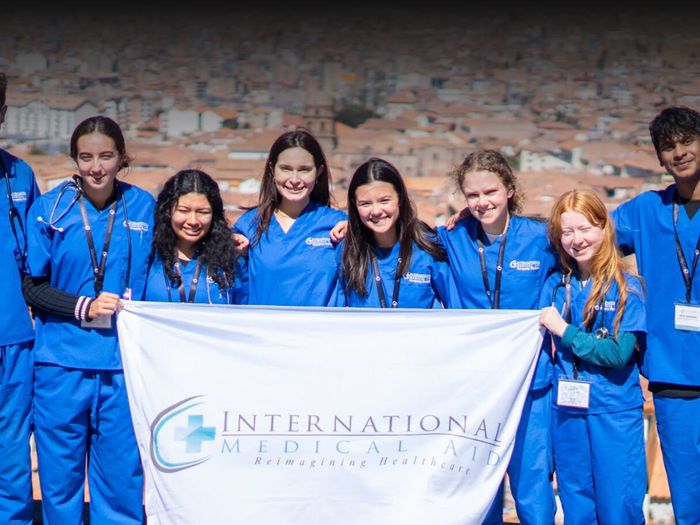
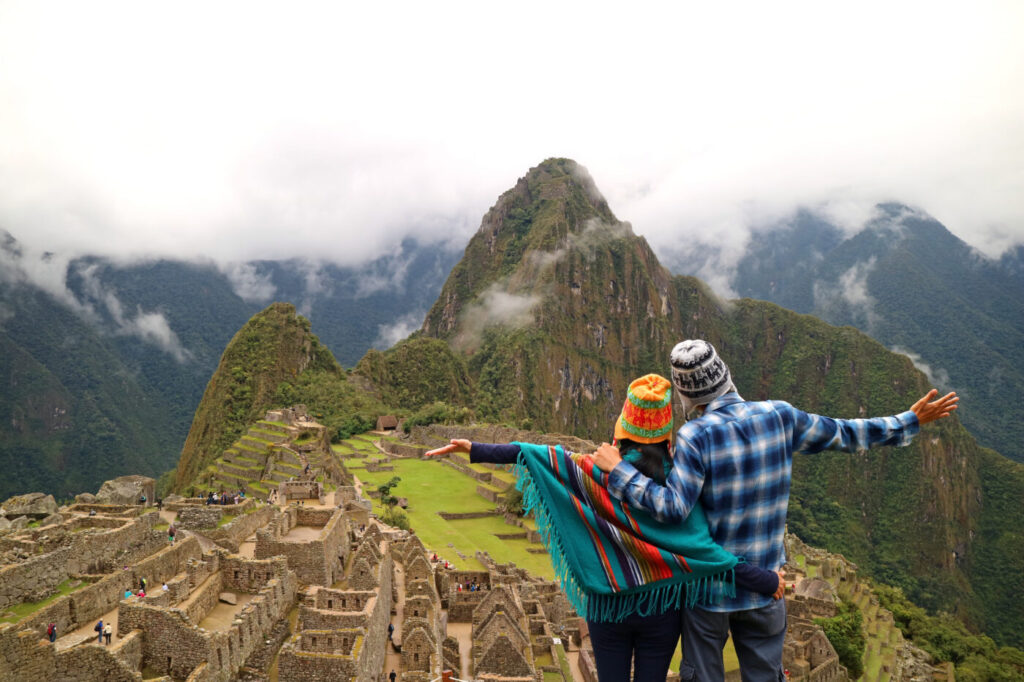
My experience being an intern through International Medical Aid (IMA) in Cusco, Peru is an experience I will be eternally grateful for, not only because it was a determining factor in why I want to pursue medicine, but because I learned so much from the social and medical culture in Peru. A reason I applied specifically to the Peru location is because I never hear much about South America as a whole in U.S. media, and if I do hear about it, they only mention the “dangers”. However, the three weeks I have spent here gave me so much growth and knowledge about Peru; I was able to connect deeply with the mentors and other locals in the city of Cusco, and getting to talk to the doctors about their experience in the medical field was eyeopening. Coming to Peru was like finally understanding the expression of, “Don’t knock it till you try it” because all my preconceptions are erased and replaced with true knowledge of the culture and the socioeconomic structure.
My internship with International Medical Aid was life changing and taught me more about medicine and myself.
Sofia Malikyar
Healthcare in Peru and the United States
Ever since I was younger, I was always interested in the medical field, and as I grew up, I started to become more and more aware with how medicine is run in the U.S.. I am lucky to have grown up in a household where we are able to afford sufficient insurance, so personally, I have never dealt with the hardship of large medical bills, but through personal research, I have learned how difficult it is for people of low socioeconomic status to get proper insurance and medical care. In the United States, healthcare is not free, but as I learned in Peru through our cultural presentation sessions, all Peruvians have the right to universal healthcare. Though I did not know this before coming to Peru, I was not shocked. It is rarer to see countries that do not provide free healthcare, such as the United States. One of the largest ongoing debates is whether the U.S. should pivot to an universal healthcare plan; Some of the disadvantages being, “significant upfront costs and logistical challenges” while the advantages could create, “a healthier populace, and thus, in the long-term, help to mitigate the economic costs of an unhealthy nation.” (Zieff et.al., 2020). Due to the U.S. having an extremely advanced healthcare system, that can offer some of the best care and procedures for extremely unique cases, many people disagree with the idea of offering an universal plan because it will create more complications of how healthcare should be divided, but the latter suggests that having an option of universal healthcare will create a healthier America and illness in our population will decrease. Furthermore in Peru, the way healthcare works is that everyone has access to universal healthcare, but if they are employed, they could opt-in to the affordable insurance that gives them access to more advanced hospitals such as Esalud which is a 3-1 division center. The level of care there is not entirely comparable to the advanced care in the U.S., however, these hospitals provide general and some specialized care which is considered high level. The highest level care in Peru is division 3-2. These centers contain sub-specialized fields and are only found in the capital Lima, because it is the most populated city (International Medical Aid, 2025). This is unfortunate because if someone were to have an unique medical emergency, they would have to be rushed to Lima to get quality care, while in the U.S., it is common to live close to hospitals with specialized care.
A Community Clinic in Casacunca
During our time with the IMA in Cusco, we also made a short trip to a nearby rural city called Casacunca, where we held a community clinic to help and provide medical attention to the citizens of the city. As we learned in our clinical debriefing sessions, most of Peru’s population is in the large cities such as Lima and Cusco, but there are a vast amount of rural cities that unfortunately rarely get medical attention, so it was amazing that we were able to assist those who deal with this misfortune. Through my American perspective, I thought it was so unfair that people who live far from major cities hardly ever seek medical attention from doctors, and believed it was diabolical that the government hasn’t expanded and created more larger hospitals in these regions. However, as I learned being in the rural cities in Peru, a lot of the citizens do not go to physicians and/or believe in Western science and instead prefer herbal medicines and advice from shamans/healers. This is because they strongly believe in the powers of traditional medicine and also access to it is more proximal (van Soeren, Aragon, 2016). In contrast, in Cusco, more people tend to turn to Western medicine because they have access to it, and the Esalud hospital and many clinics we shadowed at are examples. And in even larger contrast, in the United States, we are the pinnacle of Western medicine, so much so, we try to cure anything and everything with medicine or medical treatment. The U.S. also spends the most out of all wealthy countries on healthcare, which allows for us to have many advanced hospitals and medical technology throughout the country. However, we still see a lot of problems with the health of our citizens (PFPG, 2022). Even with this level of spending, we see high infant mortality rates, unmanaged diabetes, and more (PFPG, 2022). This shows that maybe Western medicine is not always the cure for medical problems, and instead there should be a balance between traditional and Western medicine. In one of my classes in college, I learned how if someone is pre-diabetic, instead of instantly starting insulin doses, they should invest in caring for their diet by cutting out artificial sugars and eating more protein. Ultimately, from my knowledge of Western and traditional medicine, I believe that they both are valuable and people should research both when they are looking for a “cure” to what they have.
Disease Burden in Peru: Tuberculosis and Anemia
Additionally, through the IMA program, we had weekly presentation sessions, and in one session we specifically discussed the disease burden in Peru. One large takeaway I had from this presentation was that many people die from disease annually in Peru, and some of the main diseases that are killers in Peru, are completely managed here in the United States. From the lecture, we learned about the most common communicable and non-communicable diseases found in Peru. Communicable diseases are transmitted between people or other organisms and the common ones in Peru are Malaria, Dengue, Tuberculosis, and respiratory acute infections (International Medical Aid, 2025). Non-communicable diseases are not spread from person to person, yet they arise due to the individual’s behavior and the most widespread ones in Peru are Hypertension, Diabetes, and COPD in adults and Anemia and Malnutrition in infants/children (International Medical Aid, 2025). Two diseases that stood out to me from being in the lecture and staying in Peru for three weeks were Tuberculosis and Anemia.
According to the lecture, there are about 27,000 cases of Tuberculosis (TB) annually in Peru. In the U.S., we have less than half that rate annually, at around 10,347 cases reported by the CDC in 2024 (CDC, 2025). One possible reason that could explain why the U.S. does not experience as many TB cases compared to other countries like Peru is because of our widespread healthcare system. Again, as I have mentioned earlier, U.S. healthcare is considered to be one of the most advanced technologically and well known for having extremely specialized care. This is most likely the reason why we do not see as many cases of TB and if we do see them, there is less chance of it leading to mortality. In Peru, healthcare is not as widespread, and what I mean by this is that large hospitals with specialized or sub-specialized care are only seen in the most populated cities. If people are diagnosed with TB in a rural city, they will have to travel distances to get specialized care in a hospital, and if they can’t afford the travel or do not have access to travel, they have to treat themselves the best they can. This is why TB is extremely prevalent in Peru specifically, and the reason as to why TB is one of the most deadly diseases in Peru causing an estimated couple thousand deaths annually (International Medical Aid, 2025). This is why Peruvian healthcare should be more accessible and this can start with the government allocating more funds to build more division 3 hospitals throughout the country, not just in major cities.
Anemia was another disease that I became more familiar with through this internship. Working alongside the doctors and nurses in the Esalud hospital, I learned that anemia has a different detection threshold in Cusco, Peru in comparison to the U.S. and even other cities in Peru, such as Lima, due to the high altitude. In Cusco, Peru a detection of 11mg/dl or below in the hemoglobin is considered anemic, but in the U.S. it is 13.5mg/dl for men and 12mg/dl for women (International Medical Aid, 2025 & American Society of Hematology, 2025). The high altitude causes there to naturally be less oxygen in your blood because there is less oxygen in the atmosphere and that is why anemia has a lower threshold in Cusco than other cities/countries because Cusco stands at about 12,000 ft, being one of the tallest cities in the world. Anemia is also highly prevalent in infants and children in Cusco, and this is due to malnutrition. Children in Cusco do not eat enough red meat and in general have poor nutrition, and I was able to actually see this being able to shadow the pediatric and nutrition department. Fortunately, most of the doctors I worked with explained that anemia usually goes away after about 3-4 years of age, so it is able to be managed, but they did explain that malnutrition is something that is very common in infants throughout all of Peru, and this is the larger problem. Malnutrition comes with a lot more problems than anemia such as irregular bowel movements, thermal issues, dehydration, and even mortality. Chronic malnutrition in infants in Peru is at levels of 11.5%, and in the U.S. it is about 1%, which shows that our government has more of a control on infant malnutrition, but according to the USDA, 1 out of 5 children in the U.S. lack food security, so the statistics of the chronic malnutrition could be fluctuating regularly depending on the state of the economy (International Medical Aid, 2025 & USDA, 2025). Ultimately infant malnutrition should not be something prevalent in any country and it should always be a priority that children have access to sufficient nutrition and meals.
What I Take Forward
To conclude, my internship with International Medical Aid was life changing and taught me more about medicine and myself. I learned exactly how passionate I am about medicine and I am grateful that I was able to learn in a new environment, where I experienced medicine in ways that I have never seen or heard of before. Now as I pursue my future career, my perspective on medicine and patient care has broadened, and this is for the better because I can approach medicine with the structured U.S. mindset and also the more interactive Peruvian mindset. I will always remember my time in Cusco and I cherish it, thank you for giving me this outstanding opportunity.
References
- American Society of Hematology. (2025). Anemia. American Society of Hematology.
- CDC. (2025, March 12). Provisional 2024 Tuberculosis Data, United States. Tuberculosis Data.
- International Medical Aid. (2025, July). Comparative Analysis of US v Peru Healthcare System Presentation.
- International Medical Aid. (2025, July). Disease Burden in Peru.
- Peter G. Peterson Foundation. (2024, August 16). How does the U.S. healthcare system compare to other countries? Peterson Foundation.
- USDA. (2025). USDA ERS: Food Security in the U.S. Usda.gov.
- van Soerena, M., & Aragona, M. (2015). The Intersection of Biomedicine and Traditional Medicine in the Peruvian Amazon. UBC Medical Journal, 7(1), 60-61.
- Zieff, G., Kerr, Z. Y., Moore, J. B., & Stoner, L. (2020). Universal healthcare in the United States of America: a healthy debate. Medicina, 56(11), 580.














