


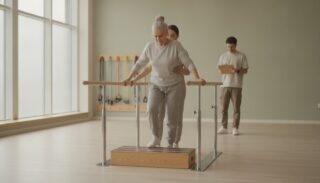
National Physical Therapy Month runs every October, and in 2026 the American Physical Therapy Association is again using it to present physical therapy as a tool for prevention, not only recovery. For pre-PT students, that makes October a good time to watch how therapists connect each session to the activities a person wants to keep doing.
Before your next observation, write down one question about what the patient wants to do in everyday life, such as work, school, caring for family or playing a sport. That question changes what you notice. Instead of recording only an exercise or a piece of equipment, you start looking for why it was chosen and what might help the person keep going at home.
Use This Year’s Campaign to Broaden Your Questions
In a September 2026 announcement about National Physical Therapy Month, APTA confirmed that this year continues its PT For Future Me campaign, which it first launched in 2025. The campaign aims to change the idea that people need physical therapy only after an injury or surgery. It presents PT as a resource for prevention, movement and resilience across the lifespan.
That framing gives you a practical observation goal. Ask about more than recovery from the current problem. Pay attention to how the therapist thinks about the person’s next activity, their long-term participation and their ability to manage daily tasks without help.
What Does Prevention Look Like in a Rehab Session?
Prevention is not always a separate program. In many sessions it shows up as a conversation: how the person will manage stairs at home, what to do if pain returns, or which warning signs should prompt a call to the clinic. Listen for moments when the therapist talks about next month rather than today. Afterward, ask how they decided what to emphasize with that person.
Start With Function Rather Than an Exercise Name
The World Health Organization defines rehabilitation as a set of interventions designed to optimize functioning and reduce disability in people with health conditions, in interaction with their environment. WHO estimates that 2.4 billion people worldwide live with a health condition that may benefit from rehabilitation.
Turn that broad definition into one focused question. You are not assessing the patient. You are studying how a qualified professional gathers information about function and connects it to a plan.
The table below is a note template you can adapt. Use it only within the host’s rules, and keep names and other personal identifiers out of your notes.
| Area | What to Record | Question to Clarify |
|---|---|---|
| Meaningful activity | The general activity discussed | What makes this goal important to the person? |
| Clinical reasoning | The explanation the therapist gives | Why was this approach selected? |
| Prevention | A concern about future difficulty | How does the plan address that concern? |
| Environment | A practical factor the team discussed | What may affect carrying the plan into daily life? |
| Review | How the next step will be decided | What information would lead you to change the plan? |
Not every question fits every session. Choose one or two, and ask when the therapist has time, usually between patients or during a scheduled debrief.
How Do You Turn a Session Into a Functional Question?
Suppose a session centers on standing up from a chair. An exercise-focused note says “sit-to-stand practice, three sets.” A function-focused note asks what the person actually needs to stand up from: a low bed, a car seat, a chair without armrests. The second version leads to a better question for your supervisor. How does the therapist learn about the person’s home or work setting, and how does that change the plan?
The same approach works for walking, reaching, lifting or returning to a sport. Name the activity first, then the movement, then the exercise. When your notes follow that order, they show that you understand why the exercise was there.
Describe What You Learned Without Claiming a Result
Consider a fictional teaching example. A student observes a therapist discussing how a person will manage a necessary daily activity after leaving the clinic. The conversation covers the physical task, the setting where it happens and what support may be available.
A basic note says, “I watched exercises for mobility.” A more useful reflection says, “I noticed that the therapist asked about the setting before finalizing the plan. I had been focused on the task itself. The discussion made me think about whether the plan would be practical outside the clinic.”
That wording shows the student’s learning. It does not claim that the student evaluated the patient or that the treatment produced a particular outcome.
When you write your own reflection, keep the same three parts: what you observed, what your supervisor explained and what you still do not understand. That structure also makes it easier to describe the experience in an application without overstating it.
Pay Attention to Practical Circumstances
Ask the therapist how they consider the person’s routines and available resources. Useful learning conversations often involve follow-up arrangements, written instructions, equipment, travel to appointments or the involvement of another professional.
Resources shape rehab everywhere, and more so in some settings. WHO reports that in some low- and middle-income countries more than 50% of people do not receive the rehabilitation services they need, and that many of these settings have fewer than 10 skilled practitioners per million people. Figures like these explain why follow-up planning matters, but they tell you nothing certain about the person in front of you.
Avoid guessing why someone may have difficulty following a plan. You may not know their living situation, work demands, finances or earlier care. Ask about the team’s general approach instead of drawing conclusions from one short encounter.
If you are observing in an unfamiliar health system or language, check what you heard before interpreting it. IMA’s guide to staying engaged during observation across a language barrier covers that part of your preparation.
What Should You Ask When Resources Are Limited?
- How do you decide which exercises a person can realistically continue at home?
- What changes when a patient cannot return for regular sessions?
- Which instructions do you repeat or write down, and why?
- Who else on the team helps with equipment, transport or follow-up?
Questions like these keep the focus on the therapist’s reasoning rather than on judgments about the patient.
Keep Your Role Clear
Studying a therapist’s reasoning does not make you responsible for choosing exercises, handling a patient or explaining a treatment plan. Ask what is permitted for your training level before the session, and ask for clarification if someone requests a task you have not been trained for.
The same care applies to your application record. Describe an observational experience as observation. If you need hours or academic credit for a particular program, get written guidance from that institution about what it accepts and how it wants the experience documented.
You can learn a great deal from a limited role when your questions are specific. There is no reason to overstate your duties to make the experience sound valuable.
Build a Simple Observation Routine
A short routine keeps your notes consistent across several days of observation.
- Before the session: pick one functional question from the template and confirm what you are allowed to do.
- During the session: note the activity discussed, the explanation given and one practical factor, with no identifiers.
- After the session: write three sentences covering what you saw, what was explained and what is still unclear.
- At the end of the week: reread your notes and choose the one question you most want answered next.
Over two weeks of weekday observation, this routine leaves you with about ten short reflections, each tied to something you actually saw. Those notes are far more useful for essays and interviews than a general memory of “lots of exercises.”
Plan the Next Experience Around a Learning Gap
After an observation, identify one question you could not answer. Perhaps you understand what happens during a session but not how progress is reviewed, or you have seen outpatient care and want to understand hospital-based rehab.
Use that question when comparing opportunities. Ask about supervision, student preparation and time for discussion. IMA’s guide to how physical therapy internships build clinical competence explains more about what students can learn.
IMA’s physical therapy internships abroad place you beside physical therapists and other clinicians at Coast General Teaching and Referral Hospital in Mombasa, Kenya, usually six to eight hours a weekday, with stays from two weeks. Compare those details with your stage and goals before you apply.
The same next-step questions apply in other specialties. Our World Sight Day guide to eye-care access questions uses this approach for pre-optometry students.
A good observation leaves you with a clearer picture of the profession and a more specific question for next time.
Frequently Asked Questions
What Is National Physical Therapy Month?
National Physical Therapy Month takes place every October. In 2026, APTA is continuing its PT For Future Me campaign, which presents physical therapy as a resource for prevention, movement and resilience across the lifespan, not only for recovery after an injury or surgery.
What Should I Focus On During My First PT Observation?
Start with one question about a meaningful daily activity and how the therapist connects the session to it. Ask for context rather than trying to understand every technique at once, and save your questions for a quiet moment.
Is Prevention Relevant if I Am Observing Rehabilitation?
Yes, and it makes a useful question for your supervisor. Ask how the plan considers future difficulty, continued participation and what the person will need after the appointment ends.
Can I Help a Patient Perform an Exercise?
Do not assume you can. Follow the host’s rules and the limits of your training, and ask your supervisor before taking part in any patient activity. Observation is the core of a pre-PT placement.
Will International Observation Count Toward PT School Requirements?
Confirm that with each program you plan to apply to before relying on the hours. Ask about accepted settings, supervisor credentials and the documentation it requires, and keep your own records accurate.
How Can I Write a Stronger Reflection?
Explain one specific observation, what you learned from the professional’s explanation and what remains uncertain. Leave out patient identifiers and any claims about results you did not follow.











