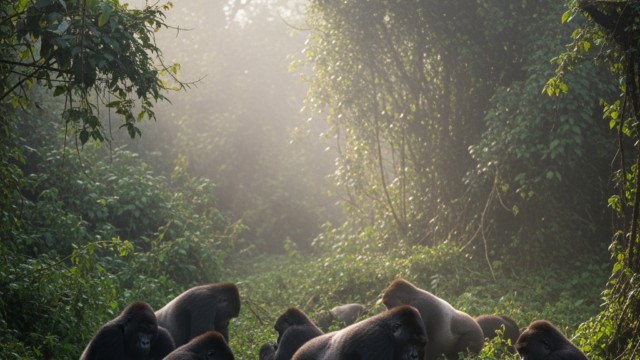
Bwindi Impenetrable National Park
3 to 4 Days · High · Gorilla Trekking
A tightly controlled conservation extension where permits, health rules, and pacing matter as much as fitness.

Extension Guide
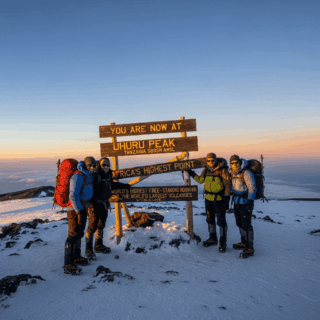

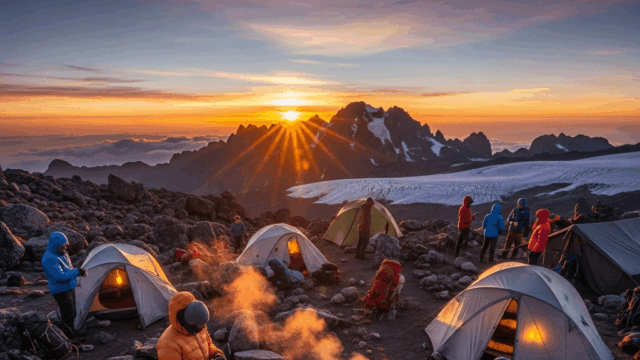
Kilimanjaro is a real climb, not a casual add-on. For IMA students, it works best as a structured extension after your internship because it gives you space to train beforehand, acclimatize properly during the trek, and recover afterward without trying to jump straight back into clinical expectations.
The smartest plans prioritize pacing and acclimatization over speed. Many first-time trekkers underestimate how much altitude changes sleep, appetite, and energy. A longer, well-paced route usually feels better day to day, and it improves your odds of finishing strong.
If you want this extension to be worth it, treat it the same way you treat clinical work: follow the plan, communicate early, and keep safety ahead of ego. The mountain will still be there tomorrow. Your body has to be there too.
The Best Approach: Choose a route length that supports acclimatization, build in at least one buffer day before and after the trek, and do not plan any tight flight connections right after summit day.
Kilimanjaro makes you think in systems. Altitude affects respiration, sleep, hydration, and judgment. You see how small decisions compound over days: pacing, fuel, rest, communication, and whether you speak up when something feels off. That mindset maps cleanly to clinical training.
Many students also appreciate the reset. A long internship can leave you mentally full. A structured trek gives you time to reflect, consolidate what you learned, and return home with a clearer sense of how you want to grow next.
Duration
6 to 9 Days
Effort Level
Very High
Primary Focus
Altitude & Pacing
Structure
Guided Trek
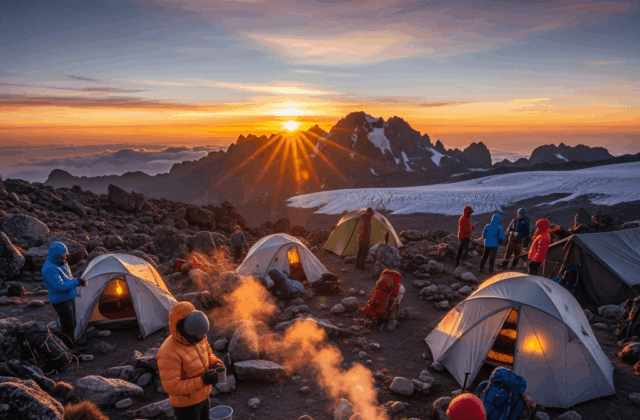
Kilimanjaro days are simple on purpose. You wake early, move steadily, stop for breaks, eat, and rest. The routine matters because it reduces decision fatigue and keeps your effort consistent. Summit night is usually the hardest stretch: cold, slow, and long. The people who do best are rarely the fastest hikers. They are the ones who stay patient and stick to the pacing plan.
A good guide team will monitor how you are doing and will not hesitate to make conservative calls. Your job is to be honest. If you hide symptoms or push through when you should speak up, you increase risk for yourself and the group.
Usually not recommended. Altitude is unpredictable and not an appropriate place to take chances. If a program allows it, it should only be with clear supervision, a conservative route length, and strong preparation.
A strong fit if you can commit to training, choose an acclimatization-friendly route, and plan recovery time after the trek.
Works well as a capstone extension if your schedule allows a conservative plan. This is about doing it safely, not doing it fast.
Arrive, meet the guide team, confirm equipment, and review expectations. The goal is a calm start and a clear plan.
Controlled hiking focused on pacing and routine. Your body is adjusting, even if you feel good early.
Many itineraries include a deliberate higher-then-lower pattern. It is not wasted time. It is a safety decision.
Typically the longest and coldest push. Slow pacing and clear communication matter more than toughness.
Finish the descent, sleep, and rehydrate. Plan to feel tired even after you are back at lower altitude.
Route choice depends on your calendar, fitness, and acclimatization priorities. Your advisor can help you choose a realistic duration and plan around program dates.
Keep exploring
3 to 4 Days · High · Gorilla Trekking
A tightly controlled conservation extension where permits, health rules, and pacing matter as much as fitness.
1 to 2 Days · Moderate · Active Park Day
A rare Kenya park day where biking and walking change how you see wildlife and landscape.
3 to 5 Days · Low to Moderate · Landscapes & Variety
A wide-open safari extension built for calm pacing, big landscapes, and ethical viewing.
3 Days, 2 Nights · Low · Culture & Rest
A calm coastal culture extension with a low-effort pace after internship weeks.
3 to 4 Days · Low to Moderate · River Viewing
A river-first safari extension built for calm observation and strong structure.
3 to 5 Days · Low to Moderate · Marine Recovery
A coastal reset with marine time, culture, and real recovery after your internship.
2 to 4 Days · Low to Moderate · Coastal Recovery
A low-effort coastal reset that works well after clinic weeks.
4 to 6 Days · High · Altitude Trek
A high-effort, safety-first alpine trek that fits a shorter extension window.
2 to 3 Days · Low to Moderate · Crater Wildlife
A structured two to three day extension built around a single high-impact crater day.
3 To 4 Days · Low To Moderate · River Ecosystems
Southern Tanzania Safari Extension With A River-And-Woodland Focus
4 Days, 3 Nights · Moderate · Wildlife Behavior
A structured safari extension built for IMA students who want big landscapes, ethical wildlife viewing, and a clean plan after internship weeks.
3 To 4 Days · Low To Moderate · Wildlife And Landscapes
A classic safari extension that keeps the schedule realistic after clinical weeks.
2 To 3 Days · Low To Moderate · Views And Photos
A two to three day extension that fits cleanly after your clinical internship.
International Medical Aid provides an exceptional opportunity for students pursuing healthcare and pre-med internships abroad. By offering hands-on clinical experience, cultural competency, and exposure to global health and healthcare policy, IMA sets its interns apart as competitive and well-rounded medical school candidates.
We encourage students to apply or contact us with any questions they may have about the program. With a commitment to safety, cultural immersion, and academic excellence, IMA offers an unparalleled opportunity for students to gain invaluable experience and make a meaningful impact in their field.