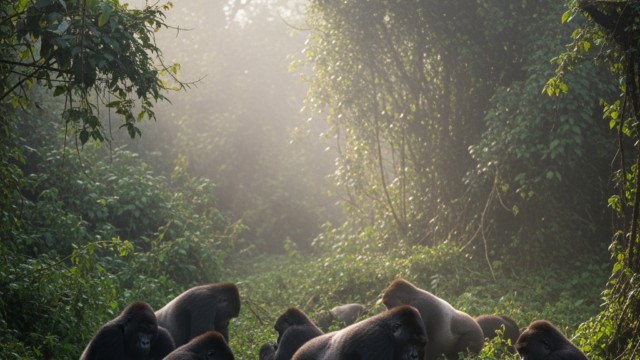
Bwindi Impenetrable National Park
3 to 4 Days · High · Gorilla Trekking
A tightly controlled conservation extension where permits, health rules, and pacing matter as much as fitness.

Extension Guide
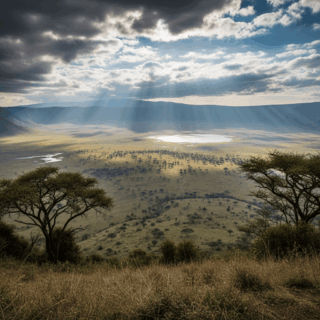

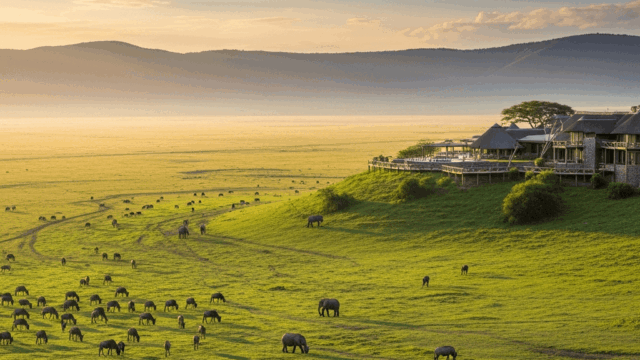
Ngorongoro Crater is the high-impact add-on for interns who want a dramatic landscape and a concentrated wildlife day without building a long safari circuit. It fits IMA schedules because the structure is simple: arrive, rest, crater day, depart. It feels significant without requiring a multi-stop itinerary.
The crater day itself has a clear rhythm. You start early, descend with your guide, spend the prime hours observing, then return to the rim. It is a long day, but not physically demanding in the way a trek is. The most important skill is pacing: staying focused, staying hydrated, and keeping expectations realistic.
The Best Approach: Plan for two to three days so your crater day is not squeezed between transfers. The extra buffer makes the whole extension calmer and safer.
This extension often lands differently after a clinical placement. You have a front-row look at how conservation, tourism, livestock patterns, and land use intersect with health outcomes. It is a practical reminder that prevention is not only clinical. It is environmental, economic, and community-based.
Many students use this time to reflect on what they observed during their internship: resource constraints, patient decision-making, and how culture shapes care. If you keep one short note each evening (three bullets is enough), you will bring home insights you can actually use in interviews and essays.
Duration
2 to 3 Days
Effort Level
Low to Moderate
Primary Focus
Crater Wildlife
Structure
Guided Crater Day
Option A
Day 1: Arrive, rim viewpoints, early dinner, and rest. Aim for a low-key night so you can start early.
Day 2: Early departure, crater descent, midday reset, crater ascent, then transfer out with buffer time.
Option B
Day 1: Arrive and settle. Short rim stop if time allows. Sleep early.
Day 2: Full crater day with conservative pacing. Prioritize observation over rushing between sightings.
Day 3: Second rim morning for photos, relaxed breakfast, and transfer out with extra cushion.
Ngorongoro is commonly paired with Serengeti when timing allows. The key is not stacking transfers so tightly that your crater day becomes rushed.
Keep exploring
3 to 4 Days · High · Gorilla Trekking
A tightly controlled conservation extension where permits, health rules, and pacing matter as much as fitness.
1 to 2 Days · Moderate · Active Park Day
A rare Kenya park day where biking and walking change how you see wildlife and landscape.
3 to 5 Days · Low to Moderate · Landscapes & Variety
A wide-open safari extension built for calm pacing, big landscapes, and ethical viewing.
3 Days, 2 Nights · Low · Culture & Rest
A calm coastal culture extension with a low-effort pace after internship weeks.
3 to 4 Days · Low to Moderate · River Viewing
A river-first safari extension built for calm observation and strong structure.
3 to 5 Days · Low to Moderate · Marine Recovery
A coastal reset with marine time, culture, and real recovery after your internship.
2 to 4 Days · Low to Moderate · Coastal Recovery
A low-effort coastal reset that works well after clinic weeks.
4 to 6 Days · High · Altitude Trek
A high-effort, safety-first alpine trek that fits a shorter extension window.
6 to 9 Days · Very High · Altitude & Pacing
A high-effort, safety-first summit trek extension after your internship.
3 To 4 Days · Low To Moderate · River Ecosystems
Southern Tanzania Safari Extension With A River-And-Woodland Focus
4 Days, 3 Nights · Moderate · Wildlife Behavior
A structured safari extension built for IMA students who want big landscapes, ethical wildlife viewing, and a clean plan after internship weeks.
3 To 4 Days · Low To Moderate · Wildlife And Landscapes
A classic safari extension that keeps the schedule realistic after clinical weeks.
2 To 3 Days · Low To Moderate · Views And Photos
A two to three day extension that fits cleanly after your clinical internship.
International Medical Aid provides an exceptional opportunity for students pursuing healthcare and pre-med internships abroad. By offering hands-on clinical experience, cultural competency, and exposure to global health and healthcare policy, IMA sets its interns apart as competitive and well-rounded medical school candidates.
We encourage students to apply or contact us with any questions they may have about the program. With a commitment to safety, cultural immersion, and academic excellence, IMA offers an unparalleled opportunity for students to gain invaluable experience and make a meaningful impact in their field.