Acupuncture and Traditional Chinese Medicine can lead to similar healthcare careers but the training for each path is different. If you are choosing between them, think first about the kind of care you want to provide.
Acupuncturists focus mainly on acupuncture and other methods allowed under local regulations. A Traditional Chinese Medicine practitioner may study acupuncture along with herbal medicine, TCM diagnosis and dietary therapy. What you are allowed to offer will depend on your province, state and professional license.
What Does an Acupuncturist Actually Do?
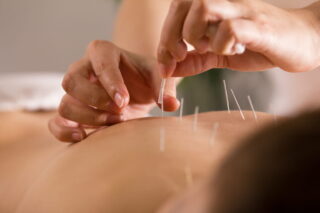
Acupuncturists spend much of their day working directly with patients. They review health concerns, choose suitable acupuncture points and place sterile needles during treatment sessions. Depending on local rules – they may also use methods such as cupping or moxibustion.
There is also plenty of conversation involved. You need to understand a patient’s health history, explain what the treatment involves and answer questions before getting started. Good judgment is important too, since some symptoms may need attention from another healthcare professional.
This path can work well if you enjoy hands-on patient care. It may also appeal to you if you want to focus mainly on acupuncture rather than the broader study of Traditional Chinese Medicine.
What Does a TCM Practitioner Do Differently?
Canadian Job Bank says TCM practitioners and acupuncturists assess and treat patients through several holistic approaches. Their work may include acupuncture and herbology within private clinics or multidisciplinary healthcare settings.
Herbal training is one major difference between the two paths. TCM practitioners may study herb properties, formulas, interactions and traditional diagnostic systems during their education. Their permitted activities still depend on local professional regulation.
This route may suit you if broader TCM study interests you. You should also be comfortable learning substantially more material.
How Much Training Will You Need?
Training length depends on the credential and where you plan to practise. Canada Job Bank says acupuncturists generally complete three-to-four-year diploma programs. TCM practitioners generally complete four-to-five-year diploma programs according to the same federal career resource.
Program hours also help you compare the real study commitment. Current U.S. national-board eligibility standards list at least 1,905 hours for a three-year master’s-level acupuncture program. The acupuncture pathway includes 660 clinical hours under those standards. A four-year acupuncture and herbal medicine program requires at least 2,625 hours.
Canadian programs can structure their required training hours differently. Before enrolling, check total classroom hours and supervised patient-contact requirements separately. A long program is less useful if its curriculum does not satisfy your future regulator.
Students seeking broader preparation can explore a Traditional Chinese Medicine practitioner diploma program that includes clinical training alongside TCM theory. Always compare the curriculum with licensing requirements where you plan to work.
Canada Licensing Depends on Your Province
Canada does not use one nationwide license for these careers. Federal Job Bank information says acupuncture registration is required in Newfoundland and Labrador, Quebec, Ontario, Alberta and British Columbia. Registration for TCM practitioners is required in Ontario and British Columbia.
Ontario provides a useful example of this important distinction. The provincial regulator requires at least three years of full-time equivalent education for an acupuncture program. A full TCM program requires at least four years of full-time equivalent education. Applicants also face registration examinations and other professional requirements.
Your school diploma alone therefore may not authorize practice. Check the regulator before paying tuition or relocating for training. Provinces without statutory regulation can still have professional association requirements for insurance or employer recognition.
U.S. Licensing Works State by State
The United States also regulates acupuncture mainly through state law. As of the latest national guidance, licensing requirements differ by jurisdiction. NCBAHM – previously known as NCCAOM – provides a state-by-state regulatory map for applicants.
National board data has reported that 46 states plus Washington, D.C. require NCCAOM examinations or full certification as a licensing prerequisite. California follows its own licensing examination route instead of relying on national certification alone.
Education comes before those examinations for most U.S. candidates. Current NCBAHM standards require graduates from accredited or candidate-status programs for the standard domestic education route. State boards can add jurisprudence courses or other licensing conditions.
Research your target state carefully before selecting a school. Changing states later can require additional paperwork or licensing steps.
What Can You Earn?
Salary data needs careful interpretation in this field because private practice is common. The U.S. Bureau of Labor Statistics estimated 7,830 employed acupuncturists in May 2025. Their mean annual wage was $87,020 and median hourly wage was $36.56.
Those figures do not represent every self-employed clinic owner. Earnings can change with location, patient volume, insurance participation and business expenses.
Canada groups TCM practitioners and acupuncturists under the same occupational code. Job Bank currently reports a national median annual wage of C$32,867 and a high of C$79,500. The wage data uses the 2021 Census because many people in this occupation are self-employed.
Ontario’s current Job Bank profile lists a C$37,561 median annual wage. Job Bank also rates the provincial employment outlook as good.
Treat these numbers as reference points rather than guaranteed salaries. Private practice income can vary significantly after rent and supplies.
Which Career Fits You Better?
Choose acupuncture if your main interest is needle-based clinical treatment. The training path is generally shorter than full TCM practitioner education. You can still build substantial patient-care skills through supervised clinical practice.
Choose the TCM practitioner route if you want broader training. Herbal medicine and traditional diagnostic study require extra coursework beyond acupuncture alone. A Traditional Chinese Medicine practitioner diploma program can make sense when your planned jurisdiction recognizes that broader scope.
Ask each school how graduates performed on required licensing examinations. Published pass rates can reveal gaps between marketing and actual preparation.
Before applying, compare these four items carefully:
- Check the regulator where you plan to practise professionally.
- Compare total training hours with required clinical patient hours.
- Confirm whether herbal practice needs separate licensing or certification.
- Review graduate eligibility for the required registration examinations carefully.
Your location should guide your final professional education choice. A respected program still needs to match the license you want. Once you know your preferred scope and jurisdiction, comparing schools gets much easier.