
Students and families exploring medical internships for high school students often want a clear definition of who actually qualifies. Some teenagers feel eager to apply as soon as they hear about a program. At the same time, parents may be unsure whether the student is ready for the responsibilities that come with real clinical environments. Early eligibility for high school medical internships depends on more than age alone.
Eligibility also connects to how a student approaches high school medical internships as part of long-term academic and career planning. Programs seek participants who can meet expectations regarding attendance, communication, and professionalism, not just strong academic grades. When students understand both the educational and non-academic requirements, they can choose the right time to apply and arrive prepared to make a meaningful contribution.
What Schools And Hospitals Look For In Teen Applicants
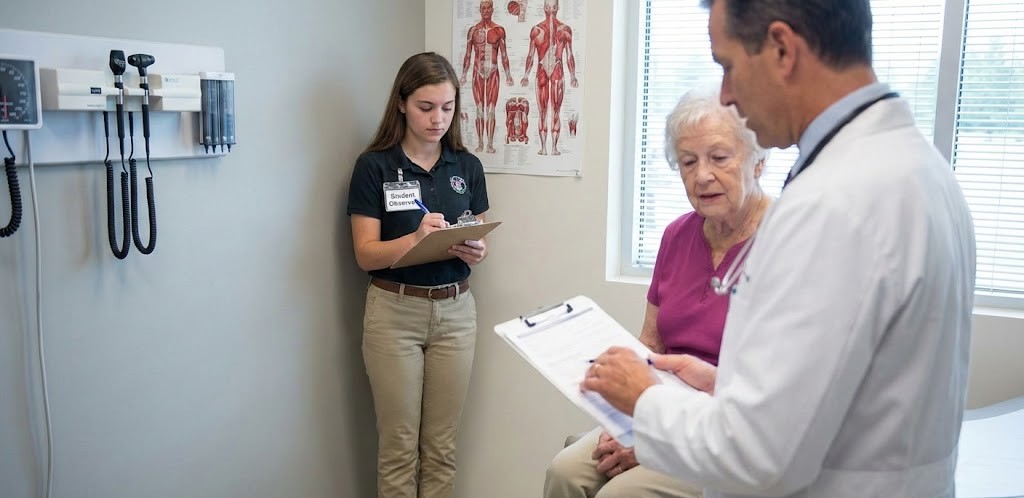
Hospitals, clinics, and partner schools evaluate teen applicants through a mix of academic and non-academic factors. Staff need to know that a student can follow instructions, protect patient privacy, and maintain a reliable schedule. This is true whether the program takes place in a large hospital, a smaller clinic, or other healthcare settings.
Academic records show that a student can manage coursework while taking on additional commitments. Admissions teams look at overall patterns rather than perfection. A steady record in core subjects is often enough for early eligibility for high school medical internships, especially when combined with a clear interest in healthcare.
Non-academic factors carry significant weight. Coordinators examine the frequency of a student’s lateness or absences from school, any behavioral concerns, and how teachers describe the student’s attitude. For healthcare internships for high school students, program staff pay close attention to reliability and maturity, as these traits directly impact patient safety and staff trust.
Recommendations from teachers, counselors, or community leaders can help fill in details that grades alone cannot show. A student with average grades but outstanding reliability and strong communication can still be a good fit for a structured teen clinical experience. The goal is to identify applicants who will respect the environment, actively learn, and consistently follow rules.
Academic Expectations Before You Apply
GPA, coursework basics, science exposure
Most programs set at least a general academic expectation, even if they do not publish a strict GPA cutoff. Coordinators want to see that a student passes core classes and manages homework without frequent crises. A record of severe academic struggles can indicate that the additional time and focus required by an internship may be challenging to sustain.
Strong performance in science is helpful but not always required. A student who has completed or is currently taking biology is often well-positioned to understand basic concepts they will hear in clinical settings. Some high school internship programs may prefer or recommend additional courses, such as chemistry or anatomy; however, curiosity and effort can be more critical than advanced coursework, especially for younger students.
Science exposure outside of class can also strengthen an application. Participation in science clubs, health-related electives, or community health projects shows ongoing interest. These activities indicate that the student is not merely applying because an adult suggested it, but rather because they are genuinely curious about clinical exposure for high school students and willing to invest time in related experiences.
Students who worry about a single low grade should remember that programs usually look for trends. A clear upward trend, combined with an honest explanation if needed, often matters more than one difficult semester. Consistency and recovery from challenges both demonstrate readiness to handle future responsibilities.

Non-Academic Factors That Matter (Maturity, Reliability, Recommendations)
Reliability
Reliability is one of the first traits staff look for when reviewing applications. Clinical schedules are structured, and teams rely on everyone listed on the roster. If a student frequently misses school without explanation or regularly arrives late, it becomes harder for coordinators to trust that shifts will be covered.
Programs closely monitor attendance records, teacher comments, and students’ handling of deadlines for paperwork. Submitting forms on time is a simple but powerful indicator. When a student manages these details independently, it reassures staff that the student will also manage arrival times, orientation requirements, and daily responsibilities.
Reliability also extends to follow-through. If a student says they can commit to a certain number of hours per week, coordinators expect that standard to be met unless there is a serious reason to adjust. Clear communication about conflicts and honest updates about schedule changes help build trust.
Boundaries
Healthy boundaries are essential when teenagers enter patient-care environments. Programs seek students who understand that clinical spaces are not social spaces and that specific topics and behaviors are not suitable. Respect for privacy, modesty, and personal space matters, even when a student is only observing.
Staff may ask about previous experiences where students handled sensitive information, such as peer conflicts or family issues, to understand how they respond. Teenagers who can describe situations where they kept information confidential or stepped back when something felt uncomfortable are often seen as stronger candidates.
Boundaries also apply to technology. Phones and social media habits matter in settings where cameras and posting can create serious privacy risks. Students who already understand why taking pictures or sharing stories from healthcare environments is not acceptable are better prepared to follow program rules.
Communication skills
Clear, respectful communication helps keep clinical environments safe and efficient. Programs look for students who make eye contact, listen carefully, and respond politely. Teachers and counselors sometimes comment on whether a student participates appropriately in class, asks thoughtful questions, and handles feedback without argument.
Strong communication does not mean being loud or outgoing. Many successful interns are quiet but attentive. The key is the ability to ask for help when unsure, confirm instructions, and speak up if something seems unsafe. For fundamental patient-facing roles or close observation, staff need to trust that a student will ask for clarification rather than guessing.
Recommendation letters often highlight communication skills. A teacher might describe how a student handled a group project conflict or how they approached a difficult assignment. These stories help hospitals decide whether a student is ready to interact with patients, families, and staff as part of high school internship programs.
How To Tell If You Are Ready To Apply This Year
Deciding whether to apply now or wait another year requires honest reflection. One helpful starting point is to review the basic eligibility criteria of a program and check them against current habits and responsibilities. If a student meets the minimum age requirement, maintains consistent grades, and manages existing commitments effectively, they are more likely to be eligible for early admission to high school medical internships.

Students can ask themselves a few practical questions. Are school assignments completed on time most weeks? Is attendance steady, without frequent unexcused absences? Do teachers describe the student as respectful and reliable? If the answers are mostly yes, that suggests readiness to handle the expectations of teen clinical experience.
Another factor is the schedule. Many programs require a specific number of hours each week over several months. If a student is already stretched between school, activities, jobs, and family responsibilities, it might be better to adjust commitments before adding a new one. An overpacked schedule can make even a well-qualified student feel overwhelmed in a hospital setting.
Feedback from adults who know the student well is valuable. A school counselor, teacher, or coach can offer candid insights into maturity, reliability, and communication. If several adults independently say that the student seems ready for healthcare internships for high school students, that feedback is worth serious consideration. If they suggest waiting a year, that time can be used to strengthen grades, improve organization, or gain experience in less intensive environments.
Students who are not quite ready can still make progress toward their goals. Joining health-related clubs, participating in community service, or seeking short-term observation opportunities helps build a foundation. Each of these experiences prepares a student to meet future eligibility requirements and to make the most of clinical exposure once accepted.
For those who are ready now, the next step is to prepare a thoughtful application that reflects both academic and non-academic strengths. Clear explanations of interest in healthcare, honest descriptions of past responsibilities, and evidence of consistent behavior all help programs understand why a student is a good fit for early clinical exposure.
Gaining a deeper understanding of the professional standards expected in healthcare can help students better assess their own readiness for these immersive programs. Beyond just grades, aspiring medical students must be prepared to adhere to strict ethical guidelines, particularly in matters of patient interaction, confidentiality, and professional etiquette. To further explore the pathway to a medical career and the types of pre-medical experiences that specifically strengthen an application, students can utilize the resources provided by the Association of American Medical Colleges, which offers detailed guidance on how to professionally navigate clinical environments and the core competencies required for future success in the medical field.
IMA Student Readiness Checklist: High School Medical Internship Eligibility
Are you ready for the clinical environment? Applying for an early medical internship is about more than just ambition. It is about readiness to handle real responsibilities in a patient-care setting. Use this checklist to determine if you (or your student) meet the academic, professional, and maturity standards required by top-tier hospital and internship programs.
1. The Academic Baseline (Trends & Tenacity)
Admissions teams look for consistency and the ability to manage coursework, rather than perfection.
- [ ] Consistent Core Performance: Do you pass core classes (Math, English, Science) without falling into frequent crisis modes?
- [ ] Positive Grade Trends: If you have a low grade on your transcript, is it followed by a clear upward trend of improvement?
- [ ] Science Exposure: Have you completed or are you currently taking Biology? (Chemistry/Anatomy is a bonus).
- [ ] Intellectual Curiosity: Do you participate in science clubs, health electives, or community health projects outside of required class time?
- [ ] Workload Management: Can you handle your current homework load without severe stress? (Internships add significant time commitments).
2. Professionalism & Reliability (The Non-Negotiables)
In healthcare, reliability is a safety issue. Teams depend on the roster.
- [ ] Attendance Record: Is your school attendance steady, with very few unexcused absences or tardies?
- [ ] Time Management: Do you turn in paperwork and assignments on time without needing constant reminders?
- [ ] Commitment Follow-Through: If you say you will be somewhere, do you show up? (Programs expect strict adherence to shift schedules).
- [ ] Communication of Conflicts: Do you proactively communicate schedule changes or conflicts honestly and in advance?
3. Clinical Maturity & Boundaries
Patient privacy and safety are paramount. The clinical space is not a social space.
- [ ] Understanding Privacy: Do you understand that what happens in the hospital stays in the hospital? (Strict adherence to not sharing patient stories).
- [ ] Digital Discipline: Can you resist the urge to use your phone or post on social media while in a professional setting?
- [ ] Emotional Maturity: Have you handled sensitive or uncomfortable situations in the past by stepping back or maintaining confidentiality?
- [ ] Respect for Protocols: Are you willing to follow rules about dress code, hygiene, and restricted areas without arguing?
4. Communication Skills
You don’t need to be loud, but you must be clear and safe.
- [ ] Active Listening: Do you listen to instructions carefully before taking action?
- [ ] Asking vs. Guessing: Are you comfortable asking for clarification if you don’t understand an instruction? (Guessing is dangerous in healthcare.)
- [ ] Receptiveness to Feedback: Can you take constructive criticism from teachers or mentors without becoming defensive?
- [ ] Respectful Interaction: Do you make eye contact and speak politely to adults and peers?
5. The “Life Balance” Reality Check
An overwhelmed student cannot learn effectively.
- [ ] Schedule Availability: Do you actually have the hours available per week required by the program without sacrificing sleep or grades?
- [ ] Stress Capacity: Are you currently balancing your mental health well? (Clinical environments can be emotionally taxing).
6. The “Vouch” Factor
What do others say about you?
- [ ] Teacher/Counselor Support: Would a teacher describe you as “mature,” “reliable,” and “respectful”?
- [ ] External References: Do you have adults (coaches, community leaders) who would recommend you for a position of trust?
Scoring Your Readiness & Next Steps
[ ] Mostly Checked: You Are Ready to Step Into the Clinic. You demonstrate the academic focus, maturity, and reliability required for a high-intensity hospital environment. Your profile aligns with what admissions teams seek in future healthcare leaders.
- Don’t wait: High-quality placements are in high demand, and spots fill up quickly.
- Action: Apply Now for an IMA Internship to secure your placement for the upcoming term.
[ ] Some Gaps: Let’s Build Your Roadmap. You have a passion for medicine, but you may be unsure if you meet specific eligibility requirements or which program intensity is right for you at this time. You don’t have to figure it out alone.
- Get Clarity: Our admissions team can review your current standing and help you decide if you are ready now or how to prepare for next year.
- Action: Talk to an IMA Admissions Advisor to discuss your specific situation and eligibility.