For many students interested in healthcare, high school is the time when dreams begin to feel real. Some know early that they want to become doctors, nurses, or public health professionals. Others simply want to see what medicine looks like beyond textbooks. Whatever the motivation, high school student internships provide an early opportunity to learn how hospitals, clinics, and research programs operate while developing the maturity that colleges look for.
The healthcare field rewards preparation and compassion. The sooner students start observing professionals in real clinical environments, the more confident and focused they become about their career goals. Internships give them access to mentors, real-world medical contexts, and a deeper sense of purpose—things that make a real difference when applying to universities and professional schools later on.
The Value of Healthcare Internships for High School Students
High schoolers who are serious about healthcare often ask one question: where do I start? Classroom learning helps, but it can’t fully explain what happens in patient care, community medicine, or research. Healthcare internships give students a structured way to witness these fields firsthand.
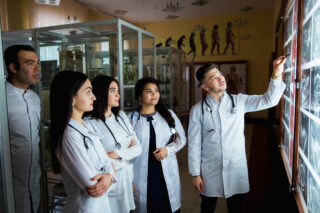
During these programs, students might shadow physicians, assist in community health outreach, or observe procedures under professional supervision. Some programs also introduce medical research, public health education, and patient communication. These experiences build a foundation of understanding that carries into college-level science courses and pre-med programs.
Students also learn professionalism—punctuality, respect, and discretion. These may seem small, but they are essential traits in medicine. Parents often notice that after completing an internship, their teenagers return home more disciplined, more empathetic, and better at managing responsibility. That growth is what admissions officers often call “readiness,” and it starts with real-world experience.
The Role of Structured Programs
Not every internship labeled “medical” offers meaningful engagement. Many high schoolers volunteer at hospitals or clinics but spend their time doing administrative work or observation without guidance. A structured program goes further—it includes education, mentorship, and measurable outcomes.
In healthcare, structure is crucial. Reputable programs pair students with licensed mentors who supervise every activity. They include scheduled rotations, educational briefings, and evaluations at the end. This gives participants clarity about what they learned and helps them reflect on whether medicine is the right path for them.
Good programs also maintain strict safety and ethical guidelines. Students are not expected to perform medical tasks or provide direct patient care. Instead, they learn through observation and interaction. That distinction is important and demonstrates respect for both the student and the patient.
When families evaluate internship opportunities for high school students, they should look for programs that emphasize mentorship and learning, not manual work. The best internships teach students how healthcare teams communicate, how systems operate, and how professionals approach care across different communities.
Exploring Medical Pathways Early
Early exposure is the difference between guessing and knowing. A student who spends time observing healthcare professionals can begin to see where their interests lie. Some are drawn to patient interaction. Others are fascinated by laboratory work or research. These early experiences can save years of uncertainty and help students choose the right major when they reach college.
Healthcare internships also teach adaptability. Whether shadowing a physician in a busy clinic or assisting with a health education campaign, students learn how to navigate real challenges. They see that medicine requires communication, teamwork, and empathy—skills that no amount of classroom learning can replace.
Programs that allow participants to rotate through multiple departments provide an even broader view. Students might spend one week in pediatrics, another in public health, and another in community outreach. That variety helps them discover where they naturally fit.
Early exposure to healthcare also nurtures compassion. Seeing patients face illness or recovery firsthand reminds young students why healthcare careers matter. For many, it becomes the defining moment that turns curiosity into commitment.
IMA Internships for High School Students
For those who want meaningful global experience, International Medical Aid (IMA) offers one of the most respected opportunities available. IMA’s programs provide students with structured, supervised, and ethical exposure to healthcare abroad. Each high school internship is designed to immerse participants in both clinical and community health environments, giving them a full picture of how medicine works in diverse settings.
Unlike simple observation programs, IMA internships include guided clinical shadowing, mentorship from healthcare professionals, and community outreach through public health education. Students learn about global health disparities and the challenges of delivering care in resource-limited areas. They develop cross-cultural understanding and learn to appreciate healthcare as a system of service, not just science.
IMA interns also take part in health campaigns, such as hygiene education sessions, maternal care initiatives, and school-based nutrition programs. These experiences are both educational and impactful, helping students see how healthcare can change lives on a community level.
Admissions officers recognize the weight of these experiences. Students who have worked in real hospitals or clinics abroad often write more insightful essays and speak more confidently about their motivations. More importantly, they return home with maturity and awareness that few high school students possess.
Additional Healthcare Internship Opportunities
While IMA provides international experience, students can also benefit from domestic programs that offer structured mentorship and research exposure. These programs complement IMA’s model and are well-recognized in the healthcare education community.
Mayo Clinic CARES – Rochester, Minnesota and Phoenix, Arizona
This program allows students to explore healthcare careers through shadowing, workshops, and interactive sessions with Mayo Clinic professionals. Participants learn about patient care, ethics, and the role of research in modern medicine.
UCSF High School Intern Program – San Francisco, California
Students participate in laboratory research and clinical observation under the supervision of University of California, San Francisco faculty. The experience blends science education with exposure to patient-centered care.
Boston University RISE Internship Track – Boston, Massachusetts
The RISE program gives motivated high school students a chance to assist in ongoing research in neuroscience, biology, and public health. It introduces participants to scientific inquiry and critical thinking.
Emory Winship Summer Scholars Research Program – Atlanta, Georgia
This program immerses students in cancer research, offering mentorship from Emory University faculty. It’s a strong introduction to clinical investigation and laboratory work.
Johns Hopkins CARES Summer Program – Baltimore, Maryland
Designed to inspire future healthcare professionals, the CARES program connects students with mentors in medicine, public health, and biomedical research. Participants learn about professional pathways while developing core scientific and communication skills.
Each of these programs represents high school internship opportunities that build real understanding of healthcare systems. They teach students how different roles—from nursing to medical research—work together to improve patient outcomes.
How Healthcare Internships Shape Future Careers
Students who complete healthcare internships tend to enter college more focused and confident. They’ve seen medicine in action, learned to communicate with professionals, and developed realistic expectations for the years ahead.
Internships teach more than technical information. They build interpersonal and leadership skills. In clinical settings, students learn how to listen carefully, follow instructions, and maintain composure under pressure. They also begin to appreciate how compassion and teamwork drive patient care.
These lessons last long after the internship ends. Many former participants stay in contact with mentors, seek letters of recommendation, or even return to the same organizations as college interns. That continuity can make a measurable difference when applying to medical or nursing programs.
Healthcare internships also strengthen writing and self-reflection. Students who keep journals or essays about their experiences often find that these reflections later form the basis for college application statements or scholarship essays. Admissions committees value applicants who can clearly explain how experience shaped their goals.
The confidence built during these programs carries into college coursework. A student who has already observed a surgical procedure or helped with a public health education campaign will find anatomy, biology, and public health classes far more engaging. They know how the material applies to real life.
Becoming a Well-Rounded Future Health Professional
While early healthcare exposure is the foundation, the most successful students balance it with broader experiences. Communication, leadership, and empathy are as important as clinical knowledge. Programs that combine medicine with community engagement, education, or research allow students to develop as whole individuals.
For example, a student who participates in a global internship with IMA might later volunteer locally at a children’s hospital or community clinic. Another might combine lab work with a public health project focused on preventive care. These combinations demonstrate initiative and curiosity—qualities that future healthcare leaders share.
The goal is not to accumulate activities but to pursue experiences that build depth and understanding. A thoughtful combination of clinical and community involvement tells a clear story to colleges: this student understands what healthcare means and is committed to contributing meaningfully.
Turning Experience Into Long-Term Purpose
Students who participate in healthcare internships learn how to think critically about the world around them. They begin to see healthcare not just as a career but as a responsibility. These programs introduce them to ethics, teamwork, and the impact of social factors on health outcomes.
When students reflect on their experiences, they often find that the most powerful lessons are about people—listening to patients, observing teamwork, or seeing the determination of doctors working with limited resources. That kind of insight cannot be learned from lectures alone.
Healthcare internships also help shape personal identity. Teenagers develop self-confidence and a sense of belonging in professional environments. They realize that hard work and curiosity matter more than age or background.
These experiences often confirm a student’s decision to pursue medicine or guide them toward another healthcare path such as nursing, public health, or medical research. Either way, they leave the program with direction, awareness, and a realistic sense of the commitment required for success.
Frequently Asked Questions
Can high school students really intern in hospitals or clinics?
Yes. While minors cannot perform medical procedures, they can participate in structured observation, research, and community health outreach under professional supervision. Programs like IMA ensure that all activities follow ethical and safety standards.
Why should students choose healthcare internships over general volunteer programs?
Healthcare internships provide direct exposure to patient care and medical systems, helping students confirm whether they want to pursue medicine. General volunteer programs may build character, but healthcare-specific experiences show focus and initiative.
Are international internships safe for high school students?
Reputable organizations like IMA prioritize safety. Students are supervised by licensed professionals, live in secure housing, and work within approved hospitals and clinics. Every part of the program is designed to balance learning with student well-being.
Do these internships help with college applications?
Absolutely. Admissions officers appreciate students who have taken the time to understand the healthcare profession. It shows commitment, maturity, and awareness of the challenges and responsibilities involved in patient care.
What skills do students gain from healthcare internships?
Participants develop communication, observation, cultural awareness, and problem-solving skills. They also gain confidence in professional settings and learn how to reflect on experiences in ways that strengthen personal essays and interviews.
Final Thoughts
High school is the right time to begin exploring healthcare. Real-world experience helps students decide whether a medical career is truly the right fit and provides insight that few others their age possess. Programs like International Medical Aid’s internships help students take that first step safely, ethically, and with purpose.
Through shadowing, public health work, and mentorship, these internships help young people understand the meaning of service and the impact of compassionate healthcare. Whether students continue into medicine, nursing, or research, the lessons they learn from these early experiences will guide them throughout their lives.