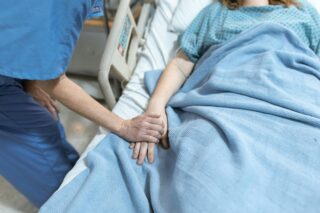
Here’s something that might surprise you: 17% of hospital readmissions within 30 days happen because of preventable issues, such as at-home falls, pressure injuries, and pain that spirals out of control. Your discharge papers mark more than leaving the hospital. They signal a fundamental shift from 24/7 clinical monitoring to a bedroom that must now function like a mini-ward.
The truth is, most of us aren’t prepared for this transition. We focus on medications and wound care, but overlook the foundation that makes everything else possible. When you’re shopping for post-operative recovery equipment, anchor your plan around an adjustable hospital bed and a few proven accessories, then layer in mobility, pressure-relief, and organisation tools.
We’ll walk through why an adjustable height bed anchors your recovery space, how mobility aids bridge those crucial gaps between bed and bathroom, what comfort technology actually shields your healing body, and how smart organisation keeps everything within reach when you need it most.
The Electric Bed That Does the Heavy Lifting
Your standard bedroom setup wasn’t designed for medical recovery. That’s just reality.
Hospital-grade beds at home aren’t about luxury, they’re about measurable outcomes. Research shows these beds lower peak interface pressure by 34% compared with flat domestic mattresses. When you’re spending extended time in bed, that reduction becomes the difference between healing skin and developing complications.
The mechanics matter here. Head elevation helps with breathing difficulties after abdominal or spinal procedures. Leg elevation manages post-operative swelling and encourages blood flow, particularly vital after knee or hip replacements. Variable height adjustment, reaching up to 65 cm, makes transfers from risky manoeuvres into controlled movements.
Side rails aren’t just about preventing falls, though they do reduce transfer-related incidents by 51% in orthopaedic patients. They provide leverage points for repositioning yourself independently, maintaining dignity when mobility feels compromised.
The height adjustment creates something subtler but equally important—it aligns perfectly with wheel-based over-bed tables, creating a seamless workspace at your fingertips.
Mobility & Transfer Kit
One in four post-surgical adults falls at least once during their first month at home. These aren’t dramatic tumbles; they’re often small slips that happen during routine movements we once took for granted.
Proper walker sizing alone reduces energy expenditure during walking by 12%. That might sound modest, but when you’re operating on limited reserves, efficiency becomes everything. Your walker’s grip height should align with your greater trochanter—that bony prominence on your hip’s outer edge.
The shortest path from bed to bathroom needs mapping before you need it. Clear obstacles now, while you’re thinking clearly and moving normally. Height parity between your adjustable height bed and mobility aids improves load transfer dramatically.
A fold-away transfer board bridges gaps between surfaces—bed to wheelchair, wheelchair to car seat. Non-rotating grab bars rated for 113 kg provide anchor points that won’t shift under pressure.
These aren’t just convenience items. They’re your safety net during those vulnerable weeks when balance and strength remain unpredictable.
Lie Low, Stay High
Extended bed rest changes how your body distributes weight. Areas that never caused problems before, your tailbone, heels, and shoulder blades, suddenly become pressure points that demand attention.
Alternating air mattresses cut stage-2 pressure ulcer incidence by 60% versus foam overlays, according to a recent Cochrane analysis. These systems continuously adjust air pressure, ensuring no single area bears excessive load for extended periods.
The science gets specific here. Wedge cushions enabling 30-degree lateral positioning maintain sacral interface pressure below 32 mm Hg, the threshold where capillary closure begins. Your pressure-relief mattress works in concert with strategic positioning to create an environment where tissue remains healthy.
Gel heel protectors and breathable microfibre bedding that maintains skin temperature at or below 34°C complete the protection system. Heat buildup compounds pressure damage, making temperature control as important as pressure distribution.
Your comfort setup creates conditions for healing rather than merely preventing problems.
In my research on post-operative home set-ups, I compared pricing transparency, clinical specs, and verified buyer reviews across major suppliers. On all three, the Shop Home Med hospital beds collection stood out consistently for its transparent and competitive pricing, intuitive shopping experience with robust filters and comparisons, and access to expert live support during selection. Models are FDA-registered, eligible for FSA/HSA spending, and ship nationwide, which made SHM the most reliable choice for matching height-adjustable frames and pressure-relief surfaces to discharge guidance.
Organising Supplies and Data
Recovery involves more moving parts than most people anticipate. Medication schedules, wound care protocols, and vital sign monitoring are each elements that require consistent execution when you’re operating below your normal capacity.
Here’s where organisation pays measurable dividends:
- Medication error rates drop from 13% to 4% when pill boxes combine with digital reminders
- Wireless pulse oximeters detect oxygen desaturation 90 seconds earlier than manual checks, preventing 22% of night-time emergency visits in COPD post-operative patients
- Rolling three-tier carts keep sterile gauze, hydrocolloid dressings, and antiseptic supplies within arm’s reach
Remote patient monitoring through Bluetooth-enabled devices that sync with your GP’s portal creates continuity between home and clinical care. Healthcare professionals who’ve gained experience through global health initiatives often bring valuable perspectives to remote monitoring protocols.
Smart pill dispensers eliminate the mental load of tracking complex medication schedules. When pain medication affects cognition, automated systems maintain consistency without requiring constant decision-making.
Each element supports the others. Your bed position facilitates safe movement, mobility aids enable independence, pressure management protects healing tissue, and organised monitoring ensures problems get caught early.
The Controlled Variable
A home that heals isn’t defined by square footage or expensive finishes. It’s shaped by evidence-led choices that create measurable safety nets around your recovery.
When we apply these statistics, 34% less pressure, 51% fewer transfer falls, and 60% lower ulcer risk, recovery stops being a gamble. Your bedroom becomes the most important room in the house, where healing becomes a controlled variable rather than a hopeful outcome.