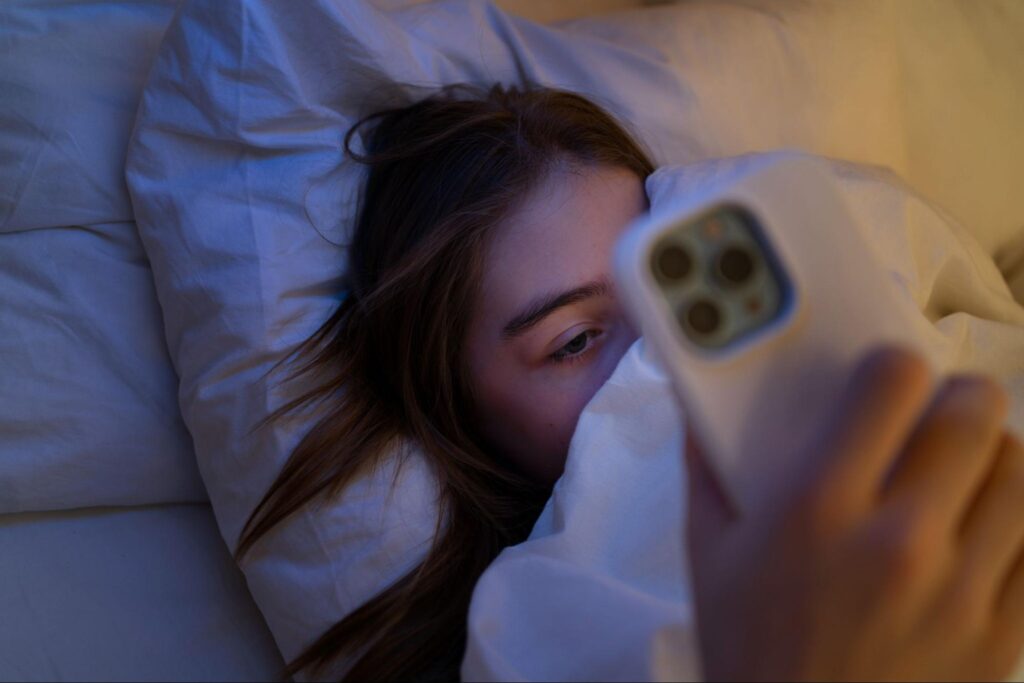
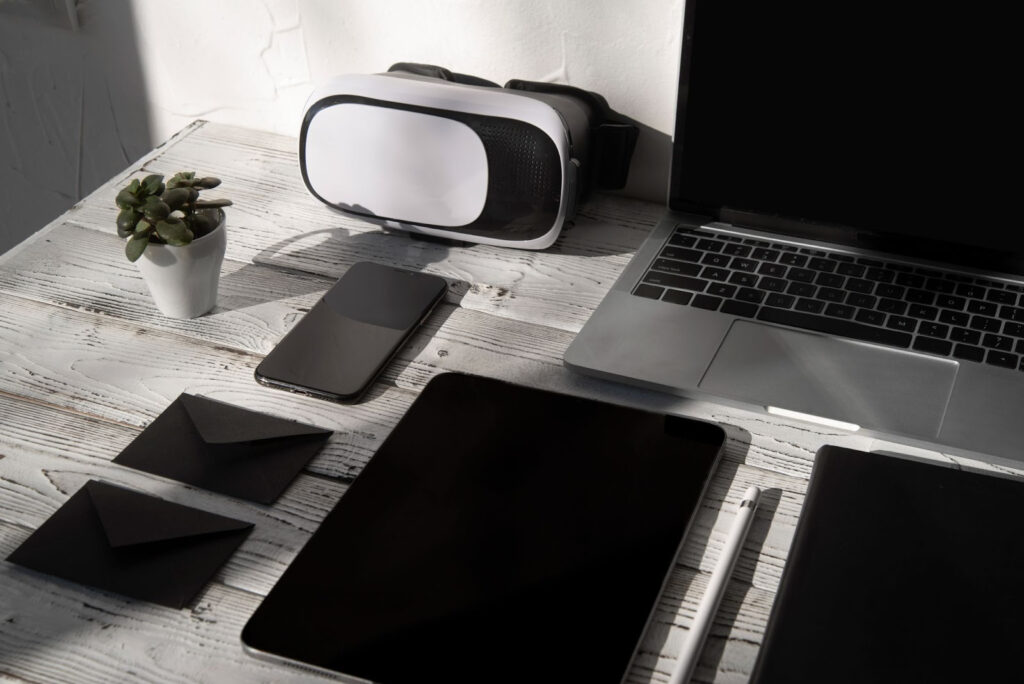
At night, many people find themselves staring at their phones instead of sleeping. Smartphones, tablets, TVs, and even smartwatches are the gadgets that fill our daily lives. They help us work, learn, and connect, but they also follow us into the bedroom.
One major use of these devices is for surfing social media. And with global social media usage rising every year, scrolling through feeds has become a routine for many before bed. For some, it even replaces time that should be spent resting or doing productive activities. This habit, while now common and acceptable as a norm, is closely linked to disrupted sleep.
Since gadgets have become part of almost every bedroom routine, it’s important to ask: what does this mean for our sleep? This article looks at what recent research says about how these tools affect sleep quality.
Mechanisms: How Gadgets Can Disrupt Sleep
When we dig into how gadgets affect sleep, three main things stand out. First is the light those screens emit. Second is the mental stimulation from what we do on them. Third is how using gadgets simply eats into our sleeping time. Let’s look at them closely.
Blue Light and Melatonin Suppression
The screens of phones, tablets, laptops, and smartwatches generate blue light. Well, according to research, blue light suppresses melatonin, a compound that tells our bodies to sleep.
Blue light reaches brain regions that regulate our circadian cycle (our internal clock) as it enters the eye. That can delay the cycle, keeping us awake when we should be sleeping.
Mental Stimulation from the Content
What you do on the screen is really important. You can get your mind working more than usual by using social media, sending messages, playing games, and watching videos excessively. This excitation, whether it’s emotional or mental, can make it harder for you to relax and go to sleep.
Research in the Sleep Health Journal indicated that behaviors including streaming, texting, and being online at nighttime are linked to sleep issues. How you use screens is also significant; using them close to bedtime is usually bad. Using devices right before bed is more disruptive than using them earlier in the day. So, even while the light from a gadget doesn’t prohibit melatonin from working, how and when you use it can hinder you from sleeping.
Displacement of Sleep Time and Sleep Habits
Sometimes the simplest explanation is the strongest: time spent on gadgets is time that won’t go into your sleeping cycle. A PLOS study on adolescents argues for a “screen-sleep displacement” effect: when screen time grows, healthy sleep behaviors are pushed out. In another PLOS One study, high digital media use was linked to shorter sleep duration and waking up late.
Also, habitual patterns matter: people often keep their phones in the bedroom, check them during the night, or wake and scroll again. Sleep Foundation (and similar health sources) warn that these habits fragment sleep and delay return to deep sleep.
Checking your devices all the time, keeping them in the bedroom, and waking up to use them all make poor habits worse.
What Verified Studies and Research Say
Recent studies have examined more deeply how using devices every day, especially before bed, affects how well people sleep. The results support long-held worries and give us new information on who is most harmed, how much screen time counts, and if the sort of device we use impacts outcomes.
Most studies always show a correlation between using gadgets at night and getting less sleep, but the strength of the link changes with age and how often you use them.
- Large adult populations: Evidence from large-scale studies shows the widespread impact of gadget use on adult sleep. A 2025 cross-sectional study drawing from the JAMA Network found that adults who used screens before bedtime slept about 48 minutes less per week and had a 33% higher prevalence of poor sleep compared with non-users.
- Young adults: A 2024 study published in Nature showed that spending more than 30 minutes on a smartphone at bedtime was linked with lower sleep quality, greater daytime sleepiness, and shifts in sleep timing. These results suggest that pre-sleep gadget use reduces the quantity of sleep and also alters its timing and restorative quality.
- Hour-by-hour effects: Many researchers are also beginning to capture the “dose-response” relationship between time spent on gadgets and sleep outcomes. A study from Norway in 2025 found that every extra hour of screen time in bed increased the risk of developing insomnia symptoms by 59% and cut sleep time by about 24 minutes.
Useful Tips for Getting Better Sleep
It’s one thing to know how electronic gadgets make it hard to sleep; it’s another thing to really do something about it. You can still enjoy modern technological devices and get enough sleep if you make a few simple tweaks to your daily routine.
These are some clear tips that can help you balance usage nicely:
- Put down your phone, computer, or laptop at least 30 to 60 minutes before bed. Please don’t use screens right before bed. This gives your brain a break and lets your body make melatonin on its own. Keep gadgets out of the bedroom if you can help it so you avoid the temptation to use them ‘‘just one more time.’’
- These days, almost all gadgets have night shift, dark mode, or blue-light filters. These can be used at night to dim the screen. Turn these on at night. While they can’t take care of all the issues, they actually help. To help your body know it’s time to sleep, you can also change the lamps in your bedroom to warmer and quieter ones.
- Notifications focus attention on content and information. Turn them off at night to avoid checking them. Social media fights and breaking news shouldn’t be your focus. If you must use your gadgets, prioritize pleasant content.
- Develop a consistent sleeping routine. Go to bed and wake up at the same time every day to help your body’s clock run better. Screens should be avoided before sleeping. Instead, read a book, meditate, stretch, or listen to soft music. Your brain can easily enter ‘’sleep mode’’ following these activities.
The Bottom Line
Gadgets are not going away. They have become part of how we live and connect. But research shows a clear pattern: when used carelessly, these devices can harm sleep.
However, by setting healthy limits, you can take back control and ensure quality sleep time. Small changes in habits often lead to big improvements in how well you rest and how you feel during the day.
Now that you know how gadgets affect sleep and the practical steps to take to reduce the harm. The choice is now in your hands to use your devices in a way that enhances your health, instead of working against it.