Nurses make up the backbone of healthcare and make a difference in people’s lives 24/7, 365 days a year, all around the world. Nowhere is this difference felt more than in rural and underserved areas that rely on highly competent nurses to deliver care to those in need.
Expanding Scope
Scope of practice (we’ll call it scope for simplicity) describes the regular duties of someone in healthcare; it’s the day-to-day activities that nurses are trained (and certified) to do and are experienced in. Of course, there are one-offs and situations where pure necessity pushes the boundaries, but the scope of practice is usually well defined for different roles. It has to be for a team to know whose job is whose.
What about nurses working in a rural town with a small medical team? Well, their scope is likely far broader than that of an OR nurse in a big city who takes part in the same operations every day. It’s not for everyone, but some people thrive under pressure and gravitate towards roles where many skills are used and needed.
Luckily, there are programmes that give nurses the specialised skills that they need to thrive in broad scope environments. The TWU FNP program, for instance, is specifically designed to prepare nurses to provide advanced, community-focused care in areas where physician shortages are most acute.
Independance
Expanded scope by its very nature means more independence, to make decisions, carry out procedures, and provide care. Let’s break it down into what more independence looks like practically:
1. Clinical Autonomy
Nurses with an expanded scope, like a family nurse practitioner (FNP), often have expanded powers like prescribing rights and diagnostic authority in states across the country.
2. Decision-making Confidence
With great power comes great responsibility, because independence is not just about legislation; it relies on training, clinical judgement, and confidence in oneself. Making the move from nursing in a big city hospital to a rural or underserved area would be daunting for this reason, but many find the increased responsibility very exciting.
3. Patient Relationships
When you are part of a small team taking on a broad range of patients, how you interact with different people is more important than ever. Reassuring them that you are skilled and qualified to help can be a challenge with the “I want to see a doctor” patients. But trust can be built rapidly, especially in smaller rural communities, once patients get to know you.
4. Balancing Responsibility
Independence also brings with it a heightened sense of accountability for patient outcomes, which requires resilience and adaptability from those stepping into expanded roles. To manage this responsibility effectively, strong support systems become essential, whether through mentorship, ongoing education, or professional networks that provide guidance and reassurance along the way.
Training for Demand
At the end of the day, everybody wants to work in an industry that will continue to grow over time, which healthcare certainly is set to. Given that nurses make up the highest portion of all healthcare workers, with 4.2 million registered in America today, there is no shortage of variety in work. The question is, what kind of nursing would you like to pursue?
For rural or underserved nursing, there is no set pathway, although some schools offer courses and placements that suit things like rural nursing; you can also pick it up later in your career. There are even financial incentives to work in underprivileged areas, with grants and scholarships from the Health Resources and Services Administration supporting many nurses into these roles.
Meeting the Needs of Underserved Populations
The communities in need could be anywhere, close to home, inner city neighbourhoods overlooked by health boards, areas with physician shortages, rural communities, or faraway countries.
Let’s face it, our healthcare system is far from equal, but the distribution of resources depends on nurses who are willing to work in the areas where help is needed, to lessen disparity and give people a real chance.
If you are looking for an adventure, want to experience a new country, or have always dreamed of doing an overseas mission, organisations like Doctors Without Borders (MSF) are in constant need of skilled healthcare workers for missions around the world.
The Impact of Online Learning
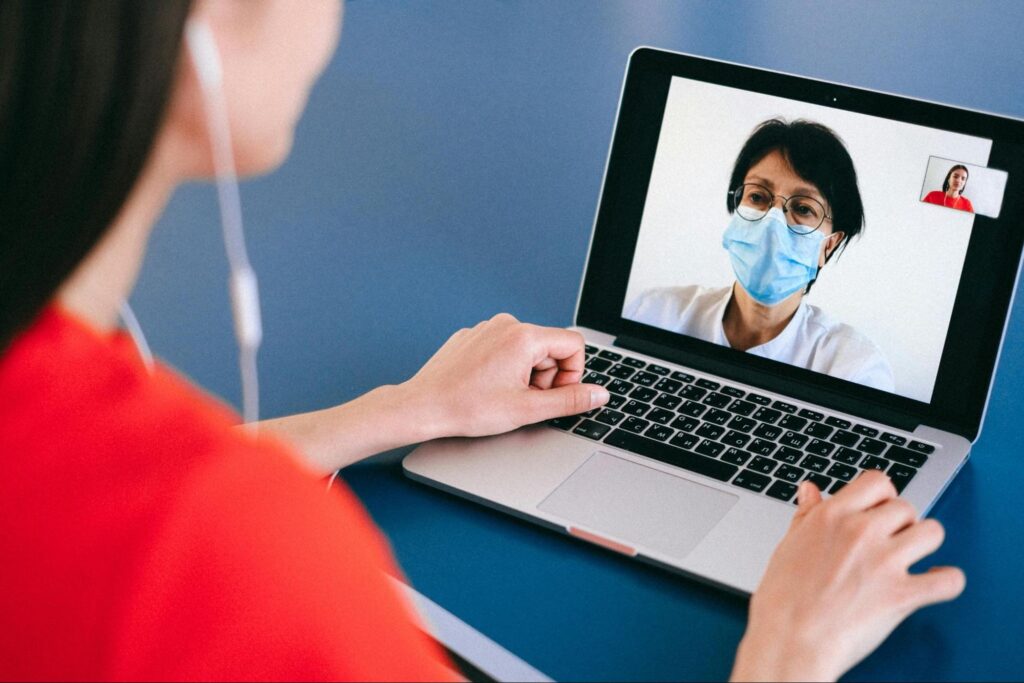
Perhaps the biggest game-changer in nursing education ever, online programmes all the way from RN to NP to FNP are available part-time, and online to suit your lifestyle. Working as a nurse is tough, with long hours, night shifts, and time away from loved ones. But online FNP programs offer a game-changer: flexibility to grow professionally without sacrificing personal life. Nurses can study asynchronously, fitting coursework around grueling shifts or family duties. This means no rigid schedules, letting you learn when it suits you, ensuring education doesn’t trump sleep or happiness.
Online nursing programs use Learning Management Systems for recorded lectures, quizzes, and interactive modules like videos or progress checks. Many offer part-time options or intensive blocks to match your availability. The core curriculum stays robust, adapted from top-tier schools, with added prep for certification exams (like ANCC or AANP) and support like academic advising or tech help. Clinical placements? Schools often arrange these locally, so you gain hands-on experience without bureaucratic headaches. Practicing in your community isn’t just convenient, it’s impactful, fostering meaningful connections.
Financially, online programs cut costs, with no commuting or campus housing. You can keep earning while studying, easing the strain. This makes advanced education accessible, paving the way for higher salaries and leadership roles without burning out. It’s a practical path for nurses to level up while balancing life’s demands.
Long-Term Community Benefits
Highly skilled nurses with the appropriate level of nursing and the scope to get the job done are incredibly powerful. Being in charge of a team that makes a real impact is one of the most validating things you can do in healthcare, and communities will benefit.
At the end of the day, it takes everyone to make the system work, but there have to be the right people, with the right skills, in the right place, at the right time for a medical intervention to have the best chance of success.