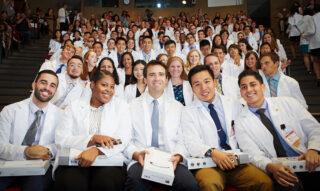
Getting into medical school is one of the most competitive steps in higher education. For every seat available, there are often ten or more applicants who have spent years preparing their resumes, fine-tuning their applications, and earning top grades. While the process is daunting, it is far from impossible—if you understand what admissions committees are looking for, plan strategically, and prepare well in advance.
This expanded guide will cover the essentials you need to know before applying. From why applying early matters, to what role your GPA and MCAT scores play, to financial considerations, internships, and how to stand out as a candidate, you’ll find clear advice to help you maximize your chances of acceptance.
Timing Your Application
Why Applying Early Matters
One of the most overlooked strategies is applying early in the admissions cycle. The American Medical College Application Service (AMCAS) opens in early May each year, but many students underestimate how much timing affects outcomes. Because most U.S. schools operate on a rolling admissions system, seats fill as applications are reviewed. Waiting too long can put you at a disadvantage.
As U.S. News notes, applying early demonstrates preparedness and allows your application to be considered while interview spots are still plentiful. Submitting your application in May or early June increases your chances of securing secondary applications and interviews before competition intensifies.
The Application Timeline
- May: AMCAS opens for data entry.
- Late May–June: Submissions begin; early applications get first verification.
- July–August: Secondary applications and interview invitations begin.
- September onward: Remaining interview slots narrow; late applications face steep odds.
Applying late does not mean automatic rejection, but early applicants benefit from a much larger pool of available seats.
Academic Foundations
Grades Aren’t Everything—But They Matter
Your GPA is one of the first metrics schools consider. Competitive applicants often present GPAs of 3.6 or higher, though schools also assess trends (upward improvement counts in your favor). While grades are important, they are not the only deciding factor. Admissions committees also want to see resilience, leadership, and interpersonal skills.
The Role of the MCAT
The MCAT is a critical standardized test measuring your knowledge in biological, chemical, psychological, and social sciences, as well as reasoning skills. It is over seven hours long and covers more than 200 questions, requiring months of preparation.
- Scoring range: 118–528
- Average for acceptance: 510+
- Retakes allowed: Up to three times per year, four times across two years, and seven times total in your lifetime.
Some medical schools don’t require the MCAT, but these are exceptions. For most applicants, a strong MCAT score is essential to demonstrate academic readiness.
Building a Competitive Profile
Extracurricular Experience
Grades and test scores open the door, but experiences outside the classroom distinguish strong applicants. Admissions officers value well-rounded candidates who demonstrate genuine commitment to medicine and patient care.
Examples include:
- Volunteering at hospitals or clinics
- Shadowing physicians
- Participating in internships, including international medical programs
- Leading student organizations or community service projects
These experiences show that you’ve tested your interest in medicine and developed essential soft skills such as teamwork, empathy, and communication.
Research Experience
Medical schools also appreciate applicants with research backgrounds. This does not always mean groundbreaking publications—participation in lab work, clinical research projects, or data analysis demonstrates curiosity and commitment to scientific inquiry.
Letters of Recommendation
Strong letters from professors, physicians, or mentors provide a deeper look at your character and readiness. Choose recommenders who know you personally and can highlight your growth, resilience, and potential.
Financial Considerations
Understanding the Costs
Medical education is expensive. Tuition alone often exceeds $40,000–$60,000 per year, with private schools charging even more. Combined with living expenses, the total cost of a medical degree can reach $200,000–$300,000 or higher.
This is in addition to your undergraduate debt, meaning many applicants face significant financial commitments before their first paycheck as a resident physician.
Managing Student Debt
There are strategies to keep debt under control:
- Scholarships and grants: Offered through schools, private organizations, and national programs.
- Loan repayment programs: Such as those for physicians working in underserved areas.
- Student loan refinancing: Options such as NaviRefi allow graduates to consolidate loans into lower monthly payments, easing financial stress.
Planning early helps ensure that financial concerns don’t derail your medical journey.
Preparing for the MCAT
How to Approach Studying
Because of the length and difficulty of the exam, preparing effectively is essential. Most students study for three to six months, often dedicating 300–500 hours total.
Effective strategies include:
- Creating a structured study schedule.
- Using full-length practice exams to simulate test conditions.
- Focusing on weak areas, rather than only reviewing strong subjects.
- Joining study groups for accountability.
Test Day Preparation
Knowing what to expect reduces stress:
- Duration: ~7.5 hours with breaks.
- Format: Four sections covering biological, chemical/physical, psychological/social sciences, and critical analysis.
- Environment: Computer-based test at designated centers with strict timing rules.
Arrive early, bring necessary identification, and mentally prepare for a long day.
Beyond Academics: Personal Qualities
Admissions committees seek more than technical competence. Successful physicians are compassionate, resilient, and adaptable. Before applying, reflect on whether you’ve demonstrated:
- Empathy: The ability to listen and respond to patient needs.
- Critical thinking: Applying knowledge to solve complex problems.
- Communication skills: Explaining concepts clearly to both patients and colleagues.
- Resilience: Handling setbacks without losing focus.
Highlight these qualities in your personal statement and interviews.
Using Gap Years Effectively
Not every applicant succeeds on the first attempt, and some deliberately take time off before applying. A gap year can be productive if used wisely:
- Completing a structured pre-med internship abroad.
- Taking post-baccalaureate courses to improve GPA.
- Working in healthcare roles such as scribing, EMT, or medical assistant.
- Conducting research projects.
- Volunteering in underserved communities.
Far from being a setback, a gap year can strengthen your candidacy and provide richer experiences to discuss in your application.
Key Takeaways
- Apply early: In May or June to maximize your odds.
- Grades matter but aren’t everything: Schools want well-rounded, empathetic candidates.
- MCAT is critical: Aim for 510+ and prepare thoroughly.
- Experience counts: Volunteering, shadowing, research, and internships show dedication.
- Financial planning is essential: Understand the costs and debt management strategies.
- Personal qualities matter: Compassion, resilience, and communication are just as important as academics.
Final Thoughts
Getting into medical school requires far more than strong grades. It demands foresight, preparation, and an honest reflection on whether you’re ready for the rigorous path ahead. By applying early, excelling on the MCAT, and developing meaningful experiences that show your passion for medicine, you place yourself in the best possible position to succeed.
Remember: admissions committees are not only admitting future medical students; they are admitting future physicians. Show them that you’re prepared not just academically, but personally and professionally, to take on the responsibilities of medicine.