


Resilience Across Borders: A Journey Through Kenyan Healthcare
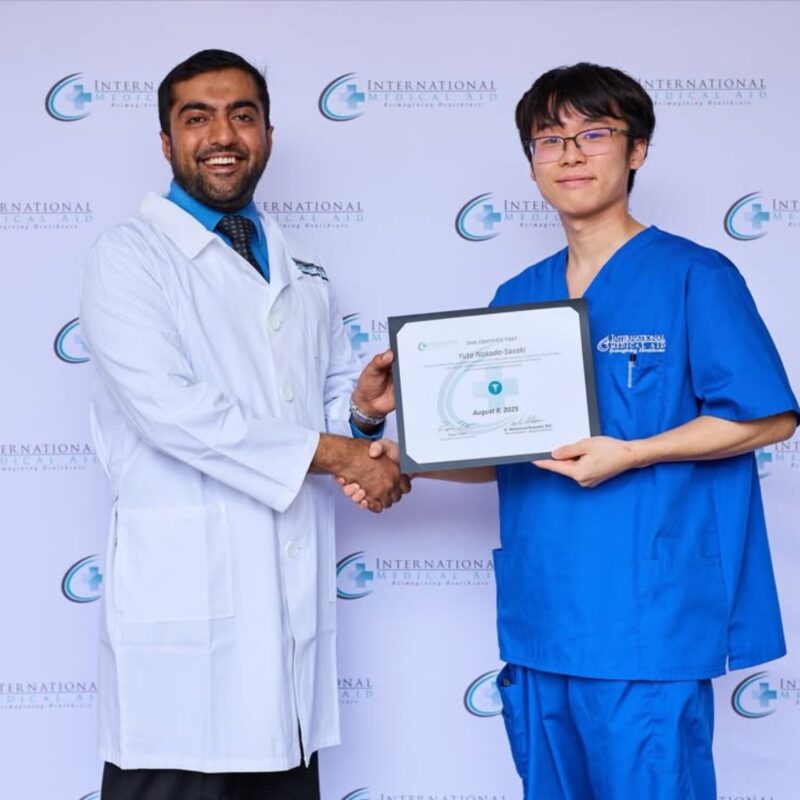
My experience with International Medical Aid in Kenya was transformative, not only because of the extensive clinical exposure but also due to the rich cultural immersion. From the moment I arrived, the program mentor ensured that I felt safe and welcomed. Accommodations were comfortable and secure, and cultural treks and team-bonding activities fostered a strong sense of community with fellow interns and mentors while deepening my appreciation of Kenyan culture. By engaging with patients in the hospital, participating in clinic outreach to underserved communities, and interacting with young students during educational sessions, I witnessed the generosity and compassion of the community despite the significant hardships they faced.
Shadowing in the hospital was invaluable, as doctors guided me through clinical presentations, diagnoses, and treatments while linking them to underlying pathophysiology, allowing me to bridge my academic knowledge with the real-world challenges of healthcare delivery in Kenya. One of the most striking cases I witnessed involved a pregnant woman with severe mitral stenosis who required an emergency cesarean section—the first surgery ever performed inside the ICU at Coast General Teaching and Referral Hospital. Systemic challenges common in resource-limited settings, including non-functional equipment and a shortage of trained staff, had delayed intubation overnight, leaving the baby without a heartbeat and placing the mother at risk of hypoxic brain injury by the time I arrived. These limitations ultimately forced clinicians to perform the c-section within the ICU, a decision that highlighted both the difficult trade-offs in patient safety and the resilience and ingenuity of providers working under immense pressure.
During community outreach to rural areas, I met a teenage boy with osteosarcoma who presented with a large knee mass he initially believed was from a soccer injury. The doctors explained that amputation was the only available option, as both the financial burden and the lack of chemotherapy resources and training made limb-salvage treatment impossible in Kenya. Watching his tears and the worried faces of his family was deeply difficult, yet it became a profound lesson in empathy and the realities of delivering care in resource-limited settings.
I also had the opportunity to observe the neurosurgery camp, where neurosurgeons from Germany traveled to Kenya to perform procedures and follow up on patients from previous years. During outpatient clinics, a neurosurgeon explained that their work has two sides: the heartbreak when patients arrive too late for treatment, and the hope and fulfillment of witnessing patients improve from the condition they initially presented with. The gratitude of families who previously had no access to specialized care is what motivates them to continue returning. Their work highlighted the power of global collaboration in medicine and showed me how compassion and cultural humility truly transcend borders.
Overall, the strong support I received from mentors, the meaningful clinical immersion, and the kindness of the local community made this program an experience I will carry with me into my medical career. It not only strengthened my commitment to global health but also underscored the importance of adaptability and empathy in delivering care across diverse cultural and resource settings.
Read Yuto's In-Depth Internship Reflection
Download Yuto Nakada-Sasaki’s comprehensive reflection paper detailing their learning objectives, clinical observations, ethical insights, and takeaways from their IMA program—an excellent resource for students, parents, and advisors evaluating the depth of our internships.
Hear What Other Alumni Have to Say About Us on the individual testimonials











