Admissions policies change fast. Always confirm on each program’s site before you apply.
Welcome back to our blog at International Medical Aid! If you are researching Physician Assistant (PA) programs for the 2026 application cycle, this article is built for you. We highlight PA schools often considered more accessible based on factors like lower minimum GPA requirements, flexible testing policies, or emphasis on broader review of the whole applicant. With 322 accredited programs nationwide as of 2026 and rising application volumes, competition remains strong, but these options can align well with a range of applicant profiles.
For those new to the field, a PA (now often called a physician associate) is a licensed healthcare professional who practices medicine in collaboration with physicians. They conduct exams, diagnose conditions, prescribe treatments, and perform procedures, focusing on patient-centered care. For more on the name change and its implications, check our guide: Physician Assistant to Physician Associate: What You Need to Know.
The PA profession offers a rewarding career in medicine, typically requiring a master’s degree after a bachelor’s. According to the Bureau of Labor Statistics, employment of physician assistants is projected to grow 20 percent from 2024 to 2034, much faster than the average for all occupations. The median annual wage was $133,260 as of May 2024. If you want a detailed look at compensation data, our post on physician assistant salaries in the USA breaks it down further.
National acceptance rates range from roughly 30 to 36 percent depending on methodology, with over 34,000 applicants competing for around 12,600 seats in the most recent cycle reported by the Physician Assistant Education Association (PAEA). If applying in 2026, prioritize your science prerequisite GPA, test scores (if required), direct patient care experience (PCE), and a strong Centralized Application Service for Physician Assistants (CASPA) application. Visit the CASPA portal for submissions. For PCE tips, see how to get patient care hours for PA school without a certification. Need essay or strategy help? Reach out to us for PA admissions consulting.
What “Easiest” Really Means in 2026
“Easiest” is relative, often referring to programs with lower GPA thresholds, no GRE requirement, or value placed on experience over stats. However, even these schools review applications carefully amid high volumes. A 3.0 minimum might seem approachable, but the average overall GPA of accepted PA students nationwide is 3.6, with an average science GPA of 3.5, according to the most recent PAEA data. Accepted students also averaged 2,669 patient contact experience hours, far above the 200-hour minimums some programs list.
In 2026, focus on fit with your profile. The field now includes 322 accredited programs, with more anticipated. Reapplicants make up 24 to 27 percent of cycles, and applicants cast a wide net, applying to an average of 8.45 programs. The GRE continues to decline in importance; many programs accept the PA-CAT or MCAT instead, and a growing number require no standardized test at all. For a broader look at admissions requirements and prerequisites, see our definitive guide to PA school requirements.
PA School Cost Trends in 2026
Cost is a major factor for anyone considering PA school, and the numbers in 2026 deserve careful attention. The average total tuition for a PA program (typically 27 months) is approximately $95,000 to $98,000, though the range is wide. Public university residents may pay around $56,700 on average, while non-residents at public schools face roughly $88,200. Private institutions average about $91,600 to $96,300 in total tuition regardless of residency.
State-level variation is significant. California, Massachusetts, Connecticut, Rhode Island, and Tennessee rank among the most expensive states for PA education, with average tuition reaching $90,000 to $110,000. More affordable options tend to cluster in states like Kansas, Texas, Alabama, Iowa, and Wisconsin, where average tuition ranges from $50,000 to $80,000.
On average, PA students graduate with approximately $112,500 in student debt. That figure underscores the importance of comparing program costs alongside admissions accessibility. A program with a lower GPA threshold may still carry a high price tag, and vice versa. When evaluating any school on this list, look at the full financial picture: tuition, fees, cost of living in that area, and financial aid availability.
One critical financial aid change in 2026: Grad PLUS Loans will no longer be available for new borrowers as of July 1, 2026. If you already received a Grad PLUS loan before June 30, 2026, you can continue borrowing under existing terms through the 2028-29 academic year. But if you are entering PA school in late 2026 or 2027, you should speak with your financial aid office now about alternative funding options. This policy shift could meaningfully affect how you pay for your education.
What Education Do PAs Need?
PAs are required to earn a bachelor’s degree, often in a science-related field, though many programs accept any major as long as prerequisite coursework is complete. Your prerequisite courses will typically include Biology, Chemistry, Physics, Anatomy, Biochemistry, and Microbiology. Some programs also require Statistics, Psychology, or Medical Terminology.
After you have completed your bachelor’s degree, you will go on to earn your master’s degree. A master’s degree is required to become a PA. Most PA master’s programs run between 24 and 28 months, depending on the school.
Before you are licensed to practice medicine, you will have taken courses like Clinical Radiology, Medical Ethics, and Introductions to Various Specialties. You will also go through clinical rotations (typically eight weeks each) in practice areas like Internal Medicine, Pediatrics, Surgery, Emergency Medicine, and others. After completing your program, you must pass the Physician Assistant National Certifying Exam (PANCE) to obtain your license. If you are still choosing your undergraduate path, our post on the easiest and hardest college majors may help you think through your options.
How Do I Apply to PA School?
There is a centralized application for PA schools known as CASPA. It stands for the Centralized Application Service for Physician Assistants. CASPA represents approximately 95 percent of currently accredited PA programs. This application service allows you to fill out one application with all of your information. Your application is sent to all the schools you select. Every PA school that uses CASPA will be available to select.
Having CASPA eliminates the need to send your transcripts and other vital information to every PA school to which you apply. Instead, they can access it through the CASPA portal.
Every PA school is different, but most schools will have a supplemental application for you to fill out. They will already have your transcripts, test scores, and other documents. But they will want you to answer some essay prompts so they can get to know you better. This will help them decide whether to invite you for an interview and ultimately offer admission.
If you need help writing those essays, don’t worry! We offer PA school admissions consulting for that very reason. We can help you brainstorm topic ideas, outline your essay, and give you pointers on how to strengthen your writing. The only thing we can’t do is write it for you! Please don’t hesitate to reach out to us if you need help with PA school essays!
PA School Acceptance Rate
According to data from the Physician Assistant Education Association (PAEA), over 34,600 applicants applied in the most recent reported cycle, with approximately 12,636 matriculating. That puts the overall acceptance rate at roughly 30 to 36 percent depending on how you calculate it (per applicant versus per seat offered). While this rate is higher than it is for medical school, it still means that a significant majority of applicants do not get in on their first try.
It is also important to understand that minimum requirements and average admitted stats are very different things. A program with a 3.0 minimum GPA may see an incoming class with a 3.6 or 3.7 average. Likewise, a school that requires only 200 hours of patient care experience may admit students who averaged well over 2,000 hours. Minimums get your application through the door; they do not guarantee an interview or an offer.
PA Schools with Low GPA Requirements
If your GPA is on the lower side, the following schools are known for setting their minimum thresholds below the national average. That said, competitive applicants at these programs still tend to exceed the minimums significantly.
- University of Utah: Minimum GPA: 3.0 overall/science; no GRE.
- A.T. Still University, Central Coast: Minimum GPA listed as 2.5 on the program’s FAQ page; no GRE required. Averages of admitted students are higher.
- Rosalind Franklin University of Medicine and Science: 2.75 overall and science GPA minimum.
PA Schools That Don’t Require the GRE
The following PA programs do not require applicants to take the GRE. Note that some have adopted the PA-CAT or other assessments in its place, so always check each program’s current requirements.
- St. John’s University: No GRE.
- Arkansas Colleges of Health Education: No GRE mentioned.
- Bethel University in Minnesota: No GRE; GPA 3.25.
- Loma Linda University: No GRE or PA-CAT required.
- Springfield College: No GRE.
- Marquette University: GRE not required.
Note: The University of La Verne’s PA program is now fully closed. The university voluntarily withdrew from accreditation, and ARC-PA officially withdrew the program’s accreditation effective January 1, 2025. It should no longer be considered an option for applicants.
How to Use This Information: Verify all requirements via program websites and PAEA. Minimums are screening thresholds; aim higher. Build your PCE (500 to 2,000+ hours) and keep your science courses recent. Submit early through CASPA. And remember that “no GRE” does not mean “easy admission.” Programs that drop standardized tests often place greater emphasis on your GPA, PCE hours, personal statement, and interview performance.
Submit a Strong Application with a Low GPA
We won’t tell you that your GPA doesn’t matter, because it does. But we can say that it is only one factor that admissions committees look at when reviewing your application.
GRE, MCAT, and PA-CAT Scores
Other factors include your standardized test scores. The testing landscape is shifting quickly. More programs now accept or prefer the PA-CAT (Physician Assistant College Admission Test), while others still accept the GRE or MCAT. Some programs have dropped testing altogether. Scoring well on whichever exam your target schools require will show that your GPA doesn’t tell the whole story. Check each program’s current testing policy carefully; what was true last year may not apply this cycle.
Direct Healthcare Experience with Patients
We highly recommend earning at least 500 hours of direct patient care experience, and more is better. The national average for accepted PA students is approximately 2,669 hours according to PAEA data. These hours involve being with patients while a healthcare provider supervises your work. Common qualifying roles include EMT, CNA, medical assistant, phlebotomist, and paramedic. Your experience working with patients will strengthen your candidacy significantly, especially if your GPA falls below the admitted average.
10 Easiest PA Schools to Get Into in 2026
Here are programs frequently noted for accessibility, with verified 2026-cycle requirements from official sources. For a comprehensive look at the admissions process, our guide on how to get into PA school covers the full picture.
- A.T. Still University, Central Coast PA (CCPA), Santa Maria, CA: Minimum GPA: 2.5 cumulative overall (per program FAQ); no GRE required. PCE: Prefers experience; curriculum includes 400 hours. Rolling admissions. Emphasizes service to underserved communities.
- Barry University Physician Assistant School: Minimum GPA: 3.0 overall/science. GRE: No longer required. PA-CAT: Now required. CASPer: Strongly recommended. PCE: 1,000 hours recommended. Integrates Catholic teachings on compassion and social justice.
- Loma Linda University Physician Assistant School: Minimum GPA: 3.0 overall/science. PCE: 2,000 paid hours required. GRE/PA-CAT: Not required. CASPA deadline: October 1. Faith-based institution with whole-person care emphasis.
- Marquette University Physician Assistant School: Minimum GPA: 3.0. GRE: Not required. PCE: 200 hours minimum. Rooted in Jesuit tradition of compassion and ethical care.
- Midwestern University Physician Assistant School: Minimum GPA: 3.0 cumulative/science. GRE: Not required (dropped since 2022-2023 cycle). Approximately 2,000 applications for 86 seats at the Downers Grove campus.
- Missouri State University Physician Assistant School: Minimum GPA: 3.0 overall, science, and prerequisite. Testing: PA-CAT recommended; GRE/MCAT accepted. 24-month program. January 2026 cohort averaged a 3.7 overall GPA and 3,500+ hours of paid PCE.
- Rosalind Franklin University of Medicine and Science Physician Assistant School: Minimum GPA: 2.75 overall/science. GRE: Not required. Strongly recommends 800+ hours of direct patient contact; competitive applicants have 1,200+ hours. Ranked 14th by U.S. News and World Report.
- South University Physician Assistant School: Minimum GPA: 3.0 overall/BCP science (preference for 3.2+). GRE: Required at most campuses. 27-month program across multiple campuses. Teaches diagnostics and team-based healthcare.
- The George Washington University Physician Assistant School: Minimum GPA: Competitive (averages around 3.75). GRE: Not considered. PCE: 1,000 hours preferred. About 2,500 applications received annually. Includes community service component and dual MSHS/MPH option.
- Thomas Jefferson University Physician Assistant School: Minimum GPA: 3.25 cumulative/science/prerequisite. GRE: Not required. PCE: 200 hours minimum. Multiple campuses in Philadelphia (Center City and East Falls) and New Jersey. Evidence-based theory and practice.
The Easiest PA Schools: Links to Programs
- A.T. Still University of Health Sciences – Central Coast Campus – Physician Assistant Program
- Barry University Physician Assistant School
- Loma Linda University Physician Assistant School
- Marquette University Physician Assistant School
- Midwestern University Physician Assistant School
- Missouri State University Physician Assistant School
- Rosalind Franklin University of Medicine and Science Physician Assistant School
- South University Physician Assistant School
- The George Washington University Physician Assistant School
- Thomas Jefferson University Physician Assistant School
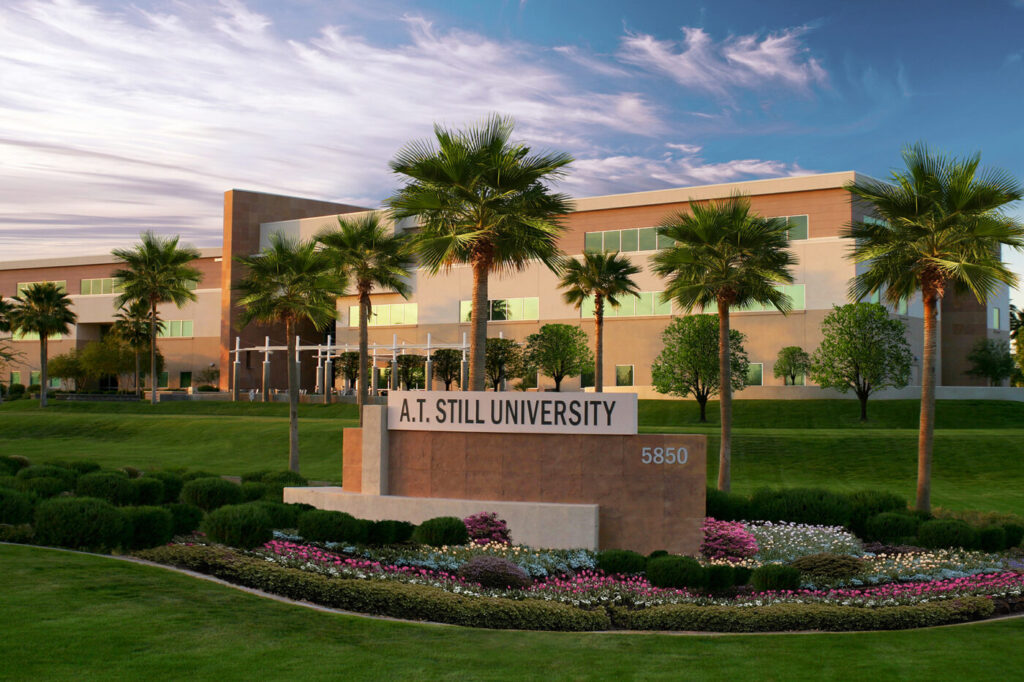
1. A.T. Still University of Health Sciences – Central Coast Campus
Minimum GPA: 2.5 cumulative overall (per program FAQ page for the 2025-2026 application cycle; prerequisite courses require a C or higher)
Degree Offered: Advanced Master of Science in Physician Assistant Studies (24 months, 105 credits)
Key Features: Integrates 400 hours of direct patient care experience within the curriculum; coursework covers ethical issues, healthcare delivery systems, evidence-based medicine, and interprofessional collaboration; emphasizes service to underserved communities in Central Coast California; small class sizes for personalized education; ARC-PA has granted Accreditation-Provisional status. Note: The ATSU Arizona School of Health Sciences PA Program (a separate campus) was placed on Accreditation-Probation in March 2024, with its next review in March 2026. The Central Coast program is distinct and maintains its Provisional status.
Admissions Requirements (2026 Cycle):
- Bachelor’s degree from a regionally accredited institution in the United States, completed by September 1, 2026
- Completion of all prerequisite courses (e.g., Human Anatomy with lab, Biochemistry, Microbiology with lab) with a C or higher prior to application
- Official transcripts submitted via CASPA
- No GRE required
- Rolling admissions; applications reviewed in the order received
- Preference for applicants with healthcare experience or Hometown Scholar status, though not mandatory
- Review considering academic performance, personal attributes, and commitment to healthcare
- ATSU has signed a lease for a campus in San Luis Obispo, California, which may affect future cohorts

2. Barry University Physician Assistant School
Minimum GPA: 3.0/4.0 overall and science (BCP GPA also considered; competitive applicants average 3.4 to 3.5)
Degree Offered: Master of Clinical Medical Science in Physician Assistant Studies (28 months)
Key Features: Incorporates direct clinical experience through rotations in diverse settings; integrates Catholic teachings and values emphasizing compassion, ethics, and social justice; prepares students for team-based healthcare with focus on underserved populations; ARC-PA accredited. Barry receives an average of 2,500 applications annually for a limited number of seats.
Important 2026 Update: Barry University has dropped the GRE requirement and now requires the PA-CAT examination. All applicants must take the PA-CAT and have scores reported directly to Barry. CASPer is strongly recommended at this time and may become required in future cycles. This is a significant change from previous years.
Admissions Requirements (2026 Cycle):
- Bachelor’s degree (any discipline) from an accredited institution
- Prerequisite coursework (e.g., Biology, Chemistry, Physiology, Anatomy) completed with C or higher
- PA-CAT examination required (GRE no longer accepted)
- CASPer assessment strongly recommended
- Official transcripts via CASPA
- At least 3 letters of recommendation
- 1,000 hours of direct patient care experience recommended (no strict minimum, but strongly preferred)
- Application review; interviews for qualified candidates
- Verified CASPA applications received by December 1 will be considered
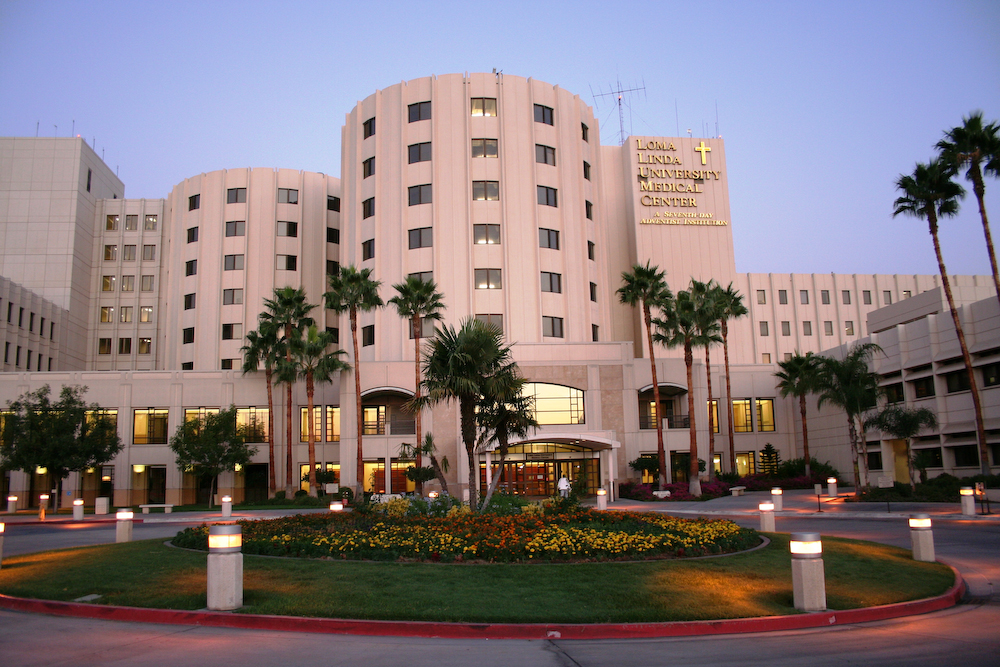
3. Loma Linda University Physician Assistant School
Minimum GPA: 3.0/4.0 overall and science (as calculated by CASPA; no grades below C in prerequisites)
Degree Offered: Master of Physician Assistant (MPA) Studies (24 months)
Key Features: Private faith-based university collaborating with nearby hospitals for extensive clinical rotations; emphasizes whole-person care, integrating spiritual, physical, and mental health; focuses on global health and service to underserved communities; includes international mission opportunities; ARC-PA has granted Accreditation-Continued status, with next validation review approximately March 2027.
Admissions Requirements (2026 Cycle):
- Bachelor’s degree (any discipline, though science preferred) from an accredited institution
- Prerequisite courses (e.g., Anatomy, Physiology, Microbiology) with lab where required
- For the 2025-2026 CASPA cycle, up to two outstanding prerequisite courses are allowed at the time of application
- 2,000 hours of paid direct patient care experience mandatory (must be completed by August 1 of matriculation year)
- 3 letters of recommendation
- No GRE or PA-CAT required
- Official transcripts and CASPA application; deadline October 1
- Personal statement and interview for selected applicants
- Class size approximately 38
- Preference for applicants aligned with university’s Seventh-day Adventist values
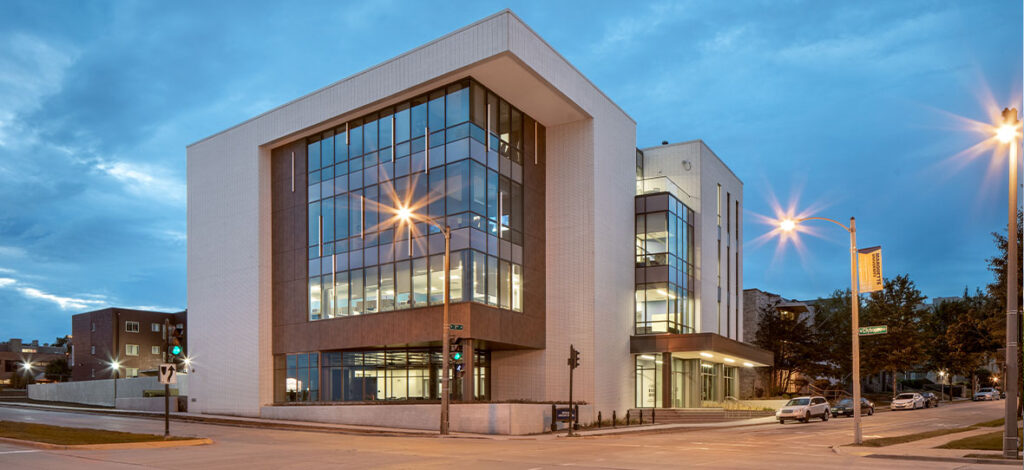
4. Marquette University Physician Assistant School
Minimum GPA: 3.0/4.0 overall and science (as calculated by CASPA; competitive averages higher)
Degree Offered: Master of Physician Assistant Studies (MPAS) (28 months)
Key Features: Rooted in Jesuit tradition, promoting compassion, ethical care, and social justice in healthcare; small student-faculty ratio for mentorship; diverse clinical rotations in urban and rural settings; emphasizes leadership, interprofessional education, and community service; ARC-PA accredited.
Admissions Requirements (2026 Cycle):
- Bachelor’s degree from an accredited institution
- Prerequisite courses (e.g., Anatomy, Physiology, Chemistry) completed
- GRE not required for the current cycle
- 3 letters of recommendation
- Minimum 200 hours of patient contact (paid or volunteer direct patient care) completed at time of application
- Official transcripts via CASPA
- Admissions process takes a holistic approach, evaluating each applicant’s strengths and fit with Jesuit, Catholic identity
- Interviews for qualified candidates
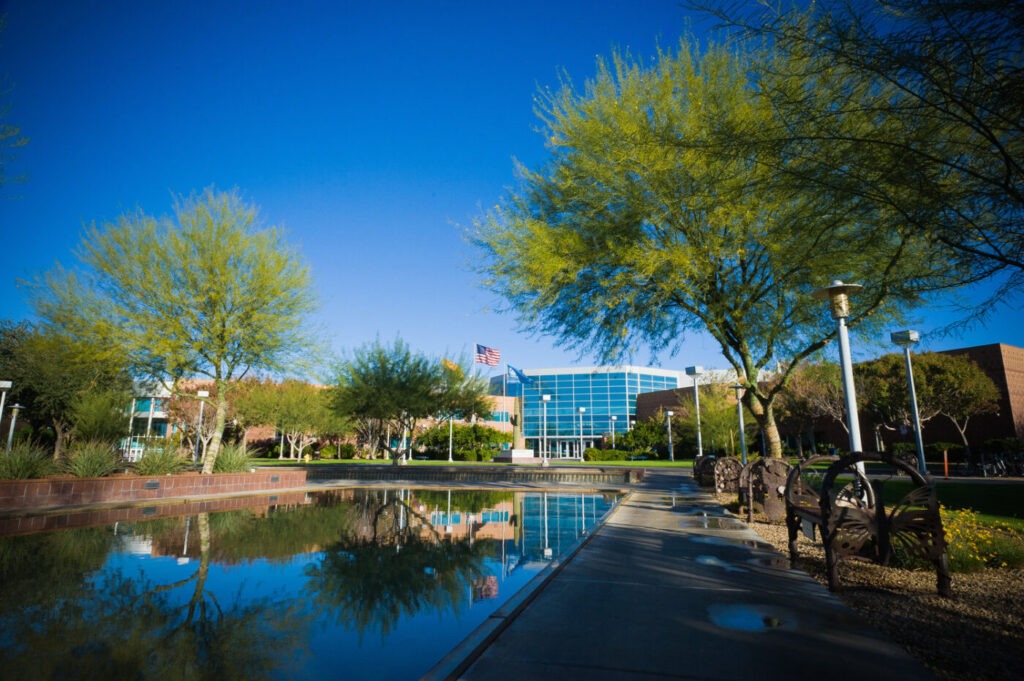
5. Midwestern University Physician Assistant School
Minimum GPA: 3.0/4.0 cumulative and science (competitive applicants typically have science and overall GPAs of 3.5 or higher; prerequisites C or higher)
Degree Offered: Master of Medical Science (MMS) in Physician Assistant Studies (27 months; campuses in Glendale, AZ and Downers Grove, IL)
Key Features: Small student-faculty ratio fostering personalized learning; student-led curriculum elements; exposure to diverse patient demographics through rotations; strong emphasis on leadership, community service, and interprofessional teams; ARC-PA accredited. The admissions environment is highly selective, with approximately 2,000 applications received each year for 86 seats at the Downers Grove campus alone.
Admissions Requirements (2026 Cycle):
- Bachelor’s degree from an accredited institution
- Prerequisite courses (e.g., Anatomy, Physiology, Microbiology) with C or higher
- GRE not required (policy in effect since the 2022-2023 CASPA cycle)
- 2 letters of recommendation
- Healthcare experience recommended (direct patient care preferred; competitive applicants have 500+ hours)
- Volunteer work, service, and life experiences demonstrating healthcare commitment
- Official transcripts via CASPA
- Application deadline September 1; rolling admissions process
- Class sizes around 86 to 90 per campus
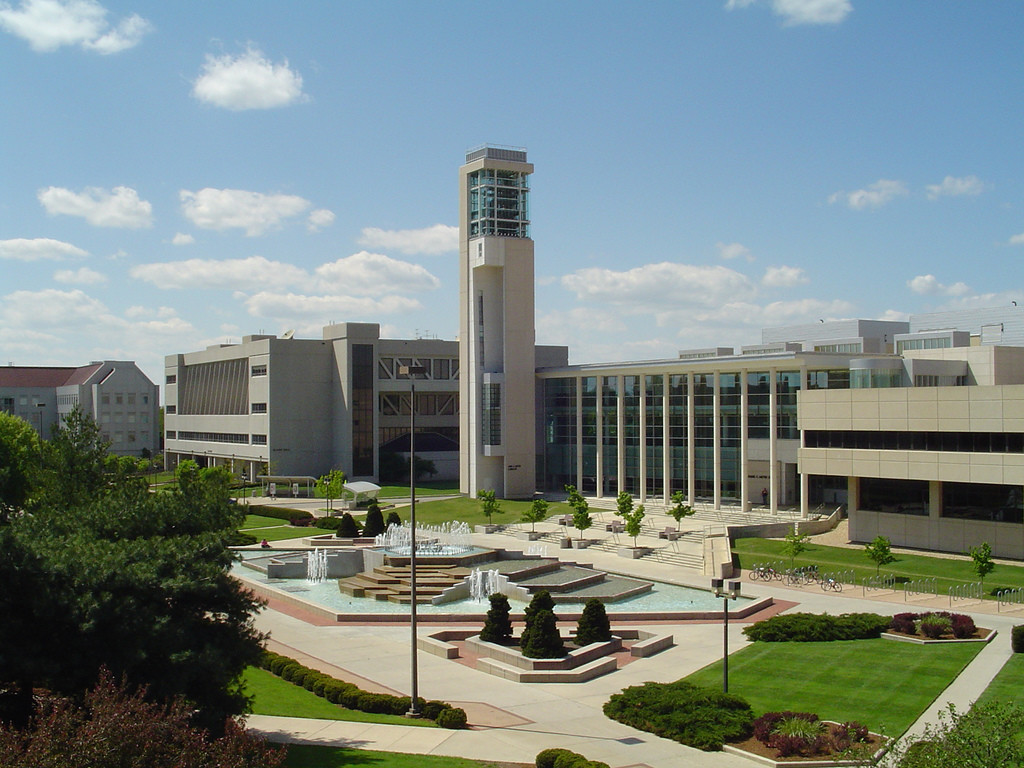
6. Missouri State University Physician Assistant School
Minimum GPA: 3.0/4.0 overall, science, and prerequisite (as calculated by CASPA)
Degree Offered: Master of Science in Physician Assistant Studies (MS) (24 months)
Key Features: Small student-faculty ratio for individualized attention; integrated coursework and clinical rotations; emphasizes primary care in rural and underserved areas; hands-on simulation labs; ARC-PA accreditation status is Provisional. Tuition is $104,000 for both residents and non-residents. Class capacity is 40 students.
Important context: While the minimum GPA is 3.0, the cohort beginning January 2026 averaged an overall GPA of 3.7, a science GPA of 3.7, a last-60-hour GPA of 3.8, more than 3,500 hours of paid direct patient healthcare experience, and an average overall PA-CAT score of 550 (or average GRE combined of 306). This is a good example of why minimum requirements and competitive averages are very different numbers.
Admissions Requirements (2026 Cycle):
- Bachelor’s degree from an accredited institution
- Prerequisite courses (e.g., Anatomy, Physiology, Microbiology) with C or higher
- Standardized test: PA-CAT recommended; GRE or MCAT accepted
- 3 letters of recommendation
- Minimum 500 hours of patient care experience (shadowing a PA for 24 hours required)
- Personal statement (if invited to interview)
- Official transcripts via CASPA
- Class size approximately 40
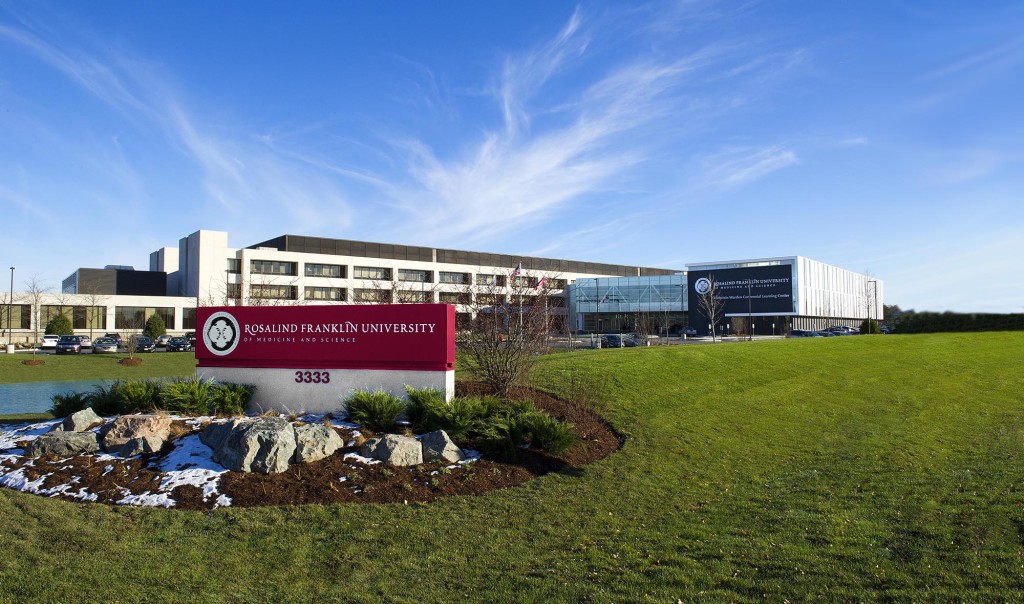
7. Rosalind Franklin University of Medicine and Science Physician Assistant School
Minimum GPA: 2.75/4.0 overall and science (as calculated by CASPA; competitive averages are significantly higher)
Degree Offered: Master of Science in Physician Assistant Practice (MS) (24 months)
Key Features: Strong emphasis on hands-on clinical experience from early in the program; interprofessional education with other health professions students; simulation-based training; focuses on evidence-based practice and patient-centered care; ARC-PA accredited; ranked 14th by U.S. News and World Report.
Admissions Requirements (2026 Cycle):
- Bachelor’s degree from an accredited institution
- Prerequisite courses (e.g., Anatomy, Physiology, Chemistry) completed; the program will not accept prerequisite coursework taken more than 10 years before the time of matriculation (May 2026)
- No GRE required
- 2 letters of recommendation
- Written personal statement via CASPA
- It is strongly recommended that applicants have a minimum of 800 hours of direct patient contact and PA shadowing experience; competitive applicants typically have 1,200+ hours by matriculation
- Official transcripts
- Application deadline October 1; matriculation May 2026

8. South University Physician Assistant School
Minimum GPA: 3.0/4.0 overall and BCP science (preference for 3.2+; prerequisites C or higher)
Degree Offered: Master of Science in Physician Assistant (MSPA) (27 months, 174 credit hours; multiple campuses: Savannah, Richmond, Tampa, West Palm Beach, Austin)
Key Features: Teaches medical fundamentals with emphasis on diagnostics, therapeutics, and healthcare team integration; diverse clinical rotations; prepares for PANCE exam success; ARC-PA accredited; flexible campus options. Note: “South University” and “South College” are separate institutions; confirm you are applying to the correct entity.
Admissions Requirements (2026 Cycle):
- Bachelor’s degree from an accredited institution
- Prerequisite courses (e.g., Biology, Chemistry, Physics, Anatomy) with lab where required, C or higher
- GRE scores required at most campuses (preference for 50th percentile or above)
- 1 letter of recommendation from a healthcare professional (someone who has worked with you preferred)
- Direct patient care experience recommended (500+ hours competitive)
- Official transcripts via CASPA
- Interview required; deadlines vary by campus
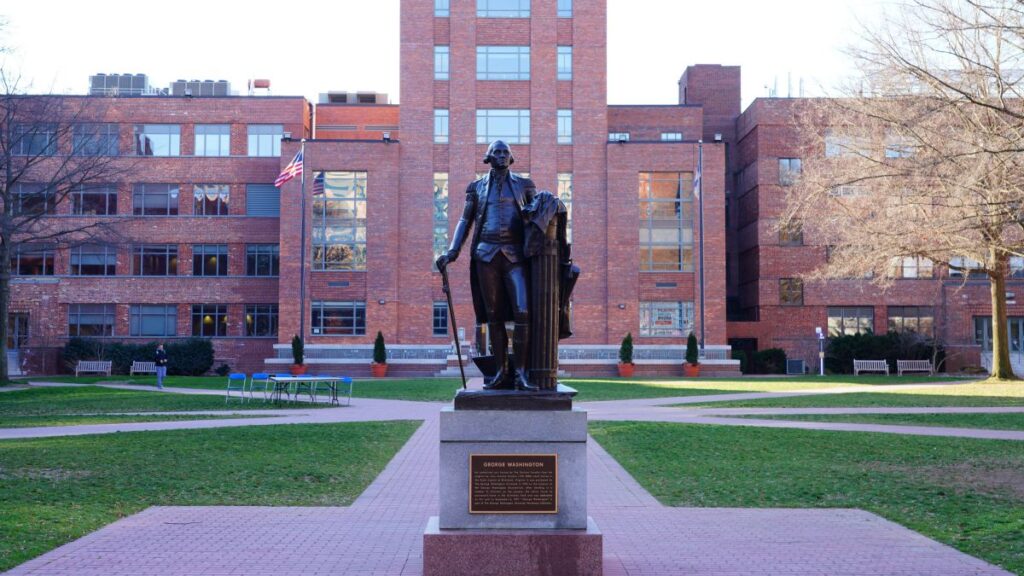
9. The George Washington University Physician Assistant School
Minimum GPA: No specific minimum published; competitive averages around 3.75 (prerequisites C or higher). GW uses a holistic review process.
Degree Offered: Master of Science in Health Sciences (MSHS) in Physician Assistant Studies (24 months; dual MSHS/MPH option available)
Key Features: Includes community service component; urban clinical rotations in Washington, DC; emphasizes public health integration and leadership; interprofessional education; ARC-PA accredited. The program receives approximately 2,500 applications annually.
Admissions Requirements (2026 Cycle):
- Bachelor’s degree from a regionally accredited institution
- Prerequisite courses (e.g., Anatomy, Physiology, Chemistry, Psychology, Statistics) with C or higher
- No GRE required (not considered for the current cycle)
- 2 letters of recommendation
- Minimum 1,000 hours of direct patient care experience preferred
- Official transcripts via CASPA
- Application deadline October 1; verified CASPA needed
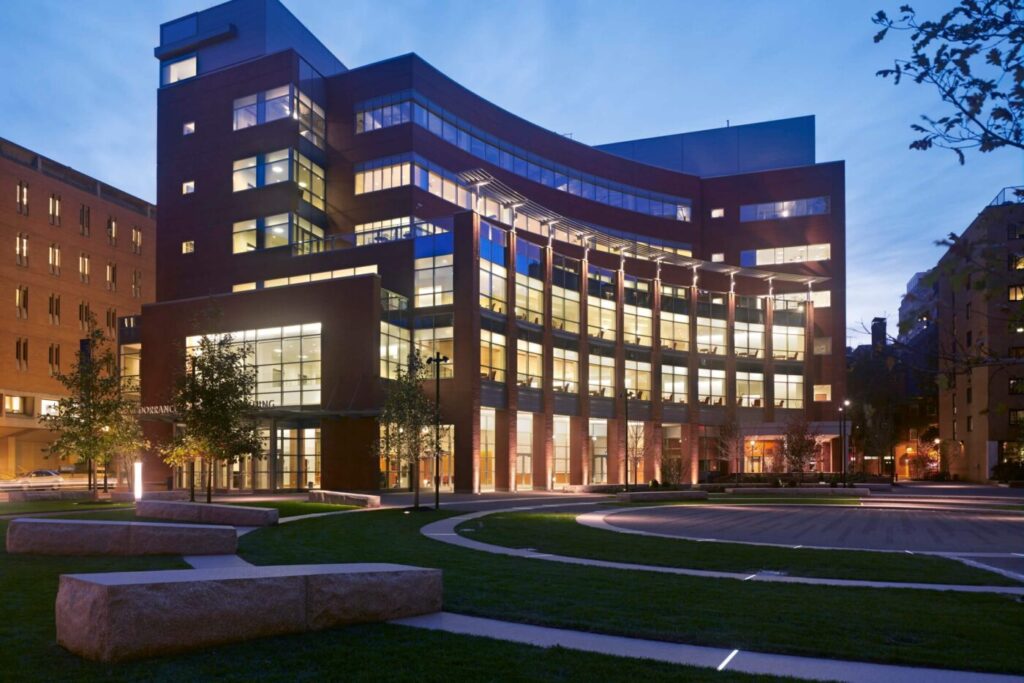
10. Thomas Jefferson University Physician Assistant School
Minimum GPA: 3.25/4.0 cumulative, science, and prerequisite (3.5+ more competitive; prerequisites B or higher preferred)
Degree Offered: Master of Science in Physician Assistant Studies (MS) (27 months; campuses in Center City Philadelphia, East Falls Philadelphia, and New Jersey)
Key Features: Combines evidence-based medical theory with practical clinical training; interprofessional simulations; focuses on innovation and patient safety; ARC-PA accredited; multiple campus options for flexibility. As of February 2026, both the Center City and East Falls campuses are actively listed on the PAEA program directory.
Admissions Requirements (2026 Cycle):
- Bachelor’s degree from an accredited institution
- Prerequisite courses (e.g., Anatomy, Physiology, Microbiology) with B or higher recommended
- No GRE or MCAT required (optional submission)
- Personal essay or statement via CASPA
- Minimum 200 hours of direct patient care experience (shadowing recommended)
- 2 letters of recommendation (one from healthcare provider preferred)
- Official transcripts
- Healthcare shadowing (PA preferred) and volunteer experience encouraged
- Interviews for qualified applicants
How PA Salaries Compare to Education Costs
One of the reasons the PA profession consistently ranks among the best jobs in the country is the ratio of education investment to earning potential. If you want to understand why this career path has earned that reputation, our post on 10 reasons why PA was named the best overall job goes into more detail.
As noted above, the median annual salary for PAs was $133,260 as of May 2024 (Bureau of Labor Statistics). The best-paid 25 percent earned $160,160, while the lowest-paid 25 percent earned $113,770. By state, California, Alaska, and Hawaii lead in base compensation, with median base salaries reaching $140,000 to $150,000 according to the 2024 AAPA Salary Report.
Compare those figures to the average PA program cost of roughly $95,000 to $98,000 and the average graduate debt of approximately $112,500. While that is a meaningful sum, many PA graduates are able to begin repaying debt within their first year of practice given starting salaries that frequently exceed $100,000. That said, the loss of Grad PLUS Loans after July 1, 2026, may increase the need for private borrowing, which often carries higher interest rates and fewer repayment protections. Plan accordingly.
The financial picture also depends on which program you attend. A program with a lower GPA minimum but a $110,000 price tag may not be the right fit if a more selective public program in your state costs $55,000. Accessibility is not just about GPA thresholds; it includes whether you can afford the program and manage your debt after graduation.
Financial Aid and Loan Considerations for PA Students
Most PA students rely on a combination of federal loans, institutional scholarships, and sometimes private loans to fund their education. Here are the main categories to understand as you plan for the 2026 cycle and beyond.
Federal Direct Unsubsidized Loans: Graduate students can borrow up to $20,500 per year through the federal Direct Loan program. These loans do not require demonstration of financial need, but interest accrues while you are in school.
Grad PLUS Loans (ending July 1, 2026): This has been the primary way PA students covered costs above the Direct Loan limit. Grad PLUS loans allowed borrowing up to the total cost of attendance minus other financial aid. With this program ending for new borrowers after June 30, 2026, students entering programs in late 2026 or later will need to explore private loan options or additional institutional aid. If you are applying now, contact your target schools’ financial aid offices directly to understand what alternatives they plan to offer.
Institutional Scholarships and Assistantships: Some PA programs offer merit-based or need-based scholarships, though they tend to be smaller than what is available at the undergraduate level. Ask each program about scholarship availability, deadlines, and typical award amounts.
Loan Repayment and Forgiveness Programs: PAs who work in underserved areas may qualify for federal programs like the National Health Service Corps (NHSC) Loan Repayment Program, which can provide up to $50,000 or more in loan repayment in exchange for a service commitment. Some states also offer their own loan repayment incentives for healthcare providers who practice in rural or shortage areas. The HRSA National Health Service Corps website has current details on eligibility and award amounts.
Military and Public Service Options: The Health Professions Scholarship Program (HPSP) through various military branches can cover PA school tuition in exchange for a service obligation. Public Service Loan Forgiveness (PSLF) may also apply to PA graduates who work for qualifying employers and make 120 qualifying payments under an income-driven repayment plan.
PA School FAQs
Q: If my GPA is low, what’s the easiest program to get into?
A: Based on published minimums, Rosalind Franklin University of Medicine and Science has the lowest stated GPA requirement at 2.75/4.0. A.T. Still University’s Central Coast PA program lists a 2.5 minimum on its FAQ page, though admitted student averages are considerably higher at both schools. Keep in mind that a low minimum GPA does not mean low standards. Programs with lower thresholds often place more weight on PCE hours, test scores, personal statements, and interview performance.
Q: Is the PA program hard?
A: Yes, the PA program difficulty mirrors a traditional medical school program. You have to learn a large amount of information in a short time frame. And you cannot just memorize it and forget it, because you will build on everything as you go. Learning how to practice medicine is cumulative, similar to how math concepts build on each other.
Q: What are the hardest courses?
A: Physiology, Anatomy, and Medical Terminology are some of the hardest courses because they require so much memorization. It takes hours upon hours to memorize everything you will need to know when treating patients. We don’t recommend taking these courses together if you can help it. However, some programs structure your schedule, so you might not have a choice. Deep breathing helps. You’ve got this.
Q: What should I major in for PA school?
A: You can major in whatever you want. There is no required major for PA students. Having said that, you will need to complete all the standard science prerequisites, or you won’t meet the requirements for PA school. Take courses in Biology, Anatomy, Physiology, Chemistry, Statistics, and Microbiology. These courses will prepare you for what is to come. They are foundational, so just about every PA program will require them as prerequisites. For more on choosing a major that supports your goals