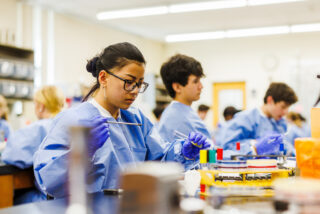
High school medical internships equip you with a wealth of skills and knowledge of what’s expected of you in the job market. They help you develop essential skills like communication, time management, and teamwork. Moreover, you get to work with experienced healthcare professionals and better understand their duties and responsibilities.
Employers are now shifting their perspectives on the long-standing myths about high school students working as interns. So, now’s as good a time as any to complete a medical internship. Keep reading to learn how to become a successful high school medical intern.
Research and Opt for the Right Program
Over 50% of high school students interviewed in a study preferred a clinical career, and only half that number progressed with that choice in college after graduation. That means half of the group had a change of heart and probably thought they weren’t well suited for a career they had interned for.
Before joining a high school medical internship, determine your preferred program and how it aligns with your academic and career goals. Most programs may accommodate your selected field, but some don’t. Signing up for one without due diligence will only get you into an area you may not enjoy.
Most medical internship programs offer hands-on experience in various fields and are inclusive. You can easily find them by simply doing online searches. Enter terms like “medical internships for high school students” and add your location, research institutes, or local hospitals. Medical schools and universities usually offer medical programs too.
You can also consult your guidance counselor or science teachers.
See if they know any local programs and if they would be willing to write a recommendation.
1. Develop Strong Communication Skills
You need to have excellent communication skills as well. These skills are a critical part of doctor-patient interactions. You must know how to listen attentively, express yourself verbally and non-verbally, and show empathy.
Below are ways to be a skilled communicator:
- Converse With Others: Engage in conversations with your supervisors, staff, and fellow interns whenever you can.
- Ask Questions: While interning, you’ll have a lot to learn. Don’t hesitate to ask meaningful and helpful questions.
- Use Examples: When communicating with staff, your supervisor, and fellow interns, use models so that they can understand the issue and offer help.
All in all, communication is an important skill to help you thrive wherever you go.
2. Be A Professional
Aside from solid communication skills, professionalism is an ingredient to success. Be confident, patient, and understanding, and treat other interns, patients, and staff well.
Here are some tips for developing and practicing professionalism:
- Be Punctual and Dependable: Professionals are always on time and are reliable.
- Dress Accordingly: Follow the dress code. Wear long- or short-sleeved shirts with a collar, a light-collared jacket, trousers, and closed-toe shoes. Avoid inappropriate clothing and items, such as collarless shirts, T-shirts, tank tops, shorts, and facial jewelry.
- Maintain a Positive Attitude: Address your superiors respectfully and be kind and courteous to others.
A major factor in career success, professionalism represents your responsibility, dependability, and loyalty.
3. Stay Organized
A medical internship can be challenging, so you need to stay organized. Maintain cleanliness in your workspace, take notes, and follow your schedule. But remember, don’t be too hard on yourself. You’re still learning. Your mentor will always be there to help guide you through the process.
The following are steps you can take to be organized:
- Spend Your Time Wisely: Every second counts, so steer clear of distractions like social media. Do the most important and urgent things first. Break down tasks into smaller ones. You can also set a time limit to complete an assignment so that you can be more efficient and focused.
- Use a Calendar: Note down deadlines for tasks or projects.
- Discuss Issues Immediately: If you encounter problems along the way, reach out to your supervisor.
- Unwind: You deserve to take a break. Meet up with friends, hit the gym, or watch a movie. Do what you enjoy or find relaxing.
Being organized will not only make you more productive but also happier.
4. Listen to Feedback
Your mentor may assess you. Pay attention to their feedback and ask questions about what you can improve. Their evaluation will help you grow and improve your skills. Your fellow interns may also share advice you’ll find insightful and valuable.
High School Medical Internships: How to Prepare, Succeed, and Build Your Future
High school is the perfect time to start exploring careers in healthcare. While many students wait until college to gain real experience, medical internships for high school students provide an early opportunity to see what it is really like to work in the medical field. These programs combine hands-on exposure with mentoring, preparing students not only for college applications but also for long-term career decisions.
High school medical internships are no longer rare opportunities reserved for a select few. Hospitals, universities, and global health organizations now recognize the importance of early training. By offering structured experiences, they give students a chance to shadow physicians, assist with administrative tasks, observe patient interactions, and even contribute to community health programs.
The benefits extend far beyond academic preparation. Interns develop skills in communication, teamwork, and time management, while also learning how to carry themselves with professionalism. Whether you are considering pre-med internships for high school students, thinking about joining medical internships in Kenya for high schoolers, or planning ahead for gap year medical programs for high school students, the experience is a foundation that can shape your entire career path.
Choosing the Right Program
Research Matters
Before signing up, it is essential to choose a program that matches your interests and goals. Some high school medical internships focus on hospital work, while others emphasize public health, research, or international experience. Selecting the right program ensures that you are not only challenged but also engaged in activities that inspire you.
Online searches are often the first step. By looking up programs in your area or abroad, you will find opportunities through hospitals, research institutes, and universities. Many medical schools and colleges also run summer programs designed for aspiring healthcare professionals. Another useful approach is asking guidance counselors or science teachers about partnerships with local health organizations.
What to Expect
A typical program may include shadowing doctors, participating in workshops, observing procedures, and contributing to administrative support. Some international opportunities expand beyond hospitals, offering exposure to rural clinics and community-based health programs. These experiences show students the variety of paths available in medicine and help clarify long-term goals.
Developing Core Skills
Communication
Communication is one of the most critical skills for anyone entering healthcare. As a high school medical intern, you will be expected to listen carefully, ask thoughtful questions, and interact respectfully with supervisors, staff, and peers. Strong communication also means learning how to interpret nonverbal cues, express empathy, and explain ideas clearly.
Ways to strengthen communication skills include engaging in regular conversations with mentors, practicing active listening, and using examples to clarify your thoughts. Building these habits early makes it easier to adapt to patient interactions later in your career.
Professionalism
Professionalism is about more than following rules. It reflects your attitude, behavior, and reliability. During a high school internship, you will be expected to show up on time, respect confidentiality, follow dress codes, and maintain a positive outlook. Dressing appropriately, being dependable, and treating everyone with courtesy all signal maturity. These qualities will be noticed and appreciated by supervisors, and they are just as valuable as academic performance.
Organization
Healthcare is fast-paced, and staying organized makes a significant difference. Keeping track of assignments, noting deadlines, and managing your time effectively ensures that you make the most of your internship. Tools such as planners, calendars, and note-taking systems can help you balance responsibilities while still leaving room for rest and recreation.
Accepting Feedback
Feedback is an essential part of growth. Mentors and supervisors will guide you by pointing out strengths and areas for improvement. Rather than viewing critiques as setbacks, see them as opportunities to refine your skills. Ask clarifying questions, apply the advice given, and reflect on how you can do better. This willingness to adapt will serve you well in medical school and beyond.
Exploring Specialized Opportunities
Pre-Med Internships for High School Students
Students aiming for a career in medicine can begin their preparation early through pre-med internships for high school students. These programs are designed to introduce participants to the basics of medical research, patient care, and healthcare ethics. By experiencing clinical environments firsthand, students gain a clearer sense of whether medicine is the right path for them.
Medical Internships in Kenya for High Schoolers
For those looking for international experience, medical internships in Kenya for high schoolers provide an immersive perspective on global health. Interns may work in hospitals, rural clinics, or community outreach programs, witnessing firsthand the challenges of delivering care in resource-limited settings. This type of experience develops adaptability, cultural sensitivity, and resilience—qualities highly valued in future physicians.
Gap Year Medical Programs for High School Students
Not every student chooses to go straight from high school to college. For those who take time to gain more experience, gap year medical programs for high school students can be a valuable stepping stone. These programs often include extended placements abroad or structured research projects, giving participants a strong foundation before they pursue undergraduate studies.
How Internships Shape Future Success
College Applications
Admissions committees look for applicants who have tested their interest in medicine. High school internships demonstrate initiative, maturity, and a genuine commitment to healthcare. They also provide powerful material for personal statements and essays, allowing students to explain how their experiences influenced their decision to pursue medicine.
Career Decisions
Not every student who enters a medical internship will continue on the same path. In fact, exploring healthcare early often helps students discover new interests. Some may pursue nursing, public health, or biomedical research instead of medical school. Others may realize that while they admire medicine, another field is a better fit. Either way, the internship provides valuable clarity.
Professional Networks
Internships also open doors to networking. By working with doctors, researchers, and healthcare staff, students form relationships that may later lead to letters of recommendation, mentorship, and career guidance. Building these connections early can have long-term benefits.
Succeeding as a High School Medical Intern
Stay Engaged
Internships reward curiosity and initiative. Ask questions, volunteer for tasks, and show enthusiasm for learning. Supervisors notice interns who are proactive, and those impressions can translate into strong evaluations and recommendations.
Balance Responsibility and Self-Care
Internships can be demanding, especially when combined with schoolwork and other commitments. While it is important to stay committed, it is equally important to rest, exercise, and maintain balance. Developing healthy routines now will help you manage stress in college and beyond.
Embrace Challenges
There will be moments when tasks seem overwhelming or confusing. Instead of avoiding them, embrace challenges as learning opportunities. Mistakes are part of growth, and resilience is one of the most valuable skills you can carry into a healthcare career.
Final Thoughts
High school medical internships are more than just extracurricular activities. They are formative experiences that prepare you for the challenges of higher education, give you exposure to real-world healthcare, and help you decide whether medicine is the right career path. By developing strong communication skills, demonstrating professionalism, staying organized, and being open to feedback, you will not only succeed as an intern but also lay a strong foundation for your future.
Whether you choose pre-med internships for high school students, medical internships in Kenya for high schoolers, or gap year medical programs for high school students, the experience can shape your academic journey and professional identity. With dedication, focus, and the right program, you can turn an internship into the first meaningful step toward a fulfilling career in medicine.