Following the need by laboratories to achieve sustainable practices and operational cost reduction, the energy efficiency of lab instruments has presented itself as a major concern. Whether it is an academic institute or a pharmaceutical business, laboratories use a huge quantity of energy as there is specially designed equipment constantly at work. Energy efficiency of laboratory equipment will not only help to cut bills on electricity but also play a significant role in environmental targets and longer-term financial savings.
This article looks at the major factors that should be considered to enable laboratory employees, purchasing agents, and sustainability managers to choose energy-efficient lab tools.

Understanding Energy Efficiency in Lab Instruments
Energy efficiency in lab instruments is at the forefront of manufacturers’ thoughts. This is the ability of a device to do what it is designed to do (i.e, the intended purpose) with the minimum required energy. And for companies like IKA, a laboratory equipment manufacturer, advancing energy-efficient solutions is crucial in modern laboratory settings.
The typical energy-intensive laboratory equipment includes:
- Fume hoods
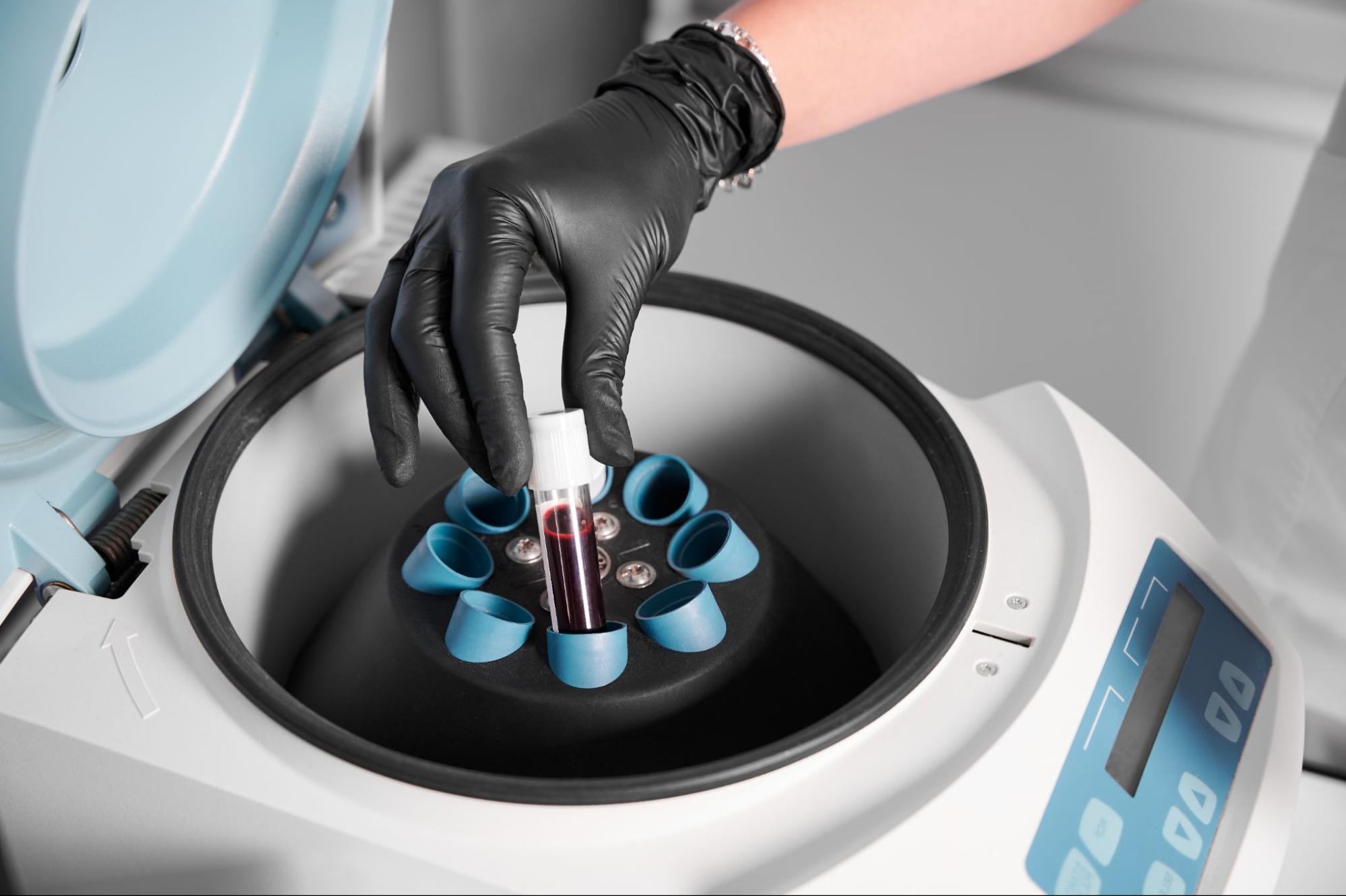
- Centrifuges
- Refrigerators
- Freezers
- Incubators
The efficient models will be manufactured to work on low power consumption, such as those from IKA, with low innovative technologies, such as variable-speed compressors, and smart control to maximize the performance.
Evaluating Energy Consumption Specifications
Reviewing specifications on its energy consumption is one of the first steps in choosing an energy-efficient lab instrument.
The main benchmarks to assess are:
- Peak and idle power draw
- The amount of energy used daily or yearly (kWh)
- Energy-saving modes or standby facilities
Look at whether the instrument has a feature of automatically shutting off or entering low-power standby when the instrument has been idle.
Assessing Instrument Design and Features
Design is seen as essential in the energy efficiency of laboratory equipment. A good piece of equipment has the best performance and requires minimal energy. Seek developments in thermal insulation, effective ventilation, as well as maximized internal equipment.
For example:
- Various refrigerators and freezers that possess thick insulation and minimum heat-giving compressors diminish power loss.
- Brushless motors in centrifuges use less energy and so need less maintenance.
- Variable air volume (VAV) fume hoods are able to regulate the airflow depending on their use, which makes them very economical compared to constant air volume (CAV) fume hoods.
On top of that, computerized controls and programmability of settings may also serve to control operation and reduce excessive power consumption.
Considering Long-Term Operational Costs
Although the short-term price of an energy-efficient instrument may be more expensive than the standard ones, the consideration of the total cost of ownership (TCO) throughout the lifespan of an instrument is to be considered. Electricity, maintenance, and repairs can easily surpass the cost of purchase, thus efficiency is a good investment.
In the calculation of TCO, there is consideration of:
- Lifetime of the equipment
- The annual usage-based energy cost
- The frequency and requirements for replacing parts
A device with 30 per cent lower yearly energy consumption can save thousands of dollars in a 10-year span, which is a wise decision, especially in the case of cost-sensitive laboratories.
Aligning with Lab-Specific Needs
The requirements of all labs are similar, and choosing the most energy-efficient instrument is also connected with knowledge about your lab needs and lab workflow optimization. Such factors can be taken into consideration:
- Workload size and average Lab size
- Nature of experiments/analyses carried out
- Working hours and personnel
As an example, a high-throughput lab would benefit most from instruments that are relatively efficient at high load, and a small lab is likely to appreciate models that have more liberal energy conservation modes that enhance laboratory automation.
Exploring Eco-Friendly and Sustainable Options
In addition to being energy efficient, labs ought to pay attention to the comprehensive effect of the instruments that they will be buying on the environment. New systems developed by Lawrence Berkeley National Laboratory could improve energy efficiency by 20%. The possible environmentally friendly options are:
- Recyclable materials or biodegradable instruments
- Low greenhouse gas refrigerant units
- Water-saving systems or chemical waste-cutting systems
Companies that are environmentally enlightened will usually either publish life-cycle analyses or environmental product declarations, which will give you an idea of the environmental impact of the instrument through its life cycle to disposal.
Checking Compatibility with Existing Lab Systems
The efficient instruments must fit into your existing laboratory facilities. Compatibility also guarantees functional harmony, as well as avoiding energy inefficiency as a result of incompatible systems.
Some important checks of compatibility are:
- Electric needs (voltage, phase, and plug types)
- Data and software interconnection tools
- Space needs and ventilation
A high-performance fume hood might well need a matched VAV system in the HVAC fabric to maximise its energy-saving capability. Similarly, digital lab systems must enable suitable protocols to make laboratory automation possible and be managed remotely in order to minimize energy consumption during off-hours.
Conclusion
There is a dichotomy of performance, cost, sustainability, and compatibility in selecting energy-efficient lab equipment. Laboratories can make reasonable decisions that will be advantageous to both the laboratory itself and the environment as long as they learn about the principles of energy efficiency and consider such aspects as consumption specifications, design characteristics, costs in the long-term perspective, and lab-specific needs.