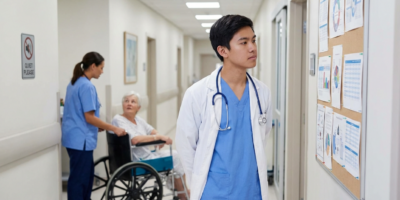
Patient safety culture is the foundation of every well-run clinical environment, and it applies to everyone who walks through the door, including high school students observing for the first time. It refers to the shared beliefs, practices, and attitudes that keep patients from harm. For a teen intern, grasping patient safety culture means understanding why certain rules exist, how clinical teams communicate, and what role even an observer plays in maintaining a safe space. This is not abstract theory. It is practical knowledge that determines whether a student’s clinical experience is responsible, ethical, and genuinely educational. Quality summer medical internships for high school students build patient safety awareness into the training from day one, not as an afterthought.
For parents, patient safety culture is also a useful lens for evaluating any program that places a minor in a healthcare setting. A program that takes safety culture seriously will be transparent about supervision, clear about what students can and cannot do, and structured in a way that protects both patients and participants. If a program glosses over these details, that tells you something. This article breaks down what patient safety culture actually means for teen interns, what families should expect from a well-structured program, and how students can carry these lessons forward into future healthcare careers.
What Patient Safety Culture Actually Means in a Clinical Setting
Patient safety culture is not a single policy or checklist. It is the overall environment that a healthcare facility creates through its values, communication norms, and accountability structures. The World Health Organization estimates that as many as 1 in 10 patients experience harm during hospital care, and medication errors alone cost an estimated $42 billion annually worldwide. These are not just statistics for hospital administrators. They highlight why every person in a clinical setting, from the attending physician to the student observer, must take safety seriously.
A strong patient safety culture has several recognizable features. Communication is open and direct. Staff members feel safe reporting errors or near-misses without fear of punishment. Protocols for hand hygiene, medication management, and patient identification are followed consistently. Teamwork is valued, and hierarchies do not prevent someone from speaking up when something seems wrong.
For a high school student, encountering this culture for the first time can be eye-opening. You may notice how many times a nurse confirms a patient’s name and date of birth before administering medication, or how a surgical team pauses for a safety checklist before a procedure begins. These are not formalities. They are practices that have been shown to reduce preventable harm. Recognizing them and understanding their purpose is one of the most important things a young intern can take away from a clinical experience.
Why Patient Safety Culture Matters More for Minors in Clinical Settings
High school students occupy a unique position in any clinical environment. They are not licensed professionals. They are not medical students with foundational coursework in anatomy and pharmacology. They are early-stage learners whose presence in a clinical space is a privilege, not a right, and that distinction shapes everything about how they should engage with the environment.
This is why professional conduct expectations for teen interns are so critical. Patient safety culture, for a minor, begins with understanding boundaries. A high school intern observes. They may support clinical staff with basic, approved tasks under direct supervision. They do not diagnose, treat, advise, or perform procedures. This is not a limitation to resent; it is a safeguard that protects patients and protects the student.
Parents should view a program’s clarity on this point as a baseline indicator of quality. If a program implies that a high school student will be “hands-on” with patients in ways that sound like independent practice, that is a warning sign. Responsible programs are explicit about what is and is not permitted and ensure that supervision is consistent and close.
Supervision Structures That Actually Protect Students and Patients
Supervision is the single most important safety mechanism for a minor in a clinical setting. A well-structured program will assign students to qualified healthcare professionals who are aware of the student’s age, experience level, and permitted scope of activity. The student should always know who their direct supervisor is and how to reach them.
Effective supervision is not just about physical proximity. It also means that someone is checking in with the student regularly, answering questions, providing context for what they are observing, and ensuring the student is not placed in situations they are not prepared for. Debriefing sessions, where a student can process what they saw and ask questions in a safe space, are a hallmark of programs that take safety culture seriously.
For parents, reasonable questions to ask any program include: What is the supervisor-to-student ratio? Who is responsible for the student at all times during clinical hours? What happens if a student feels uncomfortable or unsafe? How are clinical sites selected and reviewed? If clear answers are not forthcoming, that should factor into your decision.
Core Principles Every Teen Intern Should Understand Before Entering a Clinical Space
Before setting foot in a hospital or clinic, a high school student should have a working understanding of several key principles. These are not just rules to memorize. They are the building blocks of professional behavior in healthcare.
Confidentiality and Privacy
Patient information is protected by strict laws and ethical standards. In the United States, HIPAA governs the handling of patient health information, and understanding HIPAA basics is essential for any intern, regardless of age. In international settings, different laws may apply, but the ethical principle is the same: a patient’s personal and medical information is not yours to share. This means no discussing patient cases outside of supervised settings, no photographing patients or medical records, and no posting about specific patients on social media. Violations of confidentiality are serious, not just for the intern, but for the patient whose trust has been broken.
Infection Control and Personal Protective Equipment
Healthcare-associated infections are a significant patient safety concern worldwide. High school interns should be trained in basic hand hygiene protocols, understand when and how to use personal protective equipment such as gloves and masks, and follow all facility-specific infection control procedures. This is not optional or secondary. It is among the first things a responsible program should teach.
Informed Consent and Patient Autonomy
Even as an observer, a student should understand the concept of informed consent. Patients have the right to know what is being done to them, why, and what the risks are. They also have the right to refuse treatment. Understanding this principle helps students appreciate the ethical framework that governs every clinical interaction. If a patient does not wish to have a student observer present, that wish must be respected immediately and without question.
Recognizing the Limits of Your Role
This point deserves its own emphasis. A high school intern is not qualified to offer medical opinions to patients, to interpret test results, or to perform clinical tasks without explicit permission and direct supervision. The instinct to help is understandable, but acting outside your competence can cause real harm. The most responsible thing a young intern can do is observe carefully, ask questions at appropriate times, and defer to the professionals around them.
How Patient Safety Culture Connects to Future Healthcare Applications
Understanding patient safety culture at a young age does not guarantee admission to medical school or any other health professions program. But it does build a foundation that admissions committees recognize and value. The AAMC’s core competencies for entering medical students include areas like ethical responsibility, communication, teamwork, and reliability. Each of these connects directly to patient safety culture.
When a student writes about a clinical experience in a personal statement or secondary application, the most effective approach is specific and honest. Rather than claiming they “made a difference,” a student who describes how they observed a safety protocol, what it taught them about the complexity of healthcare delivery, and how it shaped their understanding of the profession demonstrates genuine maturity. Admissions committees can tell the difference between a student who watched carefully and reflected honestly and one who inflated a brief experience into something it was not.
Students who have had early, structured clinical exposure and who can articulate what they observed and what it meant are building a foundation that will serve them through undergraduate pre-health coursework, clinical volunteering, and eventually professional training. The key is honesty about the scope of the experience and specificity about what was learned. A student who can explain why a surgical team pauses for a time-out before operating, or what it means when a nurse double-checks a medication order, is showing real understanding, not just résumé padding.
What Parents Should Look for in a Program That Takes Safety Seriously
Parents are right to scrutinize any program that places their child in a clinical environment. Patient safety culture is not just a concern for the patients in the facility; it extends to the safety, well-being, and ethical development of the student participant.
A responsible program will provide clear documentation of its safety protocols before enrollment. It will explain housing arrangements, communication procedures (how parents can reach their child and the program staff), and what happens in the event of an emergency. It will describe the orientation process that prepares students before they enter clinical spaces. And it will be honest about the observational nature of the experience, setting expectations appropriately for both the student and the family.
Programs that structure clinical time around mentorship, guided observation, and daily reflection tend to produce stronger learning outcomes than programs that simply place students in a facility and let them figure it out. Structure matters, especially for minors. If you are comparing options, the IMA high school internship overview provides an example of how a program communicates its approach to supervision, structure, and student readiness.
It is also worth considering emotional preparedness. Clinical settings can expose students to suffering, illness, and death, sometimes for the first time. A program that acknowledges this reality and provides support, whether through debriefing sessions, access to counselors, or structured reflection activities, is one that takes the whole student experience seriously.
Readiness and Maturity as Real Factors
Not every high school student is ready for a clinical environment, and that is perfectly fine. Maturity, emotional resilience, the ability to follow instructions precisely, and comfort with unfamiliar settings are all factors worth honestly assessing. The Bureau of Labor Statistics projects significant growth in healthcare occupations over the coming decade, which means there will be plenty of time and opportunity to gain clinical exposure. There is no penalty for waiting until the student is truly prepared.
Students who are ready will take the experience seriously. They will listen more than they speak. They will follow every protocol without shortcuts. They will treat patients, staff, and fellow interns with respect. And they will come away with a clearer, more grounded sense of what a healthcare career actually involves.
Building a Safety Mindset That Lasts Beyond the Internship
The value of understanding patient safety culture does not expire when the internship ends. Students who internalize these principles carry them into every subsequent clinical experience, from college volunteering to professional school rotations and eventually into practice. A safety mindset means consistently asking: What could go wrong here? What can I do to prevent harm? Who should I communicate with? Am I operating within my competence?
These habits, formed early, become second nature over time. They also distinguish students who are serious about healthcare from those who are simply checking a box. For a high school student, the goal of a clinical experience is not to accumulate hours for an application. It is to begin developing the judgment, awareness, and respect for patients that will define the kind of professional they become. Understanding how to become a successful high school medical intern starts with exactly this mindset: safety first, learning always, and humility throughout.
For parents, knowing that your child has engaged with patient safety culture at this level should provide reassurance. It means they are not just visiting a hospital. They are beginning to think like someone who belongs there, with all the responsibility that implies.
Frequently Asked Questions
Will my high school student be performing medical procedures during a clinical internship?
No. High school interns in responsible, structured programs observe clinical professionals and may assist with basic, approved tasks under direct supervision. They do not diagnose, treat, or perform medical procedures. Any program that suggests otherwise should be carefully scrutinized. The purpose of a high school clinical experience is observation, mentorship, and professional development, not independent practice.
How can parents verify that a clinical internship program prioritizes patient safety?
Ask the program directly about its supervision ratios, orientation procedures, permitted student activities, emergency protocols, and how clinical sites are selected. A program that takes safety seriously will have clear, specific answers and will provide documentation before enrollment. Look for structured daily schedules, regular debriefing sessions, and transparent communication channels between the program, the student, and the family.
Does understanding patient safety culture actually help with future medical school applications?
It helps indirectly but meaningfully. Medical school admissions committees, as reflected in the AAMC’s core competencies, value ethical responsibility, communication, teamwork, and reliability. A student who can write specifically about observing safety protocols, respecting patient confidentiality, and understanding clinical boundaries demonstrates maturity and genuine engagement with healthcare. It will not guarantee admission, but it contributes to a stronger, more credible application narrative.