


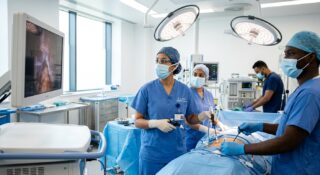
General surgeons are physicians trained to diagnose, manage, and operate on a wide range of conditions affecting the abdomen, digestive tract, endocrine system, skin, soft tissues, and more. Unlike subspecialists who focus on a single organ system, general surgeons maintain broad expertise that allows them to treat patients with diverse surgical needs. They are often the first surgeons called in emergency situations, and their skills form the backbone of any hospital’s surgical department.
If you are considering a career in general surgery, understanding the full scope of training, licensing, and professional expectations is essential. The path is long and demanding, but it leads to a career defined by meaningful patient impact, intellectual challenge, and hands-on problem solving. This guide breaks down each phase so you can make an informed decision about whether general surgery is the right fit for your goals and temperament.
What Does a General Surgeon Do?
General surgeons are trained to perform surgical procedures across multiple body systems. Their scope of practice includes operations on the gastrointestinal tract (stomach, intestines, colon, liver, pancreas, and gallbladder), the thyroid and parathyroid glands, the skin and soft tissues, hernias, and the breast. They also manage trauma cases and perform emergency surgeries, such as appendectomies and procedures to control internal bleeding. In many hospitals, the general surgeon serves as the most versatile surgical specialist on staff.
Beyond the operating room, general surgeons spend significant time evaluating patients in clinic settings, reviewing imaging and lab results, and coordinating care with other specialists. Preoperative assessment and postoperative follow-up are core parts of the job. General surgeons must determine whether surgery is the best option for each patient, explain the risks and benefits clearly, and monitor recovery closely.
General surgeons practice in a variety of settings, including:
- Large academic medical centers, where they often teach residents and participate in research
- Community hospitals, where they may be the primary surgical provider
- Rural hospitals and critical access facilities, where a single general surgeon may handle a very broad caseload
- Trauma centers, where they manage acute injuries alongside emergency medicine teams
- Outpatient surgical centers, where they perform less complex elective procedures
Daily responsibilities typically include performing scheduled and emergency operations, consulting on patients admitted to other services, rounding on postoperative patients, and participating in tumor boards or multidisciplinary case conferences. The workload is heavy, and the schedule often includes nights, weekends, and on-call shifts. General surgeons must be comfortable making high-stakes decisions quickly and managing complications when they arise.
Education and Training Path
Undergraduate Education and Pre-Med Coursework
The journey to becoming a general surgeon begins with a four-year bachelor’s degree. While there is no required major for medical school admission, most aspiring surgeons complete pre-med coursework that includes biology, general chemistry, organic chemistry, biochemistry, physics, mathematics, and English. Strong performance in these courses is important because medical school admissions committees weigh your science GPA heavily.
During your undergraduate years, you should also seek clinical experience through volunteering, shadowing surgeons, or working as a medical scribe or research assistant. These experiences help you confirm your interest in surgery and strengthen your application. Leadership roles, community involvement, and meaningful extracurricular activities also matter in the admissions process.
The MCAT
Before applying to medical school, you must take the Medical College Admission Test (MCAT). This standardized exam tests your knowledge of biological and physical sciences, critical reasoning, and behavioral sciences. Most students take the MCAT during the spring or summer before their application year. A competitive score, combined with a strong academic record and well-rounded experiences, positions you for admission to allopathic (MD) or osteopathic (DO) medical schools.
Medical School
Medical school is a four-year program. The first two years are largely classroom-based, covering foundational sciences such as anatomy, physiology, pharmacology, pathology, and microbiology. The final two years consist of clinical rotations, during which you work directly with patients in hospitals and clinics under the supervision of attending physicians. You will rotate through surgery, internal medicine, pediatrics, obstetrics and gynecology, psychiatry, and other specialties.
Your surgery clerkship is a critical period. Strong performance, positive evaluations from faculty, and demonstrated enthusiasm for the field will support your application to surgery residency programs. Many students also pursue away rotations at programs they are interested in to build connections and gain exposure to different training environments.
General Surgery Residency
After earning your MD or DO degree, you enter a general surgery residency, which lasts five years. This is one of the longer and more rigorous residency programs in medicine. Over the course of training, residents gain progressive responsibility in the operating room, moving from assisting on cases to performing complex procedures independently under supervision.
Residency training covers a comprehensive range of surgical disciplines, including gastrointestinal surgery, surgical oncology, trauma and critical care, endocrine surgery, vascular surgery basics, and minimally invasive techniques. Residents also develop skills in patient management, surgical decision-making, and perioperative care. Work hours are demanding, though current regulations set by the Accreditation Council for Graduate Medical Education (ACGME) limit residents to an average of 80 hours per week.
Optional Fellowship Training
After completing residency, some general surgeons pursue additional fellowship training to subspecialize. Common fellowships include surgical oncology, trauma and surgical critical care, minimally invasive and bariatric surgery, colorectal surgery, transplant surgery, and pediatric surgery. Fellowships typically last one to two years, depending on the subspecialty. However, many surgeons choose to practice as general surgeons without completing a fellowship, particularly those who plan to work in community or rural settings where broad skills are valued most.
Licensing and Board Certification
USMLE or COMLEX Examinations
Throughout medical school and residency, you must pass a series of licensing exams. Students at MD-granting schools take the United States Medical Licensing Examination (USMLE), which consists of three steps. Step 1 and Step 2 (Clinical Knowledge and Clinical Skills components) are completed during medical school, while Step 3 is typically taken during the first or second year of residency. Students at DO-granting schools take the Comprehensive Osteopathic Medical Licensing Examination (COMLEX-USA), which follows a similar three-level structure. Some DO students choose to take both the COMLEX and USMLE.
State Medical Licensure
To practice medicine in any U.S. state, you must obtain a medical license from that state’s medical board. Requirements vary slightly by state but generally include completion of an accredited medical school program, passage of the USMLE or COMLEX, completion of at least one year of graduate medical education (residency), and a background check. Licensure must be renewed periodically, and most states require ongoing continuing medical education (CME) credits to maintain an active license.
Board Certification Through the American Board of Surgery
Board certification is not legally required to practice surgery, but it is considered the professional standard and is required by most hospitals for surgical privileges. The American Board of Surgery (ABS) administers the certification process for general surgeons. After completing residency, candidates must pass a qualifying exam (a written test) followed by a certifying exam (an oral examination). The oral exam tests clinical judgment, decision-making, and the ability to manage surgical scenarios in real time.
Once certified, surgeons must participate in the ABS Continuous Certification program, which involves ongoing assessments, CME activities, and periodic reexamination to ensure that their knowledge and skills remain current throughout their careers.
Is This Specialty Right for You?
The job outlook for general surgeons remains strong. The Association of American Medical Colleges (AAMC) projects a significant shortage of surgeons in the coming decades, driven by an aging population and increasing demand for surgical services. General surgeons with broad training are especially needed in underserved and rural communities where subspecialists are scarce. This demand offers strong job security and flexibility in choosing where to practice.
Lifestyle is an important consideration. General surgery is one of the more demanding specialties in terms of hours and call responsibilities. Early-career surgeons, in particular, often work long days and take frequent overnight call. Emergency cases can disrupt personal plans without warning. While practice models vary and some surgeons achieve more predictable schedules over time, you should be realistic about the physical and emotional toll of the profession. Burnout is a recognized concern in surgery, and building strong habits around self-care, boundaries, and collegial support matters from the start.
People who tend to thrive in general surgery share certain traits. They are decisive and comfortable acting under pressure. They enjoy working with their hands and find satisfaction in procedures that produce tangible, often immediate results. They are strong communicators who can explain complex situations to patients and families with clarity and compassion. They are resilient, detail-oriented, and willing to take responsibility for outcomes, both good and bad.
If you are someone who values variety in your clinical work, wants to be the physician others call when the situation is urgent, and is willing to commit to years of intensive training, general surgery may be an excellent match. It is a career that demands a great deal but offers the reward of knowing that your skills make a direct and measurable difference in the lives of your patients every day.
General Surgeon Salary in 2026
General surgeons earn an average of approximately $484,000 in 2026. Compensation rises with subspecialty training and case complexity. See our overview of the surgical specialties for how general surgery compares.
| Detail | 2026 Figure |
|---|---|
| Average compensation | About $484,000 (2026) |
| Subspecialty fellowships | Trauma, surgical oncology, and others can raise pay |
| Practice setting | Case volume and call burden affect earnings |
For more on physician pay across specialties, see our guides to the highest-paid medical specialties and how much doctors make.
Frequently Asked Questions
How much does a general surgeon make in 2026?
General surgeons earn an average of about $484,000 in 2026, with subspecialty-trained surgeons often earning more.
How long is general surgery residency?
General surgery residency is five years, one of the longer residencies, sometimes extended by research years or fellowship.
Do subspecialty surgeons earn more than general surgeons?
Often yes. Fellowship training in areas such as surgical oncology or vascular surgery can increase compensation.
