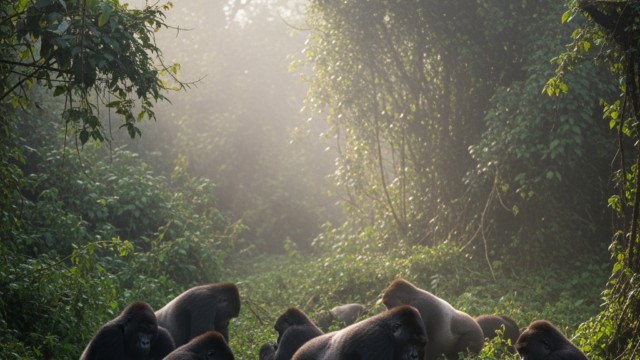
Bwindi Impenetrable National Park
3 to 4 Days · High · Gorilla Trekking
A tightly controlled conservation extension where permits, health rules, and pacing matter as much as fitness.

Extension Guide
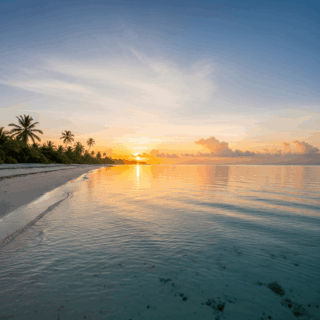

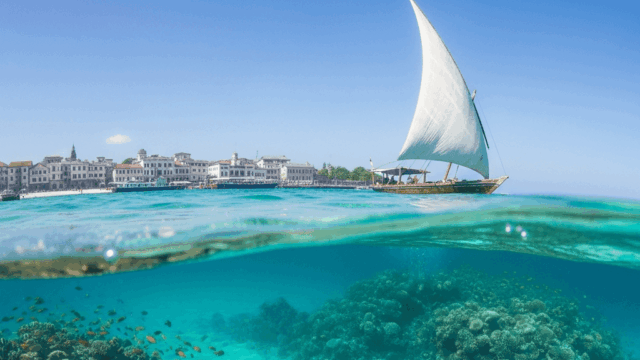
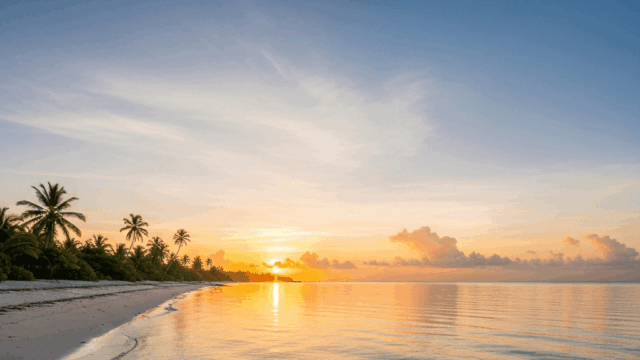
If your Kenya internship leaves you with a few days to breathe, Malindi and Watamu are an easy coastal extension because they keep logistics simple and effort low. This is not a checklist trip. It is the add-on you choose when you want real recovery time that still feels like Kenya, not just a hotel stay.
The coast works because you can keep your days light. A short beach walk, one planned water activity with a licensed operator, and an early bedtime can feel better than packing every hour. After long clinical days, that kind of structure is the difference between “I traveled” and “I actually reset.”
The best plans protect your schedule. You arrive with buffer time, you avoid risky conditions on the water, and you keep transfers realistic. If you have been running hard during your placement, this is the cleanest way to finish without burning out.
The Best Approach: Plan this after your internship or as a short break that does not add pressure to your return date. Keep one main activity per day and leave space for rest.
A coastal reset can still be relevant to global health training. Water quality, sanitation, tourism economics, and local fishing practices all influence health outcomes. When you see how a community’s daily life is tied to the ocean, you start noticing the upstream factors that show up later in clinics.
Many students also use these days to reflect on their placement: what surprised them, what felt difficult, and what they want to follow up on back home. Rest is not wasted time. It is recovery that helps you process what you experienced.
Duration
2 to 4 Days
Effort Level
Low to Moderate
Primary Focus
Coastal Recovery
Structure
Beach + Water Time
This extension is built around a short list of things that actually feel good after a busy placement: time outside, time near the water, and enough flexibility to keep your days light. You are not trying to “do everything.” You are trying to end your Kenya experience with a clear head and real rest.
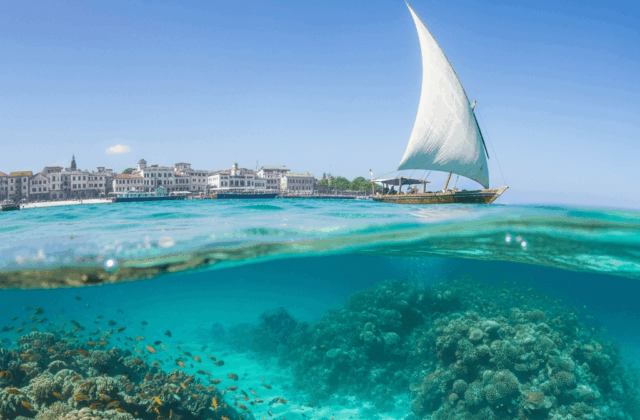
If you choose to go out on the water, keep it licensed and safety-first. Follow crew instructions, avoid pushing conditions, and respect marine environments. No reckless behavior. No treating wildlife like props. Ethical travel is part of the IMA standard.
Works well for supervised groups because the effort level is low and days can be kept simple with clear rules.
Strong option if you want time to process your internship experience without adding another demanding excursion.
A good fit when you want recovery and perspective before returning to coursework or clinical training.
Arrive, check in, and keep the day light. Beach walk, early dinner, and sleep.
Choose one primary activity with a licensed operator: reef outing, snorkeling, or a dhow cruise. Keep the rest of the day unstructured so you actually recover.
Breakfast, a short walk, and return travel with buffer time.
Option B: 4 Days, 3 Nights adds one full “no-plan” day. For many interns, that extra day is the most valuable part of the coast.
Keep exploring
3 to 4 Days · High · Gorilla Trekking
A tightly controlled conservation extension where permits, health rules, and pacing matter as much as fitness.
1 to 2 Days · Moderate · Active Park Day
A rare Kenya park day where biking and walking change how you see wildlife and landscape.
3 to 5 Days · Low to Moderate · Landscapes & Variety
A wide-open safari extension built for calm pacing, big landscapes, and ethical viewing.
3 Days, 2 Nights · Low · Culture & Rest
A calm coastal culture extension with a low-effort pace after internship weeks.
3 to 4 Days · Low to Moderate · River Viewing
A river-first safari extension built for calm observation and strong structure.
3 to 5 Days · Low to Moderate · Marine Recovery
A coastal reset with marine time, culture, and real recovery after your internship.
4 to 6 Days · High · Altitude Trek
A high-effort, safety-first alpine trek that fits a shorter extension window.
6 to 9 Days · Very High · Altitude & Pacing
A high-effort, safety-first summit trek extension after your internship.
2 to 3 Days · Low to Moderate · Crater Wildlife
A structured two to three day extension built around a single high-impact crater day.
3 To 4 Days · Low To Moderate · River Ecosystems
Southern Tanzania Safari Extension With A River-And-Woodland Focus
4 Days, 3 Nights · Moderate · Wildlife Behavior
A structured safari extension built for IMA students who want big landscapes, ethical wildlife viewing, and a clean plan after internship weeks.
3 To 4 Days · Low To Moderate · Wildlife And Landscapes
A classic safari extension that keeps the schedule realistic after clinical weeks.
2 To 3 Days · Low To Moderate · Views And Photos
A two to three day extension that fits cleanly after your clinical internship.
International Medical Aid provides an exceptional opportunity for students pursuing healthcare and pre-med internships abroad. By offering hands-on clinical experience, cultural competency, and exposure to global health and healthcare policy, IMA sets its interns apart as competitive and well-rounded medical school candidates.
We encourage students to apply or contact us with any questions they may have about the program. With a commitment to safety, cultural immersion, and academic excellence, IMA offers an unparalleled opportunity for students to gain invaluable experience and make a meaningful impact in their field.