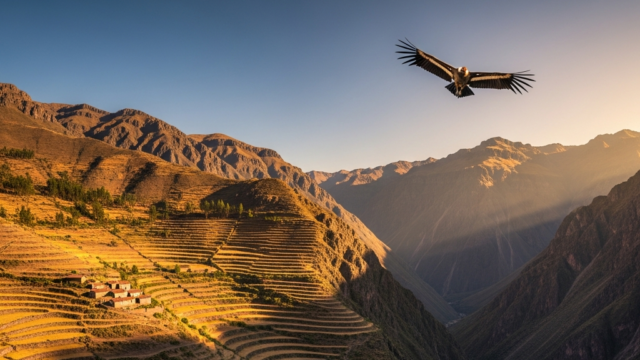
Colca Canyon
3 to 5 Days · Moderate · Highland Landscape And Culture
A southern Peru highlands extension that pairs canyon scale with village life, hot springs, and structured pacing.

Extension Guide
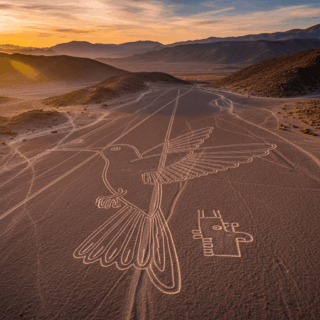


The Nazca Lines are one of the most recognizable archaeological sites in Peru. From the ground, they can look like open desert. From the air, the shapes click into place and the scale becomes obvious. The point of this extension is not speed or bragging rights. It is a clean plan that protects your energy, stays respectful to protected heritage, and still feels unforgettable.
For IMA students, this works because it is easy to schedule. You can build it as a one-day visit if you are already near the coast, or as a two to three day add-on with a steady rhythm: transfer, flight window, coastal reset, return. That structure matters after a demanding internship schedule.
The Best Approach: Plan for flexibility. Visibility and flight conditions can shift. A responsible plan expects that and keeps the experience strong even if the flight time moves.
This is a cultural extension, but it still connects to what you are doing as a future clinician. You are practicing observation without forcing an outcome, making decisions with incomplete information, and respecting boundaries around protected spaces. Those are the same skills that show up in clinical settings, just in a different context.
Many students also use the coast portion of this route as a reset. You get a change of scenery without stacking on extra physical strain, which can help you return home feeling finished rather than depleted.
Duration
1 to 3 Days
Effort Level
Low
Primary Focus
Heritage And History
Structure
Coast-Based Route
Arrival, check-in, and an early night. If time allows, do a calm walk or short city stop. The goal is to start travel days rested, not squeezed.
Early departure toward the coast route and flight window. This is the day to keep expectations honest. Flights proceed only when conditions are safe and visibility is sufficient. If the timing shifts, you still have a strong day planned.
A lower-effort day with protected coastline viewpoints and a paced return. This is where many students feel the reset and get the cleanest photos without rushing.
If you are motion-sensitive, plan ahead. Small aircraft can feel bumpy, and “powering through” is not the move. Advisors can help you choose the right extension if flying is not a good fit.
Keep exploring
3 to 5 Days · Moderate · Highland Landscape And Culture
A southern Peru highlands extension that pairs canyon scale with village life, hot springs, and structured pacing.
2 to 3 Days · Low to Moderate · Highland Landscape
A highlands extension where altitude and weather shape the day more than distance.
A conservation-first extension where rules, guides, and biosecurity protect one of the world's most sensitive ecosystems.
2 to 4 days · Moderate · Culture & nature
A recovery-forward extension designed to help you rest, sleep, and reset after demanding internship weeks.
4 to 7 Days · Light to Moderate · Amazon Environment
Extension Guide Peru Iquitos Amazon River A rainforest extension that adds real context to health, access, and daily life along the Amazon.
3 to 5 Days · Moderate · Timed Entry
A structured, timed-entry capstone that rewards planning and calm execution.
1 Day · Light · Cultural Immersion
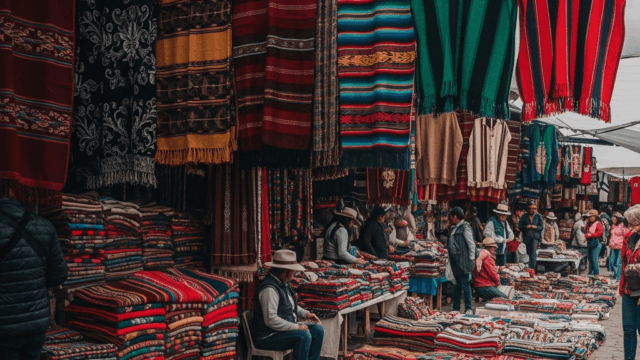
A one-day cultural extension centered on artisan textiles, community life, and respectful buying.
2 To 3 Days · Low To Moderate · Views And Photos
A two to three day extension that pairs well with Peru-based programs and keeps the pacing realistic.

International Medical Aid provides an exceptional opportunity for students pursuing healthcare and pre-med internships abroad. By offering hands-on clinical experience, cultural competency, and exposure to global health and healthcare policy, IMA sets its interns apart as competitive and well-rounded medical school candidates.
We encourage students to apply or contact us with any questions they may have about the program. With a commitment to safety, cultural immersion, and academic excellence, IMA offers an unparalleled opportunity for students to gain invaluable experience and make a meaningful impact in their field.