The conditions observed during medical internships depend on where you go. In Mombasa, Kenya, interns commonly see malaria, HIV and tuberculosis, maternal emergencies and road traffic trauma. In Cusco, Peru, respiratory infections, gastrointestinal illness, childhood anemia and a growing share of chronic disease are more typical. The department you rotate through narrows it further.
That variation is one of the most useful parts of a structured global health experience, and knowing about it ahead of time helps you set honest expectations. The diseases, the stage at which patients arrive, the resources clinicians have and the way care is organized all shift with geography and public health conditions. Our pre-med internships abroad run in teaching hospitals in both cities, so this guide focuses on those two sites.
This article breaks down the conditions and clinical situations IMA interns commonly encounter by region and by specialty. It is not a promise of what any intern will see on a given day. Clinical environments are unpredictable, rotations depend on the site and the cohort, and what a student does is always set by supervision, local rules and the student’s own training level. What this guide offers is a realistic picture based on the disease burden, health systems and hospital settings at IMA’s partner sites. That kind of honest framing helps you choose the right program and get the most out of it once you arrive.
Key Points
- Kenya (Mombasa): malaria, HIV, tuberculosis, childhood pneumonia and diarrhea, maternal complications and trauma from road crashes are common. Most interns are placed at Coast General Teaching and Referral Hospital, a 750-bed public hospital.
- Peru (Cusco): respiratory infections, gastrointestinal illness, anemia in young children and chronic diseases such as diabetes and hypertension are common. The main site is Hospital Nacional Adolfo Guevara Velasco, a 250-bed teaching and referral hospital, and the wards run in Spanish.
- Specialty matters: emergency, maternity, pediatrics, surgery and internal medicine each filter what you see.
- Your role: under licensed clinicians, interns take part in supervised patient care such as vital signs, intake and patient interviews. They never diagnose, prescribe or perform invasive procedures.
Why Regional Disease Burden Shapes What Interns See
Health care looks different depending on where you are, and the reasons go far beyond climate. The conditions patients bring to a hospital are shaped by infectious disease prevalence, nutrition, environmental exposures, access to preventive care, income and the strength of the local public health system.
The World Health Organization’s fact sheet on universal health coverage estimates that about 4.6 billion people were not fully covered by essential health services in 2023, and that 2.1 billion faced financial hardship from health costs in 2022. In low- and middle-income countries, infectious diseases, maternal and child health complications, and conditions tied to poverty and poor sanitation remain major causes of illness and death. These are the conditions that fill wards and waiting rooms at many of IMA’s partner hospitals.
For pre-health students, that means clinical experience abroad exposes you to a disease profile that is quite different from what you would meet shadowing in a U.S. clinic. In the United States, a morning in primary care might bring hypertension checks, diabetes follow-ups and medication changes. In a Kenyan public hospital, the same morning could include malaria, advanced HIV, respiratory infections in children and a maternal emergency. Neither setting is more “real” than the other, but the range and acuity tend to be wider and faster abroad, with fewer layers of specialist referral between the patient and the doctor you are shadowing.
This is not about romanticizing scarcity. It is about recognizing that exposure to different clinical realities builds pattern recognition and context that will serve you wherever you eventually practice.
Conditions Commonly Seen in Kenya
Mombasa is IMA’s largest and longest-running site, and the clinical picture there reflects Kenya’s wider public health landscape. The Kenyan system mixes public, private and faith-based facilities. Public hospitals carry heavy patient loads with limited staff, equipment and medicine, so patients sometimes arrive at later stages of illness, and clinicians make decisions with fewer resources than their peers in wealthier systems. If you want a picture of the daily routine before reading about the diseases, start with what a supervised week in a Kenyan hospital looks like.
Which Infectious Diseases Will You See in Kenya?
Malaria is one of the most common conditions IMA interns meet in Kenya. The WHO Africa country profile for Kenya reports that about 70% of Kenyans are at risk of malaria, that 3.83 million cases were confirmed in 2021 and that malaria is one of the leading causes of hospital visits. The CDC’s Kenya travel page lists malaria in all areas below 2,500 meters, which includes the coast. Interns see patients, many of them young children, arrive with fever, and they follow the workup, rapid diagnostic testing and treatment that local clinicians use every day.
HIV remains a major public health concern in Kenya. The same WHO profile notes that about 1.1 million people were receiving antiretroviral treatment in 2021. Interns may see HIV counseling and testing, antiretroviral therapy follow-up and the complications of advanced disease or co-infection, particularly tuberculosis. Kenya’s TB incidence was 251 cases per 100,000 people in 2021, so TB is common as a standalone diagnosis or alongside HIV. Following the diagnostic process, including sputum collection, chest imaging and the start of treatment, gives students direct exposure to infectious disease care in a high-burden setting.
Respiratory infections, upper and lower, are common at every age. Pneumonia in children, often linked to malnutrition and environmental factors, is a frequent pediatric presentation. Diarrheal diseases, including those caused by waterborne pathogens, are another category IMA interns regularly see, especially in pediatric and maternal and child health departments. The CDC lists Mombasa among the counties with areas of recent cholera transmission, a reminder of how closely sanitation and illness are linked.
Maternal and Child Health
Many IMA interns in Kenya rotate through maternity, usually in their second week, and the conditions there reflect the challenges of maternal care in a resource-constrained setting. Students may take part in antenatal visits and follow labor and delivery, postpartum care and complications such as eclampsia, obstructed labor and postpartum hemorrhage. The WHO maternal mortality fact sheet estimates that about 260,000 women died during and after pregnancy and childbirth in 2023, and that sub-Saharan Africa accounted for around 70% of those deaths. Severe bleeding, infection and high blood pressure in pregnancy lead the causes, and most of these deaths are preventable. Neonatal care, including low birth weight infants and neonatal sepsis, is also part of the picture on maternity wards. Students drawn to this work can read more about our midwifery internships abroad.
Child malnutrition, including kwashiorkor and marasmus, is something many interns meet for the first time in Kenya. Watching clinicians assess nutritional status, manage therapeutic feeding and teach caregivers offers a very different view from the nutritional counseling you might see in a U.S. pediatric practice. Students interested in this side of care can explore our nutrition internships abroad, which run in Kenya only. For more on why pre-health students pick Kenya, see these reasons pre-health students choose Kenya for clinical experience.
Surgical and Trauma Cases
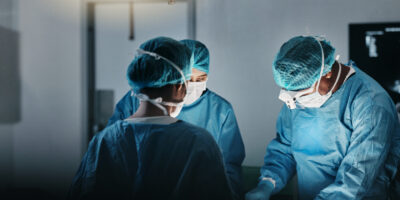
Depending on the rotation, interns may follow surgical cases from hernia repairs and appendectomies to orthopedic procedures for fractures and road traffic injuries. Trauma from motorcycle and vehicle crashes is a major source of surgical admissions in Kenyan hospitals. According to the WHO fact sheet on road traffic injuries, about 1.16 million people die in road crashes each year, 92% of them in low- and middle-income countries, and more than half of the dead are pedestrians, cyclists and motorcyclists. Students follow pre-operative assessments, operating theater protocols, wound management and post-operative care. In theater, students stand where the team places them and assist only within clearly defined, supervised limits.
What About Chronic Disease in Kenya?
Infectious disease is only part of the story. WHO notes that deaths from non-communicable diseases in Kenya have been rising since 2015, so interns on medical wards also see hypertension, diabetes, heart disease and chronic respiratory illness, often in patients who arrive with complications because screening and follow-up are hard to reach. Kenya is also home to tracks that run only there, including physical therapy internships abroad and mental health internships abroad, where rehabilitation needs and mental health presentations are part of daily work.
Conditions Commonly Seen in Peru
Peru presents a different clinical profile, shaped by its geography, its altitude and the gap between urban and rural access to care. IMA’s Cusco program places interns at Hospital Nacional Adolfo Guevara Velasco, with community clinics and outreach adding a view of care outside the hospital. Patients include people from Quechua-speaking communities, rural families with limited access to preventive care and city residents moving through a busy public system. Our page on healthcare internships in Peru explains how the program is set up, and this overview of how Peru’s health system compares with the U.S. explains who pays for care and where patients go.
The PAHO country profile for Peru shows how much the country’s disease pattern has shifted: non-communicable diseases caused 72.6% of deaths in 2019, up from 55.3% in 2000. Peru still had 83 new tuberculosis cases per 100,000 people in 2022 and an estimated maternal mortality ratio of 68.5 per 100,000 live births in 2020, with rural and Indigenous communities most affected. That mix of old and new problems is exactly what students notice on the wards.
Respiratory and Gastrointestinal Conditions
Respiratory infections are among the most common presentations in Peru, especially in the highlands, where cold weather and smoke from cooking fires add to the risk of pneumonia, bronchitis and upper respiratory illness. The WHO pneumonia fact sheet names household air pollution from solid fuels and undernutrition as major risk factors, and pneumonia caused 14% of all deaths in children under five in 2019. Pediatric respiratory disease gives students a window into how clinicians manage airway illness with limited imaging, pulse oximetry or specialist referral.
Gastrointestinal conditions, including parasitic infections, acute gastroenteritis and chronic diarrheal illness, are also frequent. Waterborne and foodborne pathogens remain a significant cause of illness, particularly in communities without reliable clean water and sanitation. Students follow the assessment of dehydration, stool testing, rehydration and prevention counseling.
Does Altitude Change What You See in Cusco?
It does. Cusco is a high-altitude city, and the CDC’s Peru travel page warns visitors about altitude sickness there. The same page lists Cusco city among the highland areas with no malaria transmission, so malaria cases in Cusco hospitals usually come from lowland regions east of the Andes. Altitude shapes respiratory and cardiovascular presentations, and it affects you too: plan for a few slow days when you arrive. Speaking with patients takes preparation as well, so review these medical Spanish phrases for interning in Peru before you travel.
Chronic Disease and Nutritional Deficiencies
While infectious disease is still part of the picture, Peru carries a growing burden of chronic non-communicable disease, particularly in cities. Interns may meet patients being treated for type 2 diabetes, hypertension and their complications. This double burden of infectious and chronic disease often surprises students, and it reflects a pattern seen across many middle-income countries.
Nutritional deficiencies, including iron-deficiency anemia and stunting in children, are common in rural clinic settings. Peru’s national statistics office has reported that more than four in ten children aged 6 to 35 months had anemia in 2023, with higher rates in rural areas. Where poverty, food insecurity and limited access to care meet, preventive care and acute treatment overlap in ways students rarely see at home.
Dental and Oral Health
Students with an interest in dentistry see oral health conditions that reflect limited access to preventive dental care. Advanced caries, periodontal disease and oral infections are common, particularly in rural and underserved communities. For pre-dental students, this provides a grounded understanding of what oral health disparities look like in practice, well beyond what textbooks describe. Pre-dental students on our dental internships abroad learn alongside the dental team but do not examine, clean or treat teeth.
Public or Private: Where Patients Go in Peru
Which hospital a patient uses shapes how sick they are when they arrive. Peru’s system splits care between the Ministry of Health, the EsSalud social security network and private clinics, and each serves a different population. Our guide to public and private hospitals in Peru explains how the patient mix differs and what that means for what you will see.
Other Countries in These Regions as Reference Points
IMA runs its programs in Mombasa and Cusco only. Neighboring countries are still useful comparisons, because they share much of the same disease burden and help you put what you see in context.
East Africa: Tanzania and Uganda
Tanzania shares many epidemiological features with Kenya. Malaria, HIV, tuberculosis, respiratory infections, diarrheal diseases and maternal complications drive much of the patient volume in its hospitals, as they do along the Kenyan coast. The underlying problem across the region is staffing. WHO’s health workforce overview projects a shortfall of 11 million health workers by 2030, mostly in low- and lower-middle-income countries. That gap shapes what interns see in Mombasa as well: clinicians managing heavy caseloads with limited support, solving problems around missing resources and making decisions at a pace that can be impressive and sobering to watch. In Kenya, much of that care is delivered by clinical officers in Kenya, a role many pre-PA students find especially interesting.
Community outreach, including mobile clinics and health education, is part of the public health response across East Africa, and IMA interns in Mombasa join community outreach as part of their week.
Latin America: Ecuador and Colombia
Ecuador’s highland clinical picture is similar to Peru’s in many respects, with respiratory infections, gastrointestinal illness and diseases linked to poverty and sanitation appearing often. Altitude and environment play a role there too.
Colombia adds a different dimension. Infectious disease remains part of the landscape, but hospitals there see a larger share of chronic disease, mental health presentations and, depending on the facility, injuries related to violence. As in Peru, care in big cities is more developed than in rural areas, and two hospitals in the same country can serve very different patients. If you want to compare destinations more broadly, our guide to preparing for a pre-med program in Peru is a practical next step.
How Specialty Interest Shapes What You See
IMA placements can often be matched to a student’s interests, though the exact rotation depends on the site, staffing and clinical need. Most pre-med interns start in the emergency department and move to maternity next. Stay longer than two weeks and IMA works to place you in departments that fit your plans, such as internal medicine, pediatrics, general surgery or cardiology.
Surgery and Emergency Medicine
Students interested in surgery or emergency medicine tend to see acute presentations: trauma, abscesses that need drainage, acute abdomen, burns, fractures and obstetric emergencies that need surgery. The pace is faster, the cases more acute and the decision-making more visible. In resource-limited settings, students watch clinicians triage with few diagnostic tools, and in the emergency department interns may help with intake and triage under supervision.
Pediatrics
Pediatric rotations expose interns to the conditions that hit children hardest in low- and middle-income countries: malaria, pneumonia, diarrheal dehydration, malnutrition and vaccine-preventable diseases. Students take part in growth monitoring and vaccination days and follow the assessment and treatment of acutely ill children. The emotional weight of pediatric care in a resource-constrained setting is something many interns describe as one of the most formative parts of their experience.
Obstetrics and Gynecology
Maternity departments at IMA partner hospitals often handle high patient volumes. Students see prenatal care, labor management, cesarean sections, postpartum monitoring and the management of complications. Where maternal mortality is higher than in the United States, the stakes of each clinical decision are more visible, and students come away with a clear sense of why maternal health is a global priority.
Internal Medicine and Primary Care
Primary care and general medicine rotations offer the broadest picture. Students see chronic disease management alongside acute infections, and they watch clinicians balance prevention with crisis response. These rotations tend to give the widest range of conditions in a short time.
Students still working out which specialty interests them may want to read about choosing a medical specialty early in your pre-health path, especially if they want to use their placement to test an idea about their career direction.
What Interns Do and Do Not Do, and Why That Matters
It is important to be direct: IMA interns are not practicing medicine on their own. They learn and take part in care within carefully supervised boundaries. No student, however advanced their coursework, should expect to independently diagnose, treat, prescribe or perform procedures during an IMA placement.
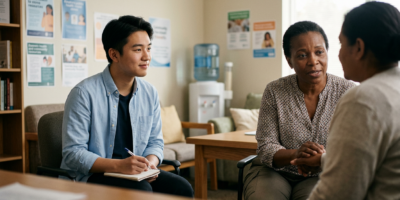
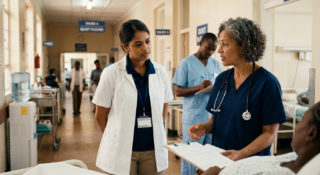
Under the supervision of licensed clinicians and within their training level, IMA interns take part in direct patient care. They take vital signs, help with patient intake and triage, conduct basic patient interviews and assist with noninvasive tasks, alongside ward rounds, department rotations, clinical simulations and community outreach. They do not diagnose, prescribe or perform invasive procedures. Some tracks set specific limits; pre-dental students, for example, do not examine, clean or treat teeth. Exactly what a student may help with depends on the supervising clinician’s judgment, the student’s training and local regulations.
This is not a weakness of the program. It reflects responsible practice. Patient safety is not negotiable, and any program that suggests pre-health students will perform clinical procedures independently should raise serious red flags. The value of the experience comes from supervised participation, professional mentorship, guided reflection and exposure to clinical realities that build knowledge and perspective.
For high school students, the boundaries are drawn even more tightly. On our medical internships for high school students, which run in Mombasa, students assist with basic noninvasive tasks under constant supervision, with structured programming that includes safety protocols, group housing, communication with parents and daily debriefs. Applicants must be 16 by the program start, and HOSA members may apply at 15. IMA has maintained a 100% safety record for all high school and pre-health interns. Parents with questions can find answers in what parents ask most about medical programs abroad.
How to Use What You See in Your Application
Seeing a wide range of conditions matters, but what you do with those experiences matters more. Admissions committees for medical, PA, dental, nursing and OT programs are not looking for a list of diseases you saw. They want to know what you learned, how the experience shaped your thinking and whether you approached it with ethical awareness and cultural humility.
The AAMC’s competencies for entering medical students include service orientation, cultural humility, ethical responsibility and the capacity to learn from experience. A global health placement gives you concrete material to show those qualities, but only if you engage with it thoughtfully.
When you write about your experience in essays or describe it in interviews, be specific. Instead of saying “I saw many diseases,” describe one clinical scenario, what the clinician did, what you learned about the health system’s constraints and how it changed your understanding of the work you want to do. Reflection is the bridge between experience and learning.
Avoid casting yourself as a rescuer or overstating your clinical contribution. Admissions readers know what a pre-health student’s role realistically looks like abroad. Describe the supervised tasks you actually did, such as taking vital signs or helping with intake, accurately and without inflation. Honesty, specificity and genuine reflection are far more convincing than exaggeration.
Setting Honest Expectations Before You Go
What you see during an IMA placement depends on where you go, when you go, which department you rotate through, which patients happen to arrive while you are there and how your supervising clinicians structure your days. No two interns have the same experience, even at the same hospital.
What you can count on is that IMA’s partner hospitals serve regions with significant health needs, that the clinical settings are real and busy, that licensed professionals supervise you and that the program includes structured reflection to help you process what you see.
Go in prepared:
- Read about the disease burden of your destination before you arrive, starting with the WHO, PAHO and CDC pages linked above.
- Review basic clinical terminology, and in Cusco, practice your medical Spanish.
- Write down what you want to see and the questions you want answered.
- Talk to your own doctor about the vaccines and medicines the CDC recommends for your destination.
- Be honest with yourself about what the experience is and is not.
It is not a shortcut to clinical competence. It is a structured opportunity to build perspective, develop professional awareness and test your commitment to a health care career against the reality of that work in some of the most demanding settings on earth. That kind of grounded preparation is what separates a meaningful experience from a superficial one.
Frequently Asked Questions
Will I See Different Conditions Depending on Which Country I Choose?
Yes. In Mombasa, Kenya, malaria, HIV, tuberculosis, maternal complications and road traffic trauma are common. In Cusco, Peru, respiratory and gastrointestinal illness, childhood anemia and chronic diseases such as diabetes are more typical. Choosing a site by your interests is reasonable, but daily caseloads are unpredictable and no specific diagnosis is guaranteed.
Can IMA Interns Perform Clinical Procedures During Their Placement?
No invasive procedures. Under licensed clinicians and within their training level, interns take part in direct patient care such as taking vital signs, patient intake and triage, basic patient interviews and noninvasive tasks. They do not diagnose, prescribe or perform invasive procedures, and some tracks set tighter limits.
Which Departments Do IMA Interns Rotate Through?
Most pre-med interns start in the emergency department and move to maternity next. Longer stays can add internal medicine, pediatrics, general surgery or cardiology, depending on the site and staffing. Each department changes the conditions you see.
Is There Malaria in Cusco?
The CDC lists Cusco city among Peru’s highland areas with no malaria transmission. Malaria occurs in lowland areas east of the Andes. Mombasa, on the Kenyan coast, is within Kenya’s malaria areas, so talk to your doctor about prevention before you go.
What Can High School Students Expect to See?
High school interns in Mombasa rotate through hospital departments with constant supervision and assist with basic noninvasive tasks. Applicants must be 16 by the start date, or 15 for HOSA members, and IMA has maintained a 100% safety record for its high school and pre-health interns.
How Should I Describe the Conditions I Saw in My Application Essays?
Focus on one specific, honest scenario rather than a list of diseases. Describe what the clinician did, what you noticed about the health system or the patient’s experience and what you learned from reflecting on it. State your own supervised role accurately, without inflating it.