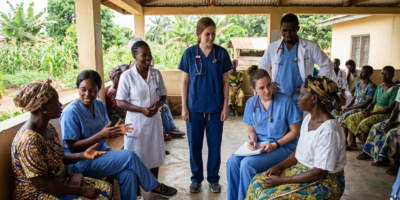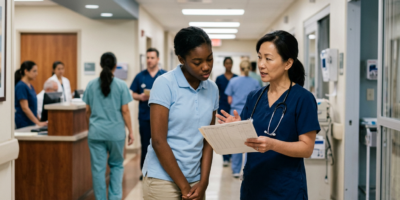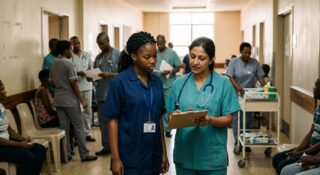
Most students heading into summer medical internships for high school students expect to feel out of place at first. That part makes sense. What catches many of them off guard is how strange it can feel to come home. Culture shock and reverse culture shock after programs are two sides of the same experience, and both deserve honest preparation. Whether you are a student about to leave for a structured global health internship or a parent trying to understand what your teenager might go through, this article lays out what actually happens during the adjustment, why it is completely normal, and what concrete steps make the process easier.
The reason this topic matters right now is timing. Many families are comparing internships for high school students medical programs offer, weighing destinations and logistics, and thinking mostly about the “before” and “during.” Far fewer think about the “after.” But the period of readjustment after returning home can be just as significant as the experience abroad. Students who understand this ahead of time tend to process the whole experience more productively, and parents who know what to expect are better positioned to offer the right kind of support. Research on study abroad participants suggests that 60 to 70 percent of students report experiencing some level of culture shock during international programs, according to a 2014 survey by the Forum on Education Abroad. And reverse culture shock, though less discussed, can sometimes feel even more disorienting precisely because nobody warns you about it.
What Culture Shock Actually Looks Like for High School Students
Culture shock is not one dramatic moment. It unfolds in stages, and it looks different for every person. For a high school student spending time in a clinical setting abroad, it might start with small things: unfamiliar foods, different communication norms, the pace of daily life, or the way people interact with healthcare providers. Over days, those small differences can accumulate into a broader feeling of being out of step with your surroundings.
Some students describe it as frustration with not being able to do simple things they take for granted at home. Others notice it as a sense of emotional overwhelm after observing healthcare settings where resources are limited and patient needs are significant. Still others feel it most during social interactions, when humor, body language, or expectations around politeness don’t match what they are used to. None of these reactions mean something has gone wrong. They mean the student is genuinely engaged with a new environment, and their brain is working to make sense of unfamiliar patterns.
For high school students specifically, culture shock can overlap with homesickness, which makes it feel more intense. This is one reason structured programs with daily debriefings, consistent supervision, and group activities matter so much. A student processing culture shock in isolation will struggle more than one who has a coordinator and a cohort to talk things through with. Programs that build in regular reflection time, like guided discussions about what students observed in clinical settings that day, give young people a framework for understanding their own reactions. That structured support is a key factor parents should evaluate when comparing domestic vs. international medical internships for high school students, since the adjustment demands are different depending on how far from home the experience takes place.
It is also worth noting that culture shock is not a sign of weakness or immaturity. It is a well-documented psychological response that adults experience too. For a teenager, experiencing it in a supervised setting with professional guidance is actually a productive way to build resilience and self-awareness, both of which matter for any future career in healthcare.
Why Reverse Culture Shock Catches Students Off Guard
Coming home should feel easy. That is what most students expect. But reverse culture shock is real, and it tends to be more confusing than the initial adjustment abroad because it feels like it shouldn’t be happening. After spending time observing healthcare in a resource-limited setting, watching how patients and families cope with serious illness under very different conditions, a student might come home and feel strangely disconnected from conversations about everyday concerns. The contrast between what they witnessed and what their friends are talking about can create a sense of isolation.
Reverse culture shock often shows up as irritability, restlessness, difficulty explaining the experience to people who weren’t there, or a sense that nobody at home really understands what the trip was like. Some students feel guilty about the resources and comfort they have at home. Others feel impatient with peers who seem unaware of global health realities. These feelings are normal, but they can be uncomfortable, and they tend to peak in the first two to four weeks after returning.
For parents, this is an important window. Your teenager may seem withdrawn, moody, or unusually critical of things they used to enjoy. That does not mean the program harmed them. It usually means they are processing a genuinely significant experience and haven’t yet found a way to integrate it into their daily life. The CDC’s guidance on mental health considerations during international travel notes that anxiety, stress, and feelings of isolation can accompany cultural adjustment, and this applies to the return home just as much as it does to the initial departure.
What Makes Reverse Culture Shock Harder for Teens
Teenagers are still building the emotional vocabulary and coping strategies that adults rely on. A 17-year-old who spent two weeks observing clinical rounds in a busy hospital abroad may not have the words yet to explain why a trip to the grocery store feels surreal. They may not know how to say, “I saw things that changed how I see this,” without sounding dramatic or alienating their friends. This is where parents and mentors can help, not by minimizing the experience or rushing the student back to “normal,” but by asking open-ended questions and giving the adjustment time.
It also helps to know that reverse culture shock tends to resolve. Most students begin to feel more settled within a few weeks, especially if they have someone to talk to and some way to continue reflecting on what they experienced. The feelings are temporary, but the growth they represent is lasting.
Concrete Steps for Managing Culture Shock Before and During the Program
Preparation makes a real difference. Students who go into a program expecting some discomfort tend to handle it better than those who assume everything will feel exciting from start to finish. Here are practical steps students and parents can take.
Before Departure
Read about the country, its healthcare system, and the cultural norms you are likely to encounter. This does not mean memorizing facts; it means developing enough context that the differences you encounter abroad feel less random. IMA’s blog post on cultural competency in global medical programs offers a useful starting point for thinking about how cultural awareness connects to clinical settings. Talk as a family about what the student might feel, see, and find challenging. Discuss the reality that clinical environments abroad may involve conditions, diseases, and resource limitations that are very different from what the student has seen at home.
Parents should also confirm the program’s supervision structure, housing arrangements, communication policies, and emergency protocols before the student leaves. Knowing that your teenager will have a dedicated coordinator, group housing with curfews, supervised transportation, and daily check-ins can ease a significant amount of worry. If the program does not offer these things clearly, that is a reason to ask more questions.
During the Program
Use the structured debriefing sessions that quality programs provide. These daily group discussions are not filler; they are the primary tool for processing culture shock in real time. When a student sees something in a clinical setting that surprises or unsettles them, talking about it that evening with a coordinator and peers helps prevent the experience from becoming an unprocessed source of stress.
Keep a journal. Even a few sentences each day can help a student track their own emotional arc and recognize patterns in their reactions. Journaling also creates material they can return to later when writing about the experience for college or professional school applications.
Stay connected to home, but don’t use it as an escape hatch. A quick call or text to parents is healthy. Spending every free moment on the phone avoids the very immersion that makes the program valuable. Good programs help students find this balance by setting reasonable expectations around phone and internet use.
Concrete Steps for Managing Reverse Culture Shock After Returning Home
The return home deserves just as much intentional planning as the departure. Here are steps that help.
The First Two Weeks
Give yourself time. Do not expect to feel “normal” immediately. Let family and friends know that you might need a few days to settle back in and that you might not be ready to summarize the whole experience in a quick conversation. Parents, resist the urge to schedule a packed social calendar the moment your teenager lands. Quiet days at home, without pressure to perform enthusiasm, are valuable.
Write a longer reflection while the experience is still fresh. This serves two purposes: it helps the student process what happened, and it creates a record they can draw on later for application essays. The AAMC’s emphasis on cultural competence and diversity in medical education reflects the value that admissions committees place on exactly this kind of reflective capacity. Students who can articulate what they observed, what challenged them, and how their perspective shifted demonstrate the kind of self-awareness that matters in healthcare.
The First Month
Find one or two people who are genuinely interested in hearing about the experience in detail. This might be a mentor, a teacher, a school counselor, or a friend who has had a similar experience. Having even one person who listens without rushing you is more helpful than trying to explain everything to a large group that isn’t really engaged.
Stay connected with peers from the program. Group chats, video calls, or even just sharing photos can help normalize the readjustment because those peers are going through the same thing. They understand references and feelings that people at home may not.
Consider channeling the experience into something ongoing. This might mean volunteering with a local health organization, joining a global health club at school, or starting to read more about the public health issues you observed. The NIH Fogarty International Center’s global health resources offer a credible starting point for students who want to keep learning. Staying engaged with the subject helps bridge the gap between the abroad experience and daily life at home.
What Parents Should Watch For and When to Step In
Most reverse culture shock resolves on its own with time, patience, and conversation. But parents should be aware of signs that the adjustment is becoming more than a normal, temporary discomfort. If a student shows persistent withdrawal from friends and family, significant changes in sleep or appetite, ongoing irritability lasting more than a few weeks, or expressed feelings of hopelessness, it is worth reaching out to a school counselor or mental health professional.
It is also helpful for parents to take their teenager’s reflections seriously, even when those reflections are critical of things at home. A student who says, “I can’t believe how much food we waste,” is not being ungrateful. They are processing a real contrast between what they observed abroad and what they see around them now. Validating that observation, rather than dismissing it, helps the student integrate the experience rather than suppress it.
For families still in the planning stage, IMA’s post on what parents ask most about medical programs abroad addresses many of the practical safety and supervision concerns that come up during this decision. And for students who want to understand how their experience fits into a larger academic and professional picture, developing cultural competence through the benefits of culture shock frames the adjustment process as a genuine skill-building opportunity rather than just an uncomfortable side effect.
How the Adjustment Shapes Stronger Future Healthcare Professionals
Culture shock and reverse culture shock are not obstacles to the value of a global health program. They are part of the value. A student who can sit with discomfort, reflect on why something feels unfamiliar, and adjust their expectations without losing their sense of purpose is practicing the same skills that healthcare professionals use every day. Adapting to a patient’s cultural context, communicating across differences, maintaining professionalism in unfamiliar or stressful situations: these are not abstract ideals. They are daily requirements in medicine, nursing, dentistry, occupational therapy, and every other health field.
When students later write about this experience in application essays, the most effective approach is honest reflection, not exaggeration. Admissions committees at medical, PA, dental, nursing, and OT programs are not impressed by dramatic claims about saving lives or single-handedly improving healthcare systems. They are interested in students who can describe what they observed, acknowledge what they did not understand, explain how they processed the difficulty, and connect that learning to their commitment to serving patients well. A student who writes thoughtfully about the disorientation of coming home, and what that disorientation taught them about perspective, empathy, and humility, demonstrates exactly the kind of maturity that strong programs aim to develop.
The adjustment is real. It is sometimes uncomfortable. And it is worth it, not because it looks good on a resume, but because it builds the kind of self-awareness that makes someone a better clinician, a better colleague, and a more thoughtful person.
Frequently Asked Questions
Is it normal for my teenager to seem withdrawn or moody after coming home from a medical internship abroad?
Yes, this is a very common response and part of what is known as reverse culture shock. Students who have had an immersive experience in a different cultural and clinical environment often need time to process the contrast between what they observed and their daily life at home. If the withdrawal is mild and improves over a few weeks, it is typically a normal part of readjustment. If it persists or seems severe, consider reaching out to a counselor.
How long does reverse culture shock usually last for high school students?
Most students begin to feel more settled within two to four weeks of returning home. The intensity varies depending on the length of the program, the degree of cultural difference, and the student’s personality and support system. Having someone to talk to, staying connected with program peers, and continuing to reflect on the experience all tend to shorten the adjustment period.
Can experiencing culture shock actually help my child’s future applications to medical or health professional school?
It can, if the student reflects on it honestly. Admissions committees value self-awareness, resilience, and the ability to work across cultural differences. A student who can describe how they handled discomfort, what they learned from observing healthcare in a different context, and how the experience shaped their understanding of patient care demonstrates qualities that are directly relevant to clinical training. The key is genuine reflection, not overstating the experience.