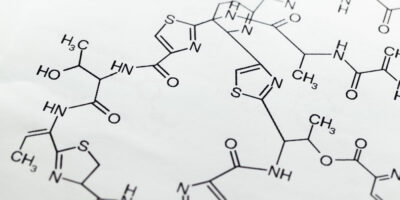
Functional groups are the backbone of organic chemistry on the MCAT. Every reaction mechanism, every spectroscopy question, and every biochemistry passage you encounter on the Chemical and Physical Foundations of Biological Systems section connects back to them. If you can identify a functional group, predict its reactivity, and recognize its spectroscopic fingerprint, you already have the framework to answer a large share of the organic chemistry content on the exam. This article breaks down every major functional group in organic chemistry, organized by structure, reactivity, IUPAC naming priority, IR and NMR signatures, and, most importantly, how much weight each one carries on the MCAT.
The MCAT does not test organic chemistry the way your university exam does. You will not face long, multi-step synthesis problems that require you to recall dozens of named reactions. Instead, the exam emphasizes your ability to reason through functional group behavior in biological contexts: how a carboxylic acid’s pKa affects a drug’s absorption, why an amide bond is so stable in a peptide, or what an IR spectrum tells you about an unknown compound. According to the AAMC’s breakdown of exam content, the Chemical and Physical Foundations section accounts for 25% of your total score, and organic chemistry concepts thread through roughly a third of that section while also appearing indirectly in the Biological and Biochemical Foundations section through metabolism and molecular biology. The payoff for mastering functional groups extends well beyond one section of the test.
Why Functional Groups Matter More Than Memorizing Reactions
A functional group is a specific arrangement of atoms within a molecule that determines that molecule’s chemical reactivity, physical properties, and biological behavior. Alkyl chains are relatively inert. Attach a hydroxyl group, and you get an alcohol with hydrogen bonding capacity, moderate acidity, and the ability to be oxidized. Swap that oxygen for nitrogen, and you get an amine, a base and nucleophile that shows up in every amino acid in your body. The functional group is what makes a molecule do something.
This is why the MCAT tests functional groups conceptually rather than asking you to reproduce a 12-step synthesis. The exam wants to know whether you understand that a carbonyl carbon is electrophilic, that resonance stabilization makes an amide less reactive than an ester, or that the broad O-H stretch in an IR spectrum distinguishes a carboxylic acid from a ketone. If you understand these principles, you can work through unfamiliar passages and experimental scenarios without having memorized every possible substrate.
For pre-med students planning to sit for the MCAT, this also means your study time should be allocated strategically. Not all functional groups carry equal weight. Carbonyl chemistry, acid-base behavior of carboxylic acids and amines, and the biological role of phosphate groups are tested frequently. Alkane reactivity and ether cleavage appear far less often. The ranking system later in this article will help you prioritize.
Hydrocarbons: Alkanes, Alkenes, Alkynes, and Aromatics
Alkanes
Alkanes are saturated hydrocarbons consisting entirely of C-C single bonds and C-H bonds. They are the baseline for organic chemistry, not truly a “functional group” in the reactive sense, but important as the structural scaffolding of more complex molecules. Their reactivity is limited to combustion and free radical halogenation (initiated by UV light). In IUPAC naming, the alkane chain serves as the parent chain, the lowest priority. On IR, sp3 C-H stretches appear around 2850 to 2960 cm-1. In 1H NMR, methyl, methylene, and methine protons appear between 0.9 and 1.7 ppm. MCAT priority is low; you need to understand the basics, but specific alkane reactions are rarely the focus of exam questions.
Alkenes
Alkenes contain a carbon-carbon double bond (C=C), and the pi electrons in that bond make them nucleophilic. This is the basis for electrophilic addition reactions: HBr addition (Markovnikov’s rule), acid-catalyzed hydration, halogenation with Br2, and catalytic hydrogenation with H2. Oxidative cleavage via ozonolysis is also tested. In IUPAC naming, alkenes rank higher than alkanes but lower than most oxygen- and nitrogen-containing groups. The IR signature includes a C=C stretch around 1620 to 1680 cm-1 (which can be weak or absent if the double bond is symmetric) and a =C-H stretch around 3000 to 3100 cm-1. Vinylic protons appear at 4.5 to 6.5 ppm in 1H NMR, while allylic protons show up between 1.6 and 2.6 ppm. MCAT priority is high because alkene reactions test your understanding of stereochemistry, regiochemistry, and reaction mechanisms.
Alkynes
Alkynes feature a carbon-carbon triple bond (C≡C). Their reactivity parallels alkenes, with the added feature that terminal alkynes are weakly acidic (pKa around 25), allowing deprotonation to form acetylide anions that act as strong nucleophiles. The IR shows a C≡C stretch around 2100 to 2260 cm-1 and, for terminal alkynes, a sharp ≡C-H stretch near 3300 cm-1. In 1H NMR, the terminal alkyne proton appears around 2.0 to 3.0 ppm. MCAT priority is medium; expect questions on acid-base chemistry of terminal alkynes and addition reactions, but less frequently than alkene or carbonyl questions.
Aromatics
Aromatic compounds are planar, cyclic, fully conjugated systems that satisfy Hückel’s rule (4n+2 pi electrons). Benzene is the most common example. The key concept here is that aromatic stability makes these rings resistant to addition and oxidation. Instead, aromatics undergo electrophilic aromatic substitution (EAS), including nitration, halogenation, and Friedel-Crafts reactions. Substituent effects (activating vs. deactivating groups, ortho/para vs. meta directors) are tested regularly. On IR, aromatic C=C stretches appear around 1450 to 1600 cm-1, and aromatic =C-H stretches appear near 3030 cm-1. Aromatic protons are characteristically deshielded, appearing at 6.5 to 8.5 ppm in 1H NMR. MCAT priority is high, especially for EAS mechanisms and substituent directing effects.
Alcohols, Ethers, and Thiols
Alcohols
The hydroxyl group (-OH) on an sp3 carbon defines an alcohol. Alcohols are classified as primary, secondary, or tertiary depending on the substitution of the carbon bearing the -OH. Their chemistry is rich and frequently tested. Alcohols are weakly acidic (pKa 16 to 18), weakly basic when protonated by strong acids, and good nucleophiles. Oxidation reactions are critical: primary alcohols oxidize to aldehydes (with PCC) or carboxylic acids (with KMnO4 or CrO3), and secondary alcohols oxidize to ketones. Tertiary alcohols resist oxidation. Alcohols also participate in SN1, SN2, E1, and E2 reactions once the hydroxyl is converted to a better leaving group (e.g., by protonation or tosylation).
In IUPAC naming, alcohols carry the suffix “-ol” and have high priority. The IR signature is distinctive: a broad, strong O-H stretch between 3200 and 3600 cm-1 and a C-O stretch around 1050 to 1200 cm-1. In 1H NMR, the O-H proton is variable (1 to 5 ppm) and exchangeable with D2O, while protons on the alpha carbon appear between 3.4 and 4.5 ppm. MCAT priority is high across multiple topic areas.
Ethers
Ethers consist of an oxygen atom bonded to two alkyl or aryl groups (R-O-R’). They are relatively unreactive, which makes them useful as solvents but less interesting on the MCAT. Cleavage by strong acids like HI or HBr at elevated temperatures is the main reaction to know. In IUPAC naming, ethers are typically named as alkoxy substituents (low priority). IR shows a C-O stretch around 1050 to 1150 cm-1 with no O-H stretch, and alpha protons appear between 3.3 and 4.5 ppm in NMR. MCAT priority is low to medium.
Thiols
Thiols (-SH) are the sulfur analogs of alcohols. The critical MCAT-relevant fact about thiols is that they are more acidic than alcohols (pKa around 10) and more nucleophilic. Most importantly, thiols can be oxidized to form disulfide bonds (R-S-S-R), a reaction that is essential in protein folding and tertiary/quaternary structure. The cysteine residues in proteins form disulfide bridges through this exact chemistry.
On IR, the S-H stretch is a weak, sharp peak near 2550 cm-1. In 1H NMR, the S-H proton appears around 1 to 2 ppm, and alpha protons appear between 2.5 and 3.0 ppm. MCAT priority is medium, weighted heavily toward the biochemistry context of disulfide bonds.
Carbonyl Chemistry: Aldehydes, Ketones, Carboxylic Acids, Esters, and Amides
Carbonyl chemistry is the single most important functional group category for the MCAT. The C=O bond is polar, with the carbon acting as an electrophile and the oxygen as a site for protonation or hydrogen bonding. Nearly every metabolic reaction, drug mechanism, and passage-based question in organic chemistry or biochemistry involves carbonyl groups in some form.
Aldehydes
An aldehyde has a carbonyl bonded to at least one hydrogen (R-CHO). The electrophilic carbonyl carbon undergoes nucleophilic addition with reagents like Grignard reagents, HCN, and NaBH4. Aldehydes can be oxidized to carboxylic acids (using Tollens’ reagent, Jones reagent, or KMnO4) and reduced to primary alcohols. Alpha-hydrogen acidity leads to enolate formation, which is the basis for aldol reactions.
IUPAC suffix: “-al” (very high priority). On IR, the C=O stretch appears around 1700 to 1740 cm-1, and the aldehyde C-H stretch produces two characteristic weak peaks near 2700 to 2800 cm-1. The 1H NMR signal for the aldehyde proton (H-C=O) is highly distinctive at 9 to 10 ppm. MCAT priority is high.
Ketones
Ketones have a carbonyl bonded to two alkyl or aryl groups (R-CO-R’). Their reactivity mirrors aldehydes but is generally reduced because of greater steric hindrance and slightly more electron donation from the two R groups. Ketones undergo nucleophilic addition (Grignard reactions, NaBH4 reduction to secondary alcohols) and form enolates for aldol and related reactions. Unlike aldehydes, ketones resist simple oxidation.
IUPAC suffix: “-one” (very high priority). IR shows a strong C=O stretch around 1700 to 1725 cm-1. Alpha protons appear at 2.0 to 2.5 ppm in 1H NMR. MCAT priority is high, often tested in comparison to aldehydes.
Carboxylic Acids
The carboxyl group (-COOH) combines a carbonyl and a hydroxyl on the same carbon. This group is acidic (pKa around 4 to 5) because the conjugate base is stabilized by resonance across two equivalent oxygen atoms. Carboxylic acids are the starting point for nucleophilic acyl substitution, forming acid chlorides, anhydrides, esters, and amides.
IUPAC suffix: “-oic acid” (highest priority of all standard functional groups). The IR signature is unmistakable: a very broad, strong O-H stretch centered around 2500 to 3300 cm-1 (overlapping the C-H region) and a strong C=O stretch around 1700 to 1725 cm-1. In 1H NMR, the carboxylic acid proton is extremely deshielded, appearing between 10 and 13 ppm. MCAT priority is very high, particularly for acid-base questions and as the gateway to acyl substitution chemistry.
Esters
Esters (R-COO-R’) are formed when the -OH of a carboxylic acid is replaced by an -OR’ group. They undergo nucleophilic acyl substitution, including hydrolysis (saponification in base, acid-catalyzed hydrolysis), transesterification, and reactions with Grignard reagents. In the reactivity hierarchy of carboxylic acid derivatives, esters are less reactive than acid chlorides and anhydrides but more reactive than amides.
IUPAC suffix: “-oate.” The C=O stretch on IR appears slightly higher than carboxylic acids, around 1735 to 1750 cm-1, with C-O stretches between 1100 and 1300 cm-1. In 1H NMR, the alpha protons next to the carbonyl appear at 2.0 to 2.5 ppm, and the alpha protons next to the ether oxygen appear between 3.5 and 4.5 ppm. MCAT priority is high, especially in the context of lipid biochemistry and Fischer esterification.
Amides
The amide functional group (R-CO-NR’R”) is the least reactive carboxylic acid derivative because nitrogen’s lone pair donates into the carbonyl through resonance. This resonance stabilization is the reason the peptide bond (an amide bond linking amino acids) is so stable and planar. Hydrolysis of amides requires harsh acidic or basic conditions. The nitrogen in an amide is not basic in the way a free amine is, precisely because its lone pair is delocalized into the carbonyl.
IUPAC suffix: “-amide.” On IR, the C=O stretch appears lower than other carbonyls, around 1640 to 1690 cm-1, reflecting resonance weakening of the C=O bond. Primary amides show two N-H stretching peaks around 3100 to 3500 cm-1; secondary amides show one. In 1H NMR, N-H protons appear between 5 and 9 ppm and are exchangeable. MCAT priority is very high because of the peptide bond’s centrality to protein structure and because questions about the relative reactivity of carboxylic acid derivatives appear frequently.
Amines and Phosphates: High-Yield for Biochemistry Crossover
Amines
Amines (R-NH2, R2NH, R3N) are nitrogen-containing groups classified as primary, secondary, or tertiary. The nitrogen lone pair makes amines both basic and nucleophilic. Amines are protonated at physiological pH if their pKa values fall in the right range (most simple alkylamines have conjugate acid pKa values around 9 to 11), which is directly relevant to amino acid charge states, drug protonation, and buffer chemistry.
IUPAC suffix: “-amine.” On IR, primary amines show two N-H stretching peaks near 3300 to 3500 cm-1, secondary amines show one, and tertiary amines show none. In 1H NMR, N-H protons are variable (1 to 5 ppm) and exchangeable with D2O, while alpha protons appear around 2.0 to 3.0 ppm. MCAT priority is high, both as standalone organic chemistry and as the foundation for amino acid and protein chemistry.
Phosphates
Phosphate groups are derivatives of phosphoric acid (H3PO4) and appear as mono-, di-, or triesters in biological molecules. They are everywhere in biochemistry: ATP, DNA, RNA, phospholipids, and signaling cascades involving kinases and phosphatases. Phosphoanhydride bonds (P-O-P), such as those linking the phosphate groups in ATP, release significant free energy upon hydrolysis, which is why ATP serves as the cell’s primary energy currency.
Phosphates do not follow standard IUPAC organic naming conventions and are typically named as substituents. On IR, the P=O stretch appears around 1200 to 1300 cm-1, and P-O stretches appear around 950 to 1050 cm-1. Phosphorus-containing groups are not typically analyzed by 1H NMR (31P NMR is the standard tool), though protons alpha to the phosphoester oxygen would be deshielded in the 3.5 to 4.5 ppm range. MCAT priority is very high because of the constant presence of phosphate chemistry in metabolism, genetics, and cell signaling. The NIH National Library of Medicine’s biochemistry resources offer additional depth on the biological roles of phosphate groups and other functional groups in metabolic pathways.
IR and NMR Signatures: What the MCAT Actually Tests
Spectroscopy questions on the MCAT rarely ask you to fully interpret a complex spectrum from scratch. Instead, they test whether you can identify a functional group from one or two key signals or distinguish between two candidate structures based on spectroscopic data. Here is what to prioritize.
Key IR Absorptions Worth Memorizing
The broad, strong O-H stretch of alcohols (3200 to 3600 cm-1) versus the very broad O-H of carboxylic acids (centered around 2500 to 3300 cm-1, often overlapping C-H peaks) is a classic distinction. The carbonyl C=O stretch is almost always the strongest peak in the spectrum and shifts depending on the functional group: amides absorb lowest (1640 to 1690 cm-1), carboxylic acids and ketones in the middle (1700 to 1725 cm-1), and esters highest (1735 to 1750 cm-1). The two weak aldehyde C-H peaks near 2700 to 2800 cm-1 are a giveaway. The sharp N-H peaks (one or two, depending on primary vs. secondary amine or amide) near 3300 to 3500 cm-1 are another frequent target. The weak S-H peak near 2550 cm-1 and the C≡C or C≡N stretch in the 2100 to 2260 cm-1 region round out the high-yield list.
Key 1H NMR Chemical Shifts
The aldehyde proton at 9 to 10 ppm and the carboxylic acid proton at 10 to 13 ppm are the most distinctive signals in NMR and are almost always diagnostic on their own. Aromatic protons (6.5 to 8.5 ppm) are another reliable identifier. Protons on carbons alpha to electronically withdrawing groups are deshielded in predictable ways: alpha to a carbonyl (2.0 to 2.5 ppm), alpha to an ether or ester oxygen (3.3 to 4.5 ppm), alpha to an amine nitrogen (2.0 to 3.0 ppm). Vinylic protons on alkenes (4.5 to 6.5 ppm) are also commonly tested. The D2O shake (exchangeable protons disappear) can distinguish O-H and N-H protons from C-H protons in the same region.
The MCAT rewards you for knowing diagnostic signals, not for memorizing every possible chemical shift to two decimal places. Practice by looking at spectra and asking: “Which functional group explains this peak?” For additional practice problems and official exam preparation materials, the AAMC’s MCAT preparation resources are the most reliable starting point for understanding what content is tested and at what depth.
MCAT Priority Ranking and How to Use This Cheat Sheet
Not all functional groups deserve the same amount of study time. Based on the frequency with which topics appear across MCAT practice materials and the AAMC content outline, here is a practical priority ranking.
Very High Priority
Carboxylic acids (acid-base, derivatives, nucleophilic acyl substitution), amides (peptide bond, resonance, hydrolysis), and phosphates (ATP, DNA/RNA, phosphorylation) should receive the most attention. These groups connect organic chemistry to biochemistry in ways the MCAT tests constantly.
High Priority
Alcohols (oxidation, reduction, substitution, elimination), aldehydes and ketones (nucleophilic addition, enolates, aldol reactions), esters (hydrolysis, synthesis), amines (basicity, nucleophilicity, amino acid chemistry), alkenes (electrophilic addition, stereochemistry), and aromatics (EAS, substituent effects) are all heavily tested as standalone organic chemistry topics and in passage-based questions.
Medium Priority
Alkynes (terminal alkyne acidity, addition reactions) and thiols (disulfide bond formation in proteins) appear less frequently but are still worth knowing, especially in biochemistry contexts.
Low Priority
Alkanes (free radical halogenation basics) and ethers (solvent properties, acid cleavage) are the least frequently tested. Know the fundamentals, but do not spend disproportionate time here.
The downloadable cheat sheet summarizing structures, key reactions, IUPAC naming priority, and spectroscopic signatures for each functional group is designed to be a quick-reference study tool. Print it, review it during practice sessions, and use it to quiz yourself on diagnostic features. The most effective way to study functional groups for the MCAT is to work through practice passages that require you to identify groups, predict their behavior in a biological context, and interpret spectroscopic data. Organizations like Khan Academy offer free organic chemistry coursework that can supplement your review with additional practice problems and video explanations.
From Organic Chemistry to Clinical Reasoning
Understanding functional groups is not just an exam skill. It is the foundation for pharmacology, which you will study extensively in medical school. When a physician chooses one antibiotic over another, the reasoning often comes down to molecular properties determined by functional groups: solubility, membrane permeability, receptor affinity, metabolic stability, and excretion pathways. Local anesthetics, for example, typically contain amine groups that become protonated at physiological pH, enabling them to block sodium channels. Anti-inflammatory drugs rely on carboxylic acid groups that participate in enzyme active-site interactions.
The MCAT tests this connection explicitly. Passage-based questions frequently describe an unfamiliar molecule and ask you to predict its behavior based on the functional groups present. If you can look at a structure and immediately identify the relevant groups, their acid-base properties, their likely reactions, and their spectroscopic fingerprints, you are prepared not just for the exam but for the reasoning that will carry through your entire medical education.
Keep this cheat sheet as a living reference. Revisit it when you study biochemistry (amino acid side chains are just functional groups on a peptide backbone), when you review metabolism (the citric acid cycle is a series of functional group transformations), and when you encounter pharmacology for the first time. The language of functional groups does not stop being useful after the MCAT.
Frequently Asked Questions
Do I need to memorize exact IR wavenumbers and NMR chemical shifts for the MCAT?
You do not need exact values for every functional group. The MCAT tests your ability to recognize key diagnostic features: the broad O-H stretch of a carboxylic acid versus the sharper O-H of an alcohol, the aldehyde proton near 9 to 10 ppm, or the carbonyl C=O near 1700 cm-1. Focus on the distinguishing signals that differentiate one functional group from another, and practice applying them to unknown spectra.
Why does the MCAT test organic chemistry if I want to be a doctor, not a chemist?
Organic chemistry is the foundation for pharmacology, biochemistry, and molecular biology. Every drug you will prescribe, every metabolic pathway you will study, and every diagnostic lab result you will interpret is rooted in the behavior of functional groups. The MCAT uses organic chemistry to assess whether you can reason through molecular behavior, which is a skill that transfers directly to understanding disease mechanisms and treatment options.
Are carboxylic acid derivatives really tested more than other topics?
Yes. Carboxylic acid derivatives (acid chlorides, anhydrides, esters, and amides) and the concept of nucleophilic acyl substitution appear frequently because they connect to so many biological processes. The peptide bond is an amide, fats contain ester linkages, and many drug mechanisms involve acyl transfer reactions. Understanding the relative reactivity of these derivatives and why that order exists (resonance stabilization of the leaving group) is consistently high-yield on the exam.