Students usually shop for international pre-med clinical programs by comparing locations, hospital names, and the promise of clinical exposure. That is understandable. The reality is that housing and support systems determine how much you will actually learn.
If the place where you sleep is insecure, if transport to the hospital is unreliable, or if no one is available when a problem arises, your attention will shift from patients to logistics. The difference between a productive internship and a stressful trip often comes down to structure you never see in the brochure. Let’s take a look at what structure looks like, why it matters, and how International Medical Aid builds it into every stage of the experience.
Why housing and support are not side issues
Clinical learning requires bandwidth. You need enough mental space to observe carefully, ask good questions, and process what you saw. Unstable housing drains that space. If doors do not lock properly, if power or water is unreliable, or if you do not know who to call when something breaks, you will spend your evenings solving problems instead of reviewing cases. The same is true for transport. A daily scramble across an unfamiliar city will raise your baseline stress before rounds even begin. When programs control these basics, you can focus on patients, teams, and systems rather than survival.
There is also a safety dimension that is not negotiable. The leading cause of American deaths abroad is traffic incidents. That single fact should change how you evaluate providers. A strong program contracts vetted transport for all clinical activities and for any organized excursions. It does not ask you to figure out public transit on your second day. It does not leave you to bargain with an unvetted driver in a new language. When transport is handled, the primary external risk is reduced, and your day starts on schedule.
Finally, support influences how you convert experiences into growth. Intercultural learning does not happen automatically. Structured reflection, routine debriefs, and access to mentors are what turn a busy week into clear lessons you can explain in essays and interviews. Without that support, many students return with vague stories that do not hold up under questioning.
Distinguishing between a legitimate educational program and exploitative voluntourism is a critical skill for applicants. Reviewing the principles of ethical engagement in global health will help you identify red flags, such as lack of supervision or short-term interventions that disrupt local care, ensuring your time abroad is constructive rather than harmful.
The housing models you will encounter and how to judge them
Most programs use one of two housing models. The first is a homestay with a local family. The second is a program-managed residence shared by interns. Both can work. Both can fail. The deciding factor is whether the provider has clear standards, oversight, and a plan for engagement beyond the front door.
A homestay can deliver constant language exposure and a direct look at local routines. It can also feel restrictive if household rules limit independence or if schedules conflict with early hospital shifts. Quality varies widely by family. If a provider relies on one-off placements and light screening, the risk of mismatch is higher. Students succeed in homestays when there is active program involvement, a clear agreement on meals and schedules, and a quick path to resolve issues.
A shared residence emphasizes peer support and consistent standards. Students live together, compare notes after rounds, and build a small academic community. This can accelerate learning because people swap observations and help each other find answers. The primary risk is the comfortable bubble where interns talk only to each other. If the program does not design cultural contact on purpose, you may leave with more hours and fewer insights.
The housing decision should be based on evidence rather than claims. Ask where the residences are located, how security is handled, and who manages the property day to day. Ask whether smoke detection works, whether doors and windows lock correctly, and whether bedrooms are placed above ground level when possible. Ask how maintenance requests are handled and who has the authority to make decisions after hours. If a provider pushes the search onto you, that is a warning. Housing is not a side task to outsource to a first-time visitor.
What strong programs do before you arrive
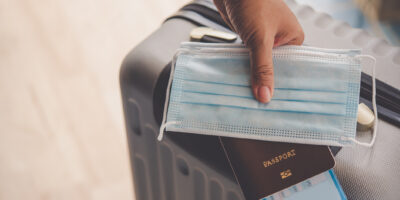
Preparation starts months before departure. A credible provider will map out the basics with you and your family. That includes passport validity, visas, and travel clinic appointments for routine and destination-specific vaccinations. If you take prescription medication, the plan should cover legal status in the host country, storage needs, and exact re-supply options. If a medication is temperature sensitive, the housing plan must include dependable refrigeration or an alternative approved by your clinician.
Good preparation also includes an honest conversation about mental and emotional health. Travel can compound existing stressors. Programs should ask about the supports you use at home, what tends to help during periods of change, and who to contact if you need help on site. These are practical questions that protect you. They are not an intrusion.
The best programs enroll students in the State Department’s Smart Traveler Enrollment Program or the local equivalent. That registration ensures that the embassy can reach you and program staff if there is a natural disaster, civil unrest, or a family emergency. Strong providers also share a written emergency plan before payment, not after. You should know who answers the phone at 2 a.m., where you would assemble if communications fail, and what insurance will cover if evacuation is necessary. If the plan is vague or withheld, choose another provider.
Why clinical safety training belongs in the housing conversation
Housing and clinical safety are linked because a good night of sleep, predictable routines, and timely transport change your performance in the hospital. But the connection is deeper. Programs that take housing seriously tend to take clinical safety seriously. The same mindset appears in infection prevention training, personal protective equipment availability, and exposure protocols.
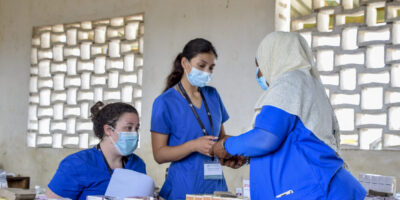
Before you set foot in a ward, you should complete training on hand hygiene, standard and transmission-based precautions, and the actual workflows of the host hospital. You should review bloodborne pathogen risks and the steps to take after a needlestick or splash. You should know where sharps containers are located and who to notify immediately. You should know how to document an incident and which clinic handles post-exposure prophylaxis. In an ethical program, students can recite this sequence without notes. If they cannot, the program is moving too fast.
The role of mentorship and reflection
Mentorship is the bridge between what you see and what you learn. A named clinical mentor sets expectations, models professional behavior, and helps you interpret the service you are shadowing. After a crowded clinic or a difficult ward round, a mentor can sort signal from noise. They can point to one interaction and explain why a specific phrase built trust or why a missed step caused confusion. That level of commentary changes how you observe the next day.
Reflection turns those observations into a story you can defend. The format is simple. Capture the setting, the barrier, your action within scope, and the outcome. Notice what you would do differently next time and why. Over weeks, these notes reveal patterns. You can point to how you became more precise in your questions, how you learned to involve interpreters earlier, or how you adjusted explanations to fit literacy and schedules. Those are the kinds of details committees respect because they connect behavior to results.
How International Medical Aid structures housing and support
International Medical Aid designs the environment so you can focus on learning. Program-managed residences are located in secure areas with controlled access and around-the-clock staff presence. Rooms are simple and clean. Doors and windows lock properly. Power and water are monitored and maintained. If something fails, there is a local team whose job is to fix it. The goal is not luxury. The goal is stability.
The program arranges daily transport. Vehicles and drivers are vetted. Routes are known. Schedules are shared. You are not asked to improvise your commute. This reduces risk and keeps clinical days predictable. For organized excursions, IMA uses established partners rather than ad hoc providers.
Meals are included and prepared in-house. This reduces the number of decisions you must make when you are tired and keeps nutrition steady. Internet access is reliable because you will need to research topics, complete readings, and communicate with home. Local SIM support is provided so you have a working phone from the start. These small choices add up. When you are not wasting time on essentials, you have energy for patients and for reflection.
Orientation is led by physicians who practice in the local system. They explain how the hospital functions, what privacy expectations look like, and where students should stand during procedures. They also explain what you do not do. International Medical Aid is explicit about the scope. Unlicensed students do not perform procedures. Students observe, assist with non-clinical tasks, support education and logistics, and learn. That rule protects patients and protects your application.
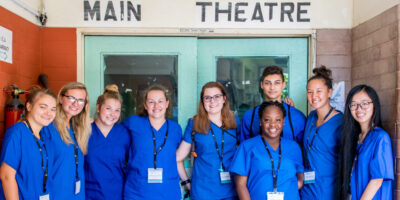
Mentorship is guaranteed. Each intern is paired with a clinician who knows their role and takes that responsibility seriously. There are scheduled debriefs each week to process cases, examine ethics, and identify system barriers. There is a lecture series on global health that connects what you see to broader patterns, such as referral systems, supply chains, and public health priorities. That academic structure prevents the common error of treating each day as isolated.
Cultural engagement is planned. Weekly treks and outreach work give you contact with communities in a way that respects schedules and existing services. This is not tourism. The purpose is to understand how distance, language, stigma, work hours, and cost shape care, and to see how local clinicians adapt. IMA partners with hospitals and community organizations that continue the work after cohorts rotate home. That continuity matters because it avoids the short-term pop-up model that disrupts local systems.
Support is constant. There are 24-hour in-country contacts and 24-hour U.S.-based contacts. Insurance includes medical coverage and emergency evacuation. Families know the plan before departure and can review the procedures that would be used if the environment changes. The expectation is that most students will never need these systems. The point is that they are real and funded if they are needed.
How housing and support improve admissions outcomes
Committees want to see that you can work inside a team, respect scope, communicate clearly, and sustain effort over time. Housing and support systems make that possible. When your evenings are calm and your mornings start on time, you show up prepared. You listen more closely. You ask more precise questions. You write better notes after rounds. You stick with the routine for weeks. That is how you build letters that point to reliability and growth.
A structured environment also produces better stories. Instead of vague statements about learning a lot from another culture, you will be able to describe one clinic day where a change in phrasing improved the teach-back process, or one ward round where a small preparation step prevented confusion. You will be able to explain how you used interpreters, how you handled uncertainty, and how you stayed inside scope when asked to help. Those details separate credible files from generic ones.
Finally, strong support helps you avoid errors that damage applications. Programs that push untrained students into procedures create risk for patients and for you. If you return proud of suturing or vaccinating without proper credentials, most reviewers will read that as poor judgment. An observational model with clear boundaries avoids that trap entirely. You can still speak to pressure, ambiguity, scarcity, and culture. You do it from the proper role.
Adhering to the AAMC guidelines for premedical and medical students providing patient care during clinical experiences abroad is the single most effective way to ensure your activities remain ethical. These guidelines explicitly state that students should not perform procedures abroad that they are not licensed to perform in the United States, providing a clear boundary that protects both patient safety and their professional integrity.
What to look for when you compare providers
Use plain questions. Where will I live, and who manages the building? What safety features are in place, and who responds after hours? How will I get to the hospital every day, and who is responsible for drivers and vehicles? What insurance is included in the fee, and what, specifically, does it cover? Who are my mentors, and when will we meet? What training happens before hospital access, and who verifies completion? What is the written scope of student activities, and where can I read it now? What is the exposure protocol, and which clinic handles post-exposure care? How are community partnerships structured to ensure that work continues after students graduate? If a provider cannot answer directly, it is not the right fit.
How to use housing and support to improve your own performance
You still control your learning. Treat housing as a base of operations. Set a simple evening routine. Review a case, look up one related guideline, and write three specific notes about communication, teamwork, or systems. In the morning, set one focus for rounds, such as how handoffs are handled or how nurses prepare patients for discharge. After the clinic, ask your mentor one question that ties behavior to outcome. Use your phone to keep a secure, de-identified record of barriers, actions, and results. Small habits compound over weeks. By the end of the program, you will have a set of grounded examples and a clear sense of how you changed.
The International Medical Aid Standard
International Medical Aid defines program safety and learning across three linked areas. Physical safety covers housing, transport, and emergency planning. Clinical safety covers infection prevention, PPE, and exposure protocols that students can execute under pressure. Ethical safety covers scope, supervision, and admissions defensibility. Each area is designed and enforced by staff who are present, accountable, and reachable. The environment is stable, the rules are clear, and the purpose is learning.
This design is not about selling comfort. It is about protecting patients, protecting students, and producing the kind of growth that stands up in committee. When housing and support are handled, you can keep your attention on patients and teams. You can practice respectful communication, learn how local systems allocate scarce resources, and see how cultural and logistical barriers change decisions. You return with specific evidence of reliability, judgment, and humility. That evidence is what matters.
Final thoughts
Housing and support are the hidden core of an international clinical program. If they are weak, the experience frays, and your learning stalls. If they are strong, you gain the steady base required to absorb a high volume of clinical and cultural input, to reflect with mentors, and to improve week by week. International Medical Aid builds that base by controlling the essentials, planning for emergencies, enforcing scope, and pairing observation with teaching and reflection. Choose programs that can document these systems in writing. Ask simple questions and expect precise answers. Your future patients will benefit from the habits you build now, and your application will show the difference.
Frequently Asked Questions
How much do housing and support actually affect clinical learning abroad?
A lot. Stable housing, reliable transport, and on-site support free up the focus you need for patients, teamwork, and reflection. Without that base, stress and logistics crowd out learning.
What should safe program housing include?
Lockable doors and windows, working smoke detection, clear exits, lighting in common areas, and staff who can respond after hours. When possible, bedrooms should not be located on the ground floor.
Is daily transport to clinical sites provided or optional?
It should be provided and vetted. The leading risk for travelers is traffic incidents. A good program handles routes and drivers so you are not left to improvise.
What insurance should be included in the fee?
Group health coverage, emergency medical evacuation, and liability coverage. You should receive a written summary with policy numbers and claim steps before departure.
How are emergencies handled after hours?
You need a 24/7 in-country contact and a 24/7 U.S. contact, written escalation steps, assembly points, and embassy registration through STEP or the host-country equivalent.
Will I receive clinical safety training before entering the hospital?
Yes. Programs should require infection prevention training, PPE instruction, and a written exposure protocol for needlestick or splash incidents. You should be able to recite the steps.
Are students ever allowed to perform procedures?
No. Unlicensed students observe, assist with non-clinical tasks, and learn under supervision. Staying inside scope protects patients and your application.
How does mentorship work in a strong program?
You are assigned a named clinician who meets with you regularly, runs debriefs, and helps turn cases into clear takeaways you can use in essays and interviews.
What about food, internet, and phones?
Reliable meals, stable internet, and local SIM support remove daily friction so you can focus on clinical work and reflection. Ask for specifics before you pay.
How do I compare providers quickly?
Ask for addresses and managers for housing, written transport policies, insurance proof, emergency plans, mentor names, pre-departure training outlines, and a signed scope policy. If answers are vague, pass.