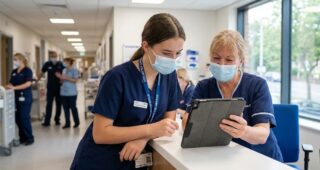
High school students who are serious about pursuing a healthcare career often hear that colleges want to see “real experience,” but it is not always clear what that means in practice. Some teens build long-standing volunteer histories, others focus on grades and test scores, and still others seek structured hospital roles that feel closer to what doctors and nurses actually do. When families step back and look at application patterns, it becomes clear that well-chosen clinical experiences and structured programs that resemble medical opportunities for high school students can change how the entire activities list is read.
Colleges do not expect high schoolers to practice medicine. They do expect them to show evidence of curiosity, reliability, and honest engagement with real patients and professionals. That is where thoughtful high school medical programs play a role. When they are selected and described carefully, these programs help admissions readers move from seeing a list of disconnected activities to seeing a coherent early path toward healthcare.
What Colleges Notice First In A Teen’s Experience List
Application readers rarely start by counting the total number of activities. Instead, they scan for patterns. Strong files usually show:
- A clear academic base in science, math, and writing
- Sustained community involvement or service
- At least some experience in real healthcare settings
- Evidence that the student can handle structured commitments
High school internships, especially those with clinical exposure, address several of these points simultaneously.
Depth instead of scattered participation
A structured hospital-based experience or international high school internship stands out because it usually requires a significant time commitment and clear supervision. When a student spends several weeks in a supervised program like those offered by International Medical Aid, admissions staff see:
- The ability to commit to a defined schedule
- Willingness to work in an unfamiliar, professional environment
- Exposure to the realities of clinical work instead of only classroom science
By contrast, a long list of unrelated short events can make it hard to understand what the student values. One or two substantial clinical experiences, backed by consistent local service, often make a stronger impression than ten brief activities.
Clear connection to stated goals
When students express interest in medicine, admissions readers look for evidence that they have verified their assumptions against reality. Clinical exposure for high school students does not have to be dramatic, but it should demonstrate that the student has encountered sickness, stress, and complexity firsthand.
An application that includes:
- A documented hospital or clinic internship.
- Community health outreach.
- A thoughtful description of what was learned.
Signals that the interest is more than a passing idea. Programs like International Medical Aid’s high school placements, which combine hospital shadowing with global health teaching and reflection, give students specific examples to reference in essays and interviews.
How Clinical Exposure Supports Essays And Interviews
Many students struggle to answer questions like “Why medicine?” or “Tell me about a meaningful experience” in a way that sounds concrete. Clinical exposure provides them with real material, but only if they take the time to reflect on what happened and what it meant.
Moving beyond general statements
Without real exposure, essays often fall back on broad phrases such as “I want to help people” or “I have always loved science.” Clinical internships allow students to give specific, grounded answers, for example:
- Noticing how a nurse calmed an anxious child before a procedure.
- Observing how a physician explained a difficult diagnosis in simple language.
- Seeing how social workers, pharmacists, and clinicians coordinate care.
Programs that emphasize guided reflection, such as International Medical Aid’s high school track, help students turn daily observations into clear stories. Group discussions, case-based seminars, and written reflections make it easier to recall details later when writing about those experiences.
Showing maturity under challenging moments
Healthcare settings expose students to illness, uncertainty, and sometimes loss. Admissions readers pay attention to how students talk about those moments. Strong essays and interviews:
- Acknowledge emotional difficulty without focusing solely on the student’s feelings.
- Show respect for patient privacy by removing identifying details.
- Emphasize the importance of listening, learning, and following guidance from professionals.
A high school internship that includes debrief sessions and access to mentors prepares students to process what they see, rather than carrying it alone. When teens can describe how they sought help, asked questions, or adjusted their behavior in response to feedback, it demonstrates maturity that admissions committees value.
Linking experience to future plans
Clinical exposure also helps students focus their academic and extracurricular choices. A teen who has spent time in a busy outpatient clinic may decide to:
- Take more interest in communication or language courses.
- Join a public health or service club at school.
- Seek out additional shadowing in a specialty that resonated with them.
When they later explain why they chose certain classes or leadership roles, they can point back to specific experiences from their internship. That makes their overall application feel more intentional.
When One Strong Program Is Better Than Ten Small Ones
In the rush to build a competitive resume, it is easy to assume that more is always better. In practice, admissions readers often respond more positively to one well-chosen, well-described internship combined with consistent service than to many brief, loosely connected experiences.
The value of sustained responsibility
Programs that resemble high school medical internships usually ask students to:
- Follow detailed rules about privacy, safety, and behavior.
- Integrate into teams rather than working alone.
- Show up reliably at the same place and time for days or weeks.
Those expectations mirror what will be asked of them later in college labs, clinical volunteer roles, and eventually in professional training. A student who completes such a program successfully sends a strong signal: they can be trusted in serious environments.
Short events, like single-day conferences or one-time shadowing visits, can still be useful, but they do not provide the same evidence of reliability. It is also harder to remember concrete stories from brief experiences.
Avoiding inflated descriptions
Having fewer, more profound experiences also reduces the temptation to inflate roles. When students feel pressure to make every line on the resume sound impressive, they may drift into vague or inaccurate language about what they did in clinical spaces.
A single structured program, such as an International Medical Aid high school placement, comes with clear documentation and expectations. Students can describe their role honestly: shadowing licensed professionals, supporting noninvasive tasks under supervision, and participating in community outreach. That precision reads better than generalized claims about “helping treat patients” across a large number of minor roles.
Building a coherent story
Admissions committees read many applications where activities feel disconnected. A focused approach might look like:
- Ongoing local service in a community organization
- One or two significant clinical internships, domestic or international
- Leadership in a health or science-related club at school
When application materials connect those experiences into a story about curiosity, service, and increasing responsibility, the whole file feels stronger than the sum of its parts.
Using Advisors And Counselors To Frame Your Story
Even intense experiences can be overlooked if they are described poorly or placed in the wrong context. Advisors, counselors, and program mentors can help students frame their internships in ways that support college and pre-med goals.
Choosing what to highlight
High school students often try to include every detail from a program, which can overwhelm readers. Advisors can help them pick:
- One or two clinical moments that changed how they think about healthcare
- A specific example of teamwork or communication they observed
- A challenge they faced and how they responded
Instead of listing every department visited, students can focus on the parts that had the most lasting impact, while still keeping accurate basic information about dates, hours, and locations.
Aligning with academic preparation
Guidance counselors and pre-health advisors can also demonstrate how clinical internships relate to coursework. After a meaningful high school program, it may make sense to:
- Adjust junior or senior year schedules to include advanced science or writing classes.
- Seek research experiences that build on topics seen in the hospital.
- Plan for college-level activities, such as campus-based global health organizations, that continue themes from the internship.
International Medical Aid’s programs, for example, often expose students to global health issues, resource limitations, and cross-cultural communication. Advisors can help students connect those themes to future choices in majors, language study, or service projects.
Using recommendations thoughtfully
When programs provide supervisor feedback or letters of recommendation, counselors can help students decide how to use those materials. A thoughtful letter from a clinician who observed a student over several weeks can be powerful, but it should be:
- Reserved for applications where clinical interest is central
- Paired with strong academic recommendations from teachers
- Supported by the same stories and responsibilities described in the student’s own materials
Students should avoid requesting many similar letters from short volunteer roles. Instead, they can focus on one or two substantial programs where supervisors truly know their work.
Next Steps
High school internships do not guarantee admission to selective colleges or future medical programs, but they can significantly impact how an entire application is perceived. When chosen carefully and combined with steady academic and service commitments, they:
- Demonstrate that a student has experienced real clinical environments and still aspires to a career in healthcare.
- Provide specific experiences that strengthen essays, short answers, and interviews.
- Show that the student can handle structured, supervised responsibility in professional settings.
- Help advisors and counselors tell a clearer story about the student’s path and readiness.
For students and families planning, the goal is not to collect the most impressive-sounding program names. It is to build a small number of genuine, well-supported experiences that reflect both who the student is now and who they are trying to become in the health professions. Structured options, such as International Medical Aid’s high school clinical programs, can play a crucial role in this process when they are part of an overall pattern rather than a one-time event.