Research roles for teens in brain health are more accessible than they were even a decade ago, but the landscape is also easier to misread. Some programs offer genuine, structured exposure to neuroscience research under professional supervision, including paid medical internships for high school students that provide real learning opportunities. Others use impressive language to describe experiences that amount to very little. If you are a high school student interested in the brain, or a parent helping your teen evaluate options, the most useful thing you can do right now is understand what realistic participation looks like, what it does not look like, and how to build a credible foundation without overstating your involvement.
The need for new researchers in this field is real. According to the WHO’s reporting on neurological disorders, more than one billion people worldwide are affected by neurological conditions, making them a leading cause of disability globally. In the United States alone, the CDC estimates that nearly 800,000 people experience a stroke each year and over 6 million live with Alzheimer’s disease. These numbers create urgency in both clinical and research settings. But urgency does not mean shortcuts, and it certainly does not mean that teenagers should be placed in unsupervised roles or given responsibilities beyond their training. What it does mean is that well-structured medical research internships for high school students recognize that young people can contribute meaningfully to research while learning foundational skills they will use for years.
What Brain Health Research Actually Involves at the High School Level
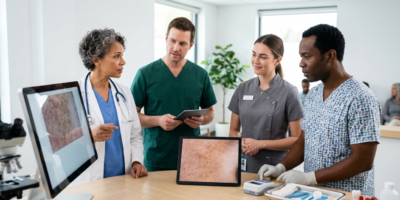
When people hear “research,” they often picture a lab coat, a microscope, and a dramatic eureka moment. The reality for most high school students is quieter and more methodical. Teens involved in brain health research typically assist with tasks such as data entry, literature reviews, participant screening logistics, and basic data organization. These tasks are not glamorous, but they are essential to how real science gets done. A neuroscience lab studying memory in aging adults, for example, might ask a student intern to help organize survey responses, catalog references for a review paper, or prepare materials for a community outreach event.
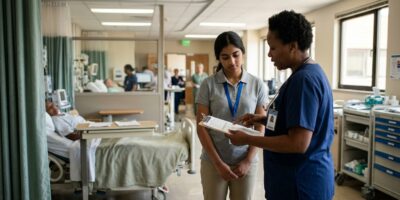
In clinical research environments, students may observe neurological assessments, cognitive testing, reflex evaluations, or rehabilitation sessions. They do not conduct these assessments themselves. They do not interview patients independently or access protected health information without proper training and authorization. Supervision by licensed professionals is constant, and students are expected to understand and respect confidentiality requirements.
Some teens contribute through citizen science projects or distributed research networks, which allow participation from home or school. These projects might involve annotating brain imaging data sets, classifying patterns in large databases, or contributing to crowdsourced analyses under the guidance of university teams. This kind of work is genuinely useful, and IMA’s overview of citizen science and distributed research for high schoolers outlines several ways students have participated in these efforts.
Where Teens Find These Opportunities
Research roles for high school students in brain health exist across several types of institutions, and each comes with different structures, expectations, and levels of formality.
University Labs and Summer Programs
Many universities run summer research programs that accept high school students, often rising juniors or seniors. These programs pair students with faculty mentors in departments like neuroscience, psychology, or biomedical engineering. Students typically work on a small piece of a larger ongoing project. Some programs are competitive and require applications, teacher recommendations, and transcripts. The National Institute of Neurological Disorders and Stroke, part of the NIH, funds and supports research across hundreds of institutions, and some of those institutions offer structured high school pipelines. Check individual university websites for their specific application timelines and eligibility requirements.
Hospital-Based Research Departments
Some academic medical centers allow high school students to assist in research departments, though not in direct clinical roles. These positions may involve helping with chart abstraction (under supervision and with proper data use agreements), preparing educational materials, or supporting community health screenings. Availability varies widely by institution. If you are interested, contact the volunteer services or research education office at hospitals near you. Be prepared for the possibility that many hospitals only accept students who are 18 or older for certain roles, so ask about age requirements upfront.
Structured International Programs
Programs like those offered through International Medical Aid provide structured exposure that combines observation in clinical settings with guided reflection and mentorship. In IMA’s international settings, students observe conditions that may be less commonly seen in domestic hospitals, including infectious causes of neurological conditions and resource-limited approaches to neurological care. Students do not practice medicine. They observe, ask questions, and participate in supervised discussions with medical professionals. For families considering this path, IMA’s high school internship programs page describes the structure, supervision, and expectations in detail.
Honest Expectations for Students and Parents
This section matters as much as any other, because mismatched expectations are one of the biggest sources of frustration in teen research experiences.
Students should expect to spend most of their time learning, not leading. The research tasks available to a 16-year-old are foundational. You will not be credited as a co-author on a paper unless you contribute substantially over a long period, and most short-term programs do not result in publication. What you will gain is an understanding of how research questions are formed, how data is collected and handled, and what professional conduct looks like in a scientific environment. These are the building blocks that matter when you eventually apply to college, medical school, or graduate programs.
Parents should know that reputable programs will be transparent about what their child will and will not do. Ask specific questions: Who supervises my child? What is the adult-to-student ratio? What protocols exist for emotional support if students observe difficult cases, such as patients with traumatic brain injuries or advanced dementia? What does a typical day look like, hour by hour? A program that cannot answer these questions clearly is not worth your family’s time or money.
It is also worth acknowledging that observing patients with serious neurological conditions can be emotionally intense. Watching a stroke patient struggle to speak or seeing a family cope with a dementia diagnosis is not easy. Good programs prepare students for this in advance, provide daily debriefing sessions, and have clear protocols for students who need support. If a program does not mention emotional preparation at all, that is a gap worth noting.
How Brain Health Research Strengthens a Student’s Path Forward
The Bureau of Labor Statistics occupational profile for medical scientists reports a median salary of $95,310 for professionals in these roles, with growth expected to remain steady. But salary data is not the reason a high school student should pursue research experience. The real value lies in what the experience teaches you about yourself and about the field.
Working on even a small piece of a neuroscience project helps you understand whether research appeals to you as a long-term pursuit or whether you are more drawn to clinical practice, public health, or another branch of medicine. It also gives you something concrete and specific to discuss in college essays and interviews. Admissions committees at medical schools and graduate programs consistently value applicants who can articulate what they did, what they learned, and how it shaped their thinking. A student who can describe organizing survey data for a memory study and explain what that taught them about research design is more compelling than a student who lists “neuroscience research” on a resume without any substance behind it.
Research experience also builds practical skills that transfer across disciplines: attention to detail, comfort with ambiguity, the ability to read and summarize scientific literature, and professional communication. If you eventually pursue neurology, the AAMC’s specialty profiles for careers in medicine can help you understand the training timeline and competitiveness of that path.
For students still early in their exploration, this kind of experience pairs well with other forms of exposure. Getting familiar with how to build a strong pre-med application over time can help you see how individual experiences fit into a larger, coherent story.
Evaluating a Program Before You Commit
Not every program that mentions “neuroscience” or “brain health” in its marketing delivers meaningful research exposure. Here are specific things to look for and to question.
Structure and Supervision
A credible program will describe its supervision model clearly. For minors, this means constant oversight by qualified adults during any clinical or research-adjacent activity. It means defined housing arrangements, communication protocols with parents, and rules about independent movement. If a program is vague about supervision or implies that teens will have significant autonomy in clinical settings, treat that as a warning sign.
Scope of Student Involvement
Ask what the student will actually do each day. If the answer is mostly observation and structured learning, that is honest and appropriate. If the program promises hands-on research, ask exactly what “hands-on” means. For a high school student, hands-on might mean entering data, preparing samples under supervision, or assembling materials for a community screening event. It should not mean conducting experiments independently or interacting with patients without a licensed professional present.
Outcomes and Framing
Be cautious of programs that imply guaranteed outcomes, whether that means co-authorship, academic credit, or improved chances of admission to specific schools. No program can guarantee these things. A good program helps you build skills and understanding. What you do with those assets is up to you and the institutions you later apply to.
Emotional Readiness
Brain health research often involves topics like cognitive decline, traumatic injury, and chronic disability. A student who is genuinely interested in these topics but not yet emotionally prepared to observe them up close may benefit from starting with literature-based or data-focused projects before moving into clinical observation. There is no shame in building up to more intense exposure over time. In fact, that kind of self-awareness is exactly what mature, well-prepared applicants demonstrate.
Practical Steps for Getting Started This Year
If you are a high school student ready to pursue research roles in brain health, start with what is available to you locally. Search for summer research programs at nearby universities, and pay attention to application deadlines, which often fall in January through March for summer placements. Contact your school’s science department to ask whether any teachers have connections to university labs. Look into citizen science platforms that allow remote participation in neuroscience projects.
If you are considering a structured international program, have an honest conversation with your family about goals, costs, safety expectations, and timing. Compare at least two or three options before committing, and ask every program the hard questions outlined above.
For parents, your role is not just logistical. Talk with your teen about what they hope to gain, what they are nervous about, and whether they feel ready for the emotional weight of working near patients with serious conditions. These conversations build the kind of self-reflection that will serve them well regardless of where their career leads.
Brain health is one of the most important and complex areas of medicine. The students who contribute meaningfully to this field, even in small ways, are the ones who approach it with honesty about their current abilities, curiosity about what they do not yet know, and respect for the patients and professionals they encounter along the way.
Frequently Asked Questions
Can a high school student actually contribute to neuroscience research, or is it just observation?
Yes, high school students can make genuine contributions, but those contributions are typically foundational tasks like data entry, literature reviews, survey organization, and material preparation. In clinical research settings, the student role is primarily observational. These tasks are real parts of the research process, and doing them well is both useful to the team and educational for the student.
What safety measures should parents look for in a brain health research program for teens?
Parents should ask about the supervision ratio, the qualifications of supervising adults, housing arrangements, daily communication protocols, and emotional support resources. Any program involving minors should have clear boundaries around patient interaction, data access, and independent activity. Programs should also prepare students in advance for the emotional intensity of observing patients with serious neurological conditions.
Will brain health research experience in high school help with medical school admissions?
Research experience can strengthen a medical school application, but no single experience guarantees admission. What matters most is the student’s ability to articulate what they did, what they learned, and how the experience informed their understanding of medicine and research. Admissions committees value specificity, self-awareness, and genuine reflection over impressive-sounding titles or program names.