It’s never too early to start preparing for a medical career. As young students, aspiring medical professionals must display interest in science subjects. They should also excel in different fields, including research, clinical, and laboratory work.
Besides working hard and embarking on self-development activities, being receptive to mentoring is a key component to success. Not all skills and knowledge can be acquired from books or within the four corners of the class room. As such, high schoolers need mentors to teach them valuable lessons.
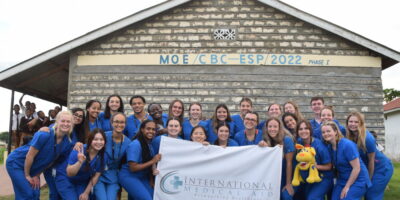
Medical internship programs offer high schoolers the best opportunities for practical learning. You’re lucky if you go through one, as you stand to have a great pre-clinical experience while building an impressive resume.
Below, you’ll learn the basics of mentorship and how it benefits teens who plan on pursuing a career in medicine.
What Are The Three Key Roles in a Mentoring Program?
Many companies use mentoring programs to develop and retain their top talents. With more skilled and efficient workers, companies also benefit from increased productivity and revenues. According to a report, 100% of U.S. Fortune 50 companies have mentoring programs, while 84% of the top 500 firms implement them.
A mentoring program will only be successful with the involvement and dedication of these key roles:
1. Mentor
A mentor can take many forms, depending on the specific organizational objectives. For instance, mentorship in academic medicine involves organizations developing comprehensive training to educate novice physicians and scientists to understand diseases and discover their potential cures while enhancing patient care. Academic medicine refers to educational institutions that deliver healthcare to patients as well.
A mentor needs to be more skilled and experienced than the person (mentee) they’re tasked to train. Both should have direct interaction for a mutually beneficial relationship.
2. Mentee
Conversely, a mentee receives guidance and advice from a mentor. They must first identify the skills, knowledge, and competencies they want to obtain based on their goals.
After a discussion, both will map the topics, activities, people, and other sources to help the mentees achieve them. The trainee is expected to establish good communication and relations with their mentor to optimize the benefits of the mentoring program. According to a 2019 survey, 91% of workers with mentors were happy with their careers.
3. Program Manager
A mentoring program requires an active manager responsible for recruiting, selecting, and matching candidates and their mentors. The program manager conducts periodic program reviews to measure its effectiveness and make the necessary changes to ensure its success. Moreover, they regularly communicate with the mentor and mentee to monitor progress and address possible issues.
Why is an Internship Important for Students?
Internships are essential in developing career skills, building a professional network, and adding relevant experience to one’s resume. Because of these invaluable benefits, about 500,000 Americans intern for free annually.
A mentor in an internship program helps a trainee overcome difficulties and challenges by sharing skills, knowledge, and experience. Ultimately, mentors contribute to a mentee’s career advancement.
Why Mentorship Is Crucial In Pre-Clinical Programs For High Schoolers
Mentoring is likewise essential in healthcare settings, especially for pre-clinical programs for high schoolers. Teens may have an idea about the primary responsibilities of healthcare staff, but putting themselves in their shoes makes a world of difference. An intern taking completing pre-clinical training is often assigned to hospitals and clinics to take on multiple roles.
Pre-clinical internship mentoring has the following foundational goals:
Improving Mentee’s Clinical Skills
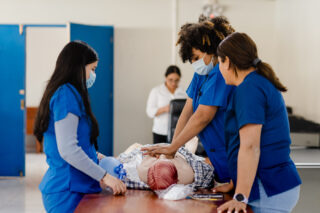
Because pre-clinical interns don’t need previous experience to participate in the program, they should have a mentor to help build their basic clinical skills. These include patient communication, case management, administering medication, record-keeping, analysis, and observation.
Transferring Knowledge
Rather than wait until they’re accepted to a medical program, aspiring medical professionals can start their journey by attending a pre-clinical internship program for high schoolers. Mentors are highly qualified, skilled, and experienced workers who can help mentees or interns gain the information they need to succeed.
Providing Career Advice and Guidance
As mentioned, the mentee must discuss their goals with their mentor to ensure they enjoy the program’s full benefits. Meanwhile, the mentor creates a plan to help their protégé achieve them.
Enhancing Problem-Solving Skills
Having limited exposure to pre-clinical work, an intern may have questions, concerns, or problems dealing with certain aspects of their tasks. In such circumstances, a mentor can be very helpful in addressing these issues.
Offering Networking Opportunities
Likewise, an internship allows mentees to build their network of health experts and fellow interns. These contacts may be helpful as they complete their journey as a medical student and a future professional.
Emotional and Psychological Support
Pre-clinical work can be exhausting and frustrating at the same time. When teens want to give up or feel overwhelmed, mentors should be there to support their mentees emotionally.
By shadowing a clinician, interns can earn the fundamental skills to become good medical students. By observing how their mentors work and asking questions, pre-clinical interns can determine which medical career path they want to take.
Building a Strong Foundation Through Early Experience
High school is the time when many students begin to explore serious interests, including healthcare. Textbooks and science classes can provide knowledge, but they rarely give a sense of what working in medicine feels like on a daily basis. Students who want clarity about whether medicine is the right path benefit from structured opportunities that offer real exposure.
The best way to achieve this is through carefully designed programs such as high school medical internships. These placements provide students with the chance to observe medical practice in real settings and help them start building the skills that medical schools value.
Why Real-World Exposure Matters
Classroom learning cannot fully prepare a student for the environment of a hospital or clinic. When students participate in structured internships, they see the fast-paced decisions, the variety of patient interactions, and the collaboration between doctors, nurses, and other healthcare professionals.
Some students confirm a lifelong interest in becoming physicians, while others realize they prefer related fields such as public health or research. Either outcome is valuable, because students gain certainty about their future goals.
The Difference Between Observation and Participation
Many teens have heard of shadowing, but there is a clear difference between watching from the sidelines and being part of a structured program. In these internships, students not only observe but also attend lectures, join in community outreach, and engage with medical staff. The combination creates an experience that feels both educational and practical.
Strengthening College and University Applications
Admissions officers consistently look for students who demonstrate initiative. Completing a program abroad or domestically shows commitment and maturity. A student who has worked through a placement is able to provide detailed examples in personal statements and essays.
This is especially true for competitive BS/MD or pre-health tracks, where the difference between accepted and rejected applicants often comes down to meaningful experiences. The ability to describe a patient interaction or reflect on cultural differences in healthcare can make an application stand out.
Programs that highlight pre-med internships for high school students are designed to give applicants exactly this advantage. They provide the kind of authentic experiences that admissions committees prefer over generic claims of interest in medicine.
Building Personal Narratives
When writing essays, specifics matter more than generalities. Instead of saying “I want to be a doctor,” students can share a moment they observed in a clinic or hospital that left a lasting impression. These stories are compelling, believable, and unique.
Cultural Awareness and Global Learning
One of the most important outcomes of international programs is cultural growth. Students begin to understand how healthcare looks in different parts of the world. They also learn how factors such as language, local traditions, and resource limitations shape medical practice.
Expanding Empathy
These experiences help teens appreciate healthcare beyond science and technology. They see firsthand the human element of medicine. This awareness builds empathy, which is highly valued in medical training and practice.
Networking and Mentorship Beyond High School
Students often leave programs with connections that last well beyond the internship itself. Mentors, doctors, and peers can remain valuable contacts through the college years and even into professional training. Some mentors continue to advise students or provide recommendations long after the program ends.
The Importance of Peer Networks
Meeting other motivated students can also be transformative. Many participants keep in touch with peers they met during internships and find encouragement through shared experiences and goals.
Seasonal and Gap Year Opportunities
While many students attend short-term summer sessions, others take advantage of gap year placements. These longer experiences allow for deeper immersion in clinical rotations, community health work, and cultural education.
Summer programs are especially popular because they fit into a student’s academic schedule without conflict. Well-structured summer medical internships abroad for teens combine shadowing with cultural immersion and language support, making them both practical and engaging.
Why Gap Years Can Be Valuable
Students who choose a gap year placement often return with a stronger sense of focus and maturity. By experiencing healthcare in a meaningful way before college, they approach higher education with clearer goals and stronger applications.
Skills That Extend Beyond Medicine
These internships are not just about medicine. Participants also build skills that serve them in every aspect of life.
Communication Skills
Learning how to speak with patients, mentors, and peers teaches students how to listen carefully and respond appropriately.
Adaptability and Teamwork
Working in a new environment helps students adjust quickly and collaborate effectively with others.
Resilience
Internships often bring challenges, whether it is long hours or exposure to difficult medical situations. Learning how to manage stress and keep moving forward is an essential part of personal growth.
Parental Confidence in Program Structure
For parents, sending a teenager abroad can feel daunting. Reputable programs address this with clear structures, safe housing, and professional oversight. Families know that their student is secure, supervised, and engaged in meaningful work.
Parents often report that seeing their child return more independent and confident makes the investment worthwhile.
A Meaningful First Step Toward Medicine
For high school students, these programs are more than an activity to fill time. They are a serious introduction to a demanding and rewarding profession.
By taking part in structured internships, teens prepare themselves not just for college but also for the long path of medical training ahead. They gain exposure, clarity, and the confidence to pursue medicine with purpose.
Final Thoughts
Mentorship is the primary working principle used in internships. And as the discussion above suggests, it plays a key role in increasing an aspiring medical professional’s chances of getting accepted into a medical program.
Interns gain relevant experience and improve theoretical knowledge while building relations with mentors and other useful connections. With their mentors’ help, a mentee can achieve their full potential as they prepare for the bumpy road ahead.