If you’re a high school student dreaming of medical school, it’s never too early to start carving out your path. In fact, building your profile now will pay off when you apply to pre-med programs in college and eventually medical school. Admissions committees look for well-rounded candidates with strong academics and real-world experience in healthcare. You can stand out from the crowd by taking proactive steps during high school. Here’s what you should do right now to prepare for a future in medicine.
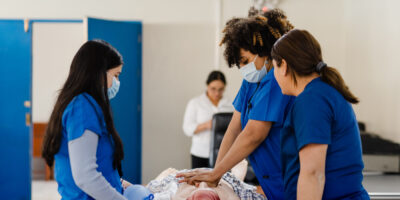
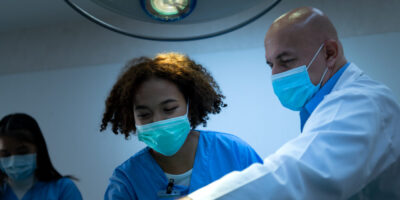
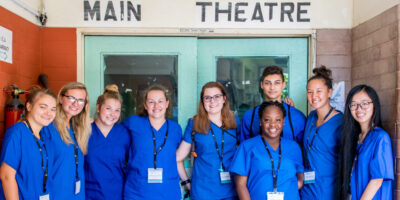
Many students begin by exploring international internships for high school students through IMA, where safe, immersive programs offer real clinical exposure in East Africa and South America. Fall and winter Healthcare & Pre‑Med internships remain available, giving students the opportunity to gain hands-on experience outside the competitive summer cycle. For updated availability, see our Program Dates & Fees.
Build a Strong Academic Foundation
Your journey to becoming a doctor starts with your high school classes. A solid academic foundation not only impresses college admissions but also prepares you for the intense coursework of a pre-med track and medical school. Here’s how to strengthen your academics:
Excel in Science and Math
Excel in science and math: A strong foundation in STEM is crucial for future pre-med students. Take challenging courses like biology, chemistry, physics, and calculus in high school to prepare yourself for a pre-med curriculum. Enrolling in Advanced Placement (AP) or International Baccalaureate (IB) classes, when available, can not only deepen your knowledge but may also earn you college credit, enabling you to dive into advanced coursework sooner.
These courses cultivate problem-solving and critical thinking skills that are essential in medicine. Don’t worry if your school doesn’t offer a ton of AP/IB classes – simply take the most difficult science and math courses available to you. The key is to challenge yourself and learn the fundamentals of the natural sciences.
Develop Effective Study Habits and Critical Thinking
Succeeding in advanced courses requires more than just enrolling in them – you’ll need to learn how to learn. High school is the perfect time to develop strong study habits and time management skills. Practice keeping a study schedule, taking good notes, and reviewing material regularly, as this will make college (and later med school) much more manageable. Seek help from teachers or tutors when you need it, and learn strategies that work best for you (even a TED Talk on study strategies or resources like Khan Academy can help).
Don’t focus only on memorizing facts – work on thinking critically. As a future medical student, you must be able to analyze information and solve complex problems. Challenge yourself in classes like English, history, or social studies that require you to read, write, and form arguments.
These subjects sharpen your ability to form opinions, think critically, and communicate clearly – all important skills for a doctor. Joining activities like the debate team, Model UN, or mock trial can further hone your analytical thinking and public speaking skills. Remember, medicine isn’t just about science; it’s also about understanding people and communicating effectively.
Embrace Language and Communication Skills
Great doctors are also great communicators. In addition to science and math, invest effort in your language and writing classes. Courses like English literature, composition, or even a foreign language will improve your communication skills. Writing clear essays and articulating your thoughts is a valuable ability – one that will help in college applications, personal statements, and interacting with patients down the line.
If your school offers a speech class or you have opportunities to do presentations, take advantage of them. Being comfortable speaking and writing will set you apart. Moreover, learning a foreign language (Spanish is especially useful in US healthcare) can be a bonus in understanding and connecting with future patients.
Aim for Academic Excellence but Find Balance
Strive for the best grades you can achieve. A high GPA will open doors to competitive undergraduate programs. Take academics seriously – develop a consistent study routine and don’t procrastinate on assignments or test prep. That said, be careful not to overload yourself with too many tough courses at once if it’s hurting your performance.
It’s impressive to take honors/AP classes, but not at the expense of your mental health or GPA. Seek help early if you struggle in a class, and use resources like peer tutoring or online tutorials. Excelling academically is a cornerstone of your medical school preparation, but part of that prep is learning to balance hard work with self-care. Medical school will be challenging too, so learning balance now will serve you later.

Participate in Science and Medical Extracurriculars
Academic work is important, but it’s only one piece of the puzzle. To truly stand out, you’ll want to show that your interest in medicine extends beyond the classroom. Extracurricular activities demonstrate your passion, initiative, and curiosity about the medical field. Plus, they can be a lot of fun and help you meet like-minded peers. Here are ways to get involved:
Join Relevant Clubs and Competitions
Look for science- or health-related clubs at your school or in your community. Many high schools have clubs such as Pre-Med Club, Biology or Chemistry Club, HOSA-Future Health Professionals, or Science Olympiad.
By joining these clubs, you’ll deepen your knowledge and collaborate with peers who share your interests. For example, a biology club might discuss medical research or bioethics debates, while HOSA or a pre-med club could involve healthcare-oriented volunteer projects or guest speakers. Being an active member (or even starting a club if one doesn’t exist) shows leadership and initiative.
Competitions are another excellent way to distinguish yourself. You can participate in science fairs, robotics competitions, math leagues, or even medicine-focused competitions. Entering a science fair or an Intel/ISEF competition with a biomedical research project can demonstrate your ability to apply scientific inquiry.
Similarly, participating in academic competitions like Science Olympiad or Science Bowl can sharpen your knowledge and signal your dedication to learning. These activities highlight your enthusiasm for science and can lead to awards or recognition that strengthen your resume.
Pursue Independent Projects or Research
If formal competitions or clubs don’t satisfy your curiosity, consider embarking on an independent project. This could be anything from a small research project to a community health survey you design yourself. For instance, you might explore a topic of interest (like analyzing local environmental health data or experimenting with a biology kit at home) and document your findings.
Conducting a self-driven “independent study” shows initiative and passion for learning. It could even be as ambitious as writing a small research paper or developing a simple health-related app. The specific topic matters less than showing you can set a goal, learn independently, and follow through.
If you’re interested in research, you might reach out to local university professors or hospital labs about summer research opportunities for high schoolers. Some universities have research mentorship programs or accept high school volunteers in labs. Gaining research experience in high school (even if it’s just assisting in a lab or doing data entry) can give you a taste of the scientific process.
It’s also a big plus when applying to colleges and, later, med schools – it signals intellectual curiosity and initiative. Just be sure to follow all safety and training requirements in any lab setting, and have a mentor overseeing your work.
Show Leadership and Initiative
While participating in clubs and activities is great, taking on leadership roles will make you stand out even more. Look for opportunities to become a club officer, lead a project, or organize an event. For example, you could run for president of the Science Club or start a new initiative like a school-wide health awareness campaign.
Leading a fundraiser for a local clinic or coordinating a blood drive at your school not only demonstrates leadership but also shows commitment to community health. Such efforts highlight skills in organization, teamwork, and communication – all of which are valuable for future physicians.
Leadership isn’t only about titles. You can show initiative by simply being the person who steps up to get things done. Maybe you organize study groups for tough classes, or you create a small volunteer group with friends to tackle a community issue.
Colleges and future interviewers will love to hear stories where you took initiative to solve a problem or pursue a passion. It reflects qualities like responsibility, motivation, and the ability to inspire others. These are exactly the traits that will help you shine as a pre-med student and beyond.
Also, remember to pursue other interests and hobbies alongside the science activities. Don’t be afraid to do something non-medical simply because you love it – whether it’s music, art, sports, or debate. In fact, having unique hobbies can make you more memorable. Maybe you play violin in the orchestra, captain the swim team, or create digital art. These pursuits show you’re a well-rounded person. Medical schools value applicants with diverse interests and talents, not just science robots. Plus, your hobbies can be great talking points in interviews or application essays, illustrating your personality and stress-relief outlets. Balance is key: academics, science activities, and personal hobbies shape a compelling profile.
Gain Hands-On Medical Experience
One of the best ways to confirm your interest in medicine – and to stand out in applications – is to gain real-world exposure to healthcare. High school students on a medical school path should seek opportunities that let them see medicine up close. This shows admissions committees that you’re serious about a healthcare career and have taken initiative to explore it. Here are a few ways to get hands-on experience:
Volunteer in Healthcare Settings
Volunteering is often the easiest entry point into the medical world for high schoolers. Many hospitals, clinics, and nursing homes have teen volunteer programs (sometimes called “candy striper” programs in hospitals). As a hospital volunteer, you might transport patients in wheelchairs, deliver meals or flowers, or assist staff with non-medical tasks. While you may not be doing clinical work yet, just being in a hospital environment is valuable.
You’ll observe how a healthcare facility operates and get exposure to different healthcare roles. Volunteering at a clinic or an assisted living facility is similarly useful – you could help with filing, managing waiting rooms, or recreational activities for patients. Through these experiences, you’ll start to understand the team effort involved in patient care, and you’ll learn compassion by interacting with patients and families. In fact, volunteering often teaches empathy, communication, and service orientation, which are fundamental qualities for any doctor.
If you can’t find a hospital volunteer spot (they can be competitive and sometimes have age minimums), think creatively. Consider volunteering at a local Red Cross, a community health fair, a blood donation center, or even as an assistant at a local pediatrician’s office (maybe you can help with clerical work after school).
Even volunteering in a non-medical capacity, like at a soup kitchen, Habitat for Humanity, or a community center, is beneficial. The key is that any service work helps build people skills and demonstrates your commitment to helping others. Medical schools view sustained volunteer service as evidence of a genuine service mindset. So, whether you’re organizing food drives or helping out at a free clinic, you are cultivating the compassion and dedication that healthcare demands.
Shadow Healthcare Professionals
Another fantastic way to gain insight is by shadowing a physician or other healthcare professional. Shadowing means following a doctor (or nurse, PA, etc.) through their day to observe what their job is really like. As a high school student shadowing a physician, you might start by asking your own doctor (like your pediatrician or family doctor) if you could shadow them for a day or two.
You can also reach out to doctors through family and friends’ connections. Some hospitals have a formal shadowing program, but many times it’s an informal arrangement you set up yourself by politely asking a healthcare provider and ensuring you have any necessary permissions or waivers in place.
When you shadow a physician, be a sponge. You’ll get to see patient interactions, clinical decision-making, and the healthcare team in action. Pay attention to how the doctor communicates with patients and colleagues, how they manage their time, and what challenges and rewards come with the profession.
This up-close exposure can be incredibly inspiring – many students say the first time they shadowed a doctor, it confirmed their passion for medicine. It’s one thing to read about being a doctor, but entirely different to watch one handle real cases in real time. Even if you can only shadow for a few afternoons, that experience can give you stories and insights to talk about in future essays or interviews. And just as importantly, it can either reinforce your desire to pursue medicine or teach you that maybe another path is better – both outcomes are valuable in the long run.
Keep in mind, patient confidentiality is important, so always follow the doctor’s instructions on where you can be and what you can do. You might not be allowed in certain exam rooms or you may have to sign a confidentiality agreement. Dress professionally and come prepared with a notebook to jot down observations or questions to ask the doctor later when appropriate. Showing maturity and respect during a shadowing experience can even lead to a mentoring relationship. If you build a good rapport, that doctor might later write you a recommendation or advise you on your journey.
Attend Medical Internships for High School Students
For an even more immersive experience, you can participate in structured pre-med internships or summer programs designed for high school students. These can be local, national, or even international. Think of these as a step beyond volunteering – you may get to rotate through departments, learn medical skills, or work on public health projects as a student intern. Such internships can be life-changing and goal-affirming learning experiences and major resume boosters.
One exciting option is to look at international medical internships for high school students. Organizations like International Medical Aid (IMA) offer global healthcare internships for students as young as 16, providing supervised, hands-on exposure in hospitals and clinics abroad.
For example, IMA (a nonprofit organization) runs programs in areas like East Africa, South America, and the Caribbean, where you can shadow physicians, assist in community health outreach, and learn about healthcare in a different cultural context.
These internships are typically short-term (available in summer, and sometimes during winter or spring breaks) so they fit into a high school schedule. By interning abroad, not only do you gain clinical experience, but you also develop cultural competence and adaptability – qualities that medical schools greatly appreciate.
Imagine learning about tropical medicine in Kenya or observing how doctors in Peru deliver care with limited resources. You’ll come home with a broader perspective on global health and a newfound maturity.
Shadowing and internships: Participating in a medical internship, whether locally or abroad, allows you to shadow healthcare professionals and observe patient care first-hand. These experiences improve your understanding of medicine beyond what you learn in books. Medical schools highly value applicants who have sought out hands-on clinical experience early on.
By witnessing medicine in action – for instance, standing alongside doctors during clinical rounds or watching procedures – you’ll strengthen your resolve to become a physician and gather meaningful stories to share in future applications. Internships also often include mentorship components, so you can receive guidance and feedback from experienced medical staff. This kind of exposure not only cements your interest but can also make you a more confident and informed pre-med student moving forward.
If traveling abroad isn’t feasible, there are plenty of domestic programs too. Some universities and hospitals have summer programs for high schoolers interested in medicine. For example, the National Institutes of Health (NIH) has a High School Summer Internship Program (HS-SIP) for students 17 and older to work in research labs. Many universities offer summer research or health institutes for teens (sometimes called pre-college programs). Additionally, there are enrichment programs focused on medicine – like the Summer Health Professions Education Program (SHPEP) – though SHPEP is for rising college freshmen, it’s something to keep on your radar if you’re a senior.
The Association of American Medical Colleges (AAMC) provides a free database of summer programs and internships; you can filter it for “High School” to find opportunities suited to your grade level.
No matter what kind of internship or program you choose, be sure to make the most of it. Treat every day as a learning opportunity – ask thoughtful questions, connect with fellow interns, and show enthusiasm. Afterwards, reflect on what you learned. These reflections will be useful when writing essays about why you want to be a doctor or what experiences shaped you. Remember, quality trumps quantity: doing one intensive internship where you were fully engaged can be more impactful than superficially dabbling in many different activities.
Give Back Through Community Service
Volunteering isn’t only about hospitals and clinics. Great physicians are community leaders and compassionate citizens. Engaging in community service beyond the clinical setting can further demonstrate your commitment to helping others and allow you to develop a broader perspective on service. Plus, it’s another way to stand out, since it highlights your well-rounded character and leadership potential.
Engaging in volunteer work, even outside direct clinical settings, is invaluable. High school students can join community health initiatives, charity drives, or public service projects to make a difference. Such experiences cultivate empathy, teamwork, and a service orientation – qualities medical schools highly value.
Whether you’re planting trees as part of a global health outreach (as shown above), cleaning up local parks, or serving meals at a homeless shelter, volunteering demonstrates a commitment to bettering society. You’ll learn to work with diverse groups of people and gain social skills and cultural competence by interacting with individuals from different backgrounds. These interpersonal experiences will help you relate to future patients with understanding and respect.
Consider causes that resonate with you. If you care about public health, perhaps you volunteer with an organization that educates about nutrition or disease prevention in underserved communities. If social justice interests you, maybe you join a group advocating for healthcare access or work on a fundraiser for a medical charity. Even non-health related volunteering (like tutoring underprivileged kids, building houses, or raising money for disaster relief) is time well spent. It shows you have passions beyond yourself and can apply your skills to help others.
Importantly, try to engage in community service consistently. A long-term commitment (for example, volunteering weekly at a food pantry for a year) often says more than a one-off event. It shows dedication and allows you to take on more responsibility over time. You might even rise to a leadership role, like coordinating volunteer schedules or leading a project. Consistency also helps you form relationships – you might later ask a supervisor from a volunteer organization to write a recommendation letter for you.
By serving your community, you’re also building character and resilience. You might encounter situations that challenge you, like communicating with someone despite a language barrier or dealing with emotional moments when helping those in need. These experiences can be profound learning moments. Medical schools seek out applicants who demonstrate altruism and resilience in the face of challenges. Your community service in high school can provide concrete examples of both, making you a standout candidate in the future.
Develop Essential Skills and Qualities
Being a strong med school candidate isn’t just about what you do – it’s also about who you become through those activities. Admissions officers (both for college and medical school) look for certain core competencies and personal attributes that indicate you’ll be a successful medical student and compassionate physician. High school is the time to start cultivating those skills and qualities.
Service Orientation
This is the desire to help others and give back, which you develop through volunteering and community service. By serving in your community or school, you show that you care about improving others’ well-being. Keep seeking ways to contribute – it can be as simple as helping a classmate with homework or as involved as organizing a charity drive.
Social and Communication Skills
Doctors need to communicate effectively with patients and colleagues. You can practice this early by participating in group projects, clubs, or public speaking opportunities. Engage in conversations with people of different ages and backgrounds – perhaps through volunteering or part-time jobs – to become comfortable socially. If you can, take on roles like peer tutoring or mentoring younger students; teaching someone is a great way to build patience and communication skills. Also, actively work on your writing abilities (those English classes and essays help!). Written communication is key for writing personal statements and, in the future, medical reports.
Cultural Competence
The ability to interact effectively with people from diverse backgrounds is crucial in healthcare. You can cultivate this by learning about different cultures, possibly learning another language, or stepping outside your comfort zone. Participating in exchange programs, international internships, or simply volunteering in a culturally diverse community can expand your worldview. Being culturally competent will help you relate to patients and colleagues in our globalized world of medicine.
Teamwork and Leadership
Medicine is a team effort. Show that you can work well in teams through group activities – be it a sports team, a science project group, or a club committee. Learn to listen, be reliable, and contribute your part (this demonstrates reliability and dependability as well). At the same time, develop leadership by taking initiative when you see an opportunity. This doesn’t always mean you’re the “boss” – sometimes great leadership is shown by organizing people around a common goal or being the one who keeps the team motivated.
Ethical Responsibility
Integrity matters in medicine. Build your ethical foundation now by being honest in your academics (no cheating or plagiarism) and holding yourself to high standards. If you take on responsibilities (like a volunteer shift or a club duty), follow through on your commitments. You can also engage in discussions about ethics – for example, if your school has an ethics bowl or if issues come up in debate club or class (like bioethics topics), participate and think critically. Showing that you understand the importance of ethics will reflect well on you as a future professional.
Resilience and Adaptability
The path to becoming a doctor is long and challenging. Demonstrating resilience means showing you can handle setbacks or stress in a healthy way. How do you do this in high school? It could be as straightforward as bouncing back from a poor test grade by working harder and improving, or handling a tough personal situation while still fulfilling your responsibilities. Take on challenges outside your comfort zone – maybe a tough AP class or a new extracurricular – even if you risk failure, and learn from the experience. Colleges and med schools want people who can adapt to new situations and persevere through difficulties.
Many of these qualities align with what the AAMC (the organization behind med school admissions) calls the 15 Core Competencies for Entering Medical Students. These competencies include things like service orientation, cultural competence, teamwork, communication, ethical responsibility, reliability, resilience, critical thinking, and scientific inquiry.
It might sound like a lot to juggle, but the good news is that you’re likely developing many of them naturally through your activities. By being aware of these sought-after skills, you can intentionally seek experiences that strengthen them. For instance, doing a science fair project can build your scientific inquiry skills, or being captain of a team can develop your leadership and teamwork.
One practical tip: as you engage in various activities, reflect on what skills you’re using or gaining. If you volunteer at a nursing home, you’re building empathy and communication with the elderly. If you work a part-time job, you’re gaining responsibility and time management (and maybe some healthcare basics if it’s a lifeguard or pharmacy assistant job).
Keeping a simple journal of your experiences and what you learned can be incredibly useful later on. When it’s time to write college or med school applications, you’ll have specific examples of times you demonstrated compassion, leadership, or resilience. Those examples will make your essays and interviews far more compelling.
Make the Most of Summer Breaks
Summer is a golden time to further your pre-med journey. Without the daily homework and school routine, you can dedicate more time to special programs, jobs, or projects that strengthen your preparation for a medical career. Rather than seeing summer as just a break, view it as an opportunity, while balancing some fun and relaxation to recharge (balance is important!). Here’s how you can leverage your summers:
Attend Medical or Science Camps
Many universities, hospitals, and educational organizations offer summer camps or pre-college programs focused on medicine or science. These can range from one-week medical bootcamps to six-week research academies. For example, some colleges have summer workshops where you can learn basic medical skills (like suturing or CPR), or public health camps where you explore global health issues.
There are also science research camps where you might do lab experiments or field research. Attending such programs shows initiative and looks impressive on applications because you gave up part of your vacation to learn. Plus, you often get to experience a taste of college life, work in real labs or simulation centers, and meet professionals in the field.
Pursue a Healthcare Internship or Volunteer Intensively
We discussed internships and clinical programs earlier, and summer is prime time for those. Whether it’s the international internship through IMA or a local hospital volunteer program, use your summers for immersive, hands-on experiences. You could volunteer daily at a hospital for a month, shadow full-time for a few weeks, or go abroad on a structured medical service trip. Immersing yourself like this can significantly improve your understanding of the medical field.
Medical schools love to see this kind of sustained dedication, as it often results in meaningful insights and personal growth. Before summer starts, research and apply early to the programs you’re interested in – many have application deadlines in late winter or spring, and they can be competitive. By planning ahead, you’ll secure a spot in a valuable program.
Work a Job that Builds Skills (or Saves Money for School)
There’s nothing wrong with working a summer job unrelated to medicine. In fact, any job can teach responsibility, work ethic, and people skills. But if you can find a job with a healthcare angle, even better. High school students who are 16-18 might find jobs as a lifeguard (great for learning first aid and emergency response), a medical receptionist at a local doctor’s office, a pharmacy cashier/technician assistant, or even a certified nursing assistant (CNA) if you complete a course and are 18.
Becoming a CNA or EMT (Emergency Medical Technician) typically requires training and certification, but it’s something you could pursue the summer after senior year or during college.
These roles are paid and give you direct patient care experience – something that will eventually be a requirement for many med school applicants. Additionally, earning some money can help you save for college expenses or pay for other enrichment programs. It also demonstrates maturity and time management if you can hold a job while doing everything else.
Take a College Class or Online Course
If you’re particularly ambitious and have the time, you might enroll in a local community college class or an online course over the summer. For instance, some high school students take courses like psychology, sociology, or an extra science class through dual-enrollment programs.
Succeeding in a college-level class while in high school can show academic prowess. Alternatively, you can explore free online courses (MOOCs) in subjects like anatomy, global health, or programming for biosciences, just out of pure interest. These aren’t required by any means, but they can further signal your intellectual curiosity. Just be careful not to overload yourself – only do this if it genuinely interests you and you have time, since summers should also give you some rest.
Finally, no matter what you do, document your summer experiences. Keep a log of hours if it’s volunteer work (helpful for future applications that ask how many hours you did something). Save any certificates or letters of recommendation you get from program leaders or job supervisors. These could become very useful for college apps and beyond. And spend time reflecting on what you learned about yourself and about medicine. Summers can be a time of growth not just academically or professionally, but personally too.
Plan Ahead for College and Beyond
As you do all these great things in high school, keep an eye on the bigger picture: college and eventually medical school. While you don’t need to have everything figured out (and plans can certainly change), planning ahead can ensure you’re on the right track and making choices that align with your goals. Here are some points to consider:General chemistry will give you a fundamental understanding of chemical principles and reactions, atomic structure, thermodynamics, and more. This knowledge is essential for the Chemical and Physical Foundations of Biological Systems section of the MCAT.
Research Pre-Med Programs
When it comes time to apply for college, research which schools have strong pre-med advising or programs, some universities don’t have an official “pre-med major” (which is normal – pre-med is usually just a track). Still, they might have a dedicated pre-health advising office, clubs, and opportunities for undergrads to get involved in research or clinical volunteering nearby.
Look for colleges that provide support to help students get into med school, such as committee letters, MCAT prep, or linkages with nearby hospitals. However, don’t fall into the trap of thinking you must attend a famous university to get into med school – students from all types of colleges can succeed in med admissions as long as they excel and take the right steps. Focus on finding a college that fits you academically and personally, where you’ll have opportunities and feel happy (a happy student performs better!).
Choose a Major You Love
A common misconception is that you have to major in biology (or another science) in college if you want to go to med school. Not true! You can major in anything – English, History, Engineering, Music – as long as you complete the prerequisite science courses for med school alongside it. Medical schools care that you took the necessary biology, chemistry, physics, and math courses; beyond that, they don’t prefer one major over another. In fact, non-traditional majors can sometimes stand out.
So, when thinking ahead, remember that you have flexibility. Pick a field of study that genuinely interests you and that you’ll excel in. If that’s chemistry, great. If it’s art history, that’s fine too – you’ll just take your med school prerequisite courses as electives or as a minor. What’s important is showing passion and doing well academically in whatever you choose. Being a well-rounded scholar can even be a selling point (for example, a doctor who majored in sociology might bring a great perspective to patient care, or a philosophy major might have strong ethics training).
Understand the Medical School Pathway
It’s good to educate yourself about what comes after college. Know that you’ll need to take the MCAT (Medical College Admission Test), typically at the end of your junior year of college or later. You should also be aware that med schools will look at your college GPA (especially science GPA) very closely. The experiences you’re accumulating now – clinical, research, volunteer, leadership – you’ll continue in college, because med schools will expect a solid track record by the time you apply.
Essentially, you’re laying the groundwork in high school, but you’ll build on it in college. Some students even get into accelerated BS/MD or BA/MD programs straight from high school (programs that guarantee med school admission after undergrad). Still, those are extremely competitive and for a small subset of applicants. If you’re interested in that, prepare for application processes (testing, essays, interviews) and be sure to cast a wide net. For most, the traditional route is the way to go: four years of college, then apply to med school.
Seek Mentors and Advising
Don’t go it alone. Along your journey, seek out people who can guide and support you. In high school, this might be a science teacher who went above and beyond, a guidance counselor, or a family friend who’s a medical professional. Talk to them about your goals; they might have valuable advice or perspectives.
A mentor can help you figure out tough decisions, write recommendation letters for you, or connect you with opportunities. Once you get to college, definitely make use of your pre-health advisors. They can help you plan your courses, find research or shadowing gigs, and eventually navigate med school applications. Also, connecting with older pre-med students or alumni from your high school who are now in med school can be enlightening – they were in your shoes and can share what worked for them.
Keep a Record of Your Achievements
It might seem early, but start keeping track of everything you do related to your pre-med journey. Maintain a simple resume or spreadsheet where you list your activities, dates, hours, and what you did. Include academic honors, volunteer roles, leadership positions, etc. Over the years, this will grow into a helpful master list when you’re filling out college apps and later med school applications.
It ensures you don’t forget experiences or accomplishments. Also, save any certificates, awards, or noteworthy school projects. For example, if you get a certificate for volunteering 100 hours at the hospital or if you win a science fair, file that away. These can sometimes be included in applications or at least cited as achievements.
Maintain Your Passion and Well-Being
Finally, remember to nurture the human side of you through this journey. Burnout can happen if you push yourself too hard without rest or if you’re doing things just to “look good” for applications. It’s important to genuinely enjoy much of what you’re doing. If you find yourself absolutely hating an activity, reconsider if it’s worth continuing – maybe there’s another way to achieve the same goal (for instance, if you dislike science research but love community work, you can focus more on that; you don’t have to do everything). Keep up with hobbies, friends, and family.
Colleges and med schools appreciate authenticity; they can tell when someone is truly passionate versus when they’re just checking boxes. Taking care of your mental and physical health in high school will also set the stage for how you handle stress in college and med school. Doctors need to manage stress and seek balance, so start building those habits now: exercise, adequate sleep, and hobbies that relax you are all part of the equation.
Whether you’re just starting or already committed to medicine, our Global Healthcare Internships for High School Students help you prepare. Read our guide on how to become a successful high school medical intern and A Guide to Shadowing a Doctor in High School. You can also explore 14 Exciting Types of Internships for Pre‑Med Students to decide what fits your goals. When it’s time to apply, use Apply to Medical School with AACOMAS as a planning resource. Families interested in supporting their student’s path should visit our Parents’ Guide to IMA, and for a closer look at the real impact of our programs, check out our Testimonials.
Start Now, Stand Out Later
Beginning your medical school preparation in high school may sound daunting, but you’re already ahead of the game by thinking about it now. By focusing on your academics, engaging in meaningful extracurriculars, gaining clinical exposure, and developing those core personal skills, you’re essentially shaping yourself into the kind of applicant that both colleges and medical schools want to see.
Remember, medical schools are very competitive – they look for excellent grades plus evidence of passion and hands-on experience in the field. The efforts you put in now will make you shine when it’s time to apply to undergraduate pre-med programs and, eventually, med school.
However, don’t feel like you have to be perfect or do everything all at once. Explore activities that truly interest you, and build your resume naturally over time. It’s perfectly fine to start small and gradually take on more as you find your footing. Maybe 9th grade you join a club, 10th grade you add some volunteering, 11th grade you tackle a research project or internship, and so on. By senior year, you’ll look back and be amazed at how much you’ve grown.
Standing out as a pre-med hopeful isn’t about racking up a long list of random activities; it’s about demonstrating commitment, curiosity, and compassion. Whether you spent your Saturdays volunteering at a clinic, led your science Olympiad team, or traveled abroad with International Medical Aid to intern in a hospital, what matters is what you learned and how you grew from those experiences. Those are the stories you’ll tell in essays and interviews that will make admissions committees take notice.
Finally, keep your end goal in sight – imagine yourself as the physician you want to be – but also enjoy the journey along the way. High school is a time to learn and discover. Every new experience, even challenges or setbacks, is preparing you for the road ahead. By taking initiative now, you’re not only going to stand out in the applicant pool, but you’ll also become a more confident, informed, and motivated student. Those qualities will carry you through college, medical school, and into your career as a healer.
You’ve got nine or so years (if you’re a freshman) before you don that white coat as a medical student. Use this time wisely, step by step. Work hard, stay curious, and never lose sight of why you chose this path. Your future patients are counting on you! Good luck, and enjoy the journey of becoming the outstanding future physician you’re meant to be.
Additionally
For high school students aiming to secure medical school internships, leveraging targeted resources can pave the way to standout opportunities. International Medical Aid’s global healthcare internships offer hands-on experience shadowing doctors in underserved regions like East Africa and South America, providing clinical exposure and cultural immersion that strengthen medical school applications.
The AAMC’s resources students-residents.aamc.org guide you with free tools to understand medical school requirements and build competencies like teamwork, helping you strategically pursue relevant internships. Additionally, GoAbroad’s parent’s guide equips you to choose safe, reputable international programs by offering insights on program quality and safety, ensuring impactful experiences. Together, these resources empower you to gain practical skills, demonstrate commitment, and craft a compelling resume for medical school internships.