Clinical hours can be paid or unpaid, and medical schools count both. What matters is that you spend the time with patients and learn from it, not whether you were paid. Paid roles such as medical scribe, certified nursing assistant (CNA), EMT, medical assistant and phlebotomist usually need some training or a certification before you start. Unpaid options such as hospital, clinic or hospice volunteering and supervised internships are often easier to begin. On your application you list paid and volunteer clinical work under different experience types, but admissions committees look at both.
This guide covers the main ways to get clinical hours and the pre-med jobs that provide them. For which activities count, see what counts as clinical hours for medical school, and for totals, see how many clinical hours make you a competitive applicant.
Video transcript
You can get clinical hours in a paid job or as a volunteer, and medical schools count both. What matters is that you spend the time with patients and learn from it, not whether you were paid. In the next few minutes, you’ll see what counts, the main roles, how they compare, and how to pick one that fits your week.
Clinical experience is time in a health care setting with patients, where you see what care really asks of people. Shadowing is a little different. You watch a physician at work, and it’s usually listed separately from clinical hours. On your application, paid and volunteer clinical work go under different experience types, but admissions committees look at both.
Paid roles usually need some training first. A medical scribe works in the exam room, documents the visit, and learns on the job. A certified nursing assistant, or CNA, helps patients with daily care, like bathing and eating. An emergency medical technician, or EMT, responds to emergency calls and transport. A phlebotomist draws blood, so contact with each patient is short. And a pharmacy technician works with a pharmacist. Patient contact there is limited, and some schools don’t count it as clinical.
Unpaid options are often easier to start. Hospital, clinic and hospice volunteers usually begin with an orientation and a health screening, and hospices add volunteer training. Some volunteer roles sit at a front desk, and some put you with patients, so ask for the patient-facing ones. Shadowing needs no training at all. And some EMTs volunteer, too.
Here’s how the main roles line up on three questions: what training you need, how much patient contact you get, and whether it’s paid. Scribes, CNAs and phlebotomists are usually paid, and EMTs can be paid or volunteer. Volunteering, shadowing and supervised internships abroad are unpaid. Training rules vary by state and employer, so check the requirements where you plan to work.
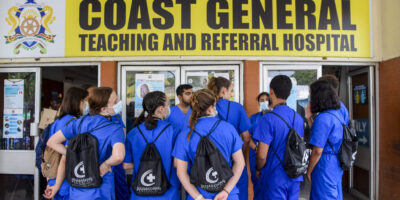
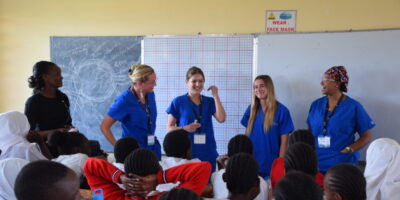
A supervised internship abroad, like the ones IMA runs, is a different kind of option, and it isn’t a paid job. You get supervised direct patient care hours. Under the clinical team’s supervision, you observe, help with triage and scribe. You never diagnose, prescribe or perform procedures. Each medical school makes the final call on how it classifies these hours.
To choose, start with your interests. If emergency medicine pulls you, EMT work fits. For primary care, a CNA job in a nursing home or volunteering at a community clinic makes sense. Next, check your time. Volunteering and shadowing are flexible. CNA and EMT jobs often mean set shifts each week, plus training before you start.
Then look for real patient contact. Try more than one setting, like a hospital and an outpatient clinic. Get to know your supervisors, because a mentor who has watched you work can later write a strong letter. And reflect on each experience. Keep a short journal, and ask yourself what you learned about patient care, and whether the setting fit your goals.
How many hours do you need? There’s no official minimum, and expectations vary by school, so check each school’s admissions pages. Steady involvement over several months counts for more than a big total logged at the last minute. And no single role guarantees admission.
So pick one role you can keep doing every week, and stay with it. For the full comparison table and the questions to ask before you choose, read the clinical hours guide on medicalaid.org.
Why Clinical Experience Matters for Med School Applicants
For aspiring physicians, clinical experience is invaluable. Admissions committees look for candidates who demonstrate the compassion, dedication, and resilience needed to thrive in the field. Clinical experience plays a vital role in assessing applicants’ soft skills, such as communication, empathy, and adaptability, beyond academic achievements like MCAT scores and GPAs. These experiences prove that you’ve not only committed to a career in medicine but have actively tested your interest and built the foundational skills needed for patient care.
Clinical exposure also lets you see different specialties, which can affirm or reshape your career aspirations. For medical schools, applicants with a strong background in clinical settings are less likely to face challenges in the rigorous environment of patient-centered training. Many applicants begin even earlier, through hospital volunteering in high school or pre-med internships for high school students, and our guide to clinical experience for high school students covers those options.
What is Considered Clinical Experience for Medical School?
Clinical experience for medical school is any activity in which you engage in patient care, patient observation, or participate in healthcare settings, enabling you to witness and understand the medical profession’s demands. Medical schools prioritize applicants who have worked in patient-facing roles, as these experiences build interpersonal skills, empathy, resilience, and familiarity with medical terminology and processes. The diversity of clinical experiences, from shadowing and volunteering to intensive internships and certifications, provides students with a solid foundation in medicine, helping them confirm their commitment to the field and better preparing them for the realities of medical school and beyond.
Key Types of Clinical Experience
The following are common clinical experiences for pre-med students that med schools recognize:
1. Physician Shadowing
Physician shadowing allows pre-med students to observe a doctor’s daily routine, witnessing the nuanced interactions between physicians and patients, learning about diagnostic processes, and experiencing firsthand the responsibilities of medical professionals. This observational role is one of the most direct ways to understand how healthcare is practiced across specialties. Shadowing often involves spending time with a physician as they see patients, document their cases, diagnose conditions, and prescribe treatments.
Shadowing provides valuable exposure to the patient-provider relationship, bedside manner, and professional conduct. Many students choose to shadow physicians in multiple specialties, giving them a well-rounded perspective on various medical fields and helping them narrow down their specific interests. Shadowing requires patience and professionalism, as the role is observational, but it is a pivotal experience that equips pre-med students with realistic expectations about medical careers.
2. Volunteering in Clinical Settings
Volunteer work in clinical settings involves providing patient support in roles that are often unpaid but offer invaluable experience. Volunteers assist in hospitals, clinics, or community healthcare centers, often interacting with patients and assisting with non-medical aspects of their care. This can include roles like hospital greeter, patient liaison, or family support services. Volunteering demonstrates a student’s willingness to commit to the healthcare environment without financial incentive, which speaks to their dedication to patient care.
Volunteer positions in healthcare settings often involve varied responsibilities, such as helping patients find their way around the facility, offering comfort to family members, or assisting administrative teams with managing patient files. This patient-facing interaction, while less hands-on than medical roles like EMTs or CNAs, builds interpersonal skills and a service-oriented mindset. For applicants who want to highlight their compassion and commitment to medicine, consistent volunteer work is an excellent choice and can also lead to strong recommendations from supervisors who observe your dedication.
Working in Clinical Roles
Clinical roles, such as medical scribes, certified nursing assistants (CNAs), emergency medical technicians (EMTs), and phlebotomists, involve direct patient interaction and usually require specific training or certification. These roles are excellent for students seeking deeper immersion in healthcare because they include hands-on patient care responsibilities that help students develop essential skills for a medical career.
3. Medical Scribe
Medical scribes document physician-patient interactions, transcribe medical notes, and manage patient records. Scribes learn medical terminology, diagnosis documentation, and patient history, gaining insight into the workflow of healthcare providers. This role allows students to closely observe diagnostic reasoning, building analytical skills crucial for med school.
4. Certified Nursing Assistant
CNAs provide direct care by assisting patients with daily activities like bathing, grooming, and feeding. CNAs gain a solid foundation in patient interaction, and they are often responsible for monitoring patient conditions and reporting them to nurses. This level of involvement teaches students about patient empathy, physical caregiving, and the importance of effective communication in healthcare.
5. Emergency Medical Technician
EMTs handle emergency medical situations, such as performing CPR, managing trauma, and providing first aid. EMT work is fast-paced, requiring quick thinking and adaptability, and it provides students with exposure to critical patient situations. Working as an EMT helps students build resilience, calm under pressure, and practical life-saving skills.
6. Phlebotomist
Phlebotomists specialize in drawing blood for testing, working in hospital labs, clinics, or blood donation centers. This role allows students to develop technical skills in handling medical equipment, provides exposure to lab work, and hones their communication skills when interacting with patients.
Each of these roles gives pre-med students substantial patient exposure and practical medical knowledge, strengthening their experience and confidence in clinical settings.
7. Our Medical and Pre-Med Internships Abroad
We provide Medical and Pre-Med Internships that cater to students seeking comprehensive and immersive clinical experiences in global healthcare settings. Our internships go beyond shadowing: you get direct patient care hours under the supervision of the clinical team, where you observe, help with triage and scribe, along with cultural immersion and mentorship.
Our internships place students in diverse healthcare environments, often in underserved communities where resources are limited and healthcare needs are critical. By working directly with local healthcare professionals and engaging in supervised patient interactions, students gain a broad understanding of how healthcare systems operate globally. This exposure builds cultural competency, a deeper understanding of healthcare disparities, and adaptability, qualities that medical schools value in candidates.
Benefits of Our Internships
Supervised Direct Patient Care
Our internships give students supervised direct patient care hours: you observe, help with triage and scribe alongside the clinical team. You never diagnose, prescribe or perform procedures, and each medical school makes the final call on how it classifies these hours. Working in a global context helps students understand a variety of medical conditions and treatments that may be less common in the U.S., making them more adaptable and prepared for diverse patient populations.
Cross-Cultural Experience
Gaining experience abroad exposes students to different cultural beliefs and practices surrounding healthcare, enriching their perspective on global medicine. Cultural sensitivity and awareness are increasingly crucial in medicine, and medical schools highly regard students who demonstrate cross-cultural competencies.
Professional Mentorship
Our interns work closely with experienced medical professionals who offer mentorship, guidance, and constructive feedback, helping students refine their clinical and communication skills. Mentorship in this setting offers real-time insights into the demands of patient care, professionalism, and ethical considerations, preparing students for a future in medicine.
Community Engagement
Many of our internships emphasize community involvement, allowing interns to participate in public health initiatives or health education programs. This aspect highlights an applicant’s dedication to serving communities, an important trait for future physicians, and offers hands-on experience with healthcare advocacy.
Through our Medical and Pre-Med Internships, students gain a unique edge in the competitive medical school admissions process by showcasing their commitment to healthcare, adaptability in challenging settings, and readiness to contribute to the medical field.
Patient-Facing vs. Non-Patient-Facing Roles
Understanding the difference between patient-facing and non-patient-facing roles is crucial when selecting clinical experiences. Medical schools prioritize patient-facing roles, as these provide students with direct exposure to patient care, a key indicator of their commitment to working with patients in their future medical careers.
Patient-Facing Roles
Roles such as CNA, EMT, phlebotomist, and our internships abroad involve substantial interaction with patients. These roles help students develop compassion, learn to communicate effectively with individuals experiencing physical or emotional discomfort and prepare them for the challenges of managing patient interactions. Engaging directly with patients teaches resilience, adaptability, and empathy, traits that are vital to succeeding in medical school and as a physician.
Non-Patient-Facing Roles
Non-patient-facing roles are often administrative or observational. For instance, working in medical records, health IT, or performing purely observational tasks may lack the patient interaction that medical schools look for. While these roles still contribute to understanding healthcare systems, they don’t provide the interpersonal skills that come with hands-on patient care. However, some non-patient roles, like laboratory research or medical scribing, offer valuable insights into medical knowledge and are beneficial when combined with patient-facing experiences.
Making an Informed Choice
When selecting clinical experiences, it’s essential to evaluate your interests, goals, and availability. Consider the following factors:
- Interest in Specialty: Think about which specialties appeal to you. If emergency medicine interests you, working as an EMT or ER technician would be highly relevant. For a career in primary care, working as a CNA in a nursing home or volunteering in a community clinic can offer meaningful experience.
- Time Commitment: Clinical roles vary in the time required, with some positions like volunteering or shadowing being more flexible, while others, such as CNA roles, may require consistent, longer hours. Understanding your time constraints will help you choose experiences that fit your schedule.
- Professional Development: Gaining clinical experience through our internships or as a CNA, EMT, or scribe allows you to build your professional network, receive mentorship, and potentially secure letters of recommendation. Medical schools place high value on strong, professional recommendations from supervisors who can speak to your dedication, resilience, and growth in patient care.
Clinical experience is a vital component of your journey to medical school. By choosing a combination of experiences, such as shadowing, volunteering, working in patient-facing clinical roles, or participating in our Medical and Pre-Med Internships, you’ll develop the essential skills, knowledge, and insights needed to excel in medical school. Your diverse clinical exposure will not only strengthen your application but will also ensure you are prepared for the challenging, rewarding path that lies ahead in the medical profession.
Types of Clinical Experience for Med School: Paid vs. Unpaid
Clinical experience is fundamental to demonstrating your commitment to medicine and developing the practical skills medical schools seek. This experience falls into two categories: paid and unpaid roles, each with distinct benefits and responsibilities. Whether paid or volunteer-based, both types of experience provide invaluable learning and patient interaction.
Pre-Med Clinical Jobs and Roles at a Glance
Training rules vary by state and employer, so check the requirements where you plan to work.
| Role | Training or certification needed | Patient contact | Paid or unpaid |
|---|---|---|---|
| Medical scribe | Training from the scribe company or hospital; no license | In the exam room, documenting the visit | Paid |
| Certified nursing assistant (CNA) | State-approved training program and state competency exam | High: hands-on daily care | Paid |
| Emergency medical technician (EMT) | EMT course plus the national (NREMT) or state exam | High: emergency calls and transport | Paid or volunteer |
| Medical assistant | Certificate program or on-the-job training; certification is optional in many states | High: intake, vitals and patient prep | Paid |
| Phlebotomist | Phlebotomy training program; a few states require a license | Moderate: short contact during blood draws | Paid |
| ER or patient care technician | Often requires CNA or EMT certification | High | Paid |
| Pharmacy technician | State registration or certification, depending on the state | Limited: some schools do not count it as clinical | Paid |
| Hospital, clinic or hospice volunteer | Orientation and health screening; hospices add volunteer training | Varies by role: choose patient-facing roles | Unpaid |
| Supervised internship abroad | Pre-departure orientation; no certification | Supervised direct patient care: observe, help with triage, scribe | Unpaid |
| Physician shadowing | None | Watching a physician at work; usually listed separately from clinical hours | Unpaid |
Unpaid Clinical Experiences
Unpaid roles are often more accessible and offer flexible schedules, making them ideal for students balancing other commitments. These positions underscore your willingness to contribute to patient care without financial motivation, a quality admissions committees respect as it highlights your genuine interest in healthcare. Volunteering or shadowing in these settings is particularly beneficial for gaining broad exposure to medical environments, understanding healthcare dynamics, and building a well-rounded foundation in patient care.
Physician Shadowing
Physician shadowing involves closely observing a physician’s work, allowing you to witness firsthand how medical professionals interact with patients, make diagnostic decisions, and manage treatment plans. It provides insight into the physician-patient relationship, medical terminology, and healthcare processes. Though it may seem observational, shadowing offers essential exposure that helps you understand a doctor’s daily responsibilities and patient interactions, preparing you for the realities of medical practice.
Volunteer EMT
As a volunteer EMT, you gain hands-on experience in emergency care. EMT training typically includes first aid, CPR, and life-support techniques, equipping you with skills to respond to acute medical situations. This role offers invaluable exposure to patient emergencies, quick decision-making, and real-time medical interventions. Volunteering as an EMT not only builds your clinical skills but also highlights your ability to handle the pressures of medical emergencies, a quality medical schools highly regard.
Medical Center Volunteer
Volunteering at a medical center exposes you to various facets of healthcare, from assisting patients and families to performing administrative tasks. Medical centers often need volunteers to help admit new patients, guide visitors, or provide comfort to waiting families. This experience broadens your understanding of patient care and healthcare operations, enhances your communication skills, and offers opportunities to interact directly with diverse patient populations, a critical aspect of pre-med training.
Hospice Volunteer
Hospice care involves supporting terminally ill patients and their families through emotionally challenging moments. As a hospice volunteer, you provide companionship, comfort, and support during end-of-life care. This experience builds emotional resilience and empathy, two essential qualities for future physicians. Hospice volunteering teaches you to approach sensitive situations with compassion and equips you with the tools to manage the emotional demands of medical practice.
Emergency Room (ER) Volunteer
In the ER, volunteers assist medical staff by providing comfort items like blankets and helping manage patient flow. The fast-paced nature of the ER requires adaptability and calmness under pressure, traits crucial in a medical career. As an ER volunteer, you witness various medical conditions and treatments, providing exposure to acute patient care and helping you understand the realities of high-stakes medical environments.
Paid Clinical Experiences
Paid clinical roles offer a more intensive, hands-on approach to patient care and often require specific training or certification. These positions demonstrate your commitment to healthcare and show that you can handle the responsibilities associated with patient interaction. Paid roles are ideal for students looking to gain in-depth experience while supporting themselves financially, as they often require extended, regular commitments.
Medical Scribe
Medical scribes work directly with physicians to document patient interactions, take medical histories, and record diagnostic findings. This position provides you with a comprehensive view of medical documentation, healthcare records, and the physician’s decision-making process. Working as a scribe offers a deep understanding of patient histories, diagnostic procedures, and treatment planning, preparing you to approach patient cases analytically. For aspiring med students, it’s an invaluable way to learn the language and workflow of clinical settings.
Emergency Room Technician
ER technicians play an active role in patient care, performing tasks like taking vital signs, dressing wounds, and assisting with medical procedures. This fast-paced position requires quick thinking, adaptability, and effective communication with patients and staff. As an ER technician, you gain practical skills in patient monitoring and basic emergency care, which strengthens your clinical knowledge and builds confidence in handling various medical situations.
Certified Nursing Assistant (CNA)
CNAs assist patients with daily activities, such as bathing, grooming, eating, and mobility, working under the supervision of registered nurses. This role involves frequent, direct patient contact, providing an in-depth look at patient care fundamentals. As a CNA, you develop hands-on skills in supporting patients’ physical needs, communicating effectively with diverse populations, and working within a healthcare team. It’s a role that showcases dedication, compassion, and resilience, all highly valued traits in medical school applicants.
Phlebotomist
Phlebotomists specialize in drawing blood samples, often working in hospitals, clinics, or laboratories. This position builds your understanding of clinical procedures, patient interaction, and laboratory work. The role also develops your dexterity and precision in handling medical equipment. Phlebotomy offers unique exposure to patients who may experience anxiety, teaching you to provide reassurance and comfort, an essential skill for any future healthcare provider.
Pharmacy Technician
Pharmacy technicians work alongside pharmacists in managing medication distribution, patient education, and prescription processing. This role provides a practical understanding of pharmacology, patient instruction, and healthcare systems. Working as a pharmacy technician introduces you to medication types, dosages, and interactions, enhancing your knowledge in a vital area of patient care. For pre-med students, it’s an opportunity to gain exposure to pharmaceutical aspects of healthcare, a critical component in a physician’s education.
Each of these paid and unpaid clinical roles provides valuable experience and unique insights into patient care, healthcare operations, and professional responsibilities. By engaging in one or more of these experiences, you’ll develop critical skills and a strong foundation in medicine, making you a competitive and well-prepared applicant for medical school.

How to Select the Right Clinical Experience
Choosing the right clinical experience is an important step in building a strong medical school application and developing foundational skills in patient care. The clinical experience you choose should align with your goals, fit within your schedule, and match your interests within healthcare. Here are key factors to consider to make the best choice for your pre-med journey, including finding the right specialty, assessing your availability, prioritizing patient interaction, and diversifying your settings.
Consider Your Interests and Career Goals
When selecting clinical experiences, it’s essential to start by reflecting on your career goals and interests in medicine. The field of healthcare is diverse, offering opportunities across numerous specialties and areas of patient care. Identifying specific areas of interest early on will help you find clinical experiences that not only strengthen your medical school application but also deepen your knowledge in fields that fascinate you.
For instance, if you are interested in pediatrics, consider seeking volunteer roles or internships in children’s hospitals, pediatric clinics, or family practice settings. If you lean toward surgery, try shadowing a surgeon or securing a role as an operating room assistant. These specialty-focused experiences allow you to understand the daily life and responsibilities of healthcare providers in your chosen field and help you decide if it aligns with your long-term goals. It also demonstrates to admissions committees that you have tested your interest and are serious about pursuing a career in that area.
Additionally, clinical roles in underserved areas, such as community health clinics or rural hospitals, offer exposure to healthcare disparities and challenges in low-resource settings. For those passionate about global health or working with diverse patient populations, these experiences can be particularly impactful. Our internships offer placements in underserved communities worldwide, where you can see a range of conditions and settings while testing your interests on an international scale.
Assess Your Time Commitment and Availability
Balancing clinical experience with academic and personal obligations is crucial. Many pre-med students juggle coursework, part-time jobs, and extracurricular activities, so choosing a clinical experience that fits your availability is essential for maintaining balance and avoiding burnout. Consider the time commitment required by different types of clinical roles, and realistically assess how much time you can dedicate weekly or monthly.
For students with busy schedules, part-time or volunteer roles that allow flexible hours may be ideal. For example, hospital volunteer roles often offer evening or weekend shifts, allowing you to gain clinical experience without interfering with classes or work. Some clinics also offer seasonal or project-based volunteer opportunities that fit more easily into a busy schedule.
Paid clinical roles, such as CNA or EMT, may require a more substantial time commitment, often involving set shifts each week. These roles provide consistent patient interaction and can be ideal for students who can dedicate more hours per week to clinical experience. Additionally, paid positions often come with training or certification requirements that should be factored into your time planning.
Another option is participating in structured internship programs like ours, which provide immersive, full-time clinical experience for a set period. For example, students can join one of our internships over the summer break, gaining intensive exposure to healthcare environments without conflicting with their academic schedule.
Focus on Direct Patient Interaction
Direct patient interaction is one of the most valuable aspects of clinical experience, as it helps build interpersonal and communication skills essential for future physicians. When evaluating clinical opportunities, prioritize roles that allow you to engage directly with patients. Patient-facing experiences include interacting with individuals who need care, providing comfort, or supporting them through procedures, which develops empathy, patience, and resilience.
For example, roles like CNA or EMT require frequent patient interaction, as these professionals assist with daily tasks or respond to emergency situations. Medical scribes are patient-facing too: they work in the exam room alongside the physician and document each visit as it happens, which gives a close view of how health care providers communicate with and care for patients. Each medical school makes the final call on how it classifies scribe hours, so check the schools on your list.
If you are interested in gaining patient interaction within a specific cultural or socioeconomic context, consider our Medical and Pre-Med Internships. These internships allow you to work in healthcare settings across underserved communities, offering an opportunity to engage with patients from diverse backgrounds. Interacting with patients from different walks of life, especially in settings where healthcare resources are limited, teaches adaptability, cultural sensitivity, and an understanding of healthcare disparities, all qualities that medical schools value.
Try Varied Health Care Settings
Gaining clinical experience in diverse healthcare settings is crucial to obtaining a well-rounded perspective on patient care. Exposure to multiple environments, such as hospitals, outpatient clinics, nursing homes, and community health centers, enriches your understanding of the healthcare system and helps you adapt to different patient needs and healthcare workflows. Each setting has its unique demands and provides insights that can prepare you for the dynamic and varied nature of medical practice.
- Hospitals: Hospital-based experiences, such as volunteering in an emergency room or shadowing a physician, allow you to witness acute care and fast-paced decision-making. The high-stakes environment of a hospital can also expose you to a wide range of medical conditions, procedures, and patient demographics, building versatility and resilience.
- Outpatient Clinics: Working in an outpatient setting, like a primary care clinic or specialist’s office, can give you a better understanding of chronic disease management, patient follow-ups, and long-term care strategies. Outpatient clinics are often more stable environments, allowing for consistent patient-provider relationships and in-depth case management experience.
- Nursing Homes: Volunteering or working in a nursing home provides exposure to geriatric care, an area of growing demand. Nursing home roles involve assisting elderly patients with daily tasks, providing companionship, and addressing age-related health conditions. This experience fosters empathy, patience, and the ability to handle sensitive aspects of patient care.
- Community Health Centers: Community clinics serve vulnerable populations, offering insights into public health and healthcare disparities. Working in this setting highlights the challenges faced by underserved communities and introduces you to public health practices and preventive care, essential areas for a future physician interested in community health.
- International Settings: For students seeking broader exposure, our internships place students in international healthcare environments, often in underserved regions where healthcare resources are scarce. These settings challenge students to work within limited resources and expose them to unique conditions and healthcare challenges. Such international exposure is valuable for students interested in global health or those aiming to serve diverse populations in the future.
By diversifying your clinical settings, you not only broaden your knowledge of different patient populations and healthcare approaches but also demonstrate adaptability, a key trait in medical education and practice.
Seek Mentorship and Build Professional Relationships
A clinical experience can provide more than just technical skills; it’s also an opportunity to connect with mentors and build professional relationships. Supervisors, physicians, and other healthcare professionals you meet during clinical work can become valuable mentors who provide guidance, feedback, and career advice. Mentorship can help you gain insights into the profession, address any doubts or challenges, and strengthen your confidence as you progress toward medical school.
Mentors also play an important role when it comes to letters of recommendation. Medical schools highly value recommendations from healthcare professionals who can attest to your clinical skills, work ethic, and dedication to patient care. Establishing a good rapport with supervisors in your clinical roles allows them to observe and support your growth, making it easier for them to write a compelling letter of recommendation when the time comes.
Our internships emphasize mentorship, connecting you with experienced professionals who can offer specific advice and feedback on your clinical performance. These structured internships ensure you are not only gaining clinical experience but are also receiving the support needed to reflect, learn, and grow in your role.
Reflect and Evaluate Each Experience
Reflection is a key aspect of gaining clinical experience. Take the time to evaluate each role and assess what you’ve learned, how it aligns with your career goals, and what skills you’ve developed. Reflection can deepen your understanding of patient care and help you articulate the value of your experiences in medical school applications, essays, and interviews.
Consider keeping a journal to document your clinical experiences. Write down notable patient interactions, new skills you’ve acquired, and personal insights about the challenges and rewards of healthcare work. These reflections can be useful when crafting your personal statement or preparing for interviews, as they allow you to draw from specific experiences that highlight your growth and commitment to medicine.
As you complete different roles, ask yourself questions like:
- What did I learn about patient care and communication?
- How did this experience impact my understanding of healthcare?
- Did this setting align with my interests and career goals?
By regularly reflecting on your clinical experiences, you gain clarity on your journey toward medical school and ensure that each experience adds meaningful depth to your application and professional development.
Selecting the right clinical experience requires strategic consideration of your interests, availability, need for patient interaction and desire for varied healthcare settings. By thoughtfully choosing and reflecting on each role, you’ll build a foundation of experiences that strengthen your application, clarify your career goals, and prepare you for a fulfilling path in medicine. Whether through hospital volunteering, international internships like ours, or working in clinical roles, each experience contributes to your journey toward becoming a compassionate, skilled physician.
Recommended Clinical Hours for Medical School Applicants
There’s no official minimum for clinical hours, and expectations vary by school, so check each school’s admissions pages and its MSAR profile. See how many clinical hours make you a competitive applicant for the details. Medical schools value long-term commitment, so consistent weekly or monthly engagement over several months is ideal. Aim to blend both paid and unpaid experiences, as the variety of exposure will show your adaptability and eagerness to learn.
Getting Clinical Experience With Us
Our pre-med internships abroad give you supervised direct patient care hours in international health care settings. Under the supervision of the clinical team, you observe, help with triage and scribe, in a variety of cultural contexts.
Benefits of Gaining Clinical Experience Abroad With Us
- Global Perspective: We place you in diverse settings, fostering an understanding of healthcare systems across the world and preparing you for global health challenges.
- Direct Patient Interaction: Through supervised patient interactions, you develop the skills and confidence to communicate effectively with patients.
- Enhanced Medical Knowledge: Working alongside healthcare professionals abroad allows you to learn about medical conditions and treatments not commonly seen in the U.S.
- Competitive Edge: Clinical experience with us shows your adaptability, cross-cultural competency, and commitment to healthcare, making your application stand out.
By joining one of our programs, you’re not only gaining valuable clinical hours but also enriching your journey with experiences that reflect well on your medical school application.

FAQs
How many clinical hours do I need to be competitive?
There’s no official minimum, and expectations vary by school, so check each school’s admissions pages. Consistency and quality matter more than sheer quantity, so focus on meaningful engagement over time.
Do you offer clinical experience abroad?
Yes. Our internships abroad give you supervised direct patient care hours (observing, helping with triage and scribing) in diverse health care settings, which builds clinical and cross-cultural skills.
Can volunteering as a CNA qualify as clinical experience?
Absolutely. As a CNA, you’re directly involved in patient care, which is highly valued by medical schools. This role demonstrates your commitment and gives you foundational patient care experience.
What’s the difference between shadowing and direct patient care?
Shadowing involves observing a physician’s work without direct patient care responsibilities, while direct care roles, such as a CNA or EMT, involve hands-on patient interactions. Both types are valuable, but direct patient care offers deeper insights into clinical practice.
Can I complete clinical hours while working full-time?
Yes, part-time volunteer roles or weekend shadowing can be suitable options for full-time workers. Paid roles like scribing can also be scheduled around other commitments.
How do you help with the medical school application process?
We offer guidance on gaining clinical experience, writing application essays, and preparing for interviews. This support, combined with hands-on experience, strengthens your application profile.
Are there online opportunities for clinical experience?
Though direct patient care cannot be done online, virtual shadowing programs are available. These programs can supplement but not replace in-person clinical exposure.
Does research count as clinical experience?
Only if it involves patient interaction. Clinical research that includes patient histories or sample collection can count, but lab-only roles generally don’t meet clinical experience requirements.
Is shadowing a specialist physician beneficial?
Yes, shadowing specialists can expose you to specific medical fields, helping you decide on your interests. However, try to balance this with general medical experience for broader learning.
How do I secure strong letters of recommendation?
Engage consistently in clinical roles, develop professional relationships, and show dedication. When requesting letters, give supervisors enough time to craft a detailed and positive recommendation.
Participating in clinical experiences shows medical schools that you are committed, compassionate, and prepared for the journey ahead. Whether through shadowing, volunteer work, or our internships abroad, each experience brings you closer to understanding patient care and solidifying your place in the medical field.
See more of our guides in your Google results: add International Medical Aid as a preferred source on Google.