Clinical research is among the most misunderstood components of healthcare for high school students exploring the field. Many students assume that research experience means laboratory work, data entry, or literature reviews. In reality, clinical research involves the full spectrum of activities that generate evidence about how interventions affect patient outcomes, and a meaningful portion of that work is accessible to high school students through appropriately structured programs. Students pursuing high school medical internships with an interest in research should understand both what clinical research entails and the realistic access points for minors.
For students who are still developing their understanding of how clinical environments are structured for high school observers, including the role boundaries and supervision requirements that apply in research and clinical care settings, this skills and readiness overview provides a relevant baseline framework.
The Structure of Clinical Research
Clinical research is the systematic process of testing whether medical interventions, including drugs, devices, procedures, behavioral programs, and diagnostic tools, are safe and effective for human use. It operates within a highly regulated framework designed to protect the safety and rights of research participants while generating reliable evidence that improves clinical practice.
The principal structure of clinical research involves a principal investigator who leads the study, a research team that manages day-to-day operations, an institutional review board that reviews and approves the study protocol to ensure ethical standards are met, and study participants who consent to involvement in the research.
The activities involved in clinical research include protocol development, participant recruitment and consent, data collection, data management, analysis, and dissemination of findings. Each of these components involves specific skills, and each has a different level of accessibility to high school student participants.
What Minors Can Realistically Do in a Research Setting
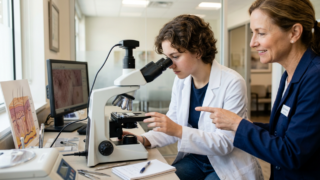
High school students in research-oriented programs typically engage with components of the research process that do not involve independent contact with human participants, access to identifiable patient data, or the performance of clinical procedures.
Literature review and background research. Reviewing published scientific literature to understand the evidence base for a research question is a component of the research process that high school students can contribute to meaningfully with appropriate mentorship. This requires the ability to read and summarize scientific papers at a basic level, which is a skill that can be developed through AP Biology, AP Chemistry, and independent science coursework.
Data entry and quality control. Under supervision, high school students may assist research teams with entering de-identified data into research databases, checking data entries for accuracy, and organizing research materials. These contributions are genuinely useful to research teams and provide students with direct exposure to how research data is managed.
Observation of research processes. Students in structured research internships may observe informed consent conversations, study enrollment procedures, data collection activities, and research team meetings. This observational exposure gives students a concrete understanding of how research operates in practice.
Community health data collection. In global health and community health settings, supervised high school students may assist with the collection of de-identified community health survey data, environmental health assessments, or health education needs assessments as part of structured public health research activities.
What high school students do not do in research settings is conduct independent research involving identifiable human participants, make decisions about study protocol or participant eligibility, or access identifiable research data without supervision.
IRB Protections and Why They Matter for Student Participants
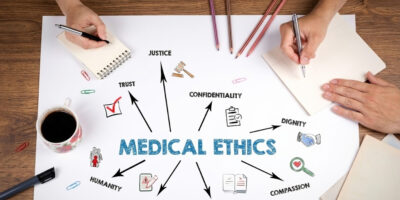
The institutional review board process is the ethical oversight mechanism for clinical and human subjects research. Every study involving human participants must be reviewed and approved by an IRB before it begins. The IRB evaluates whether the study’s potential benefits justify its risks, whether participant consent processes are adequate, and whether vulnerable populations, including minors, are appropriately protected.
For high school students participating in research activities, the IRB framework means that any program claiming to offer research experience involving human subjects should be able to describe the IRB oversight structure under which those activities occur. Students participating in data collection activities, even de-identified survey administration, should be doing so within a study that has received appropriate ethical review.
Programs that claim to offer clinical research experience for high school students without any reference to IRB oversight, or that describe research activities that would require IRB approval without explaining how that approval was obtained, are describing activities that may not meet the ethical standards of legitimate research.
Global Health Research and Teen Interns
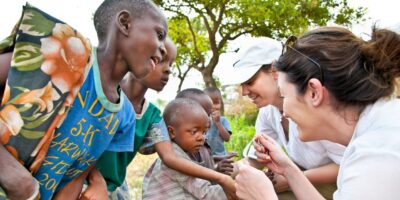
In global health settings, research and clinical care often intersect in ways that are not common in domestic academic medical centers. Public health surveillance, community needs assessments, disease burden documentation, and intervention evaluation are components of the global health research enterprise that occur in the same settings where clinical care is provided.
Teen interns in structured global health programs may encounter this intersection directly. They may observe how community health data is collected, how health education program outcomes are assessed, or how epidemiological information about disease prevalence is gathered at the community level. This exposure gives students a concrete and contextually grounded understanding of research as a component of health improvement rather than an abstract academic activity.
The National Institutes of Health’s resources for students and educators provide accessible introductions to the research process, including clinical research fundamentals, that give high school students a conceptual foundation before they encounter research activities in clinical or global health settings.
How Research Experience Supports Long-Term Career Development
Research experience at the high school level does not produce published scientists. It produces students who understand how scientific evidence is generated, who can read a methods section with some critical literacy, and who can describe their involvement in a research process with specificity and accuracy.
These are meaningful and application-relevant competencies. Medical schools increasingly value research exposure as evidence of intellectual engagement with medicine beyond the clinical level. Nursing programs with research emphases look for students who understand the evidence base for clinical practice. Public health programs want students who can think about health at the population level and understand how data informs public health decisions.
Students who have engaged with clinical research at the high school level, whether through structured program participation, independent laboratory or field research, or careful and supervised data collection work, are prepared to discuss this aspect of their preparation honestly and specifically in college and program applications. The American Association for the Advancement of Science maintains resources on science education and student engagement with research that provide context for how high school-level research experience fits into the broader scientific training pipeline.
Frequently Asked Questions
What is clinical research and how does it differ from laboratory research?
Clinical research is the systematic process of testing whether medical interventions, including drugs, devices, procedures, and behavioral programs, are safe and effective for human use. It involves human participants and operates within a regulated framework that includes institutional review board oversight. Laboratory research, by contrast, takes place in controlled non-human environments including cell cultures, animal models, and biochemical systems. For high school students, this distinction matters because the access rules, ethical oversight requirements, and appropriate activities differ significantly between the two types of research.
What can a high school student realistically contribute to a clinical research setting?
High school students can contribute meaningfully to clinical research through literature review and background research under mentorship, de-identified data entry and quality control under direct supervision, observation of research team meetings, consent processes, and data collection activities, and assistance with community health survey data collection in public health research contexts. Students do not conduct independent research involving identifiable human participants, make decisions about study protocol or eligibility, or access identifiable research data without supervision. The distinction between contributing to a research process and conducting independent research is important for both ethical and application accuracy reasons.
What is an IRB and why should high school students understand it?
An Institutional Review Board is the ethical oversight body that reviews and approves human subjects research before it begins. Every study involving human participants must receive IRB approval. The IRB evaluates whether potential benefits justify risks, whether consent processes are adequate, and whether vulnerable populations, including minors, are appropriately protected. High school students who participate in research activities should ask whether the activities they are contributing to are part of an IRB-approved study. Programs that describe research experience for students without reference to IRB oversight may describe activities that do not meet the ethical standards of legitimate research.
How does research experience in a global health program differ from domestic research?
In global health settings, research and clinical care often intersect in ways that are less common in domestic academic medical centers. Public health surveillance, community needs assessments, disease burden documentation, and intervention evaluation occur in the same settings where clinical care is provided. Teen interns in global health programs may observe how community health data is collected, how health education outcomes are measured, or how epidemiological information is gathered at the community level. This provides a concrete, contextually grounded understanding of research as a component of health improvement rather than an abstract academic exercise.
Does clinical research experience strengthen a pre-medical application?
Yes, when it is described accurately and specifically. Medical schools increasingly value research exposure as evidence of intellectual engagement beyond the clinical level. Students who can describe their specific contribution to a research process, explain what the research was designed to examine, articulate what they observed about the research methodology, and connect it to a broader interest in evidence-based practice demonstrate a level of analytical engagement that generic clinical shadowing descriptions do not provide. The research does not need to have produced a publication. It needs to have been substantive, accurately described, and genuinely reflective.
What is the difference between a research internship and a clinical internship for high school students?
A clinical internship for high school students focuses on observing patient care in clinical environments, developing professional habits, and building familiarity with how healthcare teams function. A research internship focuses on the process of generating evidence about clinical or public health questions, including literature review, data collection, and data management. Both develop relevant competencies, but they are different in focus. Students interested in research-oriented careers including academic medicine, public health, or biomedical science benefit from seeking research experience alongside or in addition to clinical observation rather than treating them as interchangeable.
What resources help high school students learn about clinical research before a formal program?
The National Institutes of Health publishes accessible educational resources on the research process, including clinical research fundamentals, through its science education programs. The National Library of Medicine’s PubMed database allows students to read published clinical research directly. Review articles and systematic reviews, which summarize findings from multiple studies on a single question, are more accessible starting points than primary research papers for students without formal research training. Students who develop the habit of reading scientific literature in their areas of interest build the research literacy that is directly applicable in both academic and clinical settings.