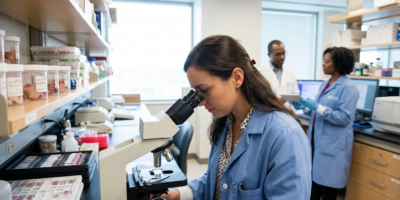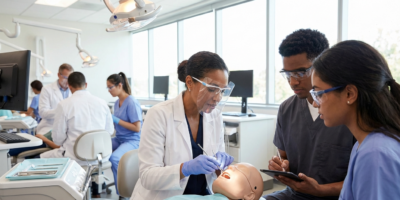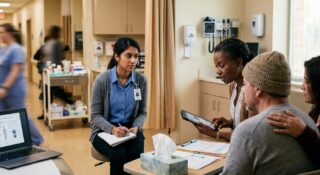
An oncologist is a physician who specializes in diagnosing and treating cancer. That single sentence, though accurate, barely scratches the surface. What is an oncologist in practice? The answer depends on which of the three major branches you are talking about: medical oncology, surgical oncology, or radiation oncology. Each one requires a different residency and fellowship pathway, involves different day-to-day work, and attracts a different kind of clinical temperament. For pre-med students weighing whether oncology belongs on their radar, understanding these distinctions early matters. It shapes the courses you prioritize, the shadowing you pursue, and the personal qualities you develop long before you ever apply to fellowship.
Cancer remains one of the most significant health challenges worldwide. In the United States alone, roughly 1.9 million new cancer cases are diagnosed each year, and the National Cancer Institute’s SEER data shows that the overall five-year relative survival rate has climbed from about 49% in the mid-1970s to approximately 68% for recent diagnoses. That improvement is not accidental. It reflects decades of progress in surgery, systemic therapy, radiation technique, and, more recently, immunotherapy and targeted agents like CAR-T cell therapy. Oncologists are the physicians driving and delivering that progress at the bedside. The field needs more of them: the AAMC projects a shortfall of up to 86,000 physicians by 2036 across specialties, and oncology-specific projections have flagged a potential shortage of more than 2,000 oncologists within this decade.
Medical Oncology, Surgical Oncology, and Radiation Oncology: Three Distinct Specialties
One of the most common misconceptions among pre-med students is that “oncology” is a single specialty. It is not. The three major branches operate under different training structures, see patients at different stages, and rely on fundamentally different treatment modalities. Understanding the differences between medical oncology vs surgical oncology vs radiation oncology is essential if you are considering any path in cancer care.
Medical Oncology
Medical oncologists are the physicians most people picture when they hear the word “oncologist.” They manage cancer primarily through systemic therapies: chemotherapy, immunotherapy, targeted therapy, hormonal therapy, and increasingly complex combination regimens. They are often the physician who coordinates a patient’s overall cancer care, working closely with surgeons, radiation oncologists, pathologists, and palliative care teams.
The oncologist career path for medical oncology begins with a three-year internal medicine residency after medical school, followed by a hematology oncology fellowship that typically lasts three years. That fellowship, commonly referred to as heme/onc, trains physicians in both blood cancers (leukemias, lymphomas, myeloma) and solid tumors. Some fellows pursue additional subspecialty training after fellowship in areas like breast oncology, gastrointestinal oncology, genitourinary oncology, or thoracic oncology. The daily work involves clinic-heavy schedules: seeing patients in consultation, reviewing imaging and pathology, discussing cases at multidisciplinary tumor boards, prescribing and monitoring treatment regimens, and having difficult conversations about prognosis, goals of care, and end-of-life planning.
Surgical Oncology
Surgical oncologists are the cancer surgeons. Their primary role is to physically remove tumors, perform biopsies, and sometimes perform prophylactic or reconstructive procedures related to cancer. They evaluate whether a tumor is resectable, determine surgical margins, and collaborate closely with medical and radiation oncologists to sequence treatments appropriately.
The training pipeline for surgical oncology runs through a five-year general surgery residency, followed by a fellowship in surgical oncology (also called complex general surgical oncology) lasting one to two years. Some surgeons subspecialize even further; for instance, a gynecologic oncologist completes an OB/GYN residency followed by a gynecologic oncology fellowship, while a neurosurgical oncologist follows a neurosurgery residency path. The work is physically and mentally demanding. Operating days can be long, cases are frequently high-stakes, and the outcomes are not always favorable. Surgical oncologists also spend significant time in clinic and in planning meetings, not just in the operating room.
Radiation Oncology
Radiation oncologists treat cancer using ionizing radiation, either as a primary treatment, an adjunct to surgery, or a palliative measure for symptom control. Unlike medical and surgical oncology, radiation oncology is a direct residency rather than a fellowship. After medical school, students enter a five-year radiation oncology residency (sometimes including a transitional or preliminary year, depending on the program structure).
The daily rhythm of a radiation oncologist is notably different from the other two branches. Much of the work involves treatment planning: reviewing diagnostic imaging, contouring tumor volumes and normal tissue structures on CT or MRI scans, and collaborating with medical physicists and dosimetrists to design precise radiation delivery plans. Patient interactions tend to be concentrated at the start and end of treatment courses, with weekly check-ins during active therapy. The field is highly technical, blending clinical medicine with physics and engineering in ways that few other specialties do.
Subspecialties Within Oncology
Beyond the three major branches, oncology contains a number of subspecialties that reflect either the organ system involved or the patient population being treated. A hematology oncology fellowship, for example, covers both benign and malignant blood disorders alongside solid tumor oncology, making it one of the broadest fellowship training experiences in medicine. Within that framework, many physicians develop focused expertise.
Breast oncology, gastrointestinal (GI) oncology, and genitourinary (GU) oncology are among the most common areas of clinical focus for medical oncologists. These are not always formal fellowships; rather, they represent practice patterns that develop through additional training, research focus, or institutional subspecialty clinics. Some programs do offer dedicated one-year advanced fellowships in these areas after heme/onc training.
A pediatric oncologist treats children and adolescents with cancer. The training path differs from adult oncology: it runs through a pediatric residency followed by a pediatric hematology/oncology fellowship, typically three years. Pediatric oncology involves a unique set of cancers (leukemias, brain tumors, neuroblastoma, Wilms tumor, sarcomas) and requires particular skill in communicating with both young patients and their families. The emotional weight can be especially intense, though pediatric oncology also has some of the highest cure rates in all of cancer medicine.
Neuro-oncology, gynecologic oncology, and head and neck oncology each involve close collaboration between medical, surgical, and radiation oncologists, sometimes making them feel like subspecialties within all three branches simultaneously. Regardless of which subspecialty attracts you, the common thread is years of postgraduate training, a tolerance for complexity, and a willingness to work within multidisciplinary teams.
The Immunotherapy and CAR-T Era: How the Field Is Changing
The introduction of immune checkpoint inhibitors and CAR-T cell therapy has fundamentally reshaped the practice of oncology over the past decade. Checkpoint inhibitors, drugs that release the brakes on a patient’s immune system so it can attack cancer cells, are now approved for dozens of cancer types and have become first-line treatment for several of them. CAR-T cell therapy, which involves engineering a patient’s own T cells to recognize and kill cancer, has shown remarkable results in certain blood cancers, particularly relapsed or refractory B-cell lymphomas and acute lymphoblastic leukemia.
For pre-med students, the immunotherapy CAR-T era signals something important about the trajectory of oncology as a career. The field is becoming more scientifically complex, more personalized, and more reliant on translational research. Oncologists today must understand tumor genomics, biomarker testing, immune-related adverse events, and rapidly evolving treatment algorithms. This is not the oncology of twenty years ago, where a limited set of cytotoxic chemotherapy regimens dominated practice. The pace of change means that physicians who enter oncology will be learning continuously throughout their careers.
It also means that research experience matters. If oncology interests you, gaining early exposure to bench or clinical research during college or a gap year can strengthen both your understanding of the field and your fellowship application later. The AAMC’s information on physician education and training pathways can help you map out the timeline from undergraduate through fellowship. Clinical trials, tumor biology, and immune mechanisms are all active areas where motivated students can contribute meaningfully, even at the undergraduate level, through summer research programs or mentored projects.
What a Day Looks Like, and the Emotional Weight of the Work
The daily life of an oncologist varies by subspecialty, practice setting, and career stage, but certain themes are constant. Clinic days involve seeing patients in various stages of their cancer experience: newly diagnosed patients hearing the word “cancer” for the first time, patients mid-treatment managing side effects, survivors in long-term follow-up, and patients for whom curative options have been exhausted. Tumor board meetings, where surgeons, medical oncologists, radiation oncologists, pathologists, and radiologists review complex cases together, are a regular feature of most practices. Documentation, communication with referring physicians, and staying current with the literature fill whatever time remains.
The emotional weight of oncology is real, and it deserves honest discussion. Oncologists routinely sit with patients and families during some of the most difficult moments of their lives. They deliver bad news, manage hope alongside honesty, and make decisions where uncertainty is the norm rather than the exception. Burnout rates in oncology are significant. This is not a field to enter because it sounds prestigious; it demands emotional resilience, self-awareness, and a support system.
At the same time, many oncologists describe their work as among the most rewarding in all of medicine. The relationships they build with patients are often deep and sustained. The science is advancing rapidly enough that treatments that did not exist five years ago are now saving lives. And the collaborative nature of the work, the constant conversation across specialties, appeals to physicians who prefer teamwork over isolation.
For pre-med students, structured clinical observation in oncology settings offers a realistic window into these dynamics. Whether shadowing domestically or through a program abroad, the key is to pay attention to how physicians communicate, how teams function, and how you respond emotionally to what you see. These observations, when reflected on honestly, become some of the most compelling material you can bring to medical school applications.
Oncologist Salary in 2026 and Workforce Outlook
Compensation in oncology reflects the length of training and the complexity of the work. Based on current compensation surveys and salary trends from physician recruiting data, medical oncologist salaries are generally in the range of $400,000 to $500,000 annually. Radiation oncologist salaries tend to range from $500,000 to $600,000, reflecting the procedural and technical nature of the work. Surgical oncologist compensation often exceeds $500,000, consistent with surgical subspecialty pay scales more broadly. These figures represent estimates for 2026 based on current trajectory; actual compensation varies significantly by geographic region, practice type (academic versus private), and years of experience. The Bureau of Labor Statistics physician and surgeon occupational data provides a useful baseline for overall physician compensation and employment projections, though subspecialty-specific figures are best obtained from specialty society surveys.
The workforce outlook for oncology is favorable from a job-market perspective, though the underlying reason is concerning: demand for oncologists is growing faster than supply. An aging population, improving cancer survival that increases the number of patients in active follow-up, and a wave of oncologist retirements all contribute to the projected shortage. For students entering medical school now, this means that oncology will likely remain a field with strong employment prospects by the time they complete fellowship, roughly a decade from now. That said, choosing a career based on salary or job security alone is a poor strategy for a field this emotionally demanding. The better question is whether the daily work, the patient relationships, the science, and the team environment are a genuine fit for who you are and who you want to become.
How to Start Building Toward Oncology as a Pre-Med Student
You do not need to commit to oncology as a pre-med student, and most applicants do not declare a specialty interest in their medical school applications. But if oncology appeals to you, there are practical steps that both strengthen your candidacy and help you make an informed decision.
First, seek shadowing or clinical observation in oncology settings. Even a few days of watching a medical oncologist run a chemotherapy infusion clinic, or observing a surgical oncologist in the operating room, gives you concrete material to reflect on and discuss. If you have the opportunity to observe a multidisciplinary tumor board, take it; few experiences illustrate the collaborative nature of cancer care as clearly.
Second, get involved in research. Oncology is a research-intensive field, and demonstrating early intellectual curiosity through a mentored research project, even if it is not directly in cancer biology, signals the kind of scientific thinking fellowship programs value. Look for summer research opportunities at academic medical centers or through programs funded by the NIH’s National Cancer Institute.
Third, build your emotional resilience intentionally. Volunteer with hospice organizations, work in patient-facing roles that involve difficult conversations, or seek out reflective writing or counseling training. The students who thrive in oncology are not the ones who are unaffected by suffering; they are the ones who have developed honest, sustainable ways to process it.
Finally, keep your options open. Medical school itself will expose you to oncology through internal medicine clerkships, surgical rotations, and electives. Many physicians who end up in oncology did not plan on it until they experienced it firsthand during clinical rotations. The best thing you can do right now is build a strong foundation in the sciences, develop genuine clinical exposure, and pay attention to what moves you.
Frequently Asked Questions
How long does it take to become an oncologist after college?
The timeline depends on the branch. For medical oncology, expect four years of medical school, three years of internal medicine residency, and three years of hematology oncology fellowship, totaling roughly ten years after college. Surgical oncology adds a five-year general surgery residency plus a one- to two-year fellowship. Radiation oncology involves a five-year residency directly after medical school. Additional subspecialty training can extend any of these timelines.
Is oncology too emotionally difficult to sustain as a long-term career?
Oncology is emotionally demanding, and burnout is a real concern across the specialty. However, many oncologists describe their careers as deeply fulfilling because of the sustained relationships they build with patients and the rapid scientific progress in the field. Students who develop self-awareness, seek support, and practice honest reflection tend to handle the emotional weight more sustainably than those who try to suppress it.
Do I need to decide on oncology before applying to medical school?
No. Medical schools do not expect applicants to have chosen a specialty, and most students change their minds at least once during clinical rotations. If oncology interests you, gaining relevant shadowing and research experience is valuable for your application and your own decision-making, but you are not locking yourself in. The internal medicine or surgery residency that precedes most oncology fellowships is chosen during medical school, not before.