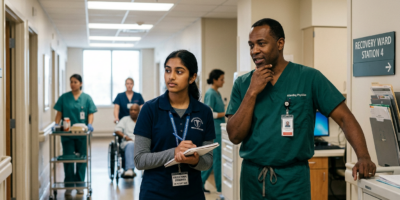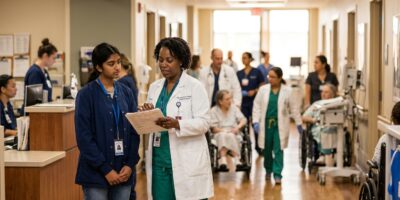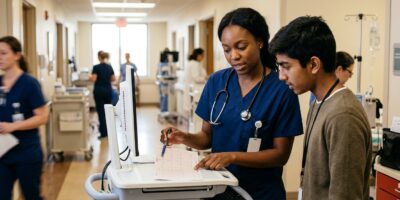
What teen interns see in heart and vascular clinics depends on the setting, the supervising clinician, and the structure of the program, but the common thread is observation. These internships for high school students medical programs allow participants to watch physicians interpret EKGs, listen to heart sounds, read echocardiograms, and talk patients through their treatment plans. They do not perform procedures, make diagnoses, or interact with patients independently. That distinction matters, and it is the foundation that makes these experiences appropriate for minors and genuinely valuable at the same time.
Cardiovascular disease is the leading cause of death both in the United States and globally. According to the CDC’s heart disease fact sheet, heart disease accounts for roughly 1 in every 5 deaths in the U.S., and someone has a heart attack every 40 seconds. The WHO reports that cardiovascular diseases claim approximately 17.9 million lives worldwide each year, with more than 75% of those deaths occurring in low- and middle-income countries. For students in a medical internship for high school students interested in medicine, stepping into a clinic that treats these conditions, even as an observer, puts textbook biology into immediate, human context. It also raises real questions about readiness, emotional preparation, and safety that parents are right to ask.
What a Typical Day Looks Like for a Teen Intern in a Cardiology Setting
A structured cardiology observation for high school students is not a free-form hospital visit. Programs that do this responsibly build schedules around educational goals and supervision. A typical morning might begin with rounds alongside a medical team, where interns listen as physicians discuss patient histories, review test results, and plan treatment. The intern’s role during rounds is to observe, take notes, and formulate questions for later discussion with a supervisor.
Midday often includes educational sessions focused on cardiac anatomy, common conditions like hypertension and heart failure, and how diagnostic tools work. These sessions give students the vocabulary and context they need to understand what they see during clinical hours. Without that foundation, watching an echocardiogram is just watching a screen. With it, a student begins to understand why the physician is measuring chamber size, wall thickness, or valve movement.
Afternoon hours in outpatient settings typically involve shadowing during clinic appointments. A teen intern might observe a physician assess a patient presenting with chest pain, walk through risk factor screening, explain medication adjustments, or discuss lifestyle changes with a patient managing chronic heart failure. In some settings, interns also observe non-invasive diagnostic procedures such as stress tests, Holter monitor placement, or blood pressure assessments. In every case, the student is positioned at an appropriate distance, supervised directly, and not involved in delivering care.
Cardiac and Vascular Conditions Students Commonly Observe
Heart clinic experience in high school varies depending on the location and patient population, but several conditions appear consistently in cardiovascular settings around the world.
Hypertension and Its Consequences
High blood pressure is one of the most common reasons patients visit a cardiology or vascular clinic. Teen interns see firsthand how physicians assess blood pressure readings, evaluate end-organ damage, and adjust treatment plans. They also see the conversations clinicians have with patients about salt intake, exercise, and medication adherence. These interactions are often more instructive than any textbook chapter on cardiovascular risk factors.
Heart Failure and Valve Disease
Heart failure, whether caused by coronary artery disease, long-standing hypertension, or valve abnormalities, is another condition interns frequently encounter during observation. In some international settings, rheumatic heart disease, caused by untreated streptococcal infections, remains a significant driver of valve damage and heart failure in younger patients. Seeing this in a clinical context helps students understand the direct link between infectious disease, access to care, and chronic cardiac outcomes.
Ischemic Heart Disease and Arrhythmias
Depending on the clinic, students may observe discussions with patients who have had heart attacks or who are being monitored for irregular heart rhythms. They may watch physicians review EKG tracings and explain findings. In settings with catheterization labs, students might observe from a viewing area, but they do not enter procedure rooms or scrub in. The goal is exposure to diagnostic reasoning, not participation in interventions.
Vascular Conditions Beyond the Heart
Vascular clinic shadowing extends beyond the heart itself. Peripheral arterial disease, deep vein thrombosis, and conditions affecting the carotid arteries all fall under the vascular umbrella. Students in these clinics observe how physicians use Doppler ultrasound, assess circulation in the extremities, and counsel patients about smoking cessation, diabetes management, and exercise. This broadens their understanding that “cardiology” involves the entire circulatory system, not just the heart.
How International Settings Change What Students See
Observing cardiology care in a resource-limited international setting is a different experience than shadowing at a well-equipped U.S. hospital. In many lower-income countries, advanced imaging and catheterization may not be available at the local level. Physicians rely more heavily on physical examination, history-taking, and clinical judgment. For a teen intern, this means more time watching clinicians use stethoscopes, palpate pulses, and make decisions with fewer technological tools.
Students in international programs may also encounter conditions that are rare in the U.S. Rheumatic heart disease, for example, remains prevalent in parts of sub-Saharan Africa and South America, while Chagas disease-related cardiomyopathy occurs in certain Latin American regions. Observing how clinicians manage these conditions under resource constraints raises important questions about health equity, prevention, and the global distribution of medical resources.
These observations can be meaningful, but they also require context. Structured programs pair clinical shadowing with guided reflection, discussion of global health disparities, and education about local healthcare systems. Without that structure, a student may walk away with impressions but not understanding. If you are considering a structured international experience for high school students, IMA’s high school internship programs provide supervised clinical observation alongside educational components designed for this age group.
Supervision, Safety, and What Parents Should Know
Parents considering a cardiology observation opportunity for their teenager have every reason to ask detailed questions about safety and supervision. These are clinical environments where serious medical events occur. A well-run program accounts for that reality and builds in specific protections.
Direct Supervision at All Times
A high school intern should never be left alone in a clinical space. Supervision means a designated, licensed professional is present, aware of the student’s location, and responsible for guiding their experience. Before any clinical observation, interns should receive a briefing on what they will see, what is expected of them, and what to do if they feel uncomfortable. After each session, debriefing gives students a chance to ask questions, process what they observed, and connect the experience to what they are studying.
Emotional Readiness and Gradual Exposure
Cardiac clinics can involve high-acuity situations. Patients may be in distress. Conversations about prognosis can be difficult to witness. Responsible programs address this by gradually increasing the intensity of what students observe, starting with outpatient consultations before any exposure to more acute settings. Programs should also have protocols for emotional support, including access to counseling if a student is struggling to process a difficult experience. Parents should ask specifically about these protocols before enrollment.
Clear Boundaries on Student Roles
It is worth repeating plainly: minors in these settings observe and support within approved limits. They do not examine patients, record findings in medical charts, communicate medical information to patients or families, or perform any procedure. These boundaries protect both the student and the patient. Any program that suggests otherwise is not operating responsibly.
Housing and Communication
For programs that take place away from home, especially internationally, parents should expect clear information about housing arrangements, adult supervision outside clinical hours, emergency communication channels, and protocols for medical or security concerns. A program that cannot answer these questions in detail is not one worth considering. If you are weighing different pre-health options, reading about what to expect from medical school preparation can help you understand how early clinical exposure fits into the longer path.
Why Cardiology Observation Matters for Future Applications
A high school student who can speak with specificity about what they observed in a cardiology setting stands out, not because the specialty is impressive, but because specificity signals genuine engagement. Admissions committees at medical schools, PA programs, and other health professions programs look for evidence that a student has spent time in clinical environments, reflected on what they saw, and developed a more grounded understanding of what healthcare work actually involves.
The AAMC’s competencies for entering medical students emphasize qualities like ethical responsibility, cultural competence, and the capacity for self-reflection. A student who observed a physician in a vascular clinic counsel a patient about peripheral arterial disease, and who can articulate what that interaction taught them about communication, empathy, or the challenges of chronic disease management, demonstrates those competencies in a concrete way.
That said, no single experience guarantees admission anywhere. What matters is how the student processes and builds on what they observed. Writing about a specific patient interaction (without identifying details), reflecting on how limited resources shape clinical decisions, or explaining how an observation changed their understanding of preventive medicine are all ways students can use cardiology shadowing in essays and interviews. For students looking further ahead, understanding the early steps of preparing for a medical school application provides useful context for how these experiences fit into a longer timeline.
Questions to Ask Before Choosing a Cardiology Observation Program
Not every program that offers teen clinical observation is structured the same way. Before committing, students and parents should ask direct questions.
What is the supervision ratio? Who is the supervising clinician, and what are their qualifications? What specific clinical settings will the student observe? Is there a structured educational curriculum alongside the shadowing? How does the program handle emotionally difficult situations? What are the housing and communication arrangements? Are there clear written guidelines on what students can and cannot do in clinical spaces?
Programs that answer these questions openly and in writing are more likely to deliver a safe, educational, and well-organized experience. Programs that are vague about supervision, boundaries, or logistics deserve skepticism.
Cardiology and vascular observation can give a high school student a serious, grounded look at one of the most consequential areas of medicine. It can also be a setting that demands maturity, emotional preparation, and responsible program design. When all of those elements are in place, what a student sees in a heart and vascular clinic is not just medicine. It is a real, unfiltered look at the kind of work that awaits them if they choose this path.
Frequently Asked Questions
Will my teenager perform any medical procedures during a cardiology observation?
No. High school interns in cardiology and vascular clinics observe only. They do not examine patients, perform procedures, record findings in medical records, or communicate medical information to patients or families. All observation takes place under direct supervision by a licensed professional, and programs with responsible structure make these boundaries explicit from the start.
What if my teen witnesses a cardiac emergency or a patient death?
This is a legitimate concern. Responsible programs prepare students in advance for the possibility of witnessing serious medical events. They use gradual exposure, starting with lower-acuity outpatient settings, and provide structured debriefing after each clinical session. Emotional support resources, including access to counseling, should be available. Students can step away from any situation if they feel overwhelmed, and supervisors are trained to monitor how students are handling what they observe.
How can a high school student use cardiology shadowing on college or pre-med applications?
The value lies in specificity and reflection, not in the prestige of the specialty. A student who can describe a particular clinical interaction, explain what it taught them about patient communication or chronic disease management, and connect that observation to their own goals will make a stronger impression than someone who simply lists “cardiology shadowing” on a resume. Admissions committees want evidence of genuine engagement and the ability to learn from experience.