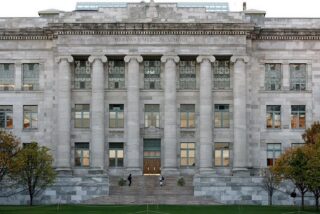
This guide covers Harvard Medical School (HMS), the MD-granting school of Harvard University, located in the Longwood Medical Area of Boston, Massachusetts. It is written for applicants in the 2026-2027 AMCAS cycle, who would enter medical school in August 2027 as the Class of 2031. Whether you want a research-heavy medical education, a strong base in primary care and population health, or a clear picture of the admissions process, the sections below explain what it takes to join one of the most selective medical schools in the world.
Harvard Medical School is known for rigorous biomedical science and for a commitment to health and well-being for all, locally and around the world. HMS does not own or operate hospitals. Instead, it works through long-standing affiliations with 15 independent hospitals and research institutes, including Massachusetts General Hospital, Brigham and Women’s Hospital, Boston Children’s Hospital, Beth Israel Deaconess Medical Center and Dana-Farber Cancer Institute. Students spend much of their clinical training at these institutions, learning from practicing physicians.
Admission is extremely competitive. For the class that entered in 2026, HMS received 7,734 applications, interviewed 757 applicants, made 215 offers of admission (about 2.8% of applicants) and enrolled 165 students. The school looks for candidates who pair academic excellence with integrity, maturity, concern for others, leadership potential and an aptitude for working with people.
The MD program has one degree and two curriculum tracks: Pathways, which admits 135 students a year, and Health Sciences and Technology (HST), a Harvard-MIT track that admits 30. Both share the same clinical year at the affiliated hospitals. The HMS faculty numbered 12,589 as of November 2025, including 176 tenured and tenure-track faculty on the HMS campus in 11 preclinical departments.
Harvard is celebrated for its contributions to health care through research, training and clinical care. It ranked first in the world for medicine in the QS World University Rankings by Subject 2026. HMS no longer takes part in the U.S. News & World Report medical school rankings and is listed as unranked there.
This guide gives you the current numbers with their cohort years, the 2026-2027 secondary questions with full worked examples, the interview format, the cost of attendance and aid, and practical strategy for each part of the application. If you are still early in planning, start with our guide on how to prep yourself for applying to any medical school in the U.S.
Many pre-med students consider Harvard the medical school of their dreams, and it is easy to see why. Getting in is very difficult, but it is not impossible. The GPA and MCAT numbers can look out of reach, yet every year HMS enrolls students from dozens of colleges, many states and several countries. If this is your goal, read on to see what it takes. We believe in you.
Key Takeaways
- Eligibility: You need at least three years of college and a bachelor’s degree before matriculation, plus all prerequisites completed before you start. HMS considers applicants for at most two application cycles and does not accept transfer students or anyone who has matriculated at another medical school.
- Academic context: The class that entered in 2026 had an average MCAT of 521.07 and an average GPA of 3.96. For the class that entered in 2025, accepted applicants had a median MCAT of 521 and a median GPA of 3.98. HMS sets no minimum GPA or MCAT score, and MCAT scores older than three years must be retaken.
- Mission: HMS exists “to improve health and well-being for all through excellence and leadership in teaching and learning, discovery and scholarship, and service and care.” Strong applicants show sustained service, inquiry and leadership, not just high scores.
- Track choice: You can apply to Pathways (135 seats), HST (30 seats) or both. Applying to both does not hurt your chances at either. MD-PhD candidacy is indicated separately.
- Key dates for 2026-2027: AMCAS final deadline October 15, 2026; HMS secondary and all materials (letters, MCAT scores) October 22, 2026; interviews run virtually from mid-September 2026 through January 2027; all decisions are emailed on the same date in early March 2027.
- Costs: Tuition for 2026-27 is $76,828, plus $3,811 in mandatory fees and a $4,954 Harvard health insurance fee. The 2026-27 first-year Pathways cost of attendance is $121,950. Aid is based only on financial need; 71% of students receive aid and the 2025 graduating class carried average debt of $119,656.
- Distinctive training: Every student spends a 12-month Principal Clinical Experience at a single affiliated hospital. Pathways students complete a mentored scholarly project, and HST students complete a research thesis.
- Next action: Decide your track, line up at least three letters (or a committee letter), and plan your secondary essays so you can submit soon after the HMS secondary opens in early July.
Key Statistics About Harvard Medical School (2026-2027 Cycle)

The table below collects the most useful numbers for applicants. Each row gives its cohort or academic year. Harvard is a private school, so tuition is the same for Massachusetts residents and nonresidents.
| Metric | Value | Cohort or year | Source |
|---|---|---|---|
| School and degree | Harvard Medical School, MD (Pathways and HST tracks); Boston, Massachusetts | Current | HMS Choosing an MD Track |
| Applications | 7,734 | Entering class of 2026 | HMS Admissions at a Glance |
| Interviewed / applicants | 757 of 7,734 (about 10%) | Entering class of 2026 | HMS Admissions at a Glance |
| Interviewed by residency | 79 Massachusetts residents, 603 out-of-state, 34 international | Entering class of 2025 | AAMC MSAR |
| Offers of admission / applicants | 215 of 7,734 (about 2.8%) | Entering class of 2026 | HMS Admissions at a Glance |
| Offers of admission / applicants (comparison) | 217 of 7,166 (3%) | Entering class of 2025 | HMS Facts and Figures |
| Entering class size | 165 (135 Pathways, 30 HST; includes 20 MD-PhD students) | Entering class of 2026 | HMS Admissions at a Glance |
| Average MCAT | 521.07 (BBFL 130.57, CARS 129.25, CPBS 130.42, PSBB 130.82) | Entering class of 2026, matriculants | HMS Admissions at a Glance |
| Average GPA | 3.96 | Entering class of 2026, matriculants | HMS Admissions at a Glance |
| Median MCAT | 521 (mean 520.9; section medians CPBS 131, CARS 129, BBFL 131, PSBB 131) | Entering class of 2025, accepted applicants | AAMC MSAR |
| Median GPA | 3.98 overall (mean 3.96); 3.98 science (mean 3.95) | Entering class of 2025, accepted applicants | AAMC MSAR |
| Matriculants by residency | 24 Massachusetts residents, 130 out-of-state, 11 international | Entering class of 2025 | AAMC MSAR |
| Tuition | $76,828 (2025-26: $73,874) | Academic year 2026-27, all students | HMS Cost of Attendance |
| Fees | Mandatory fees $3,811; Harvard health insurance fee $4,954 (waivable) | Academic year 2026-27, Pathways Year 1 | HMS Cost of Attendance |
| Total cost of attendance, Year 1 | $121,950 Pathways (includes $4,954 Harvard health insurance) | Academic year 2026-27 | HMS Cost of Attendance |
| Total cost of attendance, Year 1 HST | $115,588 | Academic year 2025-26 | HMS Cost of Attendance |
| Students receiving aid | 71% (excluding MD-PhD); average scholarship $65,442 | Academic year 2025-26 | HMS Financial Aid at a Glance |
| Average graduating debt | $119,656 | Graduating MD class of 2025 | HMS Financial Aid at a Glance |
| Secondary fee | $100 (waived with an AMCAS fee waiver) | Current cycle | HMS Submitting an Application; AAMC MSAR |
| Early decision, deposit, deferral | No early decision program; no deposit; deferral requests considered (8 deferred entrance in 2025) | 2026-2027 cycle; 2025 entering class for deferrals | HMS Admissions Timeline; AAMC MSAR |
| Time to respond to an offer | Two weeks | 2026-2027 cycle | AAMC MSAR |
A note on acceptance rates: the 2.8% figure counts offers of admission (215) against applications (7,734) for the entering class of 2026. For the class that entered in 2025, the same calculation was 217 of 7,166, or 3%. Dividing the 165 students who enrolled in 2026 by applicants gives a lower number, about 2.1%, but that is a matriculation ratio, not an acceptance rate, because many admitted students choose other schools. Our companion article on the Harvard Medical School acceptance rate focuses on these numbers alone.
Harvard Medical School Class Profile
Harvard Medical School aims to admit students who show the potential to become leaders in medicine and science. The school describes its goal as enrolling “a cohort of talented students from all backgrounds and with varied life experiences,” and recent classes reflect that range. The class that entered in 2026:
- Ages 21 to 33, with a median age of 23
- 74% science, math or engineering majors
- 135 Pathways and 30 HST students, including 20 MD-PhD students
The class that entered in 2025:
- 62 colleges, 31 states and 9 countries represented
- Ages 21 to 31
- 57% female, 42% male and 1% different identity
- 14% from backgrounds underrepresented in medicine
- 72% science majors
- 16% with a graduate degree
- 32% reporting disadvantaged status on AMCAS
- 24 Massachusetts residents, 130 from other states and 11 international students
The share of science majors matters less than many applicants assume. HMS says it gives no preference to science majors and that students “can be successful in their medical studies regardless of undergraduate concentration, providing they have had adequate science preparation.” It also says Ivy League applicants do not have an admissions advantage.
Mission and Educational Priorities
Mission Statement of Harvard Medical School
The current HMS mission statement is short: “To improve health and well-being for all through excellence and leadership in teaching and learning, discovery and scholarship, and service and care.”
The school pairs the mission with five community values: collaboration and service (“We are better together”), diversity and respect, integrity and accountability, wellness and balance, and lifelong learning. Under collaboration and service, HMS commits to partnering “with our local, national, and global communities to alleviate suffering, improve health, and advance health equity.”
For applicants, the mission has three practical meanings. First, “for all” signals that HMS cares about who receives care, not only about scientific discovery, so service to underserved communities belongs in your application as a real thread, not a footnote. Second, the pairing of discovery with teaching means the school expects every student to do scholarly work: a scholarly project in Pathways or a thesis in HST. Third, “leadership” appears in the mission itself, which is why the selection factors name leadership potential directly.
Educational Approach at Harvard Medical School
HMS integrates foundational biomedical science with clinical experience from early in training. Pathways students begin longitudinal clinical experiences in the first year, learning communication, physical examination and the process of building a differential diagnosis alongside their basic science courses. HST students meet patients in classroom and clinical settings during their preclerkship years and join Pathways classmates in the clinic in April of their second year.
Central Curriculum Themes
The curriculum has two tracks. Pathways, which enrolls about 80% of each class, emphasizes active, collaborative learning, early clinical experience and a scholarly project. HST, run jointly with the Massachusetts Institute of Technology (MIT), is built for students with a declared interest in biomedical research or a strong background in the physical or molecular sciences. Both tracks encourage early and continuous patient contact and are designed to develop critical thinking and a full understanding of human health and disease.
HMS also weaves two “pillars of practice” through every phase of training: health equity and interprofessional collaborative care. Five “frontiers of health care” receive the same longitudinal treatment: aging and end-of-life care; climate change, environment and health; sexual and gender minority health care; substance use and pain medicine; and trauma-informed care. The school reviews these frontiers each year.
Global and Community Health Focus
HMS supports community engagement through the Office for Community-Centered Medical Education and the Office of Scholarly Engagement. Students can complete a community-focused scholarly project, take a community service elective, volunteer, join student-run projects and request funding for community work. The Family Van, a Boston mobile health program that has offered free screenings and health education in underserved neighborhoods since 1992, is one site where HMS students have taken an advanced clinical elective.
Global options include an eight-week global health project in the summer after Year 1, a global health scholarly project, clinical exchange rotations abroad arranged through the Office of Scholarly Engagement, and a three-week July course in Rwanda offered with the Paul Farmer Collaborative and the University of Global Health Equity.
Research and Innovation
Harvard Medical School’s research enterprise is one of the largest in the world. In fiscal year 2025, total grants and contracts expenditures by HMS and its affiliated hospitals reached $4,566,279,837, including $2,510,885,713 in federal funding. The school’s cumulative record includes 11 Nobel Prizes in physiology or medicine and peace, shared by 17 recipients. Current faculty include 97 members of the National Academy of Sciences, 192 members of the National Academy of Medicine and 41 Howard Hughes Medical Institute investigators and scholars. This research activity translates into mentors and projects for medical students at every stage.
Inclusive Educational Environment
HMS states that it “does not discriminate against applicants or students on the basis of race, color, national origin, ancestry or any other protected classification.” Its community values describe a commitment to “a diversity of views and to principles of free inquiry and expression.” Students are supported by academic societies, the Office of Student Affairs and a disability coordinator who helps with accommodations. The practical message for applicants is that HMS wants a class whose life experiences “reflect the patients they will serve,” and it wants each student to arrive ready to learn from classmates who see medicine differently.
Accreditation and Institutional Identity
Harvard Medical School is accredited by the Liaison Committee on Medical Education (LCME), the national accrediting body for MD programs in the United States and Canada. HMS last received full accreditation in 2019, and its next formal LCME site visit is scheduled for April 5-7, 2027. The school runs a continuous quality improvement process, overseen by a subcommittee of the Dean’s Leadership Council, to monitor compliance with LCME standards between visits. Accreditation confirms that the program meets national standards; it is not a ranking or a guarantee of outcomes.
Overview of Harvard Medical School
Established in 1782, Harvard Medical School is one of the graduate schools of Harvard University. It began with three faculty members and first held classes in Harvard Hall in Cambridge. The school moved to Boston in 1810 and to its current home on Longwood Avenue in 1906, where the five original marble buildings of the Quadrangle (“the Quad”) still house classrooms, laboratories and offices. The Longwood campus sits in Boston’s Mission Hill neighborhood, separate from the main Harvard campus across the Charles River in Cambridge.
The Quad is home to 11 basic and social science departments in the Blavatnik Institute. As of November 2025, HMS enrolled 686 MD students, 1,011 PhD students and 202 MD-PhD students, and it counted 11,960 living medical school alumni. Clinical departments such as medicine, surgery and pediatrics are based at the affiliated hospitals.
HMS shares the Longwood area with the Harvard School of Dental Medicine (HSDM) and the Harvard T.H. Chan School of Public Health. HSDM students take the first part of the Pathways curriculum with HMS students, which is why some student organizations and advising groups are shared between the two schools.
As you consider your path to medical school, International Medical Aid can support you through admissions consulting and through healthcare internships abroad, where pre-health students work with supervised clinical teams.
Harvard Medical School Address
Harvard Medical School has multiple buildings across its Longwood campus. Useful addresses include:
- 25 Shattuck Street, Boston, MA 02115 (main HMS address)
- 260 Longwood Avenue, Boston, MA 02115 (Tosteson Medical Education Center, where most MD teaching and the academic societies are based)
- 77 Avenue Louis Pasteur, Boston, MA
- 229 Longwood Avenue, Boston, MA
For the most accurate information on departments or specific offices, visit the Harvard Medical School website.
How Harvard Medical School Rankings Work in 2026
If you are researching medical school rankings, it helps to understand how Harvard appears in the major lists. HMS withdrew from the U.S. News & World Report medical school rankings and is listed as unranked in that system. The decision was part of a broader movement among leading schools that questioned the methods and incentives behind those rankings.
In the QS World University Rankings by Subject 2026 for medicine, Harvard ranked #1 globally, ahead of the University of Oxford and Stanford University. Harvard achieved a perfect score in four of the five ranking indicators.
For applicants, the practical takeaway is that a school’s rank on any one list should be only one factor among many. Curriculum, affiliated hospitals, research funding, financial aid and fit with your own goals all matter more than a number. Our article on why medical school ranking doesn’t always matter explains this in more detail.
Key Features of Harvard Medical School
- Strategic location: HMS is part of the Longwood Medical Area in Boston, one of the densest concentrations of hospitals and research institutes in the world.
- Accreditation: HMS is accredited by the LCME, with its next site visit in April 2027.
- Academic offerings: Beyond the MD, HMS students can pursue the Harvard-MIT MD-PhD program, the MD-MBA, MD-MPH and MD-MPP, and MD-master’s combinations in fields such as bioethics, clinical investigation, global health delivery, immunology and medical education.
- Clinical partners: HMS works through affiliation agreements with 15 hospitals and research institutes, including Massachusetts General Hospital and Brigham and Women’s Hospital, which serve as the main sites for clinical training and research.
- Community impact: HMS supports community engagement in Boston and global health work abroad through dedicated offices, electives and funding.
Medical Programs and Affiliations
There are two ways into the MD curriculum at Harvard Medical School. The first is called Pathways. The second is Health Sciences and Technology (HST). Both lead to the same Harvard MD, and both share the Principal Clinical Experience and post-clerkship phase. Applicants choose which track or tracks to apply to on the secondary application, and they may also indicate candidacy for the MD-PhD program.
Pathways
Pathways is built on “pedagogical approaches that foster active learning and critical thinking, earlier clinical experience, advanced clinical and basic/population science experiences, and a scholarly project that will allow every student to plan an individual pathway to the MD degree.” HMS admits 135 students to Pathways each year. Pathways students are placed in one of four academic societies (Cannon, Castle, Hinton or Peabody), and first-year dental students from HSDM learn alongside them.
Health Sciences & Technology (HST)
HST, founded in 1970, is one of the oldest interdisciplinary programs in translational medical science and engineering. It is a collaboration among Harvard University, Harvard Medical School and MIT. The MD track “is oriented toward students with a declared interest in a career in biomedical research or a strong interest and background in physical or molecular science.” HMS admits 30 students to HST each year. Courses are taught at both HMS and MIT, in groups of 30 to 50 students that include PhD students from HST’s Medical Engineering and Medical Physics program, with small-group work of four to eight students. Every HST student completes a research thesis to graduate, and all HST students belong to the London Society.
Pathways vs HST: Choosing Your Track
HMS lets you apply to HST, to Pathways or to both, and states that “application to both tracks in no way prejudices the chance of acceptance to either one.” A small group of applicants each year receives offers from both tracks; they must choose one by April 30, and switching tracks before or after matriculation is not permitted. The decision is still one of the most important strategic choices in the HMS application, because the HST essay and interview day test a different kind of preparation.
- Pathways (135 seats): Active, case-based and collaborative learning, early clinical experience, and a required scholarly project of at least two months in the post-PCE phase. The Principal Clinical Experience (PCE) begins in January of the second year. Pathways fits applicants headed toward clinical practice, population health, policy, education or generalist careers, as well as many research-oriented applicants whose research is important but not the center of their identity.
- HST (30 seats): Preclerkship courses at both Harvard and MIT with a heavier quantitative load (biostatistics, molecular diagnostics and bioinformatics, organ-system pathophysiology and, in the current course list, artificial intelligence in health care). The PCE begins in April of the second year. A thesis is required, based on at least four months of full-time research and one month of thesis writing. HST fits applicants with sustained research in engineering, physical sciences, computation or molecular biology and a clear translational or discovery-oriented career goal.
HMS adds that HST candidates must “demonstrate competency in upper-level mathematics, biochemistry, molecular biology, and calculus-based physics.” If those areas are not already visible in your transcript and research, Pathways is usually the stronger choice. Applying to both is a reasonable option for research-heavy applicants, but only if you can write a convincing HST essay.
Combined Degrees at Harvard Medical School
Harvard Medical School describes “the ability for students to earn not just the MD degree, but another degree from the university” as one of its distinctive strengths. Current options are the Harvard-MIT MD-PhD program, the MD-MBA, the MD-MPH, the MD-MPP and MD plus master’s programs at HMS. HMS lists master’s options in bioethics, clinical investigation, global health delivery, health care quality and safety, immunology, media, medicine and health, and medical education. Each extends the time to degree, but each can shape a career.
Doctor of Medicine / Doctor of Philosophy
The Harvard-MIT MD-PhD program is “one of the premier training grounds for physician-scientists in the world.” It celebrated its 50th anniversary in 2024. Graduate study can span basic and translational biomedical sciences and engineering, health-related social sciences and medical humanities, across both universities. For the class that entered in 2025, 15 of the 165 entering MD students were MD-PhD students.
Applicants must meet the standard HMS course requirements and the minimum requirements of the graduate program in their PhD field. Admission to the MD-PhD program “is contingent upon admission to the HMS Pathways and/or HST track.” HMS notes that the strongest applicants have usually completed advanced science and math coursework and have substantial prior research experience. MD-PhD students complete the preclerkship curriculum, take USMLE Step 1, move into graduate coursework, research rotations and thesis research, and then return to the clinical curriculum for the PCE (returning MD-PhD students enter the PCE in April) and the post-PCE requirements. MD-PhD funding generally covers most, if not all, of the standard budget.
Doctor of Medicine / Master of Academic Discipline
HMS offers several MD-master’s combinations through its graduate education programs. Students may enroll in a master’s program only after completing the PCE and before beginning the final year of the MD program, so the master’s year usually falls between the third and fourth years. Bioethics and biomedical informatics have long been among the options, and the current HMS list also includes clinical investigation, global health delivery, health care quality and safety, immunology, media, medicine and health, and medical education. You can read more here.
Doctor of Medicine / Master of Business Administration
The MD-MBA, now more than 20 years old, combines the resources of HMS and Harvard Business School “in an educational program aimed at the next generation of physician leaders in health care finance, administration, innovation, and entrepreneurship.” Students follow a coordinated five-year curriculum. You can read more here.
Doctor of Medicine / Master of Medical Science
The Master of Medical Sciences (MMSc) can be combined with the MD. As with other master’s options, the MMSc year comes after the PCE and before the final MD year, with a mentored research project at the center of the degree. Fields have included clinical investigation, global health delivery, immunology and medical education. You can read more here.
Doctor of Medicine / Master of Public Health
The Harvard T.H. Chan School of Public Health works with Harvard Medical School to offer the MD-MPH. It is designed “for future physicians with career interests in public health, epidemiology, global health, and preventive medicine.” Students apply to the MPH while enrolled at HMS and complete it between the third and fourth years of the MD program. You can read more here.
Doctor of Medicine / Master of Public Policy
The Harvard Kennedy School of Government works with HMS to offer the MD-MPP. It educates students “who envision a career helping to set policy or administer programs involving issues of public concern, such as in governmental agencies, international organizations, and nonprofit institutions.” It is a strong fit if you want to work in health policy or design public health programs while practicing medicine. You can read more here.
Primary Care Leadership Scholars Program
HMS has made primary care a stated priority. Dean George Q. Daley has said that the school must “reinstate the primacy of primary care” and “weave health equity into everything we do.” The Primary Care Leadership Scholars Program trains a cohort of students to become community-oriented physician-leaders through mentorship, longitudinal clinical experiences and access to national leaders in primary care. Applications are invited during the pre-matriculation process, so it is something you consider after admission, not a separate track you apply to through AMCAS. Students can also join the Harvard Medical and Dental Student Leadership Committee for primary care projects and advocacy, and HMS offers dedicated advising for students interested in family medicine.
Affiliated Hospitals and Research Institutes
HMS works with 15 affiliated institutions, which are the main sites for clinical training and clinical research:
- Baker Center for Children and Families
- Beth Israel Deaconess Medical Center
- Boston Children’s Hospital
- Brigham and Women’s Hospital
- Cambridge Health Alliance
- Dana-Farber Cancer Institute
- Harvard Pilgrim Health Care Institute
- Hebrew SeniorLife
- Joslin Diabetes Center
- Massachusetts Eye and Ear
- Massachusetts General Hospital
- McLean Hospital
- Mount Auburn Hospital
- Spaulding Rehabilitation Hospital
- Veterans Affairs Boston Healthcare System
These institutions keep their own governance and are the professional home of more than 12,000 physicians and scientists with HMS appointments. HMS describes this as the largest academic medical faculty in the United States. For applicants, the practical point is range: HMS students can train in an academic medical center, a safety-net system such as Cambridge Health Alliance, a children’s hospital, a psychiatric hospital, a rehabilitation hospital and a VA system without leaving the Boston area.
Curriculum Overview
The HMS MD program has three phases in both tracks: the preclerkship phase, the 12-month Principal Clinical Experience (PCE) and the post-PCE phase. HMS notes that its curriculum is under continuous review. Its student handbook was last updated in August 2026, and several changes take effect for students who enter in fall 2026 or later.
Three-Phase MD Curriculum
Preclerkship phase. Pathways students begin with the foundations of medicine: anatomy, histology, biochemistry, molecular and cellular biology, genetics, immunology and introductory pharmacology. They also study health care policy, social medicine, clinical epidemiology and population health, and medical ethics and professionalism. Organ-system modules cover structure, function, and normal and abnormal processes, while longitudinal clinical experiences teach communication, physical examination, teamwork and differential diagnosis. HST students take semester-long courses at HMS and MIT and spend their first two years building a quantitative base in the medical sciences, with an interconnected clinical curriculum woven throughout.
Principal Clinical Experience (PCE). The PCE is a 12-month core clerkship year in eight disciplines: internal medicine, neurology, obstetrics and gynecology, pediatrics, primary care, psychiatry, radiology and surgery. Each student is placed at a single hospital site for the year, which immerses them in that institution’s clinical environment. PCE core faculty provide direct observation, feedback and longitudinal assessment. Pathways students start the PCE in January of the second year; HST students start in April; their courses run in a semester format that fits both the Harvard and MIT calendars. HMS has also announced changes to the PCE for students entering it in 2028 and later, so applicants in this cycle should expect an updated clerkship year.
Post-PCE phase. The final phase lets students build their own path: a required medicine subinternship, 12 weeks of clinical electives at HMS affiliates, the scholarly project (Pathways), advanced integrated science courses (Pathways), a second Essentials of the Profession course (Pathways) and a one-month clinical capstone in March or April of the final year.
Pathways Curriculum by Year
The Pathways curriculum is organized as follows. Course names come from the current HMS student handbook.
Year 1. Students start with Introduction to the Profession in August, then Foundations, which covers the scientific building blocks of medicine. The Practice of Medicine course runs alongside the science courses all year, so students apply what they learn in clinical skills sessions and patient encounters. Integrated Human Pathophysiology I, II and III take students through the organ systems. Students entering in fall 2026 or later also take Anatomy I in the first year. Essentials of the Profession (evidence, ethics, policy and social medicine) and two Professional Development Weeks round out the year.
Year 2 (first part). Immunity in Defense and Disease and Mind, Brain and Behavior complete the core science. Students entering in fall 2026 or later also take Anatomy II. BRIDGES prepares students for the transition to the wards. All preclerkship courses must be passed, and Step 1 of the United States Medical Licensing Examination (USMLE) must be taken before the PCE begins.
Year 2 (from January) and Year 3. The 12-month PCE covers the eight core clerkships: Medicine I (12 weeks), Surgery (12 weeks), Obstetrics and Gynecology (6 weeks), Pediatrics (6 weeks), Neurology (4 weeks), Psychiatry (4 weeks), Radiology (4 weeks) and a longitudinal Primary Care Clerkship. A longitudinal PCE course, including The Developing Physician, runs across the year. In the summer after the PCE, students take the HMS Comprehensive Clinical Skills Exam (an OSCE).
Years 3 and 4. Students complete the post-PCE requirements, take USMLE Step 2 Clinical Knowledge, finish the scholarly project and end with the one-month clinical capstone before graduation.
HST Curriculum by Year
Year 1. HST students begin in August with Introduction to the Profession alongside Pathways classmates. Current HST first-year courses include Biochemistry and Metabolism, Introduction to Biostatistics, Human Anatomy, Pathology, Genetics in Modern Medicine, Molecular Diagnostics and Bioinformatics, Immunology, Musculoskeletal Pathophysiology, Endocrinology, Hematology, Cardiovascular, Respiratory and Renal Pathophysiology, Artificial Intelligence in Healthcare I and II, and Integrations and Innovation in Medical Sciences I and II. In January, HST students join Pathways for Essentials of the Profession. Research and Introduction to the Care of Patients run through the year.
Year 2. Courses include Mechanisms of Microbial Pathogenesis, Human Reproductive Biology, Gastroenterology, Neuroscience, Epidemiology, Principles of Pharmacology, Introduction to Clinical Medicine, and Psychopathology and Introduction to Clinical Psychiatry, with research continuing. Beginning in April of the second year, HST students join Pathways classmates in the PCE.
Years 3 and 4. HST students complete the PCE and the post-PCE phase. HST and Pathways MD-PhD students are not required to take the advanced integrated science courses. The HST thesis is due by the first Monday in February of the final year. Some HST students take an additional full-time research year, usually after the second year of the MD curriculum, or affiliate with a PhD program. HST students may also become candidates for an MIT Master of Science or an HMS Master of Medical Sciences. A written thesis proposal is due by October 31 of the second year.
As you can see, the Pathways and HST routes are different. The choice comes down to what you want to study and how you want to practice medicine.
Pillars and Frontiers
HMS teaches some essential skills longitudinally rather than in one course. The two pillars of practice, health equity and interprofessional collaborative care, are “intentionally embedded across the curriculum.” The five frontiers of health care (aging and end-of-life care; climate change, environment and health; sexual and gender minority health care; substance use and pain medicine; and trauma-informed care) are reviewed each year so that the curriculum keeps pace with practice. If your experiences connect to one of these areas, that is useful context for your secondary essays and interviews.
Competencies and Program Objectives
All HMS students must demonstrate mastery of core competencies that guide program objectives and the learning objectives of each course and clerkship. The six core competencies are medical knowledge; critical thinking and inquiry; patient care; professionalism; interpersonal and communication skills; and organizational and social determinants of health care. In clinical courses, students are assessed with Entrustable Professional Activities (EPAs) aligned with these competencies, and a system called PROGRESS reviews each student’s development across all six domains and offers learning support.
MD Program Governance
The Educational Policy and Curriculum Committee (EPCC), chaired by Bernard S. Chang, MD, Dean for Medical Education, oversees the structure and delivery of the MD program; the current course and examination requirements are marked as reviewed and approved by the EPCC. The Council of Academic Societies (CAS) handles questions such as petitions to change a student’s curricular sequence, and the academic societies provide day-to-day advising through an Advisory Dean and Society Advisors in each society. The PROGRESS system monitors each student’s development across the core competencies.
Longitudinal Integrated Clerkship (LIC)
Longitudinal integrated clerkships let students follow patients across disciplines over an extended period, building continuity of care. At HMS, longitudinal elements are already built into the standard PCE: the Primary Care Clerkship and the PCE course run across the whole year, and radiology is longitudinal at Beth Israel Deaconess. If a fully integrated, site-based clerkship model matters to you, ask about current PCE site options on interview day, because the PCE is changing for students who enter it in 2028 and later.
Admissions Requirements and Application Process
Admission Information
Harvard Medical School evaluates applicants through the American Medical College Application Service (AMCAS) and its own secondary application. The Committee on Admissions considers academic records, essays, MCAT scores, letters of evaluation, extracurricular activities, summer occupations, life experiences, and experience in the health field, including research and community work. HMS does not pre-screen: every applicant who submits an AMCAS application and designates Harvard receives the secondary. General information about AMCAS is available from the Association of American Medical Colleges at www.aamc.org.
Eligibility and Restrictions
HMS accepts applications from current students in good standing and graduates of accredited colleges who show the intellectual and personal qualities to succeed in medicine, aptitude in the biological and physical sciences (without neglecting the humanities and social sciences) and fluent, nuanced English. Key rules:
- Degree: At least three years of college work and a bachelor’s degree are required before matriculation, and all prerequisites must be finished before you start.
- Two-cycle limit: HMS considers a candidate for at most two application cycles. Incomplete application attempts count toward that limit, and a third application is rejected.
- No prior medical school: Anyone who has matriculated at any other medical school is ineligible, regardless of the reason for leaving. HMS does not accept transfer or advanced standing students.
- Degrees in progress: If you are enrolled in another degree program that will not be finished before matriculation, your application will be rejected. This includes participants in the NIH Graduate Partnership Program, who are considered only in their year of intended matriculation.
- International applicants: HMS welcomes international students who have studied for at least one year at an accredited US or Canadian institution and completed the course requirements. Degrees from US or Canadian institutions are strongly preferred. The TOEFL is not required. International students may apply for need-based institutional scholarships and loans.
- DACA: Applicants with DACA status are considered on the same standing as all other candidates and, if admitted, are eligible for HMS institutional financial aid.
- Non-traditional applicants: HMS welcomes applicants who have an established career, a partner or family, or who have been out of school for two years or longer.
Grades and Coursework Requirements for Harvard Medical School
Before the details, a reminder: it is hard for anyone to get into Harvard Medical School. The coursework you take matters as much as the grades you earn, and HMS says it considers “the level of coursework completed” when it evaluates academic performance. Prerequisites do not have to be finished when you apply, but they must be complete before matriculation, and most successful applicants have finished most of them by the time they apply.
| Subject | Requirement | Notes |
|---|---|---|
| Behavioral sciences | Encouraged | Psychology, sociology or similar coursework |
| Biology | One year with lab experience (required) | Should include cellular and molecular biology. AP credit cannot be used; students with AP biology credit take upper-level biology. The second-semester lab can be met through independent lab-based research. |
| Chemistry and biochemistry | Two years (four courses) with lab (required) | Must include inorganic chemistry, organic chemistry and biochemistry. AP credit that places you into a higher course can satisfy one semester of inorganic chemistry. |
| Physics | One year (required) | Lab desirable but not required. Pathways: AP credit that places you into an upper-level course can meet one semester. HST: one full year at the college level, preferably calculus-based. |
| Mathematics | Encouraged | Pathways: one year including a semester each of calculus and statistics (preferably biostatistics). HST: upper-level math such as differential equations and/or linear algebra strongly encouraged. |
| Writing | One year (required) | AP credit cannot be used. Writing-intensive courses preferred; humanities or social science courses with substantial expository writing count. |
The HMS website states: “HST candidates are required to demonstrate competency in upper-level mathematics, biochemistry, molecular biology, and calculus-based physics.”
A few policies trip up applicants every year:
- AP credit: HMS accepts AP credit only for scores of 4 or 5, and AP scores must be submitted before matriculation if they are not on your college transcript. AP credit cannot satisfy biology or writing.
- Online courses: In-person courses are strongly preferred. Laboratory science requirements should not be taken online, and other online courses are approved case by case. The secondary asks you to list all online coursework, including courses taken online during the COVID-19 pandemic.
- Where you take courses: A limited number of required courses taken outside your degree-granting institution may count, decided case by case. Courses taken in a postbaccalaureate program do not need to be taken at your undergraduate school.
- Interdisciplinary courses: The Committee “will consider alternative course formats or combinations that demonstrate equivalent preparation,” and it encourages interdisciplinary courses that integrate biology, chemistry, physics and math.
The Harvard Medical School requirements are not unusual compared with other medical schools. But because admission is so competitive, the level and quality of your coursework matter. Requirements can change from one cycle to the next, so check the current list before you apply.
Harvard Medical School MCAT Score Requirements
All applicants must take the MCAT. HMS “does not set a minimum grade point average or minimum MCAT scores,” but “academic excellence is expected.” Two rules matter for planning:
- Scores more than three years old must be retaken.
- HMS considers all valid MCAT scores, and scores must post to your AMCAS application by October 22 to count in the current cycle.
The class that entered in 2026 averaged 521.07 on the MCAT, with section averages of 130.57 (Biological and Biochemical Foundations), 129.25 (Critical Analysis and Reasoning), 130.42 (Chemical and Physical Foundations) and 130.82 (Psychological, Social and Biological Foundations). The class that entered in 2025 averaged 520.48, and accepted applicants for that class had a median MCAT of 521 and a mean of 520.9, with a median of 131 on three sections and 129 on Critical Analysis and Reasoning. That places the typical student well within the top percentiles of all test takers nationally. For context on how MCAT scores factor into decisions across schools, see our article on what MCAT score you need to get into medical school.
Prospective students should aim for a score that is competitive with this average, because the MCAT is a critical part of the evaluation along with GPA, essays, letters and experiences. Holistic review applies, and no published cutoff exists.
Letters of Evaluation
All letters go through AMCAS. HMS requires a minimum of three individual letters or a committee letter, and it allows up to six. HMS recommends:
- At least two letters from science professors whose classes you took
- At least one letter from a professor outside the sciences
- Letters from all research supervisors, for MD and MD-PhD applicants alike (letters from research supervisors may go beyond the six-letter maximum)
- A letter from your employer if you have been out of school and working
A committee letter is preferred when your college offers one; letter packets and individual letters are also accepted. A premedical committee packet counts as one letter toward the maximum. HMS describes these as strong recommendations rather than strict rules and leaves the final choice of letters to you. Letters should reach AMCAS by October 22. Late letters are still processed, but HMS cannot guarantee they will be part of the file when the Committee reviews it.
Experience and Other Assessments
HMS lists experience in the health field, including research and community work, among its selection factors, and it urges applicants toward “a balanced, liberal education” rather than specialized training. In the class that entered in 2025, 100% of matriculants reported research or lab experience, 96% reported physician shadowing or clinical observation, 92% reported community service, 91% reported clinical volunteering and 47% reported paid clinical employment. Clinical experience matters most when you can describe what you did and what you learned from patients. Clinical internships for pre-med students that involve hands-on, supervised patient contact can add that kind of experience alongside work in your own community.
HMS does not list Casper, PREview or any other situational judgment test among its application requirements. The application consists of AMCAS, the HMS secondary, MCAT scores and letters of evaluation.
Application Process and Timeline
The HMS admissions timeline repeats each year. Dates for the 2026-2027 cycle:
| When | What happens |
|---|---|
| Early May 2026 | AMCAS application opens |
| Early June 2026 | AMCAS application can be submitted |
| Early July 2026 | HMS secondary opens and can be submitted; the link is emailed after AMCAS verification |
| September 2026 | Interviews begin (virtual) |
| October 15, 2026 | Final deadline for the AMCAS application |
| October 22, 2026 | Final deadline for the HMS secondary and all materials, including letters and MCAT scores |
| October 30, 2026 | AMCAS transcript deadline |
| January 2027 | Interviews conclude |
| Early March 2027 | All admissions decisions emailed on the same date (accept, decline or waitlist); financial aid materials sent to admitted and waitlisted applicants |
| Mid to late March 2027 | Financial aid application deadline |
| April 2027 | Admitted Students Preview Days on campus |
| April 15, 2027 | Admitted students narrow their acceptances to three schools |
| April 30, 2027 | “Plan to Enroll” deadline in the AMCAS Choose Your Medical School tool; deadline for dual-offer (Pathways and HST) decisions |
| June 1, 2027 | “Commit to Enroll” deadline |
| Early to mid June 2027 | Immunization and health forms due |
| July 1, 2027 | All final transcripts due to the Admissions Office |
| Early August 2027 | Matriculation and White Coat Ceremony |
HMS has no rolling admissions policy. “The timing of the submission or completion of an application will not affect the applicant’s chances of receiving an interview invitation,” as long as everything arrives by the final deadline. Even so, early submission gives your letter writers time and lowers the risk of a file being reviewed incomplete. For broader guidance on timing, see our article on when it may be too late to apply to medical school.
The secondary fee is $100 and nonrefundable. It is waived for applicants granted an AMCAS fee waiver. After you submit, you can send the Committee up to two updates through the “Application Updates” tab in the admissions portal.
Decisions, Waitlist, Enrollment and Deferral
HMS has no early decision program. All decisions are sent by email on the same date in early March, whether the applicant is accepted, declined or waitlisted, and all decisions are final. Only the Committee on Admissions can make an offer of admission, and decision information is never released by telephone. Admitted applicants have up to two weeks to respond to an offer.
No deposit is required. Instead, admitted students must select “Plan to Enroll” in the AMCAS Choose Your Medical School tool by April 30 and “Commit to Enroll” by June 1, and withdraw from other schools promptly once they choose. Students offered a seat in both Pathways and HST must choose one track by April 30, and they cannot switch tracks later.
Deferral requests are approved case by case by the Faculty Associate Dean for Admissions. Approved deferrals usually last one year and are routinely renewed for multi-year fellowships such as the Rhodes or Marshall. The Committee supports deferrals only for intellectually rewarding opportunities and service programs. Eight admitted applicants deferred entrance in the class that entered in 2025.
Nondiscrimination Policy and Technical Standards
Harvard Medical School does not discriminate against applicants or students on the basis of race, color, national origin, ancestry or any other protected classification. Applicants with disabilities are evaluated case by case under technical standards guided by the Association of American Medical Colleges, and all students must be able to undertake the full curriculum independently, with accommodations where appropriate. HMS offers accessible on-campus housing, learning resources and a disability coordinator.
Tuition, Cost of Attendance and Financial Aid
Cost of Attendance at Harvard Medical School (2026-2027)
Finances are a big part of choosing a medical school. Your total cost of attendance is not just tuition. It also includes living costs, health insurance, books and exam fees. For a broader look at how costs compare across schools, our guide on the cost of medical school gives useful context.
For the 2026-2027 academic year, Harvard Medical School’s tuition is $76,828, up from $73,874 in 2025-2026 and $71,032 in 2024-2025. First-year Pathways students also pay $3,811 in mandatory fees and a $4,954 Harvard health insurance fee, which can be waived with comparable coverage. The 2026-27 Year 1 Pathways cost of attendance is $121,950, or $116,996 without the Harvard health insurance fee. Because HMS is private, there is no in-state discount.
The table below shows the 2025-26 budgets for every year of the Pathways track, for comparison with the 2026-27 Year 1 figure. Later years cost more in 2026-27 than shown here, because the same tuition applies in each of the four years and tuition rose to $76,828.
| Year | Budget period | Tuition | Total cost of attendance | Total without Harvard health insurance |
|---|---|---|---|---|
| Year 1 | 10 months, August to May | $73,874 | $113,746 | $109,438 |
| Year 2 | 11 months, August to June | $73,874 | $117,872 | $113,564 |
| Year 3 | 12 months, July to June | $73,874 | $118,618 | $114,310 |
| Year 4 (graduating) | 11 months, July to May | $73,874 | $117,626 | $113,318 |
| Year 5 (if taken) | 11 months, July to May | $8,400 | $52,152 | $47,844 |
Adding the four standard Pathways years at 2025-26 rates gives about $467,862 in total cost of attendance before any aid. Actual totals will be higher because tuition and living costs rise each year; the 2026-27 Year 1 budget alone is $8,204 above the 2025-26 Year 1 budget.
The 2026-27 Year 1 Pathways budget (Class of 2030, 10 months, August to May) breaks down as follows:
- Tuition: $76,828
- Mandatory fees: $3,811 (matriculation fee $100, University Health Service fee $1,944, disability insurance $72, education materials $645, student activities $150, technology fee $900)
- Health insurance fee: $4,954 (Harvard BC/BS plan; students who waive it with other coverage have it removed from the budget, which may affect aid)
- Books, course materials, supplies and equipment: $3,713
- Housing: $17,960
- Food: $6,500
- Miscellaneous (clothing, recreation, laundry, utilities, other): $5,200
- Transportation: $2,675
- Loan fees: $309
- Total cost of attendance: $121,950
For comparison, the 2025-26 Year 1 budget was $113,746: tuition $73,874, mandatory fees $2,547 (matriculation fee $100, University Health Service fee $1,800, disability insurance $72, education materials $425, student activities $150), health insurance $4,308, books and equipment $3,605 (including $750 for black bag diagnostic equipment), housing $15,320 (on campus with no dependents; the off-campus allowance was $17,400 and the on-campus allowance with dependents $26,030), food $6,250, miscellaneous $5,000, transportation $2,585 and loan fees $257 (average federal origination fee for Direct Unsubsidized borrowers).
Let’s look at how much attending Harvard Medical School will cost in more detail. These costs apply to the Pathways and HST tracks. To estimate costs for dual-degree programs, contact the relevant schools, because tuition during a master’s year is usually charged by the other school.
Harvard Medical School HST Program: Year One Financial Overview (2025-2026)
Cost of Attendance for the First Year in Health Sciences & Technology (HST)
HST students follow a different calendar, so their budgets differ slightly. Here is the 2025-26 HST Year 1 budget, shown for reference; HST tuition is the same as Pathways tuition, so the 2026-27 HST budget is higher. It is based on the HMS Cost of Attendance page.
Detailed Budget for Year 1 (11 Months, Aug-Jun)
- Tuition: $73,874
- Mandatory fees: $2,547
- Health insurance fee: $4,308 (waivable with other coverage)
- Loan fees: $277
- Living expenses: $34,582
- Total cost of attendance: $115,588 ($111,280 without the Harvard BC/BS health insurance fee)
Itemized Budget Breakdown
- Books and supplies: $2,770
- Housing: $16,852 (on campus with no dependents; off-campus allowance $19,140; on campus with dependents $28,633)
- Food: $6,875
- Miscellaneous: $5,500
- Transportation: $2,585
Later HST years in 2025-26 were budgeted at $114,484 (Year 2, 10 months, September to June), $119,668 (Year 3) and $117,626 (Year 4).
Additional Financial Considerations
- Health insurance: Students who waive the Harvard BC/BS health insurance fee have that item removed from their cost of attendance budget, which may affect financial aid.
- Housing allowances: On-campus and off-campus allowances differ, and larger allowances apply to students with dependents.
- Loan fees: Federal loan borrowers pay an origination fee that reduces the amount received. The budget includes the average fee.
This overview gives a general picture of first-year expenses. For the most current itemized figures, check the HMS cost of attendance page directly.
Financial Details Across Program Years
Costs rise slightly after the first year because later budget periods are longer (11 or 12 months instead of 10) and because they include national board exam fees ($680 for USMLE Step 1 in Year 2 and $680 for Step 2 CK in Year 4) and medical license fees ($600 in Year 4). A fifth year, for students who add a year for a scholarly project or extra coursework, carries reduced tuition ($8,400 in 2025-26). Students in a five-year MD program ordinarily pay full tuition for the first four years and reduced tuition in the fifth. Students who spend a year earning another degree (such as an MPH, MPP or MBA) are tracked as being in another degree program, and tuition for that year is generally charged by the other school.
Key Points Across All Years:
- Loan fees: Origination fees are set by the federal government and vary slightly each year.
- Housing: On-campus and off-campus allowances vary, with higher amounts for students with dependents.
- Professional fees: Budgets include USMLE fees and licensing costs in the years they occur.
- Estimated four-year total: About $467,862 at 2025-26 Pathways rates, before aid, and higher at 2026-27 rates (Year 1 alone is $121,950 in 2026-27).
For students researching outside funding, our article on top medical school scholarships covers external sources worth pursuing.
Financial Aid at Harvard Medical School: Key Facts and Figures
HMS selects students “without regard to their ability to pay for medical school” and awards financial assistance “solely on the basis of financial need.” Current figures:
- 71% of MD students receive financial aid (excluding MD-PhD students), academic year 2025-2026.
- The average annual scholarship is $65,442, with a range of $2,010 to $107,204 (2025-2026).
- HMS awards over $44 million in loans and scholarships.
- The average graduating debt for the MD class of 2025 was $119,656, with 86 graduates borrowing and debt ranging from $7,000 to $395,388. The national averages were $191,426 at public medical schools and $199,377 at private medical schools.
Diverse Student Body Support
- Economic diversity: One in three HMS scholarship recipients comes from a family with annual income below $75,000.
- Middle Income Initiative: 60% of scholarship recipients qualify for the Middle Income Initiative, which reduces costs for middle-income families.
Specific Financial Aid Programs
Harvard Medical School Scholarships
- Need-based approach: Financial need is the only criterion for the amount of HMS scholarship. Eligibility is calculated by subtracting the institutional expected family contribution from tuition and mandatory fees. For a full-need student, HMS scholarship covers both tuition and mandatory fees. Institutional scholarship eligibility is limited to eight semesters of full tuition charges.
- Funding sources: Scholarships come from endowed funds, current fundraising and unrestricted income. Recipients may be asked to write thank-you notes to donors and share information about their background and progress.
Dean’s REACH Scholarship
- Purpose: A need-based, four-year scholarship for a select group of incoming MD students who demonstrate resilience, excellence, achievement, compassion and commitment to helping the underserved.
- Selection: The Committee on Admissions nominates recipients, who learn of their nomination when admissions decisions are released in early March. Nominees must apply for financial aid, and continuation depends on available funds.
General Restricted Scholarships
- Shared funds: HMS shares certain endowed scholarship funds with other parts of Harvard. The HMS Financial Aid Office nominates eligible scholarship recipients based on the Restricted Fund Survey submitted each fall. Being selected usually changes only the source of a student’s scholarship, not the total amount.
Additional Financial Support Structures
Resident Tutor Policy
Students who serve as Resident Tutors for Harvard College receive free housing and a meal plan. This in-kind compensation counts as a resource in the financial aid package, generally equal to half of the annual HMS housing budget.
MD-PhD Funding
MD-PhD funding generally covers most, if not all, of the expenses in the standard budget, so these students usually do not apply for additional aid. Students with a shortfall may borrow, usually through federal Direct Unsubsidized Loans.
External Scholarship Impact
Outside scholarships first replace the calculated expected parent contribution or loans, starting with the least favorable loan in the package. HMS institutional scholarship is the last source to be replaced, so outside awards lower your debt before they reduce HMS grant aid.
Resource Guides and Searching for External Scholarships
HMS publishes resource guides for domestic and international students and points to search tools such as Fastweb, Finaid, eduPass, IIE and the International Scholarship Search.
Federal and Other Loan Programs
Federal Direct Loans
Federal Direct Unsubsidized Loans are the main federal loan for medical students, and borrowing limits depend on the length of the academic-year budget. Federal loan rules for graduate and professional students can change from year to year, so confirm current federal options and limits with the HMS Financial Aid Office and in your award letter.
Harvard Medical School Revolving Loan
The HMS Revolving Loan is an institutional loan funded by endowments and repayments. Subsidized HMS Revolving Loans carry a 5% interest rate, with no interest charged during enrollment and the six-month grace period.
Loans for Disadvantaged Students (LDS)
The LDS program, authorized by Congress in 1990, serves MD candidates who meet the federal definition of disadvantaged, based on family income or an economic, social or educational background that hinders the pursuit of a medical education. LDS loans carry a 5% interest rate, with no interest during enrollment, the twelve-month grace period or deferment. Funding is very limited, awards replace part of an existing loan package, and students identify themselves on the financial aid application.
Medical Student Emergency Aid Fund
Enrolled MD students with demonstrated need who face an unexpected emergency, such as displacement, a family crisis, unforeseen medical bills or food or housing insecurity, can apply for grants that do not need to be repaid.
Harvard Medical School’s aid program is designed so that admitted students can afford to attend without excessive debt. The low average debt of recent graduates reflects that goal.
Campus Facilities and Student Life
The Longwood Campus
The HMS campus sits in the center of the Longwood Medical Area in Boston’s Mission Hill neighborhood, surrounded by several affiliated hospitals and research institutes. The Quad holds the school’s 11 basic and social science departments. Most MD teaching and advising happens in the Tosteson Medical Education Center (TMEC) at 260 Longwood Avenue. The Francis A. Countway Library of Medicine is the main medical library, and students practice clinical skills in a dedicated medical simulation center.
Housing and Dining
Vanderbilt Hall (“Vandy”) is the on-campus residence, across the street from TMEC. It has private rooms for about 320 residents (including accessible rooms), shared kitchens and bathrooms, a library and study lounges, music rooms, laundry and an athletic facility with a full-size gym, tennis, racquetball and squash courts and a weight room. Harvard University Housing manages Vanderbilt Hall.
Many students live off campus. Current students advise checking class Facebook groups, Harvard University Housing and the major rental sites early, because Boston housing moves fast and most leases start on September 1. Campus dining includes the Atrium Market in TMEC, the Countway Connections Café, the Courtyard Café, the Elements Café and Sebastian’s Café at the Harvard Chan School.
Academic Societies
All Pathways students are placed into one of four academic societies at matriculation: Cannon, Castle, Hinton or Peabody. All HST students belong to the London Society. Each society is a longitudinal learning community led by an Advisory Dean and a small group of Society Advisors, all physicians with a commitment to advising. Societies provide continuity of advising, academic oversight, peer support and space for professional identity formation, along with community events. Dental students, who share the Pathways curriculum for the first year and a half, are integrated into the four Pathways societies.
Campus Life: Student Organizations at HMS/HSDM
The HMS and HSDM Student Council lists more than 100 student organizations across specialty interest, service, social, advocacy, affinity and academic areas. Groups form and disband as interests change, and starting a new group is encouraged. Organizations are funded through the Student Council and the Office of Student Affairs. Facilities and organizations on Harvard’s Cambridge campus are also open to medical students.
Because HMS and the Harvard School of Dental Medicine share a student council, the combined roster includes groups focused on dentistry and oral health that mainly serve dental students. If you are applying to the MD program, look for groups tied to your clinical, research or service interests: specialty interest groups, student-run service projects, advocacy organizations, global health groups and affinity groups for students from different backgrounds. Ask current students on interview day which groups they found most useful.
Community Service and Student-Run Projects
HMS students can volunteer through the HMS/HSDM community service network, take community service electives, and join or start student-run projects, with funding available through the Office for Community-Centered Medical Education and the Office of Scholarly Engagement. The Family Van, a mobile health program serving Boston neighborhoods since 1992, is one example of a community site where HMS students have trained.
Health, Well-being and Support
The academic societies are the first line of support, backed by the Office of Student Affairs, tutoring and learning support, career advising and a dedicated health and well-being program with student-led events. HMS also offers a disability coordinator and accessible housing.
Life in Boston
Boston is, as Dean for Medical Education Bernard Chang puts it in his welcome to applicants, “a vibrant, dynamic, young person’s city.” Students have access to the Cambridge campus, public transportation, and the cultural life of a major city. Costs are high, especially housing, so build a realistic budget using the cost of attendance figures above.
Clinical Rotations and Research Opportunities
Clinical Rotations: The Principal Clinical Experience
Clinical training at HMS centers on the 12-month PCE at a single affiliated hospital. Students rotate through Medicine I (12 weeks), Surgery (12 weeks), Obstetrics and Gynecology (6 weeks), Pediatrics (6 weeks), Neurology (4 weeks), Psychiatry (4 weeks), Radiology (4 weeks, longitudinal at Beth Israel Deaconess) and a longitudinal Primary Care Clerkship. PCE core faculty observe students directly, give feedback and assess them over the full year. HMS describes the year as emphasizing “meaningful roles on the care team, sustained mentorship, strong clinical competence, and effective teamwork.”
After the PCE, students complete a four-week medicine subinternship, 12 weeks of clinical electives at HMS affiliates and a one-month clinical capstone. Because HMS works with hospitals ranging from Massachusetts General and Brigham and Women’s to Cambridge Health Alliance, McLean, Spaulding and VA Boston, elective options cover nearly every specialty.
Residency Outcomes
Of the 166 graduating MD students in 2025, 155 matched to clinical training, internship or residency programs; 3 matched in oral and maxillofacial surgery; and 8 pursued non-clinical positions. Eighty-four students (55%) matched at an HMS-affiliated program for at least part of their training. By state, the largest groups went to Massachusetts (84), California (22) and the New York metro area (18). Fields related to primary care included internal medicine (56 students, 9 of them in primary care-specific residencies), pediatrics (6), medicine-pediatrics (2) and family medicine (1). Match Day 2026 took place on March 20, 2026.
Research Opportunities at Harvard Medical School
Research is part of every HMS student’s path. Pathways students must complete a scholarly project, and HST students must complete a thesis. The Blavatnik Institute’s basic and social science departments and the affiliated hospitals provide mentors in nearly every field.
Department of Biological Chemistry and Molecular Pharmacology (BCMP)
At the heart of Harvard Medical School, BCMP brings together scholars, scientists and staff working to understand the molecular mechanisms that underlie biology and disease. Its approach combines molecular, structural and chemical methods to clarify biological form and function and to support the development of new therapeutic strategies.
Department of Biomedical Informatics (DBMI)
DBMI works on one of the most pressing needs in health care: integrating, interpreting and using large biomedical data sets. Its work in genomics, machine learning and computational methods supports precision medicine and turns large-scale data into insights for patient care and health systems.
Collaborative Centers and Initiatives
HMS hosts centers that offer research opportunities for students and faculty, including:
- Center for the Integration of Medicine and Innovative Technology (CIMIT): develops technologies to improve health care delivery.
- Dana-Farber/Harvard Cancer Center: a leading center for cancer research and treatment.
- Harvard Catalyst | The Harvard Clinical and Translational Science Center: supports clinical and translational research.
- HMS Center for Bioethics: studies ethical issues in the biological and medical sciences.
- HiTS, the Harvard Program in Therapeutic Science: works to improve the science of developing therapeutics.
Centers and Institutes
Other HMS centers include:
- HMS Center for Glycoscience: studies the role of glycans in biology and disease.
- HMS Center for Hereditary Deafness: researches genetic causes of hearing loss.
- HMS Center for Palliative Care: works to improve care and quality of life for people with serious illness.
- HMS Center for Primary Care: focuses on primary care practice, education and innovation.
- MIT/HMS Center for Magnetic Resonance: develops and applies magnetic resonance technology in biological research.
- Osher Center for Integrative Medicine: studies how integrative approaches can improve care.
Initiatives, Programs, and Institutes
HMS programs that offer research opportunities include the Arts and Humanities Initiative, the Harvard Division of Nutrition, the Harvard Mahoney Neuroscience Institute, the Harvard-MIT Division of Health Sciences and Technology, the HMS Celiac Research Program, the Harvard University Center for AIDS Research, the HMS Division of Emergency Medicine, the HMS Division of Sleep Medicine, the HMS Initiative for RNA Medicine and the HMS Orthopedic Trauma Initiative.
The Scholarly Project (Pathways)
The scholarly project gives every Pathways student “an opportunity to pursue a mentored scholarly experience analyzing a medical or health-related question, issue or problem in depth.” Projects can draw on the biomedical sciences, clinical sciences, humanities, arts or other fields, and HMS stresses that “the process of discovery is as important as the outcome.” Students submit a concept and mentor form by May 15 of the penultimate year (February 7 for global health projects), a proposal by September 1 of the graduating year and the final report by March 1 of the graduating year. They can request up to four months of credit for project work. Each Pathways society has two Scholars in Medicine Fellows who help students find mentors and review proposals, and additional advisors cover community and global health, medical humanities, health care policy and primary care.
The HST Thesis
HST students must complete independent research under a faculty supervisor from Harvard or MIT: at least four months of full-time research (or the part-time equivalent) and at least one month of full-time thesis writing. The thesis must be based on “original, scholarly, and creative laboratory or clinical research.” Students can extend their studies by a year to do more research, and they are encouraged to submit the thesis for Honors in a Special Field.
Student-Driven Research and Funding
Students can pursue summer research after the first year, research electives in the post-PCE phase, a funded fifth year, and conference and publication funding. Research results are presented at events such as Soma Weiss Student Research Day. Whether through summer projects, electives or thesis work, students have real chances to contribute to discoveries and to build the habits of a physician-scholar.
Global Health Experiences
HMS students can complete an eight-week global health project in the summer after Year 1 (after a required seminar series), a global health scholarly project, a year of research or study abroad after the PCE, or a clinical exchange rotation abroad for elective credit. The Office of Scholarly Engagement maintains exchange relationships with medical schools and health programs around the world, including Latin American sites, and offers travel supplements. Students who want to build Spanish-language clinical skills before medical school sometimes look at programs such as a medical internship in Peru, which gives pre-health students supervised experience in community clinics.
Notable Alumni, Faculty, Leadership and Admissions Staff
Harvard Medical School has produced and employs an extensive roster of leaders in medicine, science and public health. As of November 2025, HMS counted 11,960 living medical school alumni (9,968 MD and 1,992 master’s degree holders). The profiles below are grouped by their actual connection to HMS. Faculty and leaders who earned their MD elsewhere are labeled that way, and only people who earned an MD at HMS are listed as alumni.
School Leadership
George Q. Daley, MD, PhD
Dean George Q. Daley leads the Faculty of Medicine. He earned his AB and MD at Harvard (MD 1991, summa cum laude) and a PhD in biology at MIT. A physician-scientist in stem cell biology and cancer, he previously held the Robert A. Stranahan Professorship of Pediatrics and directed the Pediatric Stem Cell Transplantation Program at Dana-Farber/Boston Children’s. As dean he has pushed HMS to ‘reinstate the primacy of primary care’ and to ‘weave health equity into everything we do.’ For applicants, his priorities explain why primary care and equity show up across the curriculum.
Bernard S. Chang, MD
Bernard Chang oversees the MD curriculum as Dean for Medical Education and chairs the Educational Policy and Curriculum Committee. A neurologist at Beth Israel Deaconess for more than 20 years, he directed the preclerkship neuroscience course for a decade, helped create the Pathways curriculum and was advisory dean of the Peabody Society from 2016 to 2023. His research focuses on developmental brain disorders linked to epilepsy and dyslexia. He earned his MD at NYU School of Medicine. He also writes the welcome letter to prospective applicants.
Jennifer Potter, MD
Jennifer Potter leads the Office of Student Affairs as Dean for Students. She is a Professor of Medicine at HMS, co-chair of The Fenway Institute and program lead for the HMS-Fenway LGBTQIA+ Health Fellowship. She has designed curricula on sexual and gender minority health, women’s health and trauma-informed care, two of the topics HMS now teaches as Frontiers of Health Care, and co-edited The Fenway Guide to LGBT Health.
Joan Y. Reede, MD, MS, MPH, MBA
Joan Reede is HMS’s inaugural Dean for Culture and Community Engagement. A pediatrician and child psychiatrist, she began her career in community health with incarcerated youth and Boston public schools. In 2001 she became the first African American woman to serve as a dean at HMS, and she founded the Minority Faculty Development Program in 1990. She earned her MD at Mount Sinai and holds an MPH from the Harvard School of Public Health. She is a member of the National Academy of Medicine.
Admissions and Program Leadership
Robert J. Mayer, MD
Robert Mayer is Faculty Associate Dean for Admissions at HMS, the role that also approves deferral requests, and Faculty Vice President for Academic Affairs at Dana-Farber Cancer Institute. A gastrointestinal oncologist, he joined Dana-Farber in 1974, founded its Center for Gastrointestinal Oncology and served as 1997 president of the American Society of Clinical Oncology. He earned his MD at HMS in 1969, and HMS has profiled his path ‘from medical student to faculty associate dean for admissions.’
Collin M. Stultz, MD, PhD
Collin Stultz directs the Harvard-MIT Health Sciences and Technology program, which educates the 30 HST MD students admitted each year. He is also associate director of MIT’s Institute for Medical Engineering and Science. He earned his MD at HMS in 1997 through HST and a PhD in biophysics at Harvard. For HST applicants, his own path (physician, engineer and scientist) is a clear example of the career the HST essay asks you to describe.
Loren D. Walensky, MD, PhD
Loren Walensky directs the Harvard/MIT MD-PhD Program. A pediatric oncologist and chemical biologist at Dana-Farber/Boston Children’s, he trained in pediatrics in the Boston Combined Residency Program and in pediatric hematology-oncology at Dana-Farber/Boston Children’s. He earned his MD and PhD at Johns Hopkins in 1997. MD-PhD interview days include a 15-minute interview with the program’s faculty director.
Current Faculty
Isaac S. Kohane, MD, PhD
Isaac (Zak) Kohane chairs the Department of Biomedical Informatics. A pediatric endocrinologist at Boston Children’s, he applies computational methods to disease, from using health systems as ‘living laboratories’ to the genomics of autism. He directed the Countway Library from 2005 to 2015 and is editor-in-chief of NEJM AI. He earned his MD and PhD at Boston University.
Stephen C. Blacklow, MD, PhD
Stephen Blacklow chairs Biological Chemistry and Molecular Pharmacology (BCMP). His lab studies how signals cross the cell membrane, especially in the Notch pathway, and he is also a member of the Department of Cancer Biology at Dana-Farber. He received the National Cancer Institute’s Outstanding Investigator Award in 2017 and earned his MD and PhD at Harvard in 1991.
J. Wade Harper, PhD
Wade Harper has chaired the Department of Cell Biology since 2014. His lab studies how cells maintain balance through the ubiquitin system and autophagy, work that began with how cell-cycle proteins are degraded. He is a member of the National Academy of Sciences.
Clifford J. Tabin, PhD
Clifford Tabin chairs the Department of Genetics, a role he has held since 2007. A developmental biologist, he is known for work on how limbs develop and evolve. Genetics is one of the Blavatnik Institute departments where HMS students can find scholarly project and thesis mentors.
Kenneth A. Freedberg, MD, MSc
Kenneth Freedberg directs the Medical Practice Evaluation Center at Massachusetts General Hospital and is a Professor of Medicine at HMS. His center evaluates clinical outcomes, costs and cost-effectiveness in HIV, tuberculosis and other diseases, much of it using a simulation model funded by the NIH since 1994. He earned his MD at HMS. His work is a good example of the outcomes and policy research HMS students can join at the affiliated hospitals.
Rochelle P. Walensky, MD, MPH
Rochelle Walensky is a Professor of Medicine at HMS, a role she held from 2012 to 2021 and again since 2025. She served as the 19th Director of the Centers for Disease Control and Prevention from 2021 to 2023 and earlier led the Division of Infectious Diseases at Massachusetts General Hospital. Her research on the outcomes and costs of medical decisions shaped U.S. HIV testing policy. She earned her MD at Johns Hopkins and her MPH at the Harvard T.H. Chan School of Public Health.
Notable HMS MD Alumni
Thomas D. Sequist, MD, MPH
Tom Sequist is Chief Medical Officer of Mass General Brigham, overseeing quality, patient safety, patient experience, health equity, community health and pharmacy. A practicing general internist and a member of the Taos Pueblo, he researches health care for Native American communities and directs the Four Directions Summer Research Program. He earned his MD at HMS and is a member of the National Academy of Medicine.
Ashish K. Jha, MD, MPH
Ashish Jha earned his MD at HMS in 1997. A general internist and health policy researcher, he directed the Harvard Global Health Institute, served as White House COVID-19 Response Coordinator in 2022 and 2023, and was dean of the Brown University School of Public Health from 2020 until December 31, 2025, when he left Brown to lead an initiative on pandemic and biological threats.
Atul Gawande, MD, MPH
Atul Gawande earned his MD at HMS in 1995. He is the Samuel O. Thier Professor of the Practice of Surgery at HMS, holds the Fish Chair in Surgery at Brigham and Women’s and is Distinguished Professor in Residence at Ariadne Labs, which he founded. He served as USAID Assistant Administrator for Global Health from 2022 to 2025 and is the author of The Checklist Manifesto and Being Mortal. His career shows how clinical practice, writing and public health can combine.
Jim Yong Kim, MD, PhD
Jim Yong Kim earned his MD at HMS in 1991 and a PhD in anthropology at Harvard. He co-founded Partners In Health in 1987, chaired the HMS Department of Global Health and Social Medicine, led the World Health Organization’s HIV/AIDS work, and later served as president of Dartmouth College and of the World Bank. His path shows how HMS global health work can lead to leadership far beyond the clinic.
Each of these people shows a different route through medicine: running the curriculum, choosing each class, building research departments, leading hospital systems and public agencies, and writing for the public. None of them sets admissions preferences for applicants who mention them, so use their work to understand HMS, not as names to drop in your essays.
Basic and Social Science Departments
The Blavatnik Institute at HMS includes 11 basic and social science departments on the Quad. Department leadership changes over time; the chairs below were confirmed on official department pages in October 2026.
- Biological Chemistry and Molecular Pharmacology: Stephen C. Blacklow, MD, PhD, leads the department’s work on the molecular mechanisms that underlie health and disease.
- Biomedical Informatics: chaired by Isaac S. Kohane, MD, PhD, the department integrates biomedical data to improve patient care.
- Cell Biology: J. Wade Harper, PhD, leads research on the cellular processes behind disease.
- Genetics: under Clifford J. Tabin, PhD, the department studies genetic influences on development, health and disease.
- Global Health and Social Medicine: the department applies social science and humanities research to improve the practice of medicine, from health care delivery to health policy.
- Health Care Policy: the department works to improve the health of the public through health policy research.
- Immunology: researchers study the mechanisms and applications of immunity, from basic science to human biology.
- Microbiology: the department studies how microbes survive in nature and interact with the organisms they infect.
- Neurobiology: the department focuses on brain function and disorders of the nervous system.
- Stem Cell and Regenerative Biology and Systems Biology complete the list; Systems Biology looks for the quantitative principles behind complex interactions in biology and medicine.
Clinical Departments
Harvard Medical School’s clinical departments, such as medicine, surgery and pediatrics, are based at its affiliated hospitals, including Massachusetts General Hospital and Brigham and Women’s Hospital. Students complete their clinical training at these sites, so the hospital affiliations matter as much as the preclinical departments when you think about what an HMS education looks like day to day. For the current heads of every department, check the Harvard Medical School departments directory.
Admissions Statistics and Class Profile
How Hard Is It to Get Into Harvard Medical School?
Gaining admission to Harvard Medical School is a formidable challenge. Understanding how hard it is helps you prepare realistically and build a balanced school list. With thousands of strong applicants from around the world, standing out takes more than meeting the GPA and MCAT numbers. It takes sustained achievement and a clear sense of why you want to practice medicine.
| Stage | Number | Share of applicants | Source |
|---|---|---|---|
| Applications | 7,734 | 100% | HMS Admissions at a Glance |
| Interviewed | 757 | About 10% (interviewed / applicants) | HMS Admissions at a Glance |
| Offers of admission | 215 | About 2.8% (offers / applicants) | HMS Admissions at a Glance |
| Enrolled | 165 | About 2.1% (matriculants / applicants; not an acceptance rate) | HMS Admissions at a Glance |
For comparison, the class that entered in 2025 drew 7,166 applications, 716 interviews (79 Massachusetts residents, 603 out-of-state and 34 international), 217 offers (3%) and 165 enrolled students (24 Massachusetts residents, 130 out-of-state and 11 international).
Three points help you read these numbers correctly:
- Acceptance rate means offers. The 2.8% figure is offers of admission divided by applicants. The enrolled share is smaller because some admitted students choose other schools. Treat matriculants divided by applicants as a yield-adjusted ratio, never as the chance of being admitted.
- The interview is the real filter. About one applicant in ten was interviewed, and roughly 28% of interviewed applicants (215 of 757) received an offer for the class that entered in 2026. Once you are invited, the interview and the full file carry great weight.
- Numbers move a little each year. Application, interview and admission counts shift from year to year. The competitive reality stays the same: this is one of the most selective medical schools in the world.
For a focused look at the figures alone, see our companion piece on the Harvard Medical School acceptance rate.
The journey to acceptance involves meeting high standards on the MCAT, writing strong secondary essays and building an academic profile that fits the class. The required coursework and the high grades of admitted students show the level of preparation HMS expects. Applicants should prepare thoroughly and align every part of the application with what the school says it values.
The Competitive Edge: Class Profile and GPA
A strong academic record is essential. For the class that entered in 2026, the average GPA was 3.96 and the average MCAT was 521.07. For the class that entered in 2025, the averages were 3.9 and 520.48, and accepted applicants had a median overall GPA of 3.98, a median science GPA of 3.98 and a median MCAT of 521. HMS does not use a GPA or MCAT cutoff, and holistic review applies to every complete file. In practice, most admitted students have GPAs very close to the top of the scale and MCAT scores in the top few percent nationally.
If your GPA is not at the very top, focus on an upward trend, strong upper-level science grades and a clear explanation of any difficult semester (the optional secondary essay, Question E, invites that kind of context). Our guide on turning a lower GPA into medical school acceptance offers practical strategies.
Who Is in the Class
The entering class of 2026 ranged in age from 21 to 33, with a median age of 23, and 74% majored in science, math or engineering. Its 165 students included 135 in Pathways and 30 in HST, with 20 in the MD-PhD program. The entering class of 2025 came from 62 colleges, 31 states and 9 countries. Students ranged in age from 21 to 31. The class was 57% female, 42% male and 1% different identity, and 14% came from backgrounds underrepresented in medicine. Seventy-two percent were science majors. The Pathways track enrolled 135 students and HST enrolled 30; 15 entering students were in the MD-PhD program. By residency, 24 students were Massachusetts residents, 130 came from other states and 11 were international. Sixteen percent already held a graduate degree, and 32% reported disadvantaged status on AMCAS. Out-of-state applicants accounted for 603 of the 716 interviews.
Harvard Medical School Ranking
Roughly three-quarters of recent entering classes have majored in the sciences (74% in science, math or engineering for the class that entered in 2026, and 72% science majors in 2025), even though HMS gives no preference to them. The 2026 entering class’s average MCAT of 521.07 sits far above the national average; 528 is the highest possible score. Johns Hopkins Medical School is often compared with Harvard, and its guide is a useful benchmark if you are applying to both, because the two schools have historically been among the most selective and research-intensive in the country.
Tips and Strategies for Admission
What Makes a Strong Harvard Medical School Applicant in 2026
Beyond the statistics, what separates a successful Harvard applicant from the thousands who are turned away? Understanding this helps you decide how to spend your time in the years before you apply.
First, research is close to expected. HMS lists research among its selection factors and requires every student to complete a scholarly project or thesis. Nearly every admitted student has meaningful research experience. That does not have to mean multiple publications. It means you have spent sustained time on a research question, understand the scientific method in practice, and can explain what you learned and why it matters. For HST applicants, research is central: the committee looks for evidence that you think like a scientist, not just that you earn high marks in science courses.
Second, clinical exposure matters, but quality matters more than hours. HMS wants to see that you have spent time in clinical settings, worked with patients and reflected on what you saw. It is not counting hours on a spreadsheet. It wants to know that you can explain why you want to be a physician, what you have learned about the profession’s challenges, and how those experiences changed your thinking. If you are planning experience for the summer before you apply, pre-med summer internships with supervised, hands-on patient care can add depth to what you already do at home.
Third, community involvement and leadership should be genuine. HMS names “concern for others” and “leadership potential” in its selection factors. The Committee can tell the difference between a student who led a meaningful community health effort and one who listed club memberships. Focus on depth, consistency and impact. Something significant that you sustained over time, and can explain, is far more compelling than many brief involvements.
Fourth, your personal narrative needs to be specific. The HMS secondary is short, and its optional essay asks about experiences “not addressed elsewhere in the application.” Generic answers about wanting to help people will not be enough. What specific experiences shaped your perspective? What do you bring that most applicants do not? What have you struggled with, and how has that shaped your approach to medicine?
Fifth, intellectual curiosity counts. HMS asks for aptitude in the sciences “but not to the exclusion of the humanities and social sciences,” and it urges “a balanced, liberal education.” You do not need a particular college or major. You do need to show that you have thought seriously about questions that matter, whether they came from a seminar, a lab, a clinic or a conversation with a patient.
If you are still building your profile, internships for pre-med students that place you on a supervised clinical team can give you direct patient contact to reflect on, alongside service in your own community.
What HMS Reviewers Reward (and What They Don’t)
HMS names the qualities it seeks: “integrity and maturity,” “concern for others, leadership potential, and an aptitude for working with people.” Academic excellence is expected (the 2026 entering class averaged 521.07 on the MCAT and 3.96 in GPA), so writing that simply restates achievement adds little.
What earns attention:
- Specificity. The 165 students who entered in 2025 came from 62 colleges. Reviewers notice distinctive, concrete detail.
- Reflection that does intellectual work. A story should show what you learned about systems, equity or science, not only about yourself.
- Evidence of trajectory. Every HMS student completes a scholarly project or thesis. Show that you have already started the habit of sustained inquiry.
- Connection between service and inquiry. Applicants who link their community work to questions they want to study stand out, because the HMS mission joins “discovery and scholarship” with “service and care.”
Common mistakes:
- Prestige talk: naming Harvard, Mass General or MIT as reasons to attend without showing what in your history requires those resources.
- Personal statement repeats: reusing language or structure from your AMCAS essay.
- Naming faculty in the HST essay: the prompt explicitly asks you not to.
- A generic Question E: if you have nothing important to add, leave it blank rather than writing a thin paragraph about resilience.
- Vagueness: restraint without specifics reads as caution, not depth.
- Lists without connection: in Question D, describe what each activity meant, not just what it was.
Practical Strategy by Application Stage
Two or more years before applying. Choose a small number of activities you can sustain: one research project with a real question, regular clinical work with patients, and service tied to a community you care about. Take upper-level science courses and at least one strong writing course. If HST interests you, add upper-level math (differential equations or linear algebra) and calculus-based physics.
The year before applying. Line up letters early. HMS recommends two science professors, one non-science professor and every research supervisor. Plan your MCAT so the score is less than three years old when you apply. Decide whether you are applying to Pathways, HST or both.
Spring and summer of the application year. Submit AMCAS as early as you can after it opens for submission in early June. Draft Question D (if you have graduated) and the optional Question E before the secondary arrives in early July. If applying to HST, draft that essay too. HMS has no rolling admissions, but early submission protects you from an incomplete file.
Fall. Prepare for a virtual interview day. Use your two allowed updates only for meaningful news, such as a publication, a new role or a significant award.
If you are a gap-year applicant. Question D asks you to summarize your activities since graduation. Plan your gap year so you can describe real responsibility and growth. Structured pre-med gap year programs can be one part of a gap year, alongside full-time research, clinical or service work.
If you are reapplying. HMS considers you for a maximum of two cycles, so treat a second application as your last at HMS. Fix the specific weaknesses in your first file before you reapply, and expect to explain what changed.
Supporting Your Journey to Medical School
As you consider your path to Harvard Medical School, International Medical Aid can support you at each step. We understand the complexity of medical school admissions and offer services designed to help you present your strongest application.
Admissions Consulting
IMA’s consultants help applicants stand out in a competitive process. From personal statements to interview preparation, our team gives personalized guidance tied to Harvard Medical School’s stated requirements and priorities, so your application presents your strengths and experiences clearly.
Global Healthcare Internships
In addition to admissions support, International Medical Aid offers global healthcare internships in Kenya and other sites. Interns work with local clinical teams under professional supervision: they take vitals, do patient intake and triage, and help with direct care. These internships build medical knowledge and show a commitment to global health, which aligns with HMS’s mission of health and well-being for all. They do not create any affiliation with HMS or any admissions advantage; their value is the experience and reflection you bring to your application. For a closer look at how clinical experience shapes a candidacy, read about what medical school admissions committees actually value in clinical experience.
Through these programs, you work alongside medical professionals in real-world settings, support care for underserved populations and see the day-to-day realities of medical practice within approved boundaries and under supervision. That experience prepares you for the demands of medical school and helps you explain your commitment to medicine.
Purpose of this Guide
This guide is written by International Medical Aid to help prospective students understand Harvard Medical School. Its aim is to give you the information you need to plan your application with confidence: the school’s programs, curriculum, admissions process, costs and community, with current figures and their cohort years.
Secondary Application Questions, Example Responses and Analysis
Writing Secondary Essays for Harvard Medical School
The HMS secondary (the “supplemental application”) is short compared with many schools’ secondaries, which makes every answer count. It gives you room to share activities since graduation, an important part of your experience that the rest of the application does not show, and, for HST applicants, your preparation for a quantitative, research-focused track. Revising each answer several times, and checking it against the exact wording of the question, makes a real difference.
Secondary at a glance (2026-2027):
- Who receives it: every applicant who submits AMCAS and designates Harvard. There is no pre-screen. The link is emailed after AMCAS verification, and the secondary opens in early July.
- Fee: $100, nonrefundable, waived for applicants with an AMCAS fee waiver.
- Deadline: October 22, 2026, for the secondary and all materials, including letters and MCAT scores.
- Interviews: virtual, from mid-September 2026 through January 2027.
- Decisions: emailed to all applicants on the same date in early March 2027.
The questions below are the 2026-2027 HMS secondary questions, quoted word for word. Character limits include spaces. Each essay question is followed by an approach, a complete example and an analysis. The examples are original and written only to show structure and level of detail. Do not copy them. Your own answers must describe your own experiences.
| Question | Who answers | Limit |
|---|---|---|
| A. Marital status | All applicants | Selection field |
| B. Parents or guardians who are HMS alumni or faculty | All applicants | Yes or no |
| C. Weekly employment hours during the academic year | All applicants | Number |
| D. Activities since graduation | Applicants who have graduated | 4,000 characters |
| E. Important aspect of your experience | Optional for all applicants | Write to 4,000 characters |
| F. Interview availability | Only if you have a restriction of three weeks or more | 1,000 characters |
| HST essay | HST applicants only | 4,000 characters |
Questions A, B and C (short-answer and selection fields)
A. Marital Status
B. Are your parents/guardians Harvard Medical School alumni (MD or MD-PhD) or faculty members?
C. On average how many hours per week did you devote to employment during the academic year?
How to approach. These are biographical and administrative items with no essay component. Answer accurately and move on. Question B counts only parents or guardians who are HMS MD or MD-PhD alumni or HMS faculty, not other relatives or other Harvard schools. For Question C, give one honest average of paid work hours during the school year and keep it consistent with your AMCAS Work and Activities.
Illustrative example, not an actual applicant essay (worked response patterns):
- A: Worked response pattern: select the option that matches your legal status today (for example, Single). If your status will change before matriculation, answer for today and update the Admissions Office through the portal later only if asked.
- B: Worked response pattern: No. (If yes: Yes, my father, [name], MD [year], or Yes, my mother, [name], [current HMS faculty title].)
- C: Worked response pattern: 15. (Use one honest average across the school year; if your hours changed a lot, enter the average and make sure the AMCAS Work and Activities entries show the real pattern.)
Analysis. Employment hours give the Committee context for your grades and activities. Count paid work during the academic year only, not summer jobs, and keep the number consistent with your AMCAS entries. Do not inflate or shrink it. The same rule applies to A and B: The question covers parents or guardians only, and only HMS MD or MD-PhD alumni or HMS faculty. A grandparent, a sibling or a parent with a Harvard College or other Harvard school degree does not count. Answer exactly what is asked.
Question D: Activities Since Graduation (4,000 characters, graduates only)
If you have already graduated, briefly (4000 characters maximum) summarize your activities since graduation.
How to approach. Reviewers reading Question D look for momentum: what you have done between college and matriculation, and whether it adds up to a direction. A bare list will not work, and neither will a repeat of your personal statement. Give each role three beats: the role and its hours, your most specific contribution, and what you learned that shaped your next step. End with one forward-looking sentence that connects to what you want from medical school, without naming faculty. If you have only one gap year, 2,500 to 3,000 characters is plenty; do not pad to fill the limit.
Illustrative example, not an actual applicant essay (2,801 characters including spaces):
Since graduating in May 2025, I have worked full time as a clinical research coordinator for a liver disease outcomes study, volunteered weekly at a free clinic and kept tutoring the adult learners I started working with in college.
Clinical research coordinator (June 2025 to present, about 45 hours per week). I run daily operations for a prospective study of adults with cirrhosis who are waiting for transplant evaluation. I screen charts, consent participants, collect frailty measures such as grip strength and gait speed, and manage the study database for 212 enrolled patients. My most specific contribution came from a problem I did not expect: about one in four participants missed the six-month visit. When I called them, the reason was rarely motivation. It was a second bus, a shift that could not be traded or a phone that had been shut off. I proposed pairing the six-month visit with an existing clinic appointment and sending text reminders in Spanish and Portuguese. The investigators approved the change, and missed visits fell to about one in ten over the next two quarters. I am second author on a poster that describes the change. The work taught me that a protocol can be scientifically sound and still be built for patients who own a car and have a flexible job.
Free clinic volunteer (September 2025 to present, 5 hours per week). On Tuesday evenings I take vitals, complete intake forms and help patients apply for state health coverage. Many patients work in restaurants and construction, and several have not seen a physician in years. I have learned to slow down at intake, because the question that matters most is often the third one, asked after a patient decides whether I am listening. One man came in for a refill and mentioned, almost in passing, that he had been sleeping in his car. The attending physician changed his diabetes plan once she knew he had no refrigerator. That moment made the social history feel like clinical data, not a formality.
Adult literacy tutor (2022 to present, 2 hours per week). I still meet with two adults preparing for a high school equivalency exam. One passed the reading section in March 2026. Tutoring keeps me honest about how I explain things: if I cannot explain a consent form in plain words, I do not understand it well enough to ask someone to sign it.
Coursework and testing. I took the MCAT in January 2026 and completed a biostatistics course through a university extension program to strengthen the analytic side of my research.
These two years have pointed me toward one question: how do patients get lost between visits? I hope to keep asking it in medical school, through a mentored scholarly project and through longitudinal primary care, where follow-up is not a study design choice but the core of the work.
Analysis. The example covers every activity since graduation with dates and weekly hours, which is what ‘summarize your activities’ asks for. Each role names one concrete contribution (the retention change, the intake habit, the learner’s exam) and one thing learned, so the summary shows growth instead of listing duties. It closes by connecting those lessons to the Pathways scholarly project and longitudinal primary care, both verified parts of the HMS curriculum, without naming faculty. Mistakes to avoid: copying AMCAS descriptions word for word, leaving gaps in the timeline, padding to reach 4,000 characters, and inventing outcomes you cannot discuss at an interview.
Question E: Important Aspect of Your Experience (optional; write to 4,000 characters)
If there is an important aspect of your experience not addressed elsewhere in the application that may illuminate how you could contribute to the medical school and that you would like to share with the Committee, we invite you to do so here. Examples might include significant challenges in access to education, unusual socioeconomic factors, ideological perspectives, or other experiences that help place your prior academic achievements in context or provide further insight into your motivation for a career in medicine or the perspective you might bring to the medical school community.
How to approach. Question E is optional, and many strong applicants leave it blank. Use it when something important in your experience is missing from the rest of the application: an educational or socioeconomic challenge, a perspective that shapes how you think, or circumstances that place your grades in context. Because the HMS secondary has no “Why HMS?” question, a strong Question E also shows how you would contribute to the school community. The best answers name the experience early, show how it changed what you do, and look forward to a concrete contribution. Write to 4,000 characters and follow the limit shown in your portal.
What does not work: declaring an affinity for Boston, listing famous hospitals or faculty, recycling the AMCAS personal statement, writing a thin paragraph about resilience, or describing an identity or hardship without showing what it taught you.
Illustrative example, not an actual applicant essay (2,834 characters including spaces):
For most of my sophomore and junior years, I was one of two caregivers for my grandmother, who has vascular dementia. My mother worked nights as a nursing assistant, so from 7 p.m. to 7 a.m. on weeknights I was the person who answered when my grandmother called out. I took classes during the day, worked 15 hours a week at the campus library and did most of my studying at the kitchen table between her medication times.
This explains the semester on my transcript that does not match the others. In the fall of my junior year, my grandmother fell twice in six weeks. I missed an organic chemistry exam while we were in the emergency department, and I finished that course with a B-minus. I am not asking the Committee to overlook the grade. I am asking it to read the grade in context, and to notice that in the next three semesters, while my caregiving role continued, I earned A grades in biochemistry, physical chemistry and genetics.
Caregiving gave me more than stamina. It gave me a working knowledge of the parts of medicine that happen outside the hospital. I learned to keep a medication log that three prescribers could read. I learned which questions to ask at discharge, because the one time I did not ask, we came home with two blood pressure medications that were meant to replace each other. I learned that “follow up with neurology in four weeks” means something different to a family that shares one car.
I also learned how caregivers are treated. Clinicians were almost always kind to my grandmother. They were not always kind to us. Some spoke only to my mother, even when I was the one who had been awake at 3 a.m. Others assumed we wanted every intervention. When a palliative care nurse finally sat down with us and asked what a good day looked like for my grandmother, that single question changed our plan more than any test had. It now shapes how I take a history at the clinic where I volunteer: I ask patients who helps them at home, and I write that person’s name in the chart.
This experience is why I want to train where aging and end-of-life care are part of the core curriculum and where primary care is treated as a field for leaders. I expect to bring my classmates a caregiver’s view of the gap between a good plan and a plan that works at a kitchen table at midnight. In small-group cases, I want to be the classmate who asks who will give the medication, who will drive to the appointment and what happens if the family says no. I have seen how much those questions matter when nobody asks them.
My grandmother now lives in a memory care unit near my mother’s home. I visit on Sundays. She does not always know my name, but she still asks whether I have eaten, which is the question she asked me every night for two years. I hope to bring that kind of attention to every patient I care for.
Analysis. The prompt asks for three things: an important experience not covered elsewhere, how it places academic work in context, and what perspective the applicant would bring. The example names the experience in the first sentence, explains one weaker semester with specific facts and the recovery that followed, and then spends most of its length on what caregiving taught about discharge, medication safety and how families are treated. The contribution paragraph ties that perspective to verified HMS priorities (aging and end-of-life care is one of the curriculum’s Frontiers of Health Care, and HMS describes primary care as a leadership path) and to concrete behavior in small groups. Mistakes to avoid: writing this essay when nothing important needs saying (it is optional), repeating the personal statement, presenting hardship without reflection, and claiming a perspective without showing how it changed what you do.
Question F: Interview Availability (1,000 characters, only if needed)
The interview season for the 2026-2027 cycle will be held virtually and is anticipated to run from mid-September through January 2027. Please indicate any significant (three or more weeks) restriction on your availability for interviews during this period. If none, please leave this section blank (1000 characters maximum).
How to approach. Leave this blank unless you have a real conflict of three weeks or more, such as international travel, a full-time commitment abroad or a long clinical or research placement with no internet access. Give dates, a one-line reason and your availability for the rest of the season. Do not use the space to apologize, negotiate or express enthusiasm.
Illustrative example, not an actual applicant essay (410 characters including spaces):
I will be in Cebu, Philippines, from December 5 through December 27, 2026, for a family wedding and a planned visit with relatives in a rural area with unreliable internet. I do not expect to be able to join a video interview during those dates. I am fully available for virtual interviews at any other time from mid-September 2026 through January 2027, including the first week of December and all of January.
Analysis. The example gives exact dates, a short reason and the practical limit (no reliable internet), then states full availability for the rest of the season. That is all the question asks. Leave the box blank if you have no restriction of three weeks or more. Mistakes to avoid: listing short exams or ordinary travel, apologizing, adding enthusiasm about HMS or using the space as another essay.
HST Track Essay (4,000 characters, HST applicants only)
The HST MD program draws on the combined resources of Harvard and MIT to provide a distinct preclinical education tailored to preparing students for careers as transformative physicians who will shape the future practice of medicine. Our students come from the full spectrum of disciplines including biological, physical, engineering and social sciences. HST classes are small, commonly include graduate students and have an emphasis on quantitative and analytic approaches. The unique HST pre-clinical curriculum prepares students well for the HMS clinical education while also emphasizing disease mechanisms and preparing students to solve critical unmet needs in medicine and healthcare (ranging from novel diagnostics and therapeutics to applications of ‘big data’ and systems engineering). Please focus on how your interests, experiences and aspirations have prepared you for HST (rather than identifying specific HST faculty or research opportunities).
How to approach. This is the most technically demanding writing in the HMS application. Reviewers want applicants who can describe a quantitative research identity at the level of a beginning graduate student and who understand why mechanism-based training matters for patients. The prompt tells you to focus on your own interests, experiences and aspirations rather than naming faculty or research opportunities, so do not name HST faculty or labs.
Before you decide to write it, check that you can point to (a) at least one substantial, sustained research project, (b) upper-level quantitative coursework such as differential equations, linear algebra or calculus-based physics, and (c) a concrete output or contribution you can explain in detail. If your AMCAS Work and Activities does not already show research as a dominant theme, Pathways is usually the stronger track. You may apply to both tracks; applying to both does not hurt your chances at either.
Illustrative example, not an actual applicant essay (3,205 characters including spaces):
I came to medicine through a sensor that failed. In my second year of electrical engineering, I joined a lab building a wearable patch to estimate breathing rate from chest-wall motion. My job was the signal processing. On healthy volunteers, the algorithm worked well. On the first patients with chronic obstructive pulmonary disease, it failed in a way I did not understand: it counted breaths that were not there. Two months of debugging led me to a simple answer. Many patients with severe COPD use accessory muscles, and the abdomen can move out of phase with the chest. My model assumed a normal breathing pattern. The physiology I had not learned was the bug.
That project changed how I study. I took respiratory physiology in the biology department, read pulmonary mechanics papers until pressure-volume curves made sense, and rebuilt the model as a two-compartment system that let the chest and abdomen move independently. The new version cut false breath counts by more than half in our pilot data. I presented the work at a regional engineering conference and am a co-author on a manuscript under review. More important to me, I learned to treat a disease mechanism as a design constraint rather than background reading.
Over three years I have spent about 1,800 hours in research, first on that sensor and then on a computational project modeling how airway inflammation changes the distribution of ventilation in the lung. I learned enough Python and finite element methods to run the simulations myself, and I took graduate courses in linear systems and numerical methods. The quantitative tools came naturally. What did not come naturally was knowing which questions mattered to patients. For that, I needed the clinic.
I began volunteering at a pulmonary rehabilitation program, where I set up pulse oximeters and logged exercise sessions. One patient, a retired bus driver, told me he had stopped using his home oxygen concentrator because it was loud and the tubing caught on doorframes. Nothing I had built addressed that. He showed me that a device that works in a lab can still fail in a kitchen, and that the engineer and the physician need to be the same person more often than they are.
I am applying to HST because I want my medical training to keep these two ways of thinking in the same room. I learn best in small classes where a question about a diagnosis turns into a question about mechanism, and then into a question that can be tested. I want a preclinical education shared with graduate students in engineering and physics, because some of my best ideas came from arguing with classmates who saw a problem through another discipline. I also know what I still need: a deep foundation in pathophysiology, the clinical judgment that comes only from caring for patients, and the discipline of carrying one research question through to a thesis.
My goal is a career as a physician-scientist in pulmonary and critical care medicine, building monitoring tools that respect how sick lungs actually behave and testing them with the patients who will use them. I want to be the clinician who notices when a device is wrong at the bedside and the engineer who can work out why.
Analysis. The prompt asks how your interests, experiences and aspirations have prepared you for a small, quantitative, mechanism-focused curriculum taught with graduate students, and it tells you not to name faculty or labs. The example follows that instruction exactly. It shows quantitative preparation through a real modeling problem, proves that the applicant learned physiology because a mechanism mattered, adds clinical exposure that exposed an unmet need, and closes with a specific physician-scientist goal. Each claim is something the applicant could defend in the HST interview, which includes a meeting with the chair of the HST MD Admissions Committee. Mistakes to avoid: listing HST faculty or labs, describing research without showing your own analytic contribution, writing about MIT prestige, and ignoring the clinical half of the degree.
Reapplicants
HMS considers each applicant for at most two application cycles, and incomplete attempts count toward that limit. If you are reapplying, expect to explain what you have done since your previous application and how you have become a stronger candidate. A separate reapplicant question has not been published for the 2026-2027 HMS secondary, so answer any reapplicant question that appears in your portal within its stated limit. Structure it in three parts: what you did in the intervening time (roles, hours and scope), what you learned that you did not understand during your first application, and how each weakness in the earlier file has been addressed. Candor works. Reapplicants who name what was thin the first time and then show the repair usually make a stronger case than those who present the reapplication as more of the same.
MD-PhD Applicants
Applicants to the Harvard-MIT MD-PhD program receive additional MD-PhD questions. The 2026-2027 wording of those questions was not yet published, so follow the instructions and limits in your portal. In earlier cycles they asked about research interests and publications. Admission to the MD-PhD program depends on admission to Pathways and/or HST, so your answers to the main HMS questions still matter.
Interview Format and Preparation
The Interview Process
At Harvard Medical School, the interview is a pivotal part of admissions and a chance for mutual evaluation. It shows the Committee your personality, motivation and readiness for HMS, and it gives you a chance to judge whether the school fits your goals. About 10% of applicants were interviewed for the class that entered in 2026 (757 of 7,734), and offers of admission are made from the interview group.
Interview Format and Environment
Virtual Interviews
All HMS interview sessions are conducted virtually over Zoom. For the 2026-2027 cycle, the interview season is expected to run from mid-September 2026 through January 2027. There is currently no in-person campus visit for interviewees; applicants who receive an offer are invited to Admitted Students Preview Days on campus in April, and interviewees are encouraged to use the virtual campus tours in the meantime.
Separate Interview Days by Track
HMS runs separate interview days for Pathways, HST and the MD-PhD program:
| Program | Reserve (Eastern Time) | Required parts |
|---|---|---|
| Pathways | 10:00 a.m. to 6:00 p.m. | Mandatory orientation and two interviews with members of the Committee on Admissions |
| HST | 11:00 a.m. to 6:00 p.m. | Mandatory orientation, two interviews, a student life session and a brief (about 10-minute) meeting with the chair of the HST MD Admissions Committee |
| MD-PhD | 10:00 a.m. to 5:00 p.m. | Orientation, two 45-minute faculty interviews and a 15-minute interview with the MD-PhD Faculty Director; optional evening social with MD-PhD students |
Duration
Each Pathways and HST interview lasts about 30 to 45 minutes. MD-PhD interviews are scheduled for 45 minutes each. Interview times can vary through the day, so plan to keep the whole window free.
Interviewers
Pathways and HST interviews are conducted either by two faculty members or by one faculty member and one student member of the Committee on Admissions. An interview with a student committee member “carries the same weight in the decision-making process” as an interview with a faculty member. MD-PhD interviews are each conducted by one faculty member.
Content
Expect questions about your background, your motivation for medicine, the experiences in your application, and how you think through ethical and professional questions. HMS does not publish a fixed question list or use a multiple mini interview format for the MD program. Be ready to discuss your research in depth, especially for HST and MD-PhD, and to explain what you learned from clinical and service work.
Preparing for the Interview
Preparation Tips
- Understand HMS’s mission and values. Know the mission statement, the two tracks, the PCE, the scholarly project or thesis, and the pillars and frontiers of the curriculum, so your answers connect your goals to what HMS actually offers.
- Reflect on personal and professional growth. Be ready to discuss achievements, setbacks and what you learned from them, with specific examples.
- Know your file. Reread your AMCAS activities and secondary answers. Interviewers may ask about anything you wrote.
- Practice common topics. Use mock interviews to practice questions on motivation, teamwork, ethics and current issues in health care. Our guide on questions to ask during your medical school interview helps you prepare for both sides of the conversation.
- Test your setup. Use a quiet, well-lit room, a stable connection and a backup plan, since all interviews are virtual.
The Interview Day Experience
Orientation and the Interview Day Website
Every interview day starts with a mandatory orientation session. Before the day, applicants get access to an interview day website with information about HMS, its programs and resources, so they can prepare questions in advance. Optional virtual information sessions run throughout the season to introduce the people, offices and resources of the school.
Interview Schedule
Selected candidates receive an email from the Office of the Committee on Admissions with available dates and details. Interview details and Zoom links arrive on the morning of a Pathways or HST interview day, and no later than the day before for MD-PhD. Interviews run from September through January.
Cancellation and Rescheduling
If you need to change your date, contact the Office of the Committee on Admissions as early as possible and choose another date within the interview season. Schedules involve volunteer faculty and student interviewers, so early notice matters.
After the Interview
Notification of Decisions
HMS does not make decisions on a rolling basis. All decisions, whether accepted, declined or waitlisted, are emailed on the same date in early March. All updates go to the email address on your AMCAS application.
Withdrawal of Application
If you decide to withdraw, notify the HMS Admissions Office in writing. If an interview has been scheduled, tell the office before your date so the slot can go to another applicant.
The HMS interview is a chance to show that you are ready for the profession and to decide whether HMS is the right school for your education and career. Preparation, honesty and a clear understanding of the school’s mission are what make the day work.
Frequently Asked Questions About Harvard Medical School
Is Harvard Medical School part of Harvard University?
Yes. Harvard Medical School (HMS) is one of Harvard University’s graduate schools. It is located in Boston’s Longwood Medical Area, on a campus separate from the main Cambridge campus where Harvard College sits. HMS shares the Longwood area with the Harvard School of Dental Medicine and the Harvard T.H. Chan School of Public Health, and with affiliated hospitals including Brigham and Women’s, Boston Children’s, Beth Israel Deaconess and Dana-Farber. HMS does not own its hospitals; it works through affiliations with 15 independent institutions.
Does Harvard Medical School use AMCAS?
Yes. HMS uses AMCAS as its primary application. The AMCAS application opens in early May and can be submitted from early June. The HMS secondary opens in early July and is sent to every verified AMCAS applicant who designates Harvard. For the 2026-2027 cycle, the AMCAS deadline is October 15, 2026, and the secondary and all materials are due October 22, 2026.
Does HMS require CASPer or PREview?
No. HMS does not list Casper, PREview or any other situational judgment test among its requirements. The application consists of AMCAS, the HMS secondary, MCAT scores and letters of evaluation.
What is the median MCAT score for HMS matriculants?
The median MCAT for accepted applicants in the 2025 entering class was 521, with a mean of 520.9. The class that entered in 2026 averaged 521.07, with section averages of 130.57 (BBFL), 129.25 (CARS), 130.42 (CPBS) and 130.82 (PSBB); the 2025 class averaged 520.48. HMS sets no minimum MCAT score, and scores more than three years old must be retaken. Treat the average as context, not a cutoff.
What is the median GPA for HMS matriculants?
The median overall GPA for accepted applicants in the 2025 entering class was 3.98, and the median science GPA was also 3.98. The class that entered in 2026 had an average GPA of 3.96, up from 3.9 for the 2025 class. HMS sets no minimum GPA and uses holistic review, so a strong upward trend, rigorous coursework and clear context for any weak semester all matter. If you have that context, the optional Question E on the secondary is the place to give it.
Pathways vs HST: which track should I apply to?
Pathways (135 seats) is the active-learning, case-based track and the right choice for most applicants. HST (30 seats) is the joint Harvard-MIT quantitative track, best suited to applicants with sustained research experience, upper-level math and calculus-based physics, and a clear translational or discovery-oriented goal. You can apply to one or both; applying to both does not hurt your chances at either. If you receive offers from both, you must choose by April 30, and switching later is not permitted.
Are HMS interviews in-person or virtual?
Virtual. All interview sessions are conducted over Zoom, and the 2026-2027 interview season is expected to run from mid-September 2026 through January 2027. Pathways and HST applicants have two interviews of about 30 to 45 minutes each, with faculty or student members of the Committee on Admissions. Admitted students can visit campus in April.
Does HMS accept international applicants? DACA recipients?
Yes to both. International applicants must have studied for at least one year at an accredited US or Canadian institution and completed the course requirements; US or Canadian degrees are strongly preferred, and the TOEFL is not required. International students may apply for need-based institutional aid. Applicants with DACA status are considered on the same standing as all other candidates and are eligible for HMS institutional aid if admitted.
How many letters of recommendation does HMS require?
A minimum of three individual letters or a committee letter, and up to six. HMS recommends two letters from science professors, one from a non-science professor, letters from all research supervisors (which may go beyond the six-letter limit) and an employer letter if you have been working. A committee packet counts as one letter. A committee letter is preferred when your college offers one, and letter packets and individual letters are also accepted.
Does HMS require a deposit?
No. HMS does not require a deposit. Admitted students have up to two weeks to respond to an offer, then select “Plan to Enroll” in the AMCAS Choose Your Medical School tool by April 30 and “Commit to Enroll” by June 1, and they are expected to withdraw from other schools promptly. Deferral is considered case by case and usually granted for one year.
Does HMS accept transfer students?
No. HMS does not accept transfer or advanced standing students, and anyone who has matriculated at another medical school is ineligible to apply, regardless of the reason for leaving.
How many times can I apply to Harvard Medical School?
Two. HMS considers each candidate for a maximum of two application cycles, and incomplete application attempts count toward that limit. If your first application falls short, strengthen the weak areas before you apply a second time.
Does HMS have early decision or rolling admissions?
No. HMS has neither. Every complete file submitted by the October 22 deadline receives full consideration, and the timing of submission does not affect your chance of an interview. All decisions are released on the same date in early March.
How much does Harvard Medical School cost?
For 2026-2027, tuition is $76,828, with $3,811 in mandatory fees and a $4,954 Harvard health insurance fee. The total first-year Pathways cost of attendance is $121,950, including health insurance and living costs. In 2025-2026, the first-year cost was $113,746 for Pathways and $115,588 for HST, and the four standard Pathways years added up to about $467,862 before aid. Aid is need-based only; 71% of students receive aid and the average annual scholarship is $65,442.
Can I complete prerequisites online or with AP credit?
Partly. Lab science requirements should not be taken online, and other online courses are approved case by case; in-person courses are strongly preferred. AP credit counts only with a score of 4 or 5 and cannot satisfy the biology or writing requirements. AP credit can cover one semester of inorganic chemistry and, for Pathways applicants, one semester of physics if it placed you into a higher course.
Do I need research experience to get into HMS?
Research is not a formal prerequisite, but HMS lists it among its selection factors, and every student must complete a scholarly project (Pathways) or thesis (HST). Every matriculant in the class that entered in 2025 reported research or lab experience, so plan for it. For HST and MD-PhD, research is central.
What kind of clinical experience does HMS want?
HMS lists “experience in the health field, including research or community work” among its selection factors and does not publish an hour minimum. What matters is sustained, hands-on contact with patients and what you learned from it. Many applicants combine local volunteering with structured programs such as medical internships for undergraduates that include supervised patient care.
Is Harvard Medical School ranked first?
HMS ranked first in the world for medicine in the QS World University Rankings by Subject 2026. It withdrew from the U.S. News & World Report medical school rankings and is listed as unranked there.
What do HMS graduates match into?
Of 166 graduating MD students in 2025, 155 matched to clinical training programs, 3 matched in oral and maxillofacial surgery and 8 chose non-clinical paths. Fifty-five percent matched at an HMS-affiliated program for at least part of their training, and internal medicine was the most common field. Among graduating seniors surveyed in the most recent year reported, 30% planned a career in internal medicine, 10% in anesthesiology, 9% each in orthopaedic surgery and psychiatry, and 7% in dermatology.
Related Medical School Guides
If you are applying to Harvard, these guides cover other schools worth considering. The relationships are about geography, degree type or pathway, not equal selectivity.
- Boston University Chobanian and Avedisian School of Medicine: another Boston MD program with a strong urban, safety-net clinical base, useful if you want to train in the same city.
- Tufts University School of Medicine: a Boston MD school with its own combined-degree options, a common pairing for Massachusetts applicants.
- UMass Chan Medical School: Massachusetts’s public medical school in Worcester, an important option for state residents and applicants interested in primary care.
- Brown Warren Alpert Medical School: a nearby Northeast MD program in Providence for applicants who want a smaller school in the region.
- Dartmouth Geisel School of Medicine: a New England MD school with a rural and regional health focus, a contrast to HMS’s urban setting.
- Yale School of Medicine: a research-intensive Northeast MD program with a required thesis, often compared with Harvard by research-focused applicants.
For an overview of every MD and DO option in the state, see our guide to medical schools in Massachusetts.
How International Medical Aid Can Help
International Medical Aid’s (IMA) global health programs and pre-med shadowing study abroad programs support students who share Harvard Medical School’s commitment to improving health and well-being for all. IMA is independent of Harvard Medical School; nothing in our programs implies an HMS affiliation or an admissions advantage.
Global Internships: Bridging Education and Practice
IMA’s pre-med internships place students with local clinical teams in Kenya and other sites. Under professional supervision, interns take vitals, do intake and triage, and help with direct patient care. These experiences build an understanding of how health systems work in resource-limited settings and how care changes when supplies, staff or transport are scarce. All student activities take place within approved boundaries and under supervision. For students comparing options, our overview of medical internships abroad explains how programs are structured.
Enhancing Applicant Profiles for Medical School
For prospective Harvard Medical School students, IMA’s medical school admissions consulting services help applicants explain their global health and clinical experience clearly in AMCAS, the HMS secondary and interviews. The goal is reflection you can defend: what you did, what you saw and how it shaped your view of medicine.
Commitment to Innovation and Educational Excellence
IMA’s programs expose students to medical practice in resource-limited settings. That experience can sharpen the questions students bring to medical school, such as how to deliver care when follow-up is hard or how prevention works without reliable access to clinics. Those are the same questions behind many HMS scholarly projects in community and global health. In the most recent graduating class surveyed, 19% of HMS seniors reported a global health experience during medical school.
Preparing Students for Diverse Healthcare Environments
Pre-med internships abroad prepare students to work with patients whose language, culture and circumstances differ from their own. That preparation is useful in any medical school and especially relevant to a school whose mission is health “for all.” Students looking for broader options across health professions can explore IMA’s pre-health internships and our international healthcare internships overview.
Next step: If you are planning your application timeline, book a consultation or review IMA’s internship sites and dates, then decide which experiences will add the most to your application before you apply.
Final Thoughts and Sources
Harvard Medical School is one of the hardest medical schools in the world to get into: 215 offers went to 7,734 applicants, about 2.8%, for the class that entered in 2026. The applicants who succeed combine excellent grades and MCAT scores with sustained research, real clinical experience, genuine service and clear, specific writing. Decide on Pathways, HST or both; plan your letters; draft Questions D and E before the secondary opens in early July; and submit everything well before the October 22, 2026, deadline.
Treat Harvard as one school on a balanced list. Whatever happens, the work you do to prepare, from research to patient care to reflection, will make you a stronger applicant everywhere.
Sources
Figures were checked on October 18, 2026. Harvard Medical School pages were read from their most recent public versions.
- Harvard Medical School, Admissions at a Glance (entering class of 2026, with the entering class of 2025 for comparison): applications, interviews, offers of admission, class size, average MCAT and GPA, class profile. hms.harvard.edu
- Harvard Medical School, Facts and Figures (current as of November 12, 2025; tuition and aid as of February 2026): admitted applicants, faculty, students, alumni, Nobel Prizes, grants and contracts, tuition and fees.
- Harvard Medical School, Cost of Attendance 2026-27 (Pathways Year 1 budget) and 2025-26 (Pathways and HST budgets by year).
- Harvard Medical School, Financial Aid at a Glance and Types of Aid (2025-26 aid, class of 2025 debt, scholarships and loans).
- Harvard Medical School, Admissions Timeline, Submitting an Application, Eligibility, Prerequisite Courses, Choosing an MD Track, Selection Factors, and Review and Selection (interview day).
- Harvard Medical School, Curriculum, Pathways, HST, Pillars and Frontiers, Primary Care Education, Dual Degrees, Scholarly Project and HST Thesis Requirement pages.
- Harvard Medical School Student Handbook, sections 1.02, 1.03 (updated August 4, 2026), 1.04, 1.05, 2.23 and 5.02.
- Harvard Medical School, LCME Accreditation; Mission and Community Values; Leadership; Affiliated Hospitals and Research Institutes; History; Housing and Dining; Research Departments and Centers; HMS Match.
- AAMC Medical School Admission Requirements (MSAR), Harvard Medical School profile, 2026 edition (2025 entering class data as of October 29, 2025; Tuition and Student Fees 2025-2026; Graduation Questionnaire July 31, 2025): median MCAT and GPA of accepted applicants, residency splits, premedical experiences, letters policy, deposit, deferral and response time, specialty intentions and global health participation.
- QS World University Rankings by Subject 2026: Medicine (published March 25, 2026).
- HMS secondary questions, 2026-2027: wording from current-cycle compilations and applicant reports (Student Doctor Network 2026-2027 Harvard thread, Med School Insiders, Accepted and Shemmassian Academic Consulting), checked October 18, 2026. Confirm final wording and limits in your HMS portal.