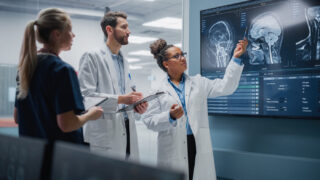
What Radiologists Do and Why This Specialty Matters
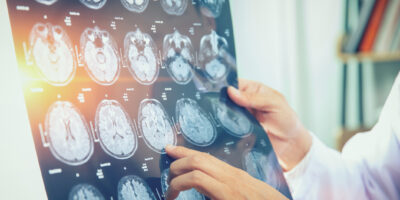
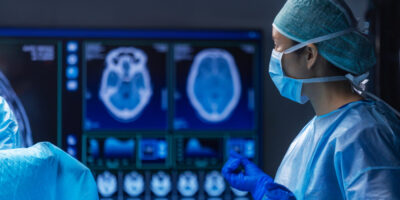
Radiologists are medical doctors who specialize in diagnosing and treating diseases and injuries using medical imaging techniques, such as X-rays, magnetic resonance imaging (MRI), computed tomography (CT), and ultrasound. They work closely with other medical professionals to provide the best possible care for patients. To learn more about the differences between radiologists and radiographers, check out our post on Radiologists vs. Radiographers.
Radiology sits at the center of modern medicine. Nearly every clinical specialty depends on imaging at some point in the diagnostic or treatment process. Whether an emergency physician needs a rapid CT read for a trauma patient, an oncologist needs to assess tumor response, or an orthopedic surgeon needs pre-operative MRI guidance, a radiologist is the physician making those reads count. This central role is one reason radiology remains among the most competitive and well-compensated specialties in medicine.
As of 2026, radiology is also at the forefront of healthcare’s adoption of artificial intelligence. More than 1,041 of the 1,357 AI-enabled medical devices with FDA approval are designed for radiology applications. That means aspiring radiologists should understand not only anatomy and imaging physics but also the basics of how AI tools interpret data and where human judgment remains essential. If you are considering any medical specialty with long-term relevance, radiology’s intersection with technology makes it a field worth serious attention.
Radiologist Salary and Compensation in 2026
One question students frequently ask is how much radiologists earn. The answer, based on recent data, is that radiology is one of the highest-compensated specialties in the United States.
According to Medscape’s 2025 Physician Compensation Report, which covers 2024 earnings, full-time U.S. radiologists take home an average of approximately $526,000 per year. That figure includes base salary, incentive bonuses, and other income such as profit-sharing contributions. Radiology rose to the No. 3 highest-paid specialty in 2025, surpassing cardiology, with only orthopedic specialists ($564,000) and plastic surgeons ($544,000) ranking higher. Radiologist compensation grew roughly 5% year over year.
Subspecialty also matters. Interventional radiologists, who perform minimally invasive image-guided procedures, tend to earn at the higher end of the range, with average compensation reported between $520,000 and $600,000 per year. Neuroradiologists average around $530,000 annually, while general diagnostic radiologists typically earn between $400,000 and $500,000.
It is worth noting that during residency, pay is far more modest. The average radiology resident salary is approximately $68,000 per year, according to Medscape’s 2025 data. That means you will spend several years earning a trainee salary while carrying potentially significant educational debt, a reality that makes financial planning important from the start.
For comparison, the median annual wage for radiologic technologists and technicians was $77,660 in May 2024 according to the Bureau of Labor Statistics, and MRI technologists earned a median of $88,180. These roles require far less training than a radiologist position, but the compensation gap reflects the difference in responsibility, scope, and years of education involved. If you are comparing different healthcare career paths, our guides on how to become a cardiologist and how to become an orthopedic surgeon cover compensation and training timelines for those specialties as well.
Educational Requirements and Pathway to Becoming a Radiologist
The path to becoming a radiologist begins with a strong foundation in science and math during high school. Here is an outline of the typical educational pathway:
- Complete a bachelor’s degree: Most aspiring radiologists start by obtaining a bachelor’s degree in a relevant field, such as biology, chemistry, or physics. It is essential to maintain a high GPA and participate in relevant extracurricular activities to improve your chances of medical school admission. If you are still in high school and want early exposure, our post on how to become a successful high school medical intern offers practical steps.
- Attend medical school: Next, you will need to complete a four-year Doctor of Medicine (M.D.) or Doctor of Osteopathic Medicine (D.O.) program. During this time, you will gain a solid understanding of medicine, patient care, and medical ethics. Medical school admissions consulting services can help you through this competitive process.
- Complete a radiology residency: After medical school, you will enter a radiology residency program, which typically lasts four years (plus a PGY-1 clinical base year). This hands-on training will provide you with the skills and knowledge needed to practice as a radiologist.
Pursue a fellowship (optional): Many radiologists choose to pursue a fellowship in a subspecialty, such as pediatric radiology, interventional radiology, or neuroradiology. Fellowships typically last one to two years.
The Cost of Medical School in 2026
Understanding the financial commitment is essential before starting this path. According to AAMC data reported for the 2024-2025 academic year, the average annual cost of medical school attendance was approximately $59,720, representing a 3.52% year-over-year increase. Over four years, the average total cost of attendance at an in-state public medical school is approximately $286,454, while private medical schools average approximately $390,848. The median medical school debt for the MD class of 2023 was $200,000.
Those numbers do not include the undergraduate degree that comes before medical school. When you add four years of college tuition to four years of medical school, followed by five years of residency at a trainee salary, the financial picture makes it clear why planning your funding strategy early matters.
Licensing and Certification
Upon completion of your radiology residency, you will need to obtain a medical license in the state where you plan to practice. Requirements vary by state, but generally involve passing the United States Medical Licensing Examination (USMLE) or the Comprehensive Osteopathic Medical Licensing Examination (COMLEX-USA). USMLE Step 1 is pass/fail for exams taken on or after January 26, 2022; Step 2 CK and Step 3 retain numeric scores.
USMLE Updates for 2026
Several important USMLE changes have taken effect that aspiring radiologists should know about:
- Step 2 CK passing standard increased: Effective July 1, 2025, the USMLE Step 2 CK passing standard was raised from 214 to 218. Because Step 2 CK remains a scored exam (unlike the pass/fail Step 1), this score carries significant weight in residency applications, particularly for competitive specialties like radiology.
- Service transition for international medical graduates: Beginning January 12, 2026, all USMLE Step exam services for international medical graduates (IMGs), including Step 1, Step 2 CK, and Step 3, transitioned from ECFMG to FSMB. This is an administrative and logistics change, not a change in exam content, scoring, or eligibility.
- New test delivery software: The USMLE is rolling out updated test delivery software in 2026. All Step 3 exams use the new software as of March 10, 2026. Step 2 CK transitions on May 7, 2026, and Step 1 on May 14, 2026. Exam content, total items, and overall exam day duration remain the same, but exams will have more blocks of shorter length.
Additionally, most radiologists choose to become board-certified by the American Board of Radiology (ABR) or the American Osteopathic Board of Radiology (AOBR) to demonstrate their expertise and commitment to quality patient care. The ABR continues the Core (qualifying) exam during residency and a Certifying exam after residency.
ABR Certification Changes for 2026 and Beyond
The DR Certifying exam is scheduled to return to an oral format in 2028, administered remotely via one-on-one video conference. Starting in 2029, IR candidates will need to pass both their own oral exam and the DR oral exam.
An important new policy: effective July 1, 2026, the ABR requires that candidates complete their four-year radiology residency within eight years of their residency start date. You are also expected to complete all four years within the same program. This policy change is worth noting if you anticipate any interruptions in training, such as research years or leave.
Estimating the Time Commitment
How Long Does It Take to Become a Radiologist in 2026?
When learning how to become a radiologist, understanding the time investment is critical. Here is a general breakdown of the steps and time required:
- Undergraduate degree (Bachelor’s): Typically 4 years
- Medical school: 4 years
- Clinical base year (PGY-1): 1 year
- Residency in Diagnostic Radiology: 4 years
- Fellowship (optional): 1-2 years
So, how long does it take to become a radiologist? The path typically takes at least 13 years, including four years for a bachelor’s degree, four years of medical school, one clinical base year, four years of radiology residency, and potentially an additional one to two years for a fellowship. That is a significant commitment, and it is worth comparing this timeline with other specialties. For example, our guides on becoming a neurosurgeon and becoming an emergency room doctor outline how those timelines differ.
How Competitive Is Radiology? 2025 Match Data
Radiology is a competitive specialty, and the most recent Match data confirms this. In the 2025 Main Residency Match, 97.4% of diagnostic radiology positions were filled, and 100% of integrated interventional radiology positions were filled. The overall match rate for applicants applying to radiology was 81%, an increase from 73% in 2024 and the highest in five years.
For U.S. MD students, the match rate was even higher at 93%, up from 87.3% the previous year. Meanwhile, radiology residency programs have been expanding the number of positions offered, though the applicant pool has contracted slightly. A total of 52,498 applicants registered for the 2025 Match overall (across all specialties), a 4.1% increase and the highest in the program’s 73-year history.
What this means for you: radiology remains selective, but the specialty is not shrinking. If you are a strong applicant with solid Step 2 CK scores, meaningful clinical experience, and research, your chances are good. However, you should not assume radiology is a guaranteed match. Preparing early and building a competitive application is essential.
Gaining Experience and Networking
While pursuing your education, it is crucial to gain relevant experience and establish connections in the medical field. Consider participating in a pre-med shadowing study abroad program to learn from experienced medical professionals and broaden your clinical perspective. Joining professional organizations, attending conferences, and networking with peers can also help you build a strong foundation for your future career. Even work experience such as medical scribing can strengthen your application; our post on how to become a medical scribe explains how that role builds clinical awareness.
Career Options and Job Outlook for Radiologists in 2026
Radiologists can work in various settings, such as hospitals, private practices, academic institutions, and research facilities. Depending on your interests and subspecialties, you may focus on diagnostic radiology or interventional radiology. Additionally, there are related specialties such as radiation oncology.
The U.S. Bureau of Labor Statistics projects 3% growth for physicians and surgeons from 2024 to 2034, about as fast as average, with approximately 23,600 openings projected each year over the decade. BLS also projects 5% growth for radiologic and MRI technologists from 2024 to 2034, with about 15,400 annual openings.
The Radiology Workforce Shortage
While the BLS growth rate for physicians overall appears modest, the situation within radiology specifically is more favorable for job seekers. A persistent radiology workforce shortage has developed due to several converging factors: an aging U.S. population driving increased demand for imaging services, a rise in chronic diseases requiring ongoing diagnostic monitoring, limited radiology residency positions that have not kept pace with demand, and increasing radiologist attrition. One national analysis of over 41,000 radiologists found that the attrition rate (radiologists leaving clinical practice) rose from 1.1% in 2014 to 2.5% in 2022.
This supply-demand gap is a key reason radiologist compensation has climbed and why new graduates continue to find strong employment opportunities. The workforce shortage also helps explain why AI adoption in radiology is accelerating; there simply are not enough radiologists to handle the growing volume of imaging studies without technological assistance.
Artificial Intelligence and the Future of Radiology Careers
If you are considering radiology as a career in 2026, you will inevitably encounter questions about whether AI will replace radiologists. The short answer, based on current evidence and expert analysis, is no. But AI is reshaping how the work gets done.
As of early 2026, more than 1,041 of the 1,357 AI-enabled medical devices with FDA approval are designed for radiology. These tools can flag potential findings, prioritize urgent cases in a reading queue, and perform quantitative measurements. They are designed to augment radiologist workflow, not replace the physician’s judgment.
A Stanford preprint published in December 2025 projected that AI applications will likely cause a significant decrease in radiologist hours worked per case. However, given the relatively static radiology workforce and the continued growth in imaging volumes, the study concluded that radiologist job loss is unlikely for the foreseeable future. In other words, AI may help radiologists work more efficiently, but the demand for their expertise continues to outpace the supply of trained physicians.
Radiology training programs are now incorporating AI literacy into their curricula. Trainees learn not only anatomy and image interpretation but also the statistical basics of AI and how to critically evaluate an AI tool’s output. For students entering medical school now, developing comfort with data science concepts alongside traditional medical knowledge will be a meaningful advantage.
The bottom line: AI makes radiology more interesting and efficient, not obsolete. But it does mean that the radiologist of 2030 and beyond will work differently than the radiologist of 2015. Embrace that shift rather than fear it.
Continuing Education and Professional Development
As a radiologist, you will need to stay current with advances in medical imaging technology and best practices in patient care. Continuing medical education (CME) is often required for maintaining licensure and board certification. Professional development opportunities, such as workshops, conferences, and online courses, can also help you stay at the forefront of your field. The rapid pace of AI integration into radiology workflows makes ongoing learning even more important than it was a decade ago.
Balancing Work-Life and Personal Well-being
The field of radiology can be demanding, with long hours and high-stress situations. It is essential to prioritize self-care and maintain a healthy work-life balance. Regular exercise, proper nutrition, and time for hobbies and social activities can help you manage stress and prevent burnout. Compared to some surgical specialties, radiology tends to offer more predictable scheduling, particularly in outpatient or academic settings. However, hospital-based radiologists often cover nights and weekends, and interventional radiologists may be called in for emergencies.
Radiology Subspecialties
Radiology is a diverse field with numerous subspecialties to consider, allowing you to focus your career on your strongest interests. Some of the most common subspecialties include:
- Neuroradiology: Focuses on diagnosing and treating conditions related to the central nervous system, spine, head, and neck using imaging techniques.
- Pediatric Radiology: Involves the diagnosis and treatment of diseases and injuries in children and adolescents using medical imaging.
- Musculoskeletal Radiology: Concentrates on diagnosing and treating bone, joint, and muscle disorders through medical imaging.
- Breast Imaging: Specializes in the use of imaging technology to diagnose and treat breast diseases, including breast cancer.
- Nuclear Medicine: Utilizes radioactive materials to diagnose and treat diseases, often involving the use of specialized imaging equipment. According to the BLS, nuclear medicine technologists earned a median annual wage of $97,020 in May 2024, and employment in this area is projected to grow 3% from 2024 to 2034.
- Cardiothoracic Radiology: Focuses on the imaging and diagnosis of diseases involving the chest, heart, and lungs.
Skills and Qualities of a Successful Radiologist
To excel as a radiologist, you should possess the following skills and qualities:
- Strong analytical and problem-solving abilities: Radiologists need to analyze complex medical images and make accurate diagnoses based on their findings.
- Attention to detail: In radiology, the smallest details in an image can be critical in identifying and treating medical conditions.
- Excellent communication skills: Radiologists must communicate their findings effectively to other medical professionals and explain complex information to patients in a clear and compassionate manner.
- Technological proficiency: Radiologists must be adept at using various medical imaging technologies and staying current with advancements in the field, including AI-assisted tools.
Compassion and empathy: Radiologists should exhibit genuine care for their patients and strive to provide the best possible care in challenging circumstances.
Preparing for Medical School and Radiology Residency
Preparing for medical school and a radiology residency requires dedication and strategic planning. Here are some tips to help you succeed:
- Develop strong study habits: Aspiring radiologists must excel academically, so it is essential to develop effective study habits early on in your educational path.
- Participate in extracurricular activities: Engage in relevant extracurricular activities, such as research, volunteering, or participating in healthcare-related clubs, to demonstrate your commitment to the field.
- Gain clinical experience: Obtaining hands-on experience in healthcare settings is crucial for building a strong foundation in patient care and understanding the realities of working in medicine.
- Prepare for the MCAT: The Medical College Admission Test (MCAT) is a critical component of medical school applications. Invest time and resources into thorough preparation for this important exam.
- Seek mentorship: Connecting with professionals in the radiology field can provide valuable insights and guidance throughout your training. If you are exploring different medical careers, understanding multiple specialties can help you confirm your interest. Our guide on how to become a psychiatrist offers a useful comparison point for a very different specialty track.
Funding Your Radiology Education
The cost of becoming a radiologist is substantial, but there are resources available to help finance your education. With average four-year medical school costs ranging from approximately $286,454 (public, in-state) to $390,848 (private), and median medical school debt around $200,000 for recent graduates, careful financial planning is not optional.
- Federal financial aid: Complete the Free Application for Federal Student Aid (FAFSA) to determine your eligibility for federal loans, grants, and work-study opportunities.
- Scholarships: Apply for scholarships offered by universities, professional organizations, and private foundations to help offset the cost of your education.
- Loan forgiveness programs: Some federal and state loan forgiveness programs are available for healthcare professionals who commit to working in underserved areas after completing their training. The Public Service Loan Forgiveness (PSLF) program, for example, can benefit radiologists who work at qualifying nonprofit or government employers.
- Employer tuition assistance: Some healthcare employers offer tuition assistance programs to help employees further their education and advance their careers.
- Military scholarships: The Health Professions Scholarship Program (HPSP) through the military branches can cover full medical school tuition in exchange for a service commitment after residency.
Given that radiology residency lasts five years (including the PGY-1 year) at a trainee salary of roughly $68,000 per year, you should factor in the opportunity cost of delayed earning as well as direct educational expenses. The strong attending salary of approximately $526,000 on average does provide meaningful capacity to repay loans, but the timeline to break even financially is longer than in many other professions.
Tips for Success in Radiology Residency
To excel in your radiology residency and throughout your career, consider the following:
- Develop strong relationships with mentors and colleagues: Building a support network within the radiology community can help you handle challenges and gain valuable insights from experienced professionals.
- Embrace lifelong learning: Stay current with advances in medical imaging technology and patient care through continuing education and professional development opportunities.
- Cultivate a growth mindset: Embrace challenges as opportunities to learn and grow, and be open to feedback from mentors, colleagues, and patients.
- Hone your communication skills: Effective communication with patients, families, and colleagues is crucial for success in radiology. Practice listening actively, explaining complex information clearly, and expressing empathy.
- Stay organized and manage your time effectively: Radiologists often juggle multiple responsibilities and must prioritize tasks efficiently to provide timely, high-quality care.
- Participate in research and quality improvement projects: Engaging in research and quality improvement initiatives can help you contribute to the advancement of the field and demonstrate your commitment to excellence.
- Maintain professional memberships and attend conferences: Joining professional organizations and attending conferences can help you stay connected to the radiology community, learn about the latest advances, and network with potential employers or collaborators.
- Seek feedback and continuously improve: Regularly solicit feedback from mentors, peers, and patients, and use it to refine your skills and enhance the quality of your patient care.
Finding Your First Radiology Position After Training
After completing your radiology training, you will need to find the right position for your career goals. Here are some strategies for a successful job search:
- Create a strong resume and cover letter: Highlight your education, training, certifications, research, and clinical experience to demonstrate your expertise and dedication to the field.
- Network with professionals in the radiology community: Establish connections with radiologists, healthcare administrators, and other professionals who can provide job leads or recommend you for positions.
- Use online job boards and professional organizations: Many radiology-specific job boards and professional organizations post job openings and offer resources for job seekers.
- Consider working with a healthcare recruiter: Specialized healthcare recruiters can help match you with job opportunities that align with your skills, interests, and career goals.
- Prepare for interviews: Research potential employers, practice answering common interview questions, and be prepared to discuss your training, accomplishments, and clinical experiences.
Given the ongoing radiology workforce shortage, new graduates in 2026 are entering a job market that is broadly favorable. That said, competition for the most desirable positions, such as academic appointments at top institutions or partnership tracks at well-established private practices, remains real. Your performance during residency, research productivity, and professional connections all play a role.
Finding Work-Life Balance as a Radiologist
Achieving work-life balance is essential for maintaining your well-being and preventing burnout in the demanding field of radiology. Consider these strategies for finding balance:
- Set boundaries: Establish boundaries between work and personal time and communicate these limits to your colleagues and family.
- Prioritize self-care: Make time for regular exercise, proper nutrition, and sufficient sleep to maintain your physical and mental health.
- Cultivate hobbies and interests outside of work: Engaging in activities you enjoy can help you relax, recharge, and maintain a sense of identity beyond your professional role.
- Develop a support network: Surround yourself with friends, family, and colleagues who understand the challenges of your profession and can provide encouragement and support.
- Seek professional help if needed: If you are struggling with stress, burnout, or other mental health concerns, consider seeking help from a mental health professional experienced in working with healthcare providers.
Embracing Technological Advances in Radiology
Radiology is an ever-evolving field, with new imaging technologies and techniques emerging regularly. To stay at the forefront of your profession, it is crucial to:
- Stay informed about new developments: Regularly read industry publications, attend conferences, and participate in professional organizations to learn about the latest advances in radiology, including AI-assisted diagnostic tools and workflow optimizations.
- Pursue additional training and certifications: As new technologies and techniques become available, seek opportunities to expand your skill set and become proficient in using these tools.
- Collaborate with colleagues and researchers: Engage in interdisciplinary collaborations and research initiatives to explore the potential of emerging technologies and contribute to the advancement of the field.
Ethics in Radiology
As a radiologist, you must adhere to a high standard of ethical conduct to ensure the best possible care for your patients. Key ethical considerations in radiology include:
- Patient privacy: Protect patients’ personal and medical information in accordance with the Health Insurance Portability and Accountability Act (HIPAA) and other relevant privacy laws.
- Informed consent: Obtain informed consent from patients or their legal representatives before performing diagnostic or therapeutic procedures, ensuring they understand the risks, benefits, and alternatives.
- Conflict of interest: Be transparent about potential conflicts of interest, such as financial relationships with medical device manufacturers, and prioritize patient care over personal or financial gain.
- Radiation safety: Minimize patients’ exposure to ionizing radiation by adhering to the ALARA (As Low as Reasonably Achievable) principle and following established guidelines and protocols.
- Cultural competence: Treat all patients with respect and dignity, regardless of their cultural, ethnic, or socioeconomic background, and be sensitive to their unique needs and perspectives.
- AI transparency: As AI tools become part of clinical workflows, radiologists have an ethical responsibility to understand what these tools can and cannot do, to verify AI-generated findings, and to be transparent with patients and referring physicians about the role of AI in their care.
Building Your Professional Brand as a Radiologist
Developing a strong professional brand can help you stand out in the competitive radiology job market and advance your career. Strategies for building your brand include:
- Establishing a professional online presence: Create a LinkedIn profile, professional website, or blog to showcase your expertise, accomplishments, and thought leadership in radiology.
- Publishing and presenting research: Contribute to the radiology knowledge base by publishing research articles in peer-reviewed journals and presenting your findings at conferences.
- Engaging in professional organizations and committees: Participate in local, national, and international radiology organizations and take on leadership roles in committees or special interest groups.
- Networking and building relationships: Attend conferences, workshops, and networking events to connect with colleagues, mentors, and potential employers or collaborators.
- Pursuing professional awards and recognition: Apply for awards and recognition programs in the field of radiology to highlight your accomplishments and dedication to excellence.
The Importance of Interdisciplinary Collaboration in Radiology
Interdisciplinary collaboration is critical for delivering comprehensive patient care and advancing the field of radiology. As a radiologist, you will work closely with:
- Primary care physicians: Collaborate with primary care providers to determine appropriate diagnostic imaging studies and interpret results for accurate diagnoses and treatment plans.
- Surgeons and other specialists: Consult with surgeons and specialists in various fields to provide imaging guidance for surgical procedures, as well as monitor and evaluate treatment outcomes.
- Oncologists: Partner with oncologists to deliver targeted radiation therapy for cancer patients, monitor their progress, and assess the effectiveness of treatments.
- Radiologic technologists: Work with radiologic technologists to ensure the proper acquisition of diagnostic images and provide guidance on imaging protocols and radiation safety.
- Nurses and other healthcare professionals: Coordinate with nurses and other healthcare team members to provide comprehensive, patient-centered care.
Exploring Academic and Research Opportunities in Radiology
In addition to clinical practice, radiologists may choose to pursue careers in academia or research. These paths can offer unique opportunities for professional growth and contribute to the advancement of the radiology field:
- Teaching: Radiologists can share their expertise by teaching medical students, residents, and fellows in academic medical centers or universities. Teaching positions may include roles as lecturers, assistant professors, or full professors, depending on your experience and qualifications.
- Research: Radiologists can engage in basic, translational, or clinical research to advance our understanding of medical imaging techniques, diagnostic processes, and treatment options. Research opportunities may be available within academic institutions, research centers, or industry settings.
- Administration: Radiologists with leadership skills and an interest in shaping the direction of radiology programs may pursue administrative positions within academic or healthcare institutions. These roles may involve overseeing educational programs, research initiatives, or department operations.
Telemedicine and Teleradiology
As technology continues to advance, telemedicine and teleradiology are playing an increasingly important role in modern healthcare. Embracing these technologies can expand your career opportunities and improve patient care:
- Teleradiology: By remotely interpreting medical images, radiologists can provide expert consultations to healthcare facilities around the world, increasing access to high-quality radiology services in underserved areas.
- Telemedicine consultations: Radiologists can participate in virtual consultations with patients and other healthcare providers, offering guidance on diagnostic imaging, radiation therapy, or other radiology-related concerns.
- Remote education and training: Radiologists can leverage telemedicine platforms to deliver educational content and training to medical students, residents, or colleagues in distant locations.
Career Advancement and Leadership Opportunities
As you gain experience and expertise in radiology, you may seek opportunities for career advancement and leadership within the field:
- Medical directorship: Radiologists with strong leadership skills may pursue roles as medical directors of radiology departments or imaging centers, overseeing clinical operations, quality improvement, and strategic planning.
- Professional organization leadership: Active involvement in professional organizations can lead to leadership positions, such as serving on boards, committees, or task forces, shaping the future of radiology practice and policy.
- Entrepreneurship: Some radiologists may choose to start their own imaging centers, teleradiology companies, or consulting businesses, leveraging their expertise to address unmet needs within the healthcare system.
Balancing Clinical Practice and Non-Clinical Pursuits
Radiologists who wish to explore non-clinical opportunities while maintaining a clinical practice may need to strike a balance between these roles. Some strategies for managing multiple professional responsibilities include:
- Setting priorities: Clearly define your professional goals and allocate your time and energy accordingly, ensuring that both clinical and non-clinical pursuits receive adequate attention.
- Developing time-management skills: Efficiently manage your schedule to maximize productivity and minimize stress, using tools such as calendars, to-do lists, and productivity apps.
- Collaborating with colleagues: Work closely with your colleagues to share responsibilities, delegate tasks, and ensure that patient care and other professional commitments are adequately addressed.
Radiology Subspecialties and Fellowship Opportunities
After completing your radiology residency, you may choose to pursue a fellowship in a subspecialty area to further hone your skills and expand your career options. Some radiology subspecialties and related fellowship opportunities include:
- Abdominal Imaging: Focus on the diagnosis and treatment of diseases and conditions affecting the abdominal organs, including the gastrointestinal and genitourinary systems.
- Breast Imaging: Specialize in the detection and diagnosis of breast diseases using various imaging modalities, such as mammography, ultrasound, and magnetic resonance imaging (MRI).
- Cardiothoracic Radiology: Concentrate on the imaging and diagnosis of diseases affecting the chest, heart, and lungs.
- Interventional Radiology: Perform minimally invasive, image-guided procedures to diagnose and treat various conditions, such as vascular diseases, cancer, and chronic pain.
- Musculoskeletal Radiology: Diagnose and treat conditions involving the bones, joints, muscles, and soft tissues using imaging techniques like X-ray, computed tomography (CT), and MRI.
- Neuroradiology: Focus on the imaging and diagnosis of diseases and conditions affecting the central and peripheral nervous systems, including the brain, spine, and head and neck regions.
- Nuclear Medicine: Utilize radioactive materials to diagnose and treat a variety of diseases, including cancers, heart diseases, and endocrine disorders.
- Pediatric Radiology: Specialize in the imaging and diagnosis of conditions affecting infants, children, and adolescents, considering their unique developmental needs and vulnerabilities.
The Role of Radiology in Population Health
Population health is an emerging field that seeks to improve the overall health and well-being of communities through preventive and intervention strategies. Radiologists can contribute to population health initiatives by:
- Identifying trends and patterns: Analyze imaging data to detect trends in disease prevalence, incidence, and outcomes within specific populations.
- Collaborating with public health professionals: Work with public health experts, epidemiologists, and other healthcare providers to develop targeted interventions and preventive strategies.
- Promoting screening and early detection: Advocate for evidence-based screening programs and educate patients and the public about the importance of early detection and timely treatment.
- Participating in research and policy development: Contribute to the development of evidence-based policies and guidelines that promote population health and reduce health disparities.
Quality Improvement in Radiology
Quality improvement is a critical aspect of modern healthcare, and radiologists play a vital role in ensuring the highest standards of care. To contribute to quality improvement efforts in radiology:
- Monitor performance metrics: Regularly review performance data, such as error rates, patient satisfaction scores, and turnaround times, to identify areas for improvement.
- Implement evidence-based best practices: Stay current with the latest guidelines and best practices in radiology and incorporate them into your clinical practice.
Engage in continuous learning and professional development: Attend conferences, workshops, and courses to enhance your knowledge and skills, and learn about innovative approaches to quality improvement.
- Collaborate with colleagues: Work with other members of the radiology team to develop and implement quality improvement initiatives, and share best practices and lessons learned.
- Participate in audits and peer review: Regularly evaluate your own and your colleagues’ performance through audits and peer review processes and use the feedback to inform your practice and drive improvement.
Global Health Opportunities in Radiology
Radiologists can play a significant role in addressing global health disparities and improving healthcare access for underserved populations. Some ways to engage in global health initiatives as a radiologist include:
- Participate in international medical missions: Volunteer your time and expertise in medical missions, providing diagnostic imaging services and training for healthcare providers in low-resource settings.
- Collaborate on global health research projects: Contribute to research projects aimed at understanding and addressing the unique imaging needs of diverse populations and healthcare systems.
- Advocate for increased access to radiology services: Work with international organizations, non-profits, and policymakers to promote the expansion of diagnostic imaging and radiation therapy services in underserved areas.
- Develop and share low-cost imaging solutions: Explore innovative, cost-effective approaches to diagnostic imaging that can be easily implemented in low-resource settings and share your knowledge with the global health community.
Radiology and Precision Medicine
Precision medicine aims to provide personalized, data-driven care based on each patient’s unique genetic, environmental, and lifestyle factors. Radiologists can contribute to the advancement of precision medicine by:
- Integrating genomics and imaging data: Work with multidisciplinary teams to combine genomic information with imaging findings to develop a more comprehensive understanding of disease processes and patient outcomes.
- Participating in precision medicine research: Collaborate with researchers in genetics, bioinformatics, and other fields to explore the potential of precision medicine in diagnostic imaging and radiation therapy.
- Developing targeted imaging techniques: Investigate novel imaging techniques that can detect specific molecular targets or biomarkers, enabling more precise diagnosis and treatment planning.
- Educating patients and healthcare providers: Help patients and other healthcare providers understand the benefits and limitations of precision medicine, and support informed decision-making about diagnostic and treatment options.
Radiology in Emergency Medicine
Radiology plays a vital role in emergency medicine, providing rapid and accurate diagnostic information that can be critical in life-saving situations. Some ways radiologists contribute to emergency medicine include:
- Triage and prioritization: Assist in determining the severity of a patient’s condition, prioritizing urgent cases, and ensuring timely care.
- Guiding emergency interventions: Offer expertise in image-guided procedures, such as vascular interventions, to support emergency treatment and management.
- Collaborating with emergency medicine physicians: Work closely with emergency medicine teams to provide real-time interpretation of imaging studies and guide clinical decision-making.
- Enhancing emergency preparedness: Participate in disaster planning and emergency preparedness efforts, ensuring radiology services are available and equipped to handle mass casualty events.
Radiology and Sports Medicine: A Collaborative Approach
Radiology and sports medicine often intersect, as accurate imaging is crucial for diagnosing and treating sports-related injuries. Radiologists contribute to sports medicine by:
- Providing advanced imaging: Utilize specialized imaging techniques, such as musculoskeletal ultrasound and MRI, to accurately diagnose sports injuries and conditions.
- Collaborating with sports medicine physicians: Work closely with sports medicine teams to develop individualized treatment plans based on accurate imaging and diagnosis.
- Guiding injury prevention and rehabilitation: Offer insights into the biomechanics and pathophysiology of sports injuries, supporting injury prevention strategies and rehabilitation programs.
- Supporting sports performance: Contribute to the optimization of athletic performance by providing imaging-based assessments of muscle imbalances, joint health, and other relevant factors.
Radiology and Medical Education: Teaching Future Generations
Radiologists play a significant role in medical education, helping to train future generations of physicians in the proper use and interpretation of medical imaging. Some ways radiologists contribute to medical education include:
- Teaching medical students: Provide lectures, hands-on training, and clinical supervision to medical students in the principles of diagnostic imaging, radiation safety, and image interpretation.
- Mentoring residents and fellows: Offer guidance and support to radiology trainees, sharing your expertise and experience to help them develop their skills and advance their careers.
- Developing educational resources: Create textbooks, online courses, and other educational materials to support the ongoing learning and professional development of radiology students and practitioners.
- Participating in continuing medical education: Contribute to the continuing education of physicians in other specialties by offering lectures, workshops, and courses on the latest advances in radiology and their implications for patient care.
By engaging in medical education, radiologists can ensure that future generations of healthcare providers are well-prepared to utilize and interpret medical imaging effectively, enhancing patient care and outcomes across the healthcare spectrum.
The Future of Radiology: Trends and Opportunities in 2026 and Beyond
As the field of radiology continues to evolve, radiologists must be prepared to adapt to new challenges and seize emerging opportunities. Some trends and developments that will shape the future of radiology include:
- Advanced imaging technologies: Stay informed about cutting-edge imaging modalities and techniques, such as 3D printing, virtual reality, and molecular imaging, and be prepared to integrate these tools into your practice.
- AI integration and workflow optimization: With over 1,000 FDA-approved AI devices in radiology, the field is entering an era where AI literacy is not optional. Future radiologists will be expected to work alongside AI tools, validate their outputs, and understand their limitations.
- Expanding role of radiologists in patient care: Develop strong communication and clinical skills to engage more directly with patients and other healthcare providers and play a more active role in patient care decision-making.
- Interdisciplinary collaboration and team-based care: Cultivate strong relationships with colleagues in other medical specialties and be prepared to work in collaborative, team-based care models.
- Emphasis on value-based care: Demonstrate the value of radiology services in terms of clinical outcomes, patient satisfaction, and cost-effectiveness to support the transition to value-based healthcare models.
- Addressing the workforce shortage: The ongoing gap between radiologist supply and imaging demand will continue to shape hiring, compensation, and workflow for the foreseeable future. Teleradiology and AI will both play roles in managing this gap, but the need for trained radiologists remains strong.
Practical Steps to Start Your Radiology Career in 2026
Becoming a radiologist requires dedication and hard work, but the rewards, both professional and financial, are real. By following the steps outlined in this guide, you will be well-prepared for a career in this essential healthcare field. Here is a summary of what to do next, depending on where you are right now:
- If you are in high school: Focus on strong science and math coursework. Look for opportunities to shadow physicians or gain early clinical exposure. Our post on becoming a successful high school medical intern can help.
- If you are in college: Maintain a competitive GPA, prepare thoroughly for the MCAT, seek research opportunities, and gain clinical experience through shadowing, scribing, or volunteering.
- If you are in medical school: Take advantage of radiology electives and research, build relationships with radiology faculty, and prepare a competitive residency application. Note that the 2025 Match data shows an 81% match rate overall for radiology applicants and 93% for U.S. MD students.
- If you are in residency: Focus on clinical excellence, consider which subspecialty fellowship aligns with your interests, and begin networking for your first attending position.
If you are ready to take the first step toward becoming a radiologist, consider scheduling a medical school admissions consulting session with International Medical Aid to discuss your goals and develop a plan for success.