

Some students know what specialty they want to practice long before medical school. Others decide, or change their minds, during the four years of training. Either way, you will want to choose your specialty carefully, because a lot rides on it: the residency you apply to, the years you spend in training and the kind of doctor you become.
To practice in a specialized field, you need to get into a residency program that trains for it. If you live or study in the United States, you will probably want a U.S. residency. Some residencies have room for most of the people who apply. Others draw far more applicants than they have positions, and competing for them takes years of planning, strong exam performance on USMLE Step 1 and USMLE Step 2 CK, research and strong letters.
This guide ranks the 10 most competitive medical specialties using applicant counts from the residency application service, the number of residents who actually enter each specialty every year, the length of training and the research each field expects. You will also find what each specialty does, how long training takes, what doctors in some of these fields earn and how to prepare, starting as early as college.
If you are struggling to decide which specialty to choose, feel free to contact us. Our medical school admissions consulting team would be happy to talk through your career goals. We also run hands-on healthcare internships abroad, and the patient care experience they provide can help you decide whether medicine, and which part of it, fits you.

Key Takeaways
- Plastic surgery is the most competitive specialty on this list. For residency training that begins in 2026-2027, 596 graduates of U.S. MD and DO schools applied to integrated plastic surgery programs, about 2.8 for every resident who entered the specialty in 2024-2025.
- Dermatology, neurological surgery and orthopaedic surgery follow, each with roughly 1.9 to 2.1 U.S. MD and DO applicants per entering resident.
- Neurological surgery has the longest training of the ten: seven years of residency after medical school. Integrated plastic surgery takes six years.
- Neurosurgery applicants send the most applications. U.S. MD graduates applying to neurological surgery sent an average of 62.3 applications each, the highest of any specialty in the AAMC table.
- Ophthalmology is competitive but uses a separate application system, so it does not appear in ERAS applicant counts and is described here with training and position data only.
- A ratio above one does not mean most applicants go unplaced. Many students apply to more than one specialty, so applicants and positions do not line up one to one.
- Planning starts before medical school. Research, clinical hours and a strong academic record all carry forward, so it helps to build them early.
How This Ranking Was Built
Most lists of competitive specialties lean on Match results. This guide uses a different set of public data, all from organizations that run or accredit residency training, and every figure is labeled with its source and year.
Applicants. The Association of American Medical Colleges (AAMC) runs the Electronic Residency Application Service (ERAS), the system most U.S. residency applicants use. Its 2026 FACTS tables C-1 and C-3 count the people who applied to ACGME-accredited programs in each specialty for residency training that begins in 2026-2027, split by medical school type, along with the average number of applications each person sent.
Positions. The Accreditation Council for Graduate Medical Education (ACGME) accredits U.S. residency programs. Its Data Resource Book for academic year 2024-2025 reports, for each specialty, the number of accredited programs, the number of active residents and the number of residents who entered the specialty that year. The number of residents entering each year is the closest public stand-in for the number of first-year training positions.
The main measure. For each specialty, we divided the number of graduates of U.S. MD and DO schools who applied (AAMC, residency training beginning 2026-2027) by the number of residents who entered the specialty (ACGME, 2024-2025). We used U.S. MD and DO applicants because international graduates apply in very large numbers to a few broad specialties, such as internal medicine and family medicine, which would make those fields look far harder to enter than they are for U.S. students. We list the all-applicant figure too, so you can see both.
Tie-breakers and context. Where two specialties land within about 0.1 of each other, treat them as roughly tied. For those, training length (from the specialty boards and the ACGME) and the research the specialty’s own bodies expect from residents help describe how demanding the path is. The average number of applications per applicant, also from the AAMC, shows how widely applicants spread their bets, which is a sign of how uncertain they feel.
What this measure cannot do. The applicant and position counts come from different years, because the newest ACGME book covers 2024-2025 while the newest complete AAMC applicant table covers residency training that begins in 2026-2027. Program counts change slowly (the ACGME book shows plastic surgery, dermatology and neurosurgery each adding three or fewer programs in five years), so the ratio is a fair guide, not an exact figure. It also cannot show how many applicants applied to a second specialty, and it says nothing about who matched.
The National Resident Matching Program (NRMP) publishes official Match data each year. If you want Match outcomes by specialty, read them directly at nrmp.org. This guide does not use or restate those figures.
10 Most Competitive Medical Specialties
Here are the 10 most competitive medical specialties, ordered by the number of U.S. MD and DO applicants per entering resident:
- Plastic Surgery
- Dermatology
- Neurological Surgery
- Orthopaedic Surgery
- Radiation Oncology
- General Surgery
- Diagnostic Radiology
- Otolaryngology
- Urology
- Ophthalmology
| Rank | Specialty | U.S. MD + DO applicants (2026-27) | All ERAS applicants (2026-27) | Residents entering (2024-25) | U.S. MD + DO applicants per entering resident | Accredited programs (2024-25) | Residency length |
|---|---|---|---|---|---|---|---|
| 1 | Plastic surgery (integrated) | 596 | 781 | 214 | 2.79 | 89 | 6 years |
| 2 | Dermatology | 1,215 | 1,393 | 574 | 2.12 | 145 | 4 years (1 + 3) |
| 3 | Neurological surgery | 458 | 615 | 244 | 1.88 | 119 | 7 years |
| 4 | Orthopaedic surgery | 1,764 | 1,958 | 946 | 1.86 | 209 | 5 years |
| 5 | Radiation oncology | 335 | 527 | 193 | 1.74 | 87 | 5 years (1 + 4) |
| 6 | General surgery | 4,733 | 7,309 | 3,039* | 1.56 | 365 | 5 years |
| 7 | Diagnostic radiology | 1,890 | 2,610 | 1,225 | 1.54 | 200 | 5 years (1 + 4) |
| 8 | Otolaryngology | 596 | 675 | 394 | 1.51 | 131 | 5 years |
| 9 | Urology | 515 | 607 | 402 | 1.28 | 152 | 5 years |
| 10 | Ophthalmology | Not in ERAS | Not in ERAS | 537 | Not available | 128 | 4 years (1 + 3) |
*General surgery: the ERAS count includes applicants to one-year preliminary surgery positions, so the comparison uses all first-year surgery residents (3,039), which include preliminary residents. Only 1,783 of them entered the categorical general surgery pathway. For comparison, the same measure is 1.22 for internal medicine, 1.18 for psychiatry, 0.94 for family medicine and 0.86 for pediatrics.
The rest of this section walks through each specialty: what it involves, its numbers and what makes it hard to enter.
#1 Plastic Surgery
Fast Facts:
- 596 U.S. MD and DO applicants to integrated programs for 2026-2027 (781 including international graduates) (AAMC 2026 FACTS C-3)
- 214 residents entered integrated plastic surgery in 2024-2025, across 89 integrated programs (ACGME 2024-2025)
- 2.79 U.S. MD and DO applicants per entering resident, the highest of the ten
- Residency: 6 years (72 months) in the integrated pathway, entered straight from medical school; the independent pathway is 3 years after a completed surgical residency (ACGME program requirements, 2025)
- Average of 51.6 applications per U.S. MD applicant (AAMC 2026 FACTS C-3)
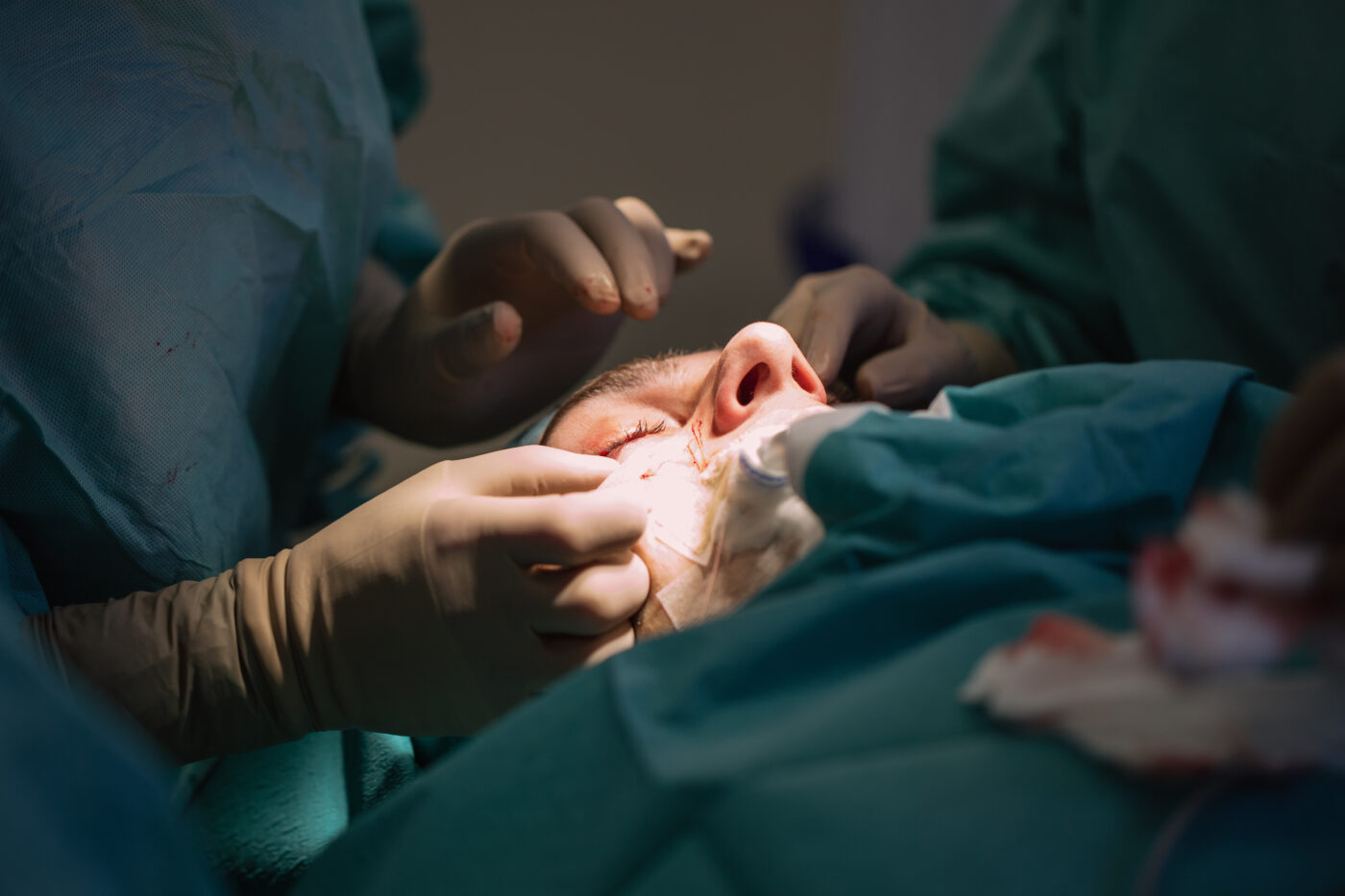
Plastic surgery sits at the top of this list. Plastic surgeons perform reconstructive and cosmetic surgery. Reconstructive surgery includes craniofacial surgery, hand surgery, breast reconstruction after cancer and the treatment of burns and traumatic wounds. Cosmetic surgery changes or improves part of a patient’s appearance.
There are two ways in. In the integrated pathway, the main route today, residents enter plastic surgery straight from medical school. The ACGME book also lists 49 independent plastic surgery programs, which take surgeons who have already completed earlier surgical training. Those programs had 194 active residents in 2024-2025, compared with 1,204 in integrated programs. If you want to learn more about the full path, our guide on how to become a plastic surgeon covers training, licensing and certification.
What makes it so competitive is simple arithmetic: few programs, small classes and steady interest. Only 214 residents entered integrated programs in 2024-2025, about two or three per program. U.S. MD applicants sent an average of 51.6 applications each, a sign that they knew how tight the field is. The ACGME requires plastic surgery residents to show scholarship every year, with at least two items such as peer-reviewed publications, conference presentations, book chapters or research projects, while capping dedicated research time at 12 weeks in integrated programs. Research has to happen alongside a full clinical load, so students who already know how to move a project forward have an edge.
#2 Dermatology
Fast Facts:
- 1,215 U.S. MD and DO applicants for 2026-2027 (1,393 including international graduates) (AAMC 2026 FACTS C-3)
- 574 residents entered dermatology in 2024-2025, across 145 programs (ACGME 2024-2025)
- 2.12 U.S. MD and DO applicants per entering resident
- Residency: 4 years: a broad-based clinical year (PGY-1) before entry, then 36 months of dermatology (ACGME program requirements, 2026)
- Average of 34.8 applications per U.S. MD applicant (AAMC 2026 FACTS C-3)
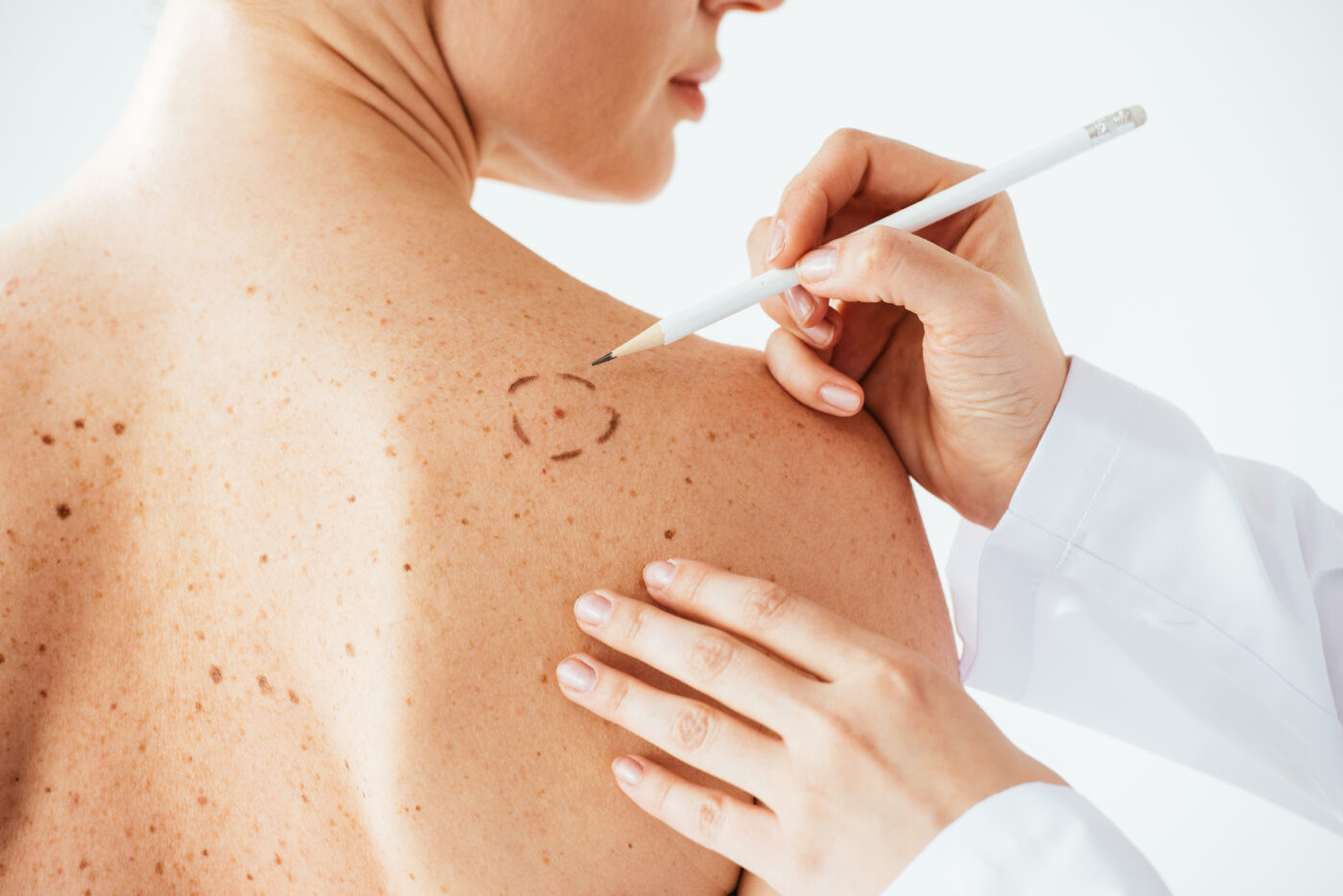
Dermatologists treat diseases of the skin, hair and nails, from acne and eczema to skin cancer, and many also perform procedures such as biopsies, excisions and cosmetic treatments. Dermatology combines clinic medicine, procedures and the study of skin disease under the microscope.
Dermatology has a large applicant pool relative to its size. The ACGME book shows 145 programs and 1,704 active residents in 2024-2025, and the number of programs has barely changed in five years (144 in 2020-2021). Dermatology residents usually begin after a separate first clinical year, which is why the ACGME counts almost no first-year residents in dermatology itself. Research is built into training. The ACGME requires basic science and clinical investigation in dermatology residency and requires residents to prepare presentations or manuscripts suitable for publication in peer-reviewed journals.
The U.S. Bureau of Labor Statistics (BLS) Occupational Employment and Wage Statistics program reported a mean annual wage of $323,530 for dermatologists in May 2025.

#3 Neurological Surgery
Fast Facts:
- 458 U.S. MD and DO applicants for 2026-2027 (615 including international graduates) (AAMC 2026 FACTS C-3)
- 244 residents entered neurological surgery in 2024-2025, across 119 programs (ACGME 2024-2025)
- 1.88 U.S. MD and DO applicants per entering resident
- Residency: 7 years (84 months), including a 12-month chief year (ACGME program requirements, 2026)
- Average of 62.3 applications per U.S. MD applicant, the highest of any specialty (AAMC 2026 FACTS C-3)
Coming in at number three, neurological surgery is among the most competitive residencies. Neurological surgery involves the central, peripheral and autonomic nervous systems, including disorders of the brain, spinal cord and pituitary gland. These operations can change a patient’s life and are deeply fulfilling for the surgeon.
Neurosurgery’s ratio is a little lower than dermatology’s, but every other signal points to a very demanding path. It has the longest residency on this list, and applicants send more applications than in any other specialty. Programs are small: 1,611 active residents across 119 programs, or about 13 to 14 per program across all seven years. Research is part of the job from the start. The ACGME requires every neurosurgery resident to be regularly involved in scholarly activity shared through publications, chapters, abstracts or presentations, and the months beyond the 54 required clinical months go to electives and research.

#4 Orthopaedic Surgery
Fast Facts:
- 1,764 U.S. MD and DO applicants for 2026-2027 (1,958 including international graduates) (AAMC 2026 FACTS C-3)
- 946 residents entered orthopaedic surgery in 2024-2025, across 209 programs (ACGME 2024-2025)
- 1.86 U.S. MD and DO applicants per entering resident
- Residency: 5 years (60 months); the first year includes 6 months of non-orthopaedic surgery rotations (ACGME program requirements, 2026)
- Average of 38.8 applications per U.S. MD applicant (AAMC 2026 FACTS C-3)
Orthopedic surgery is among the most competitive residencies in the United States. Orthopedic surgery focuses on the musculoskeletal system: trauma, sports injuries, spine disease, joint degeneration and replacement, bone tumors and more. Many orthopaedic surgeons complete a fellowship after residency in an area such as sports medicine, hand surgery, spine or joint replacement.
Orthopaedic surgery is much larger than neurosurgery or plastic surgery, with 4,610 active residents in 2024-2025, but it also draws a large pool. It was the third-largest ERAS applicant group among the ten specialties here, after general surgery and diagnostic radiology. DO graduates make up a notable share of the applicant pool: 414 of the 1,764 U.S. applicants. The ACGME requires orthopaedic programs to give each resident at least 60 days of protected research time, and each resident must show scholarship such as sponsored research, an article for a peer-reviewed journal or a presentation at a regional or national meeting.
Orthopedic surgeons (except pediatric) earned a mean annual wage of $373,570 in May 2025 (BLS). Orthopaedic surgery is one of the highest-paid fields in medicine, and the career is very rewarding.
#5 Radiation Oncology
Fast Facts:
- 335 U.S. MD and DO applicants for 2026-2027 (527 including international graduates) (AAMC 2026 FACTS C-3)
- 193 residents entered radiation oncology in 2024-2025, across 87 programs (ACGME 2024-2025)
- 1.74 U.S. MD and DO applicants per entering resident
- Residency: 5 years: 12 months of clinical training, then 48 months of radiation oncology (ACGME program requirements, 2026)
- Average of 25.9 applications per U.S. MD applicant (AAMC 2026 FACTS C-3)
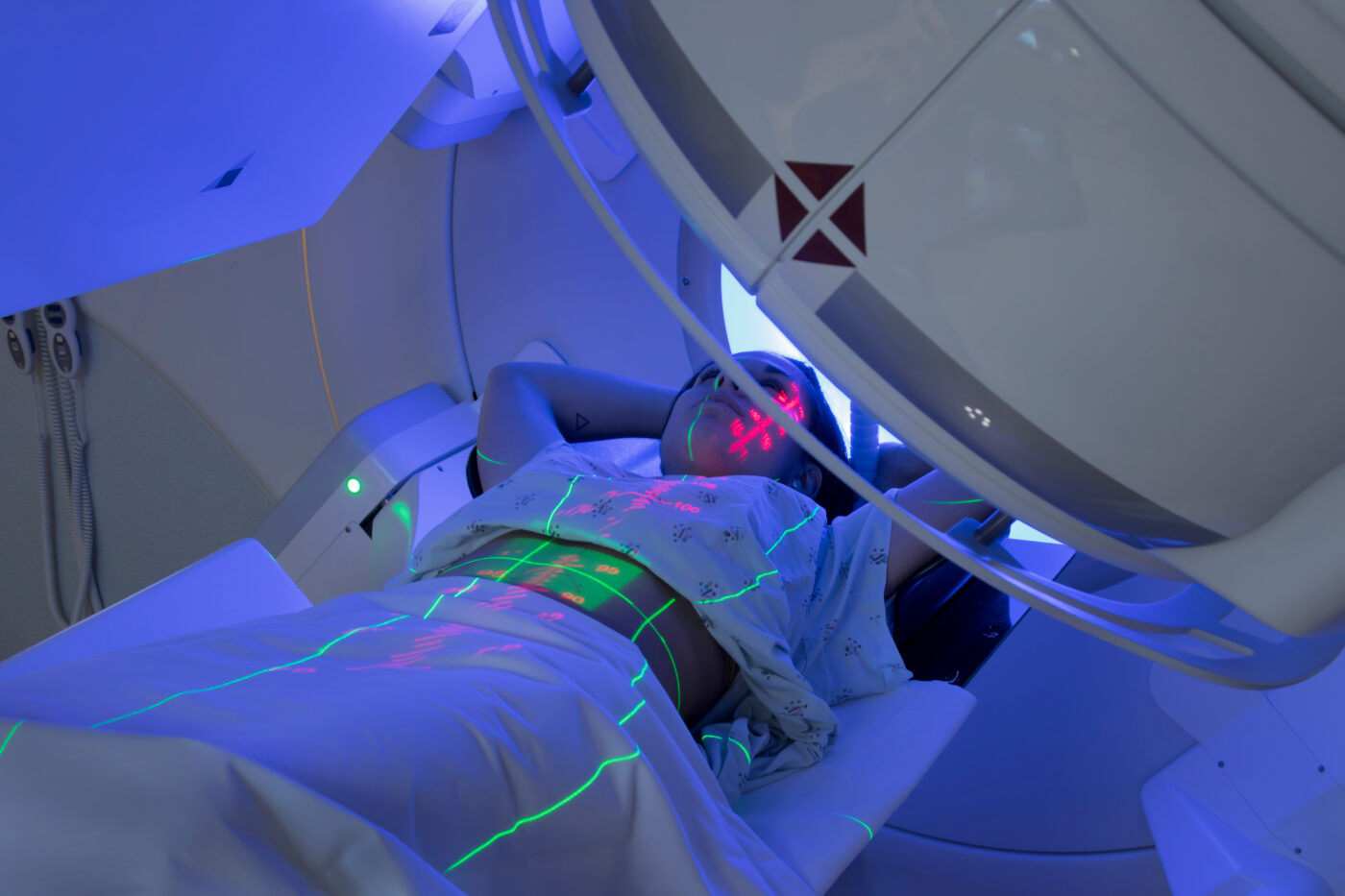
Radiation oncology is most commonly associated with cancer treatment. Radiation therapy controls and kills malignant cells, and it is part of the overall treatment for many cancer patients, both to cure disease and to ease symptoms in palliative care. Radiation oncologists most commonly treat lung, breast, head and neck, prostate, cervical and uterine, and colorectal cancers.
Radiation oncology is a small field that has been shrinking slightly. The ACGME book shows 87 programs in 2024-2025, down from 91 in 2020-2021, and 736 active residents, down from 773. A small number of positions means even a modest applicant pool produces a high ratio. Applicants to radiation oncology send far fewer applications than applicants to the surgical fields (25.9 per U.S. MD applicant), which suggests the field feels less uncertain to applicants than its ratio alone implies. Read this one alongside the other signals. Up to 12 of the 48 specialty months can go to research, electives or an advanced degree, and the ACGME requires each resident to complete an investigative project under faculty supervision, with results submitted for publication or presentation.

#6 General Surgery
Fast Facts:
- 4,733 U.S. MD and DO applicants for 2026-2027 (7,309 including international graduates) (AAMC 2026 FACTS C-3)
- 3,039 first-year surgery residents in 2024-2025, of whom 1,783 entered the categorical pathway, across 365 programs (ACGME 2024-2025)
- 1.56 U.S. MD and DO applicants per first-year surgery resident
- Residency: 5 years (60 months) (ACGME program requirements, 2026; American Board of Surgery)
- Average of 48.9 applications per U.S. MD applicant (AAMC 2026 FACTS C-3)
General surgery requires a broad knowledge of the entire body. Surgeons perform complex operations, sometimes at a moment’s notice, for patients who arrive through the emergency department. These are some of the areas general surgeons work in:
- Trauma surgery: there are specialists within trauma surgery, but general surgeons must know how to stabilize a patient who has suffered severe trauma. Procedures include thoracostomy, cricothyroidotomy, compartment fasciotomy and emergency laparotomy or thoracotomy.
- Laparoscopic surgery: general surgeons must know how to remove gallbladders, appendices and sections of colon laparoscopically. Laparoscopic surgery involves inserting a camera and tools through small incisions (3 to 15 mm), and it is less invasive than open surgery.
- Colorectal surgery: operations for colon and rectal disease, including diverticulitis, gastrointestinal bleeding and hemorrhoids.
- Breast surgery: these operations are not cosmetic. They are usually part of cancer treatment.
- Vascular surgery: general surgeons treat some vascular disorders, while more complicated procedures are performed by vascular specialists.
- Endocrine surgery: general surgeons are trained to remove the thyroid, parathyroid and adrenal glands.
- Transplant surgery: general surgeons take part in organ transplant care, and many transplant surgeons start in general surgery.
- Surgical oncology: general surgeons are trained to remove tumors.
- Cardiothoracic surgery: most heart and lung surgery is performed by specialists, but general surgeons are trained to handle surgical emergencies in the chest.
- Pediatric surgery: operations for children, which can cover any of the areas above.
General surgery is the largest surgical specialty, with 10,074 active residents in 2024-2025. Its applicant pool is also the biggest of any surgical field, and many applicants apply for one-year preliminary positions while they pursue another specialty or a categorical spot. For a closer look at the career, see our guide on how to become a general surgeon and our overview of the types of surgeons and surgical specialties. The ACGME allows up to six months of general surgery residency for research or non-surgical rotations, and each resident must complete scholarship such as research, publications or quality improvement work. Many academic programs also offer optional research years.

#7 Diagnostic Radiology
Fast Facts:
- 1,890 U.S. MD and DO applicants for 2026-2027 (2,610 including international graduates) (AAMC 2026 FACTS C-3)
- 1,225 residents entered diagnostic radiology in 2024-2025, across 200 programs (ACGME 2024-2025)
- 1.54 U.S. MD and DO applicants per entering resident
- Residency: 5 years: 12 months of clinical training, then 48 months of radiology (ACGME program requirements, 2026)
- Average of 51.0 applications per U.S. MD applicant (AAMC 2026 FACTS C-3)
Diagnostic radiology is known as “the eye of medicine” for good reason. Radiologists diagnose disease using MRI, CT, nuclear medicine scans, X-rays and ultrasound. A patient usually has symptoms first, and imaging confirms or rules out the suspected diagnosis. Radiologists also guide biopsies and other procedures with imaging.
Radiology sits near general surgery and otolaryngology on the ratio, so treat these three as roughly tied. What sets it apart is the volume of applications: U.S. MD applicants sent an average of 51.0 each, close to plastic surgery. Radiology also connects to interventional radiology, which has its own integrated residency and a very high ratio (see below). Our guide on how to become a radiologist explains the training path. The ACGME requires every diagnostic radiology resident to complete a scholarly project under faculty supervision, and graduating residents should have submitted at least one scholarly work to a meeting or for publication.
Radiologists earned a mean annual wage of $381,530 in May 2025 (BLS).
#8 Otolaryngology
Fast Facts:
- 596 U.S. MD and DO applicants for 2026-2027 (675 including international graduates) (AAMC 2026 FACTS C-3)
- 394 residents entered otolaryngology in 2024-2025, across 131 programs (ACGME 2024-2025)
- 1.51 U.S. MD and DO applicants per entering resident
- Residency: 5 years (60 months), starting with 6 months outside otolaryngology and 6 months in it (ACGME program requirements, 2026)
- Average of 43.9 applications per U.S. MD applicant (AAMC 2026 FACTS C-3)
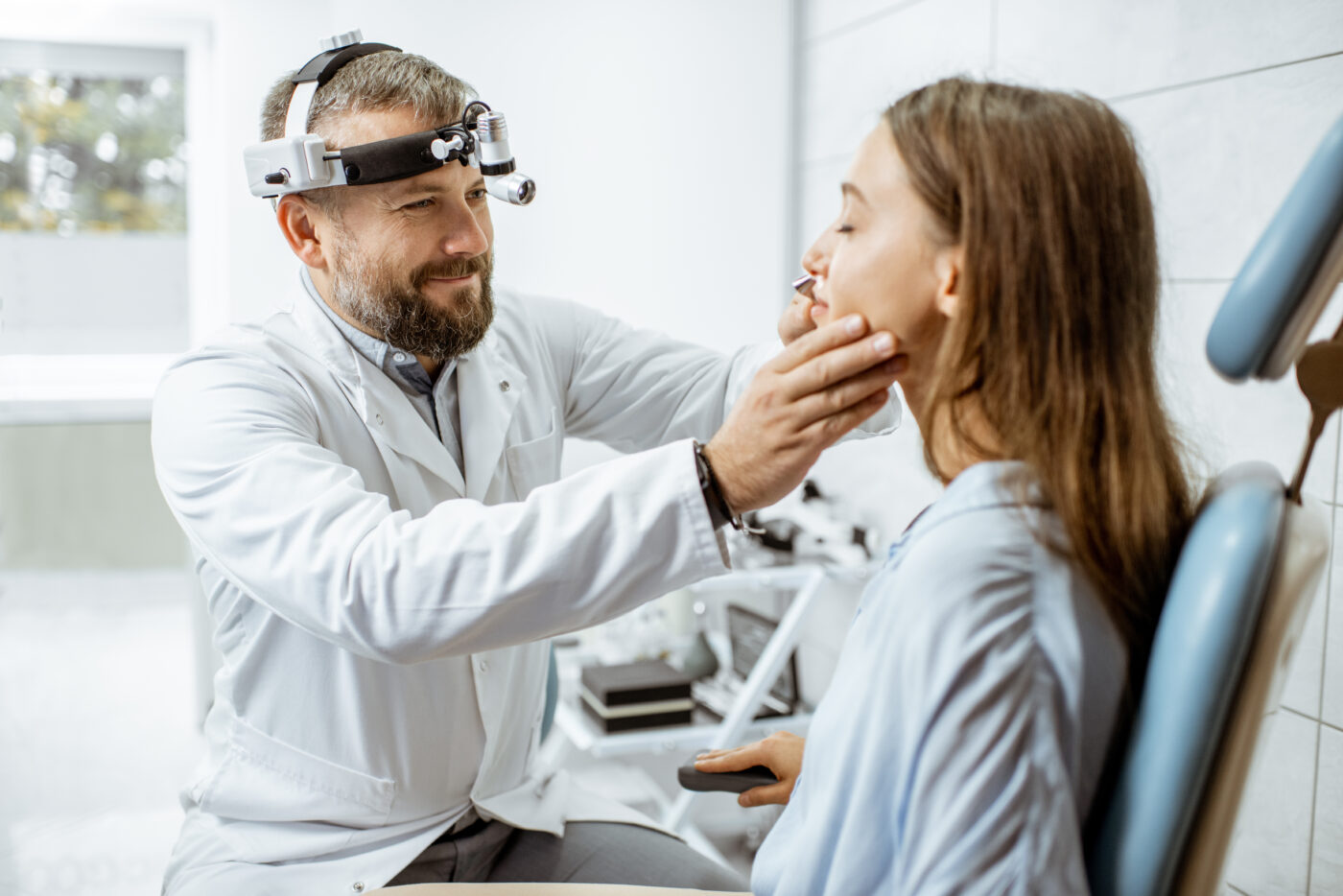
Otolaryngology specialists treat the ears, nose and throat, along with the head and neck more broadly. They are commonly known as ear, nose and throat doctors (ENTs). Their work ranges from hearing loss, sinus disease and sleep apnea to head and neck cancer surgery, voice disorders and facial plastic and reconstructive surgery.
Otolaryngology has a small applicant pool, but it is almost entirely made up of U.S. graduates: 596 of the 675 ERAS applicants came from U.S. MD and DO schools. The field is surgical, with five years of residency, and programs are small, averaging about three entering residents each. Research is a formal part of training. The ACGME requires at least three months of structured research for otolaryngology residents, and that experience should produce a manuscript suitable for publication in a peer-reviewed journal.

#9 Urology
Fast Facts:
- 515 U.S. MD and DO applicants for 2026-2027 (607 including international graduates) (AAMC 2026 FACTS C-3)
- 402 residents entered urology in 2024-2025, across 152 programs (ACGME 2024-2025)
- 1.28 U.S. MD and DO applicants per entering resident
- Residency: 5 years (60 months); the first year includes 3 months of general surgery and 3 months of other surgical rotations (ACGME program requirements, 2026; American Board of Urology)
- Average of 45.2 applications per U.S. MD applicant (AAMC 2026 FACTS C-3)
Urology is the field of medicine that deals with diseases of the urinary tract in men and women. The kidneys, ureters, bladder and urethra are all subject to diseases that urologists treat. Urologists also treat the male reproductive system. Common areas of focus within urology include:
- Pediatric urology
- Urologic oncology
- Renal transplantation
- Male infertility
- Urinary tract stones
- Female urology
- Neurourology
Urology has the lowest ratio of the nine ERAS specialties ranked here, but it remains a small surgical field: 1,934 active residents in 152 programs. Applicants still send many applications (45.2 per U.S. MD applicant), and urology runs its own match through the American Urological Association, with results usually released in January. Our guide on how to become a urologist covers training and pay in more detail. The ACGME lets programs devote up to six months of the middle residency years to research or non-urology clinical work, and programs must teach residents how research is conducted, evaluated and applied to patient care.

#10 Ophthalmology
Fast Facts:
- Not in ERAS applicant counts: ophthalmology applicants apply through a separate system (the SF Match Central Application Service)
- 537 residents entered ophthalmology in 2024-2025, across 128 programs (ACGME 2024-2025)
- 1,790 active residents in 2024-2025, up from 1,531 in 2020-2021 (ACGME 2024-2025)
- Residency: 4 years (48 months): a 12-month clinical PGY-1 that is part of the residency, then 36 months of ophthalmology (ACGME program requirements, 2026)
Ophthalmologists care for the eyes. They diagnose and treat eye disease with medication, perform laser treatment and surgery, and manage conditions such as cataracts, excessive tearing, glaucoma and macular degeneration. Ophthalmology is an important field because vision matters so much to daily life. Without ophthalmologists, many people would lose vision that could have been saved.
Ophthalmology is widely considered competitive, but the AAMC ERAS tables do not include it, so it has no applicant ratio on the same basis as the other nine. It is listed tenth for that reason, not because it is the easiest field here. What the ACGME data do show is a small, growing specialty: active residents rose about 17 percent in five years while the number of programs grew from 125 to 128. Our guide on how to become an ophthalmologist explains the four-year path. Beyond the general ACGME requirement that all residents take part in scholarship, the ophthalmology requirements do not set a specific research block.
Ophthalmologists (except pediatric) earned a mean annual wage of $304,650 in May 2025 (BLS).
Specialties Close Behind
A few smaller residencies have high ratios on the same measure but are not on the classic top-ten list, often because they are newer integrated pathways that also take surgeons or radiologists through a separate route:
- Interventional radiology (integrated): 681 U.S. MD and DO applicants for 2026-2027 and 180 residents entering in 2024-2025, about 3.8 per entering resident. Nearly every interventional radiology applicant also applies to diagnostic radiology, so this ratio overstates the competition per person.
- Thoracic surgery (integrated): 116 U.S. MD and DO applicants and 49 entering residents, about 2.4 per entering resident, in only 36 programs.
- Physical medicine and rehabilitation: 932 U.S. MD and DO applicants and 488 entering residents, about 1.9 per entering resident. PM&R draws many DO applicants (451 of the 932).
- Vascular surgery (integrated): 157 U.S. MD and DO applicants and 102 entering residents, about 1.5 per entering resident.
Applicants: AAMC 2026 FACTS Table C-3. Entering residents and programs: ACGME Data Resource Book 2024-2025.
What the Numbers Do Not Show
Applicant-to-position figures are a starting point. Several things shape how hard a specialty is to enter for you in particular.
Applying to more than one specialty. Many students apply to a second specialty, or to preliminary positions, alongside their first choice. That means a single person shows up in two applicant counts. The American Medical Association’s July 2025 article on applying to more than one specialty describes dual applying as “two sets of everything,” including a separate personal statement for each specialty, and advises applicants to be ready to explain the choice clearly in interviews. Because of that overlap, a ratio of 1.5 applicants per position does not mean one in three applicants goes without a residency.
Exam scores have changed. USMLE Step 1 is now reported as pass or fail, so Step 2 CK scores, clinical grades, research and letters carry more weight in competitive fields. Our guide to the Step 1 pass/fail change explains what that shift means, and DO students can compare the COMLEX exams and how they differ from the USMLE.
Medical school type. U.S. MD graduates make up most of the applicants to the ten specialties above. International graduates face extra steps, which our guide on what an IMG is and our IMG guide to U.S. residency and the Match cover in detail.
Lifestyle and pay are separate questions. Competitive does not always mean highest paid or happiest. Pay varies widely across these fields. In May 2025, the BLS reported mean annual wages of $381,530 for radiologists, $373,570 for orthopedic surgeons, $323,530 for dermatologists and $304,650 for ophthalmologists, and $373,930 for its “surgeons, all other” group, which covers surgical specialties the BLS does not list separately, such as neurological, plastic and otolaryngologic surgery. Compare this list with our guides to the highest-paying medical specialties and the happiest medical specialties, and do not overlook fields such as pathology, which our pathologist career guide describes.
Program-level detail. Specialty-wide numbers hide large differences between programs. The American Medical Association’s FREIDA database lets you compare individual residency programs. FREIDA, which the AMA describes as its free resource for searching and evaluating residency programs, lets you filter programs by size, salary and other details, and its Specialty Guide outlines training requirements for each major specialty. The AMA’s own March 2026 guidance on choosing a specialty also warns against picking one for “perceived prestige or competitiveness,” which is worth keeping in mind as you read any ranking, including this one.
How to Prepare for a Competitive Specialty
You do not need to pick a specialty before medical school. But the habits that help most in competitive fields start early, and they help in every specialty.
Before Medical School
Build real clinical experience. Admissions committees, and later residency programs, look for people who understand patient care. Volunteering, scribing, EMT work and clinical internships for pre-med students all give you that understanding. Hands-on experience also helps you find out early whether surgery, procedures or long-term clinic relationships appeal to you.
Start research if it interests you. Competitive specialties expect research during medical school, and students who already know how a project works start faster. Our guide on how many research hours you need for medical school explains how admissions committees view research experience.
Use your summers well. Summers are the best time to add depth. Pre-med summer internships that put you in patient care settings, research positions and shadowing a specialist you are curious about all count.
Protect your academic record. Strong grades and a solid MCAT score get you into medical school, and the study habits carry into the board exams that residency programs review.
During Medical School
Explore before you commit. Use your first two years to shadow, join specialty interest groups and talk with residents. The specialties on this list reward early interest because research and mentorship take time to build.
Do research in the field. For plastic surgery, dermatology, neurosurgery, orthopaedics, radiation oncology and otolaryngology in particular, a record of research in the specialty is common among applicants.
Perform well on clinical rotations and Step 2 CK. With Step 1 now pass or fail, clinical grades and Step 2 CK carry more weight.
Find mentors and earn strong letters. Letters from faculty in the specialty, ideally people who have watched you work, matter a great deal in small fields where program directors know one another.
Apply thoughtfully. The ERAS residency application guide walks through the application step by step. Our guides to the MSPE and its noteworthy characteristics, the residency letter of intent and Match Day cover the later steps, and our overview of residency and fellowship explains how training continues after residency.
Clinical Experience Before Medical School
Choosing a specialty starts with seeing medicine up close. International Medical Aid (IMA) runs pre-med internships in Kenya and other countries where students work alongside local clinicians. Under supervision, interns take vitals, help with patient intake and triage and assist with direct patient care. That kind of hands-on work shows you what different parts of medicine feel like day to day, from a busy outpatient clinic to a surgical ward.
IMA offers internships for pre-med students at different stages:
- College students: our medical internships for undergraduates fit into a summer or a semester break.
- Gap year students: pre-med gap year programs give you a substantial block of clinical experience before you apply or reapply.
- Students exploring health careers: pre-health internships also suit students still deciding between medicine and other health professions.
Our pre-med internships abroad also give you exposure to global health and to patients whose care looks very different from care in the United States. You can read about all of our medical internships abroad on our homepage. An internship does not affect any residency or medical school admissions decision, and IMA is not affiliated with any medical school or residency program. What it gives you is experience and perspective you can reflect on in your applications.
Frequently Asked Questions
What Is the Most Competitive Medical Specialty?
On the measure used in this guide, integrated plastic surgery is the most competitive specialty. For residency training beginning in 2026-2027, 596 graduates of U.S. MD and DO schools applied, compared with 214 residents who entered integrated plastic surgery in 2024-2025, about 2.8 applicants per position. Dermatology is second at about 2.1.
How Was This Ranking Built?
Each specialty’s number of U.S. MD and DO applicants from the AAMC’s ERAS data for residency training beginning 2026-2027 was divided by the number of residents who entered that specialty in 2024-2025, from the ACGME Data Resource Book. Specialties within about 0.1 of each other are treated as roughly tied, with training length and research expectations used to describe the differences. The guide does not use Match results.
Which Specialty Has the Longest Residency?
Neurological surgery has the longest residency on this list at seven years. Integrated plastic surgery takes six years. Orthopaedic surgery, otolaryngology, general surgery and urology take five years. Radiation oncology and diagnostic radiology take a clinical year plus four years of specialty training, and dermatology and ophthalmology take a clinical year plus three.
Is Dermatology Hard to Get Into?
Yes. Dermatology had about 2.1 U.S. MD and DO applicants for every resident who entered the specialty, second only to integrated plastic surgery on this list. The specialty has 145 programs, and that number has barely changed in five years, so the number of positions grows slowly.
Why Is Ophthalmology Not Ranked by Applicants?
Ophthalmology residency applications go through a separate system rather than ERAS, so the AAMC applicant tables do not include it. It is listed tenth because there is no comparable applicant count, not because it is easy to enter. The specialty had 537 entering residents and 128 programs in 2024-2025.
Do I Need Research to Match Into a Competitive Specialty?
Research is very common among applicants to competitive specialties, and several of these fields build research time into residency itself. You do not need publications before medical school, but learning how research works in college makes it easier to contribute once you are in medical school.
Does USMLE Step 1 Still Matter for Competitive Specialties?
Step 1 is now scored pass or fail, so you still need to pass it, but programs can no longer compare three-digit Step 1 scores. Step 2 CK scores, clinical grades, research, letters and rotations in the specialty carry more of the weight.
Can DO Students Match Into Competitive Specialties?
Yes. DO graduates applied to all nine ERAS specialties on this list. In the 2026-2027 ERAS data, DO graduates made up 414 of the 1,764 U.S. applicants to orthopaedic surgery and 212 of the 1,215 U.S. applicants to dermatology. Applicants to the smallest fields, such as neurological surgery and plastic surgery, are mostly MD graduates.
Should I Apply to a Backup Specialty?
Many students applying to very competitive fields apply to a second specialty as well. Whether you should depends on how strong your application is for your first choice, which is something to discuss with your advisor and mentors in the specialty well before applications open.
When Should Pre-Med Students Start Thinking About Specialties?
You do not need to choose a specialty before medical school. It does help to gain broad clinical experience, try research and shadow different kinds of physicians in college, because those experiences show you what you enjoy and give you a head start once medical school begins.
What Clinical Experience Helps Pre-Med Students Explore Specialties?
Experience that puts you near patients helps most: volunteering in a hospital or clinic, scribing, EMT work, shadowing and supervised clinical internships. IMA’s pre-med internships abroad let students take vitals, help with intake and triage and assist with direct patient care under supervision.
Where Can I Find Official Match Data?
The National Resident Matching Program publishes official Match data each year on its website. This guide does not use those figures; it relies on AAMC application data and ACGME residency data instead.
Conclusion – Most Competitive Medical Specialties
Those are the 10 most competitive medical specialties in the United States, based on the latest AAMC application data and ACGME residency data. Plastic surgery, dermatology, neurological surgery and orthopaedic surgery lead the list, and every specialty here asks for years of focused preparation. There are many other specialties to consider as well, and competitiveness is only one part of the decision.
If you need help deciding on your specialty, we invite you to check out our medical school admissions consulting. The experts on our team can help you find specialties that match your goals and career aspirations. The right specialty is out there for you!
Not in medical school quite yet? Still deciding which school to attend? International Medical Aid is here to guide you. Check out the schools in our series of definitive guides to getting into medical school. We add more guides all the time, so be sure to check back often. Good luck on your medical school journey!
Medical School Guides
- East Tennessee State University James H. Quillen College of Medicine
- Thomas F. Frist, Jr. College of Medicine at Belmont University
- University of Texas at Tyler School of Medicine
- Ponce Health Sciences University School of Medicine
- San Juan Bautista School of Medicine
- Texas Tech University Health Sciences Center Paul L. Foster School of Medicine
- Spencer Fox Eccles School of Medicine at the University of Utah
- University of Virginia School of Medicine
- Eastern Virginia Medical School (EVMS)
- Virginia Commonwealth University School of Medicine
- Virginia Tech Carilion School of Medicine
- Medical College of Wisconsin
- Washington State University Elson S. Floyd College of Medicine
- Western Michigan University Homer Stryker M.D. School of Medicine
- Perelman School of Medicine at the University of Pennsylvania
- NYU Grossman School of Medicine (NYU Langone Health)
- Cleveland Clinic Lerner College of Medicine
- Uniformed Services University of the Health Sciences (USUHS)
- University of Kentucky College of Medicine
- Creighton University School of Medicine
- University of Nebraska College of Medicine
- Washington University in St. Louis School of Medicine
- Oakland University William Beaumont School of Medicine
- Wayne State University School of Medicine
- NYU Grossman School of Medicine (NYU Manhattan)
- Touro University California College of Osteopathic Medicine
- University of Massachusetts T.H. Chan School of Medicine
- Columbia University Vagelos College of Physicians and Surgeons
- Idaho College of Osteopathic Medicine
- Tufts University School of Medicine
- University of Louisville School of Medicine
- Michigan State University College of Human Medicine
- University of South Dakota Sanford School of Medicine
- University of Chicago Pritzker School of Medicine
- Carle Illinois College of Medicine
- Northwestern University Feinberg School of Medicine
- Chicago Medical School at Rosalind Franklin University
- Southern Illinois University School of Medicine
- Rush Medical College of Rush University Medical Center
- Central Michigan University College of Medicine
- Geisel School of Medicine at Dartmouth
- University of Minnesota Medical School
- Johns Hopkins School of Medicine
- Oklahoma State University College of Osteopathic Medicine
- University of Oklahoma College of Medicine
- Marshall University Joan C. Edwards School of Medicine
- Warren Alpert Medical School of Brown University
- Georgetown University Medical School
- Yale School of Medicine
Full List of Medical School Guides
Sources
- AAMC, 2026 FACTS: Electronic Residency Application Service (ERAS) Data, Tables C-1 and C-3, residency training beginning 2026-2027
- ACGME, Data Resource Book, Academic Year 2024-2025 (Tables A.4, C.6 and C.33)
- ACGME Program Requirements for Graduate Medical Education in Plastic Surgery (interim revision September 3, 2025)
- ACGME Program Requirements, effective July 1, 2026: dermatology, neurological surgery, orthopaedic surgery, otolaryngology-head and neck surgery, radiation oncology, urology, diagnostic radiology, general surgery and ophthalmology
- American Board of Urology, Residency Requirements
- American Board of Surgery, General Surgery Training Requirements
- U.S. Bureau of Labor Statistics, Occupational Employment and Wage Statistics, May 2025
- American Medical Association, Applying to more than 1 medical specialty? What you should know (July 16, 2025)
- American Medical Association, FREIDA residency and fellowship database
- AAMC, Matching services for residencies (SF Match, Urology Match)
- National Resident Matching Program (official Match data; not used for figures in this guide)