The University of Oklahoma College of Medicine, established in 1900, is Oklahoma’s first medical school and the public MD program at the center of OU Health, the state’s academic health system. Students earn the Doctor of Medicine (MD) on one of two tracks: the OU Health Campus in Oklahoma City or the OU School of Community Medicine in Tulsa. The college has a long commitment to the health of Oklahoma, especially rural and underserved communities, and about half of all physicians who graduate from OU go on to practice in the state.
This guide covers the 2026-2027 application cycle for students who plan to start medical school in 2027. For this cycle, the AMCAS primary application is due October 15, 2026, and the OU secondary (supplemental) application is due December 1, 2026. All facts in this guide were checked on October 28, 2026.
The admissions process at the OU College of Medicine is comprehensive. It looks for applicants who show academic readiness, a real understanding of medicine and a commitment to serving patients, including those in communities with the greatest need. The admissions team weighs academic records, MCAT scores, clinical and research experience, community service, leadership and the personal qualities applicants bring to the profession.
The curriculum builds a strong foundation in medical science while developing clinical skills and professional habits from the start. In 2025 the college began a new curriculum centered on active learning and earlier clinical rotations, so students move from the classroom to patient care sooner than in a traditional model. They then train across OU Health hospitals, community sites and, on the Tulsa track, student-led clinics for uninsured patients.
The Oklahoma City campus is a busy hub for medical education, research and patient care. It sits next to the Stephenson Cancer Center, Oklahoma Children’s Hospital and the state’s only Level 1 trauma center. Simulation and clinical skills centers support hands-on training, and student services support a well-rounded experience.
In this guide, we cover the class profile, the mission, both educational tracks, the MD/PhD and MD/MPH options, the curriculum, prerequisites (including a change coming in the 2027-2028 cycle), 2026-27 tuition, campus life, clinical training and research, the people who lead the college, all three secondary essay prompts for 2026-2027 with original example answers and analysis, the interview and a long list of frequently asked questions.
Purpose of This Guide
This guide gives prospective students a complete overview of the OU College of Medicine, from the admissions process to campus life. It is meant to help you decide whether the college fits your goals and, if it does, to help you prepare a strong application. By understanding what makes the college distinct, including its mission for Oklahoma, its two tracks and its growing class, you can judge whether it belongs on your school list and write about it with real specifics.
Key Takeaways
- Eligibility is strict on citizenship. Applicants must be U.S. citizens or hold a U.S. permanent visa at the time of application. DACA recipients, Canadian citizens and other international applicants without permanent residency are not eligible. Applicants also need at least 90 college credit hours, a total GPA of at least 3.0 and an MCAT of at least 492, minimums the college itself describes as not competitive.
- Academic context. Students admitted to the class that entered in 2023 had an average GPA of 3.86 and an average total MCAT of 509, the newest figures the college publishes. For the 2025 entering class, accepted applicants had a median MCAT of 511 and a median overall GPA of 3.89. Treat these as context, not cutoffs.
- Oklahoma comes first, but nonresidents are interviewed. The college serves Oklahoma, and its review looks for ties to the state, such as past residence, an Oklahoma college or family in the state. Ties are not required to receive an interview.
- Key dates for 2026-2027. Submit AMCAS by October 15, 2026, send every application update through AMCAS by that date and return the $85 secondary by December 1, 2026. Interviews are virtual, acceptance notices go out from October 16, 2026 through February 1, 2027, and the college aims to select its class by March 1, 2027. No deposit is required.
- Costs. Estimated 2026-27 tuition plus mandatory and program fees in Oklahoma City is $36,851.65 for residents and $70,878.05 for nonresidents. Living costs and health insurance come on top of that.
- Distinctive training. Students choose between the large academic health center in Oklahoma City and the smaller, community-focused School of Community Medicine in Tulsa, which runs student-led Bedlam clinics and offers public health training with philanthropic tuition support.
- The class is growing. The class of 2029 has 202 students, up from 188 in the class of 2028, and annual admissions are planned to rise by more than 40% from 2024 to 2029.
- Next step. If you are applying now, return your secondary early, because the Admissions Board meets on set dates through the cycle. If you are planning for a later cycle, note that the required courses become recommended starting with the 2027-2028 cycle, and build steady clinical and service experience in the meantime.
Key Statistics About the University of Oklahoma College of Medicine
The snapshot and table below gather the college’s key numbers. Each figure carries its own cohort or academic year, because class size, the academic profile and costs come from different years. The newest class size is for the class of 2029, which entered in 2025. The newest GPA and MCAT figures the college publishes describe students admitted in 2023. The median MCAT and GPA, applications, interviews and residency figures describe the 2025 entering class. Tuition and fees are the 2026-27 estimates.

| Measure | Value | Cohort, population and source |
|---|---|---|
| School and degree | University of Oklahoma College of Medicine; Doctor of Medicine (MD); MD/PhD and MD/MPH dual degrees | OU College of Medicine MD program page; OUHSC Catalog 2025-2026 |
| Campuses | OU Health Campus, Oklahoma City (MD, MD/PhD); OU School of Community Medicine, Tulsa (MD) | OU College of Medicine MD program page |
| Founded and type | 1900; public | OU College of Medicine History page |
| Accreditation | Full LCME accreditation; next full site visit in the 2026-27 academic year | OU College of Medicine LCME Accreditation page |
| Class size | 202 students (class of 2029); 188 students (class of 2028) | OU College of Medicine MD program page |
| Average GPA, admitted students | 3.86 | Class entering in 2023 (OUHSC Catalog 2025-2026) |
| Average total MCAT, admitted students | 509 | Class entering in 2023 (OUHSC Catalog 2025-2026) |
| Median MCAT, accepted applicants | 511 (mean 511.5); section medians CPBS 128, CARS 127, BBLS 128, PSBB 129 | 2025 entering class, all accepted applicants (AAMC MSAR) |
| Median GPA, accepted applicants | 3.89 overall (mean 3.83); 3.85 science (mean 3.77) | 2025 entering class, all accepted applicants (AAMC MSAR) |
| Verified applications | 2,590 (339 in-state, 2,248 out-of-state, 3 international) | 2025 entering class (AAMC MSAR) |
| Interviewed | 579 (279 in-state, 300 out-of-state) | 2025 entering class (AAMC MSAR) |
| Interviewed / verified applications | 579 of 2,590 (22.4%) | 2025 entering class; an interview ratio, not an acceptance rate (AAMC MSAR) |
| Matriculated | 202 (111 in-state, 91 out-of-state; 55% in-state); 1 MD/PhD; none deferred | 2025 entering class (AAMC MSAR) |
| Acceptance rate | Not published | Number of offers not reported (OU College of Medicine; AAMC MSAR) |
| Residency match rate | 97% | 2024 Match (OU College of Medicine MD program page) |
| Minimum requirements | Total GPA 3.0; MCAT 492 (most recent score, within two years); 90 college credits including 6 semesters of attendance | 2026-2027 cycle (MD program page; catalog notes these minimums are not competitive) |
| Citizenship | U.S. citizen or U.S. permanent visa at time of application | MD program page; AAMC MSAR DACA report, 2027 edition |
| AMCAS deadline | October 15, 2026 | 2026-2027 cycle (MD program page) |
| Secondary deadline and fee | December 1, 2026; $85, waived for AMCAS fee waiver recipients | 2026-2027 cycle (MD program page; OUHSC Catalog; AAMC MSAR) |
| Acceptance notices | October 16, 2026 to February 1, 2027; response time varies by point in the season | 2026-2027 cycle (AAMC MSAR) |
| Deposit | None required | 2026-2027 cycle (AAMC MSAR) |
| Waitlist | About 275 positions in a typical cycle; 75 acceptance offers to waitlisted applicants | School-reported (AAMC MSAR) |
| Early Decision | Not offered | 2026-2027 cycle (AAMC MSAR) |
| Classes begin | July 5, 2027 | 2027 entering class (AAMC MSAR) |
| Tuition, Oklahoma residents | $31,198 per year | 2026-27 estimate, 60 credit hours (OUHSC Bursar) |
| Tuition, nonresidents | $65,224.40 per year | 2026-27 estimate, 60 credit hours (OUHSC Bursar) |
| Tuition, mandatory fees and MD program fee, Oklahoma City | $36,851.65 resident; $70,878.05 nonresident | 2026-27 estimate, each of years 1-4 (OUHSC Bursar) |
| Tuition, mandatory fees and MD program fee, Tulsa | $36,705.50 resident; $70,731.90 nonresident | 2026-27 estimate (OUHSC Bursar) |
| Total cost of attendance, first year | $77,430 in-state; $112,726 out-of-state | Academic Year 2025-2026, Tuition and Student Fees survey (AAMC MSAR) |
| Average graduate indebtedness | $193,398; 84% of students receive aid | Academic Year 2024-2025, LCME Part I-B (AAMC MSAR) |
| College scholarships | About $2,750,000 awarded each year to incoming and current students | Current (AAMC MSAR) |
| Planned growth | Annual MD admissions to rise by more than 40% | 2024 to 2029 (OU College of Medicine History page) |
The University of Oklahoma College of Medicine is recognized for its emphasis on Oklahoma’s health needs, its research growth and its commitment to underserved populations. Two numbers deserve a closer look. First, the class has grown quickly: 188 students in the class of 2028 and 202 in the class of 2029, as the college works toward a more than 40% increase in annual admissions. Second, the cost gap between residents and nonresidents is large. A nonresident pays roughly $34,000 more per year in tuition than an Oklahoma resident, which adds up to about $136,000 over four years.
The 2025 entering class numbers also show how the class is built. Oklahoma residents filed 339 of the 2,590 verified applications, yet they made up 279 of the 579 interviews and 111 of the 202 matriculants. Nonresidents filed 2,248 applications, 300 interviewed and 91 enrolled. Residency is a strong advantage, but nonresidents still filled 45% of the class. No acceptance rate is shown because the number of offers is not reported.
Mission and Educational Priorities
The college’s mission statement is short: “Leading health care in patient care, education and research. Through our combined efforts, we strive to improve the lives of all people.” Its vision is “to be a top-tier, research-intensive college of medicine.” The college’s values spell INSPIRE: innovation, nurturing, service, partnerships, integrity, results-driven and excellence.
The mission names three areas, and the college’s FY26-FY30 strategic plan turns each into a pillar.
Education
The education pillar aims to attract and support learners who want innovative training in an engaging and supportive environment. Its strategies include recruiting and developing students and faculty educators to meet Oklahoma’s workforce needs and aligning medical school, residency, physician associate training and continuing education into one clinical training pipeline.
In practice, this shows up in the curriculum that began in 2025, which centers on active learning and earlier clinical rotations. Students learn through lecture, lab, small groups and early clinical exposure in the first 18 months, then spend 30 months in clinical training. Simulation and clinical skills centers let students practice before they work with patients. The college also invests in lifelong learning through its Office of Continuing Professional Development.
Research
The research pillar aims to grow the research enterprise significantly and raise its impact on health. Strategies include building a culture of research excellence, recruiting and developing research talent, strengthening infrastructure, building a clinical trials enterprise and diversifying funding. In 2026 the University of Oklahoma launched Project 200, an effort to recruit about 200 researchers, 150 of them in health research.
For students, this means access to NIH-funded faculty research, summer research electives and support through the Office of Research Education. Research findings move toward patients through close ties with OU Health clinicians, including those at the Stephenson Cancer Center, Oklahoma’s only National Cancer Institute-designated cancer center.
Patient Care
The clinical care pillar, carried out in partnership with OU Health, aims to make the college the destination of choice for high-quality, multidisciplinary care in Oklahoma. Students and faculty care for patients across OU Health, the state’s first comprehensive academic health system, formed in 2021. That system includes OU Health Medical Center, the state’s only Level 1 trauma center, and Oklahoma Children’s Hospital, ranked by U.S. News & World Report among the top 50 children’s hospitals in pediatric cardiology and heart surgery and in pediatric gastroenterology and GI surgery.
The college’s educational objectives require graduates to describe and address common societal problems that harm health in Oklahoma and to provide general care to diverse patient populations. Students on the Tulsa track have an added objective: to describe and apply the fundamental principles of community medicine.
Institutional Strength
The strategic plan adds two platforms. “People and Culture” aims for a unified community where faculty, staff, students and trainees thrive. “Prominence” aims to raise the college’s identity as a leader in student-centered, career-focused education, to raise its national research standing and to strengthen its role as the academic health system for the state. Collaboration runs through the plan, from the partnership with OU Health to statewide clinical partnerships.
What the Mission Means for Applicants
The mission is broad, so the useful question is how the college lives it. Four points stand out for applicants.
- Oklahoma’s health is the through line. The college is growing its class to meet the state’s need for physicians, and about half of OU’s physician graduates practice in Oklahoma. If you have ties to Oklahoma or a real interest in practicing there, say so and explain it.
- Service to underserved communities is built in. The Tulsa School of Community Medicine was founded in 2008 as the nation’s first school of community medicine, focused on improving health outcomes for underserved communities. Applicants who have worked with underserved populations will find that experience directly relevant to the second secondary essay.
- Research ambition is rising. The vision of becoming a “top-tier, research-intensive” college means research experience and curiosity are valued, and the MD/PhD program offers a path for future physician-scientists.
- Teamwork matters. Interprofessional education is a required fourth-year course, and the third secondary essay asks directly about team-based and interprofessional care.
Accreditation and Institutional Identity
The OU College of Medicine’s MD program is accredited by the Liaison Committee on Medical Education (LCME), the recognized accrediting body for MD programs in the United States. After an LCME site visit in January 2019, the college was notified in summer 2019 that its medical education program maintained full accreditation. The next full LCME site visit is scheduled for the 2026-27 academic year, the current academic year.
LCME Accreditation and Its Significance
LCME accreditation is a peer-based review of whether a program meets national standards for educational quality. The LCME currently uses 12 standards and 92 elements. Accreditation gives students access to the United States Medical Licensing Examination (USMLE), eligibility for residency programs accredited by the ACGME and eligibility for state medical licensure. It also establishes eligibility for selected federal grants and programs.
Benefits of Accreditation for Students
- Licensure. Graduates of an LCME-accredited program are eligible to sit for the USMLE, and passing it is required for licensure in the United States.
- Residency. Accreditation makes graduates eligible for ACGME-accredited residency programs.
- Funding and partnerships. Accreditation is tied to eligibility for selected federal grants and programs.
- Public trust. The process gives students, hospitals and the public assurance that the program meets consistent national standards.
Ongoing Quality Work
Accreditation is an external check, and the college also runs its own continuous quality improvement work, faculty development through its Academy of Teaching Scholars and regular curriculum review, as shown by the new curriculum launched in 2025. Accreditation confirms that a program meets standards; it is not a ranking, and applicants should still judge fit for themselves. You can confirm the status at any time on the LCME website. The college’s address is 800 Stanton L. Young Blvd., Oklahoma City, OK 73104.
Institutional Identity
The college is the largest of the seven professional colleges on the University of Oklahoma Harold Hamm Health Campus, often called the OU Health Campus, in Oklahoma City. It is part of the University of Oklahoma, a public university, and it sits at the center of OU Health. A few points of history help explain how it got here:
- 1900: The School of Medicine opened on the Norman campus with a two-year preclinical program. Eight students enrolled in 1900-1901.
- 1911: After absorbing Oklahoma City’s Epworth College of Medicine, the school conferred its first MD degrees.
- 1928: The School of Medicine building in Oklahoma City opened as the first facility to host all four years of instruction, alongside the Crippled Children’s Hospital, now Oklahoma Children’s Hospital OU Health.
- 1972-1974: The legislature created the Tulsa Medical College, now the OU School of Community Medicine, as a clinical branch for third- and fourth-year students. Classes began in 1974.
- 2008-2015: A $50 million gift from the George Kaiser Family Foundation established the School of Community Medicine. The first students on a four-year Tulsa track arrived in 2015.
- 2021: OU Medicine Inc. merged with the OU Physicians group to create OU Health.
- 2025: The college marked its 125th anniversary and launched its new curriculum.
Do not confuse the College of Medicine with Oklahoma State University College of Osteopathic Medicine, a separate DO school in Tulsa. If you are considering both, compare them as different degrees with different training models. Early in your planning, pre-med internships and local clinical work can help you understand which kind of training suits you.
Medical Programs and Affiliations
The OU College of Medicine offers a broad range of programs, including the core MD degree, two dual degrees, graduate programs and a physician associate program. The MD curriculum integrates basic and clinical sciences and prepares graduates to care for diverse populations, especially in underserved areas.
Doctor of Medicine (MD)
The MD is a four-year professional degree that prepares students for residency and licensure. It integrates basic sciences, clinical skills and patient-centered experiences from the start and is delivered at two campuses. Graduates match into a wide range of specialties, from family medicine and pediatrics to surgery and psychiatry, and many serve in underserved areas. The MD program reported a 97% residency match rate in 2024.
Two Educational Tracks
Both tracks lead to the same MD degree. They differ in setting, size and emphasis.
OU College of Medicine, Oklahoma City. Students train at a comprehensive academic health center in downtown Oklahoma City, with access to more than 50 accredited specialty and subspecialty residency programs and research across the campus. OU Health offers 148 health specialties. Major sites include OU Health Medical Center, Oklahoma Children’s Hospital, the Stephenson Cancer Center and the Harold Hamm Diabetes Center. Degrees offered: MD and MD/PhD.
OU School of Community Medicine, Tulsa. The Tulsa track focuses on primary care and on subspecialties in medicine and surgery, using large community hospitals, OU Health clinics and community physicians for training. Classes are small, about 30 to 35 students in the 2025-2026 catalog, which means small rotation teams and individual attention. Community medicine principles run through all learning in Tulsa. The Summer Institute brings students and faculty from many disciplines together for an immersion in community medicine. Students can earn a certificate in public health or take an extra year for an MPH, with public health tuition funded through philanthropic support. Two student-led Bedlam clinics serve uninsured patients: Bedlam E-Free, an evening walk-in clinic, and Bedlam L-Free, a longitudinal chronic care clinic where each student manages a panel of patients with multiple chronic diseases. Degree offered: MD.
How track selection works. All successful applicants are interviewed and offered a position on the Oklahoma City track. Applicants interested in Tulsa receive an additional interview with the School of Community Medicine. If an applicant is offered a place on both tracks, the applicant makes the final choice. Tulsa applicants have historically answered extra School of Community Medicine questions on the supplemental application; those questions have not been published for the 2026-2027 cycle, so follow the instructions in your portal.
MD/PhD Program
The MD/PhD program trains future physician-scientists for careers in academic medicine and clinical and translational science. It is offered jointly by the College of Medicine and the OU Health Sciences Graduate College. Students complete four years of medical school and at least three years of graduate study between the preclinical and clinical curricula, including dissertation research in a basic biomedical science under a funded investigator. They return for clinical training in the final two years of medical school.
A distinctive feature is the link between basic science and clinical departments in centers focused on neurodegenerative disorders, cancer, diabetes, cardiovascular disease and autoimmunity. Scientists at the Oklahoma Medical Research Foundation are participating partners. All enrolled MD/PhD students receive a stipend plus full tuition. The program is small: it identifies two highly qualified students each year. MD/PhD applicants must meet the MD minimums and the Graduate College’s requirements, and they are contacted separately with an MD/PhD supplemental application.
MD/MPH Dual Degree
The MD/MPH program, offered with the OU Health Sciences Graduate College, lets medical students add public health training in epidemiology, biostatistics, health policy and environmental health. The details are set out in College of Medicine policy 409. This option suits students who want to work on health at the population level, from community programs to policy. Tulsa students also have the separate public health certificate or extra-year MPH route described above.
Graduate Programs and Graduate Medical Education
The college also offers PhD programs in biochemistry and molecular biology, cell biology, microbiology and immunology, neuroscience, pathology and physiology, and it sponsors residencies and fellowships through its Graduate Medical Education office.
Physician Associate (PA) Program
The college runs the University of Oklahoma Health Campus Physician Associate Program, a fast-paced 27-month graduate program. The program uses the title physician associate, the newer name for the profession often called physician assistant. About 55 students start each May. The program’s mission is “to develop extraordinarily competent and compassionate physician associates to provide evidence-based healthcare to Oklahomans, emphasizing rural and underserved communities.” Admission decisions weigh the academic record, personal statements, hands-on patient care experience and a formal interview. For other options in the state, see our guide to University of Oklahoma College of Medicine’s Physician Assistant (PA) programs and other PA schools in Oklahoma. Students weighing the PA route can test their interest with pre-PA internships that involve hands-on patient care.
Clinical Affiliations
The college’s clinical partner is OU Health, which includes OU Health Medical Center, Oklahoma Children’s Hospital, the Stephenson Cancer Center and the Harold Hamm Diabetes Center. The Oklahoma City campus is part of a health complex that also includes the VA Medical Center and the Dean McGee Eye Institute, and the college has a Veterans Affairs associate dean. Some faculty practice at partner sites such as Mercy Clinic Neurosurgery in Oklahoma City. In Tulsa, students train in large community hospitals, OU Health clinics and community physician practices.
Educational Resources and Further Information
The college provides resources to help students make informed decisions:
- Website: The official website of the College of Medicine has information on programs, campus life and research.
- Admissions: The MD program page lists requirements, deadlines, Admissions Board dates and advising sessions.
- Academic programs: The OUHSC course catalog describes courses, policies and the MD/PhD and MD/MPH programs.
Curriculum Overview
The MD curriculum blends academic foundations with early and sustained clinical training. Students complete about 150 credit hours over four years, in person in Oklahoma City or Tulsa. Beginning in 2025, the college moved to a curriculum centered on active learning and earlier clinical rotations.
Phase 1: Preclinical (18 months)
The first 18 months cover foundational sciences, clinical skills and early patient experiences through lecture, lab, small-group learning and early clinical exposure. The 2025-2026 catalog organizes this phase into integrated courses, including:
- Foundations of Medicine and The Human Structure (anatomy)
- Organ-system blocks: immunology, microbiology and integument; gastrointestinal and hepatobiliary; endocrinology, metabolism and nutritional biochemistry; blood, hematopoiesis and lymphatics; cardiovascular, respiratory and renal systems; neurosciences; reproduction; and joint, skin and bone
- Clinical Medicine I and II, where students learn history taking, physical examination and clinical reasoning
- Patients, Physicians and Society I and II, including clinical ethics
- Design and Analysis of Clinical Research, a first-year course in research methods
- An enrichment program in the humanities and an MS2 capstone
Phase 2: Clinical (30 months)
The next 30 months are full-time clinical training: core clerkships, electives, sub-internships and a capstone. The 2025-2026 catalog lists these required clerkships:
| Course | Approximate clock hours |
|---|---|
| Clinical Transitions | 40 |
| Medicine Clerkship | 298-320 |
| Surgery Clerkship | 298-320 |
| Obstetrics and Gynecology Clerkship | 226-240 |
| Pediatric Clerkship | 226-240 |
| Psychiatry Clerkship | 226-240 |
| Family Medicine Clerkship | 155-160 |
| Neurology Clerkship | 155-160 |
| Three two-week specialty rotations (options vary between Oklahoma City and Tulsa) | Varies |
| Interprofessional Education (IPE) | 80 |
| Capstone | 160 |
| Electives, including one required four-week sub-internship | Varies |
Learning Methods and Assessment
The college describes its curriculum as blending lecture and lab with small groups, simulation and early clinical exposure. Students must show competence in six areas before graduation: medical knowledge, patient care, communication and interpersonal skills, professionalism, practice-based learning and improvement, and systems-based practice. The objectives include specific expectations, such as creating and justifying a differential diagnosis, providing accurate clinical documentation, appraising scientific studies and collaborating as a member of an interprofessional team. Students must also meet College of Medicine requirements for the USMLE.
Starting in 2025, the curriculum moved from mostly lectures to case-based learning and small- and large-group discussion, and in-person attendance is required most days each week. Required core clerkships and specialty sub-internships receive letter grades, and other courses are pass/fail, a policy the college notes is subject to change. Students are ranked in quartiles based on weighted required courses. In the clinical phase, students complete seven core clerkships and three selectives chosen from 15 options.
Early Clinical Exposure
Clinical skills begin in the first year through Clinical Medicine I and early patient experiences, and the 2025 curriculum moves clerkships earlier than a traditional two-plus-two model. This structure rewards applicants who already know what clinical work feels like. If your hours are thin, clinical internships for pre-med students and local patient care roles can give you that grounding before you start.
Differences Between the Tracks
Both tracks share the same degree, competencies and core clerkships. Specialty rotation options vary between Oklahoma City and Tulsa. Tulsa students take part in a longitudinal integrated clerkship and train at the St. Francis, Ascension St. John and Hillcrest systems, while most Oklahoma City clinical work takes place at OU Health Medical Center, Oklahoma Children’s Hospital and a VA hospital. Tulsa students also have a supplemental objective in community medicine, the Summer Institute, the Bedlam clinics and the option of a public health certificate or MPH. Oklahoma City students have more on-site subspecialty exposure through the academic medical center’s residency programs.
The Tulsa track also offers a three-year MD pathway for students committed to primary care. It has six spots a year, two each in family medicine, internal medicine and pediatrics. Students may express interest during admissions, but selection happens during the first year of medical school, with applications each November that include essays and an interview. Students in the pathway get early mentorship and longitudinal clinical experience with an affiliated residency program and keep full eligibility for the residency match; the directed residency option is not a binding match commitment.
Research and Scholarship in the Curriculum
Research appears in the required curriculum through Design and Analysis of Clinical Research, and students who want more can use summer research electives, the Office of Research Education and the MD/PhD and MD/MPH paths. The capstone courses in the second and fourth years give students structured time to pull their learning together before residency.
Admissions Requirements and Application Process
The OU College of Medicine looks for applicants who are ready for the rigors of medical school and who show a strong commitment to medicine. Admissions decisions consider an applicant’s likelihood of completing medical school, intellectual ability, academic achievement, character, motivation and maturity. The college states plainly that intellectual ability and academic achievement alone are not enough: traits such as maturity, character, interesting or diverse backgrounds, and the ability to communicate warmth and compassion also matter.
Eligibility
- Citizenship. You must be a U.S. citizen or hold a U.S. permanent visa at the time of application. This requirement comes from the Oklahoma State Regents for Higher Education. DACA recipients and international applicants without permanent residency are not eligible.
- College credit. You need at least 90 college-level credit hours, including six semesters of college attendance or the equivalent, completed by matriculation. A bachelor’s degree is not listed as a requirement, though most applicants have one.
- GPA and MCAT minimums. You need a total GPA of at least 3.0 and a total MCAT score of at least 492. The college notes that these minimums are not competitive.
- Technical standards. Admission requires the willingness and ability to meet the college’s technical standards, with or without reasonable accommodation.
Prerequisite Courses for 2026-2027
The following courses are required for the 2026-2027 cycle with a grade of C or better:
| Semesters | Subject |
|---|---|
| 1 | General zoology or biology with laboratory |
| 1 | Genetics, cellular biology or molecular biology (your choice) |
| 2 | English |
| 2 | General chemistry |
| 2 | Organic chemistry |
| 2 | Physics |
| 3 | Humanities in any combination (for example psychology, sociology, philosophy or anthropology) |
The college also recommends one semester of biochemistry and one writing-intensive course. Pass/fail grades, AP credit and CLEP credit are accepted if you take a higher-level course in the same subject for a grade. Math is not on the required list.
A change is coming. Starting with the 2027-2028 cycle, this coursework changes from required to recommended. If you are applying in 2027 or later, the courses still matter for the MCAT and for medical school, but missing one will no longer make you ineligible. Our medical school prerequisites checklist compares requirements across schools.
MCAT
The college uses your most recent MCAT score, and it must be no more than two years old. You must take the MCAT no later than the fall of the year you apply. Because the most recent score counts, think carefully before retaking: a lower retake replaces a higher earlier score. To estimate where a practice score lands, use our MCAT Score Calculator: Predict and Convert Your Scores.
Situational Judgment Tests
The AAMC PREview professional readiness exam is recommended, not required. Scores are held separately for research and are not used in evaluation. Casper is not listed as a requirement.
Letters of Evaluation
- Send three letters from people who know your recent scientific work, study or professional experience.
- A pre-medical committee letter counts as two of the three.
- Submit letters through the AMCAS Letter Service. Each must be dated, signed and on letterhead.
- Additional letters are welcome but not required, up to eight in total.
- If you are currently in a graduate program, you also need a letter from the program director or department chair stating that you are in good standing and that they support your application.
Experience
The college looks at leadership, service, mission alignment, and clinical and research experience. It does not publish minimum hours, so focus on depth and consistency. Admissions At-A-Glance sessions cover the medical experience the college expects, so attend one before you finalize your activities list. Hands-on roles where you take vitals or work directly with patients carry more weight than passive exposure, and a supervised clinical program in a summer or a free semester can add depth.
Primary and Secondary Applications
The college participates in the American Medical College Application Service (AMCAS). Start the process in the summer a year before you want to enroll. Our AMCAS application guide walks through each section. The AMCAS deadline is October 15, 2026, and all application updates must be submitted through AMCAS by October 15.
After the college receives your AMCAS materials, the admissions office emails a link to the OU supplemental (secondary) application. The secondary carries a nonrefundable $85 fee, waived if you have an AMCAS fee waiver. It is due December 1, 2026. Nonresidents with close ties to Oklahoma should document those ties carefully on the supplemental application.
Selection Process
The college uses a mission-aligned, holistic review that combines cognitive and non-cognitive measures:
- Screening. The admissions office screens all eligible applicants who meet the minimum requirements. A cognitive score combines your most recent MCAT score (no older than two years) and your AMCAS BCPM (science) GPA. If your school does not calculate a GPA that AMCAS can use for BCPM, the cognitive score uses the MCAT alone.
- Interview offers. Interview offers go out over the fall and winter in the numbers needed to fill the class. Nonresidents can be granted interviews through the same process, and their applications are also reviewed for ties to Oklahoma, such as previous residence in the state, an Oklahoma college or family members in Oklahoma. Ties are not required for an interview. No applicant is guaranteed an interview.
- Interview score. Members of the admissions interview subcommittee score the interview. You must reach a minimum interview score, set each year by the Admissions Board, to be considered further.
- Ranking. Interviewed applicants are ranked using a weighted formula of the cognitive and interview scores, set in advance by the Admissions Board.
The selection criteria listed for the MD program are academic performance and rigor; MCAT, GPA and science GPA; leadership, service and mission alignment; clinical and research experience; a full AMCAS review; an interview based on the AAMC premed competencies; and a recommended PREview exam. An interview invitation does not mean acceptance. The college does not offer an Early Decision program.
Offers, Waitlist and Enrollment
For the 2026-2027 cycle, acceptance notices go out from October 16, 2026 through February 1, 2027, and the time allowed to respond to an offer varies with the point in the recruitment season. No deposit is required. In a typical cycle the college keeps about 275 applicants on its waitlist, and it reports 75 acceptance offers to waitlisted applicants. Applicants can be accepted from the waitlist no later than the first week of matriculation. Deferral requests are considered case by case; no one in the 2025 entering class deferred. In the 2026 cycle the plan-to-enroll date was April 29 and the commit-to-enroll date was June 5, and the dates are similar each year. Classes for the 2027 entering class begin July 5, 2027.
Optional letters of intent, letters of interest and updates go through the document upload section of the applicant portal. The college does not accept letters or updates by email.
Crafting Your Application
- Personal statement. Tell your own story. Connect your motivation for medicine to specific experiences, and show what you learned from them. The college offers spring personal statement workshops for prospective applicants.
- Letters. Ask writers who can describe your work in detail. A strong letter from someone who supervised you closely beats a generic one from a well-known name.
- Activities. Show sustained involvement in clinical work, service, research and leadership. Explain what you did, not just where you were.
- Oklahoma connection. If you have ties to Oklahoma, make them clear and specific in both AMCAS and the secondary.
Get Help From the College
The admissions office offers virtual Admissions At-A-Glance sessions twice a month, weekly one-on-one virtual advising appointments with an admissions counselor, spring application workshops with insights from current MD students and a premed mentorship program run by the college’s Admissions Ambassadors. Attending these is a practical way to learn about the college and ask specific questions.
Application Timeline
| When | What happens |
|---|---|
| Spring 2026 | Application and personal statement workshops; Admissions At-A-Glance sessions twice monthly year-round |
| Summer 2026 | Begin AMCAS a year before you plan to enroll |
| No later than fall 2026 | Take the MCAT (most recent score used; must be within two years) |
| After AMCAS materials arrive | Supplemental application link emailed; $85 fee or fee waiver |
| August to December 2026 | Virtual interviews for applicants selected for final consideration |
| August 20 and 26; September 16 and 30; October 21 and 26; November 11 and 18; December 9 and 16, 2026 | Admissions Board meeting dates |
| October 15, 2026 | AMCAS deadline; last day for application updates through AMCAS |
| December 1, 2026 | Secondary application deadline |
| January 13 and 21; March 10; May 19; June 16, 2027 | Admissions Board meeting dates |
| October 16, 2026 | Earliest acceptance notices |
| February 1, 2027 | Latest acceptance notices |
| By March 1, 2027 | The college aims to have its class selected |
| July 5, 2027 | Classes begin |
The college does not publish a recommended secondary turnaround time. Because the Admissions Board meets on set dates, a complete application has more chances to be reviewed early in the cycle, so we suggest returning the secondary within two to three weeks of receiving it. An October 1 AMCAS submission is a safe internal target, but the official deadline is October 15.
Tuition, Cost of Attendance and Financial Aid
Understanding the cost of medical school is essential. The figures below are the college’s own 2026-27 estimates, for 60 credit hours per year. Actual charges vary with the hours and courses you take each term.
2026-27 Tuition and Fees, Oklahoma City
| Item | Oklahoma resident | Nonresident |
|---|---|---|
| Tuition | $31,198.00 | $65,224.40 |
| Mandatory institutional fees | $4,698.65 | $4,698.65 |
| MD program fee (fall only) | $955.00 | $955.00 |
| Total tuition and fees | $36,851.65 | $70,878.05 |
Mandatory institutional fees include academic records, network connectivity, library resources, security, special events, student activity, student facility, transit, counseling services, cultural and recreational services, registration and student health fees. Students with international residency status pay an extra $75 each term enrolled.
2026-27 Tuition and Fees, Tulsa
On the Tulsa track, tuition is the same, mandatory institutional fees are $4,352.50 and the MD program fee is $1,155. Estimated totals are $36,705.50 for residents and $70,731.90 for nonresidents.
Total Cost of Attendance
Tuition and fees are only part of the cost. Living expenses, books, equipment and health insurance come on top. For Academic Year 2025-2026, the total first-year cost of attendance reported to the AAMC was $77,430 for in-state students and $112,726 for out-of-state students. Those totals include tuition and fees of $35,368 and $70,664, other expenses of $37,946 and health insurance of $4,116, which can be waived with comparable coverage. The college does not post a 2026-27 total cost of attendance with living costs, so use the 2025-26 totals as a floor and expect some increase.
Over four years, an Oklahoma resident would pay about $147,000 in tuition and fees at 2026-27 rates, and a nonresident about $284,000, before living costs.
Financial Aid
The college offers financial aid and scholarships, and prospective students can schedule an appointment for help with tuition and financial aid questions. For the 2024-2025 academic year, 84% of students received aid and the average graduate indebtedness was $193,398. The College of Medicine awards about $2,750,000 in scholarships each year to incoming and current medical students. Current students can find financial aid and scholarship information through the Office of Student Affairs.
A few practical points:
- Residency classification matters most. The resident-nonresident difference is about $34,000 per year in tuition, so confirm your residency classification early. Accepted nonresidents cannot gain Oklahoma residency by attending the university, but the college offers in-state tuition rates to top-ranking nonresidents.
- Tulsa public health training has extra support. Public health course tuition for Tulsa students is funded through philanthropic support.
- MD/PhD is funded. MD/PhD students receive a stipend and full tuition.
- Fee waivers. AMCAS fee waiver recipients receive a waiver of the $85 secondary fee.
Ask any scholarship offer the same questions: is it renewable, what conditions apply and what will you still owe for living costs after the award.
Campus Facilities and Student Life
The OU College of Medicine offers a student life that goes beyond coursework, with professional development, service and social connection on both campuses.
Facilities
- Simulation and clinical skills centers. Students practice procedures and patient encounters in controlled settings before and during clinical training. The college lists simulation and clinical skills centers among the reasons students choose its MD program.
- OU Health Medical Center. The state’s only Level 1 trauma center serves as a central hub for clinical training, from emergency medicine to complex surgery.
- Oklahoma Children’s Hospital. The state’s children’s hospital, with nationally ranked pediatric cardiology and gastroenterology programs, is the setting for pediatric training.
- Stephenson Cancer Center. Oklahoma’s only NCI-designated cancer center, one of 71 in the nation, offers oncology training and research.
- Harold Hamm Diabetes Center. OU Health’s diabetes center includes a pediatric diabetes and endocrinology clinic.
- Student modules and lounges. The college provides dedicated student study and lounge areas.
- Schusterman Center, Tulsa. The Tulsa track has been located on OU-Tulsa’s Schusterman Center campus since 2002.
Student Organizations
Medical students can join approximately 40 student organizations. They include specialty interest groups such as the Emergency Medicine Interest Group, Family and Community Medicine Interest Group, Pediatric Student Association, Surgery Interest Group and Psychiatry Interest Group, as well as professional and community groups such as the American Medical Student Association, the Hispanic American Student Association, Health Occupations Professionals for Equality, the Military Interest Group and Global Health. Creative outlets include Music as Medicine and Blood and Thunder: Musing on the Art of Medicine, the college’s art and literature journal. Other groups include Team Everest, Sooner Miracles and Wilderness Medicine: Outdoor Club. Students also take part in campus-wide life through the Health Sciences Center’s Student Association, which represents all seven colleges.
Service and Community Engagement
Service is built into student life on both campuses. In Oklahoma City, the OU Community Health Alliance gives students ways to serve the community. In Tulsa, the Bedlam clinics let students provide care to uninsured patients under supervision. Students interested in global health can join the Global Health organization and connect that interest to clinical and service work at home.
Living in Oklahoma City and Tulsa
The college’s Student Living pages cover life in both cities. The OU Health Campus sits close to downtown Oklahoma City, and Tulsa students study on the Schusterman Center campus. The University Village Apartments sit in the heart of the OU Health Campus and house students, staff and faculty from the seven health professional colleges, and off-campus options are available in both Oklahoma City and Tulsa. A driver’s license is recommended and a car is not required. Plan housing and transportation early, especially if you might choose the Tulsa track, and ask Admissions Ambassadors where current students live.
Supportive Resources for Every Student
The Office of Student Affairs, led by an associate dean and two assistant deans, provides academic advising and student success support, career advising with specialty guides, shadowing and mentoring, research and volunteering resources, wellness programs and match support. The college also maintains resources for first-generation students, and the University of Oklahoma is a member of the FirstGen Forward Network. The Office of Access and Community Engagement supports outreach and community partnerships.
Events and Traditions
Key events include the White Coat Ceremony, the Anatomical Donor Memorial Lunch, the Aesculapian Awards and Commencement. Student awards honor scholarship, research, community service and leadership, and recipients are recognized at graduation.
Engaging With the Broader University
The OU Health Campus is home to seven professional colleges, so medical students share the campus with future nurses, pharmacists, dentists, public health professionals and others. The fourth-year interprofessional education course formalizes that teamwork. In Tulsa, OU-Tulsa’s Schusterman Center houses several OU programs on one campus.
Clinical Rotations and Research Opportunities
The college offers clinical training across academic, pediatric, cancer and community settings, plus research opportunities from first-year coursework to the MD/PhD.
How Clinical Training Is Organized
- Early clinical exposure. Students begin clinical skills and patient experiences in the first year, and the 2025 curriculum brings clerkships earlier.
- Core clerkships. Every student completes medicine, surgery, obstetrics and gynecology, pediatrics, psychiatry, family medicine and neurology clerkships, plus three two-week specialty rotations.
- Choice in the final phase. Electives, a required four-week sub-internship and a capstone let students build their schedule around career goals.
- Interprofessional care. A required interprofessional education course trains students to work with other health professionals.
Clinical Sites
- OU Health: Oklahoma’s academic health system offers training in primary and specialty care across hospitals and clinics.
- OU Health Medical Center: The state’s only Level 1 trauma center.
- Oklahoma Children’s Hospital: Pediatric clerkships and electives, including subspecialty care for children from across the state.
- Stephenson Cancer Center: Oncology training and research at Oklahoma’s only NCI-designated cancer center.
- VA Medical Center and Dean McGee Eye Institute: Part of the Oklahoma City health complex.
- Tulsa community sites: Large community hospitals, OU Health clinics and community physician practices, plus the Bedlam clinics.
Specialty Highlights
- Internal medicine: Exposure to a wide range of subspecialties at OU Health.
- Surgery: Experience across surgical specialties, including preoperative and postoperative care.
- Pediatrics: Training at Oklahoma Children’s Hospital, from newborn care to adolescent medicine.
- Family medicine: Community-based care with a focus on continuity and prevention, a strength of the Tulsa track.
- Neurology and psychiatry: Both are required clerkships, reflecting the weight of neurological and behavioral health needs in Oklahoma.
Rural and Community Training
The college’s mission emphasizes rural and underserved populations, and the Tulsa track was built around community medicine. If you want rural practice, ask in your interview how rotations outside the two metro areas are arranged. Pre-med summer internships in rural or low-resource settings can help you test that interest before medical school.
Fourth-year students in good academic standing can apply for an international rotation at an affiliated program through International Studies in Medicine, in September or February of the fourth year. Funding support may be available but is not guaranteed. In 2025, 5% of graduating seniors reported a global health experience during medical school.
Research Opportunities
The college’s research ecosystem includes NIH-funded faculty, summer research electives and the Office of Research Education. Options include:
- Basic science research in the five basic science departments: Biochemistry and Physiology; Cell Biology; Microbiology and Immunology; Molecular Genetics and Genome Sciences; and Oncology Sciences.
- Clinical research across 18 clinical departments, supported by an associate dean for clinical research.
- Disease-focused centers in neurodegenerative disorders, cancer, diabetes, cardiovascular disease and autoimmunity, where basic and clinical departments work together.
- Cancer research at the Stephenson Cancer Center.
- Community-based research on the Tulsa track, where students work on health problems affecting whole communities.
- Public health research through the MD/MPH and the Tulsa public health options.
- Partnership with the Oklahoma Medical Research Foundation, whose scientists take part in MD/PhD training.
- A student research symposium where students present their work.
Shape Your Research Path
- Start early. The first-year research design course gives every student a base in clinical research methods.
- Use summers. Summer research electives offer focused time between preclinical terms.
- Find a mentor. Faculty across departments mentor students; contact a lab or clinical investigator whose work matches your interest.
- Consider a dual degree. The MD/PhD and MD/MPH add formal research or public health training.
A Growing Research Enterprise
The college’s vision is to be a top-tier, research-intensive college of medicine, and its strategic plan aims to raise its national research standing. The University of Oklahoma’s Project 200, announced in 2026, plans to recruit about 200 researchers, 150 of them in health fields. In fiscal year 2024, the College of Medicine held $52.2 million in direct federal research grants and contracts. For applicants, the result should be more faculty mentors and more research positions over the coming years.
Ready to Make a Difference
If research is part of your plan, read faculty pages before you apply, mention specific areas of interest in your secondary only when they are genuine and ask about research time in your interview.
Notable Alumni, Faculty, Leadership and Admissions Staff
The people who lead the college shape its priorities, and knowing who they are helps you understand the school. Roles below were checked on official College of Medicine and OU Health pages on October 28, 2026. They are listed for context; none of this implies that a person will review your application or be available as a mentor.
College Leadership
Ian F. Dunn, MD, FACS, FAANS, Executive Dean. Dr. Dunn became executive dean in January 2024. He is also the inaugural chief academic officer of OU Health, which links the college’s academic and research missions with the health system’s clinical work. A neurosurgeon, he was previously an associate professor at Harvard Medical School and director of the Center for Pituitary and Skull Base Surgery at Brigham and Women’s Hospital, where he became known for treating complex skull base and pituitary tumors. At OU he chaired the Department of Neurosurgery for five years, helped create OU Health and served as its inaugural chief physician executive and first physician group president. He has made medical student mentorship, research growth and residency expansion priorities. For applicants, his dual role explains why the college talks so much about the OU Health partnership and research growth.
Karl Hansen, MD, PhD, Senior Associate Dean. Dr. Hansen is part of the college’s executive leadership and is listed as interim chair of Neurosurgery and chair of Obstetrics and Gynecology.
Irene Alexandraki, MD, PhD, MPH, MBA, FACP, Vice Dean of Education. Dr. Alexandraki leads the education mission during the rollout of the 2025 curriculum, with its focus on active learning and earlier clinical rotations.
Carlos Bustamante, PhD, Vice Dean of Research. Dr. Bustamante leads the research mission at a time when the college aims to become a top-tier, research-intensive school and the university is recruiting researchers through Project 200.
Admissions and Student Affairs
Morgan Bonds, MD, Associate Dean for Admissions. Dr. Bonds leads admissions. Decisions are made through the Admissions Board, which meets on set dates through the cycle. The admissions office runs the At-A-Glance sessions, one-on-one advising and spring workshops, so those are the best places to ask your own questions.
T.R. Lewis, MD, Associate Dean for Student Affairs. Dr. Lewis leads student affairs, working with assistant deans Seki Balogun, MD, and Katie Smith, MD, MS.
Seki A. Balogun, MD, FACP, AGSF, Assistant Dean for Student Affairs. Dr. Balogun is the Donald W. Reynolds Professor of Medicine, a board-certified geriatrician and palliative care physician and director of the Geriatric Medicine Fellowship. Her research focuses on chronic kidney disease in older adults, and she edited the book Care of the Older African Adult.
Robert Salinas, MD, Assistant Dean for Access and Community Engagement. Dr. Salinas is a professor of family and preventive medicine, director of community medicine and founding medical director of OU Health Palliative Care. He trained in OU’s family and preventive medicine residency and geriatrics fellowship. His interests include geriatrics, hospice care, community medicine, teaching medical Spanish and health care disparities. His work illustrates the community focus behind the second secondary essay.
Curriculum deans. Frederick Kris Miller, PhD, is assistant dean for preclinical curriculum, and Salar Faiazi, MD, is assistant dean of clinical curriculum.
Physicians and Faculty at OU Health
OU Health, the college’s clinical partner, brings together physicians who teach students and care for patients across Oklahoma. These are a few examples:
Nathaniel (Nate) Stetson, DO
Specialty: Neurosurgery. Dr. Stetson is a clinical assistant professor in the Department of Neurosurgery and practices at Mercy Clinic Neurosurgery in Oklahoma City. He earned his DO at the University of New England College of Osteopathic Medicine, completed residency at the Northwell Health Neuroscience Institute and is certified by the American Osteopathic Board of Surgery. His interests are general neurosurgery and complex and minimally invasive spine surgery.
Minu M. George, MD
Specialty: Pediatric endocrinology. Dr. George is a pediatric endocrinologist at Oklahoma Children’s Hospital and the OU Health Harold Hamm Diabetes Center, serving as medical director of pediatric endocrinology and diabetes clinical services and as physician champion for pediatric service lines. The work centers on children with diabetes and other hormonal conditions.
Pankaj Singh, PhD
Field: Oncology sciences. Dr. Singh chairs the Department of Oncology Sciences, one of the college’s five basic science departments and the one focused on cancer biology. Students interested in cancer research can look at its labs alongside the clinical programs of the Stephenson Cancer Center.
Olivia Lust, DO
Specialty: Family medicine. Dr. Lust practices at the OU Health Physicians Family Medicine Center in Oklahoma City and treats patients of all ages. She completed her family medicine residency at the University of Oklahoma Health Sciences Center in 2020 and is board certified in family medicine, with interests in preventive medicine and primary care sports medicine.
Aniruddha Parikh, MD
Specialty: Otolaryngology. Dr. Parikh, from Norman, Oklahoma, earned his MD at the OU College of Medicine and trained in OU’s otolaryngology residency, with plans for a facial plastic and reconstructive surgery fellowship at Penn State and a career in academic medicine. His path shows a common pattern: OU graduates often stay for residency in Oklahoma.
Specialties and Departments
The college’s clinical departments, each led by a chair, show the range of care students see:
- Orthopedic Surgery and Rehabilitation: Bones, joints, muscles and tendons, including sports medicine, joint replacement, spine and fracture care.
- Neurology: Disorders of the brain, spinal cord and nerves, such as stroke, epilepsy, Alzheimer’s disease and Parkinson’s disease.
- Otolaryngology: Ear, nose and throat care, including sinus surgery, hearing loss and head and neck surgery.
- Neurosurgery: Surgery of the brain and spine for tumors, aneurysms and spinal injuries.
- Pediatrics: Care for children from birth through adolescence, including subspecialties such as pediatric endocrinology and hematology-oncology.
- Obstetrics and Gynecology: Pregnancy care, reproductive health and women’s health.
- Dermatology: Skin conditions such as eczema, psoriasis and skin cancer.
- Emergency Medicine: Emergency care for adults and children, anchored by the state’s only Level 1 trauma center.
- Family and Preventive Medicine: Primary care for individuals and families, chronic disease management and prevention.
- Surgery: General and specialty surgery.
- Urology: The urinary tract and male reproductive system, including kidney stones and prostate cancer.
- Other departments: Anesthesiology, Internal Medicine, Ophthalmology, Pathology, Psychiatry and Behavioral Sciences, Radiation Oncology and Radiological Sciences.
The Jimmy Everest Center for Cancer and Blood Disorders
The Jimmy Everest Center is the college’s pediatric hematology-oncology center. It was created in memory of James “Jimmy” Christopher Everest, who died in 1992 at 17 after battling Ewing sarcoma, and it provides outpatient care for children and adolescents with cancer and blood disorders in Oklahoma. Since 2009 it has been on the 10th floor of an ambulatory care building, serving as a referral center for children across the state and the region. Learn more about the Jimmy Everest Center for Cancer and Blood Disorders.
Beyond Profiles
These are only a few of the many physicians and scientists at the college and OU Health. To explore more, visit the OU Health full directory of physicians or the college’s faculty directory. When you read faculty pages, look for work that connects to your real interests. Do not name faculty in essays just to show you did research.
Notable Alumni
About half of all physicians who graduate from OU practice in Oklahoma, so most of the college’s alumni are the doctors Oklahomans see in clinics and hospitals across the state. The example of Dr. Parikh above shows one common path: an OU MD followed by residency training at OU. When you talk with Admissions Ambassadors or current students, ask where recent graduates matched and practice.
Admissions Statistics and Class Profile
The college fosters a community of future physicians drawn mostly from Oklahoma, and the figures below describe that class. Each comes with its cohort.
Admission Statistics
- Competitive entrance. The college receives many more applications than it has seats. For the 2025 entering class there were 2,590 verified applications, 579 applicants interviewed and 202 matriculants. The number of offers is not reported, so no acceptance rate is shown here.
- Recent class averages. Students admitted to the class entering in 2023 had an average GPA of 3.86 and an average total MCAT of 509. These are the newest academic figures the college publishes. A science GPA figure for that class is not published.
- Accepted applicants, 2025 entering class. Median MCAT 511 (mean 511.5) and median overall GPA 3.89 (mean 3.83), with a median science GPA of 3.85 (mean 3.77).
- Class size. 202 students in the class of 2029 and 188 in the class of 2028.
- Track sizes. The Tulsa School of Community Medicine track is small, about 30 to 35 students per class in the 2025-2026 catalog. The rest of the class trains in Oklahoma City.
- Residency mix. Oklahoma residents make up most of the class: 111 of the 202 matriculants in the 2025 entering class (55%) were in-state and 91 (45%) were out-of-state. Nonresidents are reviewed for ties to Oklahoma, though ties are not required to interview.
- Outcomes. The MD program reported a 97% residency match rate in 2024.
Applications, Interviews and Matriculants, 2025 Entering Class
| Category | In-state | Out-of-state | International | Total | Source |
|---|---|---|---|---|---|
| Verified applications | 339 | 2,248 | 3 | 2,590 | AAMC MSAR |
| Interviewed | 279 | 300 | 0 | 579 | AAMC MSAR |
| Matriculated | 111 | 91 | 0 | 202 | AAMC MSAR |
| MD/PhD matriculants | 1 | 0 | 0 | 1 | AAMC MSAR |
| Deferred | 0 | 0 | 0 | 0 | AAMC MSAR |
Accepted Applicants, 2025 Entering Class
| Measure | Median | Mean | Source |
|---|---|---|---|
| MCAT total | 511 | 511.5 | AAMC MSAR |
| Chemical and Physical Foundations of Biological Systems | 128 | 127.8 | AAMC MSAR |
| Critical Analysis and Reasoning Skills | 127 | 126.9 | AAMC MSAR |
| Biological and Biochemical Foundations of Living Systems | 128 | 127.9 | AAMC MSAR |
| Psychological, Social, and Biological Foundations of Behavior | 129 | 128.9 | AAMC MSAR |
| Overall GPA | 3.89 | 3.83 | AAMC MSAR |
| Science GPA | 3.85 | 3.77 | AAMC MSAR |
In-state applicants reached the interview stage at a far higher rate (279 of 339) than out-of-state applicants (300 of 2,248). Overall, 22.4% of verified applicants interviewed. The college estimates 216 new entrants for the 2026-2027 cycle, 213 in the MD program and 3 in MD/PhD, so the class keeps growing.
How to Read These Numbers
An average GPA of 3.86 and MCAT of 509 describe admitted students, not minimums, and the 2025 medians of 3.89 and 511 show that recent accepted applicants sat a little higher. Many admitted students had numbers below these averages, and averages can be pulled up or down by a few very high or very low scores. Because the college ranks interviewed applicants by a weighted mix of cognitive and interview scores, a strong interview can matter as much as a few MCAT points.
The minimum GPA of 3.0 and MCAT of 492 are eligibility floors. The college says directly that these minimums are not competitive. If your numbers are near the floor, strengthen them before applying or plan to show a clear upward trend.
Compare With Other Schools
For context on how these figures compare with other programs, see our list of the Average GPA and MCAT Score for Every Medical School in the U.S.. When you build your school list, compare cohort years carefully: some schools report medians and others averages, and the entering class can differ by a year or two.
Demographics and Diversity
The college serves a state with large rural and underserved populations, and its objectives require graduates to recognize systemic biases in health care and suggest ways to reduce health disparities. Student organizations represent many backgrounds, and the college supports first-generation students. While Oklahoma residents make up most of the student body, nonresidents with real ties or interest in the state are part of every class. In the 2025 entering class, 19% of matriculants reported disadvantaged status.
Tips and Strategies for Admission
The OU College of Medicine is competitive, and the college’s own process tells you what matters: a strong cognitive score, a strong interview and real alignment with its mission. These strategies follow from that process.
1. Protect Your Cognitive Score
Your cognitive score combines your most recent MCAT and your BCPM GPA. Because the most recent MCAT counts, retake only when you are confident of improving, and make sure your score is no more than two years old when you apply. Science grades carry extra weight through the BCPM GPA, so if your science grades are uneven, consider upper-level science coursework before applying.
2. Make Your Oklahoma Story Specific
For Oklahoma residents, the advantage of applying to your state school is real, but residency alone is not a story. Explain where in Oklahoma you come from, what health problems you have seen and where you might practice. For nonresidents, ties are reviewed but not required. If you have them (a past address, an Oklahoma college, family in the state), document them on the supplemental application. If you do not, explain honestly why the college’s mission fits you.
3. Build Clinical Experience With Responsibility
The college lists clinical experience among its selection criteria and expects applicants to understand what medical work involves. Look for roles where you have real duties: medical assistant, emergency medical technician, pharmacy technician, scribe, hospice volunteer or patient care technician. Structured internships for pre-med students can also give supervised experience taking vitals and helping with intake. Steady involvement over months shows more than a crowded summer.
4. Show Service With Underserved Communities
The second secondary essay asks about service, advocacy or work with underserved populations, and the college’s history in Tulsa is built on community medicine. Choose service you can sustain, such as a free clinic, a food pantry with health screenings, a tutoring program or a community health worker role. Your essay will be stronger if you can describe what you learned about the factors that shape community health.
5. Add Research Where It Fits
With a research-intensive vision and a small MD/PhD program, research experience helps, especially if you can explain your question, your role and what you learned. Clinical research and community health projects count. Do not force a research angle if your strengths are elsewhere.
6. Plan Your Letters Early
Line up three strong letters, or a committee letter plus one more. If you are in a graduate program, request the good-standing letter from your director or chair well before October. Remember that all letters go through the AMCAS Letter Service and must be dated, signed and on letterhead.
7. Use the College’s Advising
Attend an Admissions At-A-Glance session, book a one-on-one appointment and connect with an Admissions Ambassador through the premed mentorship program. These conversations give you school-specific details for your secondary and interview, and they help you decide between tracks.
8. Decide Whether Tulsa Fits
If community medicine, primary care, small classes and student-led clinics appeal to you, indicate interest in the Tulsa track and prepare for the extra interview. If you want the widest range of on-site subspecialties, Oklahoma City may fit better. You can be offered both and choose.
9. Use Gap Years Well
If you need more time, a gap year can strengthen your application through full-time clinical work, research or service. Pre-med gap year programs that include supervised patient care are one option. Reapplicants should show clear growth since the last cycle.
10. For Undergraduates Planning Ahead
If you are early in college, take the 2026-2027 required courses anyway: they will remain recommended from 2027-2028 and they prepare you for the MCAT. Look for medical internships for undergraduates during breaks, and keep a simple log of hours, duties and patients you remember. That log will make your AMCAS activities and secondary essays much easier to write.
Review Process in Brief
The admissions committee looks at each applicant’s whole path: academic achievements, health care experience, community service, leadership and qualities such as empathy, integrity and adaptability. It is not looking for one type of applicant. It is looking for people who are ready for the work and who will serve patients well, in Oklahoma and beyond.
Secondary Application Questions, Example Responses and Analysis
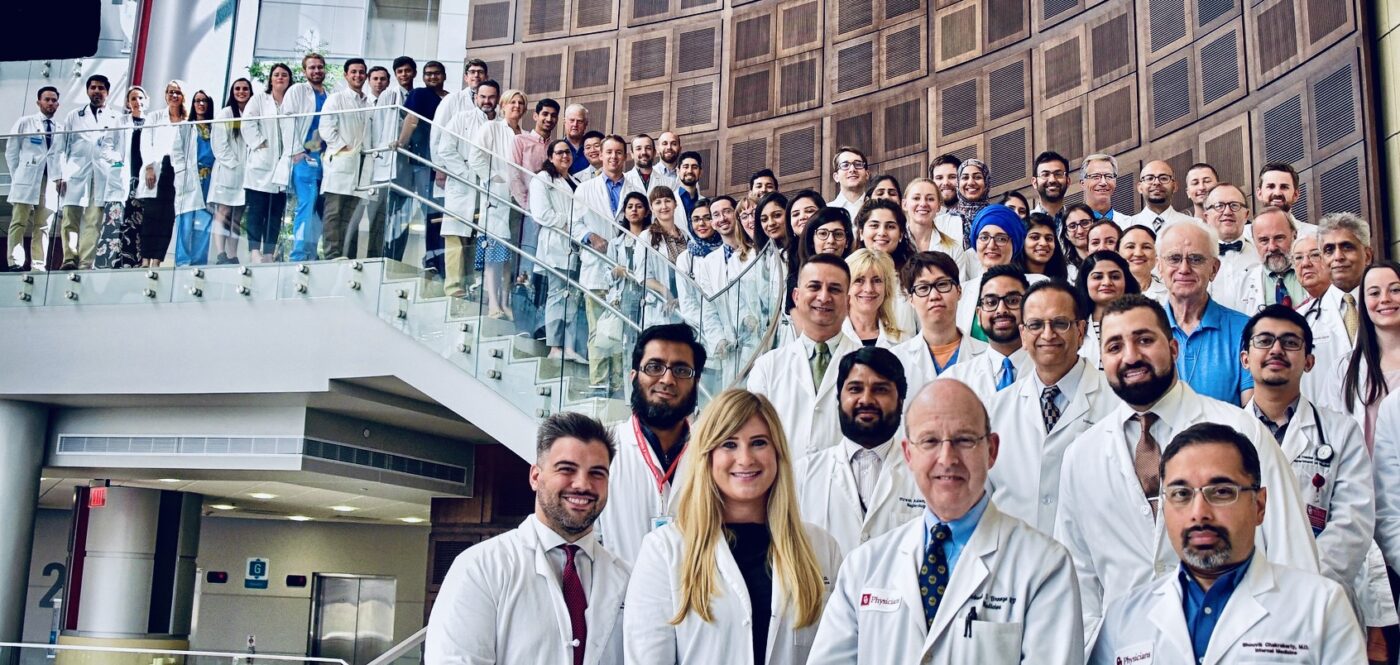
The OU College of Medicine’s 2026-2027 secondary has three required essays: two of up to 450 words and one of up to 250 words. The college emails the supplemental application link after it receives your AMCAS materials. The fee is $85, waived for AMCAS fee waiver recipients, and the deadline is December 1, 2026. Prompts are listed below exactly as written for 2026-2027. The college does not post them publicly, so always check the wording and limits in your portal.
Tulsa School of Community Medicine questions have not been published for the 2026-2027 cycle. In past cycles, Tulsa applicants answered additional questions about their interest in community medicine. If your portal shows Tulsa questions, answer them with the same care as the main essays. MD/PhD applicants are contacted separately with their own supplemental application.
For prompts from other schools, see our medical school secondary essay prompts database.
Essay 1: Mission, Values, Curriculum or Community (450 words)
Prompt: “What aspects of the OU College of Medicine’s mission, values, curriculum, or community drew you to apply? Describe how your goals, experiences, or interests align with what our institution uniquely offers.”
Who answers: All applicants. Limit: 450 words.
What it asks. This is the “why OU” essay, with two parts. First, name what drew you to the college: its mission, values, curriculum or community. Second, connect your own goals, experiences or interests to what the college uniquely offers.
How to approach it. Start with something true about you, not a compliment to the school. Then pick two or three specific features that matter to you, such as the mission focused on improving lives across Oklahoma, the 2025 curriculum with earlier clinical rotations, the choice between Oklahoma City and Tulsa, the Bedlam clinics, the Stephenson Cancer Center or the Harold Hamm Diabetes Center. For each one, say why it matters to your goals. If you have Oklahoma ties, this is a natural place to explain them.
Illustrative example, not an actual applicant essay
My grandmother kept her insulin in a butter dish on the top shelf of her refrigerator in Atoka County, three hours from the nearest endocrinologist. When her sugars started swinging, the trip to Oklahoma City meant a day off for my mother, a full tank of gas and a night of worrying about the drive home. At fourteen, I kept her logbook because her eyesight was failing. That logbook is the reason I want to train at the OU College of Medicine.
The college’s mission, “Leading health care in patient care, education and research. Through our combined efforts, we strive to improve the lives of all people,” reads to me as a promise to people like my grandmother. OU Health is the state’s academic health system, and the college sits at its center. Students here learn where Oklahomans with complicated illnesses end up: the Stephenson Cancer Center, the state’s only Level 1 trauma center and the Harold Hamm Diabetes Center, where my grandmother was eventually seen. I want to learn medicine from the people who see the hardest cases in my state, and I want to understand why so many of those patients arrive late.
My experiences point in the same direction. For two years I have worked as a pharmacy technician in a small-town pharmacy. I have seen patients split pills to stretch a prescription and drive forty minutes because our store was the only one open on Sunday. I learned to ask one more question at the counter, and that habit has mattered. In college I spent a summer on a research project measuring how often rural patients missed follow-up visits, and I learned how much distance and work schedules shape outcomes that we usually blame on patients.
Three parts of the college fit those goals. The curriculum that began in 2025 moves students into clinical work earlier, and I learn best when I can connect a lecture to a patient I have met. The two tracks matter to me as well. The Oklahoma City track would put me at the center of the state’s academic health system, while the School of Community Medicine in Tulsa builds training around community physicians, public health and student-run clinics. Either way, I would graduate from a school that is growing its class to meet Oklahoma’s need for physicians, and about half of OU’s graduates stay to practice in the state.
I plan to be one of them. I want to practice internal medicine with a focus on diabetes in southeastern Oklahoma, close enough to home that a patient like my grandmother would not need a full day and a full tank of gas to see me.
Why this example works. The opening image of the grandmother’s logbook gives the essay a personal anchor and returns in the last line. The applicant quotes the mission and then explains what it means to them, which answers “mission” and “values” directly. The specific features chosen (OU Health, the Stephenson Cancer Center, the Level 1 trauma center, the Harold Hamm Diabetes Center, the 2025 curriculum and the two tracks) are real and are each tied to a goal. The second half answers “how your goals, experiences, or interests align” through the pharmacy technician job and a rural research project. The ending names a career goal in Oklahoma, which fits a school where about half of graduates practice in the state.
Mistakes to avoid.
- Listing many programs without explaining why each matters to you.
- Praising rankings or reputation in general terms.
- Repeating your personal statement instead of building on it.
- Claiming Oklahoma ties you cannot document, or hiding the ties you do have.
- Writing about a program, center or track that does not exist at OU.
Essay 2: Service and Community Health (450 words)
Prompt: “Describe a meaningful experience where you engaged in service, advocacy, community partnership, or work with underserved or marginalized populations. What did you learn about the factors that influence community health, and how will this shape your approach to medicine?”
Who answers: All applicants. Limit: 450 words.
What it asks. Three things: describe one meaningful experience of service, advocacy, community partnership or work with underserved populations; explain what you learned about the factors that influence community health; and explain how that will shape the way you practice.
How to approach it. Choose one experience where you were present long enough to see patterns. Tell one concrete story, then step back and name the factors you learned about: transportation, work schedules, insurance, language, food access, housing or trust. End with specific habits you will carry into medicine, not a general promise.
Illustrative example, not an actual applicant essay
On Tuesday evenings for two years, I sat at the intake table of a free clinic in a church fellowship hall in south Oklahoma City. My job was to check patients in, take blood pressures and interpret for Spanish-speaking patients before they saw the volunteer physician. The first night, I thought the hardest part would be the medical vocabulary. It was not.
The patient who taught me the most was a roofer in his fifties I will call Mr. R. His blood pressure was 182 over 104 the first time I measured it. The physician started him on a medication and asked him to return in two weeks. He came back six weeks later with an empty bottle and the same reading. When I asked what happened, he explained it in a few sentences. The clinic was only open on Tuesday evenings, and in summer he worked until dark. The pharmacy that filled the prescription closed at six. His supervisor docked pay for leaving early, and he had already used his one ride for the month from his nephew.
Nothing in that story was about his understanding of hypertension. He knew his numbers were dangerous. The factors that controlled his health were his work hours, the clinic’s schedule, the location of a pharmacy and the cost of a missed shift. Once I saw that, I started noticing the same pattern in other patients. A diabetic patient skipped meals because her food pantry closed before her shift ended. A mother missed her own appointments because she had no one to watch her children.
I brought these observations to the clinic coordinator, and we made two small changes. We began asking every new patient when they could actually come back, and we partnered with a pharmacy that stayed open later to send prescriptions there by default. These were not dramatic fixes, but our return rate for blood pressure follow-up visits improved over the next several months, and Mr. R came back on time twice in a row.
That year changed how I think about medicine. I used to see a missed appointment as a patient’s failure. Now I see it as information. As a physician, I want to ask about work, transportation and family obligations as routinely as I ask about chest pain, and I want to design follow-up plans that fit the patient’s real week. I also want to stay involved in the systems around my patients, from clinic hours to pharmacy access, because some of the most important decisions about their health are made far from the exam room. Community health is shaped by schedules and distances long before it is shaped by prescriptions.
Why this example works. The experience is specific and sustained: two years of weekly intake work and interpreting at a free clinic. One patient story carries the essay, and it is told with concrete numbers and details. The middle section answers the second question directly by naming the factors that influenced health (work hours, clinic schedules, pharmacy hours, lost wages, transportation, child care and food access). The change the applicant helped make shows initiative without overstating it. The final paragraph answers the third question with concrete practices, which is exactly what “how will this shape your approach” invites.
Mistakes to avoid.
- Telling a story where you rescue someone instead of learning from them.
- Listing hours and roles without reflection.
- Using a patient’s real name or identifying details.
- Naming “social determinants” in general without showing them in a real case.
- Ending with a vague promise to “give back.”
Essay 3: Learning Environment (250 words)
Prompt: “Medical education environments differ in structure, culture, and emphasis. Describe the kind of learning environment in which you believe you will thrive. What combination of experiences, such as community-engaged learning, longitudinal clinical experiences, team-based or interprofessional care, research and scholarly opportunities, population-health initiatives, or exposure to a broad range of clinical settings, will best support your growth as a future physician, and why?”
Who answers: All applicants. Limit: 250 words.
What it asks. Describe the learning environment where you will thrive, choose the combination of experiences that will best support your growth and explain why.
How to approach it. You have only 250 words, so pick two or three items from the prompt’s list and support each with evidence from your own experience. You do not need to name OU programs, but the best answers fit what OU actually offers: early clinical exposure, a required interprofessional education course, community-engaged learning in Tulsa, longitudinal care at the Bedlam L-Free clinic, summer research electives and a range of settings from a Level 1 trauma center to community clinics.
Illustrative example, not an actual applicant essay
I learn best when I follow the same people over time and work beside others who see them differently. As a hospice volunteer, I visited one patient weekly for eight months. I learned more about heart failure from his good weeks and bad weeks than from any textbook chapter, and I learned the most when his nurse, chaplain and daughter compared notes at his bedside.
That is why longitudinal clinical experience and team-based care would best support my growth. I want to meet patients early, keep seeing them and watch how a care plan holds up in a real household. A longitudinal model would teach me continuity and accountability, two habits I want before residency. Interprofessional work matters just as much. In hospice, the nurse often noticed changes first, and the social worker knew why a medication was being skipped. I want to train where pharmacists, nurses and physician associates are teachers, not background.
I also thrive with a mix of settings. A large referral center would show me complex disease I cannot see elsewhere, while community clinics would show me how most Oklahomans actually receive care. Seeing both would help me decide where I am most useful.
I do well with structured support and honest feedback. Small teams, clear expectations and faculty who explain their reasoning keep me improving. A program that combines early patient contact, longitudinal relationships, team care and a range of clinical sites would help me become a physician who listens well and follows through.
Why this example works. The essay opens with evidence (eight months of weekly hospice visits) for the claim that the applicant learns through continuity and teamwork. It chooses three items from the prompt (longitudinal clinical experience, interprofessional care and a broad range of settings) and gives a reason for each. It closes with what the applicant needs from faculty, which answers the “structure, culture and emphasis” framing. Everything it asks for exists at OU, so it reads as a good fit without name-dropping.
Mistakes to avoid.
- Repeating the prompt’s list back without choosing.
- Describing an environment that does not match OU, such as a fully pass/fail, research-only or online program.
- Writing about learning styles in the abstract with no example.
- Going over 250 words. Count before you paste.
Questions From Earlier Cycles
Earlier OU secondaries asked why you were applying, whether you had family or friends in Oklahoma and where else you were applying. Those questions are not part of the 2026-2027 secondary. Their themes still matter, though: explain your reasons for OU in Essay 1, and document any Oklahoma ties wherever your portal asks for them.
General Secondary Tips
- Pre-write in summer. The prompts are known, so draft before your secondary arrives.
- Return it promptly. The Admissions Board meets on set dates; an earlier complete file can be considered sooner.
- Avoid overlap. Use each essay for a different experience if you can.
- Stay honest. Never claim experiences, ties or interests you cannot discuss in an interview.
- Proofread in the portal. Formatting and word counts can shift when you paste text.
Interview Format and Preparation
An interview invitation from the OU College of Medicine is a significant step, because only interviewed applicants can be admitted. The interview score is combined with your cognitive score to rank applicants, so preparation matters.
Format
- Virtual interview. Interviews are virtual and are conducted over Zoom. Applicants are scheduled for a 75-minute interview with members of the admissions interview subcommittee, which includes College of Medicine faculty, practicing community physicians and senior medical students.
- Orientation. The interview day begins with a required online orientation session, followed by logistics for the interview experience.
- Optional campus tour. Invited applicants may attend an optional on-campus group tour, which covers both tracks, includes time with current students and tours the Oklahoma City campus. Tours of the Tulsa campus are also available.
- Timing. Applicants selected for final consideration are interviewed virtually between August and December. The college aims to have its class selected by March 1.
- Tulsa interview. Applicants interested in the School of Community Medicine receive an additional interview with that school.
- Questions based on competencies. The MD program lists an interview built on the AAMC premed competencies, the professional, thinking and science skills the AAMC expects of entering medical students.
Focus of the Interview
- Beyond academics. Your numbers got you here. The interview explores your motivation, communication, judgment and readiness for a demanding program.
- Core qualities. Be ready with examples of compassion, teamwork, leadership, reliability and how you handled a setback.
- Your “why.” Expect to explain why medicine and why OU. Know the mission, the two tracks and how your goals fit Oklahoma.
Preparing for Success
- Research the college. Know the mission, the 2025 curriculum, the tracks, the Bedlam clinics and the major clinical sites. Use this knowledge to answer questions, not to recite facts.
- Practice common questions. Our list of medical school interview questions covers motivation, experiences, ethics and challenges.
- Prepare competency stories. Write down six to eight short stories that show qualities such as teamwork, reliability, ethical judgment and resilience, each with a situation, your action and what you learned.
- Rehearse on video. Practice in the same kind of setting you will use: quiet room, stable internet, camera at eye level and good lighting.
- Be yourself. Interviewers include students and community physicians. Speak plainly and honestly.
- Ask thoughtful questions. Ask about rural rotations, research time, the Tulsa track, student support or how the new curriculum has changed clinical training.
Our medical school admissions consulting services include mock interviews if you want structured practice and feedback.
After the Interview
An invitation is not an acceptance. You must reach the minimum interview score, and then you are ranked with other interviewees. Keep your AMCAS information current and respond promptly to any messages from the admissions office.
Frequently Asked Questions
What is the University of Oklahoma College of Medicine known for?
The college is known as Oklahoma’s first medical school and the academic center of OU Health, the state’s comprehensive academic health system. Students train at the state’s only Level 1 trauma center, Oklahoma Children’s Hospital and the Stephenson Cancer Center, Oklahoma’s only NCI-designated cancer center. It is also known for its School of Community Medicine in Tulsa, created as the nation’s first school of community medicine, and for its commitment to Oklahoma’s rural and underserved communities. About half of OU’s physician graduates practice in the state.
Is it hard to get into OU Medical School?
Yes. Admission is competitive, and the college receives many more applications than it has seats. It uses a holistic process: applicants are screened by a cognitive score that combines MCAT and science GPA, then interviewed and ranked by a weighted mix of cognitive and interview scores. The college looks for academic strength, leadership, service, clinical and research experience and alignment with its mission. Oklahoma residents have the strongest position, but nonresidents are interviewed through the same process.
What is the average MCAT score for the University of Oklahoma College of Medicine?
Students admitted to the class that entered in 2023 had an average total MCAT of 509, the newest figure the college publishes. For the 2025 entering class, the median MCAT among accepted applicants was 511. The minimum MCAT is 492, but the college says that minimum is not competitive. Your most recent score is used, and it must be no more than two years old.
How many people apply to the OU College of Medicine?
For the 2025 entering class, the college received 2,590 verified applications, interviewed 579 applicants and enrolled 202 students, the class of 2029. Of those applications, 339 came from Oklahoma residents and 2,248 from other states. The number of offers is not reported, so no acceptance rate can be calculated.
What degree programs are offered at the University of Oklahoma College of Medicine?
The college offers the MD on two tracks (Oklahoma City and Tulsa), an MD/PhD for future physician-scientists and an MD/MPH dual degree. Tulsa students can also earn a public health certificate or take an extra year for an MPH. The college also runs a Physician Associate program, PhD programs in the biomedical sciences and residency and fellowship programs.
Are there residency programs associated with the OU College of Medicine?
Yes. The college sponsors residencies and fellowships through its Graduate Medical Education office, with more than 50 accredited specialty and subspecialty programs in Oklahoma City. Clinical departments range from family and preventive medicine, internal medicine, pediatrics and psychiatry to surgery and its specialties. Residents train across OU Health and partner sites, and medical students work alongside them on rotations.
What opportunities are available for clinical training at the University of Oklahoma College of Medicine?
Students complete core clerkships in medicine, surgery, obstetrics and gynecology, pediatrics, psychiatry, family medicine and neurology, plus specialty rotations, electives and a required sub-internship. Sites include OU Health Medical Center, Oklahoma Children’s Hospital, the Stephenson Cancer Center, the VA Medical Center and, in Tulsa, community hospitals, OU Health clinics, community physician practices and the student-led Bedlam clinics.
What support services are available for students at the University of Oklahoma College of Medicine?
The Office of Student Affairs provides academic advising, student success support, career advising, specialty guides, shadowing and mentoring, research and volunteering resources, wellness programs and match support. The college also offers resources for first-generation students and has about 40 student organizations.
How does the University of Oklahoma College of Medicine prepare students for a career in health care?
The curriculum combines active learning, early clinical exposure, required clerkships, interprofessional education and a capstone. Students must show competence in medical knowledge, patient care, communication, professionalism, practice-based learning and systems-based practice. The college reported a 97% residency match rate in 2024.
Is Oklahoma University a good medical school?
It is a fully accredited public medical school at the center of Oklahoma’s academic health system, with strong clinical training sites, a 97% match rate in 2024 and growing research. Whether it is good for you depends on fit. It suits applicants who want broad clinical training at a state academic center, who are interested in Oklahoma or in underserved communities and who value the choice of a community-focused Tulsa track. For Oklahoma residents, the tuition is also much lower than at most private schools.
What is the average GPA for the University of Oklahoma Medical School?
Students admitted to the class that entered in 2023 had an average GPA of 3.86, the newest figure the college publishes. For the 2025 entering class, accepted applicants had a median overall GPA of 3.89 and a median science GPA of 3.85. The minimum total GPA is 3.0, which the college says is not competitive. Your BCPM (science) GPA is part of your cognitive score, so science grades carry extra weight.
Do I need ties to Oklahoma to be admitted?
No, but they help explain your interest. Nonresidents are granted interviews through the same screening process, and their applications are also reviewed for ties such as previous residence in Oklahoma, attending an Oklahoma college or having family in the state. Ties are not required to receive an interview. If you have ties, document them on the supplemental application. If you do not, explain clearly why the college fits your goals.
Can international students or DACA recipients apply?
No. Applicants must be U.S. citizens or hold a U.S. permanent visa at the time of application. This rule comes from the Oklahoma State Regents for Higher Education. Canadian citizens and other international applicants are eligible only if they hold U.S. permanent residency.
What are the OU College of Medicine secondary essay prompts for 2026-2027?
There are three required essays. The first asks what drew you to the college’s mission, values, curriculum or community and how your goals align (450 words). The second asks about a meaningful experience of service or work with underserved populations and what you learned about community health (450 words). The third asks about the learning environment where you will thrive (250 words). The fee is $85, and the deadline is December 1, 2026.
What is the School of Community Medicine, and how do I choose a track?
The OU School of Community Medicine is the college’s Tulsa track. It trains students in community hospitals, OU Health clinics and community practices, with small classes, a Summer Institute, student-led Bedlam clinics and public health options. All successful applicants are interviewed and offered the Oklahoma City track; those interested in Tulsa get an additional interview. If you are offered both, you choose.
Does the OU College of Medicine require Casper or PREview?
Neither is required. The AAMC PREview exam is recommended, but scores are held separately for research and are not used in evaluation. Casper is not listed as a requirement.
How many letters of recommendation does OU require?
Three letters from people familiar with your recent scientific work, study or professional experience. A premedical committee letter counts as two of the three. Letters go through the AMCAS Letter Service, and you may send up to eight in total. Graduate students also need a good-standing letter from their program director or chair.
What are the prerequisites, and are they changing?
For 2026-2027, required courses (grade of C or better) are one semester of biology with lab, one semester of genetics, cell or molecular biology, two semesters each of English, general chemistry, organic chemistry and physics, and three semesters of humanities. Starting with the 2027-2028 cycle, these courses become recommended rather than required.
How much does the OU College of Medicine cost?
For 2026-27 in Oklahoma City, estimated tuition plus mandatory and program fees is $36,851.65 for residents and $70,878.05 for nonresidents. Living costs and health insurance are extra. In 2025-26, the total first-year cost of attendance was $77,430 in-state and $112,726 out-of-state. No admissions deposit is required.
How can I get clinical experience before applying?
Look for roles with real duties and steady hours, such as medical assistant, EMT, scribe, pharmacy technician or hospice volunteer. Supervised pre-health internships where you take vitals and help with intake are another option. Keep a log of your hours and what you learned, because the second secondary essay asks you to reflect on service and community health.
What is the OU College of Medicine interview like?
It is a 75-minute virtual interview over Zoom with members of the admissions interview subcommittee, which includes faculty, practicing community physicians and senior medical students. It begins with a required online orientation. Invited applicants can also join an optional on-campus tour. Tulsa track applicants have an additional interview.
Related Medical School Guides
If you are considering the OU College of Medicine, these guides cover schools with a related geography, mission or applicant profile. They are not ranked by difficulty.
- Marshall University Joan C. Edwards School of Medicine: a public MD school with a strong focus on rural and primary care medicine in its own state, a useful comparison for applicants drawn to OU’s rural mission.
- Tulane University School of Medicine: a private MD school in the South with a strong public health tradition, a fit for applicants interested in OU’s MD/MPH.
- LSU Health New Orleans School of Medicine: a regional public MD school that, like OU, primarily serves residents of its state.
- University of Alabama School of Medicine: a large public academic health system in the South with regional campuses, similar to OU’s two-track model.
- University of South Alabama College of Medicine: a smaller public MD school focused on its region, a good comparison for in-state applicants weighing cost and fit.
- Medical University of South Carolina (MUSC): a public academic health center with a strong research focus, relevant for applicants interested in OU’s research growth.
- University of Kansas School of Medicine (KUMC): a neighboring state’s public MD school with multiple campuses and a rural mission.
- University of Arkansas for Medical Sciences (UAMS): another neighboring state’s public academic health center with a statewide mission.
For an Oklahoma DO option, read our guide to Oklahoma State University College of Osteopathic Medicine, and for a side-by-side view of every program in the state, see our guide to medical schools in Oklahoma.
More Medical School Guides to Compare
For those exploring medical education options, it is important to research the unique characteristics of each medical school. This will help you find a program that aligns with your goals in medicine.
- Warren Alpert Medical School of Brown University
- Georgetown University Medical School
- Yale School of Medicine
- West Virginia University School of Medicine
- West Virginia School of Osteopathic Medicine
- Indiana University School of Medicine
- Des Moines University College of Osteopathic Medicine
- University of Iowa Roy J. and Lucille A. Carver College of Medicine
- Marian University College of Osteopathic Medicine
- Meharry Medical College
- Howard University College of Medicine
- Charles R. Drew University of Medicine and Science College of Medicine
- Loma Linda University School of Medicine
- John A. Burns School of Medicine (JABSOM)
- Kansas College of Osteopathic Medicine (KansasCOM)
- UC Irvine School of Medicine
- Nova Southeastern University College of Allopathic Medicine
- Touro University Nevada College of Osteopathic Medicine
- University of Miami Miller School of Medicine
- Arkansas College of Osteopathic Medicine (ARCOM)
- LSU Shreveport Medical School
- Kirk Kerkorian School of Medicine at UNLV
- University of Nevada Reno School of Medicine
- University of Arizona College of Medicine-Tucson
- University of Arizona College of Medicine-Phoenix
- Burrell College of Osteopathic Medicine (BCOM)
- The University of New Mexico School of Medicine
- Alabama College of Osteopathic Medicine (ACOM)
- FIU College of Medicine
- UCF College of Medicine
- USF Morsani College of Medicine
- Florida State University College of Medicine
- Morehouse School of Medicine
- Medical College of Georgia at Augusta University
- Mercer University School of Medicine (MUSM)
- Campbell University School of Osteopathic Medicine (CUSOM)
- ECU Brody School of Medicine
- Edward Via College of Osteopathic Medicine (VCOM)
- University of South Carolina Medical School
- Lewis Katz School of Medicine at Temple University
- Philadelphia College of Osteopathic Medicine (PCOM)
- Geisinger Commonwealth School of Medicine (GCSOM)
- Penn State Medical School
- CUNY School of Medicine
- SUNY Downstate Medical School
- NYIT College of Osteopathic Medicine
- NYU Long Island School of Medicine
- Albany Medical College
- TOURO College of Osteopathic Medicine
- Norton College of Medicine at Upstate Medical University
- Jacobs School of Medicine at the University at Buffalo
- Hofstra Zucker School of Medicine
- Weill Medical College of Cornell University
- University of Rochester Medical School
- Icahn School of Medicine at Mount Sinai
- Renaissance School of Medicine at Stony Brook University
- Albert Einstein College of Medicine
- Ohio University Heritage College of Osteopathic Medicine
- Northeast Ohio Medical University (NEOMED)
- University of Cincinnati College of Medicine
- University of Toledo College of Medicine
- Wright State University Boonshoft School of Medicine
- Ohio State University College of Medicine
- Rowan University School of Osteopathic Medicine
- Hackensack Meridian School of Medicine (HMSOM)
- Rutgers New Jersey Medical School (NJMS)
- Rutgers Robert Wood Johnson Medical School
- Cooper Medical School of Rowan University (CMSRU)
- A.T. Still University Kirksville College of Osteopathic Medicine
- Saint Louis University School of Medicine
- University of Missouri Medical School
- Kansas City University (KCU)
- UMKC School of Medicine
- New York Medical College
- University of Pittsburgh School of Medicine
- University of Wisconsin Medical School
- VCU School of Medicine
- University of Maryland School of Medicine
- Case Western Medical School
- University of North Carolina Medical School
- University of Florida Medical School
- Emory University School of Medicine
- Boston University College of Medicine
- California University of Science and Medicine
- UC San Diego Medical School
- California Northstate University College of Medicine
- Touro University of California
- CHSU College of Osteopathic Medicine
- UC Davis School of Medicine
- Harvard Medical School
- UC Riverside School of Medicine
- USC Keck School of Medicine
- UT Southwestern Medical School
- Long School of Medicine at UT Health San Antonio
- University of the Incarnate Word School of Osteopathic Medicine
- UT Austin’s Dell Medical School
- UTMB School of Medicine
- McGovern Medical School at UT Health
- Johns Hopkins School of Medicine
- The University of Texas Rio Grande Valley School of Medicine
- UNT Texas College of Osteopathic Medicine
- University of Houston College of Medicine
- Texas A&M College of Medicine
- Baylor College of Medicine
- George Washington University School of Medicine
- Vanderbilt University School of Medicine
- St. George’s University School of Medicine
- Lake Erie College of Osteopathic Medicine (in Pennsylvania)
- Sidney Kimmel Medical College at Thomas Jefferson University
- Wake Forest University School of Medicine
- Western University of Health Sciences (in California)
- Drexel University College of Medicine
- Stritch School of Medicine at Loyola University Chicago
- Perelman School of Medicine
- UCLA Medical School
- NYU Medical School
- Washington University School of Medicine
How International Medical Aid Can Help
International Medical Aid (IMA) runs clinical internships abroad for pre-health students, in Kenya and at other sites. Interns work under the supervision of local health professionals: they take vitals, help with patient intake and triage and help with direct patient care. These experiences can give you material for the OU secondary essays, especially the one on service and community health, because you work directly with patients in low-resource settings and see firsthand how distance, cost and access shape health.
Global Internships
IMA’s global internships are hands-on healthcare internships abroad for students preparing for medical, PA or nursing school. Our pre-med internships abroad focus on supervised clinical work for future physicians, and you can learn about all of IMA’s medical internships abroad on our homepage. Participation does not create any affiliation with the OU College of Medicine and does not guarantee admission anywhere; what it can do is give you real patient experience to reflect on.
Global Health Initiatives
IMA’s global health initiatives support communities with limited access to care. Learning how care works in those settings can sharpen your thinking about the factors that influence community health in Oklahoma, which is what the second OU secondary asks you to reflect on.
Admissions Consulting
Our medical school admissions consulting helps applicants build a school list, write personal statements and secondary essays and prepare for interviews. Advisors help you explain your experiences clearly and connect them to each school’s mission, including OU’s focus on Oklahoma and underserved communities.
Your Next Step
If you are applying this cycle, focus on your secondary and interview. If you are a year or more away, plan a period of steady clinical work, whether at home or abroad, and keep notes you can turn into strong essays later.
Final Thoughts and Sources
Final Thoughts
The University of Oklahoma College of Medicine offers a public MD education at the center of Oklahoma’s academic health system, with a choice between a large academic campus in Oklahoma City and a community-focused track in Tulsa. Its class is growing, its curriculum now moves students into clinical work earlier and its research ambitions are rising. For residents, the cost is modest compared with many schools; for nonresidents, it is much higher.
Your next step depends on where you are. If you are applying in 2026-2027, submit AMCAS by October 15, 2026, return your secondary well before December 1, 2026 and prepare for a virtual interview. If you are planning for a later cycle, remember that required courses become recommended starting in 2027-2028, and spend your time building steady clinical and service experience you can write about. We encourage you to attend an OU Admissions At-A-Glance session, talk with current students and, if you want one-on-one help, connect with our advisors. Good luck.
Sources
Facts in this guide were checked against these sources on October 28 and 29, 2026. Cohort and academic year labels appear with each figure above.
- OU College of Medicine: Doctor of Medicine (MD) program page (class size, match rate, requirements, prerequisites, letters, deadlines, Admissions Board dates, tracks, advising); MD/PhD Requirements for Application; Student Life and Student Associations; Prospective Students; Physician Associate Program pages (About OU PA, Prospective Applicants, Mission Statement and Goals).
- OU College of Medicine: Strategic Plan FY26-FY30 (mission, vision, values); History; LCME Accreditation; Leadership; Meet the Dean; faculty and directory pages for Robert Salinas, Seki Balogun, Nathaniel Stetson and Aniruddha Parikh; About the Jimmy Everest Center.
- University of Oklahoma Health Sciences Course Catalog, 2025-2026 Edition, Doctor of Medicine, M.D. (application procedure, supplemental application, basis of selection, 2023 entering class GPA and MCAT, interview timing, tracks, curriculum, MD/PhD, MD/MPH, educational program objectives).
- OUHSC Bursar: Tuition and Fees Estimate, College of Medicine MD Program, Oklahoma City, Academic Year 2026-2027, and the matching Tulsa estimate.
- OU Health physician profiles: Minu M. George, MD, and Olivia Lust, DO.
- AAMC Medical School Admission Requirements (MSAR), University of Oklahoma College of Medicine profile, 2026 edition (accessed October 29, 2026): accepted applicant MCAT and GPA medians and means, and applications, interviews, matriculants and deferrals by residency (2025 entering class); acceptance notice dates, deposit, waitlist, Early Decision, enrollment dates and interview platform (2026-2027 cycle); cost of attendance (Tuition and Student Fees survey, AY 2025-2026); aid and debt (LCME Part I-B, AY 2024-2025); scholarships, nonresident tuition, three-year pathway, grading, clinical training, housing, research funding and global health participation.
- AAMC public reports for applicants and advisors (MSAR, 2027 edition): Admission Policies and Information; Interview Procedures; Secondary Application Policies; DACA; Tuition, Fees and Insurance Information; Debt Information.
- LCME: accreditation status can be confirmed through the LCME website.
- Secondary prompts: 2026-2027 wording, checked October 28, 2026.