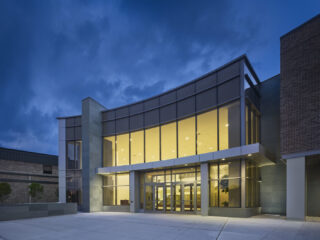

The Donald and Barbara Zucker School of Medicine at Hofstra/Northwell is a private MD school in Hempstead, on Long Island, New York. Many applicants still call it Hofstra medical school or Hofstra Zucker. It was established in 2008 by two equal partners, Hofstra University and Northwell Health. The school is built on Northwell’s strong clinical and graduate medical education programs and on the research of Hofstra and Northwell’s Feinstein Institutes for Medical Research. It welcomed its first class in 2011 and is fully accredited by the Liaison Committee on Medical Education (LCME).
Be an informed applicant. Like most medical schools, Zucker has its own rules, deadlines and priorities. The best way to focus your application is to understand the school’s identity, its selection criteria and its values before you write a word of your secondary.
This guide covers the 2026-2027 application cycle, for students who want to start medical school in summer 2027 as the Class of 2031. It explains the MD program and its joint degrees, the First 100 Weeks and Second 100 Weeks curriculum, first-year EMT training, the 2026 entering class medians, the size of the 2025 applicant pool, 2026-27 costs, the deadlines, CASPer, the virtual Multiple Mini Interview, and every current secondary prompt with a full illustrative example and analysis. Facts were checked on October 18, 2026.
Key Takeaways
- Eligibility is specific. You must be a U.S. citizen, permanent resident or DACA recipient, and you must finish a bachelor’s degree from an accredited U.S. or Canadian college before you start. Zucker cannot sponsor international student visas and gives no preference to New York residents.
- The academic bar is high. The 2026 entering class had a median MCAT of 518 and a median cumulative undergraduate GPA of 3.85. These are medians, not minimums. Zucker publishes no minimum score.
- The mission is about leading change. Zucker describes itself as a school built on community, scholarship and innovation that prepares students to “lead and transform medicine.” Its ten values, from humanism to reflection, show up in the curriculum and in the secondary.
- Deadlines are firm. Regular Decision AMCAS is due November 1 and the secondary and all other materials are due December 1. Early Decision applicants must have everything in by August 1. There are no extensions.
- CASPer is required. Duet is not reviewed. For Regular Decision, the last CASPer test date that counts is November 12 and scores must be distributed by December 1.
- Costs are typical for a private school. Tuition for 2026-27 is $61,800, mandatory fees are $2,075, and the first-year cost of attendance on campus is $101,613, before health insurance.
- Training is hands-on from day one. First-year students train as certified EMTs, learn in small-group PEARLS cases and see patients with community preceptors in their first months. Clinical years run through Northwell hospitals including Lenox Hill, North Shore University Hospital and Long Island Jewish Medical Center.
- Next step: check your eligibility, book CASPer early, and start drafting your “why Zucker” and mission essays before the secondary arrives in July.
Key Statistics About the Zucker School of Medicine at Hofstra/Northwell
The snapshot below brings together the figures applicants ask about most. MCAT and GPA figures are medians for the class that entered in 2026. Application and interview counts are for the class that entered in 2025, the latest cycle with published counts. Costs are for the 2026-27 academic year. The table that follows gives the year and source for each figure.

| Metric | Value | Year or cohort | Source and definition |
|---|---|---|---|
| School and degree | Donald and Barbara Zucker School of Medicine at Hofstra/Northwell; MD (also MD/PhD and PhD; joint MD/MPH, MD/MA, MD/MS and MD/MBA for enrolled students) | Current | Zucker History and Curricular Initiatives pages; private school in Hempstead, NY |
| Accreditation | Full LCME accreditation; first accredited 2010; next survey 2027-28 | As of October 14, 2026 | LCME Accredited MD Programs directory |
| Median MCAT | 518 | 2026 entering class | Zucker How to Apply, Class Profile table; median of matriculants, not a minimum |
| Median cumulative undergraduate GPA | 3.85 | 2026 entering class | Zucker How to Apply, Class Profile table; median of matriculants, not a minimum |
| Entering class size | Limited to 100 students per class; the Class of 2029 enrolled 104 | Current policy; Class of 2029 (entered 2025) | Zucker Admission FAQs; Zucker news, August 5, 2025 |
| Median MCAT and GPA, accepted applicants | MCAT 519; total GPA 3.93; science GPA 3.90 | 2025 entering class | AAMC MSAR, 2026 edition; medians for all accepted applicants (a different group from the matriculant medians above) |
| Verified applications | 5,368 (1,627 in-state, 3,725 out-of-state, 16 international) | 2025 entering class | AAMC MSAR, 2026 edition; verified AMCAS applications |
| Applicants interviewed | 804 (397 in-state, 407 out-of-state); 15.0% of verified applications | 2025 entering class | AAMC MSAR, 2026 edition; interview counts reported by the school. Interview share, not an acceptance rate |
| Offers of admission | Not published | n/a | No offer count is published, so no acceptance rate can be calculated. An acceptance rate must be offers divided by applicants for the same cycle, not class size divided by applicants |
| Matriculants | 104 (60 in-state, 44 out-of-state) | 2025 entering class | AAMC MSAR, 2026 edition; matches the school’s Class of 2029 count |
| Tuition | $61,800 per year, same for in-state and out-of-state students | 2026-27 academic year | Zucker Cost of Attendance and COA Definitions pages |
| Mandatory fees | $2,075 per year (University Fee, Disability Insurance Fee, Student Activity fee) | 2026-27 academic year | Zucker Cost of Attendance and COA Definitions pages |
| Total cost of attendance, year 1 | $101,613 on campus; $101,206 off campus; $91,801 living with family | 2026-27 academic year (10 months) | Zucker Cost of Attendance; health insurance is required but not included |
| Secondary fee | $125, waived for AAMC Fee Assistance Program recipients | 2026-2027 cycle | Zucker Application Requirements |
| Average debt of indebted graduates | $157,418 | 2024-2025 academic year | AAMC MSAR, 2026 edition (LCME Part I-B Student Financial Aid Questionnaire) |
| Students receiving financial aid | 88% | 2024-2025 academic year | AAMC MSAR, 2026 edition (LCME Part I-B); all enrolled and graduated students |
| Match 2026 | 82 students; 99% matched; 16 specialties; 15 states; 22 stayed at Northwell | Match Day, March 20, 2026 | Zucker news, March 20, 2026 |
| Faculty and students | More than 4,000 faculty in 25 academic departments; over 400 students | Current | Zucker Difference page |
For the class that entered in 2025, Zucker received 5,368 verified applications and interviewed 804 applicants, about 15% of the pool, to enroll a class of 104. No offer count is published, so there is no official acceptance rate to quote. Any single “Hofstra acceptance rate” you see without a cycle and a definition should be treated with care. If you divide a class of about 100 by a pool of more than 5,000, you get the share of applicants who enrolled (about 1.9% for 2025), which is always lower than the share who were admitted. For side-by-side class numbers at other schools, see our list of the average GPA and MCAT score for every medical school.
Mission and Educational Priorities
Zucker’s mission statement is one sentence: “The School of Medicine, in a culture of community, scholarship and innovation, is dedicated to inspiring diverse, promising students to lead and transform medicine for the betterment of humanity” (see the school’s Mission, Vision and Values).
The vision behind it is just as direct. The school wants to be a premier “Millennial Medical School,” to help redefine medical education, to improve the health of the region and to change Hofstra, Northwell and the community for the better.
Zucker is guided by ten essential values that it believes are vital in medicine:
- Community. Educating future physicians to take responsibility for the health of their communities and to advocate locally, regionally and nationally.
- Scholarship. A broad culture of scholarship, with students learning to link scholarly work to their success as physicians.
- Innovation. Encouraging creativity, leadership and “the courage to experiment,” and pushing people out of their comfort zones.
- Learning. The school says it values “learning over teaching” and organizes itself as a learning community.
- Humanism. Caring for patients and colleagues with compassion, tolerance, respect and empathy.
- Diversity. A diverse and inclusive learning community that helps students recognize the role of bias.
- Professionalism. The personal transformation of students into physicians through admissions, mentoring and a curriculum built around the student doctor-patient relationship.
- Patient centeredness. Time and skills to examine the thoughts and feelings that come from intense patient encounters.
- Reflection. Mentored self-reflection and assessment throughout the program.
- Vision. The courage to see beyond “what is” and to develop leaders who can take the school there.
What the mission means for applicants
Three practical points follow from this mission.
First, Zucker wants students who will change things, not only fit in. The Innovation value says the school “will be intolerant of those who accept the status quo.” In your application, that means showing at least one time you noticed a problem and did something about it, even on a small scale: a scheduling fix at a clinic, a new tutoring format, a better handoff sheet for volunteers.
Second, community is not an abstract word here. The school’s Outreach and Involvement statement repeats the Community value: physicians should “embrace responsibility for the health of their communities” and be advocates. Zucker students run a free clinic in Queens and can earn a Distinction in Community Engagement and Research. Sustained service, especially with underserved patients, is a natural fit.
Third, the school values learning over teaching. Its curriculum limits contact hours each week so students have time for self-directed study, and its small-group PEARLS cases ask students to set their own learning objectives. Applicants who can show that they learn actively, and who are comfortable explaining and defending their reasoning in a group, will find the curriculum a good match.
The mission also shows up directly in the secondary. One of the three 2026-2027 essays quotes a version of the mission and asks how you would contribute to the school’s mission and values and where that will take you. Read the full list of values before you write it.
Accreditation and Institutional Identity
The MD program is accredited by the LCME, the body that accredits MD programs in the United States and Canada. LCME accreditation applies to the medical education program, not to Hofstra University as a whole. The LCME directory lists the Donald and Barbara Zucker School of Medicine at Hofstra/Northwell in Hempstead with full accreditation, an initial accreditation year of 2010 and its next full survey in 2027-28 (see the LCME directory of accredited programs).
The school’s own history shows how quickly it grew:
- March 26, 2008: Hofstra University and Northwell Health agreed to establish the first allopathic medical school in Nassau County. Founding Dean Lawrence Smith, MD, led the first team through the LCME self-study.
- June 2010: Preliminary accreditation, and the first building opened on the site of a former professional sports facility.
- August 1, 2011: The inaugural class arrived. That first class of 40 students graduated in 2015.
- 2013: Provisional accreditation, and construction began on a building addition.
- 2015: The expansion opened, bringing the education building to 113,000 square feet. The school held its first Match Day and first commencement, then attained full accreditation.
- 2016: Renamed the Hofstra Northwell School of Medicine (it opened as the Hofstra North Shore-LIJ School of Medicine).
- August 2017: Donald and Barbara Zucker gave $61 million, with $50 million for permanent scholarship funds, and the school took its current name. The Zucker Pipeline Program for college students launched in this period.
- 2020: A continued full eight-year accreditation term.
- July 2022: David L. Battinelli, MD, became dean.
- 2023 to 2024: A Curriculum Renewal project began, and advanced robotic surgery training was added to the MD curriculum.
Hofstra and Northwell: two partners, one school
The partnership is the school’s defining feature. Hofstra provides the university setting in Hempstead, the campus housing and joint-degree partners such as the School of Health Sciences. Northwell Health, one of the largest health systems in the nation, provides the hospitals and clinical faculty. The Feinstein Institutes for Medical Research, Northwell’s research arm, and Cold Spring Harbor Laboratory host student research. The school says it has more than 4,000 faculty members across 25 academic departments and over 400 students.
Rankings and recognition
Zucker has been recognized among the top medical schools nationwide for medical research by U.S. News & World Report’s Best Graduate Schools for eleven consecutive years, from 2016 through 2026. The school’s pages do not list its current numeric rank, and ranking positions change each year, so check the current edition directly if a rank matters to you. A ranking also says nothing about whether the school fits you. Its curriculum, location and clinical training sites matter far more to your day-to-day life as a student.
Medical Programs and Affiliations
Take your time to research the programs Zucker offers before you apply. Knowing what is available, and which programs you apply to at entry versus after you enroll, will help you make an informed decision and focus your application. Zucker offers its MD in several forms.
MD: Doctor of Medicine
The four-year MD is the main program and the focus of this guide. It is split into the First 100 Weeks (years 1 and 2) and the Second 100 Weeks (years 3 and 4), described in the curriculum section below. Each entering class is limited to 100 students, and the school offers an Early Decision Program for the MD only.
MD/PhD: Doctor of Medicine and Doctor of Philosophy
The MD/PhD program trains physician-scientists. Students earn a PhD in The Molecular Basis of Medicine, with a focus on biomedical, translational and clinical research that connects laboratory findings to clinical practice. Research takes place at the Feinstein Institutes for Medical Research and Cold Spring Harbor Laboratory. You apply through AMCAS by selecting the MD/PhD program, then complete program-specific steps (see MD/PhD admission). For 2026-27, accepted MD/PhD students receive a scholarship covering full tuition and fees and a stipend of $48,500 a year. If you are weighing the two paths, our comparison of MD vs MD-PhD training and career paths can help.
PhD: Doctor of Philosophy, The Molecular Basis of Medicine
The PhD program prepares students for investigative careers in translational and disease-related research. Accepted PhD students also receive a full tuition and fees scholarship and the $48,500 stipend for 2026-27.
Joint degrees for enrolled students: MD/MPH, MD/MA, MD/MS and MD/MBA
These programs are for students already enrolled at Zucker, not for applicants at entry. The school’s goal is for students to finish both degrees in five years, usually by adding a year between the third and fourth years of medical school (see Curricular Initiatives).
- MD/MPH. Offered with Hofstra’s School of Health Sciences for students who want public health skills. It aims to graduate physicians who understand the social, behavioral, economic and political determinants of health and can use that knowledge to improve the health of populations. Students apply in the third year, by March 1 of the year before they start.
- MD/MA in Clinical Bioethics. For students interested in ethics committees, health policy, law and patient advocacy. A nine-month Certificate in Clinical Bioethics, offered by the Gitenstein Institute for Health Law and Policy, is open as early as year 2 and counts toward the MA.
- MD/MS in Translational and Clinical Research. A one-year, mentored research program for students with limited prior research exposure. Students apply in the second or third year, after Step 1, by April 1. Tuition remission and a stipend are provided, and graduates may move into the MD/PhD program.
- MD/MBA. For students who want core business skills, leadership and decision analysis for health care. Most students take a one-year leave after year three to complete the MBA coursework.
MD/OMS: Oral and Maxillofacial Surgery
For dentists who hold a DDS or DMD, Zucker delivers the MD curriculum for a six-year integrated pathway in oral and maxillofacial surgery at Northwell Health, which includes an ACGME-recognized general surgery internship. It is a residency-linked program with its own application route, not a path for college applicants.
4+4 BS-BA/MD with Hofstra University
Zucker offers a 4+4 BS-BA/MD program with Hofstra University. Applicants must be admitted to Hofstra as first-time, full-time freshmen, and international students are not eligible. Students earn a bachelor’s degree at Hofstra while completing premedical coursework and then continue to the Zucker School of Medicine. If you are a high school student planning a path like this, clinical exposure early matters, and IMA offers medical internships for high school students.
Scholarly concentrations and certificates
Within the MD, students can add longitudinal scholarly concentrations that run across all years and end in a capstone project:
- Humanities in Medicine: independent scholarship on medical topics through the arts and humanities.
- IMPACcT: a mentored primary care experience focused on patient-centered care, quality improvement and population health.
- Klar Leadership Development: leadership, team building and innovation management.
- Medical Education: teaching, curriculum development and education research.
- Health Economics and Clinical Effectiveness: health care value and economics in medical decisions.
- Distinction in Community Engagement and Research: recognition for community-informed work done with community partners.
Certificate programs include Special Proficiency in Medical Ultrasound, Medical Spanish and Clinical Bioethics.
Clinical affiliation
All clinical training is with Northwell Health. Core clerkships take place across three tertiary hospital campuses: Lenox Hill Hospital in Manhattan, North Shore University Hospital and Long Island Jewish Medical Center, which includes Cohen Children’s Medical Center and Zucker Hillside Psychiatric Hospital.
Curriculum Overview
Zucker’s four-year curriculum has two halves of about 100 weeks each. The school values learning over teaching, and students are expected to be self-directed learners. The curriculum’s guiding ideas include full integration of the science and clinical curricula over four years, integration of health, disease and intervention, an adult learner environment, active small-group case-based learning, conceptual knowledge in action rather than memorized facts, early meaningful patient contact, and an emphasis on scholarship, assessment and reflection.
The First 100 Weeks (years 1 and 2)
The First 100 Weeks is made up of seven integrated courses (see First 100 Weeks courses):
| Course | What it covers |
|---|---|
| Challenges, Privileges and Responsibilities (CPR) | The move from student to professional. Built on the New York State Department of Health EMT curriculum, expanded with physiology, structural sciences, pharmacology, history-taking, physical examination and bedside ultrasound. Students meet their anatomical donors and learn PEARLS. |
| Biologic Imperative (BI) | Cell and organism proliferation, reproduction, neoplasia and embryology; students meet their community preceptors and begin seeing patients in medicine and Ob/Gyn practices. |
| Fueling the Body (FTB) | Nutrition, digestion, metabolism and gastrointestinal disease, with surgical clinical experiences. |
| Homeostasis (HOM) | The cardiac, pulmonary and renal systems, with vascular biology and thrombosis. |
| Interacting with the Environment (IE) | Immunology, rheumatology, the musculoskeletal system and dermatology; students begin pediatric clinical work. |
| Host-Microbe Interactions (HMI) | Microbiology, the microbiome, infectious diseases and antimicrobial therapy. |
| The Human Condition (HC) | The nervous system, special senses, neuroanatomy and psychiatry. |
The courses are organized around weekly themes anchored in PEARLS (Patient-Centered Explorations in Active Reasoning, Learning, and Synthesis), the school’s small-group, problem- and case-based learning program. PEARLS cases prompt students to develop their own biomedical, clinical and social science objectives, which they explore in small groups and in other sessions during the week, including large-group sessions and labs. Contact hours are limited each week to leave time for self-directed learning.
Each course has three parts:
- Mechanisms of Health, Disease, and Intervention: normal and abnormal molecular, cellular and organ physiology, plus pharmacology and therapeutics.
- Structure: anatomy, embryology, histology, pathology, imaging, physical diagnosis and ultrasound, taught at stations with anatomical and pathologic specimens and imaging studies.
- Patient, Physician and Society (PPS): the Initial Clinical Experience (ICE), a longitudinal, community-based clinical placement, plus classroom sessions on social sciences, core clinical skills and the curriculum’s themes.
EMT training in the first weeks
Zucker’s best-known feature is that every first-year student trains to become a certified emergency medical technician. The Class of 2029 began classes on August 4, 2025 with EMT training and a Mass Casualty Incident Training Day in September. The school’s view is that starting with an EMT curriculum gives students a usable clinical skill set from the earliest days, experience with other health care professionals and a sense of patients’ illnesses in the context of their homes and communities. Alumni from the first graduating class still credit this training.
The Second 100 Weeks (years 3 and 4)
In year 3, students rotate through paired clerkships: Internal Medicine with Surgery, Pediatrics with Ob-Gyn, and Neurology with Psychiatry. Pairing lets students integrate basic and clinical science across inpatient and outpatient settings. In year 4, students complete three required acting internships, chosen from medicine, pediatrics, surgery, critical care, family practice and emergency medicine, along with electives, advanced clinical experiences and residency preparation (see the Second 100 Weeks).
Assessment and reflection
The curriculum’s principles say that “assessment drives learning” and stress assessment, reflection and personal growth. Students build skills in physical diagnosis, simulation and ultrasound through the first two years, and the clinical years add a set of entrustable professional activities and residency preparation. Students take the required USMLE licensing exams; USMLE fees appear in the second- and third-year budgets.
Curriculum Renewal
The school launched a Curriculum Renewal project in 2023 and added robotic surgery training to the MD curriculum in 2024. Phase II has closed, and Phase III, focused on implementation, is now underway. Faculty are working through feedback on an April 2024 draft of the new overall structure, led by Vice Dean and Dean for Education Samara Ginzburg, MD (see Curriculum Renewal). The final structure has not been published, so details for the Class of 2031 may differ from the description above. Ask about it on interview day.
Admissions Requirements and Application Process
Zucker has guidelines, recommended coursework and academic criteria that applicants must meet to be considered. This section covers who can apply, what you need to submit and when.
Who can apply
To be considered, you must:
- Complete, or be completing, a bachelor’s degree from an accredited U.S. or Canadian college or university before matriculation.
- Be a U.S. citizen, permanent resident or DACA recipient. Zucker cannot sponsor international student visas.
- Have taken, or be registered to take, the MCAT within the last three years.
Zucker gives no preference to in-state applicants, and it does not accept transfer students because of the design of its curriculum.
AMCAS primary application
Zucker uses the American Medical College Application Service (AMCAS). Submit one complete set of transcripts to AMCAS; do not send transcripts directly to the school. After you apply, Zucker emails you within two weeks of receiving your verified AMCAS application, so make sure your email settings allow messages from [email protected]. Our AMCAS application guide walks through each section.
Secondary application
All applicants who meet the three criteria above automatically receive an email invitation to complete the secondary. There is no published screen beyond those criteria. Secondaries begin going out in July. The secondary costs $125, and the fee is waived for applicants approved for the AAMC Fee Assistance Program (see Application Requirements). Your application is complete only when both AMCAS and the secondary are submitted. If you would like a clearer picture of how the two stages differ, read our helpful guide about applications.
After you submit the secondary, you get access to the Admission Portal, where you can check your status, confirm that materials have arrived and upload updates or corrections. Zucker asks applicants not to email updates directly to the Office of Admission.
GPA and MCAT
Zucker has no minimum required GPA or MCAT score. Its class profile is the best guide. The 2026 entering class had a median MCAT of 518 and a median cumulative undergraduate GPA of 3.85. Medians over the last five entering classes have stayed in a narrow band: MCAT 516 to 518 and GPA 3.82 to 3.92. Accepted applicants for the 2025 entering class, a slightly different group that includes people who enrolled elsewhere, had a median MCAT of 519, a median total GPA of 3.93 and a median science GPA of 3.90. Their median section scores were 130 in Chemical and Physical Foundations, 129 in Critical Analysis and Reasoning, 130 in Biological and Biochemical Foundations and 130 in Psychological, Social and Biological Foundations.
If your undergraduate GPA is lower, postbaccalaureate or graduate coursework is considered, provided you have completed at least 32 credit hours of it.
Zucker’s own MCAT rules:
- Your MCAT must be no more than three years old. For the 2026-2027 cycle, scores from January 2023 through September 12, 2026 are considered.
- The last MCAT accepted for the cycle is the last test date given in September.
- Zucker considers your highest score from a single sitting.
- If AMCAS shows that you plan to retake the MCAT, Zucker delays its review until the new score arrives.
If your score will be older than three years, or you have not yet tested, plan around the upcoming test dates.
Letters of recommendation
Zucker asks for a premedical committee letter. If your school has no premedical committee, or a considerable amount of time has passed since you graduated, you may instead submit three individual letters:
- Two from professors, at least one in a science.
- One from a non-academic professional.
Letters go through AMCAS. You may send more than three, up to a maximum of five, but Zucker does not guarantee that letters beyond the minimum will be read. A letter packet from your college’s career or advising office is also accepted. Additional letters not sent through AMCAS can be emailed to the admissions office.
Recommended coursework
Zucker has no required natural science prerequisites. It strongly recommends that you complete:
- One year of college biology with lab.
- Chemistry to the level of organic chemistry and biochemistry.
- One year of college mathematics, preferably including statistics.
- One year of college physics.
- English literature or the equivalent, including writing.
Cell biology, embryology, ethics, genetics and molecular biology are helpful but not required. The school also highly recommends a liberal arts background, with courses such as anthropology, history, literature, philosophy, political science, psychology, religion and sociology that require broad reading, extensive writing and oral argument. The Dean and the Dean’s Cabinet review these recommendations every year.
Course policies to know:
- AP credits do not satisfy the course recommendations, and CLEP credits are not accepted for recommended coursework.
- Community college coursework is accepted.
- Online degrees are not accepted. In-residence coursework is preferred, and limited online coursework may be considered case by case.
- Pass/fail grades and online coursework from spring and summer 2020 are accepted. If you chose a letter grade then, that choice is considered.
For a broader checklist across schools, see our guide to medical school prerequisites.
Does Zucker require the CASPer exam?
Yes. CASPer is an online situational judgment test that helps admissions committees understand an applicant’s non-academic skills, and it is one of Zucker’s listed requirements. Zucker does not require Duet and will not review it. CASPer results are valid for one admissions cycle only, so reapplicants must retest. For the 2026-2027 cycle:
- Early Decision: last CASPer test date July 19; distribute your score by August 1.
- Regular Decision: last CASPer test date November 12; distribute your score by December 1.
The test takes about 90 to 110 minutes and has a video response section and a typed response section. Schools receive results about two to three weeks after testing, and applicants receive a quartile score for the typed section only. Register through the official CASPer exam site.
Selection criteria
Like most medical schools, Zucker reviews applications holistically. Its Admission Committee looks at each application as a whole, through an individualized review, to understand who you are, not just how well you scored. The school’s selection criteria include:
- Undergraduate and graduate academic performance, including GPA, rigor of study, the college attended and major.
- MCAT scores.
- Extracurricular activities, including community service, leadership, honors and awards, employment, research and unique accomplishments.
- Capacity to contribute diversity to the educational environment.
- Demonstrated commitment to and motivation for medicine.
- A personal statement describing your individual, educational and social background and your response to unique challenges.
- Character traits, including honesty, integrity, leadership, teamwork, empathy, maturity, emotional stability, creativity, communication and self-direction.
- Perseverance through adversity.
The school also states that artificial intelligence (AI) is used to support decision-making during the admission process. It does not describe how. The practical takeaway is the same as always: make every part of your application accurate, consistent and specific.
Zucker adds that it wants a class whose members represent a broad range of experiences, backgrounds and interests. Additional criteria may include:
- Interest in working with underserved populations of patients.
- Socioeconomic background.
- Educational background.
- Professional background.
- Geographic background.
- Status as a first-generation college student.
- Age.
- Gender.
- Interest in different medical specialties.
Clinical and service experience
Zucker does not publish a minimum number of clinical or volunteer hours. Its selection criteria name community service, employment and research, and its curriculum puts students with patients in the first weeks. Shadowing is a good introduction to the profession, but Zucker prefers applicants with hands-on experience, because its curriculum centers on science in action. Sustained, hands-on patient contact will help you show commitment and answer the secondary questions with real examples. Local hospital and clinic roles are the foundation, and structured pre-med internships can add supervised clinical work with underserved patients.
Early Decision Program
Highly qualified applicants who are certain Zucker is their first choice can apply through the Early Decision Program (EDP), for the MD only. Under EDP you may apply only to Zucker until you hear back. Requirements are the same as for regular admission, including CASPer.
- All materials, including AMCAS and the secondary, must be received by August 1.
- If invited, you interview virtually in mid-August.
- If you are not selected for an interview, you are told at that point and may apply elsewhere.
- Final decisions go out by September 1.
- If you are accepted, you must attend Zucker.
- If you are not accepted, you move automatically into the regular pool and may apply to other schools.
EDP makes sense only if Zucker is clearly your first choice and your application is complete and strong by early summer. If you need a late MCAT or more experience, apply Regular Decision.
Rolling admission, deposits and the waitlist
Zucker uses rolling admission. Offers typically go out from mid-December through mid-July, and all decisions, including waitlist offers, are sent by the end of March. Accepted applicants use the AMCAS Choose Your Medical School tool: “Plan to Enroll” opens February 19, you must narrow your acceptances to three by April 15, the national decision deadline is April 30, and Zucker’s own deadline to select “Commit to Enroll” is June 11. Final waitlist decisions can come as late as August. Deferral requests must be made in writing by May 1 before matriculation and are granted when the planned activity strengthens your preparation for medical school.
A few practical details follow an offer. You have up to two weeks to respond. The deposit is $100, it is refundable, and it is applied to tuition. Accepted applicants also complete a criminal background check. You can send a letter of intent, a letter of interest or significant updates through the Admission Portal at any point in the process. The waitlist size varies from cycle to cycle, and waitlisted applicants hear from the school monthly while they confirm continued interest.
2026-2027 timeline
| When | What happens |
|---|---|
| June 2026 | AMCAS opens for submission |
| July 2026 | Secondaries begin to go out; interview invitations begin |
| July 19, 2026 | Last CASPer test date for Early Decision |
| August 1, 2026 | Early Decision deadline for all materials and CASPer score distribution |
| Mid-August 2026 | Early Decision virtual interviews |
| September 1, 2026 | Early Decision applicants notified of final status |
| September 2026 | Last MCAT test date accepted for this cycle |
| November 1, 2026 | Regular Decision AMCAS deadline |
| November 12, 2026 | Last CASPer test date for Regular Decision |
| December 1, 2026 | Deadline for the secondary and all Regular Decision materials, including CASPer distribution; acceptance letters begin |
| February 2027 | Interview season ends; in-person visits for accepted students begin; “Plan to Enroll” opens February 19 |
| End of March 2027 | All admission decisions, including waitlist offers, sent |
| April 15 and April 30, 2027 | Narrow to three acceptances; national decision deadline |
| May 1, 2027 | Deadline for written deferral requests |
| June 11, 2027 | Deadline to select “Commit to Enroll” |
| Late June to late July 2027 | Optional four-week Summer Pre-Matriculation Program; orientation at the end of July |
| August 2027 | Classes begin; final waitlist decisions |
Zucker gives no extensions to its deadlines. Applications are not reviewed until your MCAT score, CASPer score, letters and secondary have all arrived, so submit early. If you are still building experience, the months before you apply are a good window for pre-med summer internships or a local clinical job. Full details are on the school’s admission timeline and How to Apply pages.
Tuition, Cost of Attendance and Financial Aid
Students need to budget for tuition, fees, housing, food, books, transportation and personal expenses. Zucker publishes a standard cost of attendance (COA) for each year of the program and each housing plan. The figures below are for the 2026-27 academic year and are subject to change (see the school’s Cost of Attendance).
Tuition is $61,800 a year for every MD student. As a private school, Zucker charges the same rate to in-state and out-of-state students. Mandatory fees are $2,075 a year and cover the University Fee, the Disability Insurance Fee and the Student Activity fee. Tuition and fees together come to $63,875.
| Item | Year 1 (10 months) | Year 2 (9 months) | Year 3 (11 months) | Year 4 (12 months) |
|---|---|---|---|---|
| Tuition | $61,800 | $61,800 | $61,800 | $61,800 |
| Fees | $2,075 | $2,075 | $2,075 | $2,075 |
| Housing and food | $26,790 | $26,177 | $27,403 | $27,212 |
| Books, course materials, supplies and equipment | $2,400 | $995 | $1,130 | $0 |
| Personal and miscellaneous | $6,970 | $6,273 | $7,667 | $8,844 |
| USMLE fees | $0 | $695 | $695 | $0 |
| Federal loan fees | $450 | $430 | $480 | $500 |
| Transportation | $1,128 | $815 | $6,569 | $5,590 |
| Total cost of attendance | $101,613 | $99,260 | $107,819 | $106,021 |
Totals for other housing plans are a little lower. Off campus, the yearly totals are $101,206, $96,756, $106,101 and $105,965. Living with a parent or family, they are $91,801, $88,275, $95,772 and $94,712.
A few points help you read these numbers:
- Health insurance is extra. All students must have health insurance, but its cost is not included in the standard COA. Students who buy a plan through the school or elsewhere can file a COA Adjustment Request to add the cost for themselves (not for a spouse or dependents). For planning, the 2025-26 first-year estimate for health insurance was $6,773, which brought that year’s first-year total to $104,842.
- Transportation jumps in the clinical years. Transportation estimates cover travel between school, home and required training sites, including the average cost of operating a vehicle, so the third- and fourth-year figures are much higher.
- The four-year total is an estimate you build yourself. The school says to add the COA for each year. Adding the four 2026-27 on-campus totals gives about $414,700, before insurance and before any future increases. This is our sum, not a figure the school publishes.
- Other costs can be added. Students can request COA adjustments for dependent care, uncovered medical and dental costs, a computer (up to a set amount), and, in the final year only, away rotations and residency interviews (see COA definitions).
Scholarships and financial aid
Most Zucker scholarships are awarded through a student’s initial financial aid application, using an institutional method that combines need and merit. To be considered, you must complete every step of the school’s federal and institutional financial aid application. Two rules matter for planning:
- Partial-tuition scholarships awarded before matriculation are renewed each year for the same dollar amount. They do not rise when tuition rises.
- Full-tuition scholarships are renewed at 100% of the tuition you are billed each year.
You may combine scholarships with institutional or federal loans up to the cost of attendance. Outside scholarships must be reported, and they can reduce other aid if your total aid would exceed tuition or the COA. The Zucker family’s 2017 gift set aside $50 million for permanent scholarship funds. The school also points students to outside programs such as the National Health Service Corps Scholarship, AMA scholarships and National Medical Fellowships, and to military Health Professions Scholarship Program resources (see Scholarships).
MD/PhD and PhD students receive full tuition and fees scholarships plus the stipend described above. MD/OMS students receive a tuition and fees waiver in their final semester. MA and MBA tuition is charged separately from the MD and is reviewed each year, while the MD/MS year comes with tuition remission and a stipend.
Aid is widespread: 88% of Zucker students received financial aid in 2024-25, and indebted graduates that year left with an average medical school debt of $157,418. Students who have used up their standard aid and face an emergency can apply to the Student Emergency Fund for up to $500, and students with special circumstances can file a financial aid appeal each year. Even with a scholarship, most students will still need to cover housing, food, transportation and insurance with loans or savings. Ask the Office of Student Finance for your full award in writing and compare the cost remaining after scholarships, not the tuition figure alone.
Campus Facilities and Student Life
Zucker sits on Hofstra University’s campus in Hempstead, in western Long Island, about 25 miles from New York City. It is easy to reach by car or by the Long Island Rail Road, and the university runs frequent shuttles to the nearby Hempstead and Mineola train stations. The area offers shopping, parks and quick access to Jones Beach, Long Beach and the Hamptons.
The building and housing
The medical school’s education building covers 113,000 square feet after its 2015 expansion. Hofstra offers on-campus graduate student housing with parking, along with dining, recreation and entertainment options. Many students live off campus or with family; the cost of attendance tables above show what each choice costs. Clinical rotations take students to hospitals in New York City and on Long Island, and the school’s transportation estimates include the cost of operating a vehicle. Public transportation to training sites is limited, so every student must have a valid driver’s license and access to a car, with possible exceptions for students with recognized disabilities. Site assignments are not changed for transportation preferences.
Student support and organizations
Student life is supported by the Office of Student Affairs, the Zucker Student Council and more than 50 active student organizations. The Office of Engagement and Excellence runs a four-week Summer Pre-Matriculation Program, beginning at the end of June, that is open to all incoming students. Admitted students who need disability accommodations work with the Office of Academic Success. The school’s first graduating class included the founder of its Student National Medical Association chapter, a reminder that students help build the organizations they want.
The Student-Run Free Clinic
Zucker students run a free clinic for uninsured patients on Monday evenings, from 6 to 9 p.m., at 95-25 Queens Boulevard in Rego Park, Queens. Supervised by onsite faculty physicians, students provide annual physicals, sick visits, vaccines, blood work and electrocardiograms, with referrals at low or no cost. Northwell’s Forest Hills Hospital supports the clinic with records and emergency care. The clinic follows an earlier free clinic in the Far Rockaways, started after Hurricane Sandy by Doctors of the World in partnership with the school (see Student-Run Free Clinic).
Global health
Through Northwell’s Center for Global Health, fourth-year students can take immersive clinical electives abroad. The flagship site is Georgetown Public Hospital Corporation in Georgetown, Guyana, where rotations are usually four weeks with housing provided. A core site in Quito, Ecuador, requires Spanish fluency. Since Nuvance Health joined Northwell in 2025, elective options have expanded to partner sites in Armenia, Botswana, India, Thailand, Uganda, Vietnam, Zimbabwe, the Dominican Republic and the Philippines. In the 2025 graduating class, 20% of seniors reported a global health experience during medical school. Students can also join global health research projects (see Global Health Opportunities). Some electives add travel costs. If Spanish-language care interests you, the Medical Spanish certificate and an experience such as a medical internship in Peru before medical school can build the same skill from different directions.
Pipeline and community programs
The school runs the Zucker Pipeline Program for college students and a Medical Scholars Pipeline Program, both connected to its commitment to community. These are outreach programs; the school does not describe them as admission routes into the MD.
Clinical Rotations and Research Opportunities
Core rotations and sites
All core clerkships take place within Northwell Health. The three main hospital campuses are:
- Lenox Hill Hospital, in New York City.
- North Shore University Hospital, on Long Island.
- Long Island Jewish Medical Center, which includes Cohen Children’s Medical Center and Zucker Hillside Psychiatric Hospital.
Third-year paired clerkships move students between inpatient and ambulatory settings at these campuses and affiliated practices. In the first two years, the Initial Clinical Experience places students with community preceptors in medicine, Ob/Gyn, surgery, pediatrics and psychiatry. Because sites are spread across the region, expect commutes during clerkships. The school’s year 3 and 4 budgets include $6,569 and $5,590 for transportation.
Electives and acting internships
Year 4 includes three required acting internships, electives listed in an MS4 course catalog, advanced clinical experiences and preparation for residency. Students can also take fourth-year global health electives and research electives.
Psychiatry and behavioral health
Zucker Hillside Psychiatric Hospital is part of the Long Island Jewish Medical Center campus. Students meet psychiatry in the Human Condition course, in ICE and in the Neurology/Psychiatry paired clerkship. Students drawn to this field often build experience before medical school through crisis lines, peer support work or mental health internships abroad.
Student research
Research is part of the culture. The Office of Medical Student Research connects students with physicians and scientists across Hofstra University, Northwell Health and beyond, under the direction of an Advisory Committee for Student Research. About 80% of first-year students do summer research after their first year, and 100% of students take part in research by graduation (see the Office of Medical Student Research).
Research takes place at the Feinstein Institutes for Medical Research or Cold Spring Harbor Laboratory. Students can extend their work through fourth-year research electives, independent study, Graduation with Distinction in Research, a research leave of absence, the one-year MD/MS in Translational and Clinical Research or the MD/PhD. The school notes that these experiences often shape students’ choice of specialty. In fiscal year 2024, the school held $32.8 million in direct federal research grants and contracts.
Match outcomes
On Match Day, March 20, 2026, 82 Zucker students matched to residency. Ninety-nine percent of the graduating class secured placements in 16 specialties at programs in 15 states, from Cedars-Sinai Medical Center in California to Northwell. Twenty-two graduates stayed at Northwell Health for residency.
Notable Alumni, Faculty, Leadership and Admissions Staff
The school has more than 4,000 faculty members. The people below are a small, verified selection that helps applicants understand who leads the school, who runs admissions and what its graduates do. Roles were checked on October 17, 2026. Being a faculty member at Zucker does not mean a person teaches every student, and no person listed here is a guaranteed mentor.
School leadership
David L. Battinelli, MD, Deborah and Lawrence Smith Dean. Dr. Battinelli is dean of the Zucker School of Medicine, a professor of medicine and executive vice president and physician-in-chief of Northwell Health. He is a founding member of the school: he served as vice dean and, earlier, as dean for medical education, and he chaired the committee that developed the curriculum. He became dean in July 2022. A board-certified internist, he earned his MD at Rutgers and trained at Boston City Hospital, and he is a past president of the Association of Program Directors in Internal Medicine. In 2026 he and founding dean Lawrence G. Smith, MD, co-wrote “Revolutionizing Medical Education: Proven Blueprint to Transform Curricula and Prepare Future-Ready Physicians,” about the school’s approach. If you want to understand why Zucker teaches the way it does, his work is the place to start (see his profile).
Samara Ginzburg, MD, Vice Dean and Dean for Education. Dr. Ginzburg leads medical education and is an associate professor of medicine and science education. She presents the Curriculum Renewal updates, which makes her the key figure in how the curriculum will change for coming classes. She has led national education grants, including an AMA Accelerating Change in Medical Education grant on coaching the “Master Adaptive Learner,” and co-chairs the AAMC Women’s Reproductive Health Taskforce.
Lawrence G. Smith, MD, Founding Dean Emeritus. Dr. Smith led the original team that built the school, from its first office in Hofstra’s Axinn Library through the LCME self-study. The current dean’s chair is named for Deborah and Lawrence Smith.
Robert O. Roswell, MD, Associate Dean for Engagement and Excellence. Dr. Roswell is a professor of cardiology and science education who oversees recruitment initiatives and curricula built toward health equity and inclusion. He co-directs the cardiac intensive care unit at Lenox Hill Hospital and chairs the Board of Directors of the American Board of Internal Medicine. His office sponsors the Summer Pre-Matriculation Program for incoming students.
Alice Fornari, EdD, RD, Associate Dean for Educational Skills Development, is one of more than 20 associate and assistant deans listed in the school’s Dean’s Office.
Admissions staff
Rona Woldenberg, MD, Associate Dean for Admission. Dr. Woldenberg leads the Office of Admission. Interview day opens with an introduction by the Associate Dean for Admission, so she is likely to be one of the first leaders you hear from if you interview.
Lisa Ellenbogen, MSEd, Assistant Dean for Enrollment Management and Admission, and Valeria Merced, MBA, Assistant Director, work alongside an admission data analyst, an outreach and engagement manager and an admissions coordinator. The Office of Admission team page lists each person’s contact details. For general questions, use the main admissions contact rather than an individual’s email, and use the Admission Portal for updates.
Faculty
Kevin J. Tracey, MD. Dr. Tracey holds the Karches Family Distinguished Chair in Medical Research and is a professor of molecular medicine and neurosurgery at Zucker, as well as the school’s associate dean for research. He is president and CEO of the Feinstein Institutes and executive vice president for research at Northwell. A neurosurgeon, he discovered the inflammatory reflex, a nerve circuit through which the vagus nerve controls inflammation, which led to the field of bioelectronic medicine. His work made possible the first FDA-approved bioelectronic device for rheumatoid arthritis, approved in 2025. For students interested in research, his institute shows the scale of science available through the Feinstein Institutes (see his Feinstein profile).
John M. Kane, MD. Dr. Kane is a professor of psychiatry and molecular medicine at Zucker and co-director of the Institute of Behavioral Science at the Feinstein Institutes. He chaired psychiatry at Zucker Hillside Hospital for 34 years and at the school for 12. He was a pioneer in the study of first-episode schizophrenia and in the use of clozapine for treatment-resistant schizophrenia, has led 23 NIH grants and has written more than 875 peer-reviewed papers. Students drawn to psychiatry will train in the hospital system where much of that work was done.
Avner Hershlag, MD. Dr. Hershlag is an adjunct clinical professor of obstetrics and gynecology at Zucker, with an appointment dating to 2009. A reproductive endocrinologist, he was chief of Northwell Fertility from 2011 to 2018 and founded its reproductive endocrinology fellowship. He built Northwell programs in preimplantation genetic testing, egg freezing, fertility preservation for cancer patients and donor eggs, and has written more than 75 peer-reviewed papers. He now practices at Island Fertility in Commack, New York (see his faculty directory profile).
Alumni
Zucker’s first class of 40 students entered in 2011 and graduated in 2015. A 2025 school feature followed several of them ten years later. Roles below are as of July 2025.
Maxine Ames, MD, Class of 2015. Dr. Ames was the very first graduate of the school. She is an attending physician at Children’s Hospital of Philadelphia, caring for patients from birth to age 18. She credits the curriculum’s attention to communication: how to take a history, build trust and talk with patients.
Alan Gandler, MD, Class of 2015. Dr. Gandler, who matched as a couple with Dr. Ames, is an attending physician in pulmonary and critical care medicine with Penn Medicine at Pennsylvania Hospital. He chose the school for its case-based, clinically integrated curriculum.
Shayna Sanguinetti, MD, Class of 2015. Dr. Sanguinetti trained in neurology at North Shore University Hospital and Long Island Jewish Medical Center. She is now director of headache medicine for Northwell’s Eastern Region, acting chief of neurology at John T. Mather Memorial Hospital and an assistant professor of neurology at Zucker. She works to improve headache care for underserved patients and runs a quarterly headache conference. She said she knew Zucker was right for her after the hands-on interview day and its EMT-first approach.
Alexander J. “AJ” Blood, MD, Class of 2015. Dr. Blood was the first class president. He is a cardiologist and intensivist in the cardiac surgical ICU at Brigham and Women’s Hospital, directs the cardiac ICU at Newton-Wellesley Hospital, is associate director of the Accelerator for Clinical Transformation at Mass General Brigham and founded a health technology startup, AIwithCare. He credits first-year EMT training and case-based learning for his critical-care thinking.
Asaph “Ace” Levy, MD, Class of 2015. Dr. Levy founded the school’s Student National Medical Association chapter and graduated with distinction in research. After residency at North Shore-LIJ and Lenox Hill Hospital, he became medical director of the interventional radiology service line for RWJBarnabas Health in New Jersey.
These careers, from pediatrics in Philadelphia to critical care in Boston, show that Zucker graduates match well beyond Long Island, while many also return to Northwell. You can read the full alumni feature in the school’s Class of 2015 Then and Now story.
Admissions Statistics and Class Profile
GPA and MCAT by entering class
| Class entered | Median MCAT | Median cumulative undergraduate GPA |
|---|---|---|
| 2026 | 518 | 3.85 |
| 2025 | 518 | 3.92 |
| 2024 | 516 | 3.82 |
| 2023 | 518 | 3.86 |
| 2022 | 518 | 3.85 |
| Source: Zucker School of Medicine How to Apply, Class Profile table, checked October 17, 2026. Figures are medians for matriculants, not averages or minimums. | ||
A median means half of the class scored at or above that number and half at or below it. So about half of the 2026 entering class had an MCAT below 518 and a GPA below 3.85. A median is not a cutoff, and Zucker publishes no minimum. Still, if your scores are well below these medians, the rest of your application needs to show clear strengths that matter to this school: sustained service, clinical work, leadership and evidence that you learn actively.
Class size and makeup
Each entering class is limited to 100 students. The Class of 2029, which started in summer 2025, had 104 students from 16 states, four countries and 46 colleges and universities, including six first-generation college students. At least one member came through Hofstra’s 4+4 BS-BA/MD program. Across all four years, the school enrolls over 400 students (438 in October 2025).
By residency, 60 members of the 2025 entering class were New York residents and 44 came from out of state. Eleven entered through the Baccalaureate/MD route, four through the MD/PhD and one through an early assurance program; none entered through Early Decision. In self-reported data, 7% already held a graduate degree, 72% were science or math majors, 16 came from postbaccalaureate programs and 25% reported a disadvantaged background. The class included 49 men and 54 women (one declined to answer). Most were 19 to 23 (55 students) or 24 to 29 (47), with two aged 30 to 39, so gap years are common.
| Group | Verified applications | Interviewed | Matriculated |
|---|---|---|---|
| In-state (New York) | 1,627 | 397 | 60 |
| Out-of-state | 3,725 | 407 | 44 |
| International | 16 | 0 | 0 |
| Total | 5,368 | 804 | 104 |
| Source: AAMC MSAR, 2026 edition (AAMC Data Warehouse, Applicant Matriculant File as of October 29, 2025; interview counts reported by the school). Residency follows the AAMC classification, which can differ from the school’s own. No offer count is published. | |||
Applicants, interviews and acceptances
For the 2025 entering class, Zucker received 5,368 verified applications and interviewed 804 applicants, so about 15.0% of applicants reached the interview stage. In-state applicants were interviewed at a higher rate (397 of 1,627, about 24%) than out-of-state applicants (407 of 3,725, about 11%), even though the school gives no formal preference to New York residents. No offer count is published, so there is no official acceptance rate. Be careful with figures you see elsewhere. A true acceptance rate is the number of applicants offered admission divided by the number who applied in the same cycle. Dividing class size by applicants instead gives a matriculation ratio, which is always lower, because many admitted applicants choose other schools. Zucker is a selective school with a small class, so plan your application as if every part will be read closely.
Match results
Graduates from the Class of 2026 matched into 16 specialties in 15 states, with a 99% match rate for the 82 students in the Match. Twenty-two stayed at Northwell (see the school’s Match Day 2026 results).
Tips and Strategies for Admission
Most U.S. medical schools take a holistic approach, and Zucker is no exception. The committee looks at your whole application to understand who you are, not just your scores. For a general picture of what schools look for, read the AAMC Core Competencies. The tips below focus on Zucker specifically.
1. Show that you can learn actively. Zucker values learning over teaching, limits contact hours and builds the first two years around small-group cases. Committees cannot watch you in a PEARLS group, but they can read about how you learn. Describe a time you taught others, organized a study group, or worked through a hard problem with a team. Interviewers at the MMI scenario stations evaluate how you think and how clearly you explain your reasoning, which is the same skill.
2. Get real patient contact, and keep it going. First-year Zucker students work as EMTs and see patients with community preceptors in their first months. Applicants who already know what patient care feels like have an easier time showing they are ready. Aim for sustained roles where you do real tasks, such as EMT work, medical assisting, scribing or patient care technician jobs. If you want supervised experience with underserved patients, look at clinical internships for pre-med students that let you take vitals, do intake and help with direct care under supervision.
3. Connect your service to community. The Community value asks physicians to take responsibility for the health of their communities and to advocate. Long-term service with one community, such as a free clinic, a food pantry or a tutoring program, says more than a list of one-day events. Be ready to explain what you learned about the people you served and what you would do differently next time.
4. Bring evidence of innovation, even small. The school says it will be “intolerant of those who accept the status quo.” Look in your experiences for a time you improved a process: a sign-up system, a translation of patient handouts, a data project. One concrete example will help you in both the mission essay and the open interview station.
5. Respect the deadlines and complete your file early. Zucker reviews rolling, offers begin in December, and your application is not reviewed until the MCAT, CASPer, letters and secondary are all in. The deadlines are firm, with no extensions. Book CASPer early, line up a committee letter or three individual letters, and return the secondary within a couple of weeks of receiving it.
6. Prepare for CASPer and the MMI together. Both test how you reason through ethical and interpersonal situations. Practice explaining several viewpoints, choosing a course of action and saying why, out loud and in writing.
7. Use your letters well. A committee letter is preferred. If you submit individual letters, choose two professors (at least one in science) and one non-academic professional who has seen you work, such as a clinical supervisor. Ask writers to describe specific actions, not general praise.
8. Make the “why Zucker” answer specific. Name features that fit your record: EMT training, PEARLS, ICE, the free clinic, a scholarly concentration, the Medical Spanish certificate, Northwell clinical sites or research at the Feinstein Institutes. Avoid generic praise of New York or rankings.
9. Be honest and consistent. The school states that AI supports its admission decisions, and readers compare your AMCAS entries, essays and interview. Keep dates, hours and roles consistent everywhere.
10. Use your gap time on purpose. Many applicants take one or more years before medical school. Zucker asks what you have done since graduation, so make those months count with work or service you can describe clearly. Structured internships for pre-med students can be part of that plan alongside a job or research role.
If you feel overwhelmed and unsure where to start, consider working with a medical school admissions consultant who can review your school list, essays and interview skills.
Secondary Application Questions, Example Responses and Analysis
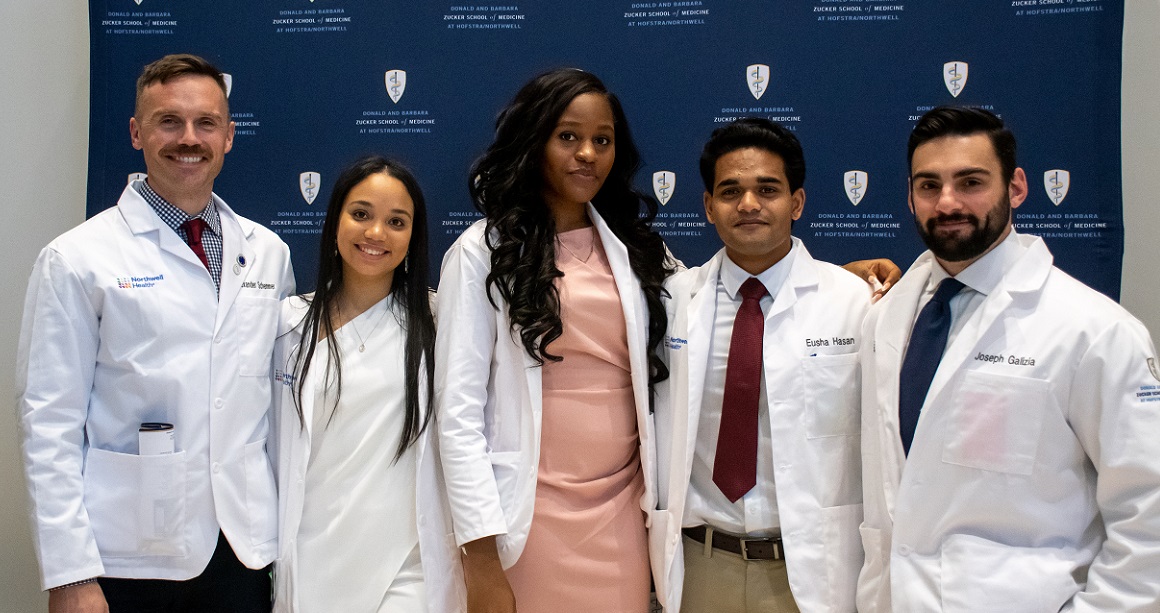
One of the most important steps in applying to medical school is completing secondary applications. Most secondaries are a series of questions and essay prompts that let you show who you are as a person and as a candidate. This is your chance to discuss your goals, motivations and experiences in ways your primary application could not.
Zucker sends its secondary automatically to every applicant who meets its baseline criteria, starting in July. The fee is $125 (waived with AAMC fee assistance), and the deadline is December 1 for Regular Decision or August 1 for Early Decision. Zucker does not post its secondary prompts publicly; the prompts below are the 2026-2027 wording, and your portal is the final word.
The 2026-2027 secondary has three essay prompts, each with a 250-word limit:
| Prompt | Limit | Who answers |
|---|---|---|
| Please indicate what you have been doing since the time of graduation until now. | 250 words | Answer it if it appears in your portal (aimed at applicants who have graduated) |
| Explain why the Zucker School of Medicine at Hofstra/Northwell is a good fit for your medical education journey? | 250 words | All applicants |
| “The School of Medicine, in a culture of community, scholarship and innovation, is dedicated to inspiring promising students to lead and transform medicine for the betterment of humanity.” How do you feel you would contribute to the Zucker School of Medicine’s mission and values and where do you see this taking you in the future? | 250 words | All applicants |
Some applicants also see a short follow-up after a yes or no question about previous applications to allopathic medical schools: “If yes, what year(s)? and what was the outcome?” with a 250-word limit. Guidance for it follows the three main prompts. If your portal shows other yes or no questions, answer them accurately and briefly.
There are no separate published essay prompts for Early Decision. Prompts for MD/PhD applicants were not published for the 2026-2027 cycle, so we do not reproduce them here. If you apply MD/PhD, read the program-specific steps in your portal carefully and follow the limits shown there.
Here are our best tips for strong secondary answers:
- Read each prompt closely and answer every part of the question.
- Give concrete evidence from your work, service, research and academic experiences.
- Do not repeat your primary application. Add new detail or a new angle.
- Write clearly and concisely. Every sentence in a 250-word answer has to earn its place.
- Proofread your answers, and keep facts consistent with AMCAS.
- Consider asking an admissions consultant or another trusted reader for feedback.
The examples below are original teaching examples, each labeled “Illustrative example, not an actual applicant essay.” They were not submitted to any school, and you should never copy them. Use them to see how an answer can cover every part of a prompt within the limit, then write from your own experiences. For other schools’ prompts, see our medical school secondary essay prompts database.
Prompt 1: “Please indicate what you have been doing since the time of graduation until now.”
Limit: 250 words. Who answers: answer it if it appears in your secondary portal. It is written for applicants who have finished college.
What it asks. A plain account of your time from graduation to today: jobs, service, research, coursework, caregiving or anything else that filled your time. It is not a second personal statement. The committee wants to see that your time was used well and to understand what you are doing now.
How to approach it. Go in order of time commitment. Start with your main role, with dates, hours and duties. Add part-time roles with their frequency. Give one sentence on what each taught you, then close with what continues until you matriculate. If you are still a full-time student and the prompt appears, write a short, factual answer describing your current enrollment, coursework and activities rather than leaving it blank.
If you are planning a gap year, the experiences you choose will become this answer. Clinical jobs, research roles and well-structured pre-med gap year programs all give you concrete material.
Illustrative example, not an actual applicant essay (242 words):
Since graduating in May 2025 with a degree in biology, I have worked full time as a clinical research coordinator in the emergency department of a community hospital. I screen patients for two studies, one on early sepsis recognition and one on follow-up care after chest pain visits. I explain each study to patients and families, obtain consent under the supervision of the principal investigator and enter data. I have learned to approach a frightened patient on a stretcher with patience, and to accept a “no” without pressure.
Two evenings a week I volunteer at a free clinic that serves uninsured adults. I take vital signs, update medication lists and help patients book follow-up appointments. Many of our patients speak Spanish, so in January I enrolled in a medical Spanish course at a community college. I can now take a basic history in Spanish, although I still ask a certified interpreter to join for anything complex.
I also completed an EMT course last fall, and I ride with a volunteer ambulance corps one weekend a month. Those calls have shown me how much of a patient’s story happens before they ever reach the emergency department.
This year has confirmed my decision to study medicine. It has also shown me what I still need to learn: how to stay calm when priorities compete, and how to make sure patients leave understanding their care. I plan to continue all three roles until I matriculate.
Analysis. The example answers the single question asked: what the applicant has done since graduation. It leads with the full-time role and gives the setting, the studies and the duties, including the limits of the applicant’s role (consent under a principal investigator). It then lists the two part-time commitments with their frequency and concrete tasks. Each role gets one short reflection, not a paragraph of feelings. The closing paragraph shows maturity by naming what the applicant still needs to learn and confirms that all three roles continue until matriculation, which also answers the “until now” part of the prompt.
Mistakes to avoid: – Leaving months unexplained. Short gaps for moving, family needs or rest are fine; say so in a clause. – Copying your AMCAS activity descriptions word for word. – Apologizing for a gap year. A productive year is a strength. – Turning paid non-medical work into something it was not. A job that paid your bills is a valid answer when described plainly.
Prompt 2: “Explain why the Zucker School of Medicine at Hofstra/Northwell is a good fit for your medical education journey?”
Limit: 250 words. Who answers: all applicants.
What it asks. Why Zucker fits you. The key word is fit: the committee wants to see a match between what the school offers and how you learn, what you have done and where you are going. It is not asking you to praise the school.
How to approach it. Pick two to four verified Zucker features and pair each one with evidence from your own record. Strong candidates include first-year EMT training in the CPR course, PEARLS small-group learning, the Initial Clinical Experience, the Student-Run Free Clinic, a scholarly concentration such as IMPACcT or Humanities in Medicine, the Medical Spanish certificate, research at the Feinstein Institutes or Cold Spring Harbor Laboratory, and clinical training at Northwell hospitals. End with one sentence that sums up the fit in your own words.
Illustrative example, not an actual applicant essay (249 words):
Two parts of Zucker’s curriculum match the way I learn best. The first is that training starts with patients. In the Challenges, Privileges and Responsibilities course, first-year students train as EMTs, and Initial Clinical Experiences place them with community preceptors while they are still learning physiology. As an urgent care scribe for two years, I learned more about asthma from one frightened eight-year-old and her mother than from a full textbook chapter. I want a curriculum that keeps that connection from the first week.
The second is PEARLS. In the peer-led study groups I organized in college, I understood a mechanism only after I had to explain it and defend it to classmates. A small-group, case-based program with limited contact hours and protected time for self-directed learning fits how I prepare now and how I want to keep learning as a physician.
I am also drawn to the Student-Run Free Clinic in Queens. I have volunteered for three years at a clinic for uninsured patients, and I want to keep doing that work in medical school with more skill and responsibility. I would also pursue the Medical Spanish certificate so that I can talk with patients directly, not only through an interpreter.
Finally, clinical training at Northwell hospitals, from Lenox Hill in Manhattan to Long Island Jewish Medical Center, would let me see care in very different communities before I choose a specialty. Zucker’s mix of early responsibility, active learning and service is the education I am looking for.
Analysis. The example answers “why is Zucker a good fit” by matching school features to the applicant’s own experience. Early clinical training (EMT certification in CPR and ICE with community preceptors) is paired with two years of scribing. PEARLS is paired with the applicant’s peer-led study groups and an explanation of how they learn. The free clinic is paired with three years of free clinic volunteering, and the Medical Spanish certificate with a specific goal. The Northwell hospitals point toward an open question about specialty choice, which is honest for a pre-med. Every school feature named is real and current, and none of the sentences could be pasted into another school’s essay without changes.
Mistakes to avoid: – Praising the location, the rankings or “world-class faculty” with no link to you. – Listing many features without connecting any of them to your record. – Naming a program you have not checked, or one that is only for enrolled students as if you could join at entry (the joint MPH, MA, MS and MBA degrees start later). – Copying phrases from the school’s website.
Prompt 3: “The School of Medicine, in a culture of community, scholarship and innovation, is dedicated to inspiring promising students to lead and transform medicine for the betterment of humanity.” How do you feel you would contribute to the Zucker School of Medicine’s mission and values and where do you see this taking you in the future?
Limit: 250 words. Who answers: all applicants.
What it asks. Two things. First, how you would contribute to Zucker’s mission and values. Second, where that contribution will take you in the future. Many applicants answer the first part well and forget the second.
How to approach it. Use the mission’s own structure. The quoted statement names three parts of the school’s culture (community, scholarship and innovation), and the school lists ten values in all, including learning, humanism, diversity, professionalism, patient centeredness, reflection and vision. Choose two to four of these and give one concrete example for each. Then spend the final third of your answer on the future: the kind of physician you hope to become, the setting and how you would lead or teach. The secondary quotes the mission as shown above. The school’s official mission page reads “inspiring diverse, promising students,” and either wording points to the same values.
Illustrative example, not an actual applicant essay (244 words):
I would contribute to Zucker’s culture of community by bringing the habits I built as a community health worker. For two years I visited patients with diabetes at home after hospital discharge. I reviewed their glucose logs, helped them read food labels and called pharmacies when refills stalled. I learned that a care plan only works if it fits a patient’s kitchen, schedule and budget.
Scholarship grew out of that work. When I noticed that many patients missed their first follow-up visit, I worked with our nurse manager to track missed appointments for six months. Patients who received a reminder call in their own language were much more likely to attend. It was a small project, but it taught me to turn a frustration into a question I could measure.
Innovation, to me, means being willing to change a process that is not working. At Zucker I would bring that mindset to PEARLS discussions and to the IMPACcT primary care concentration, with its focus on quality improvement and population health. I would also bring humanism and reflection. I keep a short journal after difficult visits, and it helps me notice my own assumptions.
In the future, I see myself as a primary care physician at a community health center in the neighborhood where I grew up. I want to care for patients, teach students and lead projects that make follow-up care easier for families. Zucker’s mission describes the physician I am working to become.
Analysis. The example covers both parts of the prompt. It uses the quoted mission’s three words, community, scholarship and innovation, as its structure and backs each one with evidence: home visits as a community health worker, a six-month missed-appointment project and a willingness to change a process. It adds two more of Zucker’s ten values, humanism and reflection, with a concrete habit rather than a claim. It links the contribution to two verified Zucker opportunities, PEARLS and the IMPACcT primary care concentration. The final paragraph answers the second question directly, with a specific setting and three roles (caring, teaching and leading projects), and returns to the mission in the last sentence.
Mistakes to avoid: – Answering only the first half and skipping the future. – Restating the mission or the values without evidence. – Promising to “transform medicine” with no example of ever changing anything. – Naming a future specialty with no link to your past work.
Follow-up some applicants see: previous applications
Some applicants who answer yes to a question about previous applications to allopathic medical schools see this follow-up: “If yes, what year(s)? and what was the outcome?” with a 250-word limit. Answer the two parts first, in one or two sentences: the cycle or cycles and the result (for example, not admitted, or waitlisted). Then use the remaining space to explain, briefly and factually, what you have changed since, such as a new MCAT score, more clinical work or a stronger school list. Keep the tone matter-of-fact and avoid blaming anyone.
Worked response pattern (Illustrative example, not an actual applicant essay):
I applied to allopathic medical schools in the 2024-2025 cycle. I interviewed at one school and was not admitted. Since then, I have worked full time as a medical assistant at a family medicine practice, added about 1,400 hours of patient care, and retaken the MCAT. I also asked my premedical advisor for feedback and rebuilt my school list around schools whose missions match my service record. This application reflects those changes.
Reapplicants should also remember that CASPer results are valid for one cycle only, so you will need to retest.
Interview Format and Preparation
Congratulations if you are invited to interview. Zucker emails interview invitations from July through February, with Early Decision interviews in mid-August. The invitation includes details of the virtual interview day and educational resources about the school.
The format: a virtual Multiple Mini Interview
Zucker uses a virtual Multiple Mini Interview (MMI), designed to give each applicant several chances to show their strengths (see Interview Day). Interviewers include faculty, staff and students.
- Total time: about 90 minutes.
- Stations: eight in all, completed in a timed circuit.
- Seven scenario stations: 2 minutes to read the scenario and prepare, then 6 minutes to discuss it with the interviewer. These stations assess critical thinking, communication, ethical reasoning and problem-solving. There are no right or wrong answers. Interviewers evaluate how you think through the situation and how clearly you explain your reasoning.
- One open station: 2 minutes to prepare, then 14 minutes of conversation. It is similar to a traditional one-on-one interview, and the interviewer has your full application. Expect questions about your experiences, your motivation for medicine, your background and your goals.
The rest of the virtual day includes an introduction by the Associate Dean for Admission, a non-evaluated mini skills session that introduces the curriculum and a meet-and-greet lunch with current students. Admitted applicants are invited to visit the school in person, with visits beginning in February.
How to prepare for the scenario stations
- Use the full two minutes. Read the scenario twice. Note who is involved, what the conflict is and what information is missing.
- Name several perspectives. Patients, families, colleagues and institutions often want different things. Show you see them.
- Choose a course of action. After weighing options, say what you would do and why. A thoughtful decision with clear reasons beats a list of possibilities.
- Talk through your reasoning. Because interviewers score how you think and communicate, say your reasoning out loud in an organized way.
- Expect follow-up questions. Six minutes is long. Interviewers often change a detail to see how you adapt.
Practice with a timer and a partner, and record yourself on video to check pace and clarity. Our list of medical school interview questions is a good place to find practice material for the open station.
How to prepare for the open station
With 14 minutes and your full application in front of the interviewer, this station is your chance to go deeper. Reread your AMCAS and secondary before the day. Prepare short, specific stories about your clinical work, a time you led or changed something, a challenge you faced and why Zucker fits. Be ready to explain your plans for the time before matriculation and your interest in any program you mentioned, such as the free clinic or a scholarly concentration.
Virtual interview tips
- Test your camera, microphone and internet connection the day before.
- Choose a quiet, well-lit space with a plain background.
- Dress as you would for an in-person interview.
- Look at the camera when you speak, and keep notes out of view.
- Have the admissions phone number handy in case of technical problems.
Use the lunch and mini skills session to ask current students about PEARLS, EMT training, commuting during clerkships and how the Curriculum Renewal is affecting their classes. Those answers will also help you decide whether Zucker is the right school for you.
If you want structured practice, IMA’s admissions consulting services include mock MMI and one-on-one interviews.
Frequently Asked Questions
What is the Zucker School of Medicine at Hofstra/Northwell acceptance rate?
Zucker does not publish an acceptance rate, and no offer count is published. For the 2025 entering class, the school received 5,368 verified applications and interviewed 804 applicants (about 15%), and 104 students enrolled. Be cautious with any figure you see without a cycle and a definition. A real acceptance rate is offers divided by applicants for the same cycle. Class size divided by applicants is a different, lower number, because many admitted students enroll elsewhere. The class profile is also published: the 2026 entering class had a median MCAT of 518 and a median GPA of 3.85, and each class is limited to 100 students. Treat Zucker as a highly selective school and apply with a complete, early application.
How many applicants does Zucker interview?
For the 2025 entering class, Zucker interviewed 804 of 5,368 verified applicants, about 15%. That included 397 New York residents and 407 out-of-state applicants. Interviews are virtual Multiple Mini Interviews, and invitations go out from July through February, so a complete, early application gives you the most chances to be considered.
What MCAT and GPA do I need for Hofstra Zucker?
There is no minimum. The 2026 entering class had a median MCAT of 518 and a median cumulative undergraduate GPA of 3.85. Over the last five classes, medians have ranged from 516 to 518 for the MCAT and from 3.82 to 3.92 for GPA. Accepted applicants for the 2025 entering class had a median MCAT of 519 and a median total GPA of 3.93. Because these are medians, about half of each class scored below them. If your numbers are lower, focus on the parts of your application Zucker emphasizes: service, clinical work, leadership and evidence that you learn actively.
Does Hofstra University Zucker School of Medicine require the CASPer exam?
Yes. CASPer is required for the MD program, and Duet is not required or reviewed. CASPer results are valid for one admissions cycle only. For 2026-2027 Regular Decision, the last test date that counts is November 12 and scores must be distributed by December 1. For Early Decision, the last test date is July 19 with distribution by August 1. Book an early date so your application is not held for a missing score.
What are the Zucker application deadlines?
For Regular Decision, AMCAS is due November 1 and the secondary and all other materials are due December 1. For Early Decision, every material, including AMCAS and the secondary, must be received by August 1. Zucker gives no extensions. Your application is not reviewed until your MCAT score, CASPer score, letters and secondary are all in, so aim to finish well before the deadlines.
Who receives the Zucker secondary application?
Every applicant who meets the baseline criteria receives an automatic email invitation: a bachelor’s degree from an accredited U.S. or Canadian college (finished before matriculation), U.S. citizenship, permanent residency or DACA status, and an MCAT taken or scheduled within the last three years. Secondaries begin going out in July. The fee is $125 and is waived for AAMC Fee Assistance Program recipients.
What are the 2026-2027 Zucker secondary essay prompts?
There are three essays, each limited to 250 words: what you have been doing since graduation, why Zucker is a good fit for your medical education journey, and how you would contribute to the school’s mission and values and where that will take you. Some applicants also see a short follow-up about previous applications. Full examples and analysis are in the secondary section of this guide.
What is the Zucker interview like?
It is a virtual Multiple Mini Interview of about 90 minutes. You rotate through seven scenario stations (2 minutes to prepare and 6 minutes to discuss each) and one open station that works like a traditional interview (2 minutes to prepare and 14 minutes of conversation with an interviewer who has your full application). The day also includes an introduction from the Associate Dean for Admission, a non-evaluated skills session and lunch with students. Invitations go out from July through February.
Is Early Decision at Zucker a good idea?
Only if Zucker is clearly your first choice and your application is complete and strong by early summer. Under Early Decision you apply only to Zucker, all materials are due August 1, interviews happen in mid-August and decisions arrive by September 1. If you are accepted, you must attend. If you are not, you move into the regular pool and can apply elsewhere, but you will be starting other applications later in the season.
How much does it cost to attend Zucker?
For 2026-27, tuition is $61,800 for every student and mandatory fees are $2,075. The first-year cost of attendance is $101,613 if you live on campus, $101,206 off campus and $91,801 living with family. Health insurance is required but not included in those totals. The yearly on-campus totals for years 2 to 4 are $99,260, $107,819 and $106,021. Adding all four years gives an estimate of about $414,700 before insurance and future increases. In 2024-25, 88% of students received financial aid, and indebted graduates left with an average medical school debt of $157,418.
Can international students or DACA recipients apply to Zucker?
DACA recipients can apply. Applicants must be U.S. citizens, permanent residents or hold DACA status. Zucker cannot sponsor international student visas, so international applicants who need a student visa are not eligible. International students are also not eligible for the 4+4 BS-BA/MD program with Hofstra University.
Does Zucker give preference to New York residents?
No. Zucker gives no preference to in-state applicants, and tuition is the same for New York residents and nonresidents. In practice, New York residents made up 1,627 of the 5,368 verified applications and 60 of the 104 students who enrolled in 2025, and 44 students came from out of state. Your geographic background can still be part of what you bring to the class, since it is one of the school’s additional criteria.
Are there required prerequisite courses?
There are no required natural science prerequisites. Zucker strongly recommends a year of biology with lab, chemistry through organic chemistry and biochemistry, a year of math (preferably including statistics), a year of physics and English literature or the equivalent with writing. AP credits do not satisfy the recommendations and CLEP is not accepted. Community college courses are accepted, but online degrees are not. Strong liberal arts coursework is highly recommended.
What is EMT training at Zucker?
All first-year students train to become certified emergency medical technicians in the first course, Challenges, Privileges and Responsibilities, which is built on the New York State Department of Health EMT curriculum. The school expands it with physiology, anatomy, pharmacology and clinical skills such as history-taking, physical examination and bedside ultrasound. The goal is a usable clinical skill set from the first weeks of school.
Does Zucker use AI in admissions?
The school states that artificial intelligence (AI) is used to support decision-making during the admission process. It lists this among its selection criteria but does not explain how the tools are used. The Admission Committee still reviews each application through an individualized, holistic process. Your best response is to keep every part of your application accurate, specific and consistent.
How many students are in each class?
Each entering class is limited to 100 students. The Class of 2029, which began in 2025, had 104 students from 16 states, four countries and 46 colleges and universities: 60 New York residents and 44 from out of state. The school enrolls over 400 students across all four years.
Does Zucker accept transfer students or allow deferrals?
Zucker does not accept transfer students because of the design of its curriculum. Accepted students can request a deferral in writing by May 1 before matriculation. Deferrals may be granted when the planned activity strengthens your preparation for medical school, and medical deferrals require documentation.
When will I hear back from Zucker?
Zucker emails you within two weeks of receiving your verified AMCAS application. Interview invitations go out from July through February. Admission is rolling: acceptance letters begin in December, offers typically go out from mid-December through mid-July, and all decisions, including waitlist offers, are sent by the end of March. Check the Admission Portal for status updates.
How much clinical experience do I need for Zucker?
Zucker does not publish a minimum number of clinical hours. Its selection criteria emphasize community service, employment, research and demonstrated commitment to medicine, and its students care for patients from their first weeks. Aim for sustained, hands-on roles such as EMT work, medical assisting or scribing, plus long-term service. Supervised medical internships for undergraduates can add clinical work with underserved patients, especially during summers or a gap year.
Related Medical School Guides
If you are applying to Zucker, these guides cover schools that applicants often consider alongside it. Each one is a different school with its own mission and requirements, so read each guide in full rather than treating any as a backup.
- New York Medical College: another private MD school in the New York area, in Westchester County, useful for comparing costs and clinical networks with Zucker’s Northwell model.
- CUNY School of Medicine: a New York City public MD option with a distinct mission and pathway, worth comparing if service to underserved communities drives your application.
- Albert Einstein College of Medicine: a Bronx MD school with a strong research and community health profile, for applicants weighing a New York City campus against Long Island.
- SUNY Downstate Medical Center School of Medicine: a Brooklyn public MD school, helpful for comparing public and private costs within New York.
- Columbia Vagelos College of Physicians and Surgeons: a Manhattan MD school with a very different, research-heavy structure and its own secondary, for applicants applying broadly across New York.
- University at Buffalo Jacobs School of Medicine: a public MD school in western New York for applicants who want to compare in-state public options outside the city.
Two more Long Island schools are close by: Renaissance School of Medicine at Stony Brook University, a public MD school in Suffolk County, and the NYU Grossman Long Island School of Medicine in Mineola, a primary care focused MD program. For every MD and DO option in the state, see our guide to New York medical colleges. If you are deciding how many highly selective schools to include on your list, read should you apply to the hardest medical schools to get into.
More medical school guides
If you are still asking “what are the best medical schools near me” or “which school is right for me,” we highly recommend checking out our other medical school guides. We have articles on medical schools across the country, including other New York medical colleges:
- Weill Medical College of Cornell University
- University of Rochester Medical School
- Icahn School of Medicine at Mount Sinai
- Ohio University Heritage College of Osteopathic Medicine
- Northeast Ohio Medical University (NEOMED)
- University of Cincinnati College of Medicine
- University of Toledo College of Medicine
- Wright State University Boonshoft School of Medicine
- Ohio State University College of Medicine
- Rowan University School of Osteopathic Medicine
- Hackensack Meridian School of Medicine (HMSOM)
- Rutgers New Jersey Medical School (NJMS)
- Rutgers Robert Wood Johnson Medical School
- Cooper Medical School of Rowan University (CMSRU)
- A.T. Still University Kirksville College of Osteopathic Medicine
- Saint Louis University School of Medicine
- University of Missouri Medical School
- Kansas City University (KCU)
- UMKC School of Medicine
- University of Pittsburgh School of Medicine
- University of Wisconsin Medical School
- VCU School of Medicine
- University of Maryland School of Medicine
- Case Western Medical School
- University of North Carolina Medical School
- University of Florida Medical School
- Emory University School of Medicine
- Boston University College of Medicine
- California University of Science and Medicine
- UC San Diego Medical School
- California Northstate University College of Medicine
- Touro University of California
- CHSU College of Osteopathic Medicine
- UC Davis School of Medicine
- Harvard Medical School
- UC Riverside School of Medicine
- USC Keck School of Medicine
- UT Southwestern Medical School
- Long School of Medicine at UT Health San Antonio
- University of the Incarnate Word School of Osteopathic Medicine
- UT Austin’s Dell Medical School
- UTMB School of Medicine
- McGovern Medical School at UT Health
- Johns Hopkins School of Medicine
- The University of Texas Rio Grande Valley School of Medicine
- UNT Texas College of Osteopathic Medicine
- University of Houston College of Medicine
- Texas A&M College of Medicine
- Baylor College of Medicine
- George Washington University School of Medicine
- Vanderbilt University School of Medicine
- St. George’s University School of Medicine
- Lake Erie College of Osteopathic Medicine (in Pennsylvania)
- Sidney Kimmel Medical College at Thomas Jefferson University
- Wake Forest University School of Medicine
- Western University of Health Sciences (in California)
- Drexel University College of Medicine
- Stritch School of Medicine at Loyola University Chicago
- Georgetown University School of Medicine
- Yale School of Medicine
- Perelman School of Medicine
- UCLA Medical School
- NYU Medical School
- Washington University School of Medicine
- Brown Medical School
How International Medical Aid Can Help
We at International Medical Aid (IMA) understand how tough the medical school application process can be. There are many steps, from your primary application to secondaries and interviews. Zucker looks for applicants who combine strong academics with real patient care, sustained service and the ability to reflect on what they have seen. IMA helps pre-health students build that experience and present it clearly.
Clinical internships. A compelling application rests on meaningful clinical and volunteer experience, and those experiences can set you apart. IMA runs pre-health internships in clinics and hospitals in Kenya and at other IMA sites. Interns take vital signs, do patient intake and triage, and help with direct patient care under the supervision of local clinicians. These pre-med internships abroad give you clinical and service experience at the same time, along with specific stories about patients, teamwork and care with limited resources: the kind of material Zucker’s mission essay and its open interview station ask about. You can learn more about all of our medical internships abroad on the IMA homepage.
Admissions consulting. Our medical school admissions consultants work with students one-on-one to give honest feedback, build an application strategy, edit secondary essays and prepare for interviews, including MMI practice. If the process feels overwhelming, our medical school admissions consulting services can help you present the strongest application possible. To talk with our team, schedule a free consultation with us.
If you are not sure which step comes first, start with your timeline. Applicants who still need meaningful patient contact usually benefit most from clinical experience first. Applicants applying this cycle usually benefit most from help with secondaries and interviews.
IMA is not affiliated with the Zucker School of Medicine, Hofstra University or Northwell Health, and no internship or consulting service can guarantee admission to any medical school. What we can do is help you gain real clinical experience and tell your story well.
Final Thoughts and Sources
From all of us at International Medical Aid, good luck as you start your path to becoming a physician. Zucker offers a rare combination: EMT certification in the first weeks, small-group PEARLS learning, early patient contact through ICE, a student-run free clinic and clinical training across one of the largest health systems in the country, all on a Long Island campus 25 miles from New York City. It is also a selective school with a small class, firm deadlines and a required CASPer. Take your time, build a strong application strategy, submit AMCAS and your secondary early, and use each 250-word essay to show real work and honest reflection. Ask for help whenever you need it.
Sources and notes
Facts in this guide were checked on October 18, 2026. Each figure carries its year or cohort in the text and tables. Class profile figures are medians for the entering class named; costs are for the 2026-27 academic year unless another year is given.
- Zucker School of Medicine, How to Apply (class profile medians 2022-2026, secondary criteria, Early Decision, deadlines).
- Zucker School of Medicine, Application Requirements (letters, $125 secondary fee and FAP waiver, CASPer and Duet, recommended coursework, 2020 pass/fail policy).
- Zucker School of Medicine, MD Admission FAQs (class size limit, location, eligibility, transfers, joint degrees, BS-BA/MD, course policies, rolling admission, Admission Portal, deferrals, CASPer format).
- Zucker School of Medicine, Admission Timeline; Interview Day; Selection Criteria (including the statement on AI use).
- Zucker School of Medicine Office of Student Finance, Cost of Attendance 2026-2027; Calculating COA and Definitions; Scholarships.
- Zucker School of Medicine, Mission, Vision and Values; History and Milestones; The Zucker Difference (faculty, departments, enrollment, research sites, U.S. News research recognition 2016-2026); Curriculum Renewal.
- Zucker School of Medicine, MD/PhD Admission; Curricular Initiatives; MD/MPH, MD/MA, MD/MS and MD/MBA program pages; MD/OMS.
- Zucker School of Medicine, First 100 Weeks; First 100 Weeks Courses; Second 100 Weeks; Office of Medical Student Research; Student-Run Free Clinic; Global Health Opportunities.
- Zucker School of Medicine, Dean’s Office; Office of Admission team; official profiles of David Battinelli, MD, Samara Ginzburg, MD, and Robert Roswell, MD; faculty directory record for Avner Hershlag, MD.
- Feinstein Institutes for Medical Research, researcher profiles of Kevin J. Tracey, MD, and John M. Kane, MD.
- Zucker School of Medicine news (archived copies): Class of 2029 orientation, August 5, 2025 (class of 104); Match Day 2026 results, March 20, 2026; Class of 2015 Then and Now, July 21, 2025 (alumni roles); dean’s book and podcast, July 17, 2026.
- AAMC, Medical School Admission Requirements (MSAR) school profile for the Zucker School of Medicine, 2026 edition, accessed October 18, 2026 (2025 entering class applications, interviews, matriculants by residency and accepted-applicant MCAT and GPA medians; class background and demographics; TSF 2025-26 cost estimate; LCME Part I-B 2024-25 aid and debt; deposit, offer response time, letters, MCAT window, postbaccalaureate coursework, shadowing guidance, transportation, global health participation and research funding).
- LCME, Accredited MD Programs directory, updated October 14, 2026.
- AAMC, Core Competencies for Entering Medical Students; Acuity Insights, CASPer test information.
- Secondary prompts for 2026-2027: current-cycle applicant compilations (Med School Insiders and MedCoach 2026-2027 Zucker listings and the Student Doctor Network 2026-2027 Hofstra Zucker thread), checked October 17, 2026. Zucker does not post its prompts publicly; the secondary portal is the final word on wording and limits.
- The IMA data snapshot in the Key Statistics section is built from the How to Apply class profile, the Admission FAQs, the 2026-27 Cost of Attendance charts and the AAMC MSAR school profile (2026 edition, 2025 entering class applications and interviews).