If you’re looking for an excellent medical program at a school that doesn’t use cut-off scores for the MCAT or GPA, the Stritch School of Medicine at Loyola University Chicago is worth a close look. Stritch is Chicago’s Jesuit Catholic medical school. It awards the Doctor of Medicine (MD) on Loyola’s Health Sciences Campus in Maywood, Illinois, in west suburban Chicago, which it shares with its academic medical center partner, Loyola University Medical Center. The school practices holistic admissions: it reviews every part of your application, and it sets no minimum MCAT score or GPA for screening.
That openness does not make Stritch easy to get into. The school receives more than 14,000 applications each cycle, and its newest class, the Class of 2030, has 171 students with a mean MCAT of 513 and a mean overall GPA of 3.86. What sets successful applicants apart is not only strong academics. It is clear, sustained evidence of service, a real understanding of why they want to be physicians and a good fit with a mission built around care for the whole person and social justice.
This guide covers the 2026-2027 application cycle, which Stritch calls Cycle 2027, for students who plan to start medical school on August 2, 2027. You will find the latest class statistics, admission requirements and deadlines, 2026-27 tuition and cost of attendance, the curriculum and clinical sites, dual-degree programs, leadership, faculty and alumni profiles, every current secondary essay prompt with a full example response and analysis, the interview format and a long list of frequently asked questions. All facts were checked on November 4, 2026.
Be an Informed Applicant
Stritch offers a diverse student body and several degree paths, and we’ll walk through all of them. As you read, take notes on the parts that apply to you. We will examine each secondary essay question to show the best way to approach it, with original sample responses to help get your own writing started. Our medical school guides cover many other schools in Illinois and across the country, but this guide was built for Stritch and should not be used as a guide for any other medical school.
Key Takeaways
- Eligibility is national, not state-based. Stritch is private and gives the same consideration to in-state and out-of-state applicants. You must be a U.S. citizen, a permanent resident or have DACA status at the time of application. Stritch does not admit international students.
- There are no cut-off scores, but the class is strong. The Class of 2030 had a mean MCAT of 513, a mean overall GPA of 3.86 and a mean science GPA of 3.82. For the 2025 entering class, accepted applicants had a median MCAT of 513 and a median overall GPA of 3.87. Stritch prefers scores of at least 125 in the two science sections of the MCAT and looks closely at upward trends.
- Mission fit drives the review. Stritch seeks students with significant and sustained service, academic preparation, leadership and a personal commitment to social justice, especially for the underserved.
- Key dates for Cycle 2027: AMCAS deadline November 2, 2026; latest MCAT November 1, 2026; secondary deadline December 11, 2026 at 11:59 p.m. CST. Interviews run through February 25, 2027, and acceptances started October 15, 2026. There is no early decision program and no acceptance deposit.
- Budget for the full cost. 2026-27 tuition is $73,720 for every year of the program. The estimated first-year cost of attendance is $106,560, and the four yearly estimates add up to $451,662 at current rates.
- Distinctive training. Patient Centered Medicine courses run through all four years, first-year students complete a Chaplain Mentor Program, and students can join honors programs in research, community and global health, and bioethics. Dual degrees include the MD/PhD, MD/MPH and an online MD/MA in Bioethics and Health Policy.
- Two interviews, your choice of format. Invited applicants complete one full-file and one partial-file interview, each up to 45 minutes, in person or virtually. Neither format gives an advantage.
- Next step: finish the secondary quickly. Stritch has five required 500-word essays, and rolling review means early, complete files have the best chance of an interview.
Key Statistics About Loyola Stritch School of Medicine
Stritch is one of the most heavily applied-to medical schools in the country, and its applicant pool is national. For the 2025 entering class, Stritch received 13,289 verified applications, interviewed 618 candidates and enrolled 175 students. The snapshot below shows the numbers applicants ask about most often. The table that follows gives each figure’s year, the group it describes and its source.

| Metric | Value | Year or cohort | Source |
|---|---|---|---|
| School and degree | Stritch School of Medicine, Loyola University Chicago; Doctor of Medicine (MD); private, Jesuit Catholic | Current | Stritch Mission and Dean’s Office pages |
| Campus | Health Sciences Campus, Maywood, Illinois | Current | Stritch Dean’s Office page |
| Entering class size | 171 | Class of 2030 (entered 2026) | Stritch Class of 2030 Profile |
| Applicants | More than 14,000 | Class of 2030 | Stritch Class of 2030 Profile |
| Verified applications | 13,289 (1,523 in-state, 11,695 out-of-state, 71 international) | 2025 entering class | AAMC MSAR school profile |
| Matriculants | 175 (69 in-state, 106 out-of-state) | 2025 entering class | AAMC MSAR school profile |
| Candidates interviewed | 618 (159 in-state, 455 out-of-state, 4 non-visa international) | 2026 interview cycle | Stritch Interview Process page |
| Mean MCAT | 513 | Class of 2030, matriculants | Stritch Class of 2030 Profile |
| Mean overall GPA | 3.86 | Class of 2030, matriculants | Stritch Class of 2030 Profile |
| Mean science GPA | 3.82 | Class of 2030, matriculants | Stritch Class of 2030 Profile |
| Median MCAT | 513 (sections: CPBS 128, CARS 127, BBFL 128, PSBB 130) | 2025 entering class, all accepted applicants | AAMC MSAR school profile |
| Median overall GPA | 3.87 | 2025 entering class, all accepted applicants | AAMC MSAR school profile |
| Median science GPA | 3.82 | 2025 entering class, all accepted applicants | AAMC MSAR school profile |
| Acceptance rate | Not published (offers of admission are not reported) | N/A | Stritch Class of 2030 Profile; AAMC MSAR school profile |
| Early decision | Not offered | 2026-2027 cycle | AAMC MSAR school profile |
| Acceptance deposit | None required | 2026-2027 cycle | AAMC MSAR school profile |
| Annual tuition | $73,720 (all four years, all students) | 2026-27 | Loyola Bursar, Stritch Tuition and Fees 2026-2027 |
| Student health insurance | $3,869 per year (waivable) | 2026-27 | Loyola Bursar, Stritch Tuition and Fees 2026-2027 |
| Estimated first-year cost of attendance | $106,560 | 2026-27 rates | Stritch Tuition and Fees, M1 table |
| Average graduate indebtedness | $229,028 (89% of students receiving aid) | 2024-25 | AAMC MSAR school profile (LCME Part I-B) |
| Secondary fee | $115 (waivers available) | Cycle 2027 | Stritch Application Guide; AAMC MSAR school profile |
| Match | 159 students, 24 specialties, 25 states; 35% primary care | Class of 2026 | Stritch Match Day 2026 page |
A note on the numbers: the Class of 2030 figures are means and the 2025 entering class figures are medians for all accepted applicants. Neither is a minimum, and Stritch uses no cut-off scores. The two cohorts are different classes, so read each figure with its year. Because the number of applicants who receive offers is not published, no acceptance rate is shown. Dividing matriculants by applicants gives a matriculation figure, not an acceptance rate, so we do not report one. For a side-by-side view of other programs, see our list of the average GPA and MCAT score for every medical school.
Mission and Educational Priorities
Stritch describes itself as “Chicago’s Jesuit Catholic medical school,” and as “a compassionate community advancing medicine through exceptional clinical training, scientific inquiry, rigorous research, personal and professional formation, and an unwavering commitment to those we serve.”
Its admissions policy states the same idea in practical terms. Stritch seeks to enroll students “in complete alignment with our Jesuit values: care for the whole person, education in the service of social justice, and reverence and respect for the community.” It looks for academically prepared candidates with significant and sustained:
- Service and community engagement
- Academic preparation, achievement and curiosity
- Leadership and inspiration or agency for change
- Commitment and personal ethic for social justice and service, specifically to the underserved
What the mission means for applicants
You do not need to be Catholic to apply, and Stritch is not asking you to be. The Jesuit tradition the school points to is care for the whole person (often called cura personalis) and service to people with the least access to care. Here is how that shows up in the application:
- Sustained service matters more than a long list. The policy uses the words “significant and sustained” twice. A few commitments you kept for years, with growing responsibility, fit that language better than many short activities.
- The secondary is built around the mission. The first essay asks what resonates with you about the school’s mission as a Jesuit, Catholic medical school and what you are curious about. The third essay asks about social justice and service with under-resourced communities.
- Interviews test mission fit too. The school’s interview primer asks candidates to reflect on their motivation for medicine, their readiness for training and their alignment with Stritch’s Jesuit mission, service and social justice values.
- Formation is part of the curriculum. Stritch has a Vice Dean of Professional Formation, reflective electives such as the Healer’s Art and the Physician’s Vocation Program, and a Chaplain Mentor Program that every first-year student completes as part of Patient Centered Medicine 1.
Stritch also has a long record of acting on its mission in admissions. In May 2018 it became the first U.S. medical school to graduate students with Deferred Action for Childhood Arrivals (DACA) status, and it continues to accept DACA recipients today. If social justice is central to your own story, Stritch is a school where you can say so plainly.
Accreditation and Institutional Identity
The Stritch medical education program is accredited by the Liaison Committee on Medical Education (LCME), the accreditor for MD programs in the United States and Canada. Stritch has been continuously accredited by the LCME since its first accreditation in 1921. Its most recent LCME review included a survey team visit in October 2024. Accreditation confirms the program meets national standards; it is not a ranking.
A few facts about the institution are useful to know:
- Name and history. The school began as the Medical Department of Loyola University in 1909. It was renamed the Stritch School of Medicine in 1948 in honor of Samuel Cardinal Stritch, Archbishop of Chicago. It moved to its Maywood campus in 1968 and into its current medical education building, now the John and Herta Cuneo Center, in 1997.
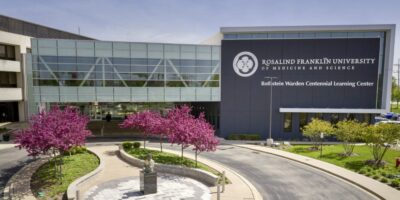
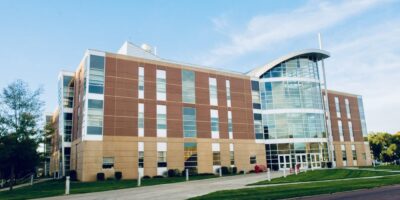
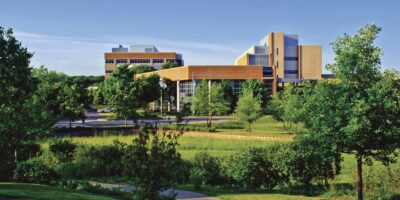
- Campus. The Health Sciences Campus at 2160 S. First Avenue in Maywood is home to Stritch, the Marcella Niehoff School of Nursing, the Parkinson School of Health Sciences and Public Health, the Cardinal Bernardin Cancer Center and the 250,000-square-foot Center for Translational Research and Education (CTRE). It is not on Loyola’s lakeshore campus in Chicago.
- Health system partner. Since 2011, Loyola University Health System, including Loyola University Medical Center and Gottlieb Memorial Hospital, has been part of Trinity Health. An affiliation agreement keeps academic oversight with Loyola University Chicago and names Loyola University Medical Center as Stritch’s primary clinical partner in the Chicago area. Loyola Medicine is now a three-hospital system that also includes MacNeal Hospital.
- Degree type. Stritch awards the MD. It is separate from Loyola’s nursing, public health and graduate programs, although several of them partner with Stritch on dual degrees.
Medical Programs and Affiliations
The Stritch School of Medicine offers the standard MD degree, along with several combined programs and pipeline options. Here is what each one involves and how you apply.
MD Degree Program
The four-year MD is the program most applicants want. You apply through AMCAS, complete the Stritch secondary and, if invited, interview. The curriculum section below describes each year. Students learn in diverse clinical settings, from Loyola University Medical Center to community clinics, and they begin patient interviewing and communication skills in the first year.
MD/PhD Program
As the name suggests, students in the MD/PhD program train to become both Doctors of Medicine and Doctors of Philosophy. The MD prepares you to treat a wide range of medical problems; the PhD trains you to answer scientific questions through research. Stritch’s program combines medical and graduate education with research in translational and basic science, and it encourages trainees to serve local and global communities. It is led by co-directors Reynold I. Lopez-Soler, MD, PhD, and Simon Kaja, PhD.
- Apply through AMCAS using the MD/PhD application option and complete the Stritch secondary. Applications are accepted from June 1 through November 15.
- You need a bachelor’s or master’s degree and meaningful, sustained research experience. Competitive applicants have a GPA of 3.5 or higher and an MCAT at or above the 75th to 80th percentile.
- Citizenship, permanent residency or DACA eligibility is required at the time of application. Applicants who completed all undergraduate coursework outside the United States or Canada must complete at least one year of full-time study at an accredited American college or university before applying.
- Selected applicants are contacted beginning in September for a two-day interview. Decisions are made after all interviews are completed in January.
Stritch’s MD/PhD secondary uses the same application as the MD program. MD/PhD essays themselves are part of AMCAS.
MD/Master of Public Health Program
To join this program, you need acceptance into both the Stritch School of Medicine and the Parkinson School of Health Sciences and Public Health. Your MD will help you treat patients well, and the MPH gives you a broader understanding of how illness affects populations, which prepares you to practice at more than one level. Details:
- The program typically takes five years. Most students complete their MPH coursework in an “M0” year (summer, fall and spring) before starting medical school.
- The MPH requires 42 credits, with six credits transferred from M3 or M4 electives and a two-credit capstone.
- Tracks: Epidemiology; Public Health Policy and Management; or Global Health Equity.
- The program is limited to 10 students per year. You apply separately through Loyola’s graduate application system with a statement of purpose. No GRE is required, and the deadline is April 30 for an M0 start.
The MD/MPH focuses on health disparities. Maywood, where the campus sits, is an underserved community, which gives students a place to put public health training to work close to home.
MD/Master of Arts in Bioethics and Health Policy
This dual degree is offered through the Neiswanger Institute for Bioethics and Healthcare Leadership, and students complete the MA entirely online, so it fits alongside medical school. Graduates are prepared to identify and respond to ethical issues in daily practice, serve on ethics committees and help with ethics consultations.
- 30 credits: five required courses (Clinical Bioethics, Justice and Health Care, Biomedical Ethics and the Law, Principles of Health Care Ethics and a Master’s Research Capstone) and five electives.
- Up to two independent study courses (six credits) can count toward the MA.
- You apply separately through Loyola’s graduate admissions system with transcripts, three letters of recommendation, a one-page statement of purpose and a writing sample.
MD/MBA
Stritch’s current list of dual degrees includes the MD/PhD, MD/MPH and MD/MA in Bioethics and Health Policy, plus an MS in Pharmacology/MBA for graduate students. An MD/MBA is not on that list. Loyola’s Quinlan School of Business offers an MBA in Healthcare Management, a part-time hybrid program designed for working, mid-career healthcare professionals. If business training is part of your plan, ask the Stritch admissions office whether a combined MD/MBA route is available for your entering class.
Pipeline and pathway programs
- ASPIRE (Academic Summer Program Integrating Resources for Excellence). A month-long pre-medical program held from June 2 to July 2, 2027, capped at 16 students. It is meant for people applying the following year (ASPIRE 2027 is for those applying in summer 2028). Participants receive a $1,200 stipend and housing, shadow Loyola physicians, serve with community partners, get one-on-one mentoring from a Stritch student and admissions staff, and complete a mock interview with an admissions committee member. The 2027 deadline is March 31, 2027.
- Early Assurance Program (EAP). Loyola University Chicago undergraduates can apply in the fall of junior year through the Pre-Health application database and may receive conditional acceptance to Stritch during their junior year.
- Transfer students. Transfer seats depend on availability, and some years there are none. Only students in good standing at accredited U.S. MD programs are eligible.
If you are planning the year before you apply, structured pre-med summer internships and programs like ASPIRE are two ways to build hands-on experience and get feedback on your application at the same time.
Clinical affiliations
Stritch’s required clerkships, sub-internships and electives take place across a network of academic, community, public and federal sites:
- Loyola University Medical Center (flagship academic medical center and primary teaching site)
- Cook County Health (safety-net system with high-acuity, diverse patient populations)
- Edward Hines Jr. VA Hospital (veteran-focused care)
- Gottlieb Memorial Hospital and MacNeal Hospital (community inpatient and outpatient care)
- John J. Madden Mental Health Center (psychiatric and behavioral health)
- La Rabida Children’s Hospital and St. Alexius Medical Center (pediatrics)
- Naples Community Hospital (community care)
- Resurrection Medical Center (general surgery and surgical subspecialties)
- St. Joseph’s Hospital in Mishawaka, Indiana (acute care, Level II trauma center)
- West Suburban Medical Center (internal medicine clerkship site)
Curriculum Overview
The Stritch School of Medicine offers a four-year medical degree program guided by Jesuit values. The curriculum emphasizes whole-person care, health equity and the human side of medicine. Its signature thread is Patient Centered Medicine (PCM), a course that runs in every year and prepares students for some of medicine’s hardest realities, including end-of-life care and physician burnout, while building clinical skills from the first semester.
Stritch also completed a major curriculum change that shortened the pre-clinical portion of training and extended the clinical portion. The school made the change to reflect USMLE Step 1’s move to pass/fail, to give students more time for residency interviews and to align with its health system partner. In practice, that means you reach clerkships sooner than in a traditional two-plus-two model, and you should expect a demanding pace in the first two years.
Year 1
First-year students study:
- Molecular Cell Biology and Genetics
- Behavioral Medicine and Development
- Patient Centered Medicine 1
- Structure of the Human Body
- Health Systems Science
- Function of the Human Body
- Host Defense
- Host Pathogens
Patient Centered Medicine 1 is a two-semester course. All first-year students complete the Chaplain Mentor Program inside it, spending time with hospital chaplains to understand the personal and spiritual dimension of health care. Patient interviewing, rapport-building and communication skills begin right away and continue through the program.
Year 2
Second-year students learn:
- Mechanisms of Human Disease I, II and III
- Pharmacology and Therapeutics I and II
- Patient Centered Medicine 2
Year 2 builds the disease-based knowledge you need for clerkships and the USMLE. The second-year tuition schedule includes a summer term, which reflects the shortened pre-clinical phase.
Year 3
Third-year students take Patient Centered Medicine 3 and complete seven core clerkships, plus one month of clinical elective:
- Family Medicine
- Internal Medicine
- Neurology
- Obstetrics and Gynecology
- Pediatrics
- Psychiatry
- Surgery
Stritch uses NBME shelf exams for all required third-year clerkships, which gives students national comparison data on their clinical knowledge.
Year 4
Fourth-year students take two sub-internships, one in the intensive care unit and one on the wards. Both are in a hospital setting, where you take on more responsibility for patients, from routine admissions to emergencies. The fourth year also includes:
- Emergency Medicine
- Electives
- Discretionary time
- Patient Centered Medicine 4, which is largely asynchronous and self-paced so students have clerkship-free time for residency interviews
- A Transition to Residency course with workshops and simulation that mirror common intern experiences
Electives, honors and scholarship
Stritch does not require a research thesis, but it offers structured options to build a scholarly identity:
- STAR (Student Training in Approaches to Research): an eight-week summer research program after the first year, with a faculty mentor of your choice and competitive funding supported in part by an NIH T35 training grant. STAR is the prerequisite for the Research Honors Program.
- Honors programs: Research Honors, Community and Global Health Honors, and Bioethics and Professionalism Honors.
- Center for Community and Global Health electives: the Ignatian Service Immersion elective, a Global Health Epidemiology elective, international electives and Medical Spanish and Medical Polish.
- Reflective electives: the Healer’s Art and the Physician’s Vocation Program.
Admissions Requirements and Application Process
Requirements for getting in
To be considered for the Stritch School of Medicine, you need:
- Citizenship or status: U.S. citizenship, permanent residency or DACA status at the time of application. Candidates who report refugee, asylee, adjusted status, temporary protected status or “other” are considered, but matriculation may require an adjustment of status. Stritch does not accept international students. Canadian applicants are eligible only if they meet one of these status requirements.
- A bachelor’s degree completed before you matriculate. Any major is acceptable. A higher degree, such as a master’s or doctorate, is also considered, but if you are enrolled in an advanced degree program you must finish it before matriculating.
- The MCAT. All applicants must take it. For Cycle 2027, the oldest score considered is from January 1, 2024, and the latest test date is November 1, 2026. Your application stays on hold until your score arrives.
- Prerequisite coursework completed by July 2027.
- Three to six letters of recommendation, or a pre-health committee packet.
MCAT and GPA policies
Stritch uses no minimum MCAT score or GPA for screening. All lifetime MCAT scores are visible to the committee and are read in the context of your academic trends. The school’s stated preferences are specific:
- Scores at or above 125 (the 50th percentile) in Chemical and Physical Foundations of Biological Systems and in Biological and Biochemical Foundations of Living Systems on your most recent attempt.
- Success on a first MCAT attempt is viewed favorably. Applicants with multiple attempts receive additional academic review.
- For GPA, Stritch emphasizes upward trends and sustained rigor, especially in science. Postbaccalaureate and graduate coursework counts, particularly when undergraduate grades were lower, and about 24 credits of postbaccalaureate or graduate work is considered a meaningful trend.
Premedical prerequisite coursework
Stritch expects a minimum of 30 credits in biology, chemistry, physics or math-based disciplines, with a preference for upper-level science. Within that total:
| Subject | Status and credits | Community college | AP credit | Pass/fail | Online |
|---|---|---|---|---|---|
| Biology | Required: 9 credit hours with laboratory (for example General Biology I and II, Biochemistry I or upper-level biology) | Not accepted | Not accepted | Not accepted | Case by case, with evidence no in-person option was available |
| Chemistry | Required: 12 credit hours with laboratory, including organic chemistry (two-semester sequence strongly recommended) | Not accepted | Not accepted | Not accepted | Case by case, with documented necessity |
| Physics | Recommended; no lab required | Accepted | Accepted | Accepted | Accepted |
| Sociology or psychology | Strongly recommended; no lab required | Accepted | Accepted | Accepted | Accepted |
AP credit can count for physics and for sociology or psychology, but not for the required biology and chemistry. Plan to take biology and chemistry in person at a four-year school; an online course is considered only case by case, with evidence that no in-person option was available. If your coursework is close to these minimums, confirm your plan with the admissions office before you apply. Stritch also publishes technical standards that all students must meet.
Experiences Stritch values
Stritch looks for “service, empathy, integrity, responsibility, and sincere exploration of medicine.” Clinical exposure, service and leadership align with the school’s Jesuit mission. Research is not required, although it can strengthen an application.
The Class of 2030 shows what that looks like in practice. On average, these students reported 1,261 hours of research, 1,204 hours of paid non-clinical work, 351 hours of medically based service and 368 hours of non-medically based service. You do not need to match those numbers, but they show that the class arrived with years of sustained activity. If you need more direct patient contact before applying, well-supervised pre-med internships and paid clinical jobs are both ways to build it.
Letters of recommendation
All letters go through the AMCAS Letter Service.
- Minimum three letters, maximum six.
- A committee letter or composite letter is preferred.
- Stritch strongly recommends at least two letters from science faculty and at least one from a physician with an MD.
- External letters can be emailed to the admissions office, but don’t duplicate writers.
Your primary and secondary applications
There are two applications to submit. You’ll submit your primary application to the American Medical College Application Service (AMCAS). This application is time-consuming, and you’ll need to complete each part in detail:
- Background information
- Coursework and official transcripts
- Work and Activities
- Letters of evaluation
- Personal statement
The good news is that, unlike your secondary application, you only fill out and submit the primary once, and every medical school you apply to receives it. Our AMCAS application guide walks through each section, and our guide to a personal statement that stands out shows the difference between a compelling essay and an average one.
Stritch sends its secondary (supplemental) application automatically to every verified AMCAS applicant, so there is no screen before the secondary. The secondary is released in July. It costs $115, and fee waivers are available for applicants experiencing financial hardship by emailing [email protected]. You must also upload a 2-by-2-inch JPG headshot under 2 MB, taken from the shoulders up against a white background. The essay section is where your personality shows. Your personal statement and activities describe your work; the secondary essays tell Stritch who you are and how you think. We cover every question in detail below.
Stritch does not list CASPer or PREview among its requirements.
Timeframe for your application
While deadlines matter, you should submit as early as possible. Stritch uses rolling admissions: it reviews applications, invites some applicants to interview and extends offers on a rolling basis, repeating the process until the class is full. Early submission and prompt return of supporting materials improve your chance of being considered for an interview. The sooner you apply, the sooner you’ll know whether you’ll attend Stritch.
| Date | Milestone |
|---|---|
| May 28, 2026 | Earliest date to submit AMCAS |
| July 2026 | Secondary application released; application review begins mid-July |
| July 28, 2026 | Interview invitations begin (rolling) |
| August 2026 | Interviews begin |
| October 15, 2026 | Acceptance offers begin on a rolling basis |
| November 1, 2026 | Latest MCAT considered |
| November 2, 2026 | AMCAS deadline |
| December 11, 2026, 11:59 p.m. CST | Secondary deadline |
| February 2027 | Plan to enroll period begins |
| February 25, 2027 | Interviews end |
| April 2027 | Second Look |
| May 1, 2027 | Deferment request deadline |
| May 15, 2027, 11:59:59 p.m. CST | Commit to Enroll deadline |
| July 12, 2027 | Latest possible acceptance |
| July 26, 2027 | Orientation begins |
| August 2, 2027 | First day of M1 classes |
Decisions, deposits and the waitlist
After your interview, allow about four to six weeks for a status update. Stritch’s Executive Committee meets twice a month, and offers are typically extended after about six weeks. Outcomes are acceptance, continued consideration (the waitlist) or a final decision. All communication comes through AMP, the applicant portal, and if you receive an offer, someone from the admissions team will call you. You then have two weeks to secure your seat in AMP by completing a declaration of intent, a technical standards document and your prerequisite coding. No deposit is required: the declaration of intent holds your seat until you commit. Accepted students follow AAMC traffic rules, commit by May 15, 2027 and complete a criminal background check and final transcripts before matriculation. Stritch has no early decision program, so every applicant goes through the same rolling review.
The waitlist is formed in mid-May, and candidates in continued consideration can opt out of it. About 50 candidates are typically placed on the waitlist after May 15, and 27 acceptance offers have gone to waitlisted applicants in a cycle.
If you are not admitted, you can schedule a meeting with the admissions team for feedback. As a rule, applicants may apply up to twice; a third consecutive application requires a petition uploaded through the Stritch portal titled “Petition for Admissions.”
Tuition, Cost of Attendance and Financial Aid
Tuition at Stritch is the same for every year of the program in 2026-27: $73,720. First-year students pay $36,860 in each of two semesters. Second-, third- and fourth-year students pay $24,573.33 in each of three terms, because those years include a summer term. As a private school, Stritch charges the same tuition to Illinois residents and out-of-state students.
Mandatory fees and insurance (2026-27)
- Student development fee: $206 in the fall for students registered for 9 or more hours
- Technology fee: $135 per semester
- Fitness center fee: $194 per semester
- Student health insurance: $3,869 per year, not charged if you waive out of Loyola’s plan with comparable coverage
- Disability insurance: $286.07 to $450.58 per year, billed to all medical students
- Medical equipment fee: $735 for first-year students
- UWorld subscription: $500 for second-year and for third-year students
- Graduation fee: $200 for fourth-year students
Loyola notes that all tuition and fees are subject to change, so confirm current rates with the bursar before you budget.
Cost of attendance by year
Stritch publishes a full cost of attendance for each year, including direct costs billed by Loyola and indirect costs such as housing, food, transportation and books.
| Year | Tuition | Housing, food and utilities | Estimated total cost of attendance |
|---|---|---|---|
| M1 | $73,720 | $23,000 | $106,560 |
| M2 | $73,720 | $27,600 | $114,192 |
| M3 | $73,720 | $27,600 | $114,193 |
| M4 | $73,720 | $27,600 | $116,717 |
| Four-year sum at current rates | $294,880 | $105,800 | $451,662 |
The later years cost more because they run 12 months and include USMLE fees ($695 in M2 and M3), higher loan fees and, in M4, $4,500 for residency applications and the Match. The four-year total is our sum of the school’s yearly estimates; actual costs will rise if tuition increases.
Financial aid and scholarships
Loyola University Chicago offers need-based and merit-based scholarships, and many Stritch scholarships are endowed by alumni and faculty. Stritch recommends submitting your FAFSA and applying for in-house scholarships. Most students also borrow through federal Direct Unsubsidized and Grad PLUS loans, which is why the cost of attendance includes loan fees.
Debt is a real consideration. In 2024-25, 89% of Stritch students received financial aid, and average medical school indebtedness among indebted graduates was $229,028. Before you commit, compare your aid offers and estimate your total borrowing, including interest during residency. For a sense of the financial aid process at Stritch, you can watch the school’s financial aid overview.
DACA recipients are not eligible for federal student loans, so applicants with DACA status should contact the Stritch financial aid office early ([email protected], (464) 220-9314) to discuss options.
Campus Facilities and Student Life
Stritch students study on the Health Sciences Campus in Maywood, in Chicago’s western suburbs. The medical school is housed in the John and Herta Cuneo Center, next to Loyola University Medical Center. The CTRE nearby provides space for about 500 research investigators, trainees and staff and houses the basic science departments and four research institutes: Burn and Shock Trauma, Cardiovascular, Infectious Disease and Neuroscience.
Recent investments include renovated classrooms and study space, a fully renovated anatomy laboratory and an expanded Academic Center for Excellence and Accessibility with private testing rooms. The Center for Simulation Education supports clinical skills training. You can see the campus for yourself in the school’s virtual campus tour.
Housing and getting around
Plan your housing around the Maywood campus and the clinical sites you will rotate through. The cost of attendance budgets $23,000 for housing, food and utilities in the first year and $2,000 for transportation. A car can make clinical rotations at distant sites easier, so factor that into your plans.
Student support and formation
- Campus Ministry: the Health Sciences Campus ministry team supports students of all faiths and none, and runs the Chaplain Mentor Program and Ignatian Service Immersion.
- Wellness resources and academic advising: Stritch offers a wellness program, an academic advising program, specialty advising and a mentor linkage that follows students across all four years.
- Diversity, equity and inclusion: the Office of Diversity, Equity, and Inclusion supports student initiatives across the school.
Organizations and service
The Medical Student Union oversees student organizations focused on health education, mentorship, underserved populations and advocacy. Medical language groups include Medical Chinese, Medical Hindi and Urdu, and Medical Arabic, in addition to the Medical Spanish and Medical Polish electives. Service is built into the curriculum: required service-learning courses in the first two years, shadowing in community clinics, health fairs and, in the clinical years, rotations at federally qualified health centers, free clinics and rural or underserved sites.
If language and culture matter to your future practice, the Medical Spanish elective pairs well with experiences such as a medical internship in Peru, where Spanish is used in daily patient care.
Clinical Rotations and Research Opportunities
Core rotations and sites
Required clerkships, sub-internships and electives take place across Stritch’s affiliated sites (listed in the programs section above). The flagship is Loyola University Medical Center, a 547-bed hospital in Maywood with a Level 1 trauma center, the state’s largest burn center, a comprehensive stroke center, the Cardinal Bernardin Cancer Center and a children’s hospital. Students also train at Edward Hines Jr. VA Hospital, which sits next to the campus, at Gottlieb and MacNeal hospitals, at Cook County Health and at specialty sites for psychiatry and pediatrics.
Stritch expanded its family medicine clerkship to St. Joseph’s Hospital in Mishawaka, Indiana, to give students rural healthcare experience, and it has piloted clerkship sites in Florida, including Naples Community Hospital. Some rotations require travel, so plan for transportation and, for out-of-area sites, temporary housing.
Early clinical exposure
Before core clerkships, students build patient experience through physician-mentor and peer-mentor programs, student organizations affiliated with local free and reduced-cost clinics and community-based clinical work tied to the school’s service mission.
Research
Research is not required for admission or graduation, but it is easy to find. STAR gives first-year students an eight-week summer research experience with a mentor of their choice, and students who continue can complete Research Honors by presenting at St. Albert’s Day, the campus research celebration, or at a peer-reviewed conference. Faculty hold NIH grants in areas such as cardiac physiology, virology, burn sepsis, Rett syndrome and international bioethics training. In fiscal year 2024 the school held $23,289,898 in direct federal research grants and contracts, and research groups open to students include the Alcohol Research Program, the Burn and Shock Trauma Institute and the Infectious Disease and Immunology Research Institute.
Global and community health
The Ignatian Service Immersion program began in 1993 with university ministry staff and three medical students, and more than 1,600 members of the Loyola community have since taken part. Each immersion is a 10-month process of preparation, fundraising, reflection and service with partner organizations, focused on social determinants of health. Students interested in global health can also choose international electives and the Global Health Epidemiology elective. On the 2025 Graduation Questionnaire, 18% of graduating seniors reported a global health experience during medical school. If you are building global health experience before medical school, supervised pre-med internships abroad can help you see health systems and social determinants up close.
Residency outcomes
On Match Day, March 20, 2026, 159 Stritch students matched in 24 specialties across 25 states. Thirty-five percent matched in primary care (22% internal medicine, 5% pediatrics, 4% family medicine, 3% medicine-pediatrics and 2% preliminary medicine). Among the remaining graduates, the largest groups matched in emergency medicine (14%), anesthesiology (6%), general surgery (6%) and obstetrics and gynecology (6%). Fifty-six percent of the class matched in the Midwest.
Notable Alumni, Faculty, Leadership and Admissions Staff
These profiles come from Stritch’s own pages and other official biographies. Roles were checked on November 4, 2026. They are here to show the kind of work happening at Stritch and where its graduates go, not to suggest you will be assigned to any particular person.
Leadership
Sam J. Marzo, MD, FACS, Dean. Dr. Marzo has led Stritch as dean since January 2019, after serving as interim dean. He is a Stritch graduate (MD ’91) who completed his otolaryngology residency at Loyola and a fellowship in otology, neurotology and skull base surgery in Nashville. Before becoming dean, he spent most of his career treating patients with hearing loss, facial paralysis and implantable hearing devices, directed the otolaryngology residency and chaired the department. His path from Stritch student to dean shows how closely the school and Loyola Medicine are tied together.
Gregory Gruener, MD, MBA, MHPE, Vice Dean for Education. Dr. Gruener oversees the medical education program. He is also a Stritch alumnus (MD ’79) and received the school’s Alumni of the Year award for Excellence in Education in 2014. His office is responsible for the curriculum you would follow, from Patient Centered Medicine to the fourth-year sub-internships.
John Hardt, PhD, Vice Dean of Professional Formation. Stritch created this role to guide curricular programs and electives that draw on its Jesuit, Catholic mission. If you want to understand how formation works at Stritch, his office’s programs are where reflection, service and professional identity come together.
Amy Blair, MD, Assistant Dean for Health Advocacy. Dr. Blair, a Stritch graduate (MD ’03), leads health advocacy in medical education and received the school’s 2023 Alumni of the Year award for Excellence in Service to Patients. She co-developed the Sanctuary Doctoring program with Dr. Mark Kuczewski and Dr. Johana Mejias-Beck. Her work reflects the advocacy themes in Stritch’s third secondary question.
Admissions staff
Darrell Nabers, MS, Assistant Dean for Admissions and Recruitment. Mr. Nabers leads Stritch’s admissions and recruitment work. His office runs the holistic review, the full-file and partial-file interview days, spring one-on-one consults for prospective applicants and phone counseling for reapplicants from mid-April through May. Third-time applicants direct their request to apply to the assistant dean of admissions.
Faculty
Mary Boyle, MD, Assistant Dean for Clinical Formation. Dr. Boyle (MD ’81) directs Patient-Centered Medicine 2, the second-year course where students sharpen clinical skills before clerkships. She received the school’s 2011 Alumni of the Year award for Excellence in Education and chaired the Student Promotion Committee during Stritch’s most recent LCME self-study.
Mark Kuczewski, PhD, Director, Neiswanger Institute for Bioethics and Healthcare Leadership. Dr. Kuczewski has led the Neiswanger Institute since its founding in 2000. The institute runs the MD/MA in Bioethics and Health Policy and online graduate programs in bioethics and healthcare mission leadership. He is known for work on access to medical education for DACA recipients and received the International Association of Bioethics’ 2023 Award for Bioethics Service in the Face of Challenges.
Emily E. Anderson, PhD, MPH, Neiswanger Institute for Bioethics. Dr. Anderson studies research ethics and was named a 2025 Hastings Center Fellow. She holds an NIH D43 grant for the Loyola-Ukrainian Catholic University International Bioethics Research Training Program. Her work is a good example of the research behind Stritch’s bioethics offerings.
Simon Kaja, PhD, and Reynold I. Lopez-Soler, MD, PhD, FACS, MD/PhD Co-Directors. Dr. Kaja is the assistant dean for the MD/PhD program and holds the Dr. John P. and Therese E. Mulcahy Endowed Professorship in Ophthalmology. Dr. Lopez-Soler is a professor of surgery in intra-abdominal transplantation. Together they lead a program that pairs medical training with translational and basic science research and encourages service to local and global communities.
Ronald K. Potkul, MD, 2026 Stritch Medalist. Dr. Potkul, a gynecologic oncologist, joined Loyola in 1992 and chaired Obstetrics and Gynecology for 15 years, growing the department to more than 30 faculty members. In October 2026 he received the Stritch Medal, the school’s highest honor, for his clinical care, ovarian cancer research and decades of teaching. He has also taken surgical mission trips to Guyana. He earned his MD at the University of Chicago Pritzker School of Medicine.
Alumni
Marcella Alsan, MD, MPH, PhD (MD ’05). Dr. Alsan is a physician and economist who studies health inequality. She is the Annie and Ned Lamont Professor of International Studies and a professor of economics at Stanford University and received a MacArthur Fellowship in 2021. Stritch honored her with its 2025 Alumni of the Year award for Excellence in Research and Innovation. Her career shows that a Stritch MD can lead to research and policy work well beyond clinical practice.
Megi Maci, MD (MD ’26). Dr. Maci received Loyola’s 2026 President’s Medallion. Born in Albania and raised in Boston, she completed both the Community and Global Health Honors Program and the Bioethics and Professionalism Honors Program, received the Father John Fahey, SJ, Outstanding Service Scholarship and was inducted into Alpha Omega Alpha and the Gold Humanism Honor Society. She is pursuing obstetrics and gynecology with a focus on global and maternal health equity.
Lauren Westbay, MD (MD ’15). Dr. Westbay went from Stritch medical student to assistant professor of Obstetrics and Gynecology at Loyola. She has described Dr. Potkul as one of the most formative influences of her career, an example of the long mentoring relationships that can form when graduates train and stay within Loyola Medicine.
Admissions Statistics and Class Profile
Class of 2030
Stritch’s newest class has 171 students, selected from more than 14,000 applicants.
| Measure | Class of 2030 |
|---|---|
| Students | 171 |
| Applicants | More than 14,000 |
| Mean MCAT | 513 |
| Mean overall GPA | 3.86 |
| Mean science GPA | 3.82 |
| Women / men | 57% / 43% |
| Age range | 20 to 33 |
| U.S. states and territories | 24 |
| Undergraduate colleges | 85 |
| Races and ethnicities | 35 |
| Students born outside the U.S. | 18 |
| First-generation college students | 6% |
| Mean research hours | 1,261 |
| Mean paid non-clinical hours | 1,204 |
| Mean medically based service hours | 351 |
| Mean non-medically based service hours | 368 |
2025 entering class
The 2025 entering class gives the fullest picture of the applicant pool, including medians and residency splits.
| Category | In-state | Out-of-state | International | Total |
|---|---|---|---|---|
| Verified applications | 1,523 | 11,695 | 71 | 13,289 |
| Matriculated | 69 | 106 | 0 | 175 |
| Deferred | 1 | 2 | 1 | 4 |
| Measure | Median | Mean |
|---|---|---|
| MCAT total | 513 | 513.2 |
| Chemical and Physical Foundations (CPBS) | 128 | 128.4 |
| Critical Analysis and Reasoning Skills (CARS) | 127 | 126.9 |
| Biological and Biochemical Foundations (BBFL) | 128 | 128.5 |
| Psychological, Social and Biological Foundations (PSBB) | 130 | 129.4 |
| Overall GPA | 3.87 | 3.82 |
| Science GPA | 3.82 | 3.76 |
Among the 175 matriculants in 2025, 108 were women and 67 were men. Ninety-four were 24 to 29 years old, 77 were 19 to 23 and 4 were 30 to 39, so more than half took time between college and medical school. Fourteen percent already held a graduate degree, 79% were science or math majors and 22% reported disadvantaged status. Their AMCAS experiences show how common sustained activity is: 98% reported research, 92% community service, 91% physician shadowing or clinical observation, 88% medical or clinical volunteering and 75% paid clinical work. Only 4 students entered the MD/PhD program that year.
Interviews
In the 2026 interview cycle, Stritch interviewed 618 candidates: 159 from Illinois, 455 from out of state and 4 non-visa international applicants. That mix confirms the national reach of the applicant pool and the school’s equal treatment of in-state and out-of-state applicants. Offers of admission are not published, so no acceptance rate is available. Matriculants divided by applicants is a matriculation figure, not an acceptance rate.
How to read these numbers
- Means and medians are not minimums. A median MCAT of 513 for accepted applicants means half of them scored below 513. Stritch has no cut-off.
- CARS runs lower than the science sections. The median CARS score of 127 sits below the 128 medians in the two science sections, which matches the school’s stated focus on CPBS and BBFL.
- Science sections matter. The school’s preference for 125 or higher in the two science sections is more specific than the overall mean, so look at your section scores too.
- Hours describe a pattern. The large mean research and paid work hours show that many students took time between college and medical school. A direct-from-college applicant can still be competitive with depth and sustained service.
If you are still in college and want structured clinical exposure before your application year, medical internships for undergraduates can add supervised patient contact to a schedule built around classes.
Tips and Strategies for Admission
Build sustained, mission-aligned service
Stritch’s admissions policy uses the phrase “significant and sustained” for service, and its third essay asks about work “with and for under-resourced communities.” Choose one or two service commitments and stay with them. Take on more responsibility over time, and keep notes on specific people and moments, because you will need them for the secondary and the interview.
Get real clinical experience
Stritch values “sincere exploration of medicine,” and the school’s interview primer asks you to reflect on your readiness for training. Direct patient contact, such as work as an EMT, medical assistant, scribe or patient care technician, gives you the stories that make those reflections credible. Clinical internships for pre-med students that involve hands-on tasks under supervision can also help, especially if your school year leaves little room for a part-time clinical job.
Plan your MCAT around the science sections
Because Stritch prefers scores of at least 125 in Chemical and Physical Foundations and Biological and Biochemical Foundations, and views first-attempt success favorably, prepare thoroughly before your first test. Take it no later than November 1, 2026 for this cycle, and earlier if you want a complete file in the summer.
Meet the prerequisites exactly
Plan on 9 credit hours of biology and 12 of chemistry with labs at four-year institutions, taken for a grade and in person. Avoid using AP or community college credit for these two requirements.
Line up the letters Stritch prefers
Ask for a committee letter if your school offers one. If not, aim for two science faculty letters and one from an MD physician who has seen you work with patients.
Answer the secondary fast
The secondary goes to every verified applicant, so there is no screen to wait for. Pre-write the mission and discernment essays in June using the prompts below, then personalize and submit within one to two weeks of receiving the secondary. Don’t try writing all your essays in one day. That’s enough to exhaust anyone. Write one essay at a time, take a break and reread it with fresh eyes. Ask someone else to read each essay to catch mistakes you might miss.
Write in your own voice
Stritch’s secondary opens with a request that your answers are your own and not generated or enhanced by AI programming. Take that seriously. The school is asking for your experiences and your reflection, and readers can tell when an essay sounds like everyone else’s.
Use the school’s outreach
Stritch offers one-on-one consults in the spring before you apply (eligibility form required) and monthly virtual tours for prospective applicants who have not yet applied. Reapplicants can request phone counseling from mid-April through the end of May. Use these before you submit, not after.
If you are reapplying or taking a gap year
A gap year can make you a stronger applicant if you use it for sustained clinical work and service. Structured pre-med gap year programs and full-time clinical jobs both give you new material for the reapplicant question. Show measurable change: more patient care hours, an improved MCAT section score or a leadership step in service.
Secondary Application Questions, Example Responses and Analysis
Stritch’s secondary for the 2026-2027 cycle has five required essays of up to 500 words each, a required yes or no question about Loyola connections and a set of optional questions that apply to some applicants. The secondary opens with this request: “Stritch values our student’s unique experiences and perspectives, for that reason, we respectfully request that your answers are your own and not generated or enhanced by AI programming.”
The prompts below are the current wording. Schools sometimes edit a question during the cycle, so always write to the exact wording and limit in your own portal. For other schools’ prompts, see our medical school secondary essay prompts database.
Every sample answer below is an illustrative example, not an actual applicant essay. They are written to show structure and reflection. Use them to understand the questions, then write about your own experiences.
Question 1: Jesuit, Catholic mission (required, 500 words)
As you consider Loyola University Chicago Stritch School of Medicine, please tell us what resonates with you regarding our mission as a Jesuit, Catholic medical school? Consider also what you may be curious about regarding our institutional mission and identity.
What it asks. Two things: what resonates with you about Stritch’s mission as a Jesuit, Catholic medical school, and what you are curious about regarding its mission and identity.
How to approach it. You do not need to be Catholic, and Stritch is not asking you to be. The Jesuit tradition it points to is care for the whole person and service to those with the least access to care. Engage with that honestly, including the parts you are still working out, because the question invites curiosity as well as agreement. A generic paragraph about service will not land here. Tie the mission to something you have done, then name a real Stritch program that fits.
Illustrative example, not an actual applicant essay (451 words):
On my third night as a hospice volunteer, a retired bus driver named Mr. Alvarez asked me to read him the box scores instead of the prayer card his daughter had left on his tray. I read every line of the Cubs game, including the attendance. When I finished, he said, “Now the card.” He wanted both, in that order. I learned that night that caring for a person means taking all of him seriously, not only the part that fits the chart or the part that fits my own beliefs.
That is what resonates with me in Stritch’s mission as a Jesuit, Catholic medical school. I was raised with little formal religion, and I do not come to Stritch with a shared creed. I come with a conviction I have tested at the bedside: a patient’s fears, loyalties, faith and sense of humor are part of the clinical picture. Cura personalis gives that conviction a name and a discipline. Stritch’s commitment to the people it serves also tells me that the whole person includes the person’s community. Two years of Saturday shifts at a free clinic in my hometown taught me that a patient’s A1c is tied to the bus route to the grocery store as much as to her metformin.
I am drawn to how Stritch builds this into training instead of leaving it to chance. The Chaplain Mentor Program in Patient Centered Medicine 1 would place me beside chaplains in my first year, learning the personal and spiritual side of illness from people who practice it every day. I would also want to join the Physician’s Vocation Program, because I have found that I care for patients better when I take time to ask what the work is doing to me.
I am also curious, and I hope that is welcome. I want to understand how Stritch’s Catholic identity shapes clinical teaching on questions where a patient’s wishes and Church teaching may not agree, such as contraception counseling or decisions near the end of life. How do faculty teach students to respect a patient’s choices, the institution’s commitments and their own conscience at the same time? I would also like to know how the school supports students from many faith traditions, or none, in the reflective practices that are part of formation here.
I suspect the answer looks like the honest conversation I had with Mr. Alvarez’s daughter a week later. She told me she had left the prayer card because she did not know what else to give him. I want to learn, at Stritch, how to help patients and families find more than that, and how to stay present when there is nothing left to fix.
Why it works. The prompt has two parts: what resonates and what the applicant is curious about. The example spends roughly equal space on each. It opens with a specific bedside moment, then names the value it illustrates (care for the whole person) and connects it to the applicant’s own service. It is honest about the applicant’s faith background without apologizing for it, which is useful because Stritch is asking about alignment with a mission, not about religious affiliation. It names two real Stritch programs, the Chaplain Mentor Program in Patient Centered Medicine 1 and the Physician’s Vocation Program, and says why each matters to this applicant. The curiosity paragraph asks real questions about how a Catholic institution teaches care where patient wishes and Church teaching may differ. That shows maturity and gives interviewers something to discuss. Mistakes to avoid: praising Jesuit values in general terms, listing every program on the website, pretending to share a faith you do not hold, or skipping the second half of the prompt.
Question 2: Discernment and why medicine (required, 500 words)
Considering all that you could do with your life, how have you discerned your decision to become a physician? What is particular to the practice of medicine and the vocation of a physician that draws you to apply to medical school versus another helping/caring profession? What experiences, conversations, and encounters have informed your decision to apply?
What it asks. Note the word “discerned,” which is deliberate. Stritch wants the reasoning, not only the conclusion. The question has three parts: how you made the decision, what is particular to medicine compared with other helping or caring professions, and which experiences, conversations and encounters shaped you.
How to approach it. The strongest answers explain why medicine specifically, rather than nursing, physician assistant practice, public health or social work, and they do it through things you have actually seen. Name a real alternative you considered and treat it with respect.
Illustrative example, not an actual applicant essay (448 words):
For three years I believed I would spend my career in the back of an ambulance. I earned my EMT license at nineteen, ran calls two nights a week through college and loved the work: the first minutes, the calm voice in a crowded kitchen, the handoff at the ambulance bay. When I began to ask whether I should become a physician, the honest first answer was that I was not sure I wanted to leave.
My discernment happened slowly, and mostly through people. The first was a 24-year-old man in sickle cell crisis whom my crew transported four times in one winter. Each time we handed him off, I watched the emergency department team work through the same questions: was this a pain crisis or acute chest syndrome, what had changed since the last visit, and who was following him between crises. I could stabilize him for twenty minutes. I wanted to understand his disease well enough to change the next four months.
The second was a conversation with an emergency physician I later worked with as a scribe. I asked her why she had not stayed a nurse, which was her first career. She said nursing taught her how to care for patients, and medicine made her responsible for the decision when no one was sure what was wrong. She did not say one role was better. She said she had wanted that particular weight. Over 1,400 scribe hours I watched her carry it: ordering the CT when the history did not fit, calling the family when the result was bad and owning the plan.
I also tested other paths. I took public health coursework and volunteered with a county outreach program that checked blood pressures at barbershops. I valued that population-level work, and I still want it in my career. But each time I found a man with a reading of 190 over 110, I wanted to do more than hand him a referral slip and hope he went.
What is particular to medicine, for me, is the combination of deep scientific understanding, responsibility for diagnosis and treatment, and long relationships with patients. The vocation of a physician asks for all three at once. Paramedicine gave me the first minutes. Public health gave me the wide view. Medicine is the profession that lets me stay with a patient across the course of an illness and be accountable for where it goes.
I still volunteer on the ambulance. It keeps me honest about the moments that brought me here. I am applying to medical school because the patients I could only carry to the door deserve someone who can walk with them through what comes next.
Why it works. This prompt asks three things: how you discerned the decision, what is particular to medicine compared with other caring professions, and which experiences, conversations and encounters shaped you. The example answers each in order. Discernment is shown as a process with doubt in it, which fits the word Stritch chose. The comparison is concrete: the writer names two real alternatives (paramedicine and public health), respects both and explains what each lacks for this person. The conversation with a physician who changed careers supplies the language of responsibility without turning into a quote collection. Encounters are specific and clinical, and the closing image ties back to the opening. Mistakes to avoid: answering only ‘why medicine’ and ignoring the comparison, putting down nurses or physician assistants, listing hours instead of moments, or spending half the essay on a childhood story.
Question 3: Social justice and under-resourced communities (required, 500 words)
Social justice, in the Jesuit tradition, justice due to each person’s inherent human dignity, is an essential dimension of education at SSOM. Describe an impactful experience working with and for under-resourced communities. Explain what you have learned about yourself through this service and/or what has hindered your efforts to serve others in these environments.
What it asks. Describe one impactful experience working with and for under-resourced communities, then explain what you learned about yourself and/or what hindered your efforts.
How to approach it. The second half is the part applicants skip. Stritch is asking what got in your way, which means it wants evidence that you noticed the limits of your own usefulness. Naming a real obstacle, whether language, trust, funding or your own inexperience, is stronger than a clean story of help delivered. Choose service you sustained, protect patient privacy and connect the experience to the prompt’s language about dignity and justice.
Illustrative example, not an actual applicant essay (436 words):
Every Tuesday evening for two years, I sat at a folding table in the basement of a church that hosted a free clinic for uninsured adults, most of them recent immigrants from Mexico and Guatemala. My job was intake: vital signs, a medication list and a short history, in Spanish whenever the patient preferred it. I grew up speaking Spanish at home, so I assumed language would be my strength. It turned out to be the first thing that showed me my limits.
One night a woman I will call Rosa came in with swollen ankles and a bag of pill bottles from three pharmacies. I asked about her medications in the Spanish I use with my grandmother, and she answered patiently. Only when the volunteer physician reviewed the bottles did we realize she was taking two blood pressure medications from the same class, prescribed at two urgent care visits. She understood each one as a replacement for a lost bottle, not an addition. My Spanish was fluent. My medical Spanish was not, and I had not asked the questions that would have caught the problem.
That night changed how I worked. I wrote a one-page intake guide with plain-language questions about every bottle: who prescribed it, when, and whether she was still taking the old one. Our physician reviewed it, and the clinic adopted it for every Spanish-speaking patient.
What I learned about myself is that I tend to treat service as something I deliver, and I measure it by how much I do. Rosa taught me that service starts with listening for what I do not understand. I also learned that dignity is practical. She had done everything right with the information she had. The system had given her four prescriptions and no single person to explain them.
What hindered our efforts was mostly structure. We were open three hours a week. We could run only a few point-of-care tests, and many patients avoided the county hospital out of fear about their immigration status. I could write a better intake form, but I could not give Rosa a primary care physician who would see her every month.
That gap is why the Jesuit idea of justice due to each person matters to me. Charity filled our Tuesday nights. Justice would mean Rosa never needed a church basement. At Stritch I hope to sharpen my clinical Spanish through the Medical Spanish elective and to learn at safety-net sites such as Cook County Health how physicians work on both the patient in front of them and the structures that left patients like Rosa without a doctor.
Why it works. The prompt opens with a definition of justice tied to human dignity, then asks for one impactful experience and an explanation of what the writer learned about themselves and/or what hindered the work. The example picks one setting and one patient, so the reader sees the experience instead of a summary of hours. It answers both optional halves of the and/or, which is a smart choice when you have material for both. The self-knowledge is specific (measuring service by output) and the obstacles are structural and honest (limited hours, few tests, fear of the county hospital). The closing paragraph returns to the prompt’s language of dignity and justice and names two verified Stritch connections: the Medical Spanish elective and Cook County Health as a clinical affiliate. Mistakes to avoid: a savior narrative, using a patient’s real name or identifying details, describing a one-week trip as sustained service, or skipping the hindrance question entirely.
Question 4: Feedback you disagreed with (required, 500 words)
Describe a time you received feedback about your performance and disagreed with the feedback. What did you disagree with? How did you handle it?
What it asks. Three direct questions: the situation, what you disagreed with and how you handled it.
How to approach it. Pick a real disagreement about your performance, not a grade dispute. Spend most of your words on how you responded: how you tried to understand the other person, what you did and what you learned, including any part of the feedback that turned out to be right.
Illustrative example, not an actual applicant essay (414 words):
Two weeks before my first research symposium, my principal investigator returned my poster draft with one comment circled in red: “Cut the limitations box. It makes the study look weak.”
I disagreed. Our project measured grip strength recovery in 22 patients after carpal tunnel release. The sample was small, the follow-up was short and a third of the patients had missed their six-week visit. I believed anyone reading the poster deserved to know that before drawing conclusions. Removing the limitations felt like overstating what we had found.
My first reaction was frustration, and I am glad I did not answer the email that night. The next morning I reread the comment and tried to understand what worried her. She had presented at many more conferences than I had. She knew that readers spend about a minute at each board, and she may have been reacting to the size of the box, which filled nearly a quarter of the poster, as much as to its content.
I asked for fifteen minutes at our weekly meeting and brought two versions: hers, without limitations, and a revision in which I shrank the limitations to three short bullet points beneath the results and moved the missing follow-up rate into the methods. I explained that I was not trying to undercut the project. I was worried that a reader would take our improvement figure as more certain than it was, and that a reviewer who noticed the missing data would trust the rest of the poster less.
She listened, asked me to explain why the follow-up rate mattered and agreed to keep the short version. She also pointed out something I had missed: my original box repeated two limitations and used language that sounded apologetic instead of precise. She was right about that, and the final poster was clearer because of her comment.
What I disagreed with was the idea that honesty about limits weakens science. I still believe that. What I learned is that disagreement goes better when I separate the principle from the format, come prepared with an alternative and stay open to the part of the feedback that is correct. I expect a great deal of feedback in medical school, from small-group facilitators, clerkship evaluations and residents on busy services. Some of it I will disagree with. I want to respond the way I eventually did here: calmly, with evidence and with the goal of getting it right for the people who rely on the work.
Why it works. The prompt has three direct questions: the situation, what you disagreed with and how you handled it. The example answers all three in order and adds a fourth element readers value: what the writer learned. The disagreement is real and principled, not a story about a grade the writer thought was unfair. The handling is the center of the essay: the writer waits a night, tries to understand the other person’s reasons, asks for a meeting and brings a concrete alternative. Crucially, the writer admits the feedback was partly right, which shows the coachability medical schools need. The final paragraph looks ahead to feedback in medical school without overreaching. Mistakes to avoid: choosing a story where you were simply right and the other person was wrong, criticizing a named supervisor, choosing feedback you never actually disagreed with, or ending without any change in your own behavior.
Question 5: Academic preparation, time management and stress (required, 500 words)
Medical education is characterized by long hours of study, a steady cadence of course exams, subjective and objective assessment of performance, licensing exams, and sometimes demanding and stressful educational contexts in the clinical environment. How has your chosen undergraduate course of study prepared you for the rigor and demands of the medical school curriculum? What additional skills have you learned as a pre-med student to help you balance your educational and personal responsibilities, including managing your time and relieving stress?
What it asks. How your undergraduate course of study prepared you for the rigor of medical school, and what other skills help you balance responsibilities, manage time and relieve stress.
How to approach it. Be honest about your major and explain what it trained you to do, with evidence such as a heavy semester you handled well. For the second part, give concrete habits. Stritch’s curriculum moves quickly through a shortened pre-clinical phase, so show that you can sustain effort for months.
Illustrative example, not an actual applicant essay (460 words):
I majored in economics while completing my premedical coursework, and I worked about 20 hours a week as a pharmacy technician for all four years. On paper, that combination looks like a scheduling problem. In practice, it taught me most of what I know about carrying a heavy load.
Economics prepared me for medical school in ways I did not expect. My econometrics courses required me to read dense material, build models from data and defend my reasoning in writing and in front of a class. The questions rarely had a clean answer, and the exams rewarded people who understood the logic instead of those who memorized it. That habit carried into biochemistry and physiology, where I learned more by explaining why a pathway is regulated the way it is than by memorizing every enzyme. I took organic chemistry and biochemistry in the same year as my senior thesis, which was the closest I have come to a steady cadence of exams. My grades that year were among my strongest, and I learned I can sustain effort over months, not just weeks.
Working in a pharmacy prepared me for the clinical side. I learned to stay accurate during a rush, to flag a dose when a prescription did not fit the patient’s age and to take correction from pharmacists in front of customers without getting defensive. Those are small versions of the demands I expect in clerkships.
The skills I rely on most are practical. Every Sunday night I plan the week in time blocks, including work shifts, study sessions, sleep and one evening with no obligations. I use spaced repetition flashcards daily, which kept me from cramming. I also learned to ask for help early. When I struggled with physics in my sophomore fall, I went to office hours every week instead of waiting for the midterm, and I finished with an A minus.
I protect the habits that keep me steady. I run three mornings a week, cook dinner with my roommates on Thursdays and call my younger brother every Sunday. In my junior year, after a stretch of poor sleep and constant worry, I started seeing a counselor through my university’s health center. It was one of the best decisions I made, and it taught me that asking for support is part of managing stress, not a sign of failing at it.
I know medical school will be harder than anything I have done. Stritch’s attention to wellness and formation, including reflective electives such as the Healer’s Art, tells me the school expects students to work hard and to take care of themselves while they do it. I plan to bring my Sunday planning sessions, my running shoes and my willingness to ask for help with me.
Why it works. This is a two-part prompt with a long setup. Part one asks how your undergraduate course of study prepared you for the rigor of medical school; part two asks what additional skills help you balance responsibilities, manage time and relieve stress. The example treats the major honestly: economics is not a science major, so the writer explains the transferable habits (reading dense material, reasoning from data, defending conclusions) and gives evidence of handling heavy science semesters. Work experience is used as preparation for the clinical environment the prompt describes. Part two lists concrete, believable habits (weekly planning, spaced repetition, office hours, exercise, counseling) instead of vague claims about resilience. The mention of counseling is handled well: brief, matter of fact and framed as a skill. It ends with a verified Stritch elective. Mistakes to avoid: claiming you never feel stress, listing hobbies without explaining how they help, ignoring the undergraduate major, or writing a general essay about grit.
Question 6: Loyola connections (required, yes or no)
Have you or any of your relatives attended or been employed by Loyola University Chicago or the Stritch School of Medicine?
Worked response pattern (illustrative example, not an actual applicant essay): Select Yes or No accurately. If the portal asks for details after a Yes, give the person’s relationship to you, which part of Loyola they attended or worked for, and the years, for example: “Yes. My aunt completed her BSN at the Marcella Niehoff School of Nursing (2009) and works as a nurse at Loyola University Medical Center.” If no one in your family has attended or worked at Loyola, select No and move on.
Analysis. This is a factual field, so accuracy is the only goal. Answer for the whole of Loyola University Chicago, not only the medical school, because the question covers both. Give only the facts asked for. A Yes answer is not an essay invitation, and a No answer does not hurt you; the question gathers information and the school’s review is holistic. Mistakes to avoid: guessing about distant relatives, adding a paragraph about why the connection makes you a good fit, or leaving it blank.
Optional questions
Stritch’s optional questions are answered only if they apply to you. The 2026-2027 prompts do not state a word limit for most of them. Keep each response focused, and if your portal shows a limit, follow it. The gaps question states its own limit of less than 1,500 characters.
Question 7: Updates and additional information (optional)
Please indicate additional grades earned, amendments to your proposed coursework or graduation date, address changes, additions to your list of experiences, and anything else you feel we should know.
Illustrative example, not an actual applicant essay:
Spring 2026 grades (posted after my AMCAS submission): Biochemistry II, A; Medical Sociology, A; Spanish for Health Professions, A minus.
Fall 2026 coursework in progress: Immunology (4 credits) and Biostatistics (3 credits). My graduation date remains May 2027.
New experience: Since June 2026 I have worked as a medical assistant at a federally qualified health center, about 24 hours a week. I room patients, take vital signs, run point-of-care glucose and A1c tests and interpret for Spanish-speaking patients during visits. The role has shown me how much of chronic disease care happens between visits, in phone calls and refill requests.
Publication update: The abstract listed as submitted in my AMCAS application was accepted as a poster at a regional undergraduate research conference in October 2026.
Address change: none.
Analysis. The prompt is a checklist: new grades, changes to coursework or graduation date, address changes, new experiences and anything else. The example uses short labeled sections that match that checklist, so a reader can scan it in seconds. Each update is factual and dated. The new experience gets two sentences of detail and one line of reflection, which is enough. Mistakes to avoid: repeating your AMCAS activities, using this box as a second personal statement, or listing updates that are not actually new. Remember that Stritch also accepts updates through the applicant portal throughout the cycle, so you can add later news there.
Question 8: Gaps, missteps or personal challenges (optional, less than 1,500 characters)
Please explain in more detail (in less than 1500 characters) anything that would help us understand any gaps or delays in your education, academic missteps, or personal challenges not listed elsewhere.
Illustrative example, not an actual applicant essay (760 characters):
In the spring of my sophomore year my father had a stroke, and I spent most weekends driving home to help my mother with his care. I tried to keep a full schedule and earned a C in Organic Chemistry I, the only grade below a B on my transcript. I did not ask for help or tell my professors what was happening, which I now see was a mistake.
That summer I met with my advisor, made a plan and retook the course in the fall while working with a campus tutor each week. I earned an A. Since then my science GPA has risen every semester, including an A in Organic Chemistry II and an A in Biochemistry I and II.
My father has recovered well and lives at home. The experience taught me to speak up early when life affects my work and to use the support around me.
Analysis. Stritch asks for context that helps the committee understand a gap, delay, misstep or personal challenge. The example states what happened, owns the part that was in the applicant’s control, shows the corrective action and gives evidence of the upward trend that Stritch’s requirements page says it values. It stays well under the 1,500-character cap. Mistakes to avoid: making excuses, oversharing medical details about family members, explaining something already covered in your AMCAS application, or using this box when you have nothing that needs explaining.
Question 9: Not enrolled for over two years (optional)
If you have not been enrolled in coursework for over two years, please let us know what you have been doing since your coursework ended.
Illustrative example, not an actual applicant essay:
I graduated in May 2023. From July 2023 to the present I have worked full time as a clinical research coordinator in a hospital cardiology department, where I screen and consent patients for heart failure trials, collect study data and coordinate follow-up visits. In 2024 I became the lead coordinator for a two-site trial and trained two new coordinators.
Outside work, I volunteer four hours a week at a free clinic, where I take vital signs and help patients enroll in medication assistance programs, and I have kept my science skills current by completing an online biostatistics certificate in 2025.
I chose to work before applying because I wanted to be sure about medicine after seeing it daily, and to strengthen my finances. I plan to keep working until I matriculate.
Analysis. The question is simple: what have you been doing? The example answers with a clear timeline, specific responsibilities and evidence of growth (promotion, training others). It also addresses two things a committee may wonder about after a long gap: whether the applicant has stayed connected to patients and whether academic skills are current. The last paragraph gives the reason for the gap in one or two sentences. Mistakes to avoid: vague phrases such as ‘gaining life experience’, leaving months unaccounted for, or apologizing for working before medical school.
Question 10: Reapplicants (optional)
Have you applied to SSOM prior to this application? If so, please list the years of your previous application submissions to SSOM and tell us how your application has improved since your previous submission.
Illustrative example, not an actual applicant essay:
Yes. I applied to SSOM in the 2025-2026 cycle (Cycle 2026).
After I was not invited to interview, I used the reapplicant phone counseling the admissions office offers in the spring. The advice I heard most clearly was that my clinical experience was thin and mostly observational, and that my essays described what I wanted to do more than what I had done.
Since then I have made three changes. First, I took a full-time position as an emergency department technician in July 2025. I now have about 1,700 hours of direct patient care, including EKGs, phlebotomy, splinting and helping patients during the hardest hour of their week. Second, I retook the MCAT in April 2026 and improved my score by six points, with both science sections now above 125. Third, I deepened my service. I moved from occasional food pantry shifts to a weekly role coordinating a blood pressure screening program at a community center, which I have led for a year.
I also rewrote my application from scratch. My new essays are built around patients I cared for, not hopes. I have applied to Stritch again because its mission and its full-file and partial-file interview format, which values how I explain my experiences in person, still fit what I want in medical school, and I believe I am a stronger applicant now.
Analysis. The prompt asks for the years of prior applications and how the application improved. The example lists the cycle first, then shows that the writer sought feedback (Stritch offers reapplicant phone counseling from mid-April through May) and acted on it. Improvements are measurable: clinical hours, MCAT change tied to the subsection preference Stritch states on its requirements page, and a leadership step in service. It ends with a short reason for reapplying. Mistakes to avoid: blaming the previous outcome on bad luck, listing changes without evidence, criticizing the admissions process, or forgetting that a third consecutive application needs a separate petition.
Question 11: Loyola pipeline programs (optional)
Are you currently, or have you been, enrolled in any of the following programs?
The checklist includes: LUC Applicant Boot Camp or Health Equity and Advocacy Leaders (ASPIRE); LUC Early Assurance Program (EAP); LUC Health Professionals Recruitment and Exposure Program (HPREP); Loyola University Chicago undergraduate (LUC); Loyola MA in Medical Sciences (LUC MAMS); Loyola MS in Medical Physiology (LUC MSMP); Loyola Masters in Infectious Disease and Immunology (INDIRI); Proviso United with Loyola for Educational Enrichment (PULSE); and LUC Medical Minority Applicant Registry (MED-MAR).
Worked response pattern (illustrative example, not an actual applicant essay): Check every program you have actually completed or are enrolled in, and add the year if the form allows it, for example: “LUC – Applicant Boot Camp or Health Equity and Advocacy Leaders (ASPIRE): Yes, June 2025 cohort.” Leave the others unchecked. If you were a Loyola undergraduate, check that line even if you did not use the Early Assurance Program.
Analysis. This is a factual checklist. Check only programs you were enrolled in, and use the program names exactly as the form lists them. If you participated, the follow-up statement (Question 11a) is where you explain what you gained. Mistakes to avoid: checking a program you only attended an information session for, or leaving out Loyola undergraduate status.
Question 11a: Program statement (optional)
Please provide a statement about the program:
Illustrative example, not an actual applicant essay:
I completed ASPIRE in June 2025, the summer before I applied. The program gave me my first sustained time in Maywood, and that changed how I think about health equity. Our service days with community partners showed me how far many residents travel for specialty care, even though a major academic medical center is close by.
The most useful parts for my application were the mock interview with an admissions committee member and the mock selection committee meeting. Seeing how a committee discusses an application helped me understand why reflection matters more than a list of activities. My student mentor read three drafts of my personal statement and pushed me to replace general claims with patients I had actually cared for.
ASPIRE also gave me clinical shadowing with Loyola physicians and an introduction to clinical skills. I left with a clearer sense of the kind of physician I want to become and with a group of fifteen peers who are still my closest support as we apply.
Analysis. The prompt is open, so the best statement is specific about what the program gave you. The example names real ASPIRE components listed on Stritch’s program page (service with community partners, shadowing, a mock interview with an admissions committee member, a mock selection committee and one-on-one student mentoring) and explains how each changed the applicant’s thinking or application. The cohort size (16 including the writer) matches the program’s published cap. Mistakes to avoid: describing the program as a guarantee of admission, simply restating the program’s website or exaggerating clinical responsibilities during shadowing.
Question 12: Criminal convictions (optional)
Have you ever been convicted of a crime other than a minor traffic or parking violation? If the answer is yes, please explain below.
Worked response pattern for a Yes answer: “Yes. In 2021, at age 19, I was convicted of misdemeanor possession of alcohol by a minor. I completed 40 hours of community service and an alcohol education course, and the record has been sealed. I take full responsibility for the poor decision I made. Since then I have not had any further legal issues, and I have served for three years as a peer health educator teaching first-year students about safe choices. I reported this conviction on my AMCAS application as well.” If you have no conviction, answer No.
Analysis. Stritch states that it carefully reviews criminal histories and matters of public record submitted through AMCAS, the supplemental application and letters. The best answer is factual, brief and consistent with what you reported on AMCAS: what happened, when, the outcome, responsibility taken and what has changed since. Mistakes to avoid: minimizing the event, giving a different account than on AMCAS, or omitting a conviction that a background check will show. If you are unsure whether a sealed or expunged record must be reported, get legal advice before you submit.
Question 13: No advisor or committee letter (optional)
If you did not submit an advisor or committee letter, please tell us why.
Illustrative example, not an actual applicant essay:
My undergraduate institution does not offer a pre-health committee letter or composite letter for alumni who graduated more than two years before applying. I graduated in 2023 and contacted the pre-health office in January 2026, which confirmed this policy in writing. Instead I have submitted four individual letters through the AMCAS Letter Service: two from science faculty who taught me in upper-level courses, one from the physician who supervises my clinical work and one from my research mentor.
Analysis. Stritch prefers a committee or composite letter and strongly recommends at least two science faculty letters and one from an MD physician. The example explains why no committee letter exists, shows that the applicant checked, and then shows the individual letters match Stritch’s stated preferences. Mistakes to avoid: saying you did not have time, criticizing your school’s advising office, or skipping the question when you lack a committee letter.
Questions 14 and 15: Name recording and phonetic spelling
Using the voice tool linked here, please clearly speak your first and last name into your microphone.
Worked response pattern (illustrative example, not an actual applicant essay): In a quiet room, speak at a normal pace: “My name is Adaeze Okonkwo.” Say only your first and last name (or the name you want interviewers to use, followed by your legal name if they differ), play it back once and re-record if there is background noise.
Analysis. This small field helps interviewers and staff say your name correctly from the first greeting. Keep it short and clear. If the recording fails, Stritch’s FAQ says the system should let you re-record and the office can help. Mistakes to avoid: recording in a noisy place, adding a greeting or message, or skipping it when your name is often mispronounced.
Please also phonetically spell your name here. Use the following resources to determine the standard phonetic spelling for your first and last name: http://www.photransedit.com/.
Worked response pattern (illustrative example, not an actual applicant essay): Adaeze Okonkwo: /ɑːˈdeɪ.zeɪ oʊˈkɒŋ.kwoʊ/ (ah-DAY-zay oh-KONG-kwoh)
Analysis. The prompt points to a phonetic transcription tool, so give the standard phonetic spelling it produces and, for clarity, a simple sound-it-out version with the stressed syllable in capitals. Check that it matches your voice recording. Mistakes to avoid: typing your name normally, or giving a phonetic spelling that differs from how you say your name in the recording.
Program-specific prompts
MD/PhD applicants complete the same Stritch secondary as MD applicants, and their MD/PhD essays are part of AMCAS. MD/MPH and MD/MA applicants indicate interest in the secondary where prompted and complete separate graduate applications with their own statements of purpose. Stritch has not published any additional program-specific secondary prompts for the 2026-2027 cycle.
Interview Format and Preparation
Stritch uses a traditional interview format, not multiple mini interviews (MMI). You will have two interviews, each up to 45 minutes:
- One full-file interview with a faculty member or admissions committee member who has reviewed your entire application.
- One partial-file interview with a faculty member, admissions staff member or current medical student. Your academic metrics (MCAT, GPA, transcripts and letters) are not reviewed for this interview.
That split is worth preparing for deliberately, because the two conversations need different things from you. In the full-file interview, you can go deeper on what is already in your application. In the partial-file interview, you cannot assume context, so introduce your experiences instead of referring to them.
Format, dates and logistics
- You choose the format. Applicants may take an in-person or a virtual interview, and both are offered throughout the cycle. Stritch gives no advantage or special consideration to either. Regional candidates are encouraged, but not required, to come in person. Stritch is one of the few schools that continues to offer in-person interviews.
- Invitations are rolling, beginning July 28, 2026, after committee review. You choose a date in the applicant portal, and dates close when seats fill. Interviews run through February 25, 2027.
- Interviewers are assigned in advance. You receive your schedule on the morning of your interview.
What the day includes
Every interview day begins with an orientation from admissions covering the Stritch mission, the holistic admissions philosophy, what the committee looks for and the difference between full-file and partial-file interviews. In-person days run from about 9:00 a.m. to 3:30 p.m. CST and include lunch with students and staff, student panels and campus and hospital tours. Virtual days include live chat with current students, virtual financial aid and campus tour sessions and structured breaks. All days end with a wrap-up and question session about next steps, decision timelines, how to send updates and financial aid.
Stritch publishes resources for applicants on its website, including the Doctor of Medicine application guide and its interview process details, along with the virtual campus tour and financial aid overview linked above.
How to prepare
- Reread your whole application, including your secondary essays. Your full-file interviewer will have read them.
- Prepare to introduce yourself from scratch for the partial-file interview: a clear two-minute story of who you are and why medicine.
- Reflect on the three themes Stritch names: your motivation for medicine, your readiness for medical training and your alignment with the school’s Jesuit mission, service and social justice values.
- Know the school. Be ready to discuss specific programs, such as Patient Centered Medicine, the Chaplain Mentor Program, STAR or the Ignatian Service Immersion, and why they matter to you.
- Prepare questions for faculty interviewers and student panels.
- For virtual interviews, follow the technical and environment guidance in your invitation and test your setup ahead of time.
Practice with common medical school interview questions, and expect ethical and service-related questions given Stritch’s mission. Here at International Medical Aid, we offer interview practice sessions to calm your nerves and build your confidence, with multiple dates and times available.
After the interview
Allow about four to six weeks for a status update. You may send updates, letters of interest and, after your interview, letters of intent through the portal, as many times as you like. Thank-you notes are appreciated; email them to your interviewers if you have their addresses or send them to the admissions office.
Frequently Asked Questions
Does Stritch have cut-off scores for the MCAT or GPA?
No. Stritch practices holistic admissions and uses no minimum MCAT score or GPA for screening. It does prefer section scores of at least 125 in the two science sections of the MCAT, views first-attempt success favorably and emphasizes upward grade trends. The Class of 2030 had a mean MCAT of 513 and a mean overall GPA of 3.86.
Is Stritch hard to get into?
Yes. Stritch receives more than 14,000 applications each cycle for a class of about 171 students, and it interviewed 618 candidates in its 2026 interview cycle. For the 2025 entering class, 13,289 verified applications led to 175 matriculants. Strong academics are necessary but not enough; the school looks for sustained service and a clear fit with its mission.
Does Stritch prefer Illinois residents?
No. As a private school, Stritch gives the same consideration to in-state and out-of-state applicants. In the 2026 interview cycle, 455 of 618 interviewees were from outside Illinois.
Do I need to be Catholic to apply?
No. Stritch admits students of all faiths and of none. It does look for alignment with its Jesuit values: care for the whole person, education in the service of social justice and reverence and respect for the community. Its first secondary essay asks what resonates with you about the mission and what you are curious about.
Does Stritch accept DACA recipients and international students?
Stritch accepts DACA recipients and was the first U.S. medical school to graduate students with DACA status. It does not accept international students; you must be a U.S. citizen, a permanent resident or have DACA status at the time of application. Canadian applicants are eligible only if they meet one of those requirements.
When is the Stritch secondary due, and does everyone get one?
Every verified AMCAS applicant receives the secondary automatically. It is released in July, costs $115 (fee waivers are available for financial hardship) and is due December 11, 2026 at 11:59 p.m. CST. Because review is rolling, submit it within one to two weeks of receiving it.
How many secondary essays does Stritch require?
Five required essays of up to 500 words each, plus a required yes or no question about connections to Loyola. Optional questions cover updates, gaps (less than 1,500 characters), time away from school, reapplication, Loyola pipeline programs, convictions and missing committee letters, plus a name recording and phonetic spelling.
Does Stritch use the MMI?
No. Stritch uses two one-on-one interviews of up to 45 minutes each: one full-file and one partial-file. You choose an in-person or virtual interview day, and neither format gives an advantage.
What are the prerequisite courses?
For Cycle 2027, Stritch requires 9 credit hours of biology and 12 credit hours of chemistry, including organic chemistry, both with labs. AP, community college and pass/fail credit are not accepted for those two requirements. Physics and sociology or psychology are recommended. You need at least 30 credits in biology, chemistry, physics or math overall, completed by July 2027.
How much does Stritch cost?
2026-27 tuition is $73,720 for each year of the program. The estimated cost of attendance is $106,560 for the first year and about $114,000 to $117,000 for each later year, for a four-year sum of $451,662 at current rates. Average medical school debt among indebted graduates was $229,028 in 2024-25.
What MCAT and GPA do accepted applicants have?
For the 2025 entering class, all accepted applicants had a median MCAT of 513 and a median overall GPA of 3.87, with a median science GPA of 3.82. Section medians were 128 in Chemical and Physical Foundations, 127 in CARS, 128 in Biological and Biochemical Foundations and 130 in Psychological, Social and Biological Foundations. The Class of 2030 had a mean MCAT of 513 and a mean overall GPA of 3.86.
Does Stritch have early decision or require a deposit?
No to both. Stritch does not offer an early decision program, and it does not require a deposit. After an offer, you have two weeks to complete a declaration of intent, which holds your seat until the May 15, 2027 Commit to Enroll deadline.
Is research required?
No. Research is not required for admission, but it can strengthen an application. At Stritch, students can do funded summer research through STAR after the first year and continue into Research Honors.
How much clinical experience do I need?
Stritch does not set a minimum number of hours. It values clinical exposure, service and sincere exploration of medicine. The Class of 2030 averaged 351 hours of medically based service and 368 hours of non-medically based service. Aim for sustained, hands-on patient contact you can reflect on. Well-supervised internships for pre-med students that involve direct patient care can be part of that mix.
What dual degrees does Stritch offer?
Stritch offers an MD/PhD, a five-year MD/MPH with the Parkinson School of Health Sciences and Public Health and an MD/MA in Bioethics and Health Policy completed online through the Neiswanger Institute. Each requires admission to the MD program, and the MPH and MA require separate applications.
Can I reapply to Stritch?
Yes. Applicants may normally apply up to twice. A third consecutive application requires a “Petition for Admissions” uploaded through the Stritch portal. Stritch offers reapplicant phone counseling from mid-April through the end of May and asks reapplicants to explain how their application has improved.
Can I update my application after submitting it?
Yes. You can upload updates, letters of interest and, after interviewing, letters of intent as PDFs through the “Submit Update Document” button in the supplemental application portal, before and after your interview. Stritch cannot edit a submitted primary or secondary application.
How long do I have to accept an offer?
You have two weeks to secure your seat in AMP by completing a declaration of intent, a technical standards document and your prerequisite coding. The Commit to Enroll deadline is May 15, 2027.
Where is Stritch located?
Stritch is on Loyola’s Health Sciences Campus in Maywood, Illinois, in west suburban Chicago, next to Loyola University Medical Center and the Edward Hines Jr. VA Hospital. It is not on Loyola’s lakeshore campus in the city.
Related Medical School Guides
Stritch is one of several medical schools in the Chicago area, and with this many applicants for each seat, you should be applying broadly. These guides cover other Illinois and Midwest programs worth considering alongside it. Our overview of medical schools in Illinois compares every program in the state.
- Rush Medical College of Rush University Medical Center: another private Chicago MD program with an academic medical center on site, useful if you want to train in the city itself.
- Southern Illinois University School of Medicine: a public Illinois school with a strong focus on central and southern Illinois, worth adding if you are an Illinois resident interested in primary care.
- Chicago Medical School at Rosalind Franklin University of Medicine & Science: a suburban Chicago MD program built around interprofessional health education, another option close to Maywood.
- Carle Illinois College of Medicine: an engineering-based MD program in Urbana-Champaign, a very different curriculum to compare with Stritch’s mission-centered model.
- Northwestern University The Feinberg School of Medicine: a highly selective private MD program in downtown Chicago that draws many of the same applicants.
- University of Chicago Pritzker School of Medicine: another highly selective private Chicago school with a strong community health and service emphasis on the South Side.
Also consider:
- University of Illinois College of Medicine: the state’s public medical school, with lower tuition for Illinois residents.
- Chicago College of Osteopathic Medicine at Midwestern University: a DO option in Downers Grove, close to Maywood, if you are open to osteopathic medicine.
- Marian University College of Osteopathic Medicine: a Catholic DO school in Indianapolis, worth a look if a faith-based mission matters to you.
- Des Moines University College of Osteopathic Medicine: a long-established Midwest DO program for applicants comparing MD and DO paths.
How International Medical Aid Can Help
International Medical Aid (IMA) runs medical internships abroad for pre-health students in Kenya and other countries. Interns work alongside local clinicians in hospitals and clinics, where they take vital signs, do patient intake and triage and help with direct patient care under supervision. IMA programs are not affiliated with Stritch, and taking part does not guarantee admission to any school.
For Stritch applicants, an internship can add three things the school says it values:
- Hands-on clinical exposure that helps you explain your readiness for medical training in the interview.
- Service in under-resourced settings, which can give you real material for Stritch’s social justice essay if you reflect honestly on what you learned and what limited your work.
- Exposure to other health systems, which can deepen your understanding of social determinants of health before you join programs like the Ignatian Service Immersion.
You can compare our pre-health internships and other healthcare internships abroad to find dates that fit your timeline.
We also know that applying to medical school is stressful. Our medical school admissions consulting program helps you plan your application, gives honest feedback on your essays and prepares you for interviews, including mock interviews. Remember, International Medical Aid is also here to help at every step.
Final Thoughts and Sources
We wish you the best of luck with your medical school applications. Stritch rewards applicants who know why they want to be physicians, who have served others in a sustained way and who can talk honestly about what they learned. Your next steps: confirm your prerequisites against the Cycle 2027 requirements, take the MCAT by November 1, 2026, submit AMCAS early and return your secondary within a week or two of receiving it.
We know it’s a lot to cover, which is why we recommend starting your applications as soon as they open. If you’re considering medical school for the first time, don’t let the lengthy process scare you away. If you’re applying right now, remember to breathe. You just have to get started. As you decide where to apply, keep an eye on our blog, where we offer free guides to medical schools like Georgetown University School of Medicine, Yale School of Medicine, Perelman School of Medicine and Johns Hopkins School of Medicine.
Sources
All sources were checked on November 4, 2026.
- Loyola University Chicago Stritch School of Medicine, Doctor of Medicine Application Guide (Cycle 2027), Requirements, Admissions Timeline, Interview Process, MD FAQs, Policies and Re-Applying pages: admissions requirements, deadlines, interview format and 2026 interview cycle counts.
- Stritch Class of 2030 Profile: class size, applicants, mean MCAT and GPA, demographics and experience hours.
- Loyola Bursar, Stritch School of Medicine Tuition and Fees 2026-2027, and Stritch Tuition and Fees cost of attendance tables: tuition, fees, insurance and cost of attendance.
- Stritch Mission, Dean’s Office, LCME, History and Trinity Health pages: mission, accreditation, campus and institutional history.
- Stritch Doctor of Medicine, Curriculum, Dual-Degree Programs and MD Dual-Degree Programs Application Guide pages; Parkinson School MD/MPH page; MD/MA in Bioethics and Health Policy page; MD/PhD page.
- Stritch Clinical Opportunities, Community Service Opportunities, Why Choose Loyola, Match Day 2026, ASPIRE, STAR and Ignatian Service Immersion pages; Loyola Early Assurance Program page.
- Stritch Administration page, Council of Deans biography of Sam J. Marzo, 2026 Stritch Medalist and 2026 President’s Medallion stories, Alumni of the Year list; Stanford Freeman Spogli Institute profile of Marcella Alsan; Loyola Phoenix (February 2024) on Mark Kuczewski.
- AAMC Medical School Admission Requirements (MSAR) school profile for Loyola University Chicago Stritch School of Medicine, 2026 edition: 2025 entering class applications, matriculants, median and mean MCAT and GPA for accepted applicants, matriculant background and experiences, early decision, deposit, waitlist and fee waiver policies, 2024-25 aid and debt (LCME Part I-B), global health participation and federal research funding.
- Secondary prompts: 2026-2027 applicant-reported prompt lists (Student Doctor Network 2026-2027 Stritch thread, Med School Insiders and MedCoach), which match word for word. Stritch does not post its prompts publicly.
Class statistics are means for the Class of 2030 (entered 2026). Costs are for the 2026-27 academic year. The application cycle is 2026-2027 (Stritch’s Cycle 2027), for entry in August 2027.