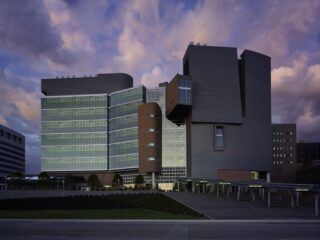

The University of Cincinnati College of Medicine (UCCOM) is a public MD-granting medical school in Cincinnati, Ohio. It was established in 1819 and is Ohio’s first medical college, the nation’s second-oldest public college of medicine and the oldest medical school west of the Allegheny Mountains. If you have been searching for “medical schools near me” in the Ohio, Kentucky and Indiana tristate, or simply looking at strong public medical schools in the United States, UCCOM has probably come up, and for good reason. The college has a long list of distinguished alumni and faculty, a research tradition that includes the oral polio vaccine and the first functional heart-lung machine, and clinical training across UC Health, the Cincinnati VA and Cincinnati Children’s.
This guide covers the 2026-2027 application cycle, which fills the class that begins in July 2027. It explains what UCCOM looks for, how its Early Decision Program and regular admissions work, what the current secondary questions ask, how the fully virtual interview runs and what medical school costs in Cincinnati for the 2026-27 academic year. Every statistic carries its year and group, and sources are listed at the end. Facts were checked on October 17 and 18, 2026.
UCCOM has school-specific rules and expectations for its admissions process. To put your best foot forward and leave a good impression on the admissions committee, you need to know them before you apply, not after your secondary invitation arrives. The sections below walk through each one in the order you will meet it.
Key Takeaways
- Eligibility is limited to U.S. citizens and permanent residents. Permanent residents upload a copy of the front and back of the card with the secondary. Applicants need at least 90 semester hours at a U.S. accredited four-year institution; a bachelor’s degree is preferred but not required.
- There are no required courses, but the knowledge is expected. UCCOM does not require specific coursework. It expects the knowledge usually gained in one-year courses in biology, general and organic chemistry, physics and math.
- Your MCAT can be up to three years old. For the 2027 entering class, scores from 2023, 2024, 2025 or 2026 are accepted.
- The class is strong and mostly from Ohio. The 2026 entering class had a class GPA of 3.89, a science GPA of 3.87 and an MCAT composite of 515. Ohio residents made up 67% of the class. UCCOM made 380 acceptances out of 6,782 applications for that class. For the 2025 entering class, accepted applicants had a median GPA of 3.93 and a median MCAT of 515.
- The secondary is short but specific. The 2026-2027 secondary includes a Mission Fit essay, a Personal Growth question about anything concerning in your file, a re-applicant question, an Ohio and Cincinnati ties question (2,000 characters each) and three 750-character disclosure questions.
- Key dates: AMCAS opened May 28, 2026; the Early Decision deadline was August 3, 2026; the AMCAS and regular secondary deadlines are both December 1, 2026; interviews run August through February; decisions begin October 15 and come out every two weeks.
- Costs for 2026-27: tuition and fees are $18,654 per semester for Ohio residents and $28,837 for non-residents. The first-year cost of attendance is $64,217 (Ohio resident) or $84,583 (non-resident). The secondary fee is $100, and no deposit is required to hold an offer.
- Next step: complete your AMCAS early, ask for letters from people who have seen you in science and clinical settings, and draft the Mission Fit and Ohio ties essays now, because invitations go out from mid-July.
Key Statistics About the University of Cincinnati College of Medicine

The table below collects the figures applicants ask about most. Each row names the year and group it describes.
| Item | Value | Year and group | Source |
|---|---|---|---|
| School and degree | University of Cincinnati College of Medicine, MD (four years); MD/PhD through the MSTP | Current | UCCOM |
| Accreditation | LCME, full accreditation (8-year term granted February 2020); next survey visit October 2027 | Current | UCCOM LCME page |
| Applications | 6,782 (930 Ohio residents, 5,833 non-residents) | 2026 entering class | UCCOM Class Profile |
| Applicants interviewed | 576 | 2026 entering class | UCCOM Class Profile |
| Acceptances | 380 out of 6,782 applications (about 5.6%) | 2026 entering class | UCCOM Class Profile |
| New matriculants | 174 | 2026 entering class, MD and MSTP | UCCOM Class Profile |
| Class GPA | 3.89 | 2026 entering class, matriculants | UCCOM Class Profile |
| Class science (BCPM) GPA | 3.87 | 2026 entering class, matriculants | UCCOM Class Profile |
| Class MCAT composite | 515 | 2026 entering class, matriculants | UCCOM Class Profile |
| Median MCAT | 515 (mean 515.3) | 2025 entering class, accepted applicants | AAMC MSAR |
| Median GPA | 3.93 overall (mean 3.87); 3.9 science (mean 3.83) | 2025 entering class, accepted applicants | AAMC MSAR |
| Verified applications, interviews and matriculants | 6,636 applications; 620 interviewed (350 in-state, 270 out-of-state); 175 matriculants (110 in-state, 65 out-of-state) | 2025 entering class | AAMC MSAR |
| Residency mix | 67% Ohio residents, 33% non-residents | 2026 entering class | UCCOM Class Profile |
| Tuition and fees | $18,654 per semester (Ohio resident); $28,837 per semester (non-resident) | 2026-27 | UCCOM Tuition page |
| First-year cost of attendance | $64,217 (Ohio resident); $84,583 (non-resident) | 2026-27, M1 (10 months), excludes health insurance premium | UCCOM Cost of Attendance |
| AMCAS primary deadline | December 1, 2026 | 2026-2027 cycle | AAMC MSAR |
| Regular secondary deadline | December 1, 2026 | 2026-2027 cycle | UCCOM Application Timeline |
| Secondary fee | $100; fee waiver available | 2026-2027 cycle | AAMC MSAR; UCCOM Overview (waiver) |
| Deposit to hold an offer | None required | 2026-2027 cycle | AAMC MSAR |
| Acceptance notices | October 15, 2026 to July 1, 2027; two weeks to respond | 2026-2027 cycle | AAMC MSAR |
| MCAT age limit | Scores from 2023-2026 for the 2027 entering class | 2026-2027 cycle | UCCOM FAQs |
| Students receiving financial aid | 77% | 2024-2025, all enrolled and graduated students | AAMC MSAR |
| Average medical school debt | $198,518 | 2024-2025, indebted graduates | AAMC MSAR |
Three notes help you read this table. First, the acceptance figure is offers divided by applications for the same entering class, which is a fair acceptance measure. Dividing matriculants by applications would give a smaller number that is not an acceptance rate, because some admitted applicants enroll elsewhere. Second, the class GPA and MCAT figures describe enrolled students in the 2026 entering class, while the medians describe all accepted applicants in the 2025 entering class. Neither is a minimum, and UCCOM does not use a minimum GPA or MCAT to screen regular applicants. Third, the cost of attendance excludes the student health insurance premium, which is billed separately unless you waive coverage.
Mission and Educational Priorities
UCCOM’s official mission has three parts: “Elevating health for all through life-changing care, innovation, and learning. Advancing knowledge through research and discovery. Educating and training the physicians, scientists, and health professionals of the future.” The college pairs it with a short purpose statement, “Transforming health, improving life,” and a regional vision: “Together, make Greater Cincinnati the healthiest city in America.” All three appear on the college’s About the College page.
The secondary page adds its own framing. It describes a commitment to an inclusive environment where innovation and intellectual inquiry flourish, and it asks applicants how they will contribute to the college’s vision of excellence in education, research and patient care. The homepage sums up the same idea in one line: indispensable through excellence in education, research and patient care.
What each part means in practice
Elevating health for all. This is the service part of the mission, and it shows up in the curriculum from the first weeks. The Physician and Society course includes a service-learning project in which students work with a community partner through their Learning Community, then present a poster at the end of the first year. Students can continue that work as a community advocacy project. Outside the curriculum, student groups such as UC Med Mentors pair medical students with Cincinnati schoolchildren for four years at a time.
Advancing knowledge through research. UCCOM is part of the Tristate region’s only academic medical center, which holds $161 million in research grants and contracts. Research is not required for the regular MD, but the Office of Medical Student Research runs a database of projects at UC, Cincinnati Children’s and elsewhere, and calls the summer after first year an ideal time for a project.
Educating future physicians, scientists and health professionals. UCCOM trains MD students, MD/PhD students through its Medical Scientist Training Program, MD-MPH students and, through the Connections program, high school seniors admitted to both college and medical school.
What the mission means for applicants
Read the mission as a description of the student UCCOM wants to admit. The college’s own statement of what it reviews (covered in the admissions section below) lists academic background, personal growth and development, and professional development. In plain terms, that means a strong and improving academic record, evidence of maturity, integrity and service, and real exposure to health care.
The regional vision matters too. UCCOM wants physicians who will improve health in Greater Cincinnati, and two-thirds of its 2026 entering class were Ohio residents. That does not mean non-residents cannot win a seat: one in three students in that class came from outside Ohio. It does mean the secondary asks directly about your ties to Cincinnati and Ohio, and your Mission Fit essay should show that you have thought about this city and its patients, not only about the school’s reputation.
The college also expects students to be committed to serving the community, to adhere to high ethical standards and to be sensitive to the individual, cultural and ethnic differences that exist in society. Those values match the service-learning and advocacy structure of the curriculum. If your experiences include sustained service, especially with people who struggle to get care, the mission gives you a clear way to explain why UCCOM fits.
Accreditation and Institutional Identity
UCCOM’s MD program is accredited by the Liaison Committee on Medical Education (LCME), the accrediting body for MD programs in the United States and Canada. The college received full accreditation after its October 2019 site visit, with a full 8-year term granted in February 2020. Its next self-study began in May 2026, and the next LCME survey visit is scheduled for October 2027. LCME accreditation is what allows graduates to sit for licensing exams in most states and to enter ACGME-accredited residency programs.
History and identity
The college was founded on January 19, 1819, when frontier physician Daniel Drake, MD, received a charter from the Ohio State Legislature to establish the Medical College of Ohio in Cincinnati. Twenty-four students attended the first class in 1820, and seven received degrees at the first commencement in 1821. The Medical College of Ohio merged with the University of Cincinnati in 1896, combined with Miami Medical College in 1908, and took the name UC College of Medicine in the early 20th century. Because it is the oldest college that merged with UC, it gives the university its founding date.
UC Medical Center was founded in 1821 as the teaching hospital for the College of Medicine. The college affiliated with Children’s Hospital, today Cincinnati Children’s Hospital Medical Center, in 1925. Some of the most notable events in medicine happened here. Albert B. Sabin, MD, developed the first live, attenuated polio vaccine at UC and Cincinnati Children’s, and in 1951 Samuel Kaplan, MD, Leland Clark, PhD, and James Helmsworth, MD, developed the world’s first functional heart-lung machine at Cincinnati Children’s. The antihistamine marketed as Benadryl was developed at UC by George Rieveschl, PhD, and UC had the country’s first emergency medicine and physical medicine and rehabilitation residency programs.
Size of the academic medical center today
The college is part of the Tristate region’s only academic medical center. That center holds $161 million in research grants and contracts and has 2,728 faculty, physicians and advanced practice providers working in 89 specialties, generating 1.2 million total patient visits each year. The academic medical center also includes UC Health, the Cincinnati VA Hospital and Cincinnati Children’s. Current faculty include researchers such as Xiaoting Zhang, PhD, who directs UC’s Breast Cancer Research Program (profiled below), along with a long list of notable alumni and past faculty.
The University of Cincinnati itself is a public research university with nearly 53,600 students. Its health affairs enterprise also includes the colleges of Allied Health Sciences, Nursing and Pharmacy, which matters for interprofessional teamwork during training.
UC College of Medicine rankings and recognition
Rankings change every year and measure different things, so use them as one small input. The college describes itself as one of the “Top 40 Medical Schools for Research,” and its About page notes that Cincinnati Children’s, a core training site, was recently named the top pediatric hospital in the country. Pediatrics is a real strength of the Cincinnati training environment because so much teaching and research happens at Cincinnati Children’s.
Ranking lists also look at outcomes such as diversity, graduates practicing in primary care, graduates practicing in medically underserved areas and graduates Practicing in Rural Areas. If those outcomes matter to your career plans, check the newest edition of any ranking directly and compare it with what the school offers, such as its family medicine clerkship and community-based Fundamentals of Doctoring preceptors. For context, 5% of the 2026 entering class reported a rural background.
Medical Programs and Affiliations
Research every program before you apply. It will sharpen your application and help you decide whether UCCOM is the best fit. When it comes to programs and specialties there is no lack of options: the college offers the four-year MD, an Early Decision route, an MD/PhD program, two dual degrees that MD students add during school and a BS/MD program for high school seniors. Beyond the MD itself, UCCOM runs certificate programs, residencies and fellowships across specialties such as dermatology, orthopaedics and surgery, but this guide focuses on the routes into medical school.
Four-year MD program
The standard MD takes four years and is built in three phases: a two-year pre-clerkship phase, a 12-month clerkship year and a post-clerkship phase (details in the curriculum section). Students pay ten semesters of tuition: fall and spring each year, plus two summer semesters at the start of the third and fourth years.
UCCOM holds its MD students to high standards. It expects MD graduates to have a strong sense of commitment to serving their community, to adhere to high ethical standards and to be sensitive to individual, cultural and ethnic differences in society. Before they start, admitted students complete an AAMC-facilitated background check, a second criminal background check, a comprehensive drug screen and immunization requirements, and they must meet the college’s Technical and Health Standards (covered in the admissions section).
Early Decision Program (EDP)
The EDP is for applicants who have a compelling reason to attend UCCOM and are willing to apply only here first. It runs through AMCAS. For 2026-2027, EDP secondary invitations began July 6, 2026; the EDP deadline was August 3, 2026; interviews ran August through September; and decisions were released by October 1, 2026. Applicants who are not accepted are deferred to the regular pool, not rejected outright.
UCCOM describes a competitive EDP candidate as having significant medical exploration, a cumulative GPA of at least 3.60, a BCPM GPA of at least 3.5, an MCAT score of at least 512 or the 88th percentile, a wide variety of service and activities, strong recommendations and evidence of genuine interest in UCCOM’s mission and programs. These are the competitive features for EDP only. Regular admission has no published minimum.
MD/PhD: Medical Scientist Training Program (MSTP)
The MSTP is a joint program of UC and Cincinnati Children’s for future physician-scientists. For 2026-2027, the AMCAS deadline is October 15, 2026 and the MSTP secondary deadline is October 31, 2026. There are seven interview dates between August 2026 and January 2027, with a second visit in April 2027. The 2026 entering class included 12 MSTP students.
Eligibility follows the regular MD rules (U.S. citizens or permanent residents). Applicants choose MD/PhD only, or both MD/PhD and MD, in the UCCOM secondary. There is no secondary fee for MD/PhD-only applicants. Letters must include at least one from a research mentor. Two fellowships are open to accepted MSTP students: the Jeffrey A. Whitsett Physician-Scientist Training Fellowship for applicants interested in pediatric research, and the Albert B. Sabin Physician-Scientist Training Fellowship in immunology. Current UC first- and second-year MD students can also apply internally to join the MSTP between July 1 and August 15.
MD-MPH dual degree
The MD-MPH prepares physicians to work in public health settings, combining clinical training with population-level methods. Graduates learn to identify and research public health issues, engage in population health research and implement evidence-based solutions. It is a five-year sequence: MD-MPH core coursework in the first two years, the clerkship year, a major MPH year as graduate students in the MPH program, and a final year of clinical rotations and completion of the thesis or practicum. Applications open in the later fall of the first year of medical school. The program director is Dr. Whitney Bryant.
MD/MBA dual degree
The MD/MBA is offered with the Graduate Division of the College of Business Administration (the Carl H. Lindner College of Business). It appeals to students who want to add economics, finance and the management of health systems to their medical training. Applicants must meet the admissions rules of both colleges, take the GMAT with an overall score of at least 600 and a quantitative score of at least 39 (70th percentile), and have completed at least one college calculus course. Students apply during medical school, at several possible points.
Connections Dual Admissions (BS/MD)
Connections is UC’s BS/MD program. High school seniors apply and are admitted to a UC undergraduate college and to UCCOM at the same time. The program looks for mature, intellectually curious students focused on service, with an interest in health disparities from a community engagement perspective. The 2026-2027 application is open. High school students weighing this route often look for early patient-care exposure, and medical internships for high school students are one way some students test their interest before applying.
Pathways of Distinction
Inside the MD, students can build a focus through Pathways of Distinction. These include longitudinal electives that start in the pre-clerkship phase, the MD-MPH, the Medical Students Scholars Program with 16 areas of concentration, summer research, the Physician and Society service-learning experience and community advocacy projects, and the IMPAcT Program. Many students in these pathways present at conferences and publish.
Clinical affiliations
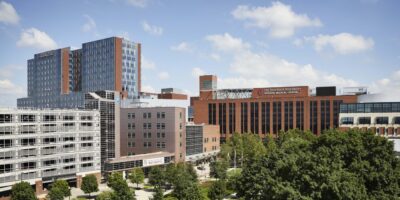
Students train across the academic medical center: UC Medical Center (UC Health), the Cincinnati VA Medical Center and Cincinnati Children’s Hospital Medical Center, plus community sites. OB/GYN inpatient rotations take place at one of six hospitals in the Tristate, and the family medicine clerkship places students at community or residency sites.
Curriculum Overview
UCCOM’s curriculum is organized into three phases. The college describes it as a balance of subject-specific courses, integrated content blocks and clinical experiences.
Phase 1: Pre-clerkship (years 1 and 2)
The first year opens with Scientific Foundations of Medicine, which covers molecular and cellular principles across biochemistry, cell biology, physiology, pharmacology, histology, immunology, microbiology, anatomy, embryology and pathology. Organ-system courses follow: Brain, Mind, and Behavior; Hematology-Oncology and Gastrointestinal (HOGI); and Musculoskeletal and Integumentary Systems. The second year continues with Cardiovascular-Pulmonary Systems, Reproductive Systems and Renal-Endocrine Systems, which use traditional lectures, flipped classroom sessions and interactive teaching.
Four longitudinal threads run alongside the organ blocks:
- Clinical Skills (101, 102, 201, 202). Students learn the medical interview and a head-to-toe physical exam, then move to problem-focused histories and exams with standardized patients in a high-fidelity simulated setting, working in teams.
- Fundamentals of Doctoring (101, 201, 202). A three-semester sequence that pairs each student with an individual community preceptor and that preceptor’s patients. Students first watch how the ten steps of a patient encounter are done, then practice them with real patients.
- Learning Communities (101, 102, 201, 202). Weekly small-group case discussions led by practicing clinicians. Students prepare by researching probe questions, which builds self-directed learning skills that are part of their assessment.
- Physician and Society (101, 102, 201, 202). Starts with a two-week intensive block at the beginning of medical school, then continues over two years with tracks in community and population health, the business and law of medicine, ethics, professionalism and physician identity. Service learning with a community partner is a core part of the first year.
The second year also includes Health Care Emergency Management Part II, which covers triage in mass casualty incidents (the START method) and disaster response.
Phase 2: Clerkship year (year 3)
The clerkship year lasts 12 months. Required core clerkships are Family Medicine, Internal Medicine, Neuroscience, Obstetrics and Gynecology, Pediatrics, Psychiatry and Surgery, each four to eight weeks long, plus four weeks of electives.
| Core clerkship | Length and structure |
|---|---|
| Family Medicine | 4 weeks, outpatient, at a community or residency site |
| Internal Medicine | 8 weeks: 4 inpatient, 4 ambulatory |
| Neuroscience | 4 weeks: 2 adult neurology, 2 neurology specialty |
| Obstetrics and Gynecology | 6 weeks: 4 inpatient at one of six Tristate hospitals, 2 ambulatory |
| Pediatrics | 8 weeks: 4 inpatient, 4 outpatient |
| Psychiatry | 6 weeks: two inpatient units plus outpatient and psychiatric emergency days |
| Surgery | 8 weeks inpatient: 4 core surgery, 4 surgical specialty |
During this phase students take two 2-week electives for career exploration. They can swap one for two weeks of flex time, and starting in the 2026-27 academic year they can also take Phase 3 electives in these slots if they meet the prerequisites. Third-year electives include anesthesia, cardiovascular ICU, clinical oncology, dermatology, emergency medicine, geriatric medicine, medical ICU, ophthalmology, otolaryngology, pathology, pediatric genetics and neurodevelopmental disabilities, radiology and urology.
Phase 3: Post-clerkship (year 4)
For the Classes of 2026 and 2027, students complete 32 weeks of credit: a four-week Internal Medicine Acting Internship, a four-week specialty acting internship, 12 weeks of Intensive Clinical Experiences and 12 weeks of general electives, plus 20 weeks of flex time for Step 2, residency interviews and personal time. Students starting in 2027 will graduate in 2031, so they follow the requirements for the Class of 2028 and beyond: 36 weeks of credit that include the Internal Medicine Acting Internship, a four-week Acute Care Experience (critical care or emergency medicine), a four-week Transition to Residency course, 12 weeks of Intensive Clinical Experiences and 12 weeks of general electives, with 20 weeks of flex time. Up to 16 weeks can be away rotations.
In an acting internship, the student works as the primary caregiver under supervision: taking the history and physical, building a differential, writing orders, taking call and handling care transitions.
Assessment, scholarship and track differences
Learning Communities include feedback on self-directed learning, and core clerkship outcomes are aligned with the AAMC’s Core Entrustable Professional Activities for Entering Residency. Scholarly work is optional for regular MD students and can be done at any time, though the summer after the first year is the usual window. MD-MPH students add a full MPH year between the third and fourth years of the MD, and MSTP students add graduate training toward the PhD.
Admissions Requirements and Application Process
UCCOM has specific application criteria and academic requirements that you must meet to be considered. This section covers each one, then the steps of the application in order.
Eligibility
- Be a U.S. citizen or permanent resident. A copy of the front and back of the permanent residency card is part of the secondary application.
- Complete at least 90 semester hours at a U.S. accredited four-year degree-granting institution. A bachelor’s degree is preferred but not required.
- If you earned a degree from, or are enrolled full-time at, an undergraduate college outside the United States, complete at least 20 hours of science coursework at a U.S. college or university.
- If you are enrolled in a graduate or professional degree program, finish all its requirements before you matriculate.
UCCOM does not accept applications from international applicants, Canadian applicants or applicants with DACA status. Out-of-state applicants are welcome, and a special connection to Ohio is not required.
Coursework expectations
UCCOM does not require specific courses. All majors are valued, and the college expects applicants to have the knowledge usually gained in one-year courses in biology, general and organic chemistry, physics and mathematics. Highly competitive applicants have also taken coursework in the social, cultural and behavioral sciences, and the college strongly recommends basic statistics and computer literacy.
In practice, most applicants cover the content through the courses common to most medical schools: biology, chemistry (general and organic, and often biochemistry), physics, mathematics or statistics, and English or writing. If you are missing one of these areas, the MCAT and your transcript are where the committee will look for evidence that you know the material.
MCAT and GPA
There is no published minimum GPA or MCAT for regular admission. The 2026 entering class had a class GPA of 3.89, a science (BCPM) GPA of 3.87 and an MCAT composite of 515, so most admitted students are well above the national average. For the 2025 entering class, accepted applicants had a median overall GPA of 3.93 (mean 3.87), a median science GPA of 3.9 (mean 3.83) and a median MCAT of 515 (mean 515.3). Their median section scores were 129 in Chemical and Physical Foundations, 128 in Critical Analysis and Reasoning Skills, 129 in Biological and Biochemical Foundations and 130 in Psychological, Social and Biological Foundations. The committee looks at all MCAT scores and at grade trends, not just your highest number. It does not superscore, does not necessarily average scores and prefers two or fewer MCAT attempts. Postbaccalaureate and graduate coursework is considered. EDP applicants are measured against the competitive features listed earlier (GPA at least 3.60, BCPM at least 3.5, MCAT at least 512 or the 88th percentile).
Most medical schools accept MCAT scores up to about three years old, and UCCOM does too. Scores must be no more than three years old at the time you submit AMCAS. For the 2027 entering class, scores from 2023, 2024, 2025 or 2026 are accepted, and older scores are not. If your score is older than that or you have not yet taken the MCAT, review the upcoming MCAT test and registration dates so your score is ready in time. All materials, including MCAT scores, must arrive by the regular admissions due date, and incomplete or late applications are not reviewed. If you have not taken the exam when you submit AMCAS, note your planned test date on the primary application.
Letters of recommendation
| Program | Required | Maximum |
|---|---|---|
| Regular MD | 1 pre-professional committee packet, or 3 individual letters from people who can evaluate your strengths as an applicant and future clinician. If you send 3 letters, UCCOM suggests 2 from people who can evaluate your work in science coursework or medical settings. | 5 (a committee packet counts as 1) |
| MD/PhD (MSTP) | 1 committee packet or 3 letters; at least 1 from a research mentor or research advisor | 5 |
Letters must come through the AMCAS Letter Service. Letters sent straight to UCCOM are not considered, and it is your job to tell your writers how to submit. If your letters are not shown as received within three weeks, check with your writers first, then the admissions office. Re-applicants must send letters again each year, and UCCOM expects one or two new letters.
CASPer, PREview and the Kira interview
The CASPer test is required by some schools but not all. It is an online test of non-cognitive skills such as ethics and communication. For the 2026-2027 cycle, UCCOM does not require CASPer or the AAMC PREview exam. Instead, applicants who are invited to interview complete a six-question asynchronous video interview on the Kira Talent platform, reviewed by trained professionals, before their live interviews. See the interview section for details.
Selection factors: what UCCOM looks for
When you apply to medical school, one of the most important things to learn is how the school selects students. Admissions committees generally review applications holistically, which means they try to see the whole person, not only your MCAT score. That is why a well-rounded application matters. Most medical schools use the AAMC Core Competencies as a general framework.
UCCOM states that after interviews, its Committee on Admissions reviews the interview report, letters and all other materials, and looks carefully at three areas:
- Academic background: grades and grade trends, all MCAT scores, post-baccalaureate or graduate work, honors courses, research experiences and independent study.
- Personal growth and development: professionalism, maturity, integrity, leadership, empathy and interpersonal skills, involvement in activities that help others, critical thinking, communication and growth.
- Professional development: understanding of the humanistic side of medicine, exploration of medicine through health care and service settings, knowledge of the demands of medical school, research productivity and understanding of a medical career.
UCCOM does not set a minimum number of clinical or volunteer hours. The professional development area makes clear that real exposure to patient care counts, so plan for steady clinical work, not a few short visits. Volunteering, scribing, medical assistant work and pre-med internships that involve supervised patient contact all give you experiences to write about in the secondary and talk about in the interview.
Technical and Health Standards
Every MD student must meet UCCOM’s Technical and Health Standards, with or without reasonable accommodation, and attests to them at matriculation and again before Phases 1 and 2. They fall into four areas:
Intellectual, conceptual, integrative and quantitative skills. Students must be able to take in large amounts of detailed information and use it to solve problems. They must be able to reason, measure, calculate, analyze and synthesize complex information, understand visual and spatial relationships between structures, and use sound clinical and ethical judgment in patient care decisions.
Communication skills. Students must be able to gather, process, explain and pass on information accurately and effectively in English, in writing and orally. They must be able to perceive mood, posture and nonverbal communication, present information clearly, and take part in fast-paced small-group discussions and patient care settings.
Social and behavioral skills. Students need the emotional maturity and stability to work in many learning formats, to finish responsibilities promptly, and to show integrity, empathy, compassion, respect and tolerance of differences. They must contribute to collaborative learning, accept feedback and take personal responsibility.
Motor coordination and sensory skills. Students must have enough motor function to take part in all parts of training, gather information through observation, tell normal from abnormal findings, respond quickly in emergencies, perform a physical exam and perform or direct life-saving maneuvers.
Review these standards before you apply. If you may need an accommodation, contact the college early.
AMCAS primary application and the UC secondary application

Most MD schools in the United States use the AMCAS application system, and UCCOM requires it. Your AMCAS is your primary application, and it goes to every school you choose. Our AMCAS application guide explains how to build it. Once AMCAS verifies your application and sends it on, UCCOM directs you to its UC Online Secondary Application in the MedOneStop portal. For 2026-2027, invitations go out from mid-July to applicants with a verified AMCAS application. You can start the secondary and finish it later, but once you submit, you cannot change it.
Secondary applications are unique to each school. They contain essay prompts that help the committee learn more about your values, goals and reasons for choosing the school. For a full explanation of how primary and secondary applications differ, read this article.
Your application is complete when UCCOM has your AMCAS application, your secondary, your letters, MCAT scores no more than three years old and, if you are not a U.S. citizen, a copy of your permanent residency card. The secondary fee is $100 for MD applicants. It is waived for AAMC Fee Assistance Program recipients, and other applicants can email the admissions office to ask for a waiver. MD/PhD-only applicants pay no secondary fee. The AMCAS primary application deadline is December 1, 2026, the same day as the regular secondary deadline.
Application status, updates and withdrawals
You track everything through your MedOneStop status page, including receipt of your secondary, letters received and changes in status. For login problems, contact the UC HelpDesk, not the admissions office.
UCCOM recommends submitting your strongest, most complete application at the start rather than planning to send updates. Most applications are reviewed soon after they arrive, so updates are often not considered. Send one only for truly exceptional news, such as a major publication, a significant award or a substantial new experience, as a PDF through MedOneStop. Letters of intent, routine grade updates and minor activities should not be sent. To withdraw, email the admissions office with your name, AMCAS ID and “withdraw” in the subject line.
Decisions, alternates and deadlines after acceptance
UCCOM uses rolling admission. The committee makes decisions every two weeks, and notifications begin on October 15 through MedOneStop. You will usually hear about six weeks after your interview whether you are accepted or placed in the alternate pool. Accepted applicants respond within two weeks, and no deposit is required to hold an offer. Acceptance notices go out from October 15, 2026 through July 1, 2027. The alternate pool is not tiered, alternates are reviewed throughout the season, and the pool becomes a waitlist after April 30. The number of applicants placed on the waitlist varies by year and typically falls between 60 and 150.
UCCOM follows the AAMC traffic rules and its Choose Your Medical School (CYMS) deadlines strictly; missing one is grounds for rescinding an offer.
2026-2027 timeline
| Date | Milestone |
|---|---|
| May 28, 2026 | First day to submit AMCAS |
| July 6, 2026 | EDP secondary invitations begin |
| Mid-July 2026 | Regular secondary invitations begin (verified AMCAS applicants) |
| August 3, 2026 | EDP deadline (AMCAS, secondary, letters, transcripts, MCAT) |
| August 2026 to February 2027 | Regular interviews (EDP interviews August to September) |
| By October 1, 2026 | EDP decisions |
| October 15, 2026 | MSTP AMCAS deadline; regular decisions begin and continue every two weeks |
| October 31, 2026 | MSTP secondary deadline |
| December 1, 2026 | AMCAS primary deadline and regular secondary deadline |
| April 15, 2027 | Reduce to three acceptances |
| April 30, 2027 | Plan to Enroll (choose one school); alternate pool becomes waitlist |
| May 1, 2027 | Wait list formed |
| May 11, 2027 | MD/PhD Commit to Enroll |
| June 25, 2027, 12:00 PM ET | MD Commit to Enroll |
| July 1, 2027 | Last date acceptance notices are sent |
| July 2027 | Matriculation |
Applying early matters in a rolling system. Interview spots are filled across the season, and decisions come out every two weeks, so a December 1 submission is on time but leaves fewer seats in play. If you are planning a gap year before you apply, use the spring and summer before AMCAS opens for clinical work: pre-med summer internships and similar programs can add supervised patient-care hours before your application goes in.
Tuition, Cost of Attendance and Financial Aid
Students need to budget for tuition and fees, but also for living costs, transportation and other expenses. Tuition and fees are set by the University of Cincinnati Board of Trustees and are charged by residency.
2026-27 tuition
- Ohio residents: $18,654 per semester; $37,308 for the first year.
- Non-Ohio residents: $28,837 per semester; $57,674 for the first year.
- Kentucky Metropolitan Rate: Kentucky residents pay Ohio in-state tuition plus $324 per semester.
- Indiana Metropolitan Rate: Indiana residents who are dependents of an Indiana resident may pay Ohio in-state tuition plus $324 per semester.
Both metro-rate applications must reach the UC Office of the Registrar before the first day of the semester, and the deadline is strictly enforced. Students pay ten semesters of tuition over the four years. Second and third years include a summer semester, which is why those years cost more.
Ways to qualify for in-state tuition
- Forever Buckeye: Ohio high school graduates who left the state and return to enroll at an Ohio public institution can receive in-state tuition (Registrar provision C8). Ohio residents who went to college out of state should still submit the Ohio Residency Application.
- Ohio bachelor’s degree: students who recently earned a bachelor’s degree from any Ohio college or university, public or private, can receive in-state tuition from matriculation (provision C11).
- Reclassification: under certain conditions, non-residents can reclassify for in-state tuition.
2026-27 cost of attendance by year
| Year (2026-27 budget) | Length | Tuition and fees (Ohio / non-resident) | Total cost of attendance (Ohio / non-resident) |
|---|---|---|---|
| First year | 10 months, 2 semesters | $37,308 / $57,674 | $64,217 / $84,583 |
| Second year | 12 months, 3 semesters | $55,962 / $86,511 | $87,971 / $118,520 |
| Third year | 12 months, 3 semesters | $55,962 / $86,511 | $87,897 / $118,446 |
| Fourth year | 10 months, 2 semesters | $37,308 / $57,674 | $64,345 / $84,711 |
These are the 2026-27 budgets for each class year. A student entering in 2027 will pay rates set for later years, which the college notes may differ from the prior year. As a rough planning figure, adding the four 2026-27 budgets gives about $304,430 for an Ohio resident and $406,260 for a non-resident, before insurance and before any rate changes.
The first-year budget breaks down like this for both residency groups: required fees of $761 (COM Health Fee $175, Long Term Disability Insurance $56, Medical Education Resources Fee $105, Ultrasound Training Fee $325, Medical Student Association Fee $100), books and supplies of $1,065, student loan fees of $529, transportation of $3,524 (car insurance, maintenance, parking and gas), personal costs of $2,470 and room and board of $18,560 (rent $11,100, utilities $2,550, food $4,680, renter’s insurance $230). Second- and third-year budgets add USMLE fees of $695 and board prep, and the fourth-year budget includes $1,000 for residency applications.
Health insurance
Students are automatically enrolled in the UC Student Health Insurance plan unless they waive it each year, and the premium is not in the cost-of-attendance tables. For the coverage period of August 10, 2026 to August 9, 2027, the single-student premium is $1,107.90 for fall (August 10 to December 31) and $1,571.22 for spring (January 1 to August 9), or $2,679.12 for the full year. Family plans cost more. If you have other qualifying coverage, you can waive the plan.
Financial aid and scholarships
Financial aid for medical students is handled by the Office of Medical Student Financial Services in the Office of Student Affairs. Students apply through the College of Medicine aid office, and interviewees can schedule a personal meeting with the office. In 2020 the college created the Webster-Gustin Medical Scholarship, which provides full-tuition scholarships to medical students who completed high school or college in Ohio. Check the financial services office for current scholarship programs and how awards are made, because a scholarship that covers tuition still leaves living costs, fees and insurance to fund through savings or loans.
The college awards more than $2 million a year in institutional aid through merit-based scholarships, need-based scholarships and low-interest loans. Accepted applicants who finish the aid application before March 1 receive an estimated award letter in March, and need-based aid requires the FAFSA with parental information. In 2024-2025, 77% of all enrolled and graduated students received financial aid, and graduates who borrowed left with an average medical school debt of $198,518. That figure is a useful check on the four-year budget above: most students fund at least part of their education with loans.
A practical point for out-of-state applicants: the gap between resident and non-resident tuition is about $20,000 a year in the first and fourth years and about $30,500 in the second and third. If you hold an Ohio bachelor’s degree or graduated from an Ohio high school, check the C8 and C11 provisions before you assume non-resident rates.
Campus Facilities and Student Life
Where you will study
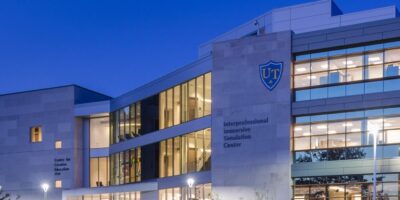
UCCOM sits on UC’s medical campus, close to UC Medical Center and Cincinnati Children’s. Medical students spend much of their first two years in the Medical Sciences Building, which opened in 1974 and allowed the class size to grow by nearly 50%. The CARE/Crawley Building opened in 2008 and earned LEED Gold certification, and research buildings such as the Vontz Center for Molecular Studies (1999) and the Cardiovascular Research Center (1997) are part of the same campus. Clinical skills training uses standardized patients in a simulated setting, so you will practice interviews and exams long before your first clerkship.
Housing and getting around
The 2026-27 cost-of-attendance budget assumes students rent off campus. It plans for $11,100 in rent and $2,550 in utilities over the ten-month first year, and it assumes students drive: it includes car insurance, maintenance, parking ($934) and gas. Clerkships take students to hospitals across the Tristate, so reliable transportation matters more in the third year.
Student organizations and service
UCCOM’s student organizations reflect the service focus of its mission. One of the largest is UC Med Mentors, founded in 2001 by Wan C. Lim, PhD, a professor emeritus of anatomy. It pairs medical students with schoolchildren for four years of mentoring. In October 2026, 77 medical student mentors were matched with 39 new mentees from Oyler School in Lower Price Hill, in partnership with the Cincinnati Youth Collaborative. Mentors meet their mentees about twice a month and join monthly group outings.
The Internal Medicine Interest Group co-sponsors the annual Research and Service Symposium with the Office of Student Affairs, where second-year students present their summer research and service projects. Interest groups, service programs and the Physician and Society community partnerships give students many ways to stay involved in Cincinnati neighborhoods during school.
Support
The Office of Student Affairs, led by Associate Dean Dawn Bragg, PhD, supports students through school, including financial services. Learning Communities put every student in a small group led by a practicing clinician during the first two years, which gives students a regular place to work through cases and the challenges of training together.
Living in Cincinnati
Cincinnati sits at the meeting point of Ohio, Kentucky and Indiana. That location is why UCCOM offers metro tuition rates to Kentucky and Indiana residents, and why many students already have ties to the region. Students who did not grow up here often use service learning and student groups to learn the city quickly.
If you want to see how a clinic in an underserved community runs before medical school, medical internships for undergraduates that include supervised intake and vitals can help you compare that work with the community-partner model UCCOM uses.
Clinical Rotations and Research Opportunities
Clinical training
Clinical contact starts early. In the first two years, Fundamentals of Doctoring pairs each student with a community preceptor, and Clinical Skills uses standardized patients and simulation. The third-year core clerkships (family medicine, internal medicine, neuroscience, OB/GYN, pediatrics, psychiatry and surgery) take place across UC Medical Center, the Cincinnati VA, Cincinnati Children’s and community sites. Elective sites also include the Barrett Cancer Center, the Christ Hospital Cancer Center and UC Physicians offices around the region.
UCCOM’s history in clinical training is unusual. UC had the country’s first emergency medicine residency, and UC Medical Center was founded in 1821 as the first teaching hospital in the United States. Today the emergency medicine elective places students in an urban emergency department with a shock and resuscitation unit and a minor care area where students practice procedures such as suturing and splinting.
In the fourth year, acting internships put students in the role of an intern under supervision. Intensive Clinical Experiences require more than 20 hours a week of direct patient care, and students can complete up to 16 weeks of away rotations to explore residency programs.
Student research
Research is optional for regular MD students, but support is strong. The Office of Medical Student Research, directed by Amy Thompson, MD, PhD, maintains a database of research, scholarly, clinical and service opportunities at UC, Cincinnati Children’s, local programs and national programs, split into internal and external listings. The office points students to the UC Research Directory, departmental and Cincinnati Children’s division pages, the MSTP faculty list and NIH RePORTER to find mentors.
The 2026-2027 Summer Opportunities Series helps first-year students plan a summer project: an introduction to 2027 summer research and service options in October, the Research and Service Symposium in November (with a Medical Student Grand Rounds keynote and second-year poster sessions), a summer research mixer, a workshop on writing a project proposal for the UCCOM CommonApp in December and a peer panel. Second-year students who completed summer projects present posters at the symposium.
Students who want a deeper commitment can join the Medical Students Scholars Program, with 16 areas of concentration, or apply to the MD-MPH.
Research strengths
The college’s research history includes work that changed medicine: the oral polio vaccine, the heart-lung machine, early tPA studies by the Greater Cincinnati/Northern Kentucky Stroke Team, pioneering research on lead exposure in children, Jeffrey Whitsett, MD’s discovery that led to routine treatment for respiratory distress in premature infants, and the first medical laser laboratory in the country, opened by Leon Goldman, MD, in 1961. Today’s centers include the University of Cincinnati Cancer Center, the UC Gardner Neuroscience Institute, the UC Center for Cardiovascular Research and Hoxworth Blood Center.
If you are planning a summer before medical school, patient-care work builds the experience UCCOM lists under professional development, while a lab position gives you the research experience UCCOM lists under academic background. Many strong applicants do both across different summers.
Notable Alumni, Faculty, Leadership and Admissions Staff
UCCOM has an exceptional list of alumni and current and past faculty. The profiles below focus on people whose work connects to what applicants will meet at the school. Roles were checked on October 17, 2026.
Leadership
Gregory C. Postel, MD, FACR, Dean. Dr. Postel became Executive Vice President for Health Affairs, Christian R. Holmes Professor and Dean of the College of Medicine on August 19, 2024. He is the 54th dean since 1819 and also chairs the UC Health Board of Directors. An interventional neuroradiologist, he chaired the Department of Radiology at the University of Louisville School of Medicine for 18 years and served as University of Louisville executive vice president for health affairs and interim president before becoming president of the University of Toledo in 2020. He earned his MD at Case Western Reserve University, trained in radiology at Cleveland Clinic and completed a neuroradiology fellowship at Mayo Clinic. For applicants, his background in both academic medicine and health system leadership is a useful lens on the college’s focus on regional health and its academic medical center.
Alex Lentsch, PhD, Executive Vice Dean. Dr. Lentsch is Executive Vice Dean and Senior Associate Dean for Faculty Affairs and Development, and he chairs the Department of Environmental and Public Health Sciences. That department houses the Division of Public Health Sciences, home of the MD-MPH program.
Philip Diller, MD, PhD, Senior Associate Dean for Educational Affairs. Dr. Diller oversees educational affairs and serves as interim chair of Medical Education, the area responsible for the MD curriculum described above.
Dawn Bragg, PhD, Associate Dean of Student Affairs. Dr. Bragg leads student affairs, which supports students through medical school and includes the financial services office.
Admissions staff
Donald Batisky, MD, Associate Dean of Medical Student Admissions and Special Programs. Dr. Batisky leads the admissions office. The required Inside the Interview webinar that opens every interview is hosted by the Associate Dean of Medical Student Admissions, so invited applicants will hear directly from this office about the interview process and UCCOM’s approach to admissions.
The admissions team also includes Gina Deckard, MS, Director; Elicia Schultian, MS, Associate Director of Enrollment Operations; Sophie Charlton, MA, Assistant Director of Recruitment and Special Programs; and Jill Holsapple, BA, Program Manager. The office’s general address for questions is [email protected].
Faculty
Gurjit Khurana Hershey, MD, PhD, MSTP Director. Dr. Hershey directs the Medical Scientist Training Program and the Division of Asthma Research at Cincinnati Children’s. She earned her MD and PhD at Washington University in St. Louis and trained in pediatrics and allergy and immunology at St. Louis Children’s Hospital. Her research looks for the genetic and environmental factors that drive asthma and how they create risk. MD/PhD applicants will meet her program’s structure in every part of the process.
Rocky Ellis, MD, Family Medicine Clerkship Director. Dr. Ellis is a UC graduate twice over (BS 1997, MD 2002) and a board-certified family physician. He directs the Family Medicine clerkship and, as MSTP associate director for medical studies, coordinates academic and specialty advising for MSTP students.
William Zacharias, MD, PhD, MSTP Associate Director for Graduate Studies. Dr. Zacharias runs a lung regeneration laboratory in the Division of Pulmonary Biology at Cincinnati Children’s and attends in the Medical Intensive Care Unit at UC. He helps MSTP students find labs during their graduate years.
Michael Jankowski, PhD, MSTP Associate Director for Admissions and Recruitment. Dr. Jankowski holds the Theodore W. Striker, MD Chair in Anesthesia Research at Cincinnati Children’s and studies how pain is processed in the peripheral nervous system across the lifespan.
Paul Spearman, MD, Co-Director of the MSTP Senior Physician Scientist Advisor Program. Dr. Spearman is the Albert B. Sabin Professor and Director of Infectious Diseases in the Department of Pediatrics at Cincinnati Children’s. His laboratory studies HIV biology and develops new vaccines, and his team runs vaccine clinical trials for adults and children.
Xiaoting Zhang, PhD, Breast Cancer Research Program. Dr. Zhang is a professor at the College of Medicine, holds the John and Gladys Strauss Endowed Chair and directs UC’s Breast Cancer Research Program. A UC faculty member since 2007, he studies how genes are switched on and off in breast cancer, especially the coactivator MED1 and estrogen receptor signaling, and develops RNA-based nanotherapeutics. He earned his PhD at the University of Iowa and trained at Rockefeller University.
Bruce C. Trapnell, MD, 2026 Daniel Drake Medalist. Dr. Trapnell is professor of medicine and pediatrics and directs the Translational Pulmonary Science Center at Cincinnati Children’s. His laboratory showed how GM-CSF signaling causes pulmonary alveolar proteinosis and developed the blood test now used worldwide to diagnose the autoimmune form. The Daniel Drake Medal is the college’s highest honor.
E. Steve Woodle, MD, 2026 Daniel Drake Medalist. Dr. Woodle is professor of surgery and holds the William A. Altemeier endowed chair. He directed UC’s Division of Transplantation for nearly two decades, performed Ohio’s first allogeneic islet transplant for type 1 diabetes in 2001 and helped establish kidney paired exchange for incompatible living donors.
Amy Thompson, MD, PhD, Director of the Office of Medical Student Research. Dr. Thompson’s office is where most MD students start a research project.
Notable alumni
UCCOM honors graduates through its Distinguished Alumni Award, Community Advocate Award and Young Alumni Award.
Thomas J. Fogarty, MD (MD 1960). Dr. Fogarty invented the balloon embolectomy catheter, a device that changed how surgeons remove blood clots and is considered one of the first minimally invasive surgical tools. He went on to hold many patents, received the National Medal of Technology and Innovation and founded Fogarty Innovation, a medical device incubator. He received UCCOM’s Distinguished Alumni Award in 1990 and died in December 2025.
Marilyn Hughes Gaston, MD (MD 1964). A Cincinnati native and pediatrician, Dr. Gaston is known for sickle cell disease research, including a landmark study showing that daily penicillin protects young children with sickle cell anemia from serious infections. She became the first Black woman to direct the Bureau of Primary Health Care at the U.S. Health Resources and Services Administration. She received the Distinguished Alumni Award in 2004.
Robert H. Eckel, MD (MD 1973). Dr. Eckel, a Cincinnati native, is professor emeritus at the University of Colorado Anschutz Medical Campus. His research on lipoprotein lipase helped explain how obesity, metabolic syndrome and diabetes drive heart disease. He has served as president of the American Heart Association and the American Diabetes Association. He was named a Distinguished Alumnus in 2013 and received the 2026 Daniel Drake Medal.
Charles Cavallo, MD. A College of Medicine alumnus and practicing pediatrician, Dr. Cavallo leads the advisory board of UC Med Mentors, the student mentoring program described above.
Other Distinguished Alumni Award recipients in recent years include Claude T. Moorman, MD ’87 (2022), Raymond Cho, MD ’94 and Jennifer Kaplan, MD ’99 (2024).
Historical faculty
Albert B. Sabin, MD. Dr. Sabin developed the first live, attenuated oral polio vaccine at UC and Cincinnati Children’s. On April 24, 1960, the first “Sabin Sunday” vaccinated children across Cincinnati and Hamilton County. His name lives on in the MSTP’s Sabin fellowship and Albert Sabin Way, the street address of the Medical Sciences Building.
Admissions Statistics and Class Profile
UCCOM publishes a class profile for each entering class. These figures are for the 2026 entering class, the newest available.
Application funnel
| Stage | Count | Note |
|---|---|---|
| National AMCAS applications | 46,714 | All MD applicants nationally |
| UCCOM applications | 6,782 | 930 Ohio residents, 5,833 non-residents |
| Applicants interviewed | 576 | About 8.5% of applications |
| Acceptances | 380 | 380 out of 6,782 applications, about 5.6% |
| New matriculants | 174 | MD and MSTP combined |
The interview line is interviewed out of applicants, and the acceptance line is offers out of applicants. Both use the same entering class. Interview capacity is set: the committee selects about 600 applicants to interview each year.
Academic profile
| Measure | 2026 entering class |
|---|---|
| Class GPA | 3.89 |
| Class science (BCPM) GPA | 3.87 |
| MCAT composite | 515 |
The class profile reports one figure for each measure, so treat these as typical values for enrolled students, not cutoffs. Medians and means for accepted applicants in the 2025 entering class appear below.
Class composition
| Measure | 2026 entering class |
|---|---|
| Ohio residents | 67% |
| Non-residents | 33% |
| Undergraduate college in Ohio | 63% |
| First-generation college students | 14% |
| Rural background | 5% |
| MSTP students | 12 |
2025 entering class: applicants, interviews and matriculants by residency
| Stage | In-state | Out-of-state | International | Total |
|---|---|---|---|---|
| Verified applications | 1,134 | 5,480 | 22 | 6,636 |
| Interviewed | 350 | 270 | 0 | 620 |
| Matriculated | 110 | 65 | 0 | 175 |
Three of those applicants deferred entry. Among the 175 matriculants, 3 entered through the Early Decision Program, 6 through the Connections BS/MD program and 12 through the MD/PhD program (1 in-state, 11 out-of-state). In-state applicants were interviewed at a much higher rate: 350 of 1,134 in-state applicants (about 31%) were interviewed, compared with 270 of 5,480 out-of-state applicants (about 5%). Those are interview shares, not acceptance rates; acceptances by residency for that class are not published.
2025 entering class: academic profile of accepted applicants
| Measure | Median | Mean (standard deviation) |
|---|---|---|
| Total GPA | 3.93 | 3.87 (0.16) |
| Science GPA | 3.9 | 3.83 (0.2) |
| MCAT total | 515 | 515.3 (4.7) |
| Chemical and Physical Foundations | 129 | 129 (1.8) |
| Critical Analysis and Reasoning Skills | 128 | 127.7 (2.1) |
| Biological and Biochemical Foundations | 129 | 129 (1.6) |
| Psychological, Social and Biological Foundations | 130 | 129.7 (1.7) |
These figures cover all accepted applicants, counted once each, using each applicant’s most recent MCAT score.
2025 entering class: experience and background
| Measure | 2025 matriculants |
|---|---|
| Physician shadowing or clinical observation | 97% |
| Research or lab experience | 96% |
| Community service or volunteering | 87% |
| Medical or clinical volunteering | 80% |
| Medical or clinical paid employment | 72% |
| Military service | 1% |
| Hold a graduate degree | 7% |
| Science or math majors | 65% |
| Entered from a postbaccalaureate program | 15 students |
| Self-reported disadvantaged status | 28% |
| Age 19 to 23 / 24 to 29 / 30 to 39 | 127 / 46 / 2 students |
Nearly every matriculant had research and shadowing or clinical observation, and almost three-quarters had paid clinical work. About 35% of matriculants majored in something other than science or math, which fits UCCOM’s statement that all majors are valued.
Specialty intentions of graduates
In the most recent graduating-class survey (July 2025), the most common specialty intentions were internal medicine (14.0%), family medicine (11.0%), pediatrics (11.0%), radiology (9.0%), obstetrics and gynecology (8.0%) and general surgery (7.0%). About 7% of graduating seniors reported a global health experience during medical school.
What the numbers tell you
Residency matters, but it is not everything. Ohio residents sent 930 of 6,782 applications, about 14%, yet made up 67% of the class. In-state applicants clearly have an advantage, which is common at public medical schools. Even so, a third of the class came from outside Ohio, so a strong non-resident with a real reason to train in Cincinnati is a realistic applicant.
The interview is the key step. Of the 576 applicants interviewed, 380 received acceptances. Getting an interview is the hardest part of the process at UCCOM, which is why your secondary essays and letters carry so much weight.
Many students come from Ohio colleges. 63% of the class attended an Ohio undergraduate college, which may include non-residents who studied in Ohio. Remember that a recent Ohio bachelor’s degree can also qualify you for in-state tuition.
Tips and Strategies for Admission
These strategies come from UCCOM’s published priorities and from how its process is built. They are editorial advice, not a description of a private scoring rubric.
1. Apply early in a rolling system
Decisions come every two weeks starting October 15, and interviews run from August. A complete application in July or early August is reviewed while more interview slots and seats remain. Treat December 1 as a hard stop, not a target.
2. Decide honestly about Early Decision
EDP is a strong choice only if UCCOM is clearly your first choice and your record matches the competitive features (GPA at least 3.60, BCPM at least 3.5, MCAT at least 512). Applicants who are not admitted through EDP move to the regular pool, but they will have started other applications later than their peers.
3. Show your ties to Cincinnati or explain your reason to come
Two-thirds of the class are Ohio residents, and the secondary asks about ties directly. If you have connections, describe them specifically. If you do not, show what draws you to this region and how you would learn it, for example through the Physician and Society community partnerships or UC Med Mentors.
4. Build real clinical experience
The committee looks at your exploration of medicine through health care and service settings. Steady, hands-on roles teach you more than short visits, and they give you better stories. Many applicants use clinical internships for pre-med students alongside local roles such as scribing, EMT work or medical assistant jobs. What matters is that you can describe what you did, what you saw and what you learned.
5. Make service a habit, not a line item
The mission begins with elevating health for all, and the curriculum has service learning built in. Long-term service in one place, especially with people who struggle to get care, shows the commitment the committee is looking for.
6. Treat research as a plus, not a requirement
Research is part of the academic background UCCOM reviews, but it is not required for the MD. If you have done research, explain your role and what you learned. MSTP applicants are different: research is central, and letters must include a research mentor.
7. Address weak spots directly
The Personal Growth question invites you to explain grade trends, institutional actions or legal issues. Use it. A clear, short explanation with evidence of improvement is far better than leaving the committee to guess.
8. Be completely honest in the disclosure questions
UCCOM runs two background checks, and inconsistencies with the secondary can lead to a rescinded acceptance. One speeding ticket typically does not concern the committee, but leaving it out can.
9. Choose letter writers who have seen you work
If you send individual letters, UCCOM suggests two from people who can evaluate your work in science courses or medical settings. A physician supervisor or lab mentor who knows you well is worth more than a famous name.
10. Get your application right the first time
UCCOM discourages most updates and does not want letters of intent. Put your best work into the original submission.
11. Prepare for a virtual interview with an asynchronous step
The Kira video interview comes before your live interviews, and you must finish it to move on. Practice speaking to a camera with a time limit.
12. If you are reapplying, change more than one thing
UCCOM recommends significant changes in more than one area, an updated personal statement and one or two new letters. A year of full-time clinical work, or a structured program such as pre-med gap year programs, can give you new experiences to describe. UCCOM also offers webinars at the end of each season for applicants planning to reapply.
If you feel you need more structured help with your application, you can also consider admissions consulting for feedback on your essays and interview practice.
Secondary Application Questions, Example Responses and Analysis
Secondary applications are a critical part of applying to medical school. They give you the chance to show the committee why you fit UCCOM and what makes you stand out. UCCOM posts its required secondary questions early so applicants can prepare while finishing AMCAS or the MCAT, and invitations go to applicants with a verified AMCAS application starting in mid-July. Keep these tips in mind:
- Read every part of each prompt carefully and answer all of it.
- Give concrete evidence from your academic, clinical, service or work experience.
- Do not repeat your AMCAS word for word; add new detail or reflection.
- Proofread, and check your character counts. Spaces count as characters in UCCOM’s platform.
- Write clearly and concisely.
The 2026-2027 secondary at a glance
| Question | Limit | Who answers |
|---|---|---|
| Mission Fit | 2,000 characters | All MD applicants (also part of the MSTP set) |
| Personal Growth | 2,000 characters | All MD applicants; N/A allowed |
| Additional Information: re-applicant | 2,000 characters | Re-applicants; others answer N/A |
| Ties to Greater Cincinnati and Ohio | 2,000 characters | MD applicants |
| Institutional action | 750 characters | All MD applicants; Yes or No, explain if Yes |
| Criminal history | 750 characters | All MD applicants; Yes or No, explain if Yes |
| Moving traffic violations | 750 characters | All MD applicants; Yes or No, explain if Yes |
| MSTP: research experience | 4,000 characters | MD/PhD applicants |
| MSTP: motivation for MD/PhD | 2,000 characters | MD/PhD applicants |
| MSTP: research interests and mentors | 2,000 characters | MD/PhD applicants |
The prompts from earlier cycles, including the questions about diversity of thought and the COVID-19 pandemic, are no longer part of the secondary. Write to the 2026-2027 questions below, and follow the limit shown in your portal.
Every example below is labeled “Illustrative example, not an actual applicant essay.” The examples are teaching tools written for this guide. Use them to see structure and level of detail, then write about your own experiences.
Question 1: Mission Fit
Prompt: Describe your interest in the University of Cincinnati College of Medicine. Which opportunities or resources would you pursue as a student, and why are they important to your goals?
Limit: 2,000 characters, spaces included. Required for all MD applicants.
What it asks. Three things: why you are interested in UCCOM, which specific opportunities or resources you would pursue, and why those matter to your goals. This replaces the older two-part “why UC” prompt, but the logic is similar. The committee wants to see that you have studied the school and can connect it to a real plan.
How to approach it. Pick two to four resources you have verified and that connect to your experiences, such as Fundamentals of Doctoring, the Physician and Society service-learning and advocacy projects, the Medical Students Scholars Program, the MD-MPH, summer research or a specific training site. For each one, say what you would do with it and why. Close with your goal in one sentence.
Illustrative example, not an actual applicant essay
I want to train where a medical school treats its city as part of the curriculum. UCCOM’s stated vision, to make Greater Cincinnati the healthiest city in America, matches the work I already do and the career I want in primary care for families who struggle to reach a clinic.
For two years I have worked as a patient intake volunteer at a free clinic, taking blood pressures and recording medication lists. Many of our patients had seen a doctor only in an emergency. I learned that a good visit starts long before the exam: it starts with transportation, a working phone number and someone who explains the next step.
That is why Fundamentals of Doctoring matters to me. Being paired with one community preceptor in my first year would let me practice the steps of a patient encounter with the same physician over time, and see how a primary care doctor builds trust across visits. I would also pursue the Physician and Society service-learning project. Working with a community partner through my Learning Community, and then building that project into a community advocacy effort, would give me a structured way to turn what I see in clinic into something lasting.
I am also interested in the Medical Student Scholars Program. A longitudinal concentration would let me study one question for four years instead of collecting short experiences. My question is practical: why do patients with uncontrolled hypertension miss follow-up visits, and what simple changes help them return? The summer after first year, with help from the Office of Medical Student Research, would be the right time to start a project on it.
Finally, I value the training sites: UC Medical Center, the Cincinnati VA and Cincinnati Children’s. Seeing adults, veterans and children in one region would prepare me to care for families.
These resources fit one goal. I want to be a family physician who knows the neighborhoods behind the chart, and UCCOM would teach me that from the first semester.
Analysis. How it answers the prompt: the prompt has three parts (interest in UCCOM, which opportunities you would pursue, and why they matter to your goals). The opening ties interest to the school’s official vision. The middle names specific verified resources (Fundamentals of Doctoring community preceptors, Physician and Society service learning and advocacy projects, the Medical Student Scholars Program, summer research through the Office of Medical Student Research, and the UC Medical Center, Cincinnati VA and Cincinnati Children’s sites). Each one is linked to a concrete goal from the applicant’s own experience, and the close restates one career goal. Why it works: it explains how the applicant would use each resource rather than listing them, and it grounds the choice in real clinical work. Mistakes to avoid: praising the school’s history or rankings without connecting them to you; naming programs you have not checked; listing ten resources with one line each; writing a generic ‘why medicine’ essay that could go to any school.
Question 2: Personal Growth
Prompt: Discuss any elements of your application that you feel might be concerning to the Admissions Committee. (This could include explanation of metric trends, institutional actions, legal violations, etc.). You may answer N/A if there are no concerns you would like to discuss.
Limit: 2,000 characters. Required response; answer N/A if you have no concerns.
What it asks. Anything in your file that might worry the committee: a grade dip, a withdrawn semester, a low or repeated MCAT, an institutional action or a legal issue. The label “Personal Growth” tells you what the committee wants to see: what changed in you.
How to approach it. Name the issue in the first sentence. Explain the cause briefly and take responsibility. Spend most of your space on what you changed and the evidence that it worked. If you truly have nothing to explain, answer N/A rather than inventing a concern.
Illustrative example, not an actual applicant essay
One part of my record may raise a question: my grades in the spring of my sophomore year. I earned a C in Organic Chemistry II and a B- in Physics I, and my science GPA dropped that semester.
That spring I was working 25 hours a week at a pharmacy to cover rent after my family’s income changed. I kept every shift and kept my volunteer role, but I studied in the time that was left, often late at night. I did not ask for help, and I did not change my plan when it was clearly failing. The grades reflect that choice.
Over the summer I made three changes. First, I met with my advisor and reduced my work hours to 12 during the school year, replacing the lost income with a campus research assistant job that let me study between tasks. Second, I joined a weekly study group and began using office hours every week, not just before exams. Third, I started planning each week on Sunday so that work, class and volunteering had fixed times.
The results show in my record. Since that semester I have earned A grades in Biochemistry, Cell Biology, Genetics and Physiology, and my science GPA has risen every term. I also scored a 514 on the MCAT on my first attempt.
What I learned matters more than the grades. I had treated asking for help as a weakness. Now I see it as part of doing a job well, and that includes medicine, where physicians rely on colleagues and teams every day. When I notice that I am overloaded, I act early: I adjust my schedule, tell the people who depend on me, and get support before the problem grows.
I do not have institutional actions or legal concerns to report.
Analysis. How it answers the prompt: the prompt asks you to discuss anything that might concern the committee, such as metric trends, institutional actions or legal issues. The example names the concern directly (one semester’s grades), explains the cause in two sentences without excuses, shows specific changes, gives evidence of the upward trend, and states what the applicant learned. The last line confirms there is nothing else to report. Why it works: the committee looks at grades and grade trends, so a clear explanation of a dip followed by proof of improvement answers the question before it is asked. Mistakes to avoid: blaming professors or circumstances; using most of the space on the hardship and little on the fix; inventing a weakness when you have none (answer N/A); leaving out an institutional action or legal issue that appears elsewhere in your file, which the background checks will reveal.
Question 3: Additional Information (re-applicants)
Prompt: Are you a UCCOM re-applicant? Explain how you and your application have changed since your previous submission, and tell us what you have learned along the way. You may answer N/A if not a re-applicant.
Limit: 2,000 characters. Required response; answer N/A if you have not applied to UCCOM before.
What it asks. Whether you are a UCCOM re-applicant and, if so, how you and your application have changed and what you learned.
How to approach it. Be specific about what was missing last time, what you did about it, and what the experience taught you. The school’s reapplication advice is a good checklist: significant changes in more than one area, an updated personal statement and one or two new letters. This is also the right place for a reapplicant to show that a gap year was used well, for example through full-time clinical work or pre-health internships with direct patient contact.
Illustrative example, not an actual applicant essay
Yes. I applied to UCCOM in the 2025-2026 cycle and was not offered an interview. When I reviewed my application, I saw two gaps: my clinical experience was mostly short-term, and my essays described what I wanted to do without showing that I had done much of it.
I addressed both. In June 2025 I started full-time work as a medical assistant at a family medicine practice in Dayton. I room patients, take vitals, update medication lists and help with depression and diabetes screening forms. I now have more than 1,800 hours of direct patient contact, and I know what a primary care day actually involves, including the parts that are slow and unglamorous.
I also stayed with one service commitment instead of adding many. Every Saturday I help run a blood pressure table at a church food pantry. Over 14 months I have learned to explain a reading in plain words, to follow up when a number is high, and to accept that many people will not come back unless someone they trust asks them to.
My application has changed in practical ways too. I asked for two new letters, one from the physician I work with and one from the pantry’s coordinator, so that the committee hears from people who have watched me work this year. I rewrote my personal statement around patients I have cared for, not around my plans.
The biggest thing I learned was patience with my own path. A year ago I saw a rejection as a verdict. Now I see that it showed me what I had not yet done. The extra year made me a better candidate, but it also made me more certain. I applied to medicine the first time because I admired doctors. I am applying now because I have done a small part of the work, alongside physicians and patients, and I want to do the rest of it.
I am reapplying to UCCOM because the reasons I chose it have only grown stronger, especially the community preceptor model in Fundamentals of Doctoring, which looks very much like the setting I now work in every day.
Analysis. How it answers the prompt: the prompt asks whether you are a UCCOM re-applicant, how you and your application have changed, and what you learned. The example answers ‘Yes’, diagnoses the prior gaps honestly, shows changes with numbers and dates (full-time medical assistant work, 1,800 hours, a 14-month service commitment, two new letters), and gives a reflection that shows maturity. It ends by renewing interest in a specific UCCOM feature. Why it works: the school’s reapplication guidance recommends significant changes in more than one area, updated personal statements and one or two new letters, and the example shows all three. Mistakes to avoid: listing new activities without explaining what you learned; sounding bitter about the prior decision; reusing last year’s essays; claiming changes that your AMCAS does not show. If you are not a re-applicant, answer N/A.
Question 4: Ties to Greater Cincinnati and Ohio
Prompt: Do you have any ties to the greater Cincinnati region and/or other areas of Ohio? Please describe. Examples may include personal, academic, professional/service, community, or other meaningful connections
Limit: 2,000 characters. Answer it fully. Applicants report it as a required question in the 2026-2027 portal.
What it asks. Your connections to the Cincinnati region or other parts of Ohio, with personal, academic, professional or service, and community examples.
How to approach it. List your real ties, then pick the strongest two or three and describe them with names of places and what you did. “Greater Cincinnati region” includes Northern Kentucky and southeastern Indiana, so tristate ties count. If you have no ties, say so plainly and explain what draws you to the region and how you would get to know it.
Illustrative example, not an actual applicant essay
Yes. I grew up in Covington, Kentucky, across the Ohio River from downtown Cincinnati, and the region has always felt like one community to me. My family’s doctors, my first job and most of my service work have been on both sides of the river.
My closest academic tie is my undergraduate work. I commuted to a university in Cincinnati, and during my junior year I volunteered with a youth tutoring program in Lower Price Hill. Many of the students I tutored had asthma, and several missed school because of it. That pattern pushed me to learn more about how housing and air quality affect children’s health, and it is part of why I care about the environmental health research that has a long history in Cincinnati.
My professional ties are clinical. For the past two years I have worked as a patient care technician on a medical-surgical floor at a hospital in Northern Kentucky. Many of our patients live in Ohio and travel back and forth for care, so I have seen how a hospital stay, a follow-up appointment and a pharmacy can sit in different cities and sometimes different states. Helping patients understand their discharge plans taught me how much a simple, clear explanation matters.
My personal ties are long-term. My grandparents live in Hamilton County, and I help my grandmother manage her appointments for heart failure. Sitting in her cardiology visits taught me what patients and families notice: whether the doctor looks up from the screen, and whether anyone asks how they will get home.
I hope to practice primary care in Greater Cincinnati after training. I want to stay in a region I know well, serving patients whose neighborhoods, schools and bus routes I understand. Training here would let me build those relationships from the first year instead of starting over somewhere else.
Analysis. How it answers the prompt: the prompt asks whether you have ties to the greater Cincinnati region or other parts of Ohio and asks you to describe them, with personal, academic, professional/service and community examples. The example covers all four types in order, uses a Northern Kentucky applicant to show that ‘greater Cincinnati region’ can include the tristate area, and ends with a plan to practice in the region. Why it works: each tie is specific (a neighborhood, a job, a family member’s care) and each one leads to a lesson about patient care, so the answer does more than prove geography. Mistakes to avoid: claiming ties you cannot support; padding a weak connection with tourism or sports teams; leaving the question blank if you have no ties (instead, write a short honest answer about what draws you to the region and how you would learn it); repeating your Mission Fit essay.
Questions 5 to 7: Disclosure questions
These three questions are Yes or No, with up to 750 characters to explain a Yes. They are factual, not essays, so the examples below are worked response patterns. Your answers must match your AMCAS, your dean’s certification and both background checks.
Question 5: Institutional action
Prompt: Have you ever been subject to any institutional action- such as discipline, probation, suspension, dismissal, or any other sanction- by any college, university or medical school for unacceptable academic performance or a conduct violation, even if the action may did not interrupt your enrollment or require withdrawal? If ‘Yes’ please explain fully in the space below.
Limit: 750 characters.
Worked response pattern (Illustrative example, not an actual applicant essay)
Yes. In the spring of my first year of college I was placed on academic probation after my term GPA fell below 2.0. I was working nights and had not yet learned how to manage college coursework. My enrollment was not interrupted. I met with my advisor every two weeks the next semester, reduced my work hours and used the campus tutoring center. I earned a 3.6 that term and was removed from probation. My GPA has been above 3.5 every term since. The experience taught me to ask for help early and to plan my week around my responsibilities instead of reacting to them.
How to use this pattern. Worked response pattern for a factual disclosure field: answer Yes or No first. If yes, state what happened and when, the action taken, whether enrollment was interrupted, what you did to resolve it and the current status, then one sentence on what changed. Keep it factual and short. The same facts must match your AMCAS institutional action answer, your dean’s certification and both background checks. If the answer is No, write ‘No.’ Mistakes to avoid: minimizing or leaving out an action because it seemed minor (the question covers actions that did not interrupt enrollment); long emotional explanations; mismatched dates.
Question 6: Criminal history
Prompt: Have you ever participated in a pre-conviction program, or been convicted of a felony or other criminal offense, or pled guilty or no contest to such an offense? Please include all instances, even if charges were dropped, dismissed, or otherwise resolved. If yes, please explain below.
Limit: 750 characters.
Worked response pattern (Illustrative example, not an actual applicant essay)
Yes. In October 2022, at age 19, I was cited for underage possession of alcohol at an off-campus gathering in Ohio. I entered a court diversion program, completed an alcohol education course and 20 hours of community service, and paid the fine. The charge was dismissed after I completed the program, and I have had no other incidents. I take responsibility for the choice. It made me more careful about the settings I put myself in, and I have since served as a peer educator in my residence hall’s wellness program, where I talk with first-year students about safer decisions.
How to use this pattern. Worked response pattern: answer Yes or No first. If yes, include every instance, including diversion or pre-conviction programs and charges that were dropped or dismissed, as the question says. Give the date, your age, the offense, the outcome and what you completed, then one sentence showing responsibility and change. The school runs an AAMC-facilitated background check after acceptance and a second criminal background check before orientation, and inconsistencies with the secondary are grounds for rescinding an acceptance. If the answer is No, write ‘No.’ Mistakes to avoid: assuming a sealed or dismissed charge does not count; arguing that the citation was unfair; omitting a diversion program.
Question 7: Moving traffic violations
Prompt: Have you ever been convicted of, or pled guilty or no contest to, any moving traffic violation (including speeding violations)? If yes, please explain below. Please include all instances, even if charges were later dropped, dismissed, or otherwise resolved.
Limit: 750 characters.
Worked response pattern (Illustrative example, not an actual applicant essay)
Yes. In August 2024 I received a speeding ticket for driving 12 miles per hour over the posted limit on an interstate in Ohio. I paid the fine and completed no further court process. I have no other moving violations. I now leave earlier for long drives so that I am not tempted to rush.
How to use this pattern. Worked response pattern: answer Yes or No first. If yes, list each moving violation with the date, the violation, the outcome and that nothing else is pending, plus a short note on what you changed. The school’s FAQ says one speeding ticket typically does not concern the committee unless the speed was excessive or you were a danger to others, and that a failure to be transparent does draw attention. If the answer is No, write ‘No.’ Mistakes to avoid: leaving out a ticket you paid without going to court; defending the ticket; writing far more than the facts need.
MSTP (MD/PhD) questions
MD/PhD applicants answer Mission Fit plus the three MSTP questions below for the 2026-2027 cycle. Check your portal for whether any of the other MD questions also apply to your application, and complete everything it shows.
MSTP question 1: Research experience
Prompt: Please summarize your past research experience(s). Discuss your role and contributions to the project(s). Explain how these experience(s) have prepared you for a career as a physician-scientist.
Limit: 4,000 characters.
How to approach it. For each project, state the question, your methods, what you found and exactly what you did. Then explain how the work prepared you for a physician-scientist career.
Illustrative example, not an actual applicant essay
My research has taken place in two settings: a cell biology laboratory and a clinical research group. Together they convinced me that I want to spend my career moving questions between the bench and the bedside.
Laboratory research, 2023 to 2025. I joined a lung biology laboratory in my sophomore year to study how airway epithelial cells repair themselves after injury. For my first semester I learned cell culture, immunofluorescence staining and confocal imaging under a senior graduate student. By the summer I was running my own experiments.
My project asked whether a specific inflammatory signal slows the closing of a wound in a layer of airway cells grown in culture. I designed a scratch assay, varied the dose and timing of the signal, and measured how quickly the gap closed using time-lapse imaging. My first results were inconsistent, and I spent six weeks finding the cause. The problem was uneven scratch width, so I built a simple guide that made every scratch the same size and wrote a short image analysis script to measure the gap automatically. After those changes, the variation between replicates fell by more than half, and the lab adopted my method for two other projects.
With reliable data, I found that the signal slowed wound closure only when it was present early, during the first 12 hours after injury. I tested a blocking antibody and showed that it restored normal closure. I presented the work as a poster at my university’s undergraduate research symposium and as a short talk at a regional cell biology meeting. The project is now part of a manuscript in preparation, on which I will be a middle author.
In my final year I trained two newer undergraduates, wrote our cell culture protocol for the lab manual and presented data at weekly lab meetings. I learned that most of science is careful repetition and honest record keeping.
Clinical research, 2025 to present. After graduating I took a full-time position as a clinical research coordinator in a pulmonary clinic. I screen patients for an observational study of adults with asthma, obtain informed consent under supervision, collect spirometry and symptom questionnaires, and enter data. I have enrolled more than 90 participants.
This work changed how I see my laboratory project. In the clinic I meet people whose airways do not heal normally after infections. One participant, a school bus driver, described how each cold turned into weeks of cough that kept her from working. Her story made the wound closure assay feel concrete: the question I studied in a dish is the question she lives with every winter.
I also learned the practical side of human research. I have seen how a consent conversation can take thirty minutes when a patient has real questions, how missed visits create gaps in data, and how important it is to explain what a study can and cannot offer. I helped redesign our visit reminder process, which reduced missed follow-up visits in our cohort.
How these experiences prepared me. First, they taught me the habits of a scientist: forming a testable question, controlling variables and accepting results I did not expect. Second, they showed me the limits of each setting. In the laboratory I could control conditions but not see patients. In the clinic I saw patients but could only observe the disease. A physician-scientist can work in both and use each to sharpen the other.
Third, they taught me how research teams work. I have depended on graduate students, technicians, physicians, nurses and coordinators, and I have learned what makes a team function: clear communication, shared credit and careful documentation.
My goal is to study airway repair and chronic lung disease as an independent investigator while caring for patients in a pulmonary clinic. My research so far has prepared me to begin graduate training with real laboratory skills, a realistic view of clinical research and a clear question I want to keep asking.
Analysis. How it answers the prompt: the prompt has three parts (summarize past research, discuss your role and contributions, explain how it prepared you for a physician-scientist career). The example gives each project a time frame, states the question, method and result, makes the applicant’s own contributions explicit (designing the assay, fixing variability, training students, enrolling participants), and closes with three lessons tied to the career goal. Why it works: it reads like a scientist explaining work, with a problem solved along the way, and it connects bench and clinic, which is the core of physician-scientist training. Mistakes to avoid: listing techniques without a question; overstating authorship or results; describing the lab’s goals instead of your role; using the full 4,000 characters on one project while ignoring the ‘prepared you’ part.
MSTP question 2: Motivation for MD/PhD training
Prompt: Please discuss your motivation and goals for joining an MD/PhD program. Elaborate on future career plans and how the University of Cincinnati MSTP will help you achieve those goals.
Limit: 2,000 characters.
Illustrative example, not an actual applicant essay
I want an MD/PhD because the questions that interest me most cannot be answered from only one side of medicine. In my laboratory work I studied how airway cells repair injury. In my clinical research job I meet adults whose asthma worsens after every infection. I want to be the person who carries a question from that clinic visit back to the laboratory, and carries the answer back again.
An MD alone would let me care for these patients, but it would not give me the depth of training to lead my own research program. A PhD alone would let me study airway repair, but I would miss the daily contact with patients that keeps my questions honest. Combined training is the most direct route to the career I want.
My plan is to become a pulmonologist who runs a laboratory focused on airway repair and chronic lung disease, while seeing patients in clinic one or two days a week. I hope to work where scientists and clinicians share patients.
The University of Cincinnati MSTP fits that plan for three reasons. First, it is a joint program of UC and Cincinnati Children’s, which gives students access to a large research community in both adult and pediatric medicine. Lung disease often starts in childhood, and I want to understand that early period. Second, the program provides advising across the whole path, including faculty who focus on graduate studies, curriculum and specialty choice, and a Senior Physician Scientist Advisor Program. I know from my own experience how much a good mentor shapes a project, and I would value guidance from people who have built this career. Third, the clinical training sites, including UC Medical Center, the Cincinnati VA and Cincinnati Children’s, would let me care for patients with lung disease across the lifespan.
I am ready for the length of this training. After four years in research, slow parts included, I still want more of it. The Cincinnati MSTP would give me the structure and support to turn that commitment into a career.
Analysis. How it answers the prompt: the prompt asks for motivation and goals for MD/PhD training, future career plans and how the University of Cincinnati MSTP would help. The example explains why neither degree alone fits, states a specific career (pulmonologist with a laboratory and a clinic), and gives three program reasons that are verified on the MSTP pages: the joint UC and Cincinnati Children’s structure, the advising roles and Senior Physician Scientist Advisor Program, and the clinical sites. Why it works: the program reasons follow from the career plan instead of being generic praise. Mistakes to avoid: saying you want an MD/PhD to keep options open; a career plan with no research focus; listing program features without saying why they matter to you.
MSTP question 3: Research interests and potential mentors
Prompt: Please discuss your research interests and how these align with the research opportunities provided at the University of Cincinnati/Cincinnati Children’s. Discuss potential MSTP faculty mentors whose research is of interest to you.
Limit: 2,000 characters.
Illustrative example, not an actual applicant essay
My research interest is how the airway repairs itself after injury, and why that repair fails in chronic lung disease. I am especially interested in how inflammation early in life shapes the lung, and whether we can protect repair in children with asthma before damage becomes permanent.
Cincinnati is a strong place to study these questions because the MSTP joins the University of Cincinnati and Cincinnati Children’s. Several faculty connected to the program work in areas close to mine.
Dr. William Zacharias studies lung regeneration in the Division of Pulmonary Biology at Cincinnati Children’s and attends in the Medical Intensive Care Unit at UC. His work on how the lung regenerates after acute viral injury connects directly to my undergraduate project on wound closure in airway cells. I would like to learn how his group identifies the cells and signals that drive regeneration in living tissue, which would extend what I studied in culture.
Dr. Gurjit Khurana Hershey, who directs the MSTP and the Division of Asthma Research at Cincinnati Children’s, studies the genetic and environmental factors that promote asthma and the ways they confer risk. My clinical research job has shown me how different asthma can look from one patient to the next. Research that links genetic and environmental risk to disease mechanisms would help me understand why some airways heal well and others do not.
Dr. Paul Spearman, who directs Infectious Diseases at Cincinnati Children’s, studies HIV biology and vaccines, an area I know less well. Because infections often trigger asthma attacks, I would like to learn more about immune responses to viruses through a rotation or coursework.
In rotations I would look for a group that pairs careful tissue biology with a clear link to patients, knowing that the final choice depends on fit on both sides.
Analysis. How it answers the prompt: the prompt asks you to discuss research interests, how they align with opportunities at UC and Cincinnati Children’s, and potential MSTP faculty mentors. The example states one clear interest, explains why the joint institution fits, and names three faculty listed on the MSTP leadership page with research described there, each linked to the applicant’s own work. It also shows that the applicant understands rotations decide the final match. Why it works: it names mentors for reasons, not as name-dropping, and stays accurate about what each person studies. Mistakes to avoid: naming faculty whose work you have not read; claiming you have spoken with someone when you have not; naming only one person, which suggests a narrow fit; describing a mentor’s lab inaccurately.
For prompts from other schools you are applying to, see our medical school secondary essay prompts database.
Interview Format and Preparation
UCCOM interviews are by invitation of the Committee on Admissions, which selects about 600 applicants a year. For the 2026 entering class, 576 applicants were interviewed. Regular interviews run from August to February. EDP interviews ran in August and September, and the MSTP holds seven interview dates between August 2026 and January 2027.
The 2026-2027 format
The interview is fully virtual and has three parts:
- Inside the Interview webinar (required first). Hosted by the Associate Dean of Medical Student Admissions, it explains the interview process and UCCOM’s approach to admissions. You must attend before any other part.
- Kira Talent asynchronous interview. Six questions recorded on the Kira platform and reviewed by trained professionals. You must complete it to move on to the live interviews.
- Two one-on-one interviews on Microsoft Teams. One with a faculty member and one with a current student, at scheduled times. Participation depends on finishing the Kira step.
Interview details appear on your Application Status Page if you are invited.
Rules you must follow
- Wear professional or business attire for every part, including the recorded Kira interview.
- Use a strong, reliable internet connection.
- Do not record or share any part of the interview, and keep all content and scenarios confidential.
- Complete every part on your own, with no outside help of any kind.
How to prepare
The steps below are general preparation advice, not UCCOM rules.
For the Kira interview, practice answering questions on camera with a timer. Asynchronous formats usually give a short time to think and a fixed time to answer, so practice organizing a clear answer quickly: state your point, give one example, close with what you learned. Check your lighting, camera angle and sound beforehand.
For the faculty interview, know your AMCAS and secondary well and be ready to go deeper on any experience. Expect questions about why medicine, why UCCOM, teamwork, ethics and what you learned from setbacks. Our list of common medical school interview questions is a good place to practice.
For the student interview, be yourself and be curious. Students can speak to Learning Communities, Fundamentals of Doctoring, service learning and life in Cincinnati, so ask thoughtful questions.
Connect to the mission. Have two or three specific reasons you want to train in Cincinnati, tied to the community focus, the training sites or a pathway you would pursue.
Plan for timing. Decisions usually come about six weeks after your interview. Do not send a letter of intent. If you are placed in the alternate pool, confirm your place within two weeks and send only significant new information.
If you would like structured practice before your interview day, IMA’s admissions consulting service offers mock interviews and feedback.
Interviewees can also request a personal meeting with the Office of Medical Student Financial Aid.
Frequently Asked Questions
What is the acceptance rate at the University of Cincinnati College of Medicine?
For the 2026 entering class, UCCOM made 380 acceptances out of 6,782 applications, about 5.6%. That is offers divided by applications for the same class. It is much lower than the share of interviewed applicants who are accepted: 380 of the 576 people interviewed received offers. The practical lesson is that the hardest step is earning an interview, so your secondary essays, letters and clinical experience matter a great deal. Apply early, because UCCOM uses rolling admission.
What GPA and MCAT do I need for UC College of Medicine?
There is no published minimum for regular admission. The 2026 entering class had a class GPA of 3.89, a science GPA of 3.87 and an MCAT composite of 515. For the 2025 entering class, accepted applicants had a median GPA of 3.93 and a median MCAT of 515. Those are typical values, not cutoffs. Early Decision applicants are expected to have at least a 3.60 cumulative GPA, a 3.5 science GPA and a 512 MCAT. If your numbers are below the class figures, strengthen other parts of your application and apply early.
How old can my MCAT score be?
No more than three years old when you submit AMCAS. For the 2027 entering class, UCCOM accepts scores from 2023, 2024, 2025 or 2026. Older scores are not accepted. The committee looks at all of your scores, not only the highest.
Does UCCOM require specific prerequisite courses?
No. UCCOM does not require any specific coursework. It expects the knowledge usually gained in one-year courses in biology, general and organic chemistry, physics and math, and it strongly recommends statistics, computer literacy and social and behavioral science courses. You need at least 90 semester hours at a U.S. accredited four-year school.
Does UC College of Medicine require CASPer?
No. UCCOM does not require CASPer or PREview for the 2026-2027 cycle. Invited applicants instead complete a six-question Kira Talent video interview, which must be finished before the live interviews. Prepare for it like any timed, recorded interview.
How many letters of recommendation does UCCOM require?
Either one committee packet or three individual letters, with a maximum of five. If you send three letters, UCCOM suggests two from people who can evaluate your work in science courses or medical settings. MD/PhD applicants need at least one letter from a research mentor. All letters must go through the AMCAS Letter Service.
Is UCCOM friendly to out-of-state applicants?
Yes, within limits. Two-thirds of the 2026 entering class were Ohio residents, and one-third were non-residents. Ohio residents sent only about 14% of the applications, so in-state applicants have an edge. Non-residents should show a clear reason to train in Cincinnati in the Mission Fit and Ohio ties questions. Kentucky and Indiana residents may qualify for metro tuition rates.
How much does UC College of Medicine cost?
For 2026-27, tuition and fees are $18,654 per semester for Ohio residents and $28,837 for non-residents. The first-year cost of attendance, including living costs, is $64,217 for Ohio residents and $84,583 for non-residents. Second and third years cost more because they include a summer semester. Health insurance is billed separately unless waived.
Can Kentucky or Indiana residents get in-state tuition?
Not exactly, but close. Kentucky residents can receive the Kentucky Metropolitan Rate, which is Ohio in-state tuition plus $324 per semester. Indiana residents who are dependents of an Indiana resident may qualify for the Indiana Metropolitan Rate on the same terms. Applications go to the UC Office of the Registrar before the first day of the semester.
What is the UCCOM Early Decision Program?
EDP lets applicants who have a compelling reason to attend UCCOM apply early through AMCAS. For 2026-2027, the deadline was August 3, 2026, interviews ran in August and September, and decisions were released by October 1. Applicants not accepted are moved to the regular pool for further review.
What is the interview format at UCCOM?
It is fully virtual: a required Inside the Interview webinar, a six-question Kira Talent recorded interview, then two live one-on-one Microsoft Teams interviews, one with a faculty member and one with a current student. Professional dress is expected for every part, and you must complete each part on your own, with no outside help.
When will I hear back after my interview?
Usually about six weeks after your interview. UCCOM uses rolling admission, with decisions every two weeks starting October 15. You will be accepted or placed in the alternate pool, and if accepted you have two weeks to respond.
Should I send updates or a letter of intent?
Usually not. UCCOM says updates are often not considered and should be sent only for exceptional news, such as a major publication or significant award. Letters of intent should not be sent. Focus on making your original application complete.
What do I need to know about the disclosure questions?
The secondary asks about institutional actions, criminal history and moving traffic violations, including matters that were dismissed or resolved. Answer completely. UCCOM runs two background checks, and inconsistencies can lead to a rescinded acceptance. One speeding ticket typically does not concern the committee, but hiding it can.
Does UCCOM offer an MD/PhD program?
Yes. The Medical Scientist Training Program is a joint program of UC and Cincinnati Children’s. For 2026-2027, the AMCAS deadline is October 15 and the MSTP secondary deadline is October 31. There is no secondary fee for MD/PhD-only applicants. The 2026 entering class included 12 MSTP students.
Does UCCOM accept transfer students or allow deferrals?
UCCOM accepts transfers only into the third year, from LCME-accredited U.S. MD schools after two successful years. It does not accept transfers from international or Caribbean schools. Admitted students can request a one-year deferral, which is restrictive (you may not apply elsewhere) and needs approval from the Associate Dean of Admissions.
How much is the UCCOM secondary fee?
The secondary fee is $100 for MD applicants. It is waived for AAMC Fee Assistance Program recipients, other applicants can email the admissions office to ask about a waiver, and MD/PhD-only applicants pay no secondary fee.
Does UCCOM require a deposit after acceptance?
No. UCCOM does not require a deposit to hold an offer. You have two weeks to respond to an offer, and you must follow the AAMC Choose Your Medical School deadlines, including Plan to Enroll on April 30, 2027.
Does UCCOM accept international or DACA applicants?
No. Applicants must be U.S. citizens or permanent residents. UCCOM does not accept international, Canadian or DACA status applicants. Out-of-state U.S. applicants are welcome, and no special connection to Ohio is required.
How much debt do UCCOM graduates have?
In 2024-2025, graduates who borrowed had an average medical school debt of $198,518, and 77% of all enrolled and graduated students received financial aid. The college awards more than $2 million a year in institutional scholarships and low-interest loans.
How can I get clinical experience before applying?
Steady roles where you work with patients are best: medical assistant, scribe, EMT, patient care technician or clinic volunteer. Many students also join structured programs such as healthcare internships abroad, where interns help with vitals, intake and triage under supervision. Whatever you choose, keep notes on patients and lessons, because UCCOM’s secondary and interviews ask you to reflect on what you learned.
Related Medical School Guides
If you are applying in Ohio or comparing UCCOM with nearby schools, these guides are a good next read. Each one has a different reason to be on your list. For a full overview of the state, see our guide to medical schools in Ohio.
- Wright State University Boonshoft School of Medicine: a public MD school in Dayton, about an hour north, for applicants who want to stay in southwest Ohio.
- Northeast Ohio Medical University (NEOMED): a public Ohio MD option in Rootstown, useful for Ohio residents comparing in-state public tuition.
- Ohio State University College of Medicine: Ohio’s other large public academic medical center, often on the same list as UCCOM for research-minded in-state applicants.
- University of Toledo College of Medicine: a public MD school in northwest Ohio; UCCOM’s current dean led the University of Toledo before coming to Cincinnati.
- Case Western Medical School: a private research-focused MD school in Cleveland for applicants who also want a strong MD/PhD option in Ohio.
- Cleveland Clinic Lerner College of Medicine: a small five-year research MD program in Ohio, a very different model from UCCOM’s large public class.
More medical school guides
Are you considering other medical schools in Ohio, or do you want to know how UCCOM compares with schools elsewhere? Check out IMA’s other medical school guides:
- University of Toledo College of Medicine
- Wright State University Boonshoft School of Medicine
- Ohio State University College of Medicine
- Rowan University School of Osteopathic Medicine
- Hackensack Meridian School of Medicine (HMSOM)
- Rutgers New Jersey Medical School (NJMS)
- Rutgers Robert Wood Johnson Medical School
- Cooper Medical School of Rowan University (CMSRU)
- A.T. Still University Kirksville College of Osteopathic Medicine
- Saint Louis University School of Medicine
- University of Missouri Medical School
- Kansas City University (KCU)
- UMKC School of Medicine
- New York Medical College
- University of Pittsburgh School of Medicine
- University of Wisconsin Medical School
- VCU School of Medicine
- University of Maryland School of Medicine
- Case Western Medical School
- University of North Carolina Medical School
- University of Florida Medical School
- Emory University School of Medicine
- Boston University College of Medicine
- California University of Science and Medicine
- UC San Diego Medical School
- California Northstate University College of Medicine
- Touro University of California
- CHSU College of Osteopathic Medicine
- UC Davis School of Medicine
- Harvard Medical School
- UC Riverside School of Medicine
- USC Keck School of Medicine
- UT Southwestern Medical School
- Long School of Medicine at UT Health San Antonio
- University of the Incarnate Word School of Osteopathic Medicine
- UT Austin’s Dell Medical School
- UTMB School of Medicine
- McGovern Medical School at UT Health
- Johns Hopkins School of Medicine
- The University of Texas Rio Grande Valley School of Medicine
- UNT Texas College of Osteopathic Medicine
- University of Houston College of Medicine
- Texas A&M College of Medicine
- Baylor College of Medicine
- George Washington University School of Medicine
- Vanderbilt University School of Medicine
- St. George’s University School of Medicine
- Lake Erie College of Osteopathic Medicine (in Pennsylvania)
- Sidney Kimmel Medical College at Thomas Jefferson University
- Wake Forest University School of Medicine
- Western University of Health Sciences (in California)
- Drexel University College of Medicine
- Stritch School of Medicine at Loyola University Chicago
- Georgetown University School of Medicine
- Yale School of Medicine
- Perelman School of Medicine
- UCLA Medical School
- NYU Medical School
- Washington University School of Medicine
- Brown Medical School
How International Medical Aid Can Help
At International Medical Aid (IMA), we know that students often feel overwhelmed by everything involved in applying to medical school. Each school has its own requirements, and UCCOM’s are no exception. Here is how IMA can help, with no connection to UCCOM’s admissions decisions.
Hands-on clinical experience. IMA runs medical internships abroad for pre-health students in Kenya, Peru and other locations. These intense, patient-facing pre-med internships abroad place interns with local clinicians, where they take vitals, do patient intake and triage and help with direct care under supervision, serving patients who are medically underserved. Programs for nursing, physician assistant and other paths are listed on our overview of international healthcare internships. For students looking for internships for pre-med students that build real patient-care experience, the result is concrete experiences to reflect on in UCCOM’s Mission Fit question and in your interviews.
Reflection that turns into strong writing. Clinical hours matter most when you can explain what you learned. Keeping a short journal during any clinical role, at home or abroad, gives you the details that make secondary essays specific.
Admissions consulting. Medical school admissions consultants can help with every step, or with just the one or two areas where you need more guidance. Your consultant offers constructive feedback on what to improve and helps you submit the most competitive application you can. If you would like extra help, consider IMA’s personalized admissions consulting service. Students who want to learn more can schedule a consultation with IMA.
Next step: if you need more patient-care experience before you apply, look at IMA’s pre-med program dates and plan around the AMCAS opening in late May.
Final Thoughts and Sources
We wish you the best of luck with your medical school applications and your future career in medicine. UCCOM is a large public medical school with a two-century history, a strong research base and a mission focused on the health of Greater Cincinnati. The keys to succeeding are taking your time, building an application strategy and asking for help when you need it.
Your next steps: confirm your MCAT falls within the 2023-2026 window, line up letters from people who have seen you in science and clinical settings, submit AMCAS early, and draft your Mission Fit and Ohio ties answers before your secondary invitation arrives so you can submit well before December 1, 2026.
Sources
All sources were checked on October 17 and 18, 2026.
- University of Cincinnati College of Medicine, website, College History, College of Medicine Dean and Leadership.
- UCCOM, LCME Accreditation.
- UCCOM Admissions, Class Profile, 2026 Entering Class, Application Requirements, MD Admissions Overview and FAQs.
- UCCOM Admissions, Secondary Application Questions 2026-2027, Application Timeline, Early Decision Program and CYMS deadlines.
- UCCOM Admissions, Interview Details, After Your Interview, Technical and Health Standards and Admissions Staff.
- UCCOM, MD/PhD Program (MSTP) How to Apply, MSTP Leadership and Staff, MD-MPH Program, MD/MBA Dual Degree and Connections Dual Admissions.
- UCCOM curriculum: Phase 1 Pre-Clerkship, Phase 2 Clerkship Year, Phase 3 Post-Clerkship, Pathways of Distinction and Office of Medical Student Research.
- UCCOM Financial Services, Tuition 2026-27 and 2026-27 Cost of Attendance for the first, second, third and fourth years; UC Student Health Insurance premium rates.
- UCCOM Distinguished Alumni Awards and Daniel Drake Medal; UC News, 2026 Daniel Drake Medals awarded to three pioneering physician-scientists (October 12, 2026) and UC Med Mentors welcomes 39 new mentees at match event (October 15, 2026); UC Research Directory, Xiaoting Zhang, PhD.
- AAMC, Medical School Admission Requirements (MSAR), University of Cincinnati College of Medicine profile, 2026 edition (2025 entering class data; TSF 2025-2026; LCME Part I-B 2024-2025; Graduation Questionnaire July 2025), accessed October 18, 2026.
- Alumni biographies: Wikipedia entries for Thomas J. Fogarty and Marilyn Hughes Gaston, checked against the UCCOM Distinguished Alumni Awards list.
- Ohio-ties, disclosure and MSTP secondary wording: 2026-2027 applicant-reported prompts (Med School Insiders and MedCoach prompt databases; Student Doctor Network 2026-2027 University of Cincinnati thread).
Statistics labeled “2026 entering class” come from UCCOM’s Class Profile. Statistics labeled “2025 entering class”, the AMCAS deadline, secondary fee, deposit, acceptance window, waitlist range, aid share and graduate debt come from the AAMC MSAR profile. Costs are for the 2026-27 academic year, and dates are for the 2026-2027 application cycle.