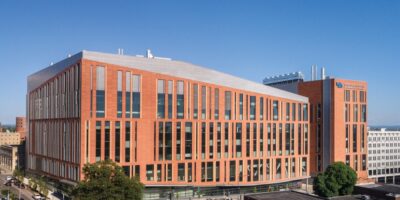
The history of the Norton College of Medicine at Upstate Medical University can be traced back to 1834, when Geneva Medical College was founded. Today the Alan and Marlene Norton College of Medicine is the public MD program of SUNY Upstate Medical University in Syracuse, New York, and part of the State University of New York system. The college is dedicated to education, compassionate health care and research, and it trains physicians in a teaching hospital that is connected to its main academic building and serves as Central New York’s only Level 1 trauma center.
Upstate is a large school with a regional mission. It enrolled 182 first-year students in 2025, most of them New York residents, and it gives special attention to small towns, rural counties and underserved neighborhoods across Upstate New York. Students complete their foundational science years in Syracuse. About one quarter of each class then moves to the Binghamton Clinical Campus for the clerkship year, while the rest stay in Syracuse. A three-year MD pathway, a rural medicine program, combined MD/PhD, MD/MPH and MD/MBA degrees, and two BS/MD routes add options that few public schools offer in one place.
The curriculum emphasizes the social determinants of health. Health systems science runs through the first three semesters, every student completes community-engaged learning before graduation, and patient contact begins in the first month of medical school.
The sections below cover the 2026-2027 application cycle, for students who plan to start medical school in summer 2027. You will find the latest class statistics, admission requirements and deadlines, tuition and cost of attendance, the curriculum and clinical campuses, leadership, faculty and alumni profiles, every current secondary essay prompt with a full example response, the interview format and a long list of frequently asked questions. All figures were checked on October 29, 2026.
Be an Informed Applicant
The Norton College of Medicine has school-specific guidelines and requirements for its admissions and application process. To present your best application and leave a good impression on the admissions committee, it is crucial to understand these requirements before you apply. Some of them are unusual: Upstate requires biochemistry in place of a second semester of organic chemistry, requires statistics rather than calculus, will not accept online science prerequisites taken outside 2020 and 2021, and only considers MCAT scores from December 2023 or later for this cycle.
Knowing these details also helps you show real fit. Upstate’s secondary application asks about your ties to Central New York, your work with underserved communities and how your career plans advance the college’s commitment to the region. Applicants who understand the school’s programs can answer those questions with specifics instead of general praise.
Personalized Help
At International Medical Aid, we understand that students often feel overwhelmed by everything involved in the medical school application process. Every university has unique requirements, and you must meet the requirements of each college you apply to. To help aspiring physicians move through this process more easily, we recommend medical school admissions consulting.
Medical school admissions consultants can help with every step of the process, or with just one or two areas where you need more guidance. Your consultant will give constructive feedback on areas to improve and help you submit the most competitive application possible. If you could use extra help and guidance, consider our personalized medical school admissions consulting service.
Key Takeaways
- Who can apply: U.S. citizens, permanent residents, DACA recipients, Canadians and other international applicants are all eligible. Everyone needs at least 90 semester hours at an accredited college in the United States or Canada. New York residents receive a slight preference, and 138 of the 182 students who entered in 2025 were in-state.
- Academic picture: There is no minimum GPA or MCAT. For the 2025 entering class, accepted applicants had a median MCAT of 512 and a median total GPA of 3.84 (science GPA 3.81).
- Unusual prerequisites: Biochemistry is required and Organic Chemistry II will not substitute for it. Statistics is required and calculus will not substitute. Physics does not have to be calculus-based. You also need a composition or writing course and an English elective.
- Key dates for 2026-2027: AMCAS opened for submission on May 28, 2026. The AMCAS deadline is October 15, 2026. The secondary application ($110) and all letters are due December 1, 2026. Early Decision, for New York residents only, closed August 1, 2026.
- Secondary: Every verified AMCAS applicant receives a secondary. This cycle it has seven items: a gap year field, a specialty question and five essays of up to 1,800 characters.
- Interview: Virtual multiple mini interviews (MMI) on select Mondays, Tuesdays and Wednesdays from September to early March. Of 6,198 verified applications for the 2025 entering class, 525 applicants were interviewed.
- Cost: For 2025-2026, first-year tuition and mandatory fees were $48,071 for New York residents and $72,791 for nonresidents. The estimated first-year cost of attendance on the Syracuse campus was $82,323 and $107,043, before health insurance.
- Distinctive training: A three-year MD pathway with a directed residency, a Rural Medical Scholars Program, and a Binghamton Clinical Campus with a year-long family medicine clerkship.
- Next step: Build steady, hands-on clinical experience and service, plan your letters around Upstate’s committee-letter preference, and prepare specific, honest answers about Central New York before secondaries arrive.
Key Statistics About the Norton College of Medicine
Upstate is one of the larger MD programs in New York, with a first-year class of 182 students in 2025 and 753 enrolled medical students in total. Demand is high. For the 2025 entering class the college received 6,198 verified applications and interviewed 525 applicants. The snapshot below shows the numbers applicants ask about most often.

| Metric | Value | Year or cohort | Source |
|---|---|---|---|
| School and degree | SUNY Upstate Medical University Alan and Marlene Norton College of Medicine; Doctor of Medicine (MD) | Current | Upstate Medical University |
| Campus | Syracuse, New York (all students); Binghamton Clinical Campus for about one quarter of students in the clerkship year | Current | Upstate Clinical Campus Options |
| School type | Public (State University of New York) | Current | MSAR 2026 |
| Accreditation | LCME, full accreditation | Current directory | LCME |
| Median MCAT | 512 (mean 511.9) | 2025 entering class, all accepted applicants | MSAR 2026 |
| Median total GPA | 3.84 (mean 3.78); median science GPA 3.81 | 2025 entering class, all accepted applicants | MSAR 2026 |
| Verified applications | 6,198 | 2025 entering class | MSAR 2026 |
| Applicants interviewed | 525 | 2025 entering class | MSAR 2026 (school-reported) |
| Interviewed / applicants | 8.5% (525 of 6,198) | 2025 entering class | Calculated from MSAR 2026 |
| First-year class | 182 matriculants (138 in-state, 40 out-of-state, 4 international) | 2025 entering class | MSAR 2026 |
| Acceptance rate | Not published (the number of acceptance offers is not reported) | 2025 entering class | Not published |
| Tuition and mandatory fees, year 1 | $48,071 NY resident; $72,791 nonresident | 2025-2026 | Upstate Estimated Cost of Attendance; AAMC TSF 2025-2026 |
| Estimated cost of attendance, year 1 (Syracuse) | $82,323 NY resident; $107,043 nonresident (before health insurance) | 2025-2026 | Upstate Estimated Cost of Attendance |
| Average debt of indebted graduates | $242,050 | 2024-2025 | MSAR 2026 (LCME Part I-B) |
| Three-Year MD Pathway seats | 10 a year | 2026-2027 cycle | MSAR 2026 |
What Is the Minimum GPA and MCAT for the Norton College of Medicine?
The Norton College of Medicine does not have a minimum required GPA or MCAT score, and it does not use either number as a screening cutoff. Students who wish to apply should make sure their scores are comparable to those of recent entering classes. For the 2025 entering class, the middle accepted applicant had an MCAT of 512 and a total GPA of 3.84. The section scores were balanced, with medians of 128 in Chemical and Physical Foundations, 127 in Critical Analysis and Reasoning, 128 in Biological and Biochemical Foundations and 129 in Psychological, Social and Biological Foundations.
The school’s own profile of the entering class of 2024 tells a similar story: an average total GPA of 3.74, an average science GPA of 3.61 and an average MCAT of 512 for a class of 180 students (Upstate Class Stats). Upstate is clear that GPA and MCAT are the two most heavily weighted factors when it screens applications for interviews, so a score well below these levels needs strong evidence elsewhere in your record.
Upstate considers your most recent MCAT score, not your highest. If you retake the exam, your newest score is the one that counts. For comparison across schools, see our list of average GPA and MCAT scores for every medical school.
Norton College of Medicine Rankings
U.S. News and World Report stopped publishing numbered positions for medical schools in 2024 and now sorts schools into four tiers for research and for primary care. Our overview of the best medical schools in the US explains how the tiers work. Rankings measure a narrow set of inputs, so use them as one data point at most.
Upstate’s strengths are easier to see in its own outcomes. Graduates go into a broad range of fields. In the last three years of Graduation Questionnaire data, internal medicine was the most common specialty intention among graduating students (20.5% to 27.3% of respondents each year), followed by family medicine (9.6% to 13.6%) and emergency medicine (7.2% to 11.0%), with anesthesiology, pediatrics, psychiatry and surgery also well represented. The college celebrated 176 new physicians at Commencement 2026, and the school reports residency match rates of 100% in 2022, 2023 and 2024.
Mission and Educational Priorities
The Norton College of Medicine is constantly working to improve the way it teaches medicine and to build a more inclusive and welcoming medical field. Its educational goals sit inside the mission of the wider university.
SUNY Upstate Medical University Mission Statement
The university’s mission statement is: “The mission of SUNY Upstate Medical University is to improve the health of the communities we serve through education, biomedical research and patient care.” Its vision is “United in expertise, compassion and hope to create a healthier world for all.”
Upstate lists its values as:
- We drive innovation and discovery.
- We respect people.
- We serve our community.
- We value integrity.
The college describes its own commitment this way: it aims to create and sustain an environment that is equitable, respectful and free from prejudice for students, faculty, staff, patients, families and the community. It is committed to addressing the shortage of doctors in small communities and rural areas in its region and in urban underserved communities.
What the Mission Means for Applicants
Three themes run through Upstate’s mission statements, programs and secondary questions.
Community health in Central New York. Upstate’s hospital serves a large region, and its secondary asks how your career plans advance the college’s commitment to improving health care in Central New York. You do not need to promise to practice in Syracuse, but you should understand the region’s needs and show how your goals connect to them.
Rural and underserved care. The Rural Medical Scholars Program, the Binghamton Clinical Campus and the required community-engaged learning hours all point the same way. Upstate’s admissions team strongly recommends hands-on clinical experience and expects to see service work. Applicants who have spent real time with underserved patients, and who can explain what they learned, fit the school’s priorities.
Education and research together. Upstate is an academic medical center with a children’s hospital, a cancer center and a biomedical research enterprise. Research is not required for the MD, but the school offers summer research fellowships, a research microcredential, an MS in physiology for medical students and a formal MD/PhD program. If research matters to you, connect it to patient care in your application.
Why SUNY Upstate Medical University?
Students choose Upstate for a mix of practical and educational reasons:
- An academic medical center that includes a Level 1 trauma center, Upstate Golisano Children’s Hospital, a biomedical research enterprise and the Upstate Cancer Center.
- Public tuition, with a strong discount for New York residents.
- Patient interaction in the first month of the first year, through a longitudinal clinical preceptorship.
- Two clinical campuses with the same curriculum, giving students the choice of a large academic hospital or a community-based campus with close attending contact.
- A three-year MD pathway that saves a year of tuition for students who already know their specialty.
- A supportive environment, opportunities to learn alongside students from other health professions, a Rural Medical Scholars Program and service learning through the Community Engaged Learning Program.
- An affordable, medium-sized city with sports, arts and outdoor recreation nearby.
Accreditation and Institutional Identity
Is the Norton College of Medicine Accredited?
Yes. The MD program is fully accredited by the Liaison Committee on Medical Education (LCME), the accreditor for MD programs in the United States and Canada. The LCME directory lists the program as first accredited on or before 1942, with its next full survey scheduled for the 2026-27 academic year (LCME directory). Graduates of an LCME-accredited school are eligible for the USMLE and for residency programs across the country.
Institutional Identity
The present college traces its ancestry to September 15, 1834, when Geneva Medical College was founded as a department of Geneva (now Hobart) College. In 1849 Geneva Medical College graduated Elizabeth Blackwell, the first woman to earn a regular MD. In 1871 the school’s assets passed to the new Syracuse University, which created the Syracuse University College of Medicine. The State University of New York took over the medical school in 1950, the institution took the name SUNY Upstate Medical University in 2000, and in 2021 the college was named the Alan and Marlene Norton College of Medicine. Dr. Alan Norton is a 1966 graduate of the college (Upstate College of Medicine history).
Today Upstate Medical University has four colleges: Medicine, Nursing, Health Professions and Graduate Studies. The College of Medicine shares the campus with University Hospital and, in Binghamton, runs a clinical campus that was established in 1976. Applicants sometimes confuse Upstate with SUNY Downstate in Brooklyn or with the Jacobs School of Medicine at the University at Buffalo. They are separate SUNY medical schools with separate applications.
Medical Programs and Affiliations
Students should research every program at SUNY Upstate Medical University before applying. That research will help you focus your application and decide whether the school fits you. The Norton College of Medicine offers the MD and four combined or accelerated routes to it, plus the Master of Public Health.
Doctor of Medicine (MD)
The Norton College of Medicine MD program prepares students for a career as a physician in any specialty, from pediatrics to emergency medicine. Students learn in an academic medical center with a Level 1 trauma center, a children’s hospital, a biomedical research enterprise and a cancer center. Upstate University Hospital is a tertiary care hospital that serves a wide region of Central New York.
All students complete the first three semesters in Syracuse. In March of the second year, about one quarter of the class moves to the Binghamton Clinical Campus, one hour south of Syracuse, for the clerkship year, with the option of staying for the fourth year. The rest of the class remains in Syracuse. Campus assignments are made after acceptance, and they are binding. The school reports no difference in specialties, residency placements or board scores between the two campuses.
Three-Year MD Pathway (3YP)
Upstate launched a three-year MD program in fall 2023 for high-performing students who already know which specialty they want. Students apply after they are admitted to the MD program, and acceptance leads to a directed pathway to a designated residency at SUNY Upstate or at UHS in Binghamton. The participating residency program commits to rank the student in a position to match in the National Resident Matching Program. The pathway saves a year of tuition and offers ten seats a year.
Syracuse 3YP students can continue in emergency medicine, family medicine, general surgery, internal medicine, neurology, pathology, pediatrics, psychiatry, radiation oncology or urology. Students on the Binghamton campus can apply for family medicine, internal medicine or psychiatry at UHS. The last application window opened January 1 and closed March 1, 2026. MD/MPH students who have finished their MPH commitment may apply; MD/PhD and MD/MBA students are not eligible because of their summer commitments. The first nine 3YP students graduated in spring 2026 (Upstate 3-Year Program).
MD/PhD
The MD/PhD program trains physician-scientists who combine clinical medicine with biomedical research in the laboratory. Its stated mission is to build a diverse community of physician-scientist leaders. MD/PhD applicants submit a separate supplemental application and need three additional research letters on top of the standard committee or advisor letter.
MD/MPH
The MD/MPH combines medical and public health training and typically takes about five years to earn both degrees. Students apply at the point of AMCAS submission. Upstate also offers a standalone MPH and a Certificate of Advanced Study in Public Health. Nine members of the class of 2026 earned both the MD and the MPH.
MD/MBA
Upstate Medical University and Syracuse University run a five-year dual-degree MD/MBA program. Students begin at Syracuse University, completing MBA requirements in the fall, spring and summer of “year zero.” They then matriculate into the first year of medical school at Upstate, return to Syracuse for an MBA practicum in the summer between the first and second years, and finish the MD at Upstate. Both degrees are awarded at graduation (Upstate MD/MBA).
BS/MD Programs
Upstate offers two baccalaureate to MD routes, each with up to five places a year:
- Binghamton University freshman track: for first-year pre-medical students at Binghamton. Eligibility includes a high school GPA of 90% or 3.50 or higher, a first-semester Binghamton GPA of 3.50 or higher, an SAT of 1360 or higher or an ACT of 29 or higher, and activities showing healthcare experience and community service. Applications open in the spring semester.
- Syracuse University high school senior track: for high school seniors applying to Syracuse University, with the same high school GPA and test score expectations. Applications become available in early January.
Preferred candidates are New York residents, especially from Central and Upstate New York, from rural or medically underserved communities, first-generation college students or students with lower socioeconomic status, and students who want to stay in Central New York. High school students considering these routes can build early exposure through medical internships for high school students and local volunteering.
Rural Medical Scholars Program
The Rural Medical Scholars Program (RMSP) identifies, recruits and supports students who want to practice in rural or small-town communities. Applicants are encouraged to apply to the program before admission. Scholars take four years of elective courses on rural health issues and are taught and mentored by community-based physicians.
MS in Physiology for MD Students
This expedited master’s track lets Upstate medical students with prior research experience who have taken Step 1 spend a year on a structured research project in a physiology lab. Students write and defend a thesis and earn a separate Master of Science degree.
MedPrep Academic Enhancement MS in Medical Technology
This one-year program helps college graduates strengthen their academic record before applying to medical school. Acceptance into the program guarantees an admission interview with the Norton College of Medicine.
Early Decision
Upstate’s Early Decision Program is open only to New York residents who want to apply to Upstate alone. Applicants submit AMCAS by August 1, complete the Upstate application by August 15 and hear by October 1. Those not accepted may apply elsewhere and are considered in the regular pool. Because only a small part of the class is admitted this way, Upstate recommends Early Decision only for applicants with an excellent chance of admission (Upstate Early Decision).
Clinical Affiliations
In Syracuse, students train at Upstate University Hospital, Upstate University Hospital at Community General, St. Joseph’s Hospital Health Center and Crouse-Irving Memorial Hospital. In Binghamton, they train through UHS Wilson Medical Center, UHS Binghamton General Hospital, UHS Chenango Memorial Hospital, Guthrie Lourdes Hospital and a network of community practices, including Endwell Family Physicians.
Curriculum Overview
What to Expect: The Norton College of Medicine Curriculum
Upstate’s revised curriculum integrates the foundational, clinical and health systems sciences, provides early clinical exposure and offers individualized options. It has three phases: three pre-clerkship semesters, a clerkship year that begins in the fourth semester, and a final three semesters of advanced clinical work. Courses are graded pass/fail in the first two years, and clerkships and later courses use Honors, High Pass and Pass. Students are ranked at the end of the third year.
The Pre-Clerkship Semesters
The first three semesters are built from organ-based units co-directed by basic science and clinical faculty. Teaching mixes lectures with active learning: team-based learning, small groups built around clinical cases, simulation, standardized patients, lab work and online modules. Most pre-clinical lectures are recorded and attendance is optional, but small groups and some other sessions are mandatory.
The sequence of units, as listed in the current course catalog (Upstate Courses, Clerkships and Electives), runs:
- Semester I: Molecules, Cells and Microbes; Foundations, Skin and Cancer; Musculoskeletal System (where cadaver dissection begins).
- Semester II: Applied Neuroanatomy; Cardiovascular System; Respiratory System; Kidney and Urinary System.
- Semester III: Endocrine and Reproductive Systems; Gastrointestinal Systems and Nutrition; Blood and Lymphoreticular System.
Running alongside these units are longitudinal courses that continue through all three semesters:
- Practice of Medicine: begins with a clinical skills bootcamp, then small groups with clinicians on history taking, physical examination, communication and case presentation.
- Longitudinal Clinical Preceptorship: each student is assigned to a clinical preceptor’s outpatient office for one half day every other week, with the same preceptor throughout. Students participate directly in patient care and take on more responsibility as the year goes on.
- Clinical Neuroscience: a modified team-based learning course on neurologic and behavioral science.
- Health Systems Science: two weeklong thematic sessions each semester on ethics, equity and professionalism, biostatistics and epidemiology, health care finance and delivery, population health and prevention, health humanities, and health policy, law and advocacy. These intersessions are where the curriculum’s focus on the social determinants of health, health system improvement and leadership is most visible.
- Foundations of Reasoning in Medicine: clinical reasoning skills that connect basic science to diagnosis.
Patient interaction begins in the first month of the first year. Students also take part in standardized patient, interprofessional, simulation and community engagement experiences throughout the curriculum.
The Clerkship Year
Required block and longitudinal clerkships begin in the fourth semester. Students complete 45 weeks of core clinical rotations and have five weeks of elective time. The core clerkships are the same on both campuses: family medicine, emergency medicine, internal medicine, psychiatry, neurology, pediatrics, obstetrics and gynecology, and surgery. The main difference is family medicine. In Syracuse it is a five-week block. In Binghamton it is longitudinal, with students spending a half day each week in the same physician’s office for the whole clerkship year.
The Final Three Semesters
The final three semesters consist of acting internships, electives (including a basic science selective) and a residency preparation course. Every fourth-year student completes at least one four-credit acting internship at Upstate and a required three-credit Transition to Residency capstone with procedures, skills sessions and immersive simulations. Students must take and pass USMLE Step 2 CK.
Community-Engaged Learning
Community-engaged learning is a required part of the curriculum tied to graduation competencies. All Norton College of Medicine students, including dual-degree students, complete at least 40 hours of approved community-engaged learning before graduating, or 30 hours on the three-year pathway. Unlike general volunteering, it requires ongoing partnership with a community organization and critical reflection (Upstate Community Engaged Learning).
Assessment, Support and Scholarship
Academic Support Services offers workshops, academic counseling and peer tutoring. Accepted students who want a head start can attend MEDSET, an intense four-week program that introduces the first-year curriculum. There is no research or thesis requirement for the MD, but research is available through the options described in the clinical training section, and the Medical Student Research Microcredential recognizes students who complete a structured research experience.
Admissions Requirements and Application Process
SUNY Upstate Medical University has specific application criteria and academic requirements that students must meet to be considered. This section covers selection factors, prerequisites, test policies, letters, deadlines and decisions for the 2026-2027 cycle.
Selection Factors: What SUNY Upstate Medical University Looks for in an Applicant
One of the most important things to research about any medical school is its selection criteria. Students should know how their MCAT score, GPA and experiences compare with those of admitted students.
Admissions committees generally take a holistic approach. The committee reviews your whole application and tries to understand who you are as a person, not just how well you scored on the MCAT. Upstate states this directly: its review considers strength of coursework, academic and extracurricular interests, unique talents, background and personality, and it is done without regard to sex, sexual orientation, race, color, creed, age, national origin, disability, veteran status or marital status.
The Admissions Committee considers many factors, including:
- Academic achievement in the sciences, humanities and social sciences
- Volunteer and clinical experience
- Communication skills
- Meaningful experiences dealing with and relating to people
- Character
- Motivation for choosing a career in medicine
The committee is made up of basic science faculty, clinical faculty, Norton College of Medicine alumni, local physicians, students, representatives from the Binghamton campus, the director of multicultural recruitment and the associate dean of admissions and financial aid (Upstate Admissions Committee). Most medical schools use the AAMC Core Competencies as a general guide for application review, and Upstate’s list lines up closely with them.
MCAT and GPA Requirements
The Norton College of Medicine does not have a minimum GPA or MCAT score. Students should aim for scores comparable to recent entering classes: a median MCAT of 512 and a median total GPA of 3.84 for accepted applicants in the 2025 entering class.
MCAT dates. For the 2026-2027 cycle, Upstate accepts MCAT scores from December 2023 through September 1, 2026, and it considers your most recent score. A score from a test date in late 2026 will not count for this cycle.
Postbaccalaureate and graduate work. If your undergraduate GPA is a concern, Upstate will consider at least 15 credit hours of additional postbaccalaureate or graduate coursework. There is no strict undergraduate GPA floor for that review.
Required Coursework for the Norton College of Medicine
SUNY Upstate Medical University lists required courses as well as recommended courses. Recommended courses are not required but can strengthen your preparation. Prerequisites do not have to be finished before you apply, but any outstanding courses must be completed with a grade of C or higher before you enroll, and the latest completion date for this cycle is June 2027. Prerequisites should not be older than 10 years.
| Course | Requirement | Notes |
|---|---|---|
| General Biology I and II | With labs (6 credit hours) | |
| General Chemistry I and II | With labs (6 credit hours) | |
| Organic Chemistry I | With lab (3 credit hours) | Only one semester required |
| Biochemistry | 3 credit hours, no lab | Organic Chemistry II will not meet the biochemistry prerequisite |
| General Physics I and II | With labs (6 credit hours) | Calculus-based physics is recommended but not required |
| Statistics | 3 credit hours | Calculus will not meet the statistics prerequisite |
| English composition or writing course | 3 credit hours | A writing-intensive course outside the English department may count after course review |
| English elective (literature) | 3 credit hours |
Source: Upstate Pre-Requisites.
Recommended courses: genetics, cell biology, physiology and social sciences. Upstate adds that physiology, genetics and cell biology are the most useful extra science courses, and that microbiology and immunology may also help. It recommends psychology courses on cognitive, abnormal and developmental behavior, along with courses in public health, ethics and communication.
Course Policies
- Online courses: Upstate will consider online science prerequisites, including pass/fail grades, only if they were taken during the 2020 and 2021 academic years. Outside those years, science prerequisites must be completed in person for a letter grade. Online English courses are not accepted.
- Pass/fail: Pass/fail grades from the pandemic years are accepted. If you took a prerequisite pass/fail, Upstate suggests taking an additional upper-level course in that subject.
- Advanced Placement: AP credit is accepted if your undergraduate school awarded college credit and lists it on your official transcript. The committee recommends advanced science coursework on top of AP credit.
- Substitutions: Other science courses, such as Organic Chemistry II or Microbiology, cannot replace the required prerequisites.
- Community college and summer courses: Applicants should avoid taking more than one or two prerequisite science courses in the summer and should avoid taking them at community colleges. If you attend a four-year college, Upstate strongly recommends completing all science prerequisites there. Transfer students who began at a two-year college must show continued excellence in upper-level science at the four-year school.
Residency, Citizenship and International Applicants
Upstate welcomes applications from U.S. citizens, permanent residents, foreign citizens and individuals eligible for Deferred Action for Childhood Arrivals (DACA). All applicants need at least 90 semester hours of coursework at an accredited institution in the United States or Canada.
As a public state school, Upstate gives a slight preference to New York residents, but it welcomes and accepts many out-of-state applicants each year. Establishing New York residency for tuition after you enroll is extremely rare.
Canadian applicants complete the same requirements as U.S. applicants and are considered international applicants. International applicants whose primary language is not English must submit TOEFL scores unless they have completed at least 90 credit hours at a U.S. or Canadian college. All else being equal, priority goes to U.S. citizens and permanent residents. International students are not eligible for U.S. federal aid or Upstate scholarships and must show they can cover their full costs (Upstate International Students).
Does SUNY Upstate Medical University Require the CASPer Exam?
No. The CASPer test is required by some medical schools but not by Upstate. Upstate does not require any additional assessment for admission, and it does not use AAMC PREview scores in its admissions process. Your preparation time is better spent on clinical experience, service and your secondary essays.
Letters of Recommendation
All letters must be submitted through the AMCAS Letters of Recommendation/Evaluation Service. Letters sent directly to the college are not part of the application, and all letters must reach AMCAS by December 1. Upstate accepts between one and five letters and prefers a committee letter, while also accepting letter packets and individual letters.
Requirements depend on your situation:
- Current undergraduates: a letter from your Health Professions Advisory Committee or pre-health advisor. If your school has no committee, submit two letters from faculty in different departments, one of which must be a science department.
- Current graduate students: a letter from your graduate advisor or department chair in addition to the committee or advisor letter. If you have just started a graduate program, a letter of good standing is enough.
- Nontraditional applicants: if you graduated more than five years ago and work full time, you may submit one letter from a science faculty member who taught you a prerequisite and one from your current supervisor.
- MD/PhD applicants: a committee or advisor letter plus three additional letters from people who know your academic background, research interest and suitability for the MD/PhD program.
Beyond the required letters, you may add one or two relevant supplemental letters. Upstate’s guidance on preferred writers is simple: a committee letter first, and otherwise science faculty, supervisors and clinical professionals you have worked with (Upstate Letters of Recommendation).
Clinical Experience, Shadowing and Service
Upstate calls clinical experience essential. There is no set number of hours, but the experience should be relevant, current and ongoing, and hands-on clinical experience is strongly recommended over passive shadowing. The committee wants evidence that your career choice is well informed and not a whim. Upstate also expects to see service work and uses volunteering to judge how much of your motivation comes from a real desire to serve others.
Recent entering classes reflect this. Most matriculants report community service, clinical volunteering, physician shadowing, research and paid clinical work, with each of those categories reported by roughly two thirds to nine tenths of the class in recent years. Upstate does not require a science major. About 80% of its students majored in science, and the average student took 51 semester hours of science in college.
If you are still building hours, look for roles that put you next to patients week after week: scribing, emergency department technician work, hospice volunteering or free clinic shifts. Clinical internships for pre-med students abroad can add supervised patient care in settings with very limited resources, which connects naturally to Upstate’s questions about underserved communities.
AMCAS Primary Application and SUNY Upstate Medical University Secondary Application
Most medical schools in the United States use the AMCAS application system, and Upstate is one of them. Your AMCAS is your primary application, and it is sent to every medical school you select along with your transcripts and MCAT scores. Our guide to applying with AMCAS walks through every section.
Verification by AMCAS can take several weeks in the busiest part of the summer, so submit early. Once Upstate receives your verified AMCAS application, it emails you a link to its secondary application. Unlike many schools, Upstate sends a secondary to every verified AMCAS applicant. Secondary applications are unique to each medical school and generally include essay prompts that help the admissions committee learn more about your values, goals and motivation. Upstate reviews applications for interviews only once they are complete, so a missing letter or unpaid fee will hold up your file. For more on the difference between the primary and a school-specific application, read our article on primary and secondary applications.
How to Apply Step by Step
- Submit AMCAS as early as possible. Upstate’s review begins in July, and the deadline is October 15, 2026.
- Complete the secondary application after the emailed link arrives, and pay the $110 fee by December 1, 2026. If you have an AAMC Fee Assistance Program waiver, upload it in the application. Upstate also waives its fee for U.S. veterans and active-duty military.
- Make sure all letters reach AMCAS by December 1.
- Watch your email. Missing information notices go out every two weeks until your application is complete, and you will receive a confirmation when it is.
- Interview invitations go out weekly by email, beginning in August, with instructions to choose a date from a calendar.
Application Timeline for the 2026-2027 Cycle
| Date | Milestone |
|---|---|
| May 28, 2026 | Earliest date the AMCAS application can be submitted |
| July 6, 2026 | Upstate begins reviewing applications |
| August 1, 2026 | Early Decision AMCAS deadline (New York residents only) |
| August 15, 2026 | Early Decision applications must be complete |
| August 2026 | Interview invitations begin |
| September 1, 2026 | Latest MCAT test date accepted |
| September 2026 to early March 2027 | Virtual MMI interviews on select Mondays, Tuesdays and Wednesdays |
| October 1, 2026 | Early Decision applicants notified |
| October 15, 2026 | AMCAS deadline; earliest date regular acceptances are sent |
| December 1, 2026 | Secondary application, fee and letters of recommendation due |
| April 30, 2027 | Latest date to receive a refund of the $100 deposit |
| June 1, 2027 | Latest date to request a deferral (not available to students accepted off the waitlist after June 1) |
| June 2027 | Latest date to complete prerequisite coursework |
| Mid-June 2027 | AMCAS Commit to Enroll date (June 15 in the 2026 cycle) |
| July 21, 2027 | Latest date acceptances are sent |
| July 23, 2027 | Classes begin for the entering class |
Dates come from the school’s admissions pages and its 2026 admissions profile. MD/PhD applicants follow earlier deadlines: the AMCAS deadline for MD/PhD has been October 1, with the full application due November 1. The Rural Medical Scholars Program, MD/MBA and MD/MPH follow the regular MD deadlines.
Decisions, Deposits and the Waitlist
After the interview, files go to the College of Medicine Admissions Committee. Applicants hear within about four to six weeks of their interview date. Each interviewed applicant receives one of four decisions:
- Accept: you receive an email or phone call, followed by an official acceptance letter.
- High Priority Alternate: an active, ranked alternate list. Applicants may be called at any time, up to the day of registration. Upstate does not release individual positions.
- Hold Alternate: a second alternate list that is not active. Upstate has not taken students from it in several years.
- Reject: you are notified by email.
You have up to two weeks to respond to an offer. The deposit is $100 for both residents and nonresidents, it is applied to tuition, and it is refundable through April 30. Deferral requests are reviewed case by case. Upstate requires criminal background checks for all accepted students and does not accept transfer students in this cycle.
Once admitted and deposited, you get access to your financial aid award, health clearance forms, orientation materials, registration and housing information through MyUpstate. Upstate also holds a second visit day, with presentations on the curriculum, student affairs and campus activities, a look at the clinical skills and anatomy labs, and a student panel.
Reapplicants
If you applied before and were not admitted, you may reapply with a new AMCAS application, a new secondary and a new fee. Submit new letters if you have added significant education or experience. If you applied within the last three years, you may ask in writing to reuse your previous letters. Upstate discourages reapplying unless your qualifications have clearly improved, and it offers monthly information sessions where a counselor explains the process and how the committee reads each part of an application. If you need a structured year to strengthen your record, pre-med gap year programs that include supervised patient care can fill the clinical gap that often holds reapplicants back.
Technical Standards
Upstate expects admitted students to have the intellectual and physical abilities to acquire the knowledge, behaviors and skills taught in the curriculum. The technical standards describe the physical, cognitive and behavioral functions needed to complete the program. Student Disability Support Services coordinates accommodations, and applicants can request interview accommodations by emailing the admissions office.
Tuition, Cost of Attendance and Financial Aid
Students who plan to attend the Norton College of Medicine need to budget for tuition and educational fees, and also for living expenses and incidentals. The following estimates come from Upstate’s cost of attendance for the College of Medicine. The posted rates are the 2025-2026 figures; SUNY sets tuition and can change it without notice, so check the bursar’s page for 2026-2027 rates before you plan your budget.
Tuition and Mandatory Fees
| Item | New York resident | Nonresident |
|---|---|---|
| Tuition | $46,470 | $71,190 |
| Student activities fee | $180 | $180 |
| Health services fee | $417 | $417 |
| SUNY college fee | $50 | $50 |
| Technology fee | $321 | $321 |
| Disability insurance | $73 | $73 |
| USMLE review fee | $200 | $200 |
| Microscope and gross anatomy lab fees (year 1 only) | $360 | $360 |
| Total, year 1 | $48,071 | $72,791 |
The health services fee is not health insurance. Upstate’s estimated cost of attendance does not include health insurance, because many students are covered through a parent or spouse. If you need to buy coverage, the cost of attendance can be raised to include it. The AAMC Tuition and Student Fees survey lists a waivable first-year health insurance cost of $7,333 for 2025-2026, which brings the total first-year cost to $89,621 for residents and $114,341 for nonresidents.
Cost of Attendance by Year
| Item | Year 1 | Year 2 | Year 3 | Year 4 |
|---|---|---|---|---|
| Tuition (NY resident) | $46,470 | $46,470 | $46,470 | $46,470 |
| Tuition (nonresident) | $71,190 | $71,190 | $71,190 | $71,190 |
| Books, study guides and supplies | $2,580 | $2,580 | $2,400 | $2,000 |
| Licensure and certification (USMLE, residency applications) | $680 | $680 | $3,750 | |
| Housing and utilities | $16,500 | $16,500 | $18,000 | $18,000 |
| Food | $6,600 | $6,600 | $7,200 | $7,200 |
| Personal expenses | $3,300 | $3,300 | $3,600 | $3,600 |
| Travel | $3,300 | $3,300 | $3,600 | $4,200 |
| Loan fees | $1,937 | $2,021 | $1,987 | $2,125 |
| Resident total | $82,323 | $82,727 | $85,213 | $88,621 |
| Nonresident total | $107,043 | $107,447 | $109,993 | $113,341 |
Totals are the school’s own estimates and include mandatory fees. Source: Upstate Estimated Cost of Attendance.
Students placed at the Binghamton Clinical Campus have the same tuition but higher estimated living and travel costs in the clinical years, with resident totals of $82,323, $83,352, $89,590 and $92,373 for years one through four, and nonresident totals of $107,043, $108,072, $114,310 and $117,093. Students on the three-year pathway pay three years of tuition instead of four, with estimated resident totals of $82,323, $85,213 and $85,213.
Financial Aid
Accepted applicants who are U.S. citizens or permanent residents can apply for financial aid, and award letters generally go out beginning in January. About 79% of all students received financial aid in 2024-2025. Indebted graduates from that year owed an average of $242,050 in medical school debt.
Scholarships and Grants
SUNY Upstate Medical University offers a number of scholarships and grants to enrolled students, including:
- New York State Tuition Assistance Program
- Syracuse Medical Alumni Scholarships
- Upstate Medical University Foundation Scholarships
- Faculty Student Association Scholarships
- College of Medicine Endowed Scholarships
- SUNY Economically Disadvantaged Tuition Waivers and Graduate Opportunity Tuition Waivers
- Upstate MD/PhD Tuition Waivers
- Regents Health Care Scholarships
- National Health Service Corps Scholarships
- Armed Forces Health Professions Scholarships
Upstate does not offer scholarship support to international students, who are also not eligible for federal aid. International students may borrow from U.S. private lenders with a U.S. co-signer, and Upstate cannot co-sign loans.
What Remains After Aid
Even with a resident tuition discount, a four-year Syracuse MD costs well over $300,000 at 2025-2026 rates before health insurance, and more for nonresidents. Most of that is financed with federal loans. Two practical levers are specific to Upstate: the three-year pathway saves a year of tuition and living costs for students who are sure of their specialty, and the MD/PhD tuition waiver covers students in the physician-scientist track. For everyone else, plan your borrowing early, compare the in-state and out-of-state totals honestly, and look at service-based scholarships such as the National Health Service Corps if you plan to work in a shortage area.
Campus Facilities and Student Life
Facilities
Upstate is a compact campus in Syracuse, New York’s fourth-largest city. Its teaching hospital is connected to the main academic building. Weiskotten Hall, home of the admissions office, opened in 1937 in a building whose cornerstone President Franklin Delano Roosevelt laid the year before. Students have access to:
- The Clinical Skills Teaching Center, with 22 exam rooms, six classrooms, closed-circuit monitoring and modern equipment. Students say their work with standardized patients there prepares them well for their board exams.
- The Gross Anatomy Lab, where first-year students spend a great deal of time, renovated at a cost of $3.6 million.
- The Surgical Research and Training Center, a simulation center where students practice microsurgery and laparoscopic surgery.
- The East Tower of University Hospital, home to Upstate Golisano Children’s Hospital and patient floors for cardiovascular, neurology and oncology services. University Hospital is Central New York’s only Level 1 trauma center and only pediatric emergency department.
- The Setnor Academic Building and the Health Sciences Library.
Housing
Geneva Tower provides housing for students from all four colleges at Upstate, with furnished standard rooms, studios, one- and two-bedroom apartments and four-bedroom suites. Because of its location and amenities, Upstate strongly encourages students to live on campus. Students at the Binghamton Clinical Campus find their own housing in the Triple Cities area of Binghamton, Endicott and Johnson City; there is no university-run housing there, but campus staff share apartment information each year.
Transportation
Students are required to have a current driver’s license and a vehicle. Clinical sites in both Syracuse and Binghamton are spread out, and community preceptors may be a drive away.
Student Organizations and Support
The Campus Activities staff coordinates social, cultural and recreational programs for the Upstate community. They advise more than 65 student organizations, run an intramural program with more than nine sports and operate the Campus Activities Building fitness and athletic facilities. The Director of Campus Activities also advises the Student Government and the Campus Activities Governing Board.
Support resources include:
- Spectrum, Upstate’s LGBTQIA+ club, which hosts events on health issues relevant to the LGBTQIA+ community.
- Student Disability Support Services, which coordinates accommodations under the Americans with Disabilities Act and Section 504.
- Academic Support Services, with workshops, counseling and peer tutoring.
- The Office of Inclusion and Multicultural Affairs.
- The Gold Humanism Honor Society chapter, which recognizes students for humanistic patient care.
Life in Syracuse
Syracuse is an affordable, medium-sized city with major college sports, arts and recreation. Just outside the city are parks, lakes, mountains, golf courses, ski slopes, hiking trails and beaches. The cost of living is considerably lower than in many other cities with medical schools, which matters when you are living on loans. Winters are long and snowy, which is one more reason Upstate requires students to have a car.
Clinical Rotations and Research Opportunities
Core Rotations and Campus Assignment
All students complete their foundational science coursework in Syracuse. During Accepted Student Week in the spring, admitted students learn about the clinical campus options and complete a campus preference form. Assignments are announced before the commit-to-enroll deadline, and an accepted applicant could be placed on either campus. Assignments are final.
Syracuse Campus
Syracuse students rotate through Upstate University Hospital, its Community General campus, St. Joseph’s Hospital Health Center and Crouse-Irving Memorial Hospital. University Hospital is a Level 1 trauma center and tertiary care hospital that serves a large part of Central New York, so students see a high volume of complex cases.
Binghamton Clinical Campus
The Binghamton Clinical Campus hosts about 40 medical students each year for clerkships and electives. It works with community-based clinical facilities that are not owned by Upstate, including the UHS Healthcare System, Guthrie Lourdes and private practices (Upstate Binghamton Clinical Campus).
- UHS Wilson Medical Center is a 280-bed regional referral center and a Level 2 adult trauma, stroke and chest pain center.
- UHS Binghamton General Hospital has 220 beds, with orthopedic surgery, behavioral health, chemical dependency treatment and gastroenterology.
- UHS Chenango Memorial Hospital in Norwich is a 138-bed community hospital where students may complete surgery or obstetrics and gynecology.
- Guthrie Lourdes Hospital is an approximately 200-bed hospital and regional cancer center where students complete emergency medicine.
Binghamton students report being first assist in surgery and delivering babies, and they work closely with attending physicians who later write residency letters. The longitudinal family medicine clerkship places each student in one physician’s office for a half day each week through the year, which builds continuity of care. Students may stay in Binghamton for fourth-year electives, and those who complete at least 12 elective credits there may qualify for up to eight weeks of free housing in Geneva Tower to complete electives in Syracuse. Research is also available in Binghamton through Upstate’s partnerships with UHS, Guthrie and Binghamton University, and students can start projects in their first semester.
Rural Training
Both campuses offer learning experiences in rural settings. The Rural Medical Scholars Program adds four years of rural electives and mentoring from community physicians, and it reflects Upstate’s commitment to educating physicians likely to practice primary care in small and rural communities in its region.
Research Opportunities
Upstate encourages medical students to take part in research. Options include:
- The COM Summer Research Fellowship, an eight-week mentored program between the first and second years, with twelve fellowships awarded in the most recent cycle (the last deadline was February 6, 2026).
- The Medical Student Research Microcredential, a structured research credential.
- The MS in Physiology for MD Students, a one-year research master’s.
- Medical student travel scholarships and alumni-funded support for presenting research.
- National programs listed by the Office of Research for Medical Students, including NIH summer internships and specialty society fellowships.
The Office of Research for Medical Students keeps the current list of programs and active projects (Upstate Research Opportunities). The college’s direct federal research grants and contracts totaled about $25.9 million in fiscal year 2024.
Global Health
About 9% of Upstate’s 2025 graduating seniors reported a global health experience during medical school. If international medicine is part of your plan, experience before medical school can help you decide. Healthcare internships abroad let pre-health students see how care works in places with few resources, and that experience often gives applicants a concrete story for Upstate’s underserved communities essay.
Notable Alumni, Faculty, Leadership and Admissions Staff
Knowing who leads the college and who teaches there helps you understand its priorities. The profiles below come from Upstate’s leadership and program pages and the Upstate Medical Alumni Journal. Titles were checked on October 29, 2026.
School Leadership
Lawrence Chin, MD, Dean of the Norton College of Medicine. Dr. Chin is the Robert B. and Molly G. King Endowed Professor of Neurosurgery. He previously chaired Upstate’s Department of Neurosurgery and the UUMAS Governing Board. Before Upstate he held faculty roles at Boston University School of Medicine and the University of Maryland School of Medicine, and he has held leadership positions in the American Association of Neurological Surgeons and the Congress of Neurological Surgeons. For applicants, his background signals a dean who came up through clinical care, teaching and research at the same hospital where students train.
Mantosh Dewan, MD, President of SUNY Upstate Medical University. Dr. Dewan holds the Alan and Marlene Norton Presidential Chair and is a SUNY Distinguished Service Professor of Psychiatry. He began at Upstate in 1975 as an intern, completed his psychiatry residency there and joined the faculty in 1979. He has served as director of undergraduate education, director of residency training, chair of psychiatry and interim dean of the College of Medicine from 2016 to 2017. He has written more than 80 papers and 35 books and book chapters, and Syracuse University awarded him an honorary Doctor of Science in May 2026. His long record in medical education helps explain Upstate’s steady investment in teaching and access to mental health care across SUNY.
Leonard Anderson, MD, Interim Dean of the Clinical Campus at Binghamton. Dr. Anderson oversees the faculty, staff and students at the Binghamton campus and the network of volunteer faculty and regional affiliate hospitals that give third- and fourth-year students direct contact with community physicians. If you are assigned to Binghamton, his office runs your clerkship year.
Admissions Staff
Nakeia Chambers, Director of Inclusion and Multicultural Affairs. Ms. Chambers is listed as the medical school’s admissions contact. The Office of Admissions and Financial Aid is in Weiskotten Hall, Room 1212, at 766 Irving Avenue, and can be reached at 315-464-4570.
The Admissions Committee itself includes basic science and clinical faculty, alumni, local physicians, students, Binghamton campus representatives, the director of multicultural recruitment and the associate dean of admissions and financial aid. Upstate also holds a monthly information session where an admissions counselor explains the process and how applications are read.
Current Faculty
Zachary Shepherd, MD, FACP, Director of the Three-Year MD Pathway. Dr. Shepherd is a 2012 graduate of the college. He serves as Associate Chief Medical Officer for the Community Campus, Associate Chief of Hospital Medicine, associate program director for the internal medicine hospitalist track and associate professor of internal and family medicine. He leads the 3YP, which graduated its first nine students in 2026. Students who are sure of their specialty early should know his program well before their interviews.
Lauren Meyer, Director of the Rural Medical Scholars Program. Ms. Meyer directs the program that identifies, recruits and mentors students interested in rural or small-town practice. Scholars take four years of rural health electives and learn from community-based physicians. If rural medicine is part of your story, this is the program to name in your secondary.
Simone Seward, DrPH, Director of the Community Engaged Learning Program. Dr. Seward is an assistant professor of public health and preventive medicine. Her program oversees the community-engaged learning hours every Norton student completes and partners with community organizations on locally identified needs.
Jason Wallen, MD, MBA, Interim Chair of Surgery. Dr. Wallen has been chief of thoracic surgery since 2017 and was recently named interim chair of the Department of Surgery after the retirement of longtime chair Robert Cooney, MD. His research on early-stage lung cancer and robot-assisted lung surgery has appeared in the Journal of Thoracic and Cardiovascular Surgery and the New England Journal of Medicine, and he received Upstate’s Gold Standard Award for professionalism and mentoring.
Stewart Loh, PhD, Chair of Biochemistry and Molecular Biology. Dr. Loh joined the faculty in 1996 and was recently named department chair after serving as interim chair. His NIH-funded laboratory develops ways to turn ordinary proteins into molecular switches for biosensing, cell regulation and targeted therapies. For applicants interested in the MD/PhD program or summer research, his department is one of the basic science anchors of the campus.
Notable Alumni
Willie Underwood III, MD, MPH (MD 1994). Dr. Underwood, a urologic surgeon in Buffalo, was sworn in on June 9, 2026 as the 181st president of the American Medical Association. He has more than 25 years of urologic surgery experience, including 15 years in robotic urologic oncology, and he chaired the AMA Board of Trustees from 2023 to 2024. He also earned a master’s degree from Upstate.
Sharon Brangman, MD (MD 1981). Dr. Brangman is a nationally recognized leader in geriatric medicine and elder care. She delivered the commencement address to the class of 2026.
Mark C. Rogers, MD, MBA (MD 1969). At Johns Hopkins, Dr. Rogers helped establish one of the nation’s earliest pediatric intensive care units and helped build pediatric critical care into a recognized specialty. He wrote Rogers’ Textbook of Pediatric Intensive Care, now in its sixth edition, and later served as vice chancellor and CEO of the Duke University Hospital system before moving into biotechnology.
Elizabeth Blackwell, MD (Geneva Medical College, 1849). The college’s predecessor graduated Elizabeth Blackwell in 1849, the first woman to earn a regular MD. Upstate’s history begins with that school.
Alan Norton, MD (1966). Dr. Norton is a 1966 graduate of the college. In 2021 the college was named the Alan and Marlene Norton College of Medicine in honor of Dr. Norton and his wife.
Why These Profiles Matter
These are not people to name-drop in an essay. They show what the college values: leaders who trained and taught at Upstate, a pathway director who graduated from it, programs built around rural and community care, and alumni who went on to national leadership. If one of their programs fits your goals, learn how it works and mention the program, not the person.
Admissions Statistics and Class Profile
SUNY Upstate Medical University Acceptance Rate
Upstate does not publish the number of acceptance offers it makes, so a true acceptance rate (offers divided by applicants) cannot be calculated. The figure sometimes quoted for Upstate, matriculants divided by applicants, is a matriculation ratio, not an acceptance rate. Here is what is published for the 2025 entering class:
| Category | In-state | Out-of-state | International | Total |
|---|---|---|---|---|
| Verified applications | 2,201 | 3,298 | 699 | 6,198 |
| Interviewed | 375 | 125 | 25 | 525 |
| Matriculated | 138 | 40 | 4 | 182 |
| Deferred | 4 | 2 | 0 | 6 |
| Interviewed / applicants | 17.0% | 3.8% | 3.6% | 8.5% |
Source: MSAR 2026 (AAMC Data Warehouse, as of October 29, 2025; interview counts reported by the school).
The residency split is the most useful number in this table. New York residents were about 36% of applicants but about 71% of interviewees and 76% of the entering class. Nonresidents still make up a meaningful part of each class, but the odds of an interview are much lower for them.
GPA and MCAT of Accepted Applicants
| Measure | Mean (SD) | Median |
|---|---|---|
| MCAT total | 511.9 (5.8) | 512 |
| Chemical and Physical Foundations | 127.8 (2.1) | 128 |
| Critical Analysis and Reasoning Skills | 126.8 (2.1) | 127 |
| Biological and Biochemical Foundations | 128.2 (1.9) | 128 |
| Psychological, Social and Biological Foundations | 129.1 (1.8) | 129 |
| Total GPA | 3.78 (0.25) | 3.84 |
| Science GPA | 3.71 (0.32) | 3.81 |
Source: MSAR 2026 (AAMC Data Warehouse, as of October 29, 2025).
Entering Class of 2024 Profile
Upstate’s own class profile for the class that entered in 2024 reports:
- 6,618 applicants (2,219 New York residents and 4,399 out-of-state)
- An entering class of 180 students: 77% New York residents and 23% out-of-state; 60% women and 40% men; 22% from groups underrepresented in medicine
- Average age at entry of 24
- Average total GPA of 3.74 and average science GPA of 3.61
- Average MCAT of 512
- 12 students accepted into the three-year pathway
- Students from about 85 undergraduate colleges, including SUNY Binghamton, SUNY Buffalo, SUNY Geneseo, Stony Brook, Cornell, Colgate, Siena, St. Lawrence, Johns Hopkins, Yale and the University of Toronto
More About the 2025 Entering Class
- Gender: 75 men and 107 women.
- Graduate degrees: 13% of matriculants held a graduate degree.
- Majors: 73% were science or math majors.
- Postbaccalaureate students: 15 entered from postbaccalaureate programs.
- Background: 30% reported disadvantaged status, and 38% said they grew up in a medically underserved area.
- Age: most were 19 to 23 (100 students) or 24 to 29 (73 students), with seven in their thirties and two aged 40 or older.
- Geography: students came from 19 states plus Canada and China.
- Languages: current students speak more than 30 languages besides English, from American Sign Language to Vietnamese.
How to Read These Numbers
Each entering class is around 180 students, with Upstate receiving roughly 6,000 or more applications each year. Medians describe the middle of the admitted group, not a minimum. About half of accepted applicants had an MCAT at or below 512 and a GPA at or below 3.84. Medical schools can typically accept only about half of the applicants they interview, so the interview is a real step in the decision and not a formality. Finally, the class includes students from special pathways such as BS/MD, MD/PhD and other programs, whose numbers are part of the totals above.
Tips and Strategies for Admission to the Norton College of Medicine
1. Apply early and complete your file fast
Upstate begins reviewing applications in early July, sends a secondary to every verified applicant and starts interview invitations in August. Submit AMCAS in June, return the secondary within about two weeks, and make sure your letters are in AMCAS by then. Waiting until the December 1 deadline puts you behind hundreds of complete files.
2. Get your prerequisites right
Upstate’s prerequisites trip up applicants every year. Check that you have biochemistry (not a second semester of organic chemistry), statistics (not calculus), a composition or writing course and an English elective, all taken in person for a letter grade unless they fall in the 2020 or 2021 academic years. If you are missing a course, plan to finish it by June 2027 with a C or better.
3. Time your MCAT for this cycle
Only scores from December 2023 through September 1, 2026 count, and Upstate uses your most recent score. Do not retake the exam in late summer unless you are confident you will improve, because a lower new score replaces your old one in Upstate’s review.
4. Build hands-on, current clinical experience
Upstate wants clinical experience that is relevant, current and ongoing, and it strongly recommends hands-on work over passive shadowing. A year of weekly patient contact tells a stronger story than a single summer of shadowing. Many students use pre-med summer internships to add concentrated clinical hours between semesters, then keep a weekly role during the school year.
5. Serve, and reflect on it
The committee uses volunteering to judge whether your motivation comes from a desire to serve. Choose service you can sustain and write about what you learned, not only what you did. The underserved communities essay rewards applicants who can describe specific patients, barriers and lessons.
6. Know Central New York before you write about it
Two of Upstate’s essays ask about Central New York. If you have real ties, describe them concretely. If you do not, learn about the region’s needs (rural access, an aging population, shortages of primary care physicians in small towns) and connect them to your goals and to programs such as the Rural Medical Scholars Program or the Binghamton campus. Never invent ties.
7. Plan letters around the committee preference
Upstate prefers a committee letter. If your school has one, start the process early, because committee letters often take months. If not, line up two faculty letters from different departments, one in a science, and add a supervisor or clinician who has seen you with patients.
8. Prepare for a virtual MMI
Upstate uses virtual multiple mini interviews. Practice short, structured answers on ethics, teamwork, communication and health systems topics, and test your camera, lighting and internet connection in advance. The interview section below covers preparation in detail.
9. Use a gap year well
Many Upstate students did not come straight from college; approximately half of each class does not enter medical school directly after graduation. If you are taking a gap year, fill it with steady clinical work, service and, if needed, coursework. The secondary’s gap year field asks for your plans, so have a clear, dated answer. Structured options such as medical internships for undergraduates and postgraduate clinical jobs both count when you can describe what you did with patients.
10. Consider the special pathways
If you are a New York resident and Upstate is clearly your first choice, think carefully about Early Decision. If you want rural practice, apply to the Rural Medical Scholars Program. If you are sure of a specialty offered in the 3YP, learn about the pathway before your interview so you can discuss it if asked. If your academic record needs work, the MedPrep master’s program guarantees an interview.
SUNY Upstate Medical University Secondary Application: Essay Prompts, Sample Answers and Advice
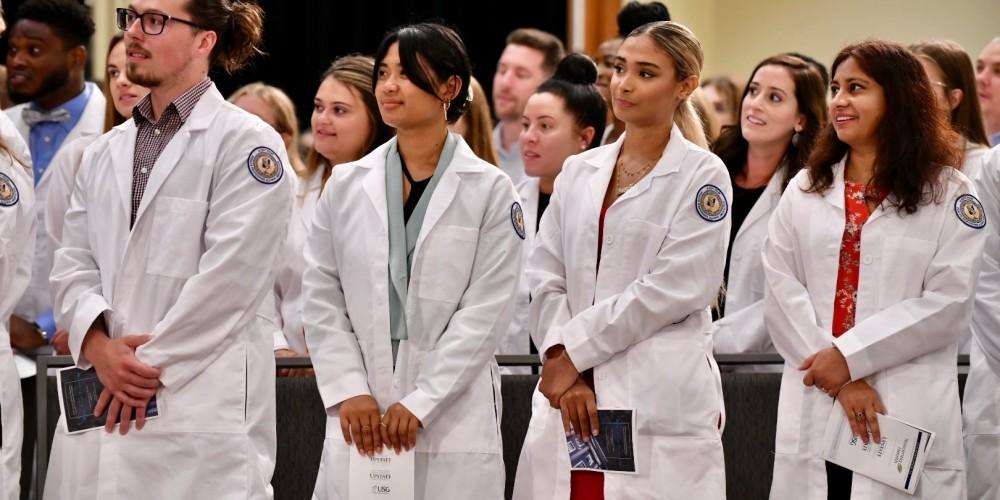
Secondary applications are a critical part of applying to medical school. The essay prompts and questions give you the chance to show the admissions committee why you fit the college and what makes you stand out. Upstate sends its secondary to every verified AMCAS applicant, so every applicant should prepare for it.
The Upstate Secondary for the 2026-2027 Cycle
For the 2026-2027 cycle, the secondary has seven items:
- Gap year plans (no stated limit)
- Which medical specialty do you currently plan to pursue? (no stated limit)
- Areas of weakness (optional, 1,800 characters)
- Experiences with underserved communities (1,800 characters)
- Ties to Central New York or SUNY Upstate (1,800 characters)
- Contribution to diversity (1,800 characters)
- How your career plans advance the college’s commitment to Central New York (1,800 characters)
The fee is $110, and the secondary, fee and all letters are due December 1, 2026. Character limits include spaces. Write to the limit shown in your portal, and if the portal shows a different limit than the one listed here, follow the portal. MD/PhD applicants complete an additional supplemental application for the MD/PhD program; its 2026-2027 questions were not yet published, so watch your portal for them. Our database of medical school secondary essay prompts collects prompts from other schools if you are pre-writing for several at once.
How to Approach Upstate’s Secondary
Here are some helpful tips to keep in mind as you work through secondary applications:
- Read every part of each prompt carefully, and answer each part.
- Supply concrete evidence from your academic, professional or extracurricular experiences.
- Do not simply repeat what you already wrote in your AMCAS application. Add a new detail, a new experience or a deeper reflection.
- Proofread your answers.
- Write clearly and concisely. At 1,800 characters, you have roughly 250 to 300 words.
- Keep a record of every specific Upstate program you mention and make sure you can discuss it in your interview.
Upstate’s questions fit together. The underserved communities, Central New York and mission essays all ask, in different ways, whether you understand who Upstate serves. Plan them as a set so each one uses a different experience, and save your strongest regional story for the Central New York essay. For additional help, consider our medical school admissions consulting service.
Each example below is an original teaching example. Use it to see structure and level of detail, then write about your own experiences.
Prompt 1: Gap Year Plans
Gap year plans (no stated limit)
What it asks: If you are not in school during the 2026-2027 year, Upstate wants to know what you will be doing. Treat it as a factual field: dates, roles, hours and goals.
Who answers: Applicants who will not be enrolled in school during the application year. If you are still a student, follow the portal’s instructions (often “N/A” or a short note).
Illustrative example, not an actual applicant essay:
From June 2026 through June 2027 I am working full time as an emergency department scribe at a community hospital near Utica, about 40 hours a week on rotating shifts. On two Saturdays a month I volunteer at a free clinic, where I check patients in, take blood pressures under a nurse’s supervision and help people sign up for insurance. I am also finishing a small quality improvement project with my former research mentor on missed follow-up visits after emergency department discharge, and we plan to submit an abstract to a regional meeting in spring 2027. If I am admitted, I will keep scribing until May so I can save money for my first year.
Analysis: Gives dates, hours and roles, so the committee can see a full year. It names clinical work, service and research, each with a concrete detail, and ends with the plan if admitted. Mistakes to avoid: vague plans such as ‘gaining experience’, listing activities already described in AMCAS without new detail, or leaving months unaccounted for.
Prompt 2: Which Medical Specialty Do You Currently Plan to Pursue?
Which medical specialty do you currently plan to pursue? (no stated limit)
What it asks: Your current specialty interest. This cycle the question has no stated limit and reads like a short data field, so a sentence or two is enough. If you have not decided on a specialty, say which options you are weighing and why.
Who answers: All applicants.
Illustrative example, not an actual applicant essay:
Family medicine. I want a broad practice that follows patients over many years, and my scribe shifts showed me how many emergency visits trace back to missed primary care. I am also interested in internal medicine and will use clerkships to test both choices.
Analysis: Names one specialty first, gives one reason tied to real experience and shows openness to change. Mistakes to avoid: a long essay that repeats the personal statement, naming a specialty with no reason, or claiming certainty you cannot support yet.
If you are considering the three-year pathway, it helps if your answer here lines up with a specialty the pathway offers, but only say so if it is true.
Prompt 3: Areas of Weakness
Are there any areas of weakness in your application that you would like to clarify for the Admissions Committee? If yes, Please describe. (1,800 characters)
What it asks: A chance to explain a real weakness, such as a low grade, a withdrawal, a gap in enrollment, a low MCAT section or an institutional action. It is optional. If you have nothing to clarify, leave it blank or answer as the portal instructs.
How to approach it: Name the issue plainly, give brief context, take responsibility, then use most of the space to show what changed and the evidence that it changed.
Illustrative example, not an actual applicant essay:
My spring semester of sophomore year shows a C in Organic Chemistry I and a withdrawal from Physics I. That semester my father had a stroke, and I drove home every weekend to help my mother run our family’s small hardware store while he recovered. I kept my enrollment because I did not want to fall behind, but I was not able to give my courses the time they needed, and I did not ask my professors or my dean for help until it was too late to change the result.
I learned two things from that semester. First, asking for help early is part of being responsible, not a sign of weakness. Second, I need a plan before I take on a heavy load during a family crisis. The next fall I met with my advisor, reduced my work hours at the store, and retook Physics I, earning an A. I then completed Biochemistry, Physics II and Cell Biology with A grades, and my science GPA for the last four semesters is 3.86.
My father is now back at work, and I still help at the store during breaks. I am grateful for that time because it taught me how stressful caregiving is for families. I hope the Admissions Committee will see the C as a single difficult term rather than a pattern, and will look at the upward trend that followed.
Analysis: Names the exact weakness, explains the cause briefly without excuses, takes responsibility, and spends most of the space on what changed and the evidence (retake grade, later science GPA). Mistakes to avoid: blaming others, writing about strengths disguised as weaknesses, or answering when there is nothing to clarify.
Prompt 4: Experiences With Underserved Communities
What experiences have you had with underserved communities/populations? What have you learned from these experiences? (1,800 characters)
What it asks: Two things: what you did with underserved people and what you learned. Upstate’s mission focuses on rural communities and urban underserved neighborhoods, so this essay carries weight.
How to approach it: Pick one sustained experience. Describe your role, one moment with a patient or client (without identifying details) and the specific lessons. End with how you will build on it.
Illustrative example, not an actual applicant essay:
For two years I have volunteered with a mobile health van that visits dairy farms and migrant worker housing in two rural counties. I check in patients, take vital signs under the supervision of a nurse practitioner and translate for Spanish-speaking workers. Many of our patients work twelve-hour days, have no car, and live forty minutes from the nearest clinic. A farmworker named Luis came to the van with a hand laceration he had wrapped for three days because missing a shift meant losing pay. The nurse practitioner cleaned and closed the wound, but what stayed with me was the conversation afterward, when Luis asked whether he could get a tetanus shot without giving his address.
These experiences taught me that access is not only about distance. It is about trust, time, language and fear of consequences. I learned to explain what will happen with a patient’s information before asking questions, to follow up by phone when the van will not return for a month, and to listen for the practical barrier behind a missed appointment. I also learned the limits of a volunteer: I can make a visit easier, but lasting change needs clinicians who stay in a community and systems that make care affordable.
I want to keep this work going in medical school through community-engaged learning and rural training, and I want to become a physician who plans care around a patient’s real life.
Analysis: Answers both parts: the experience (role, setting, one patient story) and what was learned (trust, language, time, the limits of a volunteer). It ends by connecting to Upstate’s community-engaged learning and rural training. Mistakes to avoid: describing the community as a backdrop for your growth, using a patient’s real name, or listing hours without reflection.
Prompt 5: Ties to Central New York or SUNY Upstate
Describe any ties or meaningful experiences you have had related to Central New York or SUNY Upstate Medical University. (1,800 characters)
What it asks: Real connections: growing up in the region, family, school, work, care at Upstate or time spent in Central New York. Applicants who have never been to Central New York often worry about this prompt. An honest answer is always better than an invented one.
How to approach it: If you have ties, be specific about places, people and what they taught you. If you do not, say so briefly, then explain what draws you to the region’s health needs and how you have prepared to serve communities like it.
Illustrative example, not an actual applicant essay:
I grew up in Oswego County, about forty minutes north of Syracuse, and Upstate University Hospital has been part of my family’s story for as long as I can remember. When my younger brother was eight, he was taken to the pediatric emergency department after a sledding accident and spent a week at Golisano Children’s Hospital. I remember the resident who drew a picture of his broken femur on a napkin so my parents could understand the surgery. That was the first time I saw a physician teach while caring for a family.
In high school I volunteered at a nursing home in Fulton, and in college I came back each summer to work as a patient transporter at a hospital in our county. Many of the residents and patients I met had driven an hour or more for specialty care in Syracuse, and some simply did not go. I saw how much a regional academic hospital matters to people in small towns across Central New York.
Training at Upstate would let me learn in the system that cared for my family and then give back to the same region. I am especially interested in the Rural Medical Scholars Program and the chance to learn from community physicians in towns like mine. My long-term goal is to practice family medicine within an hour of where I grew up.
Analysis: Shows specific, verifiable ties: hometown, family care at Upstate, local volunteering and work, and a plan to practice in the region. It connects to a real Upstate program. Mistakes to avoid: inventing ties, listing tourist visits, or leaving it blank. Applicants without ties should explain honestly what draws them to the region’s needs and programs.
Prompt 6: Contribution to Diversity
How will you contribute to the diversity of your medical school class and The Norton College of Medicine? (1,800 characters)
What it asks: How your background, experiences, skills or perspective will add to your class and the college. The key word is “contribute”: the essay should look forward to what you will do.
How to approach it: Choose one or two parts of your background that shape how you think and act. Show the skill or perspective they gave you, then give concrete examples of how you will use it with classmates and patients.
Illustrative example, not an actual applicant essay:
I am the first person in my family to finish college. My parents run a small dairy farm, and I grew up doing morning milking before school and helping with calving in the spring. On a farm, health care is something you put off until the work is done. I watched my grandfather ignore chest pain for a week during haying season, and I learned early how cost, distance and pride shape the choices rural families make.
In college I was often the only student in my lab group who had never had a tutor or a summer research program. I learned to find resources on my own, to ask questions in office hours and to explain what I had learned in plain words, which made me the person classmates came to before exams. I later worked as a peer tutor for first-generation students in introductory chemistry.
I would bring that perspective to my class and to the Norton College of Medicine. In small groups and in community-engaged learning, I can help classmates understand what a farm family might be thinking when a doctor recommends a test that means losing a day of work. I can also help first-generation classmates find their footing, the way others helped me. Diversity in a class is not only about background. It is about the habits and questions each person brings to patient care, and mine come from a place where the nearest doctor was twenty miles away.
Analysis: Answers ‘how will you contribute’, not only ‘who are you’. It names background, the skills it built and concrete ways to help classmates and patients. Mistakes to avoid: listing identity labels without impact, comparing yourself to others, or repeating the underserved essay.
Prompt 7: Advancing Upstate’s Commitment to Central New York
The Norton College of Medicine is committed to improving the healthcare of Central New York. How do your career plans advance this mission? (1,800 characters)
What it asks: A clear career plan and how it helps the health of Central New York. You do not need a guaranteed lifelong plan, but you need a direction that connects to the region.
How to approach it: State your plan, connect it to a real regional need, then name the Upstate programs that would help you reach it. Close with the impact beyond your own practice.
Illustrative example, not an actual applicant essay:
I plan to become a family physician in a small town in Central New York, practicing full-spectrum outpatient care and some hospital medicine. The region has many communities where one retiring doctor can leave thousands of people without a primary care home, and I want to be the physician who stays.
My plans fit Upstate’s mission in three concrete ways. First, I hope to join the Rural Medical Scholars Program, which would give me four years of rural electives and mentoring from community physicians. Second, I would welcome clerkships at the Binghamton Clinical Campus, where the longitudinal family medicine clerkship would let me follow the same patients for a year. Third, the required community-engaged learning hours would let me keep working with farm and migrant worker communities while I study.
After residency I want to teach students in my own practice, as the preceptors in Upstate’s community network do now. A rural physician who precepts students helps solve the shortage twice: once by caring for patients, and again by showing future doctors that small-town medicine is a good life. I also hope to work with local health departments on blood pressure and diabetes screening, building on what I learned on the mobile van. My career goal is simple: keep good care close to home for the people of Central New York.
Analysis: States a clear career plan, ties it to the region’s needs and names three verified Upstate opportunities (RMSP, the Binghamton longitudinal family medicine clerkship, community-engaged learning). It closes with how the plan helps the region beyond one practice. Mistakes to avoid: generic praise of the school, plans that do not involve Central New York at all, or naming programs you have not read about.
Common Mistakes on the Upstate Secondary
- Leaving the Central New York essay blank or inventing ties.
- Using the same experience for the underserved, diversity and mission essays.
- Writing a long essay for the specialty field.
- Naming Upstate programs you cannot discuss in an interview.
- Waiting until late fall to submit. Your file is not reviewed for an interview until it is complete.
Interview Format and Preparation
Upstate’s Interview Format
Upstate conducts interviews virtually using a multiple mini interview (MMI) format. Applicants interview with students, faculty, administrators or community physicians. Interviews are held on select Mondays, Tuesdays and Wednesdays, beginning in September and continuing until early March, and invitations begin in August. There are no regional interviews.
Interview day also includes a Meet and Greet with admissions staff and current medical students. In the spring, Upstate holds on-campus events where applicants can tour the facilities, learn more about the curriculum and meet faculty, students and staff. Applicants who need accommodations for the interview can request them by email through the admissions office.
Who Gets an Interview
Upstate interviewed 525 applicants for the 2025 entering class, from 6,198 verified applications. GPA and MCAT are the two most heavily weighted factors in screening, with clinical experience, volunteer work, the personal statement and letters also considered. Weaker academic scores are the most common reason for a rejection without an interview.
What an MMI Tests
An MMI is a series of short stations, each with a scenario or question and a few minutes to respond. Stations commonly cover ethical dilemmas, teamwork, communication, professionalism, health policy and personal motivation. The format rewards clear thinking under time pressure more than polished speeches. Upstate’s committee lists communication skills, character, motivation and meaningful experience with people among its selection factors, so expect stations that test those qualities.
How to Prepare
- Practice a structure. For ethical stations, state the issue, consider the people affected and their perspectives, weigh options and choose one with a reason. For personal stations, give a short example and what you learned.
- Time yourself. Practice answering in about two to six minutes, then stop.
- Know Upstate. Be ready to talk about why Upstate, the two clinical campuses, community-engaged learning, the three-year pathway or the Rural Medical Scholars Program if they fit your goals.
- Know your own application. Reread your AMCAS and secondary, especially the Central New York and underserved essays.
- Prepare your setup. Use a quiet room, a neutral background, good lighting at face level and a wired connection if possible. Test the platform a day before.
- Practice common questions. Our list of the most common medical school interview questions is a good place to start.
After the Interview
Interviewed applicants generally hear within four to six weeks: accept, high priority alternate, hold alternate or reject. Acceptances begin October 15. If you have a significant update after your interview, such as a publication, honor or major new service role, Upstate accepts updates and letters of intent through the applicant portal. A letter of intent is appropriate only if Upstate is truly your first choice and you would withdraw elsewhere if accepted.
If you want structured practice with feedback, our admissions consulting team can help you practice for interview day.
Frequently Asked Questions
Is it hard to get into the Norton College of Medicine at SUNY Upstate?
Yes, it is competitive, especially for nonresidents. For the 2025 entering class, Upstate received 6,198 verified applications, interviewed 525 applicants and enrolled 182 students. Accepted applicants had a median MCAT of 512 and a median GPA of 3.84. New York residents had an interview rate of about 17%, compared with under 4% for out-of-state applicants. A strong application combines solid numbers with steady clinical experience, service and clear ties to Upstate’s mission.
What is the acceptance rate at SUNY Upstate?
Upstate does not publish the number of acceptance offers, so a true acceptance rate cannot be calculated. What is published is the interview rate: 525 of 6,198 verified applicants, or about 8.5%, were interviewed for the 2025 entering class. Dividing the 182 matriculants by applicants gives a matriculation ratio of about 2.9%, which is lower than the real acceptance rate because many accepted applicants enroll elsewhere.
Does SUNY Upstate Medical University require the CASPer exam?
No. Upstate does not require CASPer or any other additional assessment, and it does not use AAMC PREview scores. Focus your preparation on the MCAT, your experiences and your secondary essays.
What GPA and MCAT do I need for SUNY Upstate?
There is no minimum GPA or MCAT, and Upstate does not screen with a cutoff. Accepted applicants in the 2025 entering class had a median MCAT of 512 and a median total GPA of 3.84, with a median science GPA of 3.81. GPA and MCAT are the most heavily weighted factors in deciding who gets an interview, so applicants well below those numbers need clear strengths elsewhere, such as an upward grade trend or postbaccalaureate work.
Does Upstate prefer New York residents?
Yes, slightly. As a public SUNY school, Upstate gives a slight preference to New York residents, and about 76% of the 2025 entering class were in-state. It still accepts many out-of-state applicants each year. Establishing New York residency for tuition after you enroll is extremely rare, so nonresidents should plan for nonresident tuition for all four years.
How old can my MCAT score be?
For the 2026-2027 cycle, Upstate accepts MCAT scores from December 2023 through September 1, 2026. It considers your most recent score, so a retake replaces your earlier result in its review.
Can I apply before finishing my prerequisites?
Yes. You can apply with prerequisites in progress. If accepted, your admission is conditional on completing every outstanding required course with a grade of C or higher before you enroll, no later than June 2027. Prerequisites should not be more than 10 years old.
Does Upstate accept online or community college prerequisites?
Online science prerequisites are accepted only if they were taken during the 2020 and 2021 academic years. Outside those years, science prerequisites must be taken in person for a letter grade. Community college coursework is considered, but if you attend a four-year college, Upstate strongly recommends taking all science prerequisites there and avoiding more than one or two prerequisite science courses in the summer.
How important is clinical experience at Upstate?
Very important. Upstate calls clinical experience essential and strongly recommends hands-on clinical work. There is no required number of hours, but your experience should be relevant, current and ongoing, and it should show that your choice of medicine is well informed. Service work is expected too. Choose roles with regular patient contact and plan to write about what you learned from them.
What is the interview format at SUNY Upstate?
Upstate uses virtual multiple mini interviews with students, faculty, administrators or community physicians. Interviews take place on select Mondays, Tuesdays and Wednesdays from September through early March, and the day includes a Meet and Greet with admissions staff and current students. On-campus events for applicants are held in the spring.
How much does SUNY Upstate medical school cost?
For 2025-2026, first-year tuition was $46,470 for New York residents and $71,190 for nonresidents. With mandatory fees, the first-year total was $48,071 and $72,791. The estimated first-year cost of attendance on the Syracuse campus, including living costs but not health insurance, was $82,323 for residents and $107,043 for nonresidents. Check the bursar’s current rates for 2026-2027 before you budget.
Does SUNY Upstate have a three-year MD program?
Yes. The Three-Year MD Pathway, launched in fall 2023, offers ten seats a year to admitted students who are ready to commit to a specialty and a directed residency at Upstate or at UHS in Binghamton. It saves a year of tuition. Students apply after they are admitted, and the first nine 3YP students graduated in 2026.
What is the Binghamton Clinical Campus?
It is Upstate’s second clinical campus, about an hour south of Syracuse, where about one quarter of each class completes the clerkship year. All students finish the first three semesters in Syracuse. Binghamton students train in community hospitals and practices, including UHS and Guthrie Lourdes, and complete family medicine as a year-long longitudinal clerkship. Campus assignments are made after acceptance and are binding.
Does SUNY Upstate accept international and DACA applicants?
Yes. Upstate accepts applications from foreign citizens, Canadians and DACA-eligible applicants, as well as U.S. citizens and permanent residents. Everyone needs at least 90 semester hours at an accredited U.S. or Canadian institution. International students must cover their own costs because they are not eligible for federal aid or Upstate scholarships, and priority goes to U.S. citizens and permanent residents when all else is equal.
Does Upstate have an Early Decision Program?
Yes, for New York residents only. Early Decision applicants submit AMCAS by August 1, complete their Upstate application by August 15 and agree to attend if accepted. Decisions come by October 1. Applicants who are not accepted can apply elsewhere and are automatically considered in the regular pool.
Does Upstate offer BS/MD programs?
Yes. Upstate partners with Binghamton University (a freshman track for first-year pre-medical students) and Syracuse University (a track for high school seniors), with up to five places a year in each. Preferred candidates include New York residents from Central and Upstate New York, students from rural or underserved communities, first-generation college students and those who want to stay in Central New York.
How many letters of recommendation does Upstate require?
Upstate prefers a committee letter from your Health Professions Advisory Committee or pre-health advisor. Without one, submit two faculty letters from different departments, one of them in a science. Graduate students add a letter from their advisor or chair, and nontraditional applicants out of school for more than five years may use one science faculty letter and one supervisor letter. All letters go through AMCAS by December 1, and Upstate accepts up to five.
Related Medical School Guides
Are you considering other New York medical colleges, or do you want to see how the Norton College of Medicine compares with other schools? Our overview of medical schools in New York compares every MD and DO program in the state. These guides are the most useful next reads for Upstate applicants:
- Albany Medical College: another Upstate New York MD program with a regional focus, useful if you want to stay in the Capital Region or Central New York.
- University of Rochester Medical School: a private research school about 90 minutes west of Syracuse, a common pairing for Upstate New York applicants.
- Renaissance School of Medicine at Stony Brook University: a fellow SUNY public MD program on Long Island with in-state tuition for New York residents.
- NYU Medical School: NYU Grossman’s Manhattan campus offers a very different urban, research-heavy experience.
- NYU Long Island School of Medicine: a primary care focused MD program, worth comparing with Upstate’s community and rural mission.
- Columbia Vagelos College of Physicians and Surgeons: a private New York City option for applicants with strong research records.
More School Guides
Don’t forget to check out the other ultimate medical school guides on our website, especially if you have been asking yourself which are the best medical schools near you.
- Jacobs School of Medicine at the University at Buffalo
- Hofstra Zucker School of Medicine
- Weill Medical College of Cornell University
- Icahn School of Medicine at Mount Sinai
- Albert Einstein College of Medicine
- New York Medical College
- Ohio University Heritage College of Osteopathic Medicine
- Northeast Ohio Medical University (NEOMED)
- University of Cincinnati College of Medicine
- University of Toledo College of Medicine
- Wright State University Boonshoft School of Medicine
- Ohio State University College of Medicine
- Rowan University School of Osteopathic Medicine
- Hackensack Meridian School of Medicine (HMSOM)
- Rutgers New Jersey Medical School (NJMS)
- Rutgers Robert Wood Johnson Medical School
- Cooper Medical School of Rowan University (CMSRU)
- A.T. Still University Kirksville College of Osteopathic Medicine
- Saint Louis University School of Medicine
- University of Missouri Medical School
- Kansas City University (KCU)
- UMKC School of Medicine
- University of Pittsburgh School of Medicine
- University of Wisconsin Medical School
- VCU School of Medicine
- University of Maryland School of Medicine
- Case Western Medical School
- University of North Carolina Medical School
- University of Florida Medical School
- Emory University School of Medicine
- Boston University College of Medicine
- California University of Science and Medicine
- UC San Diego Medical School
- California Northstate University College of Medicine
- Touro University of California
- CHSU College of Osteopathic Medicine
- UC Davis School of Medicine
- Harvard Medical School
- UC Riverside School of Medicine
- USC Keck School of Medicine
- UT Southwestern Medical School
- Long School of Medicine at UT Health San Antonio
- University of the Incarnate Word School of Osteopathic Medicine
- UT Austin’s Dell Medical School
- UTMB School of Medicine
- McGovern Medical School at UT Health
- Johns Hopkins School of Medicine
- The University of Texas Rio Grande Valley School of Medicine
- UNT Texas College of Osteopathic Medicine
- University of Houston College of Medicine
- Texas A&M College of Medicine
- Baylor College of Medicine
- George Washington University School of Medicine
- Vanderbilt University School of Medicine
- St. George’s University School of Medicine
- Lake Erie College of Osteopathic Medicine (in Pennsylvania)
- Sidney Kimmel Medical College at Thomas Jefferson University
- Wake Forest University School of Medicine
- Western University of Health Sciences (in California)
- Drexel University College of Medicine
- Stritch School of Medicine at Loyola University Chicago
- Georgetown University School of Medicine
- Yale School of Medicine
- Perelman School of Medicine
- UCLA Medical School
- Washington University School of Medicine
- Brown Medical School
How International Medical Aid Can Help
Voluntary Healthcare Internships
Our intensive, patient-facing pre-med internships abroad help students gain hands-on clinical experience. These internships take place in locations such as East Africa, South America and the Caribbean. Under the supervision of local physicians and nurses, interns take vital signs, help with patient intake and triage and assist with direct patient care for medically underserved communities. That kind of experience gives you specific, honest material for Upstate’s questions about underserved communities and your career plans, and it helps your application stand out. It does not create any affiliation with Upstate or any admissions advantage; what matters is what you learn and how you reflect on it.
IMA offers pre-med internships for college students and recent graduates, as well as pre-health internships for students who are still choosing between medicine and other health careers. If Spanish-language care is part of your goals, as it is for many students who work with farmworker communities in Upstate New York, a medical internship in Peru is one option. You can compare all of our medical internships abroad by location and dates, and our internships for pre-med students page lists current programs.
Medical School Admissions Consulting
We aim to provide the most thorough and accurate information possible for future physicians. Applying to and getting into medical school is a difficult process, and we understand how overwhelming it can be. One of the best ways to make your application as competitive as possible is to work with our medical admissions consulting service. Consultants can help you plan your timeline, review your personal statement and Upstate secondary essays, and prepare for the MMI. Students who want to learn more can schedule a consultation with IMA.
Final Thoughts and Sources
Good Luck!
We wish you the best of luck applying to medical school and in your future career in medicine. The key to succeeding is taking your time, developing an application strategy and seeking help when you need it. For the Norton College of Medicine, that means confirming your prerequisites and MCAT date, submitting AMCAS early, returning a careful secondary within a couple of weeks, and preparing for a virtual MMI. Above all, be ready to show how you will serve the communities of Central New York. If you need more personalized help, contact us and get guidance from one of our medical admissions consultants.
Sources
All sources were checked on October 29, 2026. Statistics are labeled with their cohort or academic year where they appear.
- AAMC Medical School Admission Requirements (MSAR), SUNY Upstate Medical University Alan and Marlene Norton College of Medicine profile, 2026 edition: 2026-2027 cycle dates and policies; 2025 entering class applications, interviews, matriculants, MCAT and GPA (AAMC Data Warehouse, as of October 29, 2025); Tuition and Student Fees survey 2025-2026; LCME Part I-B financial aid data 2024-2025; Graduation Questionnaire data; Three-Year MD Pathway details.
- SUNY Upstate Medical University, Norton College of Medicine admissions pages: How to Apply, Pre-Requisites, Letters of Recommendation, Admissions FAQs, International Students, Early Decision, Reapplicants, Admissions Committee, Technical Standards and Class Stats (Entering Class of 2024 profile).
- SUNY Upstate Medical University, Estimated Cost of Attendance, College of Medicine (2025-2026 rates).
- SUNY Upstate Medical University program pages: BS/MD Program, 3 Year Program, MD/MBA, MD/PhD, Rural Medical Scholars Program, MedPrep Academic Enhancement MS, MS in Physiology for MD Students, Public Health Degree Programs, Community Engaged Learning, Research Opportunities, Courses, Clerkships and Electives.
- SUNY Upstate Medical University: History of the College of Medicine; Facilities; Clinical Campus Options; Binghamton Clinical Campus; Mission, Vision and Values; Upstate Leadership.
- Liaison Committee on Medical Education, directory of accredited U.S. programs.
- Upstate Medical Alumni Foundation, Upstate Medical Alumni Journal, Autumn 2026.
- 2026-2027 secondary prompts: Med School Insiders, SUNY Upstate secondary essay prompts (2026-2027); Student Doctor Network, 2026-2027 SUNY Upstate Norton College of Medicine thread (prompts posted July 10, 2026).