
Meharry Medical College stands as a beacon of medical education and research in Nashville, Tennessee, dedicated to its mission of improving the health and health care of minority and underserved communities. Founded in 1876 as the Medical Department of Central Tennessee College, Meharry was the first medical school in the South for African Americans. Today it is a historically Black academic health sciences center whose School of Medicine grants the Doctor of Medicine (MD) degree and welcomes about 115 first-year students each year.
This guide covers the 2026-2027 application cycle, for students who want to start medical school in the summer of 2027. It explains the current admissions requirements and deadlines, the 2026-27 cost of attendance, the Next S.T.E.P. curriculum, early acceptance pathways, both current secondary essay prompts with original examples and analysis, and the three-part virtual interview. School facts were checked against Meharry’s own pages on November 10, 2026.
At Meharry, the admissions process is holistic. The Admissions Committee looks at academic performance, MCAT scores, personal characteristics, awareness of the medical profession through shadowing or other health care experience, leadership, community service and the potential for success shown in letters and the personal statement. Applicants who understand that mission, and who can show real service to people who are often overlooked by the health system, give the committee something concrete to evaluate.
Be an Informed Applicant
Meharry has school-specific requirements that are easy to miss. It requires a bachelor’s degree before matriculation, it will not consider MCAT scores older than three years, it expects CASPer, it offers an Early Decision Program with an August 1 deadline, and its supplemental application is by invitation only. Knowing these details early keeps you from losing a cycle to a technicality.
Research also pays off in your essays and interview. When you know how the Next S.T.E.P. curriculum is organized, what the Salt Wagon Clinic does, where internal medicine training takes place and how the early acceptance programs with Middle Tennessee State University and Tennessee State University work, you can explain why Meharry fits your goals in specific terms instead of general praise.
Personalized Help
At International Medical Aid, we understand how tough it can be to begin the medical school application process. Each school has different applications and academic requirements, and students often feel stretched thin. If the process starts to feel like too much, consider our admissions advising and our clinical programs abroad, both described near the end of this guide.
Key Takeaways
- Mission first: Meharry exists to advance health equity and serve underserved communities. A vast majority of its MD graduates match in a primary care field, and the school calls itself a leading producer of primary care physicians.
- Small class, large pool: The School of Medicine has 115 first-year seats, and more than 7,000 students apply for them. For the 2025 entering class, 417 applicants were interviewed, and accepted applicants had a median MCAT of 506 and a median GPA of 3.64.
- Hard requirements: A bachelor’s degree is required to matriculate. Prerequisites include 8 semester hours each of biology, inorganic chemistry, organic chemistry and physics with labs, 6 hours of English composition and 3 hours of biochemistry. MCAT scores older than three years are not considered, and CASPer is expected.
- Key dates: AMCAS opens June 1 and is due December 15. Review starts July 1. Early Decision applications must be complete by August 1, with a decision by October 1. The supplemental application is due January 15 and costs $65.
- Two secondary essays: For 2026-2027, invited applicants write a Statement of Purpose (why Meharry) and a Statement of Resilience (failure, challenge or obstacle). No length limit is shown.
- Cost: For 2026-27, first-year tuition is $59,170 and fees are $9,862. The estimated first-year cost of attendance is $118,722. There is no separate in-state rate.
- Interview: Three virtual sessions: a traditional faculty interview, a short faculty breakout with a situational prompt, and a student group interview.
- Accreditation: The MD program holds full LCME accreditation and is on probation. Read the accreditation section before you decide.
Key Statistics About Meharry Medical College
The snapshot below collects the figures applicants ask about first: the median MCAT and GPA of accepted applicants and the number of applicants interviewed for the 2025 entering class, the size of the first-year class, applicant volume and the 2026-27 estimated cost of attendance for first-year medical students. The table that follows adds tuition, fees, debt, the Class of 2026 match rate and other figures, each with its year.

| Metric | Value | Year or cohort | Source and definition |
|---|---|---|---|
| School and degree | Meharry Medical College School of Medicine; Doctor of Medicine (MD); one campus in North Nashville, Tennessee | Current | Meharry history and School of Medicine pages; private, historically Black, founded 1876 |
| First-year class size | 115 seats | Current | Meharry School of Medicine Admissions FAQs |
| Applicant volume | More than 7,000 applicants for 115 seats | Current (undated school statement) | Meharry School of Medicine, About the School |
| Median MCAT | 506 (mean 506.4); section medians 126 Chemical and Physical, 126 CARS, 127 Biological and Biochemical, 128 Psychological and Social | 2025 entering class | AAMC MSAR school profile, 2026 edition; all accepted applicants, most recent score |
| Median overall GPA | 3.64 | 2025 entering class | AAMC MSAR school profile, 2026 edition; accepted applicants |
| Applicants interviewed | 417 (57 in-state, 345 out-of-state, 15 international) | 2025 entering class | AAMC MSAR school profile, 2026 edition; interview counts reported by the school |
| Acceptance offers | Not published | No recent cohort | No acceptance rate is given, because offers divided by applications for one cohort cannot be calculated |
| Total enrollment | 521 medical students | October 2025 | AAMC MSAR school profile, 2026 edition (AAMC Data Warehouse; students on leave excluded) |
| Estimated new entrants | 115: 110 MD and 5 MD/PhD | 2026-2027 cycle | AAMC MSAR school profile, 2026 edition |
| First-year tuition | $59,170 | 2026-27 academic year; all residencies | Meharry Office of Financial Aid, School of Medicine Cost of Attendance, Year 1 (11 months) |
| First-year fees | $9,862 | 2026-27 academic year | Same page; tuition and the health insurance fee are split between fall and spring |
| First-year estimated cost of attendance | $118,722 | 2026-27 academic year; student only | Same page; includes tuition, fees, books, housing, food, transportation, personal and miscellaneous costs |
| Health insurance | $5,737 | 2024-25 academic year | AAMC MSAR 2027 Tuition, Fees and Insurance report (Tuition and Student Fees Survey 2024-2025) |
| Graduates receiving aid; average graduate indebtedness | 93%; $248,493 | Academic year 2023-2024 | AAMC MSAR 2027 Debt Information report (LCME Part I-B Student Financial Aid Questionnaire) |
| Residency match rate | 92% | Class of 2026 (Match 2026) | Meharry news release, March 25, 2026 |
| Supplemental application fee | $65; no fee waiver | 2026-2027 cycle | Meharry School of Medicine Admissions FAQs (fee); AAMC MSAR school profile, 2026 edition (fee waiver) |
| Federal research grants and contracts | $33,957,496 | Fiscal year 2024 | AAMC MSAR school profile, 2026 edition (LCME Part I-A Annual Financial Questionnaire) |
| Graduating seniors with a global health experience | 18% | 2025 Graduation Questionnaire | AAMC MSAR school profile, 2026 edition (AAMC Graduation Questionnaire) |
| Accreditation | LCME full accreditation, on probation; institution accredited by SACSCOC | LCME directory updated November 2, 2026 | LCME Accredited U.S. Programs; Meharry accreditation pages |
A note on reading these figures: the MCAT and GPA medians describe accepted applicants for the 2025 entering class. They are not cutoffs, and Meharry uses no minimum GPA or MCAT to screen applicants. An acceptance rate needs the number of offers divided by the number of applications for the same cohort, and the number of offers is not published, so no acceptance rate is given here. Dividing 115 seats by 7,000 applicants gives a matriculation ratio of about 1.6 seats per 100 applicants, which is not the same thing as an acceptance rate, because some admitted students enroll elsewhere.
Mission and Educational Priorities
Meharry states its institutional mission this way:
“Meharry Medical College is a global academic health sciences center advancing health equity through innovative research, transformative education, exceptional and compassionate health services and policy-influencing thought leadership. True to its legacy, Meharry empowers diverse populations to improve the well-being of humankind.”
The School of Medicine adds its own mission and vision. Its mission “is dedicated to the educational, intellectual, professional and personal development of a diverse group of exceptional students, faculty, residents and staff who are deeply committed to the study and practice of medicine.” Its vision is “To be a global leader in educating physicians to practice culturally sensitive, evidence-based patient centered care.” The college lists five core values: accountability with transparency, equity with inclusion, respect with collegiality, service with compassion, and integrity without exception. You can read the full statement on Meharry’s Mission and Vision page.
Meharry’s founding story explains why service sits at the center of everything. In the 1820s, a young Ohioan named Samuel Meharry was struggling to free his salt wagon from a ditch when a recently freed couple came to help him. He later pledged the money and property needed to found the college. Meharrians still call this the Salt Wagon Story, and the student-run Salt Wagon Clinic carries the name today.
What does this mean for you as an applicant? Three practical points stand out.
Service has to be real and sustained. A mission built on health equity rewards applicants who have worked alongside underserved patients over time, not those who list a single weekend event. Meharry’s own clinics deliver tens of millions of dollars in uncompensated care each year, and its students run a free clinic. The committee will look for evidence that you already act on the values the school names.
Primary care is a natural fit, though not a requirement. The school describes itself as one of the nation’s leading producers of primary care physicians, and a vast majority of its graduates match in a primary care field. If family medicine, internal medicine, pediatrics or psychiatry interest you, say so and explain why. If you lean toward another specialty, connect it to access and equity, for example a surgeon who wants to bring procedures to a community hospital.
Culture and context matter in patient care. The vision statement asks for “culturally sensitive, evidence-based patient centered care.” Experiences that taught you to listen across differences in language, income, faith or race are worth describing in detail, both in your secondary essays and in your interview.
The college also states a broad vision for growth in research areas such as cancer, infectious disease, mental and behavioral health, obesity and cardiovascular disease, oral health and precision medicine, and in care delivery in Nashville, rural Tennessee and the Mississippi Delta. If your research or service touches one of these areas, it is worth naming.
How IMA Aligns with Meharry Medical College’s Mission
Participating in International Medical Aid (IMA) programs can fit naturally with the values Meharry describes. IMA focuses on global health work and on training physicians and health workers in the communities it serves, which connects to Meharry’s commitment to addressing health disparities and training physicians to serve diverse communities. IMA has no affiliation with Meharry, and taking part does not give anyone an admissions advantage. What it can give you is substantive experience to reflect on.
IMA’s healthcare internships abroad place pre-health students in clinical settings where, under supervision, they take vitals, do patient intake and triage and help with direct care. That kind of hands-on exposure mirrors Meharry’s emphasis on patient-centered care for people with limited access. The skills and insights gained in a different health system can also help you talk about systems-based practice, one of the competencies Meharry expects of every graduate.
Accreditation and Institutional Identity
Accreditation is essential for maintaining educational standards in medicine. The MD program at Meharry Medical College School of Medicine is accredited by the Liaison Committee on Medical Education (LCME), the body that accredits MD programs in the United States and Canada. As of the LCME directory updated November 2, 2026, the program’s status is full accreditation, on probation, and it has been accredited since on or before 1942.
Meharry explains that it was placed on probation “to address some notable areas of concern” and that probation “does not impact our medical degree program’s accreditation nor our students’ degrees and futures.” In her message to the community, Dean Sonja Harris-Haywood wrote that after an April 8-9, 2024 survey visit the LCME kept the program on probation, that the school has made “significant curricular, operational, and infrastructure improvements” since then, and that “MMCSOM remains on probation with full accreditation.” The school’s next survey visit was scheduled for April 2026. You can read the school’s statement on its LCME page and check the current status in the LCME directory.
What probation means in practice: a program on probation is still fully accredited. Its graduates earn an LCME-accredited MD, sit for the USMLE and enter the residency match on the same terms as other U.S. MD graduates. Probation signals that the LCME wants specific standards addressed. It is reasonable to ask about progress at your interview, and to check the directory again before you commit.
The institution as a whole is accredited by the Southern Association of Colleges and Schools Commission on Colleges (SACSCOC) to award master’s and doctoral degrees, along with certificates at approved levels.
Institutional identity. Meharry Medical College is a private, historically Black academic health sciences center on Dr. D.B. Todd Jr. Boulevard in North Nashville. It was chartered separately from Central Tennessee College in 1915. It is United Methodist Church-related, and it now includes five schools: the School of Medicine, the School of Dentistry, the School of Graduate Studies, the School of Applied Computational Sciences (founded 2021) and the School of Global Health (founded 2023). Meharry was also the first medical school in the South to offer four-year training. The college celebrated its 150th anniversary in 2026.
One practical note: Meharry’s websites moved from the older home.mmc.edu address to meharry.edu. Staff email addresses still use mmc.edu, and the Office of Admissions and Recruitment can be reached at [email protected].
Medical Programs and Affiliations
Meharry Medical College offers several routes into medicine. The School of Medicine is the oldest and largest of Meharry’s schools. It admits 115 medical students a year and trains more than 100 residents annually through graduate medical education programs.
Doctor of Medicine (MD)
The MD is a four-year, in-person program. Meharry describes it as “a rigorous, comprehensive curriculum enriched by real-world clinical experiences and a deep commitment to service,” with training aimed at “the healthcare needs of underserved communities.” Applicants apply through AMCAS, and the class begins in summer.
Dual MD/PhD Program
The Dual MD/PhD Program prepares “outstanding clinical and research professionals who can identify and address significant problems in healthcare.” The PhD adds three to four years, so students finish both degrees in seven to eight years. There are two PhD routes:
- Meharry PhD in Biomedical Sciences, through the School of Graduate Studies.
- University of Pennsylvania Wharton School, Health Care Management Department. In 2021, Meharry and Wharton launched a joint MD/PhD for students interested in clinical practice and health policy or administration.
This is not a separate application at the AMCAS stage. Candidates “must first be admitted to the Meharry School of Medicine and complete the first two years of coursework, which includes passing Step 1, before they can apply to the Ph.D. program.” Details are on the Dual MD/PhD page.
Public health training
Meharry’s School of Global Health offers a Master of Public Health and an accelerated MPH. Medical students can also earn a combined MD/MPH: the MPH curriculum is offered by the School of Global Health and takes 24 months, the MPH program admits for fall only, and its application deadline is December 15 each year. If public health is central to your plans, ask the Office of Admissions and Recruitment when to apply and how the MPH would affect your timeline and cost.
Medical School Early Acceptance Program (MSEAP)
Since 2019, Meharry has partnered with Middle Tennessee State University’s College of Basic and Applied Sciences on MSEAP, a seven-year early acceptance program “exclusively for incoming freshmen.” Students complete three years of a prescribed premedical curriculum at MTSU and four years of medical school at Meharry, earning a BS from MTSU and an MD from Meharry. Participants must be Tennessee residents with an ACT of 28 or higher (or SAT equivalent) and a high school GPA of 3.5 or higher. The program also requires a three-year primary care residency in a rural or underserved area of Tennessee and a three-year post-residency service commitment. Students receive conditional acceptance to Meharry on entry, and substantial scholarships are available. Applications run through MTSU. High school students weighing this route can build early exposure through medical internships for high school students.
Dr. Levi Watkins, Jr. Institute Accelerated Pathway Program
Meharry and Tennessee State University created the Dr. Levi Watkins Jr. Institute/TSU/Meharry Accelerated Pathway Program, named for the pioneering cardiac surgeon and civil rights advocate. After earning a BS in biology at TSU, students matriculate to Meharry for the MD or DDS. The program includes academic preparation, mentoring, professional development and community engagement.
BS/MD Summer Enrichment Program
Through the School of Medicine Center of Excellence, Meharry links with twelve historically Black colleges and universities, including Fisk, Florida A&M, Hampton, Jackson State, Tennessee State and Tuskegee. Biology and chemistry majors are selected by a site coordinator in the second semester of their first year and attend a six-week summer enrichment program on Meharry’s campus. Selection criteria include an overall and science GPA of 3.25, U.S. citizenship or permanent residency, two letters, an official transcript and a one- to two-page essay. The program is designed for African American and Black students. College students in these programs often add medical internships for undergraduates to build patient contact before applying.
Graduate degrees, health professions and continuing education
Beyond the MD, Meharry’s School of Graduate Studies offers degrees such as the PhD in Biomedical Sciences and a Physician Assistant program, the School of Applied Computational Sciences offers data science degrees, and the School of Global Health offers public health and health policy degrees. The School of Dentistry trains dentists in the same community. Meharry also runs a Continuing Education office for practicing health professionals. Keep these separate from the MD when you research: each has its own admissions process.
Clinical and research affiliations
The Department of Internal Medicine, Meharry’s largest department, is housed on two campuses: Nashville General Hospital and the Alvin C. York Department of Veterans Affairs Medical Center in Murfreesboro, Tennessee. Clinical teaching facilities also include Blanchfield Army Community Hospital, Southern Hills Medical Center, Vanderbilt Health and Vanderbilt’s Monroe Carell Jr. Children’s Hospital, along with other affiliated hospitals and clinics. Meharry’s research partnerships include the Vanderbilt Institute for Clinical and Translational Research (VICTR) through an NIH Clinical and Translational Science Award, the Tennessee Center for AIDS Research (a partnership of Vanderbilt University Medical Center, Meharry, the Tennessee Department of Health and Nashville CARES), and the long-running Meharry-Vanderbilt Alliance. The Center for Women’s Health Research, led by the chair of obstetrics and gynecology, offers free screenings to qualifying women in Middle Tennessee.
Curriculum Overview
Meharry’s MD curriculum is called Next S.T.E.P. (Successfully Training Equipped Physicians). The school describes it as “a diagnosis-based schematic presentation where lessons are presented in the format of the 120 most common clinical problems encountered by physicians.” Meharry was the first HBCU medical school to adopt this approach, which merges basic science and clinical lessons.
How Next S.T.E.P. works
In a traditional curriculum, students learn anatomy, physiology and biochemistry as separate subjects, then later try to apply them to patients. A clinical presentation curriculum starts from the problem a patient brings, such as chest pain, shortness of breath, jaundice or fatigue. Students learn the science they need to work through that problem: what can cause it, how the body produces it, which history and exam findings matter and which tests help. Its hallmarks include “decreasing the number of lectures and replacing them with active-learning strategies such as team-based teaching.”
For applicants, this matters in two ways. First, team-based learning rewards students who prepare before class and contribute in small groups, so experiences where you learned with and from peers are relevant. Second, organizing learning around common clinical problems fits a school that produces many primary care physicians, because primary care is where most of those 120 problems first appear.
The three phases
The curriculum runs over four years in three phases:
- Phase 1, Foundational Curriculum. Integrated basic and clinical science organized around clinical presentations, with early clinical skills work. Students take USMLE Step 1 during this period (the cost of attendance budget includes Step 1 registration in the second year).
- Phase 2, Clinical Clerkships Curriculum. Core clinical rotations in the major specialties. The third-year budget includes extra travel costs for rotations.
- Phase 3, Post-Clerkship Curriculum. Advanced clinical work, electives and residency preparation. The fourth-year budget covers USMLE Step 2 CK, visiting student applications through VSAS, ERAS applications and residency interview travel.
Clinical skills and simulation
Clinical skills training starts early. The Pamela C. Williams, M.D., Simulation and Clinical Skills Center is an 8,000-square-foot facility on the lower level of the S.S. Kresge Learning Resources Center. It includes an operating room simulation room, two intensive care unit simulation rooms with one-way mirrors and video monitoring, ten standardized patient exam rooms and a 25-person conference room. Students practice on high-fidelity manikins such as SimMan 3G, the NOELLE maternal and neonatal birthing simulator, Pediatric HAL and Newborn HAL. Meharry has used standardized patient exams (OSCEs) since the 1980s, and it took part in the pilot that validated cases for the former USMLE Step 2 Clinical Skills exam.
Competencies
Every MD candidate must show competence in six areas: medical knowledge, patient care, interpersonal and communication skills, professionalism, systems-based practice, and practice-based learning and improvement. The medical knowledge goals include “determinants of poor health and the psychosocial, economic, and cultural factors that contribute to the development of common maladies,” and the patient care goals end with “the knowledge, skills, attitudes, and behaviors necessary to perform as generalist clinician.” That generalist emphasis tells you what kind of physician the curriculum is built to produce.
Research within the curriculum
Research is encouraged rather than required for every student. The Medical Student Research office helps students find mentors, maintains a summer research directory, and hosts an annual Medical Student Research Day. The 2026 event, held September 30 in the Harold D. West Basic Sciences Building, brought together students, faculty mentors, judges and panelists. First-year students can also join collaborative projects through the Center of Excellence Student/Faculty Research Program.
Policies and professionalism
Meharry treats professionalism as “a foundational value.” Transfer students are not accepted “due to the specialized nature of our curriculum,” and there is no advanced standing program, including for physicians trained abroad. Students who take a year off for research remain enrolled, pay required institutional fees such as health and disability insurance, but are not charged tuition for the research year and do not qualify for financial aid during it.
In practice, the curriculum means early clinical reasoning, frequent small-group work and steady assessment. Students thrive when they keep up with preparation and use the simulation center and standardized patient sessions to practice. This approach ensures graduates are prepared to meet the diverse needs of their patients, particularly in underserved settings.
Admissions Requirements and Application Process
Meharry considers applicants on a holistic basis for a start each summer. The school advises applicants “to submit their application and materials as early as possible and well in advance of deadlines.” Its admissions process is selective, and it does not set a published minimum GPA or MCAT score. It does recommend a prerequisite GPA of 3.5 to 4.0 to be competitive.
Degree and coursework
A bachelor’s degree is required to matriculate. All premedical coursework must be taken at an accredited college in the United States or Canada. Prerequisite courses must be completed within five years of matriculation, and the latest they can be finished for this cycle is June 2027. You do not need to finish the degree or every course before you apply, but the school strongly advises completing most prerequisites before you take the MCAT and apply.
| Course | Semester hours | Quarter hours |
|---|---|---|
| General Biology or Zoology with Laboratory | 8 | 12 |
| Inorganic Chemistry with Quantitative Analysis with Laboratory | 8 | 12 |
| Organic Chemistry with Laboratory | 8 | 12 |
| General Physics with Laboratory | 8 | 12 |
| English Composition | 6 | 9 |
| Biochemistry | 3 | 5 |
Community college and online courses. Community college courses are acceptable. However, the upper-level prerequisites (organic chemistry and biochemistry) and the recommended courses (microbiology, anatomy, physiology and cell biology) should be taken at an accredited four-year college or university. Online courses must come from an accredited institution and meet AAMC guidelines. Any major is fine as long as you complete the prerequisites. Check the full list on the Prerequisites page.
MCAT
All applicants must take the MCAT, and only scores from the last three years count. More precisely, “MCAT scores older than three years from the planned year of matriculation will not be considered for admission.” Exams taken after December 15 of the application cycle are considered at the Admissions Committee’s discretion. The school advises taking the exam only when you are prepared, not “just for practice,” since attempts are limited to three per year and seven in a lifetime. The committee considers your latest MCAT score but reviews every score available when you apply, and there is no minimum MCAT or GPA for screening.
CASPer
Medical applicants are expected to take the CASPer situational judgment test and submit their scores. Schedule it early in the cycle so your scores reach Meharry before review. Meharry does not use AAMC PREview scores in admissions.
Letters of recommendation
Submit three letters of recommendation through AMCAS. They must be signed and on official letterhead, and no more than four letters will be reviewed per applicant per cycle. If your undergraduate school or postbaccalaureate program has a health professions advisor or committee, send that committee letter. If not, send at least three individual letters, including two from science professors. Science faculty and clinicians you have shadowed are the preferred letter writers. AMCAS accepts letters through its letter service, VirtualEvals, Interfolio and mail.
Experience
The committee considers “awareness of the medical profession through shadowing or other healthcare experiences, leadership experience, community service.” Shadowing is recommended, and Meharry does not publish a required number of hours. Plan for steady, direct patient contact and service over time. Clinical roles such as scribing, medical assisting, EMT work, hospice volunteering or free clinic work count, and so do structured pre-med internships where you work with patients under supervision. Pair clinical work with service to communities that face barriers to care, since that is the population Meharry trains doctors to serve.
Residency and citizenship
Meharry is a private school and does not reserve seats for Tennessee residents in the MD program. Tennessee residency does matter for some programs (MSEAP requires it) and for the Tennessee Higher Education Commission grant. Meharry accepts MD applications from out-of-state, Canadian, international and DACA applicants. Canadian and international applicants need a bachelor’s degree from a U.S. or Canadian institution. Meharry’s international services office supports international students, and only U.S. citizens and permanent residents qualify for federal aid. International applicants should confirm eligibility with the Office of Admissions and Recruitment and secure funding before applying, as the financial aid office advises.
Supplemental application
The supplemental (secondary) application “is by invitation only.” The Office of Admissions and Recruitment sends instructions for an electronic Supplemental Application. The fee is $65 and the deadline is January 15. The committee prefers that you complete the supplemental before your interview. There is no fee waiver for the supplemental application, so budget for it.
Early Decision Program
Meharry participates in the AMCAS Early Decision Program. You apply only to Meharry, and all required materials and official transcripts must reach AMCAS by August 1. Meharry guarantees notification of acceptance or rejection by October 1. If you are not accepted, you can continue as a regular applicant and apply to other schools. Institutional scholarships are also considered for Early Decision applicants. Choose this route only if Meharry is your clear first choice and your application is complete and strong by early summer.
Admissions timeline
| Date | Step |
|---|---|
| June 1 | AMCAS application opens |
| July 1 | Admissions begins reviewing applications |
| August 1 | Early Decision applications must be designated on AMCAS and complete |
| September to April | Interview season |
| October 1 | Early Decision candidates receive a decision |
| December 15 | AMCAS application deadline |
| January 15 | Supplemental application deadline |
| February 19 | AMCAS Choose Your Medical School tool opens with the Plan to Enroll option |
| April 30 | Commit to Enroll opens; the $100 initial deposit is refundable on request until this date |
| May 1 | Admitted students must withdraw from other schools, submit proof and pay a nonrefundable $1,500 enrollment and orientation deposit |
| April to June | Waitlisted applicants who are accepted must commit within two business days |
| June | New student orientation and first-year classes begin (classes begin June 21, 2027) |
The school’s full calendar is on its Application Process page. Note the firm withdrawal rules: Meharry may rescind an offer if you still hold a seat elsewhere after its deadlines. If you need help with the primary application itself, our AMCAS application guide walks through each section.
Planning tip. Because review begins July 1 and interviews start in September, the strongest plan is to finish clinical hours, letters and the MCAT before June. Many applicants use the summer before they apply for pre-med summer internships or research so their activities section is complete on day one.
Technical standards
Meharry publishes technical standards for admission and graduation. Read them before you apply and contact the Student Accessibility Office early if you will request accommodations.
Tuition, Cost of Attendance and Financial Aid
Meharry Medical College publishes an estimated budget for each year of medical school. The figures below are the 2026-2027 academic year budgets from the Office of Financial Aid and Scholarship Management. Meharry is private, so tuition is the same for Tennessee residents and out-of-state students. The budgets are estimates and subject to change.
2026-27 School of Medicine cost of attendance
| Year (budget length) | Tuition | Fees | Estimated total cost of attendance |
|---|---|---|---|
| Year 1 (11 months) | $59,170 | $9,862 | $118,722 |
| Year 2 (10 months) | $59,170 | $9,286 | $113,416 |
| Year 3 (12 months) | $59,170 | $9,836 | $122,122 |
| Year 4 (11 months) | $59,170 | $8,890 | $122,954 |
Adding the four yearly budgets gives an estimated four-year cost of attendance of about $477,214 at 2026-27 rates. Actual costs will be higher if tuition rises in later years.
What the first-year budget includes
The Year 1 budget breaks down as follows: tuition $59,170; fees $9,862; books and supplies $1,114; housing $23,100 (about $2,100 a month, based on rent of roughly $1,800 plus utilities, water and renter’s insurance); food $6,050; transportation $6,326; personal expenses $6,600; and miscellaneous costs of $6,500. The miscellaneous line covers $1,500 for medical and dental costs not covered by health insurance, a $1,500 laptop allowance for first-year students and $3,500 in loan fees.
Later years shift the extras. Year 2 adds $696 for USMLE Step 1 registration. Year 3 adds $1,000 for rotation travel. Year 4 includes USMLE Step 2 CK registration with question bank access, VSAS and ERAS application fees and $5,000 for residency interview travel.
Tuition and the health insurance fee are split evenly between the fall and spring semesters. Health insurance is billed within fees rather than as a separate line on the 2026-27 budget. For reference, the most recent national survey figure for Meharry’s student health insurance is $5,737 (2024-25).
Dependent child care costs can be added to the budget, up to $13,200 per child, with documentation from the child care provider. Credit card payments, car payments and costs for spouses or other family members are not included. Budgets are based on average costs and cannot be raised just because your monthly spending is higher. The full tables are on the School of Medicine Cost of Attendance page.
Federal loan changes for the Class of 2030 and later
Federal student loan rules changed under the law signed July 4, 2025, which Meharry calls the One Big Beautiful Bill Act (OB3). Meharry’s budget pages state: “Due to OB3 changes, Class of 2030 admits will be eligible for three years of Grad PLUS borrowing. Year four must be funded through Federal Unsubsidized and/or private loans, if needed.” The financial aid office also notes new aggregate graduate loan limits taking effect July 1, 2026. If you are applying in the 2026-2027 cycle, ask the financial aid office how the new limits apply to your entering class and build a four-year borrowing plan before you commit.
Debt after graduation
Meharry graduates borrow heavily. For academic year 2023-2024, 93% of Meharry MD students received financial aid, and the average graduate indebtedness was $248,493. That is one reason to compare total cost and scholarship offers carefully. Our guide to the total cost of medical school explains how tuition, living costs and interest add up.
How to apply for aid
To receive federal aid, complete the FAFSA every year using Meharry’s school code, G03506. Once you matriculate, the Office of Financial Aid and Scholarship Management begins the awarding process, and all correspondence goes through Workday. The office is on the sixth floor of the Kresge Learning Resources Center (Suite 609), and it can be reached at [email protected] or 615-327-6826.
Scholarships and grants
Meharry Medical College is committed to supporting its students financially through several kinds of awards. These scholarships help reduce the financial burden and recognize academic excellence, community service and other achievements.
Convocation Awards. The Scholarship Committee in each school (Medicine, Dentistry, Applied Computational Sciences, Global Health and Graduate Studies) awards Convocation scholarship funds. There is no application process for Convocation awards; recipients are announced at the Convocation ceremony. Contact the School of Medicine or the Office of Alumni Affairs for the latest information on Convocation and Commencement scholarships.
Early Decision scholarships. Institutional scholarships are considered for Early Decision applicants as part of the EDP process.
Tennessee Higher Education Commission (THEC) Grant. This grant applies to certified Tennessee residents in the medical and dental programs. Students submit an application that THEC uses to certify residency. To be eligible, you must not have moved to Tennessee in anticipation of attending school. Renewal each year depends on state funding and satisfactory academic progress.
MSEAP scholarships. Students in the Medical School Early Acceptance Program with MTSU have access to substantial scholarships at both MTSU and Meharry.
Service-obligated scholarships. The financial aid office lists the National Health Service Corps (NHSC) Scholarship Program and military programs including the Army and Air Force Health Professions Scholarship Programs (HPSP). These pay tuition and support in exchange for service after training. NHSC service in a health professional shortage area fits Meharry’s mission especially well.
External scholarships. The financial aid office lists outside resources such as AMA medical school scholarships, the Hispanic Scholarship Fund, the American Indian Graduate Center and the Association of Black Cardiologists scholarship program, along with general scholarship search sites. Enrolled students receive scholarship opportunities by email as they become available.
Grants are a form of aid that does not need to be repaid, and the FAFSA is the starting point for most of them. Federal Work-Study is also available for students with financial need.
Costs that remain after awards
Even with a scholarship, most Meharry students borrow for living costs and fees. Plan for the gap between any award and the full cost of attendance. If you receive an offer, ask how renewable the award is, whether it depends on academic progress, and how it interacts with the new federal loan limits.
Campus Facilities and Student Life
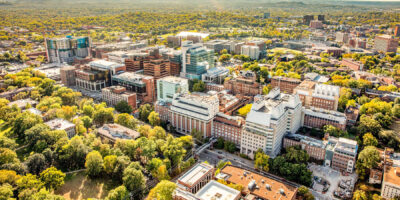
Meharry Medical College offers a close-knit campus in North Nashville, minutes from downtown. As a historically Black college and university (HBCU), Meharry is steeped in heritage and also offers modern facilities for study, simulation and patient care.
Facilities at Meharry Medical College
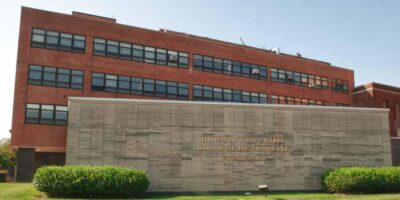
- Harold D. West Basic Sciences Building. Opened in December 1976 and named for Meharry’s first African American president, Harold Dadford West, Ph.D. It houses School of Medicine administrative and faculty offices, lecture halls, laboratories, study rooms, lounges, computer labs, meeting rooms and a testing center.
- S.S. Kresge Learning Resources Center. Opened in 1973, it houses the medical library, four lecture halls, administrative offices and the Pamela C. Williams, M.D., Simulation and Clinical Skills Center. The building is LEED certified.
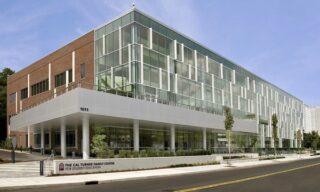
- Cal Turner Family Center for Student Education. An 80,000-square-foot center named for Nashville philanthropist and former Dollar General CEO Cal Turner Jr. It features the 500-seat Wayne J. Riley auditorium, the Wells Grand Ball, study and classroom space, a food court and a visitor’s center, and it houses the Division of Student Affairs, including the Registrar, Student Life, Financial Aid and Admissions. White Coat and Match Day ceremonies take place here.
- Hulda Margaret Lyttle Hall. Named for a 1913 graduate of Meharry’s School of Nursing who became the first African American female dean at Meharry. It is listed on the Tennessee Historical Society Register and today holds administrative offices and the editorial offices of the Journal of Health Care for the Poor and Underserved.
- Dr. Dorothy Brown Hall. Named for alumna Dorothy Brown, M.D. ’48, it houses data and analytics offices, research offices and the college’s high performance computing data center.
- Lloyd C. Elam Mental Health Center. A clinical building that also holds the Ross Fitness and Recreation Center, with a separate entrance for students.
- Ross Fitness and Recreation Center. Includes a full basketball court, a weight room and an aerobics room, with intramural sports and group fitness through Student Life.
- School of Medicine study and relaxation spaces, set aside for medical students across campus.
The campus also houses the School of Dentistry, the School of Graduate Studies, the School of Applied Computational Sciences and the School of Global Health. Meharry’s commitment to care extends to its clinics: the Meharry Medical Group (the college’s clinical practice), the Dental Clinic, the Meharry Travel Clinic and the student-run Salt Wagon Clinic, a free clinic that provides primary care, chronic disease management for conditions such as diabetes and hypertension, and referrals.
Student organizations
Meharry provides an active campus life, with more than 40 approved student organizations. These groups offer service opportunities as well as social and cultural events. Professional organizations listed by Student Life include the Pre-Alumni Association, the Student National Medical Association and the Graduate Student Association, alongside Greek-letter and special interest groups. Professional groups also include the American Medical Student Association. Each year, Meharry’s Community Day brings students from all of the college’s schools together to run educational and fun activities for children and parents in the surrounding neighborhood, and students hold fundraisers and clothing and food drives for local shelters and food banks. Intramural sports include softball and basketball. Medical students can also join specialty interest groups tied to their career plans. Before you count on a particular club, confirm that it is open to medical students, since some groups serve dental or graduate students.
Campus environment and service culture
Meharry Medical College focuses on academic excellence and also on a well-rounded experience. The diverse student body, extracurricular activities and modern facilities create an environment where students can grow academically, professionally and personally. Community involvement is part of daily life. Students volunteer with mobile health units that offer free screenings and vaccinations in underserved neighborhoods, and with Meharry’s no-cost care programs. The Center of Excellence also runs community programs such as a Saturday ACT review program for Nashville high school students, which gives medical students mentoring opportunities.
Enhancing the student experience at Meharry
- Campus tours: Prospective students can tour campus year-round. Schedule through the Office of Student Affairs and Admissions at [email protected].
- Student Affairs: The School of Medicine Office of Student Affairs offers support services, programs and activities. Its Career Advisement Program pairs students with faculty Specialty Career Advisors and runs a “Road to Residency” series of class meetings and workshops.
- Academic support: The Center for Academic Success and Achievement supports students across schools.
- Student Accessibility Office: Coordinates accommodations.
- Health and wellness: Fitness programs, wellness resources and counseling are available through Student Life and Health and Wellness.
Supportive housing resources
Meharry’s commitment to student welfare extends to housing. The college offers three on-campus options, and many students live off campus in North Nashville and nearby Germantown.

- Constellation Place: Opened in 2023 as a living and learning center, with 126 one-bedroom apartments for students only, classroom space, a study room, an exercise facility and in-unit washers and dryers. One-bedroom units start at $1,500 a month.
- Morena Place: One- and two-bedroom units for students, faculty and staff, starting at $1,172 and $1,733 a month, with gated parking, exercise rooms and study rooms.
- Royal Towers: Efficiency, one-bedroom and two-bedroom apartments at $680, $810 and $930 a month. Many alumni started their Meharry journey here.
Compare these rates with the $2,100 monthly housing allowance in the cost of attendance. Students who choose the lower-cost on-campus options can stretch their budget further. Current rates and applications are on the Housing and Residential Life page.
Campus life at Meharry Medical College blends academic rigor, professional growth, cultural heritage and community service, within a supportive environment that champions student success.
Clinical Rotations and Research Opportunities
Clinical training sites
Meharry Medical College students train in settings that serve a wide range of patients, many of them uninsured or underinsured. The core confirmed sites and clinical partners include:
- Nashville General Hospital: One of the two campuses of the Department of Internal Medicine, and a public hospital with a long history of caring for Nashville’s safety-net population.
- Alvin C. York VA Medical Center (Murfreesboro, Tennessee): The second campus of the Department of Internal Medicine, part of the VA system, where students learn to care for veterans.
- Meharry Medical Group: The college’s own clinical practice, including the Center for Women’s Healthcare.
- Salt Wagon Clinic: A student-run free clinic for primary care and chronic disease management.
- Blanchfield Army Community Hospital, Southern Hills Medical Center and Vanderbilt Health: Affiliated hospitals used for clinical teaching, along with Vanderbilt’s Monroe Carell Jr. Children’s Hospital and other affiliated hospitals and clinics.
- Lloyd C. Elam Mental Health Center: Home to psychiatry and behavioral health services and to Project REACH, which provides free rapid HIV testing, counseling and linkage to care.
The Department of Internal Medicine is Meharry’s largest department. Its chair, Dr. Chike Nzerue, describes its goals as providing “comprehensive, patient-centered, culturally competent care” and preparing students and residents for “a rapidly changing American health care ecosystem.” The department includes general internists and specialists in pulmonary and critical care, cardiology, endocrinology, hematology and oncology, infectious disease and nephrology.
Clinical rotations begin in March of the second year. Core clerkships in the second phase of Next S.T.E.P. cover the major specialties. The clinical years include family medicine, psychiatry, obstetrics and gynecology, pediatrics, internal medicine and surgery, an ambulatory rotation in an urban or rural underserved area, an internal medicine subinternship, a capstone, radiology and guided electives. Clinical departments include family and community medicine, internal medicine, obstetrics and gynecology, pathology, pediatrics, psychiatry and behavioral sciences, and surgery. The third-year budget includes extra travel money, which tells you that some rotations take students beyond the main campus, so plan for a car or reliable transportation. The Office of the Dean includes a manager for clinical affiliations, and the School of Medicine has an assistant dean of clinical affiliations. Ask at your interview which sites are used for each clerkship and how students are assigned.
Psychiatry is growing. In September 2026 the School of Medicine announced two new faculty appointments in the Department of Psychiatry and Behavioral Sciences to address mental and behavioral health needs in Nashville and Middle Tennessee. Applicants interested in behavioral health can build early experience through mental health internships abroad and through local crisis or counseling work.
Graduate medical education
Meharry trains more than 100 residents a year in programs that include internal medicine, occupational and environmental medicine, psychiatry and behavioral sciences, public health and preventive medicine, and a sports medicine fellowship, along with dental residencies. Residents teach and work alongside medical students, and Meharry itself appeared among the residency destinations for the Class of 2026.
Match outcomes
For medical students who matched, the Class of 2026 had a 92% match rate. Residency destinations named by the school include Meharry, George Washington University, UCSF, UMass Chan, Hackensack Meridian, Baylor College of Medicine (San Antonio), the University of Tennessee Health Science Center, Tulane, Rutgers, the University of Alabama at Birmingham, the Medical College of Georgia, the University of Pittsburgh and Vanderbilt University Medical Center. The school’s Match 2026 release lists more. A vast majority of graduates match in primary care fields.
Research opportunities
Meharry encourages “all students to pursue research opportunities that enrich their education, strengthen their skills and help define their scientific and clinical interests.” Options include:
- Short-term and summer research. The Medical Student Research office publishes a summer research directory of Meharry researchers who have agreed to host medical students, plus a list of national programs such as the NIH Medical Research Scholars Program and specialty society fellowships. Stephania Miller-Hughes, Ph.D., is the Assistant Dean of Research.
- Medical Student Research Day. An annual event where students present work to faculty, judges and peers.
- Center of Excellence Student/Faculty Research Program. First-year students can join collaborative research with Meharry faculty and faculty at other institutions, with prior approval.
- Institutional partnerships. Meharry’s research partnerships include VICTR (the Vanderbilt Institute for Clinical and Translational Research, through an NIH Clinical and Translational Science Award), the Tennessee Center for AIDS Research, the AIM-AHEAD consortium on artificial intelligence and health equity, and the NIH-funded ENVIT environmental health training program. The Meharry-Vanderbilt Alliance offers more than 265 mentored clinical research projects for faculty development.
- Center for Women’s Health Research. Led by the chair of obstetrics and gynecology, it pairs women’s health research with free consultations, clinical breast exams, mammograms and HPV tests for qualifying women in Middle Tennessee.
- Other research centers. The Center for AIDS Health Disparities Research studies the biology of HIV/AIDS and remedies for the populations most affected, with biology, behavioral and community outreach focus areas. The Clinical and Translational Research Center is a training infrastructure for Meharry scientists who pursue translational, community-based and multi-center clinical research. Research is required during medical school and encouraged in areas of health disparities. Meharry received $33,957,496 in direct federal research grants and contracts in fiscal year 2024.
- A research year. Students can take an approved yearlong research experience. They stay enrolled, pay institutional fees and are not charged tuition, but they cannot receive financial aid that year and must seek a stipend from their preceptor.
Community health organizations
Meharry partners with community organizations, local health departments and community health centers, both for research and for services in underserved neighborhoods. The Tennessee Center for AIDS Research partnership, for example, joins Meharry with the Tennessee Department of Health and Nashville CARES. Meharry also runs Tennessee Rural Health Transformation programs and a mobile health unit program. Community service is a requirement during medical school. In the 2025 Graduation Questionnaire, 18% of Meharry’s graduating seniors reported a global health experience during medical school. Through these collaborations, Meharry Medical College contributes to the health of communities in Nashville and across Tennessee.
Notable Alumni, Faculty, Leadership and Admissions Staff
Meharry Medical College takes pride in its faculty and distinguished alumni, who have made significant contributions to medicine. Their dedication to medical education, research and patient care continues to shape the next generation of Meharrians.
School leadership
Sonja Harris-Haywood, M.D., M.S., M.A., Dean, School of Medicine. Dr. Harris-Haywood leads the School of Medicine and chairs its LCME task force. In her welcome message she writes that the school educates “the next generation of physicians through hands-on clinical experiences, community engagement, and cutting-edge research” and that Meharry “remains a leading producer of primary care physicians.” At the 2026 Match ceremony she told graduates, “Healthcare is not a privilege for a few. It is a right for everyone.” For applicants, her messages are a clear statement of what the school values: service, access and steady improvement.
James E.K. Hildreth Sr., M.D., Ph.D., President and Chief Executive Officer, Meharry Medical College. Dr. Hildreth leads the college as a whole. At the 2026 White Coat Ceremonies he said, “For 150 years, Meharry has prepared leaders who answer a calling greater than themselves,” and at the 2026 Commencement he called graduates “gifts to the world.” His remarks frame Meharry’s sesquicentennial as a renewal of its service mission.
David Satcher, M.D., Ph.D., former President. Meharry’s history pages list Dr. Satcher as its eighth president and a former U.S. Surgeon General. His career shows the public health reach of Meharry’s leadership tradition.
Admissions and student affairs staff
Admissions for the School of Medicine is handled by the Office of Admissions and Recruitment within the Division of Student Affairs, located in the Cal Turner Family Center ([email protected]). The school does not publish a named admissions dean on its public pages, so address questions to the office.
Ebonie Woolcock, M.D., M.P.H., FACOG, Assistant Dean for Student Affairs and Assistant Professor of Obstetrics and Gynecology. Dr. Woolcock leads the School of Medicine Office of Student Affairs and serves as a Specialty Career Advisor. Her office supports students from orientation through the residency application, including the “Road to Residency” series. For applicants, she represents the advising structure you would rely on once enrolled.
Current faculty
José E. Rodríguez, M.D., FAAFP, Chair and Professor, Family and Community Medicine. Dr. Rodríguez earned his MD at Weill Cornell Medicine and trained in social medicine at Albert Einstein College of Medicine and Montefiore. He holds medical education research and leadership certificates, received the Society of Teachers of Family Medicine Presidents Award, and was named one of Becker’s Hospital Review “63 Hispanic and Latino Leaders to Know” in 2024. His department is central to Meharry’s primary care mission.
Shaneeta Johnson, M.D., M.B.A., FACS, FICS, FASMBS, Chair and Professor, Surgery. Dr. Johnson is a bariatric surgeon and also professor of global health and associate dean of global health partnerships and engagement at the Meharry School of Global Health. She earned her MD at Loma Linda University School of Medicine and an executive MBA in health policy and leadership at Brandeis University. Applicants interested in surgery and global health will find a clear role model in her work.
Leslie C. Appiah, M.D., FACOG, MSCP, Chair of Obstetrics and Gynecology and Executive Director of the Center for Women’s Health Research. Dr. Appiah completed a pediatric and adolescent gynecology fellowship at Texas Children’s Hospital and a women’s health research career development fellowship at Baylor College of Medicine. She is an ELAM fellow and received the AMA Women Physicians Inspiration Award in 2022. The Center she leads offers free cancer screenings to women in Middle Tennessee, a practical example of Meharry’s research and service working together.
Chike Nzerue, M.D., M.B.A., FASN, Chair and Professor, Internal Medicine. Dr. Nzerue is a nephrologist whose research covers kidney disease in pregnancy, substance use and kidney function, and early detection of hypertension and kidney disease in underserved communities. He trained in kidney disease at Emory University and holds an MBA from Oxford. He is also a published novelist and poet. He leads the department that runs training at Nashville General Hospital and the York VA.
Stephania Miller-Hughes, Ph.D., M.S., M.S.C.I., Assistant Dean of Research and Professor of Surgery. Dr. Miller-Hughes leads medical student research, including the summer research directory and Medical Student Research Day. If you hope to publish or present during medical school, her office is your starting point.
Notable alumni of Meharry Medical College
Dorothy Lavinia Brown, M.D. (1919-2004), Class of 1948. Dr. Brown spent her childhood in an orphanage and became the first African American woman surgeon in the South. She completed her surgical residency at Meharry’s Hubbard Hospital, was the first African American woman to serve in the Tennessee General Assembly, fought for women’s rights and the rights of people of color, and in 1956 became the first single woman in Tennessee granted the right to adopt. Legacy: she pioneered medical care and political representation for African Americans in the South, and Dr. Dorothy Brown Hall on campus carries her name.
Carlton Benjamin Goodlett, M.D. (1914-1997), Class of 1944. A physician, newspaper publisher and civil rights leader in San Francisco. From 1951 he owned the Reporter Publishing Company, which published the Sun-Reporter and other regional African American weeklies in Northern California, while maintaining a busy medical practice in his newspaper office until 1983. Legacy: he championed Black voices and access to information during the civil rights movement.
Miles Vandahurst Lynk, M.D. (1871-1956), Class of 1891. A physician and author who worked to create opportunities for African Americans in medicine. He founded and published the Medical and Surgical Observer, the first medical journal published by an African American, and founded the University of West Tennessee College of Medicine and Surgery. Legacy: he opened paths for Black participation in medical education and leadership.
Georgia Rooks Dwelle, M.D. (1884-1977), Class of 1904. An Atlanta physician who specialized in obstetrics and pediatrics. When she was licensed in 1904, she was one of only three African American women physicians in Georgia. She opened the Dwelle Infirmary, the first successful private general hospital for African Americans in Atlanta, and the city’s first obstetrical hospital for African American women. Legacy: she improved access to critical care for underserved families.
Emerson Emory, M.D. (1925-2003). A Dallas internist and psychiatrist who served in the Army during World War II, graduated from Lincoln University in 1948 and earned his MD at Meharry four years later. He completed his residency at St. Paul’s Hospital, the first major hospital in Dallas to grant staff privileges to Black doctors, and spent his career serving the African American community through medical and mental health care. Legacy: he broke down barriers and provided care to a marginalized population.
These are only a few examples. Meharry’s history pages also recognize figures such as surgeon Matthew Walker, who established Meharry’s first surgical residency and helped create the Matthew Walker Comprehensive Health Center, and pediatrician E. Perry Crump, Class of 1941, who studied the links between socioeconomic factors and infant mortality. Each Meharrian has a unique story, and together they show the contributions Meharry has made to medicine and society.
Admissions Statistics and Class Profile
Meharry Medical College prides itself on a diverse and dynamic student body. Here is what the school publishes about recent classes, with cohort labels.
What the school publishes
- Class size: 115 first-year seats.
- Applicants: more than 7,000 applicants for those seats.
- Graduates: 107 School of Medicine graduates crossed the stage at the May 16, 2026 Commencement, part of the college’s largest graduating class (565 across five schools).
- Match: 92% match rate for the Class of 2026.
- Primary care: a vast majority of graduates match in a primary care field.
- National standing: Diverse Issues in Higher Education annually ranks Meharry as a leading national educator of African Americans who earn MD, DDS and PhD degrees in the biomedical sciences.
2025 entering class profile
| Metric | Value | Population | Source |
|---|---|---|---|
| Median MCAT total | 506 (mean 506.4, standard deviation 3.9) | All accepted applicants, most recent score | AAMC MSAR school profile, 2026 edition |
| Median MCAT section scores | Chemical and Physical Foundations 126; Critical Analysis and Reasoning Skills 126; Biological and Biochemical Foundations 127; Psychological, Social and Biological Foundations 128 | All accepted applicants | AAMC MSAR school profile, 2026 edition |
| Median GPA | 3.64 | Accepted applicants | AAMC MSAR school profile, 2026 edition |
| Applicants interviewed | 417: 57 in-state, 345 out-of-state, 15 international | Interview counts reported by the school | AAMC MSAR school profile, 2026 edition |
| Total enrollment | 521 medical students | Actively enrolled, October 2025 | AAMC MSAR school profile, 2026 edition (AAMC Data Warehouse) |
| Estimated new entrants | 115: 110 MD, 5 MD/PhD | 2026-2027 cycle | AAMC MSAR school profile, 2026 edition |
A median MCAT of 506 means half of the accepted applicants scored 506 or lower. The section medians are balanced, with the highest median (128) in the Psychological, Social and Biological Foundations section. Most interviewees come from outside Tennessee: 345 of the 417 applicants interviewed for the 2025 entering class were out-of-state residents.
What is not published
The number of acceptance offers for a recent class is not published, so an acceptance rate (offers divided by applications for the same cohort) cannot be calculated. The only ratio the school’s own figures allow is a matriculation ratio: 115 seats for more than 7,000 applicants is roughly 1.6 seats per 100 applicants. This understates the true acceptance rate, because Meharry admits more applicants than it has seats.
How to read Meharry’s academic expectations
The school recommends a 3.5 to 4.0 GPA in prerequisite courses to be competitive, and it requires an MCAT taken within three years. It uses no minimum GPA or MCAT to screen applicants. For the 2025 entering class, accepted applicants had a median GPA of 3.64 and a median MCAT of 506. Because the committee reviews academic performance alongside service, leadership, letters and the personal statement, an applicant with a strong upward trend and a long record of service in underserved communities may be competitive even with numbers below a school’s typical range. Meharry considers postbaccalaureate and graduate coursework when an applicant’s undergraduate GPA is lower, so students with academic gaps often strengthen their record through a postbaccalaureate or master’s program before applying.
Demographics and geography
Meharry’s student body is diverse and draws students from across the country. As an HBCU, Meharry educates a large share of the nation’s African American physicians. A breakdown of in-state and out-of-state matriculants is not published. Interview counts show the shape of the pool: of the 417 applicants interviewed for the 2025 entering class, 57 were Tennessee residents, 345 came from other states and 15 were international applicants.
Tips and Strategies for Admission
Meharry’s selection criteria are public: academic performance, MCAT, personal characteristics, awareness of the profession through shadowing or other health care experience, leadership, community service, letters and the personal statement. The following strategies turn those criteria into a plan. They are editorial advice, not a description of an internal scoring rubric.
1. Build service that looks like Meharry’s mission
Meharry trains physicians for underserved communities. Choose service where you work with people who face barriers to care, and stay long enough to take on responsibility. Free clinics, community health centers, food security programs, re-entry programs and health education in schools all fit. In your activities section, describe who you served, what you did and what changed because you were there.
2. Get real clinical exposure
The committee asks for awareness of the medical profession. Shadowing shows you what physicians do; direct patient contact shows you can do part of it. Aim for both. Paid roles such as medical assistant, scribe or EMT, and volunteer roles with patient contact, are valuable. Clinical internships for pre-med students that let you take vitals, do intake and help with care under supervision can add depth, especially if you reflect on how care differs when resources are scarce.
3. Show you understand primary care and public health
You do not have to commit to primary care, but you should understand why Meharry emphasizes it. Spend time in a family medicine or pediatrics clinic, learn about social determinants of health, and be ready to discuss a health disparity you have seen up close.
4. Meet the hard requirements early
Check that your bachelor’s degree will be complete before matriculation, that organic chemistry and biochemistry are from a four-year school, and that your MCAT will still be valid for summer 2027 entry. Take CASPer early. Line up a committee letter or three individual letters, with two from science professors.
5. Apply early, and decide on Early Decision honestly
Review starts July 1 and interviews start in September. Submit AMCAS in June if you can. Consider the Early Decision Program only if Meharry is your clear first choice and your file is complete by August 1. Remember that Early Decision applicants are also considered for institutional scholarships.
6. Write secondaries that are specific to Meharry
Both secondary prompts reward specifics. Name programs and places you have researched: the Next S.T.E.P. curriculum, the Salt Wagon Clinic, training at Nashville General Hospital, the Center for Women’s Health Research, MSEAP or the MD/PhD with Wharton. Connect each one to something you have already done.
7. Prepare for a three-part interview
Practice a long conversational interview, a short situational prompt and a group conversation with students. Each tests different skills.
8. If you are reapplying
Use the time to fix the most likely weakness: more sustained service, stronger clinical work, a higher MCAT or new letters. Some applicants use pre-med gap year programs or a year of full-time clinical work to add depth before reapplying. Describe what has changed since your last application.
9. Find guidance when you need it
Internships for pre-med students and advising programs can help you plan, but no program guarantees admission. Use them to build experience and reflection you can write about honestly.
For those exploring medical education options, it is crucial to research the unique characteristics of each medical school. This will help you find a program that aligns with your aspirations and goals in medicine.
Secondary Application Questions, Example Responses and Analysis
Meharry’s supplemental application is sent by invitation after the school reviews your AMCAS application. For the 2026-2027 cycle it contains two essay prompts, both answered by every invited applicant. The fee is $65, and the supplemental is due January 15, though the committee prefers that you complete it before your interview. No word or character limit is shown for either essay. Write a complete, focused response; a range of roughly 500 to 700 words per essay gives you room for a specific story and reflection without padding. Follow any limit your portal displays.
Before you start, it helps to see how the two prompts work together. The Statement of Purpose asks why Meharry. The Statement of Resilience asks how you handle setbacks. Together they let the committee judge mission fit and maturity, two things the AMCAS personal statement cannot fully show. If you want to compare these prompts with other schools’, our medical school secondary essay prompts database collects them by school.
There are no separate prompts published for the MD/PhD program, MSEAP or the Levi Watkins pathway at the supplemental stage. MD/PhD candidates apply to the PhD after the first two years of medical school, and MSEAP and Watkins applications run through MTSU and TSU.
Statement of Purpose: Why do you wish to attend Meharry Medical College, School of Medicine?
Exact prompt (2026-2027): “Statement of Purpose: Why do you wish to attend Meharry Medical College, School of Medicine?”
Limit: No limit shown. Who answers: every applicant invited to the supplemental application. Required: yes.
What it asks. This is a classic “why us” question, but at Meharry it is really a mission question. The committee wants to know whether you understand what Meharry is for, and whether your own history points in the same direction. Strong answers connect three things: an experience that shaped your goals, specific features of Meharry that serve those goals, and the kind of physician you plan to become.
How to approach it.
- Open with a short, concrete scene that shows the problem you want to work on, ideally from your own service or clinical work.
- Name two to four specific features of Meharry and tie each to something you have already done. Good candidates include the Next S.T.E.P. curriculum, the Salt Wagon Clinic, internal medicine training at Nashville General Hospital and the York VA, the Center for Women’s Health Research, the research office and Research Day, MSEAP’s rural focus or the Wharton MD/PhD.
- State your career direction plainly, even if it may change.
- Close by returning to the opening scene or person.
Illustrative example, not an actual applicant essay
The first time I helped check a blood pressure at the Mount Olive health fair in my hometown, the reading was 192 over 110. The man in the chair was a sixty-one-year-old truck driver named Mr. Carter, and he laughed when the nurse told him to go to the emergency room. “I feel fine,” he said. “I don’t have a doctor, and I can’t miss a run.” That afternoon, the nurse sat with him for twenty minutes, called a free clinic across town and found him an appointment for Monday. I was a high school junior holding a clipboard, and I understood for the first time that the hardest part of medicine is often not the diagnosis. It is everything between the diagnosis and the care.
I want to attend Meharry Medical College School of Medicine because Meharry was built to close that gap. The Salt Wagon Story is more than a founding legend to me. It describes a debt repaid through service, and it is still visible in the student-run Salt Wagon Clinic, where Meharry students manage diabetes and hypertension for patients who have nowhere else to go. For three years I have volunteered at a free clinic in Memphis, first at the front desk and now as a patient navigator who helps uninsured patients enroll in medication assistance programs. I want to keep doing that work as a medical student, with more skill and more responsibility, at a clinic that students help lead.
Meharry’s Next S.T.E.P. curriculum is a second reason. Learning through the 120 most common clinical problems makes sense to me because those are the problems I have watched patients carry into our clinic: chest pain they ignored, shortness of breath they blamed on allergies, fatigue that turned out to be uncontrolled diabetes. I learn best when science answers a question a real person is asking. In my organic chemistry and biochemistry courses, I started a study group that built each week’s review around a case, and our group’s average on the final exam rose by eleven points over the semester. Team-based learning at Meharry would build on habits I already have.
I also want to train where the patients look like the communities I plan to serve. Training in internal medicine at Nashville General Hospital and the Alvin C. York VA Medical Center would prepare me for the people I hope to care for: working adults with chronic disease, older patients managing several conditions, and veterans whose needs cross medical and social lines. My grandfather was a Vietnam veteran who managed his diabetes alone for years because the nearest VA clinic was ninety minutes away. Learning to care for veterans is personal for me.
Finally, I am drawn to Meharry’s commitment to primary care and to the communities that most need it. I plan to practice family medicine in the Mississippi Delta, where my family is from and where many counties have too few physicians. Meharry has prepared generations of physicians for exactly this kind of work, and its faculty in Family and Community Medicine teach and practice the social medicine I want to learn. I would also seek out Medical Student Research Day to study medication access in rural Tennessee and Mississippi, building on the enrollment data I helped our clinic collect.
Mr. Carter kept that Monday appointment. A year later, he was back at the health fair, this time to help set up tables. He told me the clinic doctor had “talked to him like a person.” That is the kind of physician I want to become, and Meharry is where I want to become one.
Length: 603 words.
Analysis. The example answers the question directly: it says in plain terms why this applicant wants Meharry and gives four distinct reasons. Each reason is tied to a verified Meharry feature (the Salt Wagon Story and student-run clinic, the Next S.T.E.P. curriculum built on 120 clinical problems, internal medicine training at Nashville General Hospital and the York VA, and the school’s primary care emphasis and Research Day), and each feature is paired with evidence from the applicant’s past: three years at a free clinic, a case-based study group with a measurable result, and a grandfather’s experience with VA access. The opening scene shows the problem the applicant wants to solve (the gap between diagnosis and care), and the ending returns to the same patient, which gives the essay shape. The career goal, family medicine in the Mississippi Delta, matches Meharry’s stated vision for care in rural Tennessee and the Delta without claiming that the school prefers such applicants.
Mistakes to avoid.
- Praising Meharry’s history in general terms without connecting it to your own record.
- Listing programs you have not researched or that do not exist. Check every program name on the school’s site.
- Writing about Meharry as an HBCU only, without saying what you will contribute and what kind of medicine you want to practice.
- Repeating your AMCAS personal statement. Use a new story or a new angle.
- Implying that you need Meharry because other schools turned you down.
Statement of Resilience: Please describe a personal situation of failure, significant challenge, or a major obstacle that you have overcome.
Exact prompt (2026-2027): “Statement of Resilience: Please describe a personal situation of failure, significant challenge, or a major obstacle that you have overcome. Include a description of your coping skills and lessons you learned about yourself from that situation.”
Limit: No limit shown. Who answers: every applicant invited to the supplemental application. Required: yes.
What it asks. The prompt has four parts, and a strong answer covers all of them: the situation (a failure, a significant challenge or a major obstacle), how you overcame it, the coping skills you used, and the lessons you learned about yourself. Note the words “about yourself.” The committee wants self-knowledge, not a general moral.
How to approach it.
- Pick a real setback where you had some responsibility for the outcome, or where your response made the difference. A failure you own often reads more honestly than a hardship that simply happened to you.
- Spend no more than a third of the essay on the setback itself. Spend the rest on what you did and what you learned.
- Name your coping skills specifically: asking for help, restructuring your time, finding a support group, changing your study method, setting boundaries.
- State two or three lessons about yourself and show how you have used them since.
- Connect the lessons briefly to medicine or to Meharry, without forcing it.
Illustrative example, not an actual applicant essay
In the spring of my sophomore year, I failed my first general chemistry exam with a 41. I had never failed anything. In high school I was the student who explained problems to everyone else, and I had arrived at college believing that hard work and good intentions would carry me. That semester, they did not. I was working twenty-five hours a week at a grocery store to help my mother with rent after her hours were cut, and I was studying in the break room between shifts. I told no one, because I believed that asking for help would prove I did not belong in a pre-med program.
The second exam went only slightly better. By midterm I had a D, and my advisor told me that withdrawing might protect my GPA. I remember sitting in my car in the store parking lot and deciding that if I withdrew, I would have to explain the withdrawal for the rest of my life. I decided to stay in the course, but I also decided that I could not keep doing the same things and expect a different result.
My first coping skill was honesty. I went to my professor’s office hours and told her the truth about my work schedule and my grades. She did not lower her expectations, but she showed me how to study from worked problems instead of rereading notes, and she connected me with the campus tutoring center. My second skill was structure. I sat down with my manager and asked to move my shifts to weekends and two evenings, which gave me three protected study blocks each week. I wrote those blocks on a paper calendar and treated them like work shifts. My third skill was community. I joined a study group of four students, two of whom were also working, and we met every Tuesday night in the library. For the first time, I said out loud that I was struggling, and I learned that I was not the only one.
I finished the course with a B minus. That grade still sits on my transcript, and I am glad it does, because the lessons behind it are the most important things I learned in college. I learned that asking for help is not a weakness but a skill, and that the people I respect most ask for help often. I learned that my circumstances were real, but they were problems to solve, not reasons to quit. I learned to look at my habits honestly and change what was not working, even when change was uncomfortable. And I learned something about myself that surprised me: I am at my best when I am part of a team that is honest about where it stands.
Since that semester, I have earned A grades in organic chemistry, physics and biochemistry, and I now tutor first-year chemistry students, many of whom work jobs like I did. When a student tells me they are thinking about dropping out of a pre-health track after one bad exam, I tell them about my 41. Then we make a calendar together.
These lessons will matter in medical school and beyond. Meharry’s curriculum relies on team-based learning, and I know now that a team only works when its members are honest about what they do not understand. As a physician, I will meet patients who feel ashamed to admit they cannot afford their medications or cannot get to appointments. I know what it feels like to hide a struggle because you are afraid of being judged. I want to be the kind of doctor who makes it safe for patients to tell the truth, and then helps them make a plan.
Length: 619 words.
Analysis. The example answers every part of the prompt in order. The situation is a clear, owned failure (a 41 on a chemistry exam and a D at midterm), with honest context about work hours that does not become an excuse. The overcoming is concrete: the student stayed in the course and earned a B minus, then later A grades in harder courses. The coping skills are named and specific (honesty with a professor, a restructured work schedule with protected study blocks, a study group), so the reader can picture them. The lessons are explicitly “about myself,” as the prompt asks: asking for help is a skill, circumstances are problems to solve, and the applicant works best on an honest team. The ending shows the lessons in use (tutoring other working students) and links them to team-based learning at Meharry and to patients who hide struggles, which ties resilience to the kind of physician the applicant wants to be.
Mistakes to avoid.
- Choosing a “failure” that is really a strength in disguise, such as working too hard.
- Spending most of the essay describing the hardship and only a few lines on coping and lessons.
- Leaving out the coping skills, which the prompt asks for directly.
- Writing about another person’s illness or struggle without showing your own response and growth.
- Sharing trauma in more detail than you are comfortable discussing in an interview. Write only what you are ready to talk about.
Earlier wording of these prompts
Prompts from earlier cycles also appear online. Before 2025-2026, the questions read, “Why do you wish to attend Meharry Medical College School of Medicine?” and “Please describe a personal situation of failure, significant challenge or a major obstacle that you have overcome. Include a description of your coping skills and lessons you learned from that situation.” The 2026-2027 versions add the labels “Statement of Purpose” and “Statement of Resilience” and ask for lessons “about yourself.” Answer the current wording shown in your portal.
Practical tips for the supplemental
- Draft both essays in July, before invitations arrive, so you can submit within a week or two of receiving yours.
- Pay the $65 fee when you submit; plan for it, since no fee waiver is offered.
- Do not let the January 15 deadline set your pace. Interviews start in September, and the committee prefers a completed supplemental before your interview.
- Proofread for Meharry’s correct name and program names, and keep a copy of both essays to review before your interview.
Interview Format and Preparation
An interview is required of every applicant who is admitted. Interviews are conducted by Meharry faculty, staff and students, and the school states that “at this time, interviews are virtual.” Interview season runs from September through April, and invitations can go out from July 1.
What is confirmed about the format
The school describes three parts:
- Traditional interview, usually 30 to 45 minutes, conducted by Meharry faculty.
- Breakout interview, in which a faculty member presents a situational prompt. It lasts 10 minutes, including time to prepare.
- Student group interview, lasting 30 minutes, with current medical students.
Interviewers are members of the School of Medicine Admissions Committee, which includes faculty, alumni and current medical students. Regional interviews are not offered. You can read the school’s description in its Admissions FAQs.
What 2026-2027 applicants have reported
Applicants in the current cycle reported scheduling all three sessions from one calendar link, sometimes with less than two weeks of notice, and student sessions held on Saturday mornings. Some described the breakout portion as similar to a multiple mini interview station. Treat these reports as helpful context, not official policy, and check your own invitation email for instructions.
How to prepare (general guidance)
For the traditional interview. Know your AMCAS application and both secondary essays well. Expect questions about why medicine, why Meharry, your service, your clinical work, a challenge you faced and how you work on a team. Prepare two or three short stories that show service to underserved patients, since that is central to the school’s mission. Our list of common medical school interview questions is a good place to practice.
For the situational breakout. With about 10 minutes including prep, you need a clear structure. A simple approach: restate the situation, name the people affected and their interests, identify the ethical or practical issues, propose a response and explain what you would do if it did not work. Practice with timed prompts on topics such as patient confidentiality, a peer’s unprofessional behavior, limited resources or a patient who declines treatment.
For the student group interview. This is a conversation, not a contest. Listen, build on what others say, include quieter participants and be yourself. Students can tell when an applicant is performing. Ask genuine questions about student life, the Next S.T.E.P. curriculum, the Salt Wagon Clinic or rotations.
For the virtual setting. Test your camera, microphone and connection. Use a quiet, well-lit space with a plain background. Look at the camera when you speak, and keep notes out of view.
Questions worth asking. How do students get involved with the Salt Wagon Clinic? How are clerkship sites assigned? What support does the school offer for Step 1? How has the school addressed the LCME’s concerns, and what is the status after the April 2026 survey visit? How does the Office of Student Affairs support the residency application?
If you want structured practice, our medical school admissions consulting team runs mock interviews and feedback sessions.
After the interview
Admitted students use the AMCAS Choose Your Medical School tool. Initial deposits ($100) are refundable on request until April 30. By May 1, admitted students must withdraw from other schools, submit proof of withdrawal and pay a nonrefundable $1,500 enrollment and orientation deposit. Waitlisted applicants who are accepted between April and June must commit within two business days. Acceptance notices go out between October 16, 2026 and June 22, 2027. The $100 deposit is applied to tuition, and deferred entrance requests are decided case by case. Meharry typically holds 50 to 60 waitlist positions per cycle. The Admissions Committee ranks the waitlist, and as admitted students decline offers, the Office of Admissions and Recruitment contacts students from it. Before you receive a final decision, you can send up to two notices of significant updates per cycle, as PDF files to [email protected].
Frequently Asked Questions
What is Meharry Medical College known for?
Meharry Medical College is a historically Black academic health sciences center in Nashville, founded in 1876 as the first medical school in the South for African Americans. It is known for its commitment to serving minority and underserved communities, for training a large share of the nation’s African American physicians, and for producing primary care doctors. A vast majority of its MD graduates match in primary care fields. As an HBCU, it nurtures a diverse generation of health professionals who are academically prepared and attuned to the cultural and social context of the communities they serve. Its student-run Salt Wagon Clinic, its no-cost care programs and its clinical training at Nashville General Hospital put that mission into daily practice.
Is it hard to get into Meharry Medical College?
Yes. Admission is competitive. More than 7,000 applicants compete for 115 first-year seats. The committee looks for strong academic work (a 3.5 to 4.0 prerequisite GPA is recommended), a recent MCAT, health care experience, leadership, community service and qualities such as empathy and adaptability, all reviewed holistically. Accepted applicants for the 2025 entering class had a median GPA of 3.64 and a median MCAT of 506. Applicants with long records of service to underserved communities and a clear understanding of Meharry’s mission tend to make the strongest case. Apply early in the cycle, since review starts July 1.
What is the average MCAT score for Meharry Medical College?
For the 2025 entering class, accepted applicants had a median MCAT of 506 and a mean of 506.4. Section medians were 126 in Chemical and Physical Foundations, 126 in Critical Analysis and Reasoning Skills, 127 in Biological and Biochemical Foundations and 128 in Psychological, Social and Biological Foundations. Meharry uses no minimum MCAT to screen applicants. Your MCAT must be no more than three years old at matriculation, and exams taken after December 15 of the cycle are considered only at the committee’s discretion. The committee considers your latest score but sees every score you have, so focus on earning your best score on a single, well-prepared attempt.
How many people apply to Meharry Medical College?
More than 7,000 students apply each year for 115 first-year seats. For the 2025 entering class, 417 applicants were interviewed: 57 Tennessee residents, 345 out-of-state applicants and 15 international applicants. That is a large pool for a small class, which is why early submission and a well-written supplemental application matter. The number of applicants varies each cycle.
What degree programs are offered at Meharry Medical College?
The School of Medicine offers the MD, a Dual MD/PhD, with the PhD earned either in Biomedical Sciences at Meharry or in Health Care Management at the University of Pennsylvania’s Wharton School, and a combined MD/MPH with the School of Global Health. It also runs early acceptance pathways with Middle Tennessee State University (MSEAP) and Tennessee State University (the Dr. Levi Watkins Jr. Institute program) and a BS/MD summer enrichment program with twelve HBCUs. Across the college, Meharry also offers dentistry, graduate science, physician assistant, public health and data science programs, each with its own admissions process.
Are there residency programs associated with Meharry Medical College?
Yes. Meharry trains more than 100 residents each year in graduate medical education programs, including internal medicine, occupational and environmental medicine, psychiatry and behavioral sciences, public health and preventive medicine, and a sports medicine fellowship, along with dental residencies. Residents work with medical students in clinical settings. Meharry was also among the residency destinations for its own Class of 2026.
What opportunities are available for clinical training at Meharry Medical College?
Clinical training starts in the simulation center and standardized patient rooms of the Pamela C. Williams, M.D., Simulation and Clinical Skills Center, then moves to clerkships in the major specialties. Clinical rotations begin in March of the second year. Internal medicine training takes place at Nashville General Hospital and the Alvin C. York VA Medical Center in Murfreesboro, and affiliated teaching hospitals include Blanchfield Army Community Hospital, Southern Hills Medical Center and Vanderbilt Health. Students also work in the Meharry Medical Group, the student-run Salt Wagon Clinic and community programs such as mobile health units. Budget for transportation, since third-year rotations include travel.
What support services are available for students at Meharry Medical College?
Meharry offers academic support through the Center for Academic Success and Achievement, career advising and a “Road to Residency” series through the School of Medicine Office of Student Affairs, accommodations through the Student Accessibility Office, financial aid counseling, health and wellness services, the Ross Fitness and Recreation Center and on-campus housing in three apartment buildings. The college is dedicated to a supportive environment for every student.
How does Meharry Medical College prepare students for a career in health care?
Meharry prepares students through the Next S.T.E.P. curriculum, which teaches basic and clinical science together around the 120 most common clinical problems, with team-based learning in place of many lectures. Students build skills in simulation, train in safety-net and VA settings, take part in service clinics, and can join research through the Medical Student Research office. Graduates are expected to show competence in medical knowledge, patient care, communication, professionalism, systems-based practice and practice-based learning.
Is Meharry Medical College a good school?
Meharry is a respected, historic medical school with a distinctive mission. It has trained generations of Black physicians, leads in primary care training, and reported a 92% match rate for the Class of 2026. It is fully accredited by the LCME and is currently on probation while it addresses specific standards, which does not affect students’ degrees. Whether it is the right school for you depends on your goals: applicants who want to serve underserved communities and value a close-knit, mission-driven environment often find it an excellent fit.
Related Medical School Guides
While Meharry Medical College stands out for its history and its commitment to underrepresented communities, the landscape of medical education includes many institutions, each with distinct strengths and philosophies. Choosing the right medical school goes beyond rankings and reputation: it is about finding a place where your values, academic interests and professional goals align. These guides cover schools that applicants often consider alongside Meharry. They are comparisons of geography, mission or pathway, not claims of equal selectivity.
- Vanderbilt University School of Medicine: Meharry’s Nashville neighbor and research partner through VICTR and the Tennessee Center for AIDS Research, with a very different size and research focus.
- Belmont Frist College of Medicine: A new private MD school in Nashville, useful if you want to stay in the city and compare a newer program with a historic one.
- East Tennessee State University James H. Quillen College of Medicine: A public Tennessee MD school with a rural and primary care focus that echoes Meharry’s MSEAP goals.
- University of Tennessee Health Science Center College of Medicine: Tennessee’s flagship public medical school in Memphis, an important option for state residents.
- University of Louisville School of Medicine: A nearby Southern MD school with an urban safety-net mission.
- University of Kentucky College of Medicine: A regional MD option with rural campuses for applicants interested in Appalachian and rural care.
- Howard University College of Medicine, Morehouse School of Medicine and Charles R. Drew University of Medicine and Science College of Medicine: Other historically Black or mission-driven medical schools devoted to underserved communities. For an overview, see our guide to HBCU medical schools.
Osteopathic options in Tennessee and nearby
Meharry is an MD school, but some applicants also consider osteopathic (DO) programs in the region. Lincoln Memorial University-DeBusk College of Osteopathic Medicine in Harrogate, Tennessee, emphasizes primary care and service to rural and underserved communities, which overlaps with Meharry’s mission. Whether you find your calling in Tennessee or another region, the key is a program that matches your vision for your career and lets your commitment to patient care, community service and personal growth develop.
More medical school guides
As you consider your options, it is worth exploring schools with different environments and approaches. Take time to research, visit and talk with current students and alumni to understand what each school offers.
- University of Kansas School of Medicine (KUMC)
- Loma Linda University School of Medicine
- John A. Burns School of Medicine (JABSOM)
- Kansas College of Osteopathic Medicine (KansasCOM)
- UC Irvine School of Medicine
- Nova Southeastern University College of Allopathic Medicine
- Touro University Nevada College of Osteopathic Medicine
- University of Miami Miller School of Medicine
- Arkansas College of Osteopathic Medicine (ARCOM)
- University of Arkansas for Medical Sciences (UAMS)
- Tulane University School of Medicine
- LSU Health New Orleans School of Medicine
- LSU Shreveport Medical School
- Kirk Kerkorian School of Medicine at UNLV
- University of Nevada Reno School of Medicine
- University of Arizona College of Medicine-Tucson
- University of Arizona College of Medicine-Phoenix
- Burrell College of Osteopathic Medicine (BCOM)
- The University of New Mexico School of Medicine
- Alabama College of Osteopathic Medicine (ACOM)
- University of South Alabama College of Medicine
- University of Alabama School of Medicine
- FIU College of Medicine
- UCF College of Medicine
- USF Morsani College of Medicine
- Florida State University College of Medicine
- Medical College of Georgia at Augusta University
- Mercer University School of Medicine (MUSM)
- Campbell University School of Osteopathic Medicine (CUSOM)
- Medicine
- Edward Via College of Osteopathic Medicine (VCOM)
- University of South Carolina Medical School
- Lewis Katz School of Medicine at Temple University
- Philadelphia College of Osteopathic Medicine (PCOM)
- Geisinger Commonwealth School of Medicine (GCSOM)
- Penn State Medical School
- CUNY School of Medicine
- SUNY Downstate Medical School
- NYIT College of Osteopathic Medicine
- NYU Long Island School of Medicine
- TOURO College of Osteopathic Medicine
- Norton College of Medicine at Upstate Medical University
- Jacobs School of Medicine at the University at Buffalo
- Hofstra Zucker School of Medicine
- Weill Medical College of Cornell University
- University of Rochester Medical School
- Icahn School of Medicine at Mount Sinai
- Renaissance School of Medicine at Stony Brook University
- Albert Einstein College of Medicine
- Ohio University Heritage College of Osteopathic Medicine
- Northeast Ohio Medical University (NEOMED)
- University of Cincinnati College of Medicine
- University of Toledo College of Medicine
- Wright State University Boonshoft School of Medicine
- Ohio State University College of Medicine
- Rowan University School of Osteopathic Medicine
- Hackensack Meridian School of Medicine (HMSOM
- Rutgers New Jersey Medical School (NJMS)
- Rutgers Robert Wood Johnson Medical School
- Cooper Medical School of Rowan University (CMSRU)
- A.T. Still University Kirksville College of Osteopathic Medicine
- Saint Louis University School of Medicine
- University of Missouri Medical School
- Kansas City University (KCU)
- UMKC School of Medicine
- New York Medical College
- University of Pittsburgh School of Medicine
- University of Wisconsin Medical School
- VCU School of Medicine
- University of Maryland School of Medicine
- Case Western Medical School
- University of North Carolina Medical School
- University of Florida Medical School
- Emory University School of Medicine
- Boston University College of Medicine
- California University of Science and Medicine
- UC San Diego Medical School
- California Northstate University College of Medicine
- Touro University of California
- CHSU College of Osteopathic Medicine
- UC Davis School of Medicine
- Harvard Medical School
- UC Riverside School of Medicine
- USC Keck School of Medicine
- UT Southwestern Medical School
- Long School of Medicine at UT Health San Antonio
- University of the Incarnate Word School of Osteopathic Medicine
- UT Austin’s Dell Medical School
- UTMB School of Medicine
- McGovern Medical School at UT Health
- Johns Hopkins School of Medicine
- The University of Texas Rio Grande Valley School of Medicine
- UNT Texas College of Osteopathic Medicine
- University of Houston College of Medicine
- Texas A&M College of Medicine
- Baylor College of Medicine
- George Washington University School of Medicine
- St. George’s University School of Medicine
- Lake Erie College of Osteopathic Medicine (in Pennsylvania)
- Sidney Kimmel Medical College at Thomas Jefferson University
- Wake Forest University School of Medicine
- Western University of Health Sciences (in California)
- Drexel University College of Medicine
- Stritch School of Medicine at Loyola University Chicago
- Georgetown University School of Medicine
- Yale School of Medicine
- Perelman School of Medicine
- UCLA Medical School
- NYU Medical School
- Washington University School of Medicine
- Brown Medical School
How International Medical Aid Can Help
International Medical Aid (IMA) helps pre-health students gain clinical experience and prepare strong applications. IMA has no affiliation with Meharry Medical College, and taking part does not improve anyone’s chances of admission there or anywhere else. What it offers is supervised patient care and structured reflection that you can write and speak about honestly.
Clinical internships abroad
IMA’s medical internships abroad place students in hospitals and clinics in Kenya and other sites. Under the supervision of local clinicians, interns take vitals, do patient intake and triage, and help with direct patient care. Our pre-med internships abroad are built for students preparing for medical school, and our broader pre-health internships serve students across health fields. Working in a setting with limited resources can sharpen the questions Meharry asks of applicants: what barriers keep people from care, and what role a physician plays in removing them.
To get the most from any clinical experience, keep a short journal of patients you helped (without identifying details), problems you saw and what you learned about yourself. Those notes become material for your Statement of Purpose and Statement of Resilience.
Admissions advising and interview preparation
IMA’s advisors help students plan their timelines, choose schools, draft and revise personal statements and secondary essays, and practice interviews. For Meharry, that can mean mock traditional interviews, timed situational prompts and group discussion practice. You can also read what past participants say on our alumni page.
Next step: If you are planning your clinical hours for the next year, explore our internship programs; if you are already writing secondaries, reach out to our admission consulting services at IMA for feedback.
Final Thoughts and Sources
Meharry Medical College offers a mission-driven MD program with deep roots in service, a curriculum built on the most common clinical problems, and training in Nashville’s safety-net and VA settings. If you want to practice medicine for communities that are too often overlooked, and you can show that commitment through sustained service and honest reflection, Meharry deserves a close look. Confirm the requirements, apply early, prepare both secondary essays in advance and practice for a three-part virtual interview.
We wish you success as you move forward in your medical career.
Source notes
All facts were checked on November 10, 2026. Cohorts and academic years are stated with each figure in the body.
- Meharry Medical College School of Medicine: Application Process and timeline, Prerequisites, Early Decision Program, Admissions FAQs (class size, supplemental fee and deadline, interview format, transfers), About the School (applicant volume, mission and vision) and Education (Next S.T.E.P., programs, residents).
- Meharry Office of Financial Aid and Scholarship Management: School of Medicine Cost of Attendance, 2026-2027 Academic Year; Scholarships page.
- Meharry accreditation pages and the LCME page; LCME, Accredited U.S. Programs (updated November 2, 2026).
- Meharry Mission and Vision; Our History; campus guide; Housing and Residential Life; Student Life; Ross Fitness and Recreation Center; No Cost Care and Health Outreach Services; Research Programs and Partnerships.
- Meharry program pages: Dual MD/PhD; MSEAP; Dr. Levi Watkins, Jr. Institute Accelerated Pathway Program; BS/MD Summer Enrichment Program; Center of Excellence; Medical Student Research; Simulation and Clinical Skills Center; Department of Internal Medicine.
- Meharry leadership and faculty pages: Office of the Dean, Department Chairs, Office of Student Affairs, and faculty profiles for Drs. Rodríguez, Johnson, Appiah, Nzerue and Woolcock.
- Meharry news releases: Match 2026 (March 25, 2026); Commencement 2026 (May 18, 2026); White Coat Ceremonies (August 11, 2026).
- AAMC Medical School Admission Requirements (MSAR) school profile for Meharry Medical College, 2026 edition (2025 entering class data; accessed November 10, 2026): median MCAT and GPA of accepted applicants, applicants interviewed, total enrollment, estimated new entrants, admissions, deposit and waitlist policies, affiliated hospitals, combined degrees, research funding and Graduation Questionnaire global health figure.
- AAMC Medical School Admission Requirements (MSAR) 2027 public reports: Tuition, Fees and Insurance (Tuition and Student Fees Survey 2024-2025); Debt Information (LCME Part I-B, academic year 2023-2024); Interview Procedures.
- Alumni biographies: National Library of Medicine, Changing the Face of Medicine (Dorothy Lavinia Brown); published biographies of Carlton B. Goodlett, Miles V. Lynk, Georgia R. Dwelle and Emerson Emory.
- Secondary prompts for 2026-2027: wording reported by current-cycle applicants on the Student Doctor Network 2026-2027 Meharry thread (August 2026) and listed by Med School Insiders for 2026-2027. The school does not publish the prompts outside its portal.
See more of our guides in your Google results: add International Medical Aid as a preferred source on Google.